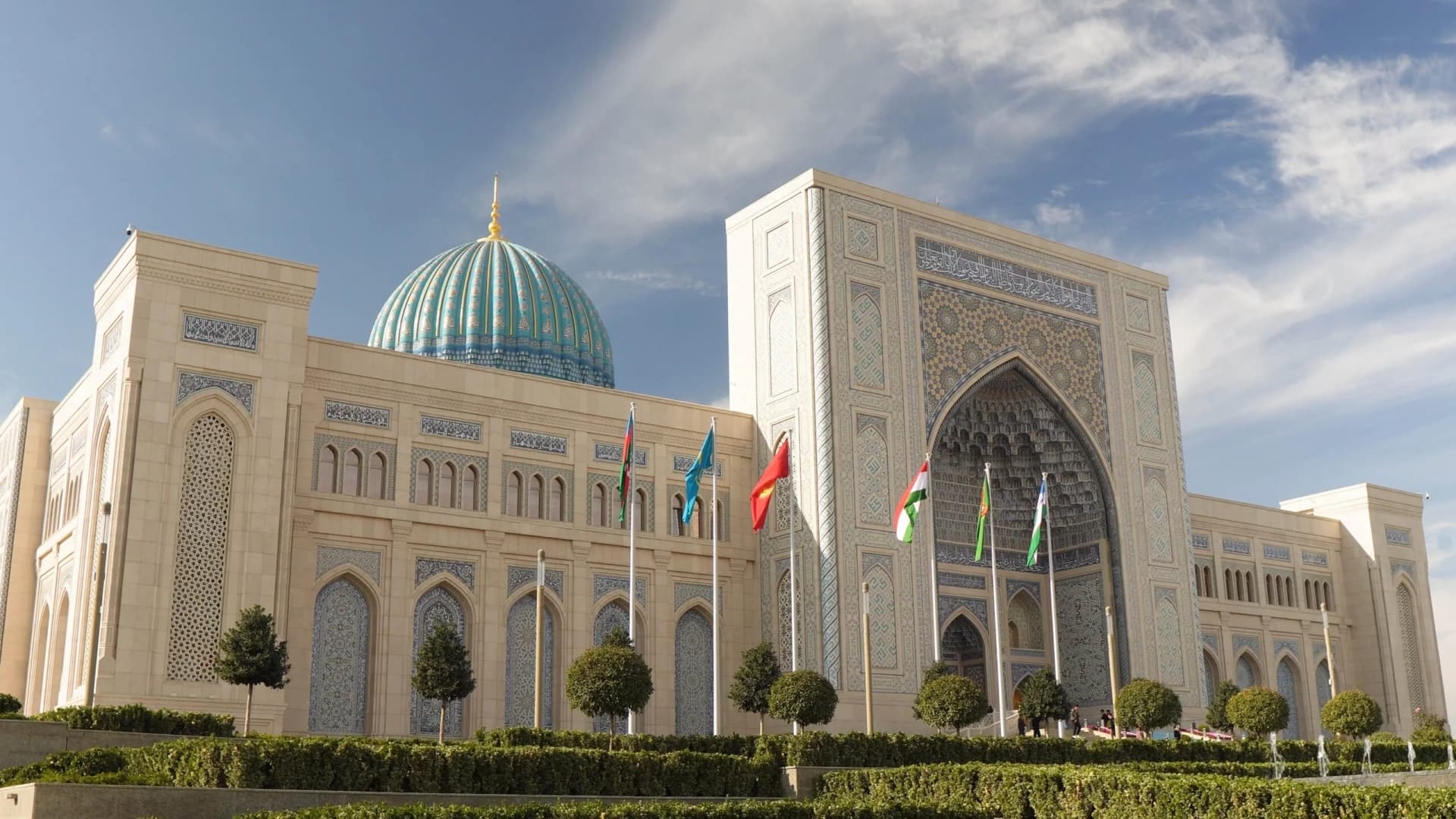

The Islamic Civilization Center in Uzbekistan is elevating its scientific potential to a new level
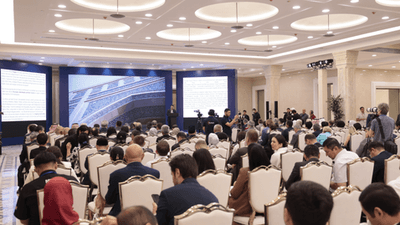
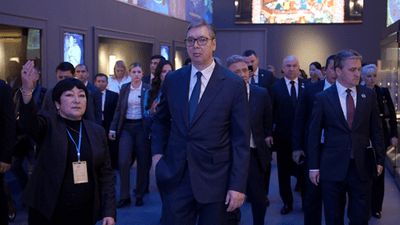
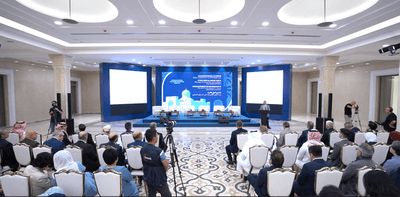
The next Extended Scientific Council meeting was held at the Islamic Civilization Center in Uzbekistan. During the session, eight key priority issues aimed at further improving the Center’s activities and the museum exposition from scientific, substantive, and organizational perspectives were comprehensively discussed. The meeting was chaired by the Chairman of the Scientific Council and Director of the Center, Firdavs Abdukhalikov, and was attended by members of the Scientific Council, including the President of the Academy of Sciences of Uzbekistan, Shavkat Ayupov, Academician Akbar Hakimov, Vice President of the Academy of Sciences Bahrom Abduhalimov, Director of the National Library of Uzbekistan Umida Teshaboyeva, scholars involved in organizing the exposition projects, and Center staff.
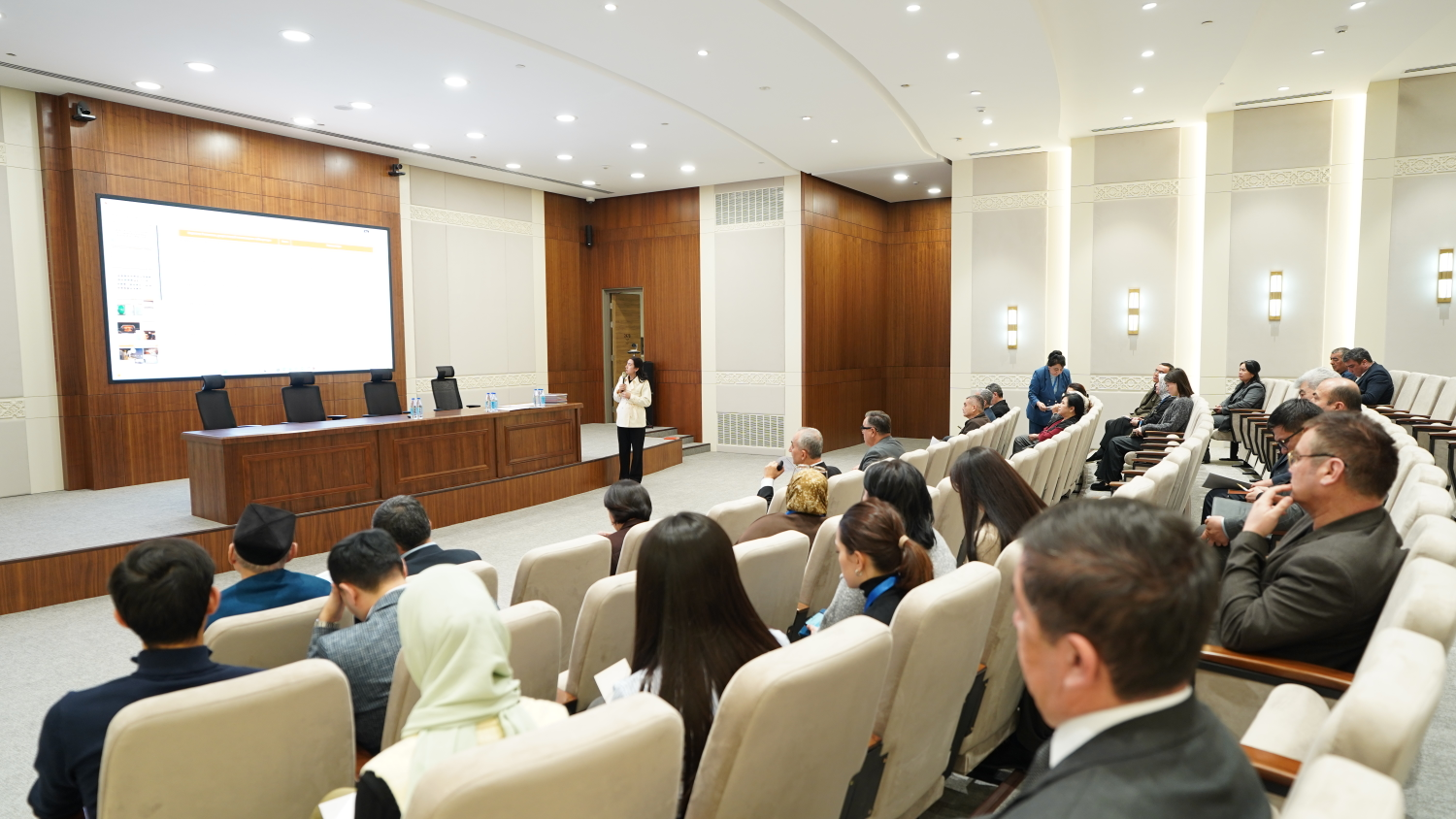 Reports were presented on the work carried out. In particular, it was noted that a total of 60 scientific and exhibition projects had been implemented within the First Renaissance section. To ensure the execution of these projects, 118 scholars and specialists were engaged, working within 15 dedicated working groups. It was also reported that 37 video productions had been created as part of scientific and innovative projects aimed at enhancing the exposition. This demonstrates that scientific work at the Center is organized systematically, collectively, and according to a clear plan.
Special attention was given to working with rare scientific sources. A facsimile edition of Ustrushoni’s “Children’s Rights” was prepared, while electronic facsimile versions of Yusuf Khos Khojib’s “Qutadgu Bilig” and Mahmud Kashgari’s “Diwan Lughat al-Turk” were created. In addition, the preparation of the Beruni Globe dedicated to the legacy of Abu Rayhan Beruni was highlighted as a practical result of an innovative scientific approach.
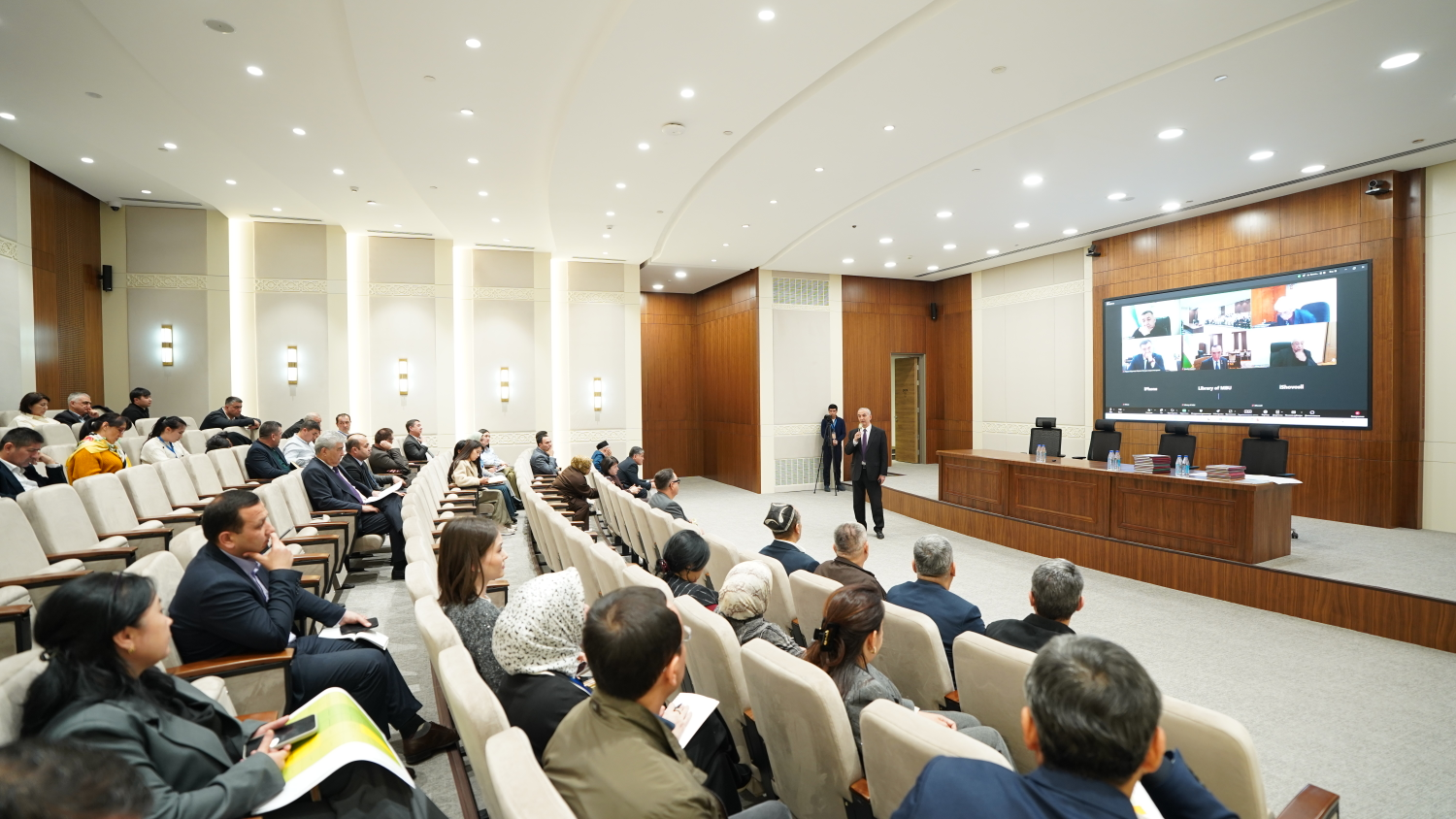 Bahrom Abduhalimov, Vice President of the Academy of Sciences of Uzbekistan, noted:
“Such scientific innovations should be present in every section. Only then will the scientific level of the Islamic Civilization Center rise even higher.”
The meeting also discussed efforts to enrich the content of the exposition, particularly the establishment of a new section titled “Uzbekistan in the 20th Century.” Doctor of Historical Sciences, Professor, and Head of the Islam Karimov Scientific and Educational Memorial Complex, Temur Shirinov, reported that 37 out of 57 proposed projects for this section had been approved.
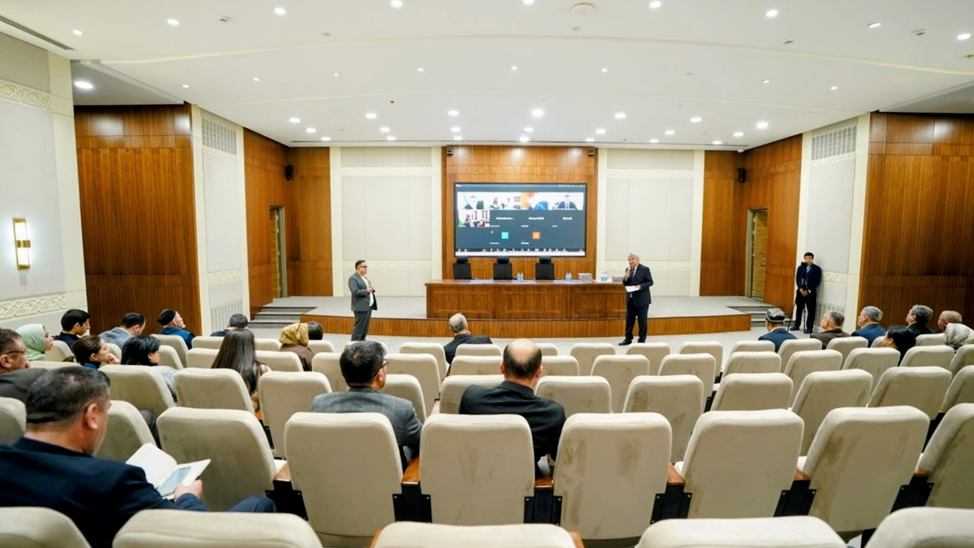
“We, as scholars and Center staff, accepted with deep responsibility and great pride the proposal of our esteemed President to shape, expand, and enrich the Center’s expositions in line with modern requirements. We responded unanimously with full commitment and mobilized all our knowledge, experience, and potential to implement this initiative. The idea of establishing the ‘Uzbekistan in the 20th Century’ section makes it possible to present one of the most complex yet crucial stages of our country’s history through scientific, objective, and modern approaches. We worked collectively and consistently to implement this project at a high level, ensuring it is rich in content, impactful in concept, and accessible to the wider public. Of the approved projects, 18 focus on the legacy of the Jadids, 10 address the complex historical processes of the former Soviet period, and 9 are dedicated to the early years of independence. Through these projects, we aim to ensure an objective, source-based approach to national history,” said Temur Shirinov.
Special attention was also given to further enriching the Center’s library collection and improving services. According to Umida Teshaboyeva, Director of the National Library of Uzbekistan, work is underway on eight major scientific projects in the library sphere.
“In cooperation with international educational institutions, including Perfect University, online versions of the rarest books have been added to the library’s electronic database. Additionally, four joint projects are being implemented in partnership with the National Library. The introduction of the ‘Koha’ automated information system has further strengthened the library’s scientific and informational capacity,” Teshaboyeva reported.
It was also announced that the Center’s unified official digital platform has been launched, integrating all sections, projects, and scientific materials. Members of the Scientific Council were instructed to review and analyze the platform over the course of a week and provide recommendations, and this proposal was unanimously approved.
Preparations for the Center’s opening and the quality of visitor services were also discussed. Director Firdavs Abdukhalikov stated that intensive work is underway to ensure visitor convenience, including clearly defined movement routes throughout the museum sections, full staffing of exhibition supervisors, and comprehensive guide services.
“In the Center established at the initiative of our esteemed President, every project must be perfect, and every visitor must experience the highest level of service,” emphasized F. Abdukhalikov.
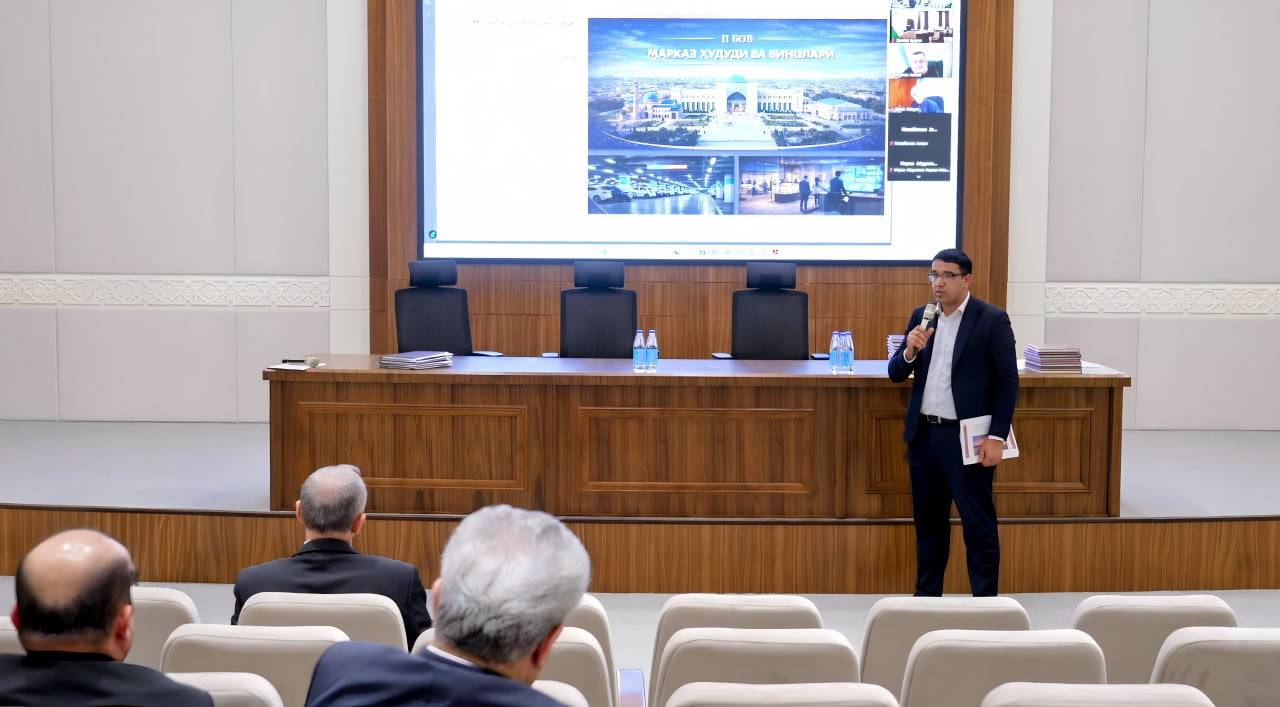 The Deputy Director of the Center for Information Technology, Izzat Ibragimov, reported that special information and guide services are being organized for children, women, and scholars. He also noted that opportunities are being created for visitors to independently explore the expositions through QR codes, tablets, and electronic headsets. In addition, he informed participants about the ongoing implementation of robot guide services.
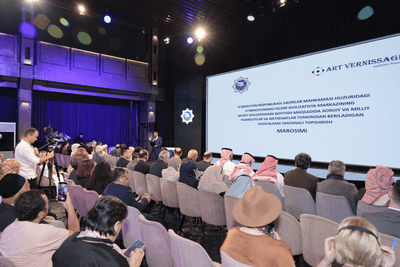
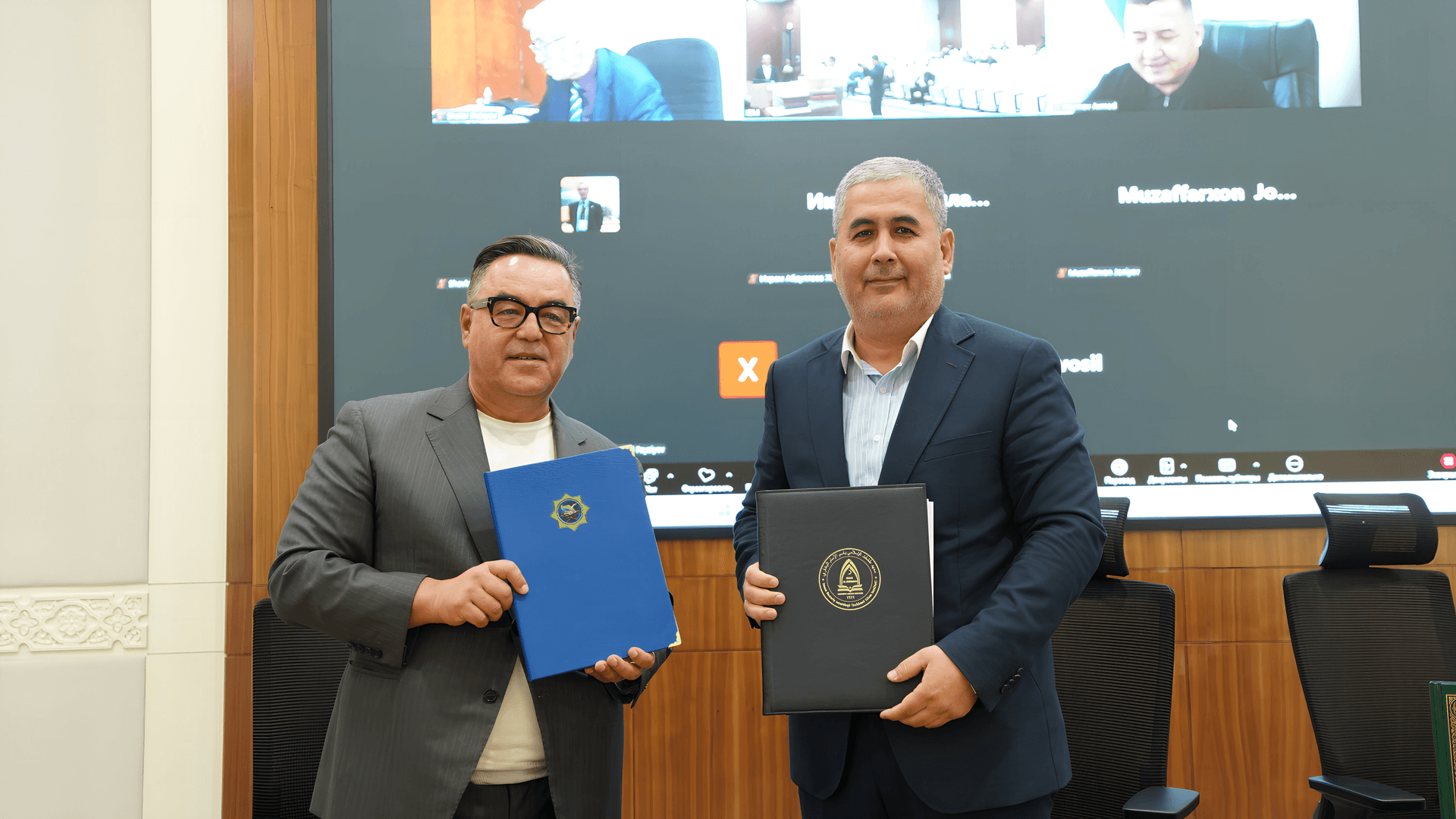
At the conclusion of the Scientific Council meeting, a cooperation memorandum was signed between the Center and the Tashkent Islamic Institute named after Imam Bukhari. Within the framework of the memorandum, plans were outlined to organize internships for master’s students, implement joint scientific projects, and establish the exchange of academic publications. It was emphasized that this cooperation will further enhance the Center’s scientific potential.
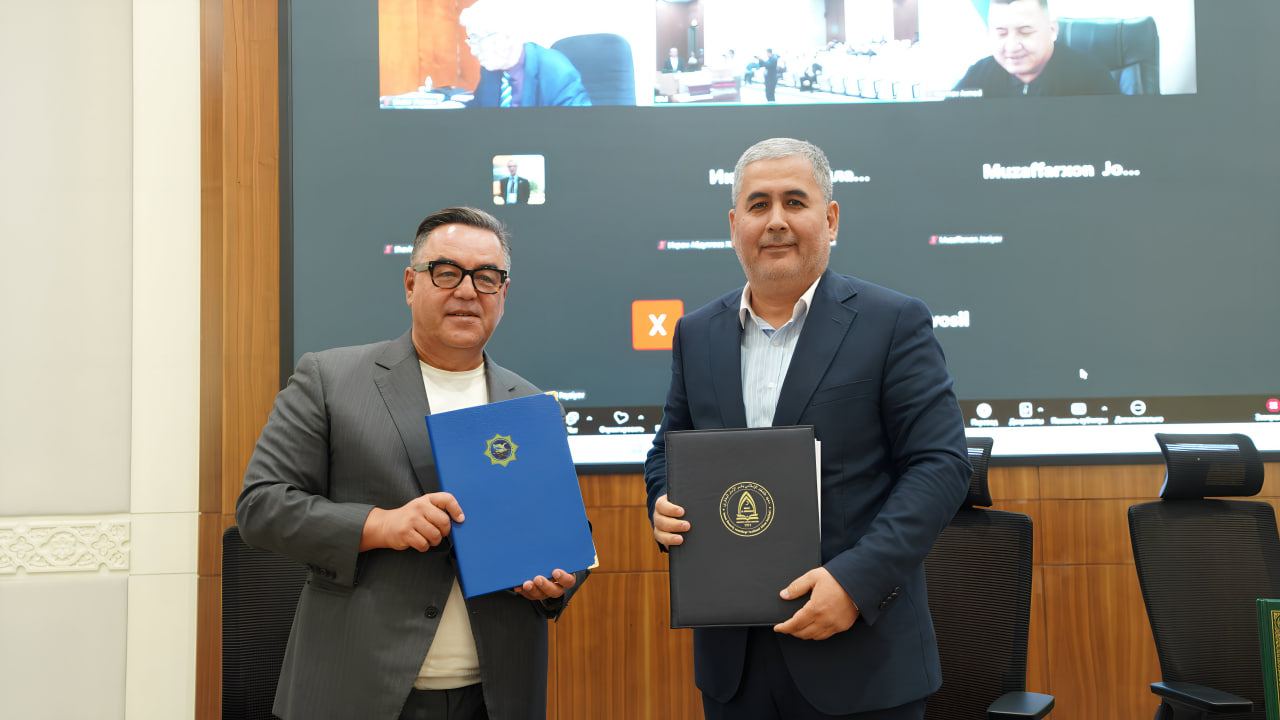
Uygun Gafurov, Rector of the Tashkent Islamic Institute named after Imam Bukhari, stated:
“The Islamic Civilization Center in Uzbekistan is one of our President’s mega projects, and participating in each of its processes is a historically significant event for every citizen of Uzbekistan, including specialists in Islamic studies. Today, we succeeded in signing a memorandum between the Center and our institute. This is not merely a formal signature, but a document that includes a concrete plan of practical actions. In the coming days, our institute’s master’s students will begin their internships at the Islamic Civilization Center. In addition, more than 130 academic publications produced by our professors have been donated to the Center’s library. This cooperation will continue to strengthen in the future.”
The proposals and conclusions expressed during the meeting were significant in that they aim to elevate the activities of the Islamic Civilization Center to a qualitatively new level.