


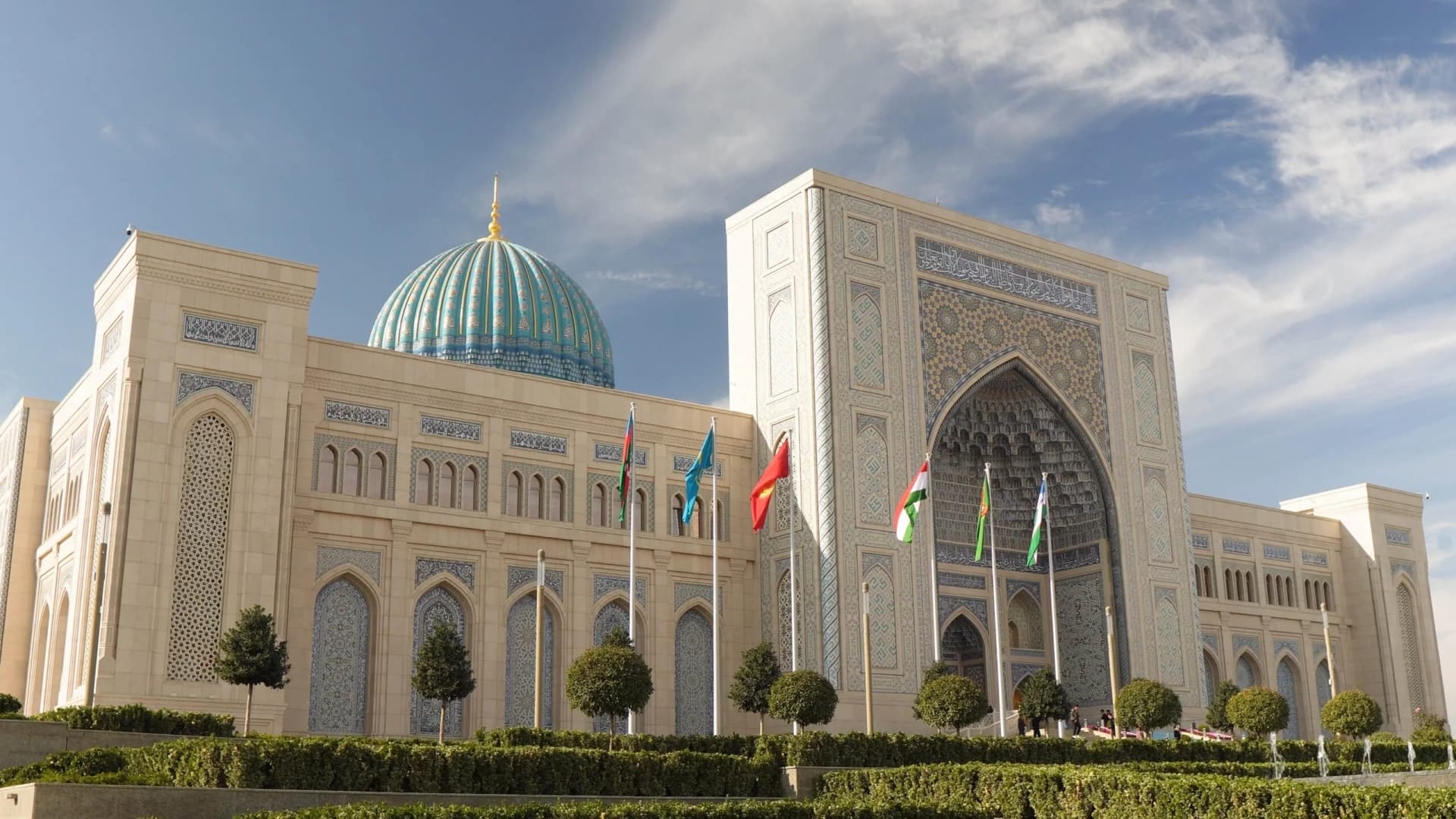

A rare archaeological discovery from the era of Amir Temur awaits you
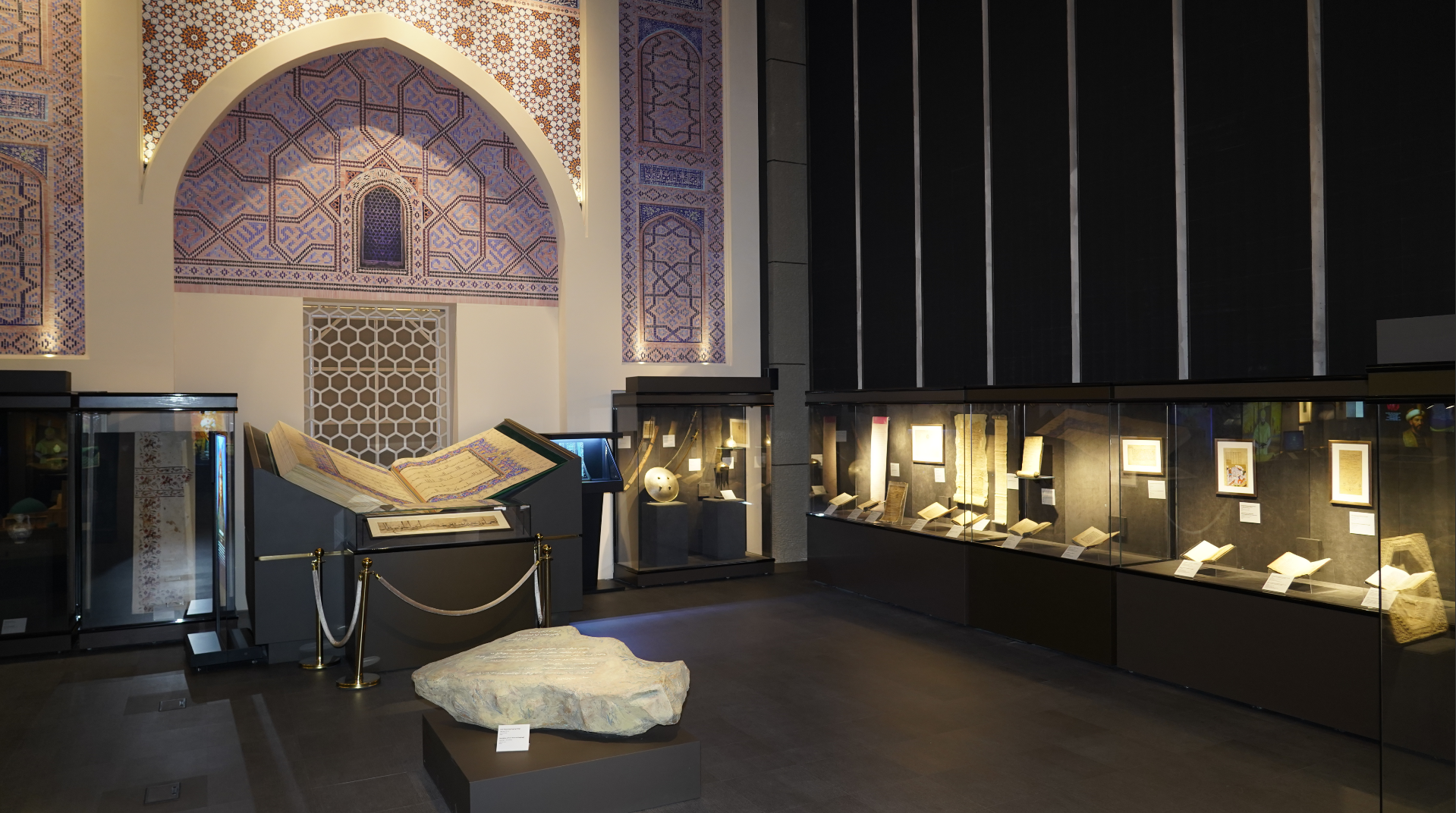 History and spirituality come together at the Islamic Civilization Center in Uzbekistan! The most significant and rare monument from the era of Amir Temur is on display in the Second Renaissance section.
One of the rarest and most substantial monuments of Amir Temur’s era — the “Ulugtog Inscription” — is now exhibited in the Second Renaissance section of the Islamic Civilization Center in Uzbekistan. Weighing 11.2 tons, this massive inscribed stone is not only an archaeological discovery, but also a unique historical document embodying the ideas of statehood, military power, and spiritual vision.
This stone is not an ordinary monument. It bears, carved into its surface, the political thought of Sahibqiran Amir Temur, his self-awareness, and his sense of responsibility before history.
The 1391 Campaign and a Memory Sealed in History
It is known that in April 1391, Amir Temur launched his famous military campaign into the Dasht-i Kipchak region against Tokhtamysh Khan. This campaign was not merely a confrontation between two rulers, but a decisive event that shaped the future political destiny of the region.
During the campaign, the army reached the Ulugtog area. It was here that Sahibqiran decided to immortalize this historic event. By his order, a special inscription was carved onto a large boulder. In this way, the idea of victory and statehood was sealed in stone.
The Language of the Inscription — A Reflection of the Spirit of the Era
The Ulugtog inscription was written in Old Uzbek — Chagatai. Its first three lines are in Arabic, while the remaining eight lines consist of Turkic text written in the Uyghur script.
This demonstrates that at the time Arabic held a high religious and spiritual status, while the Turkic language served as the principal medium of communication in state and military affairs. The well-preserved Uyghur-script portion further enhances the inscription’s scholarly and paleographic value.
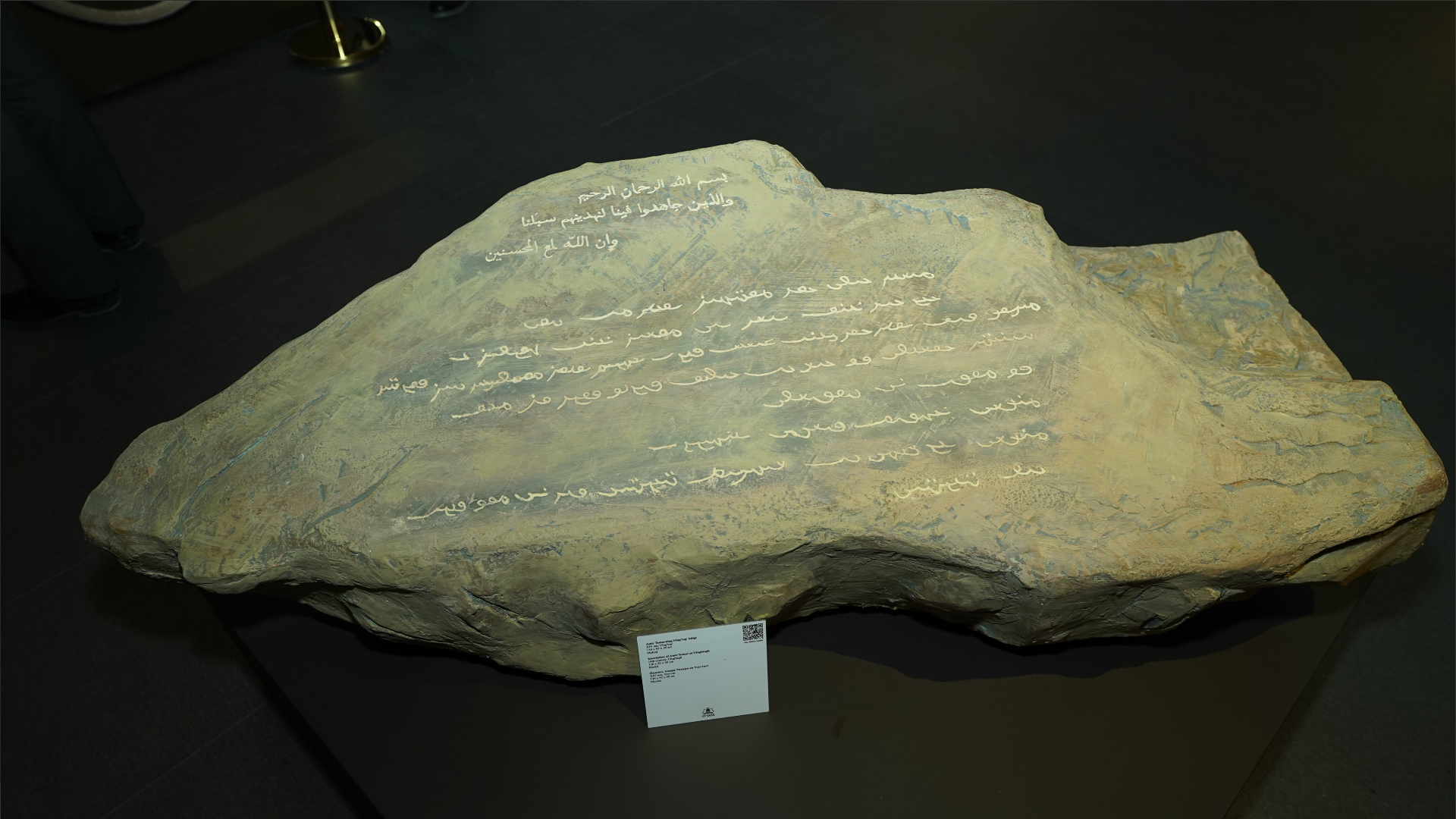 The following words are engraved in the text:
“In the year seven hundred ninety-three, in the Year of the Sheep, in the middle month of spring, Temurbek, the Sultan of Turan, set out with three hundred thousand troops for Islam against Tokhtamysh Khan, the Khan of Bulgar. Upon reaching this place, he ordered this inscribed stone to be written as a sign. May God grant success, God willing. May God have mercy upon the people, and may the nation remember us in their prayers.”
Several important conclusions can be drawn from these lines. First, Amir Temur identified himself as the “Sultan of Turan.” Second, he emphasized that the campaign was carried out in the interests of Islam. Third, he regarded justice and the prayers of the people as fundamental principles of governance.
In this sense, the Ulugtog inscription serves not only as a military memorial, but also as a spiritual and political program.
Discovery and Scholarly Significance
This historical monument was discovered in August 1935 by the renowned geologist Kanysh Satpayev in the “Golden Peak” area of Ulugtog in present-day Kazakhstan.
Later, the inscribed stone was transferred to the collection of the State Hermitage Museum in St. Petersburg, where it remained for many years at the center of attention of the global scholarly community.
According to historical sources, Amir Temur halted with his army precisely at the Golden Peak of Ulugtog to rest. Soldiers gathered large boulders from the surrounding area, and local stone craftsmen shaped them into the form of an inscribed monument. Thus, the historical event was immortalized in harmony with the natural landscape.
The Timurid Legacy and the Second Renaissance
Today, the Ulugtog inscription is displayed in the Second Renaissance section of the Islamic Civilization Center in Uzbekistan. This placement is deliberate.
The Timurid era was a period of flourishing in science, military art, architecture, and governance. Therefore, this inscription is regarded not only as a military monument, but also as a symbolic expression of the intellectual spirit of the Second Renaissance.
Other rare Timurid-era artifacts preserved in the Hermitage collections — including a seal bearing the name of Miranshah, a jade ring belonging to Gawharshad Begim, and other historical items — further confirm the high level of Timurid cultural heritage.
Durdona Rasulova
P.S. The article may be republished with a link to the Center’s official website