



A 700-year-old legacy has returned to the Homeland from America
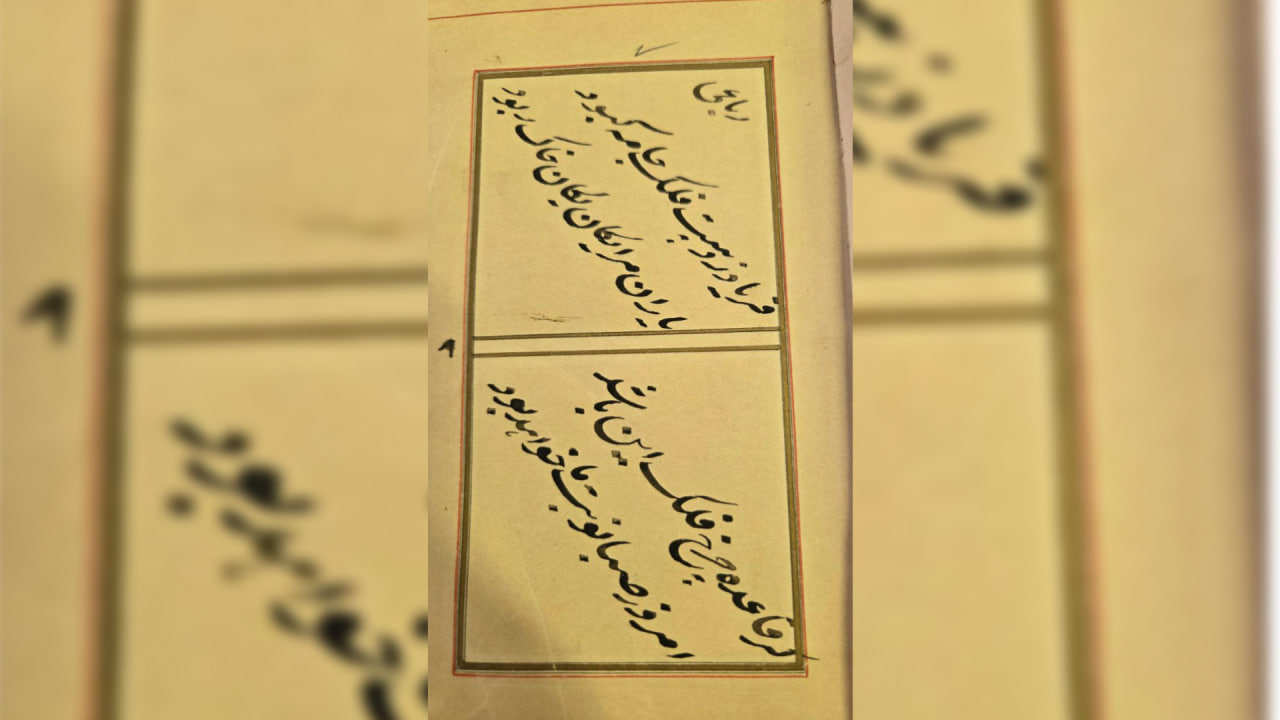 The legacy of great scholars who emerged from the land of Uzbekistan is once again at the center of attention of the global academic community. The return to the Homeland of a rare manuscript attributed to Pahlavon Mahmud, along with the initiative to publish all his rubaiyat for the first time as a single collection, is being regarded as an important historic step in the restoration of our national spiritual heritage.
The legacy of Pahlavon Mahmud: reviving a living history
The Eastern Renaissance — the Muslim Renaissance — holds a special place in the development of human civilization. During this period, scholars who emerged from the territory of present-day Uzbekistan made an incomparable contribution to world science, culture, and the sacred religion of Islam. Their intellectual and spiritual heritage has been rightfully recognized by the international academic community.
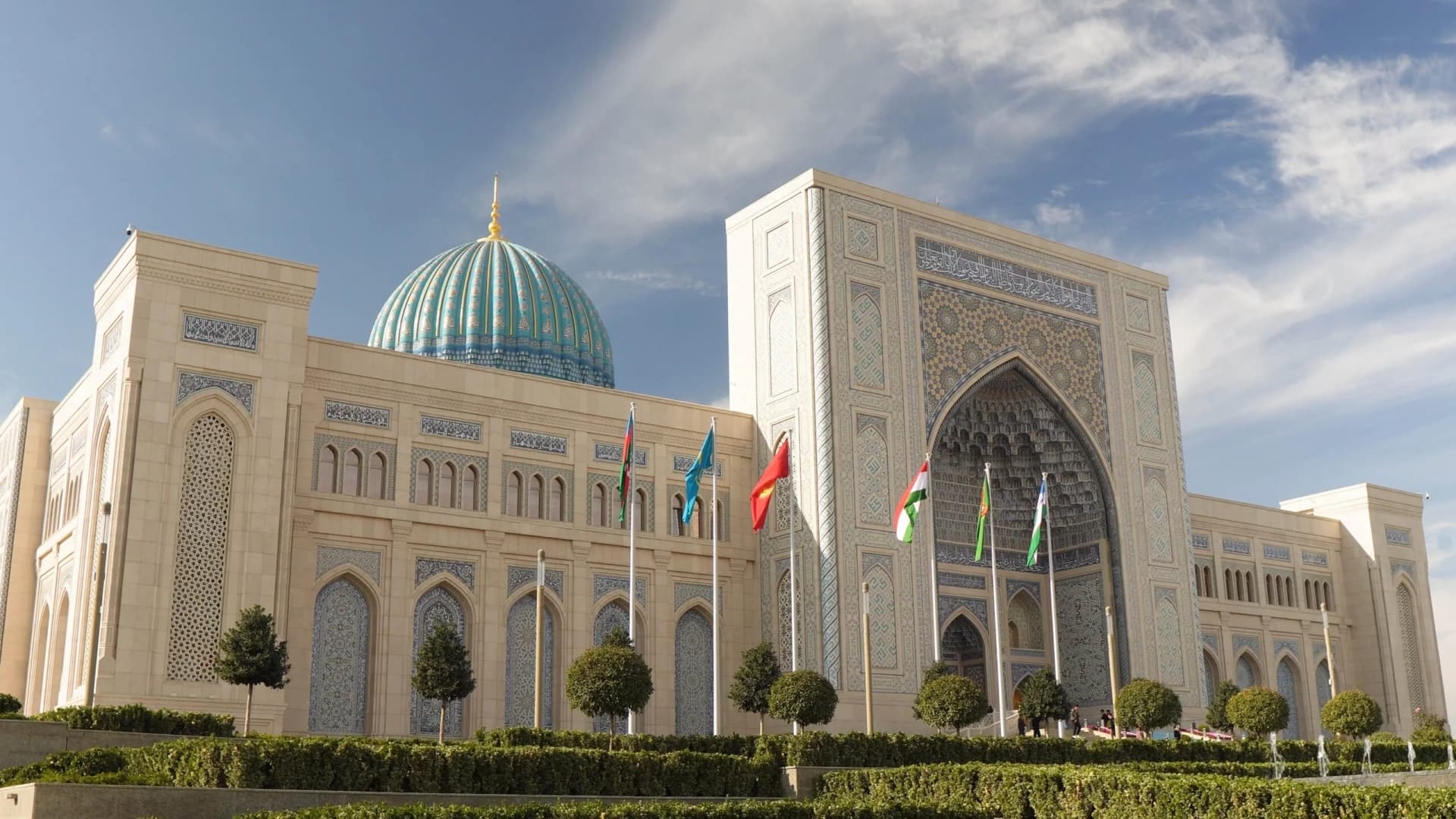
Studying the role of these thinkers’ legacy in the development of historical and contemporary civilization, and revealing the humanistic essence of classical literature and art, is among the main objectives of the Islamic Civilization Center in Uzbekistan, established at the initiative of President Shavkat Mirziyoyev.
Today, the Center provides opportunities to learn about the lives and works of hundreds of great scholars, watch video content, and explore rare manuscripts and published works.
 The sultan of rubaiyat
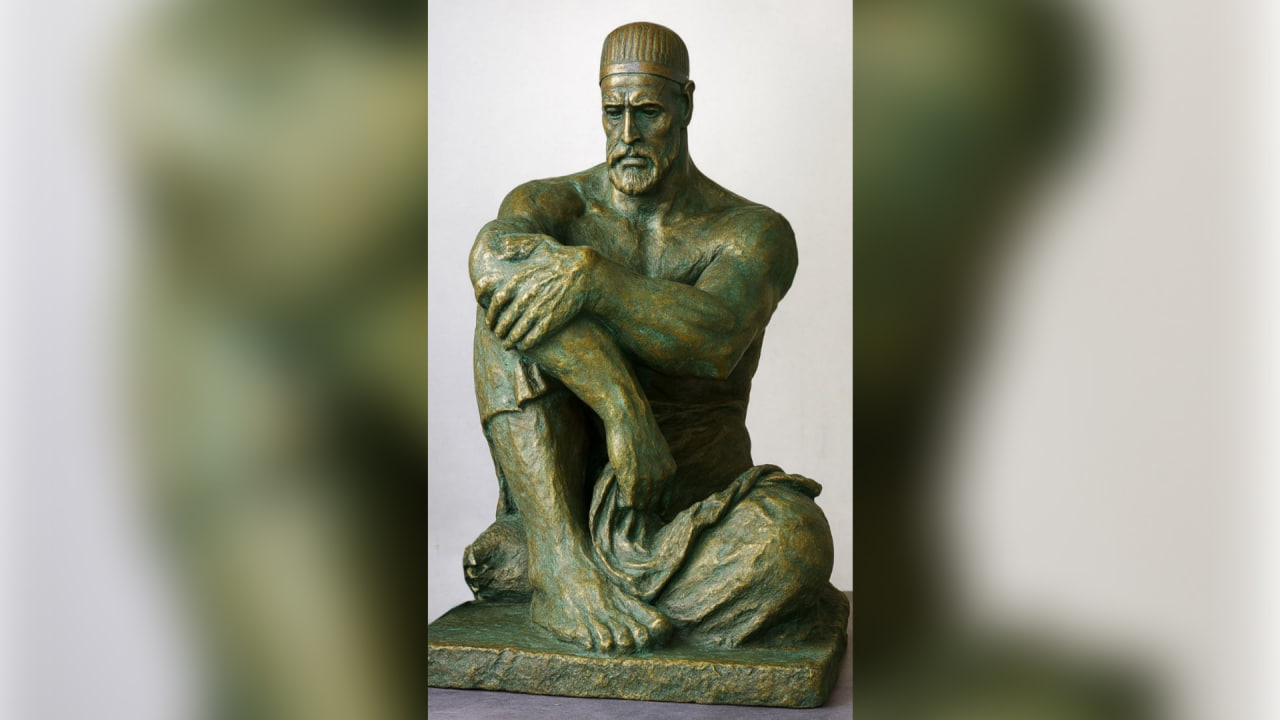
The great poet and thinker, a prominent representative of the Javonmardlik tradition, Pahlavon Mahmud Puryorivaliy (1247–1322), is recognized in Eastern classical literature as one of the leading masters of the rubai genre. After Omar Khayyam, he is known as one of the most prolific and meaningful contributors to this poetic form.
His rubaiyat celebrate the ideals of goodness, patriotism, chivalry, and nobility, while sharply condemning vices such as greed, envy, and ignorance.
To date, more than 330 of his rubai have been translated into Uzbek and published. Representatives of the Pahlavon Mahmud International Public Foundation in Khorezm have identified nearly 400 additional rubai.
A working group has identified and translated more than 70 rubai previously unknown to the academic community. In the near future, all rubai attributed to Pahlavon Mahmud are planned to be published for the first time as a unified collection.
The manuscript has returned to the Homeland
At the President’s initiative, within the framework of the “Living History” series, a feature film titled “Khiva Langari” about the life of Pahlavon Mahmud is currently being produced. In addition, the Center has implemented the media project “The Creative Heritage of Pahlavon Mahmud” and prepared a documentary film.
On October 17, 2025, the Head of State instructed that manuscripts related to Pahlavon Mahmud be searched for in world collections and returned to the Homeland.
In fulfillment of this directive, a working group was established under the leadership of the Center’s Director, Firdavs Abdukhalikov. As a result of the research, it was discovered that a rare manuscript was preserved in the collection of Aleksandr Naymark, Professor at Hofstra University in New York and a member of WOSCU.
A. Naymark expressed his willingness to donate this family-owned manuscript to the Center’s fund on a gratuitous basis. With the assistance of the Embassy of Uzbekistan in the United States, the manuscript was brought to our country.
According to available information, this manuscript was copied by the Khiva khan Muhammad Rahimkhan Feruz (1845–1910). On its first page, there is an inscription stating: “These rubaiyat were also written by the King of Islam, Khorezmshah.”
A New Discovery: “Kanzul-Haqoyiq”
Recently, the working group identified a poetic work titled “Kanzul-Haqoyiq” in the library of Astan Quds Razavi in Mashhad, which is presumed to belong to Pahlavon Mahmud. An electronic copy of the work has been obtained, and translation efforts are currently underway.
All of this demonstrates that efforts to restore and widely disseminate the legacy of the great thinker are being carried out consistently and systematically.
The legacy of Pahlavon Mahmud is not merely a literary treasure, but a source of national identity, spiritual strength, and inspiration for future generations.
Durdona Rasulova
P/S: The article may be republished on the Center’s official website with a link provided