


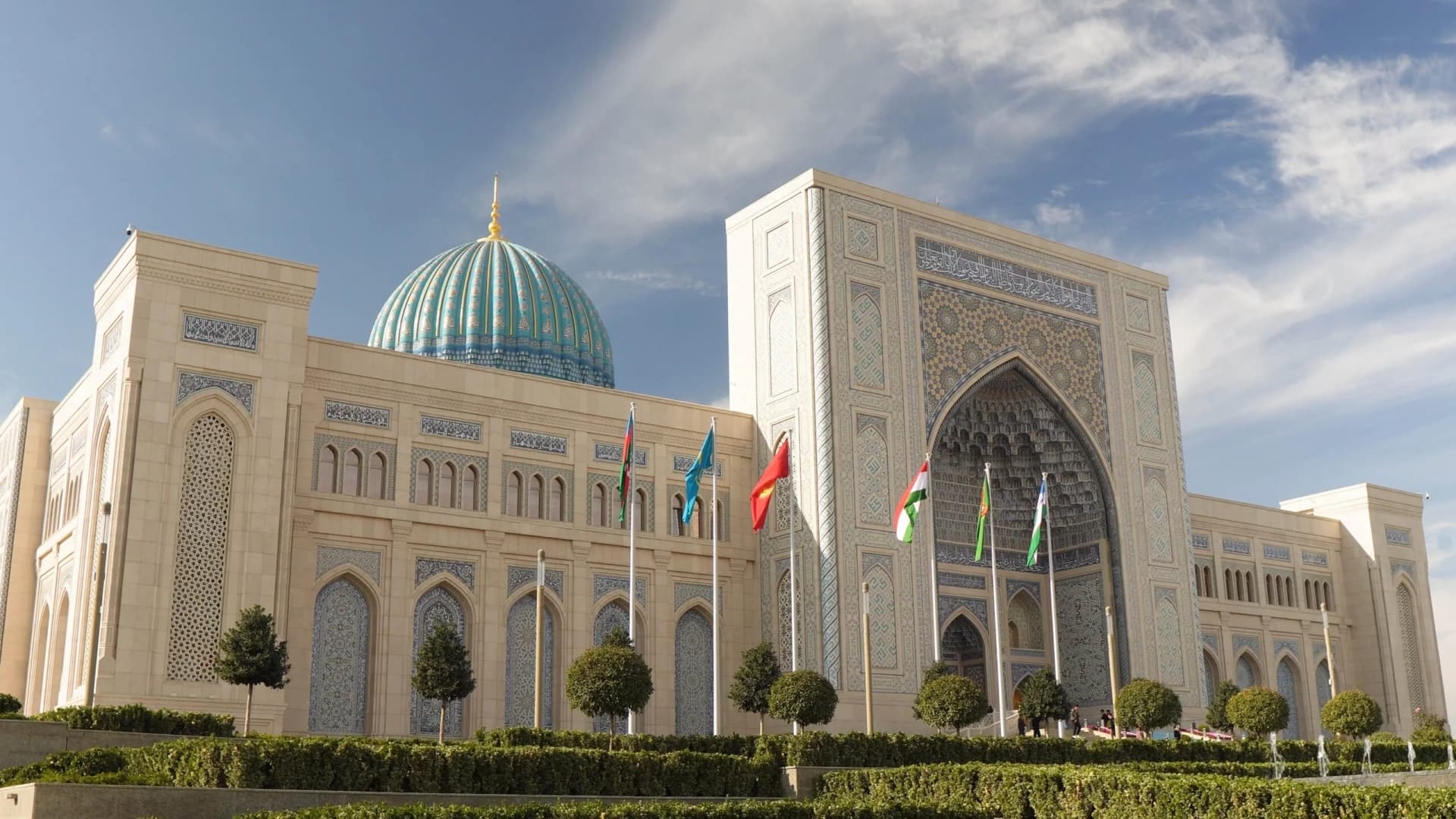

Turonzamin harmonized cultures, civilizations, and religions
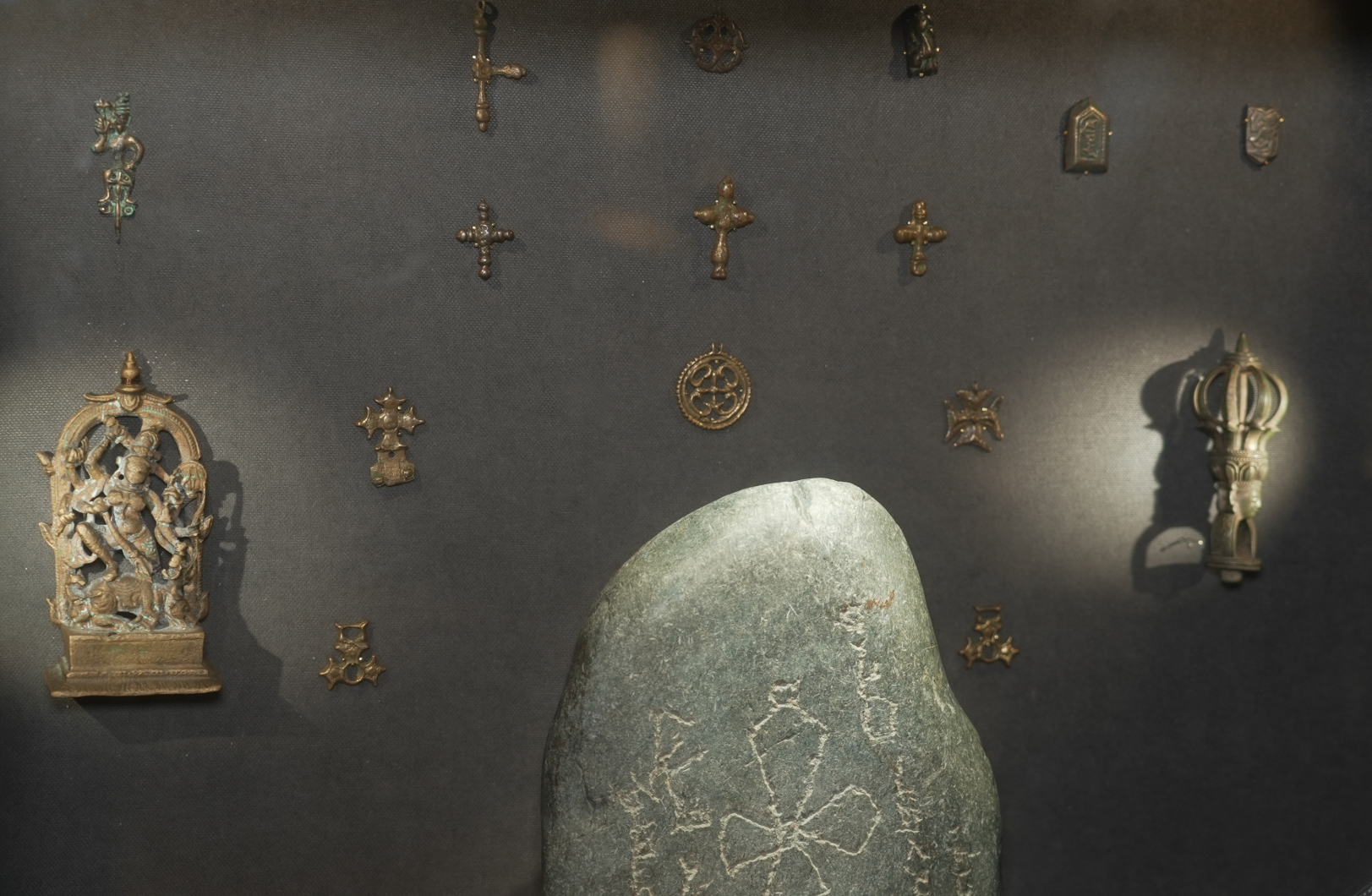 A Buddha statue, a Christian cross-amulet, traces of Zoroastrianism, and examples of Islamic architecture — these are not foreign to one another, but layers of history intertwined on the same land. For centuries, Movarounnahr developed as a region where different religions and cultures coexisted peacefully. Tolerance here was not a slogan, but a way of life. Today, this multilayered history can be seen within a unified concept in the exhibitions of the Islamic Civilization Center in Uzbekistan, built on the initiative of President Shavkat Mirziyoyev and expected to open in the near future.
The territory of Uzbekistan has formed as a crossroads of civilizations since ancient times. Here, different peoples, cultures, and religions developed in interaction with one another. Religious tolerance has secured a firm place in history as an important principle that shaped the development of society.
Even before the arrival of Islam, religions such as Zoroastrianism, Buddhism, Manichaeism, Christianity (mainly Nestorianism), and Judaism existed in this region. Through the Great Silk Road, not only goods but also ideas, philosophical views, and religious teachings spread.
Historical sources record that Buddhism spread from India through Bactria to Sogdiana and China.
The archaeological monuments of Fayaztepa and Karatepa near Termez confirm the presence of Buddhist centers in this region. The Magoki Attori Mosque in Bukhara is also a vivid example of the continuity of different religious layers.
During the periods of Sogd and the Turkic Khaganate, representatives of various beliefs lived peacefully within the same society. Historical sources also note that even during the time of Amir Temur, representatives of different religions served in his army. Although Islam spread widely after the Arab conquest, local traditions harmonized with the new religious values.
During the First Renaissance of the 9th–12th centuries, the translation of the scientific heritage of ancient Greek and Roman scholars into Arabic became a vivid expression of an atmosphere of scientific openness and cultural tolerance. This process strongly stimulated the development of science and turned the region into one of the scientific centers of world civilization.
Today, these historical processes are presented within a unified concept at the museum of the Islamic Civilization Center in Uzbekistan. The “Civilizations and Discoveries Wall” in the Center reveals the historical evolution from the pre-Islamic period to the stages of the First and Second Renaissance.
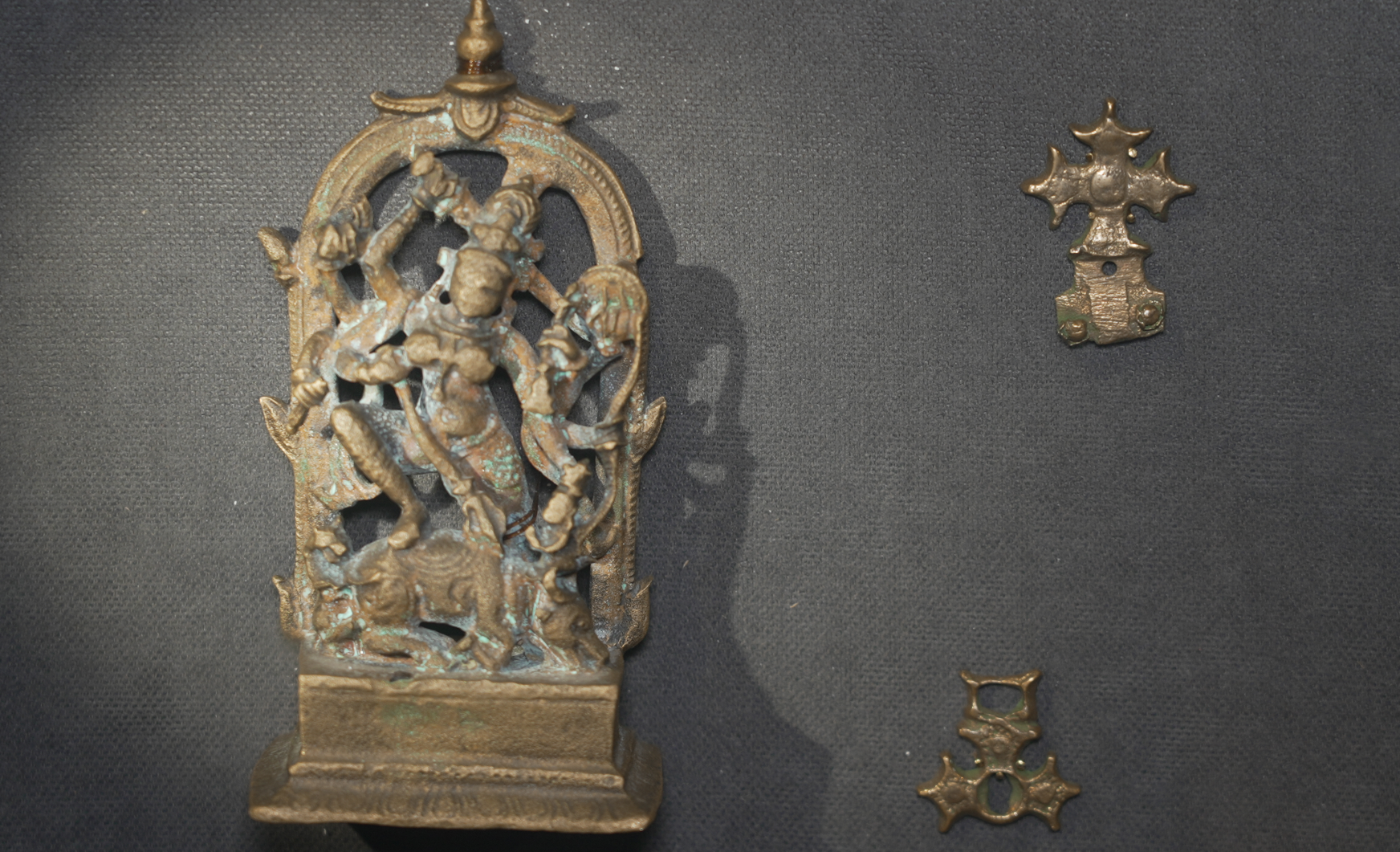
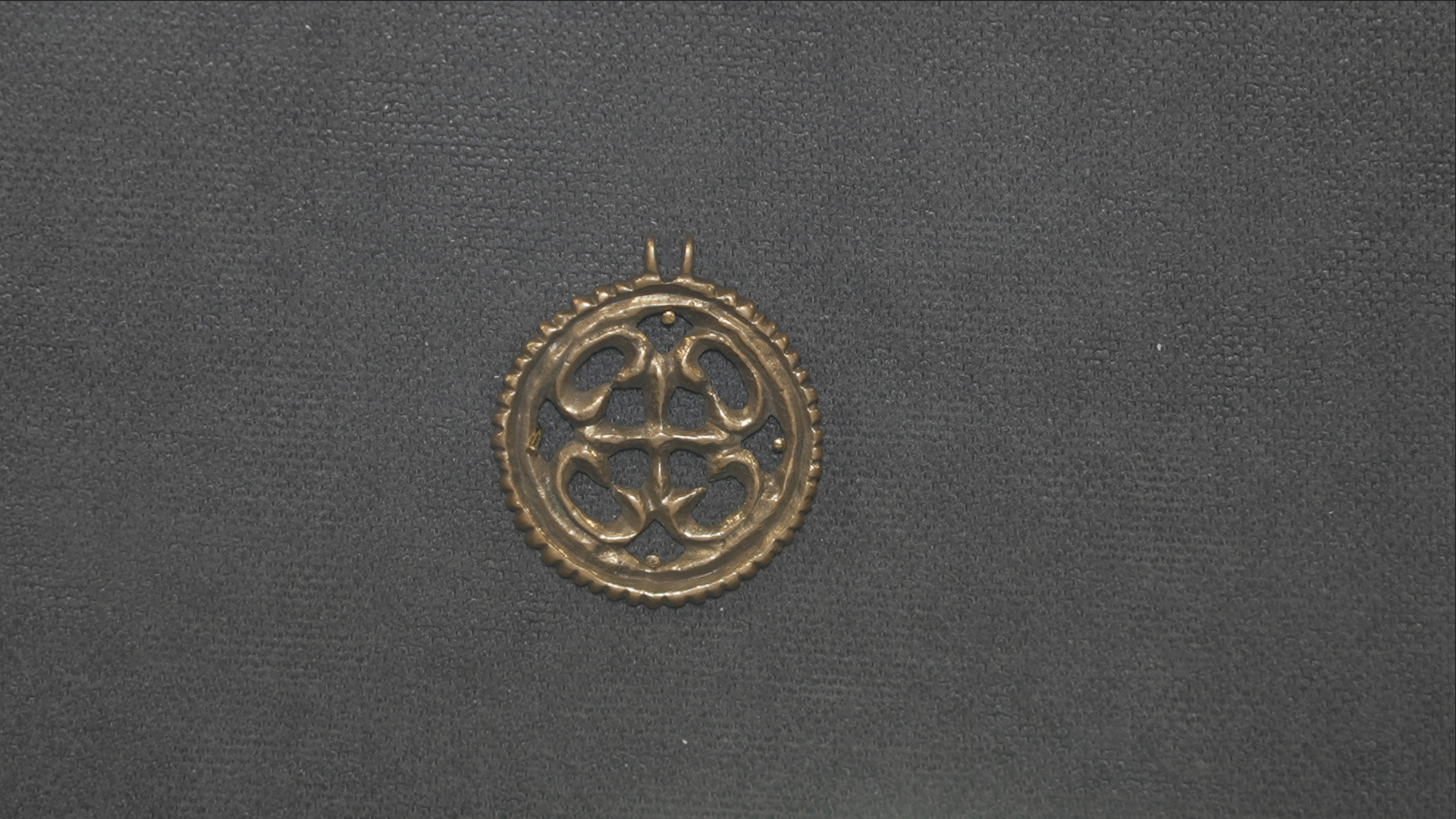 In this exhibition, bronze and stone objects related to Christianity, Buddhism, and other beliefs occupy a special place. Christian belt ornaments and cross-amulets from the 8th–12th centuries testify to the faith and craftsmanship of Christian communities of that time. A Buddha statue from the 9th–10th centuries confirms the presence of Buddhist influence in the region.
Christian tombstones dating from the 12th–14th centuries show that Christian communities remained active in the region for a long period.
Most of these exhibits are rare original artifacts returned to the homeland on the initiative of our President, representing the practical result of the policy of restoring cultural heritage.
Obidjon Tangirov, Senior Researcher of the Center:
"The main conclusion presented by the exhibition is that Movarounnahr has long been a region where different religions and cultures coexisted peacefully. Historical sources and material evidence confirm that along with the development of Islamic civilization, conditions were also created for followers of other beliefs to live freely.
Today, these unique exhibits remind not only the people of Uzbekistan but also visitors from around the world of one truth: tolerance is not a modern value, but a philosophy of life formed over centuries and refined on the land of Movarounnahr."
Thus, the history of Movarounnahr confirms a single truth: the harmony of different religions and cultures has been a key factor in the development of this land. This tradition has not lost its significance even today.
Shahnoza Rahmonova
P/S: The article can be republished with a link to the official website of the Center