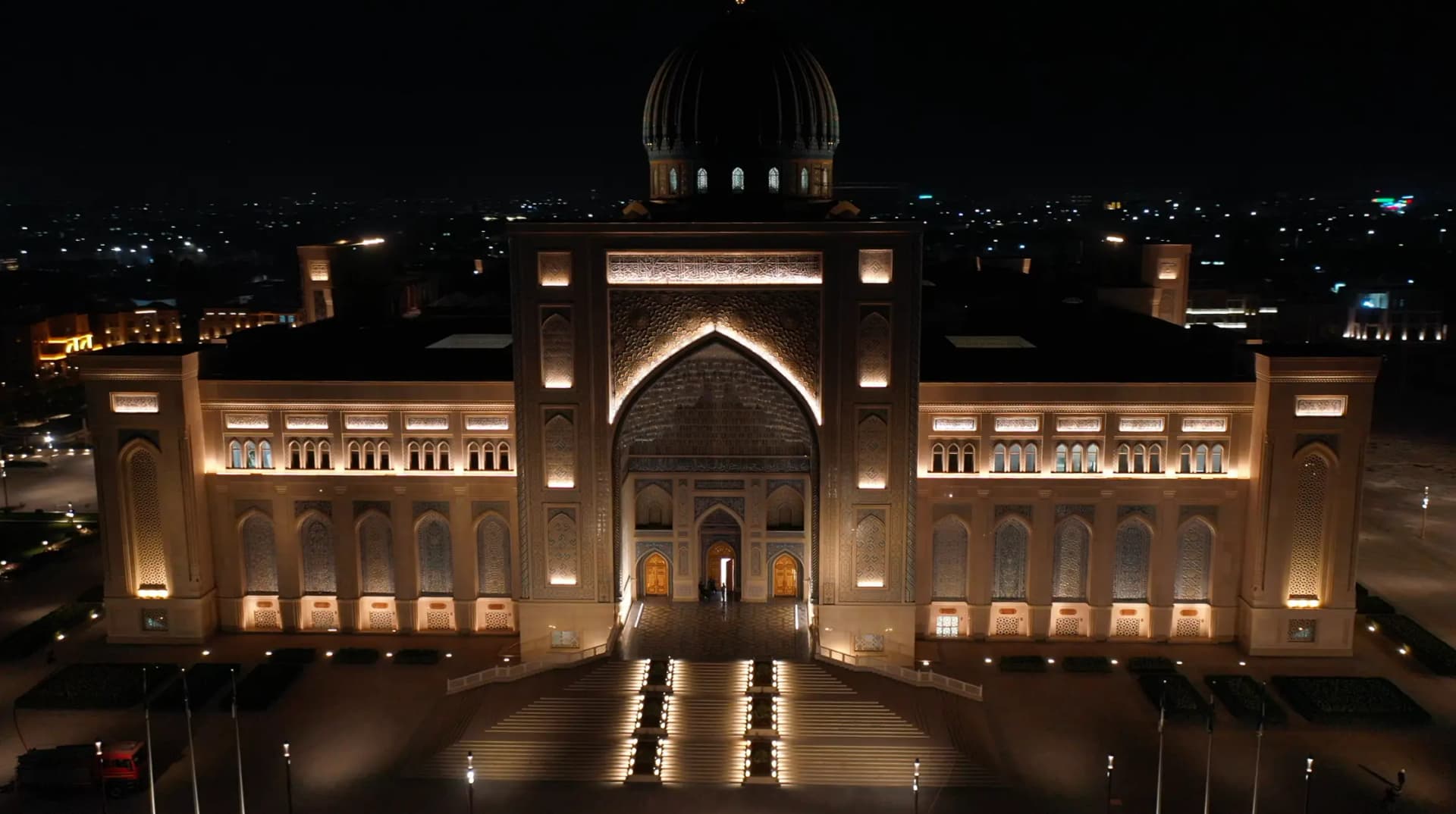
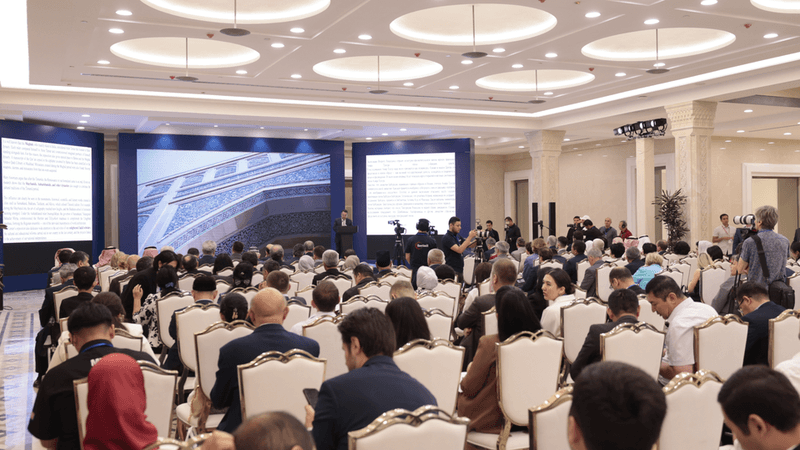
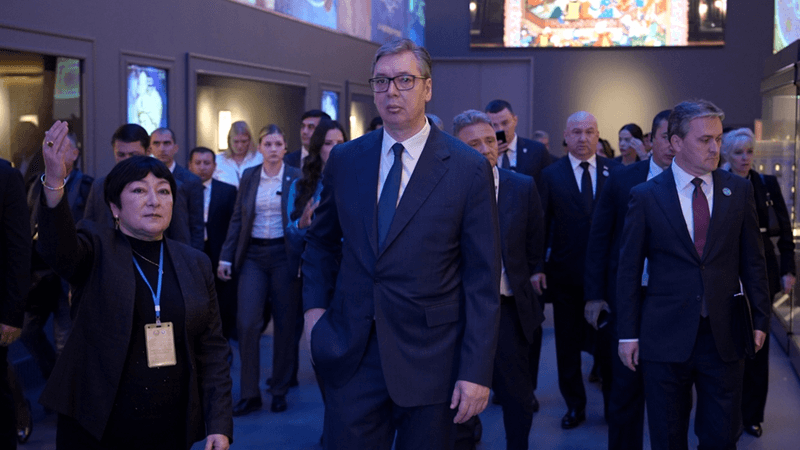
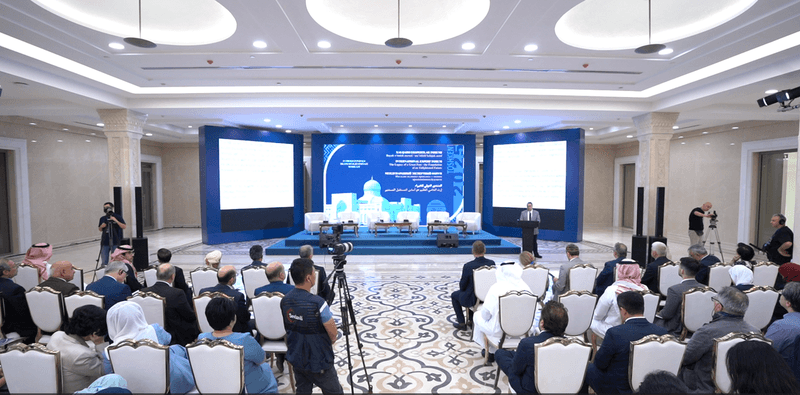
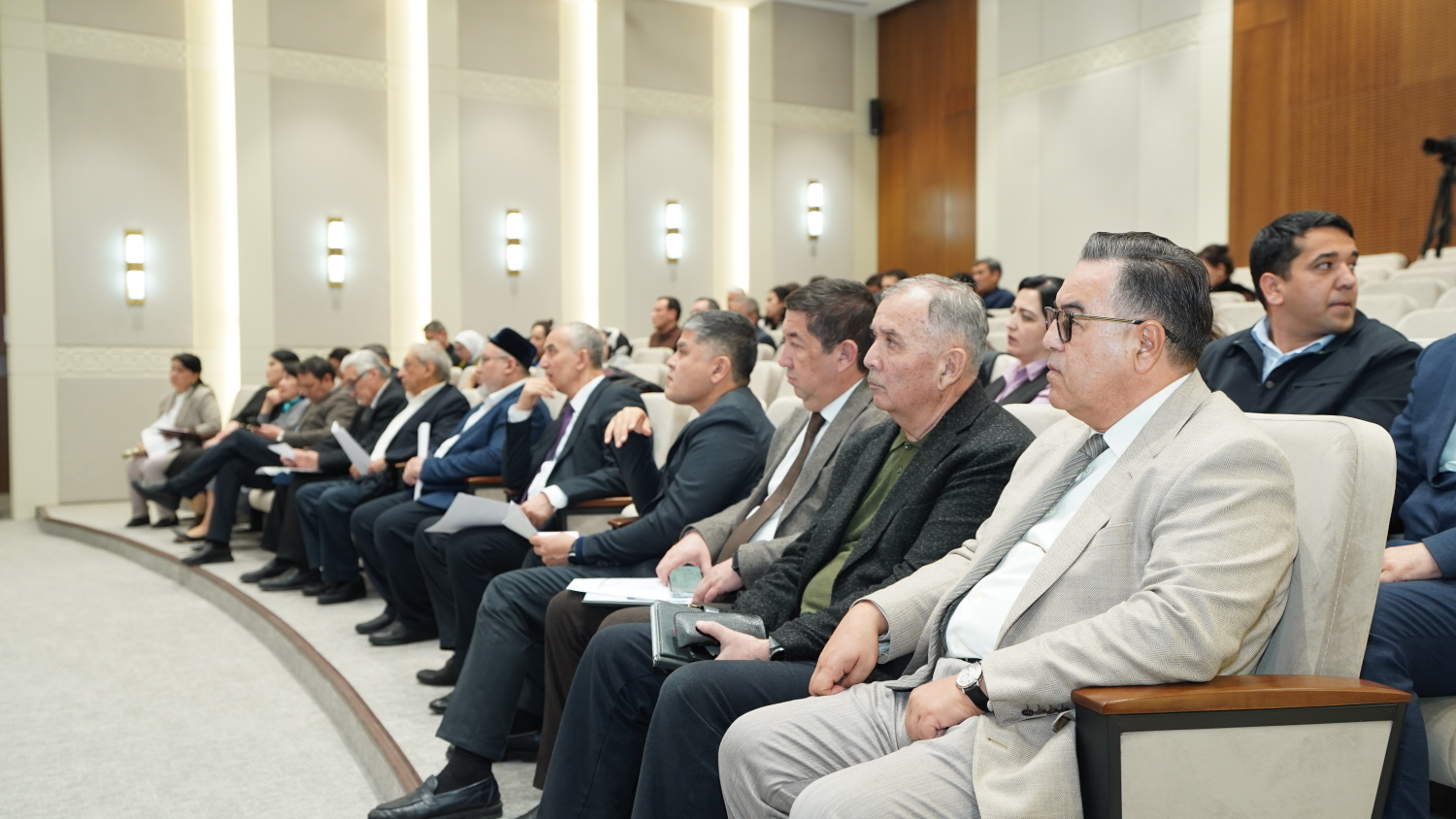
 The next meeting of the Expanded Scientific Council of the Islamic Civilization Center in Uzbekistan was dedicated to a comprehensive analysis of the scientific-innovative, organizational, and creative processes being carried out on the eve of the opening ceremony, evaluating the effectiveness of completed work, and defining future priority tasks. Members of the Scientific Council, heads of project working groups, scholars, researchers, and specialists participated in the meeting.
The meeting was chaired by the Director of the Islamic Civilization Center in Uzbekistan and Chairman of the Council, Firdavs Abdukhalikov. In his opening remarks, the Director emphasized that the Center — established on the initiative and idea of the head of state and expected to open to the public in the near future — should not be regarded merely as a museum complex. Rather, it has been formed as a strategic scientific and educational platform that presents the history of national civilization, the development of Islamic scholarship, and the traditions of statehood through modern exhibition solutions. According to him, preparations for the opening are significant not only for their architectural and infrastructural aspects but also for ensuring meaningful content, scientific foundations, accuracy of sources, and conceptual coherence.
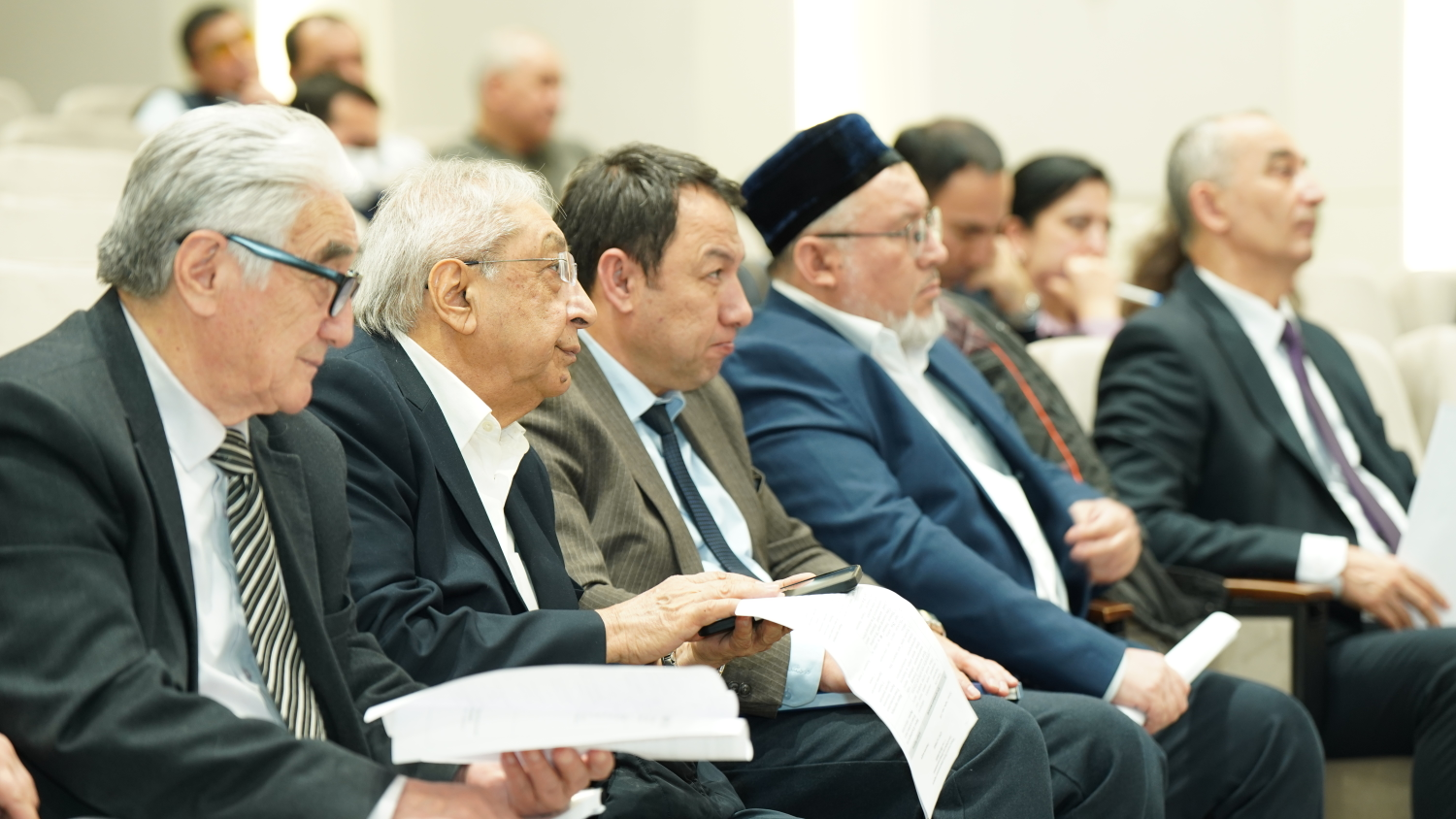 During the meeting, detailed reports were presented on the implementation of first-category scientific-innovative projects carried out within the museum exhibition sections. In particular, it was noted that ten projects were implemented for the “Qur’an Hall,” including the special project “114 Rare Copies of the Qur’an in the World,” where design work, facsimile preparation, and restoration activities were conducted based on a unified concept. In this hall, historical copies of the sacred text, schools of calligraphy, and traditions of manuscript production are presented on a scientific basis, and preparations for their multimedia presentation are nearing completion, as reported by Azimjon Gafurov, a researcher at the Center.
The Council also discussed the process of presenting a special mapping show under the dome of the Qur’an Hall symbolically illustrating the revelation of Qur’anic verses. Particular attention was paid to ensuring that the project is implemented at a high artistic and spiritual level.
Projects of the first stage of the “Pre-Islamic Civilizations” exhibition were also reviewed.
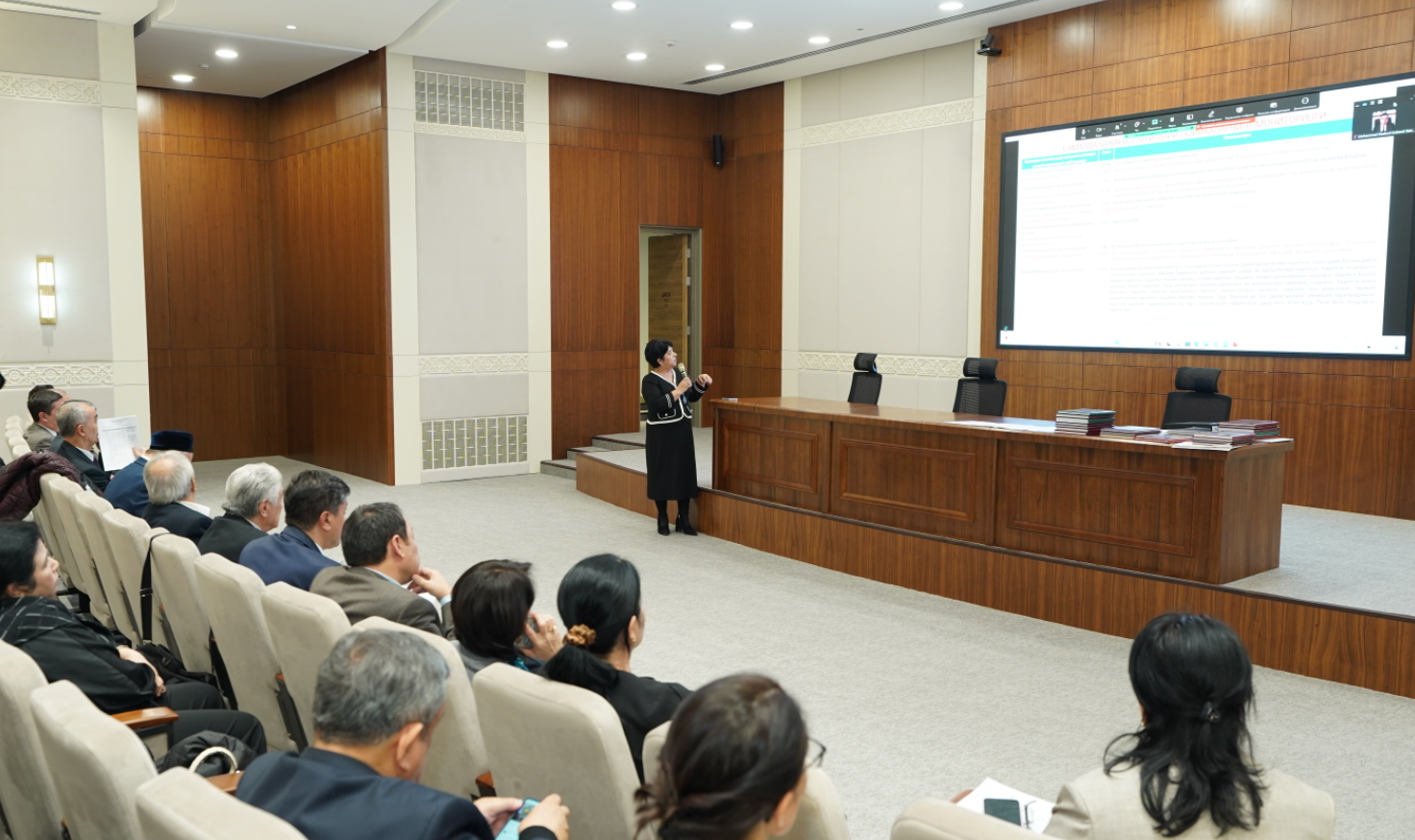
“Up to today, a total of twenty-five scientific and innovative projects have been implemented within the ‘Pre-Islamic Civilizations’ exhibition. Projects dedicated to Ancient Bactria, Khorezm, Sogd, Fergana, Chach, and the Great Silk Road were prepared based on research. The materials underwent thorough monitoring, preliminary and final schedules were approved, and working group protocols were officially documented. The exhibition in this direction has been formed according to the principle of historical continuity and civilizational interconnectedness, enriched both in content and visual presentation through archaeological findings, numismatic materials, and interactive maps,” said Doctor of Historical Sciences, Professor Jannat Ismoilova.
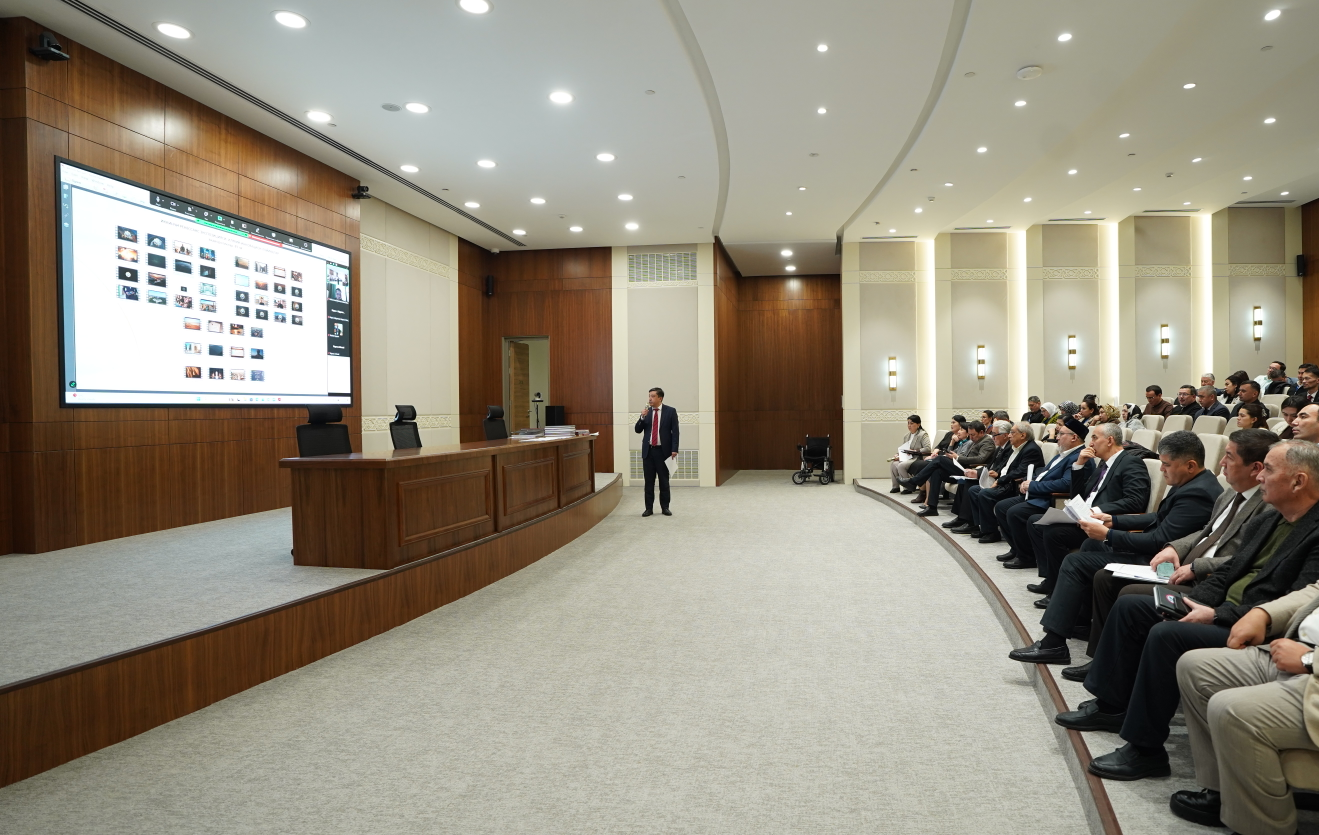 Doctor of Philosophy and Associate Professor Khurshid Fayziyev reported that eighty-eight scientific and innovative projects within the “Second Renaissance” exhibition have been fully completed. This direction reveals the great spiritual and scientific rise of the Timurid period in a comprehensive manner. It was emphasized that media projects created in the fields of history and source studies, literature, Islamic sciences, architecture, art, and astronomy are based on deep scientific analysis. In particular, media projects dedicated to the statehood and diplomacy of Amir Temur, the cultural environment of the era of Shahrukh Mirzo, the astronomical school of Mirzo Ulugbek, the scholarly and literary heritage of Alisher Navoi, and the activities of Zahiriddin Muhammad Babur form the main conceptual pillar of the exhibition.
According to the report, forty-nine video materials, thirty-nine replicas, and seven models have been created within this exhibition. Interactive materials about urban planning, manuscript culture, musical traditions, the madrasa system, and prominent scholars of the Timurid era have been placed on a unified digital platform. Through media projects prepared within the concept of the “Wall of Civilizations and Discoveries,” historical processes are presented in a consistent chronological sequence.
It was also reported that fifty-one projects related to the “Uzbek Khanates period,” twenty-one projects in the religious-educational direction, and twenty projects within the “New Uzbekistan – Foundation of the New Renaissance” section have been implemented. These projects demonstrate that the Center’s exhibition concept is aimed at presenting civilizational development from ancient times to the modern stage within a unified historical framework.
Financial and organizational issues were also thoroughly discussed during the meeting. Reports were heard on the implementation of contracts within scientific and innovative projects, the financing process, payments to designers and specialists in accordance with established procedures, and the facsimile and restoration work related to the project on 114 copies of the Qur’an. It was emphasized that all processes are being carried out on the basis of transparency and quality control.
Decisions were also made regarding the approval of the concept and creative team for preparing the book-album “Imam Bukhari Complex” for publication, developing an information guide for visitors to the Center, and involving additional scholars on a contractual basis in order to publish books dedicated to the opening within a short time and at a high scientific and printing quality.
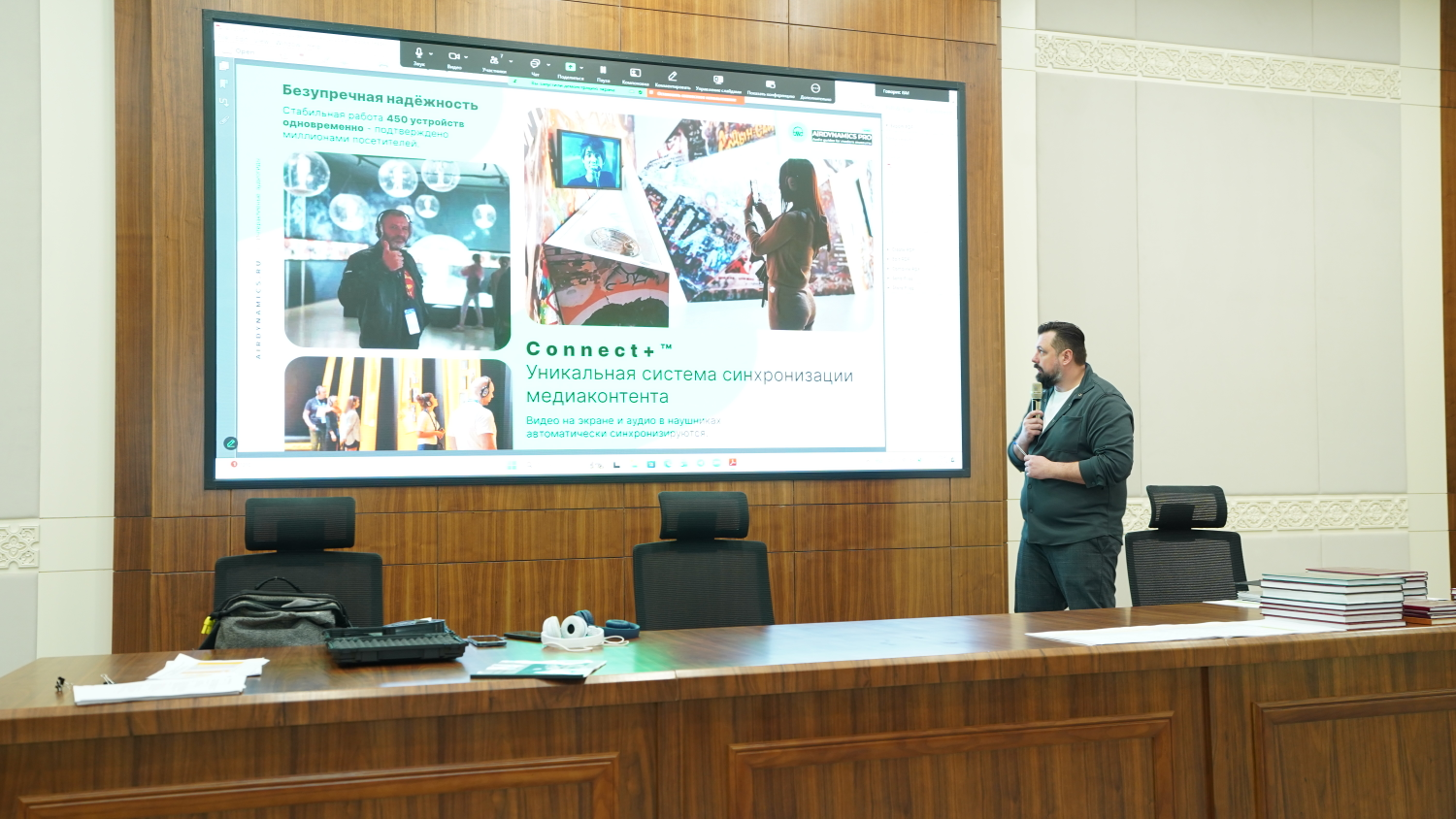 Initial proposals were also presented for launching the Center’s new mobile application, increasing the number of audioguide devices and fully implementing the system, approving the list of twenty-two portraits of Jadid intellectuals for the library reading hall walls, and additional design and equipment for the second floor of the museum.
It was also announced that the mapping show planned for the opening ceremony would be moved from the Khorezm portal to the Mirzo Ulugbek portal and that historical and modern visual effects would be combined.
At the end of the meeting, it was noted as significant news and recognition that the Islamic Civilization Center in Uzbekistan — an initiative personally proposed by President Shavkat Mirziyoyev — has been nominated for the prestigious international Prix Versailles award. In this regard, initiatives were proposed to organize press tours for representatives of local and international media in order to further promote the Center’s activities. It was emphasized that this would contribute to introducing the Center more widely on international architectural and cultural platforms.
At the conclusion of the meeting, specific instructions were given to complete all projects within the established deadlines and at a high scientific and technical standard. It was emphasized that the opening of the Center will be a historic event presenting the centuries-old scientific and cultural heritage of the country to the international community through modern museum technologies, and that each exhibition solution must be based on deep scholarly analysis and conceptual integrity.