


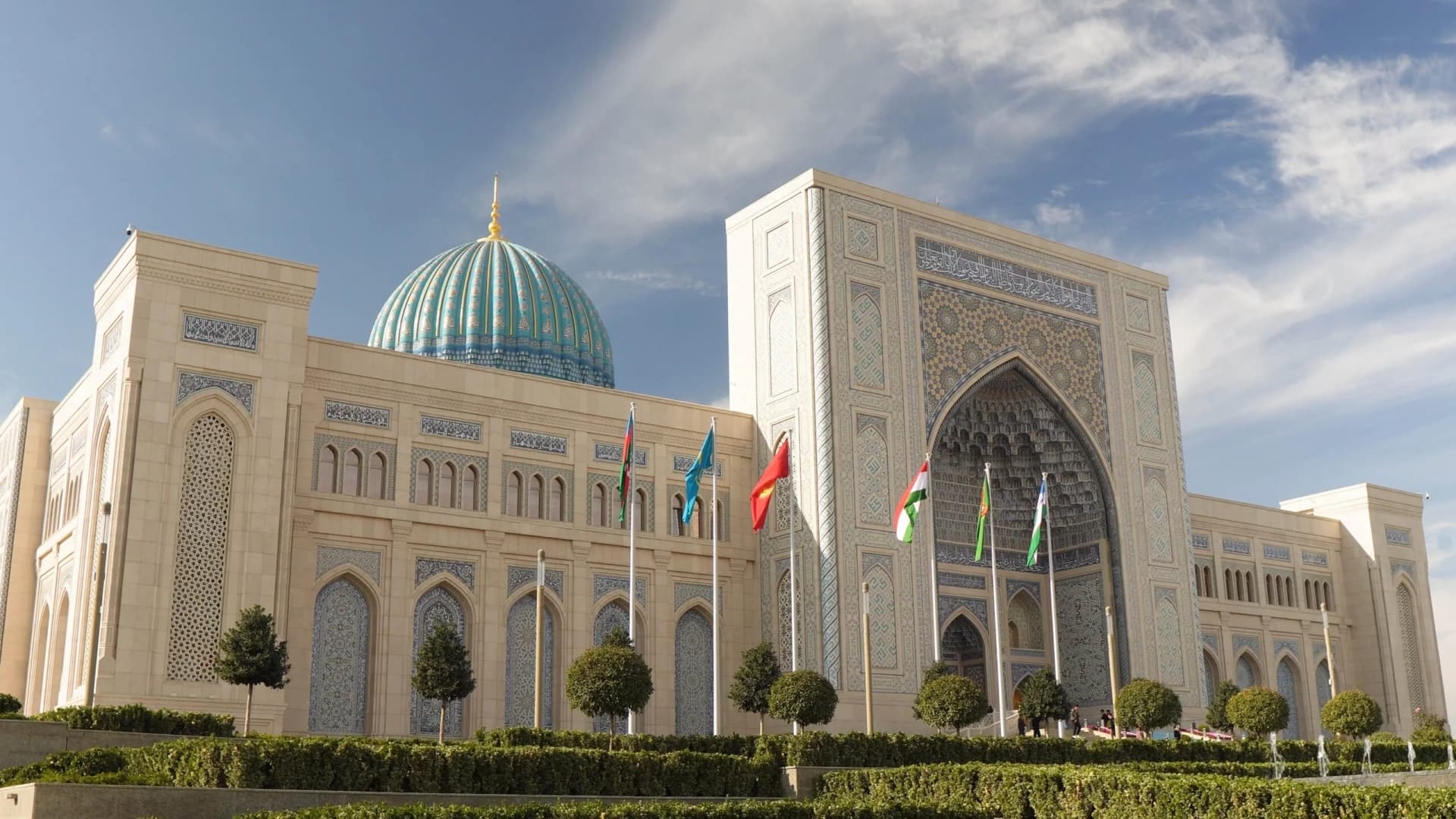


“Uzbekistan’s history seems even more ancient than Japan’s,” the Japanese professor expressed in amazement
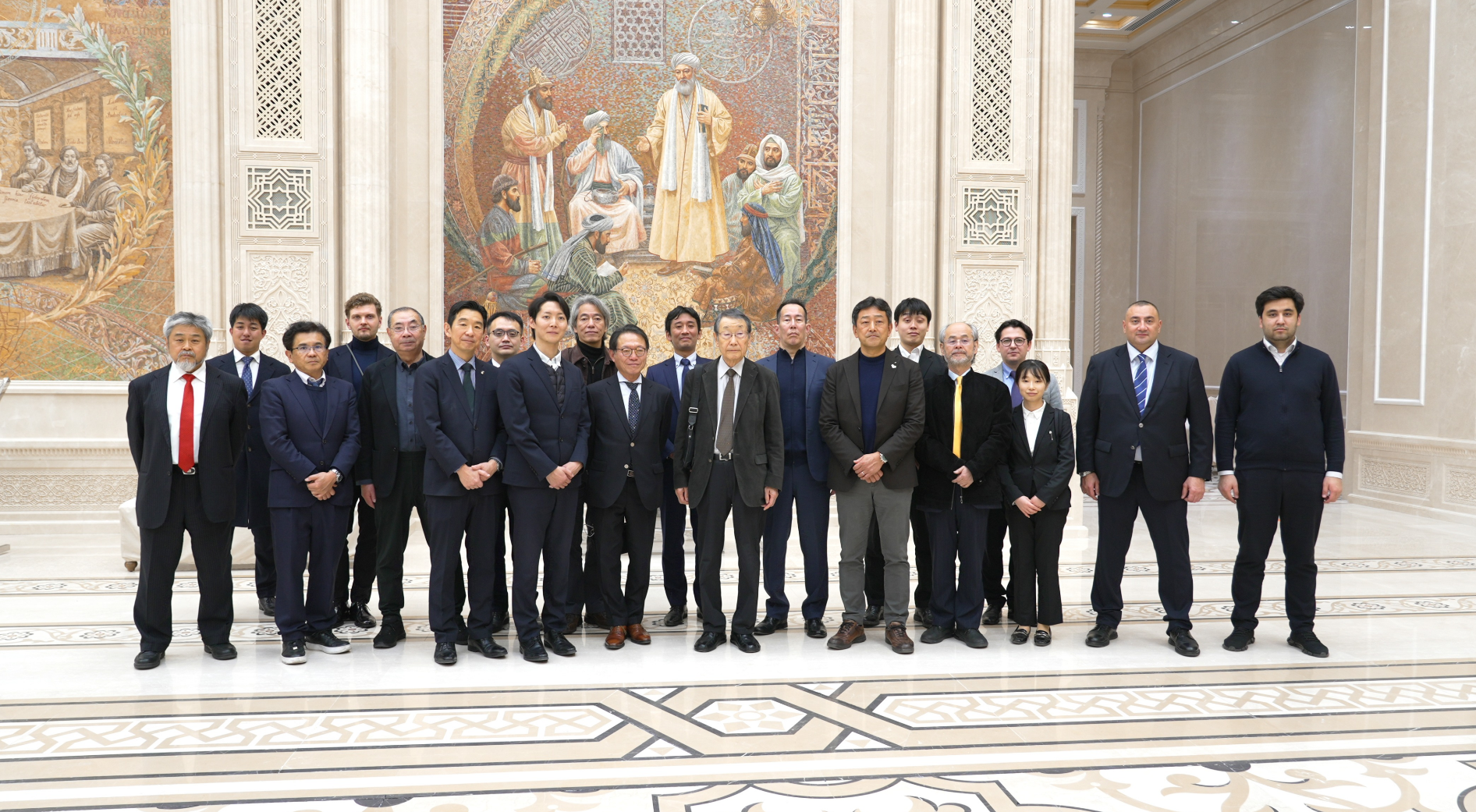 Representatives of Japan’s academic and business communities — Honorary Professor of the National Graduate Institute for Policy Studies of Japan, Shigeru Morichi, and Director of Hankyu Corporation, Masayoshi Uemura — visited the Islamic Civilization Center in Uzbekistan.
While carefully exploring the exhibition halls, the guests emphasized that civilizational processes on the territory of Uzbekistan began in very ancient times.
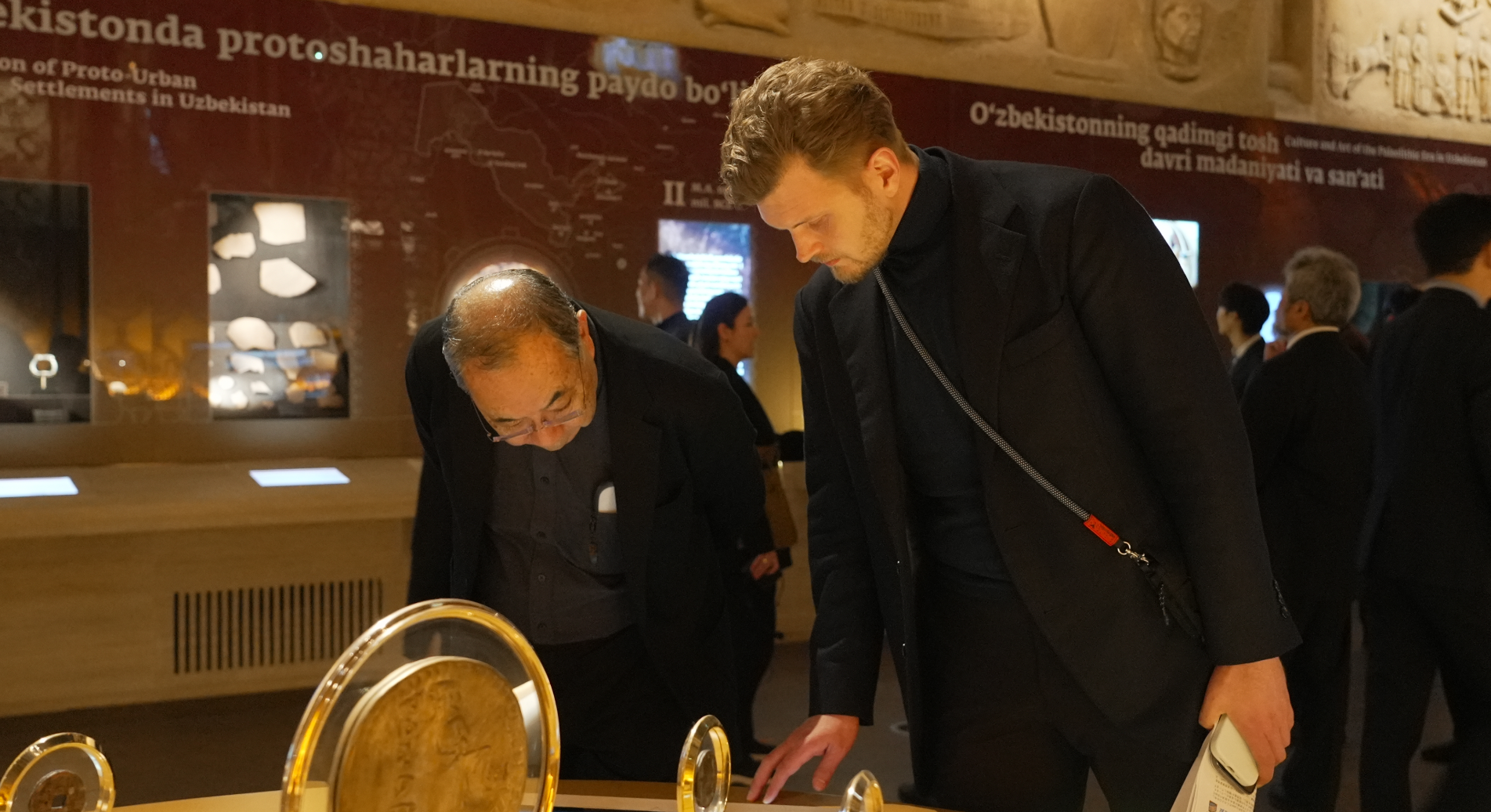
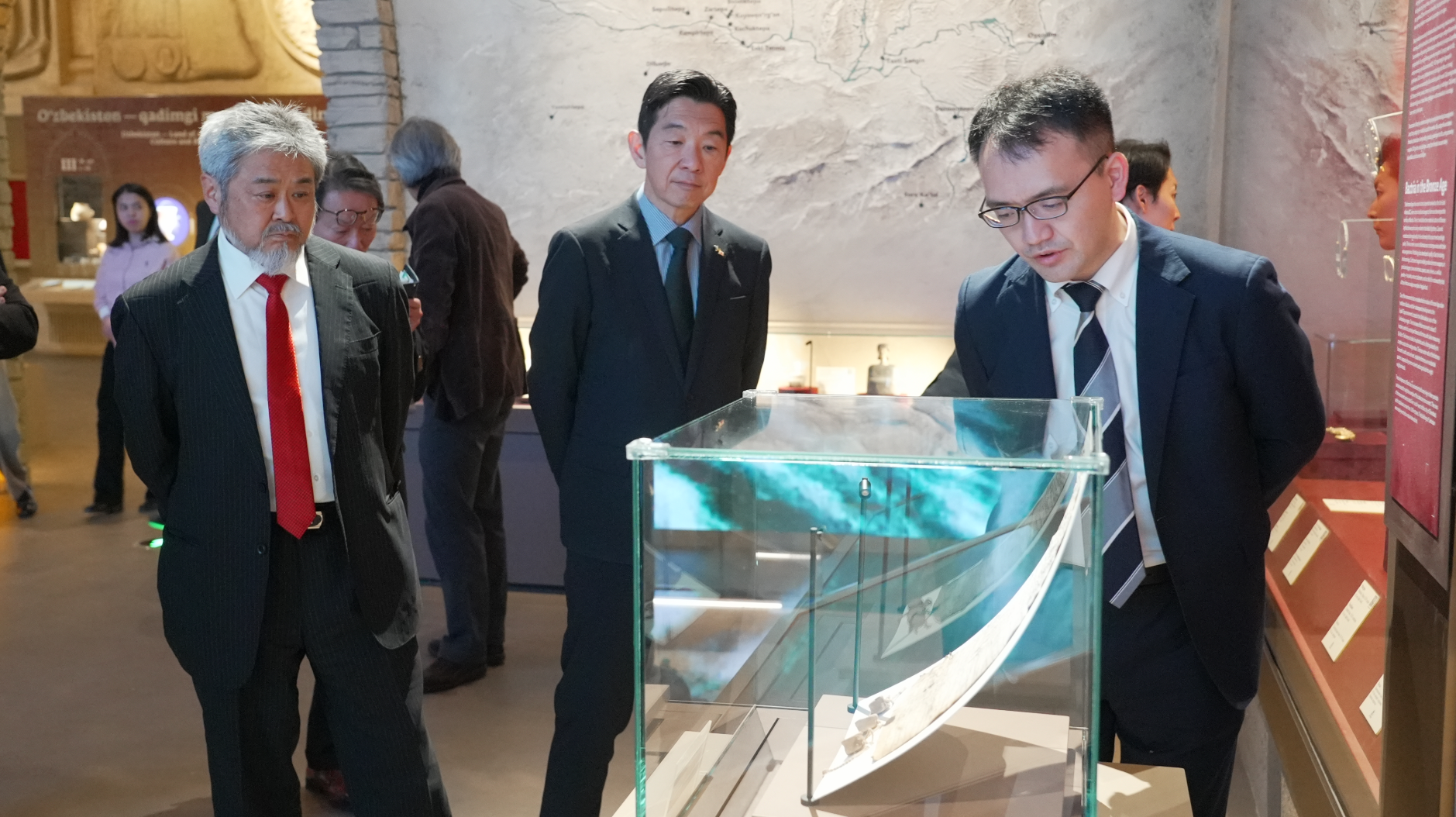
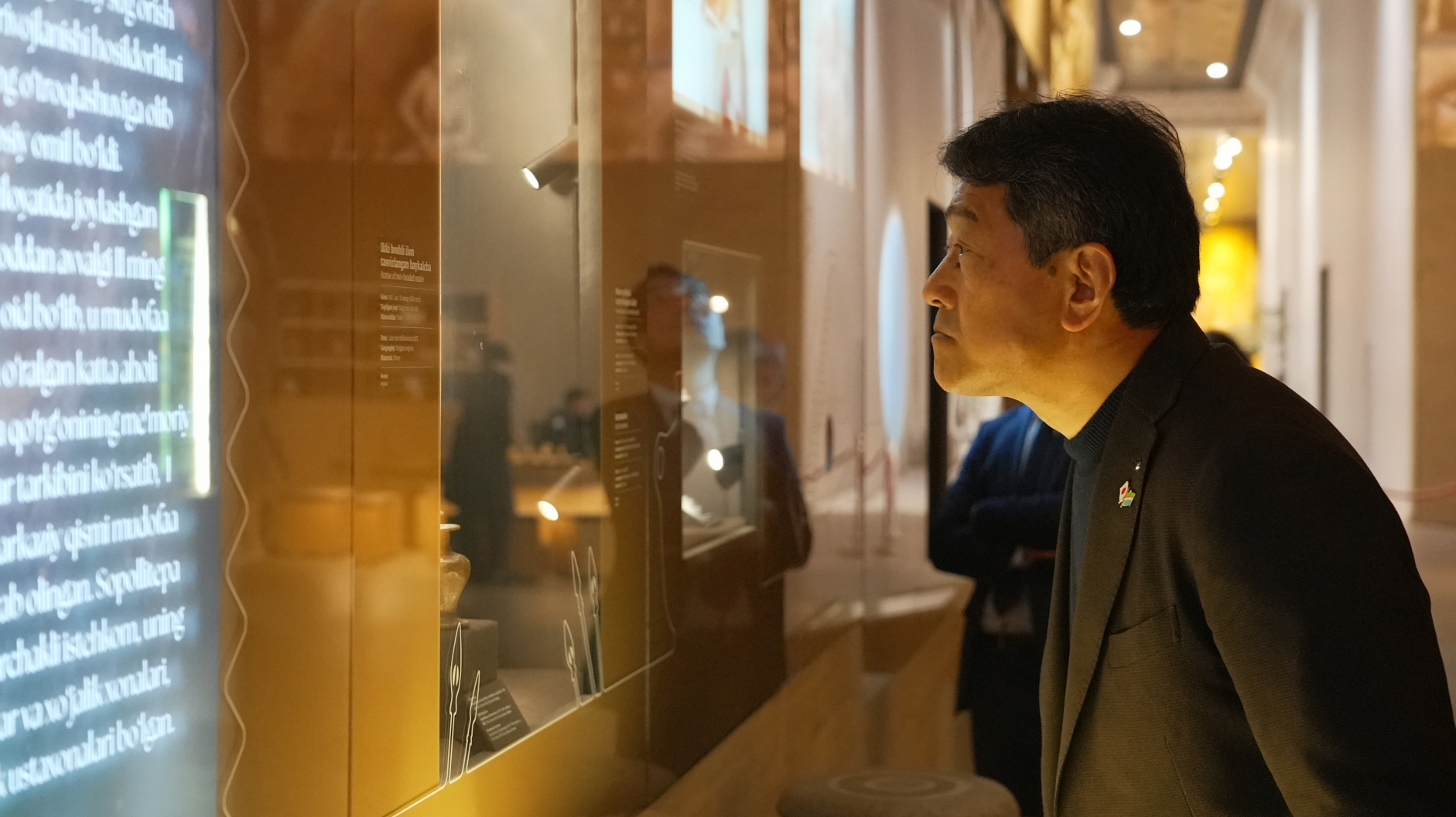 Exhibits related to the pre-Islamic period, particularly the ancient bronze deer statue, greatly impressed the visitors. After familiarizing themselves with the exhibition, members of the delegation even noted that the history of Uzbekistan seemed more ancient than that of Japan. The sections of the museum dedicated to the First and Second Renaissance periods — presenting scientific schools, traditions of statehood, and the history of international cultural relations — aroused great interest among the Japanese specialists.
Professor Shigeru Morichi particularly praised the Center’s scientific and conceptual approach. According to him, museums usually display primarily ancient artifacts, but here the use of the most modern visual technologies, films, and interactive solutions to explain history makes the exhibition impressive and easy to understand.
“At first, I thought this place would mainly present the past related to the Silk Road. However, I discovered that an extremely long and rich history is embodied here. I was truly impressed by how broadly and deeply the contribution of Islamic civilization to the development of world science and culture is presented,” he said.
Masayoshi Uemura described the Center as an example of modern museum management and technological approach.
“I have seen the Uzbekistan pavilion at Expo 2025 Osaka. However, I can say that this center is organized at an even higher level. The visual presentations are very carefully designed and impressive. Being here has been a great honor for me,” he said.
He also expressed interest in becoming more closely acquainted with Uzbekistan’s experience in urban development and transportation, emphasizing the importance of expanding scientific and practical cooperation.
During the meeting, the parties discussed opportunities for cooperation in scientific research, joint conferences, and exchange programs for students and specialists. A proposal was also put forward to organize scientific conferences and thematic events dedicated to Japan–Uzbekistan cooperation at the Center.
At the end of the visit, the Japanese delegation recognized the Islamic Civilization Center as an important scientific and educational platform in Central Asia. The parties agreed to further deepen practical cooperation and develop joint projects in the future.