


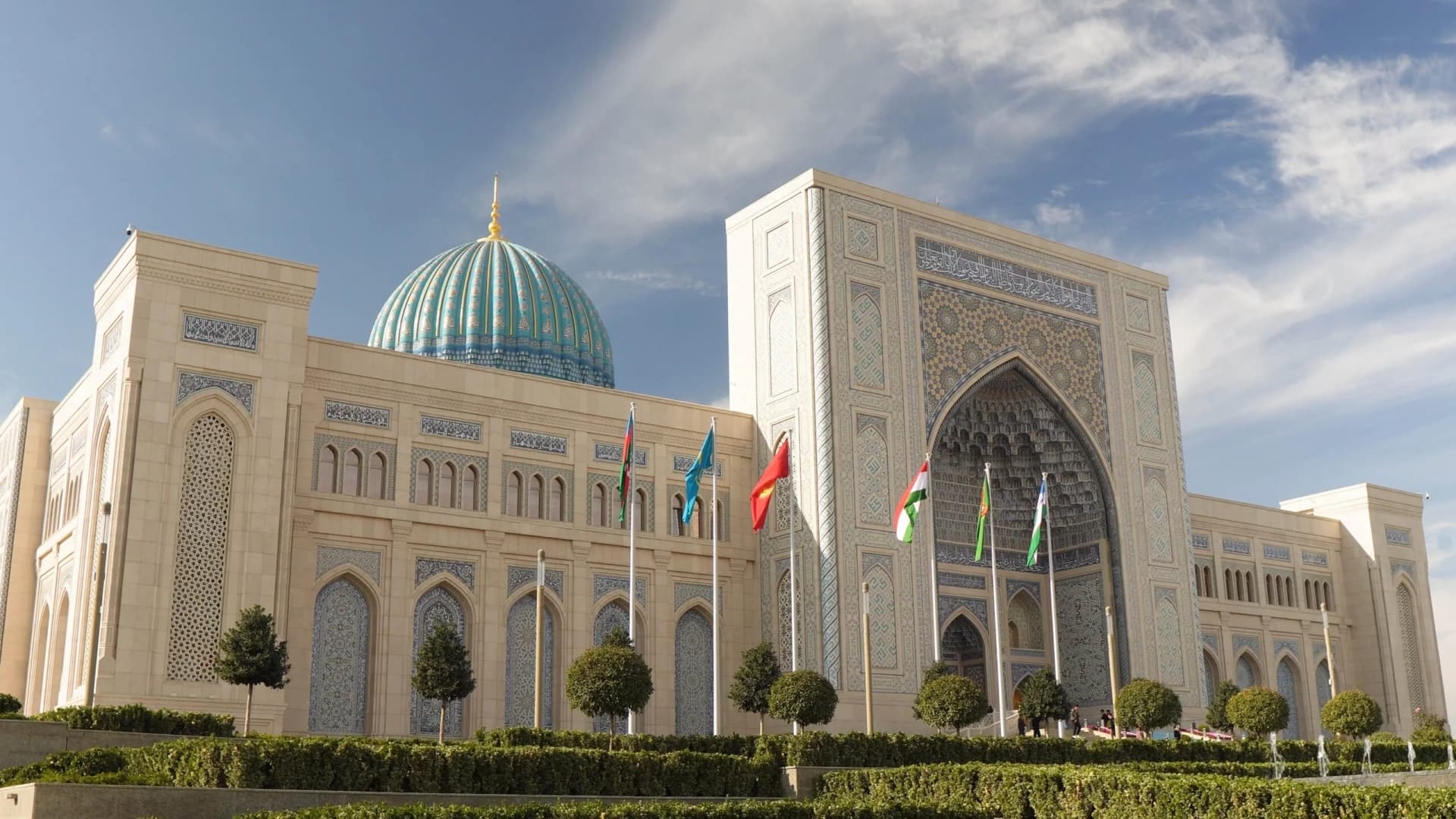

A nephrite bowl from the Baburid era: an artifact repatriated to our country from London
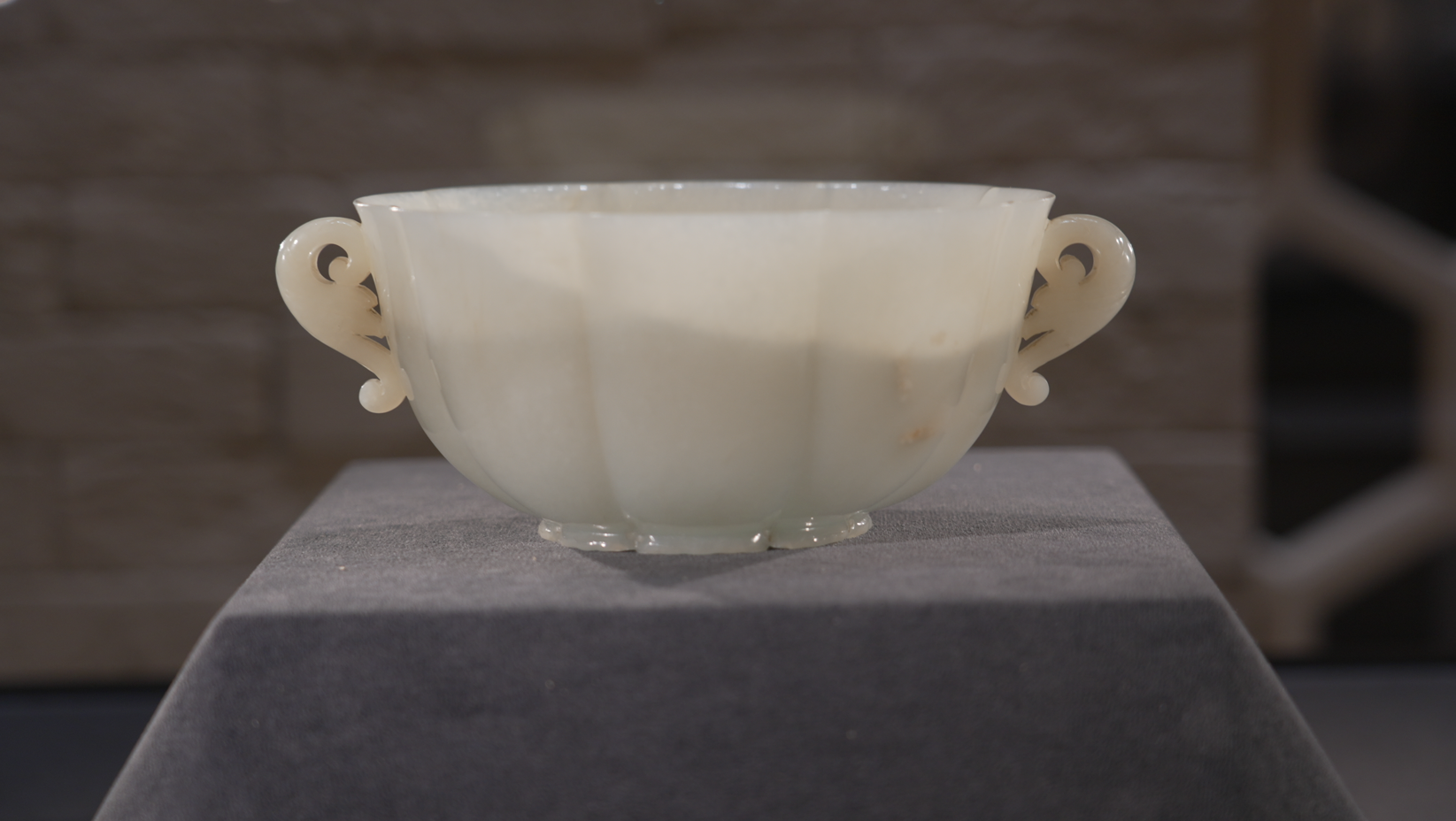 The nephrite bowl created in the XVII–XVIII centuries during the Baburid dynasty represents one of the historical objects that preserve the worldview and statecraft culture of its time through its historical significance. This rare artifact was repatriated to our country from one of the prestigious auction houses in London with the support of the initiative of President Shavkat Mirziyoyev to return unique masterpieces of our cultural heritage from abroad.
During the Baburid period, the crafting of vessels from nephrite was permitted only for the highest ruling elite, and such objects served as a material expression of state power and the status of the sultanate.
The historical uniqueness of this artifact lies in the fact that it has been preserved in its original form as a genuine palace object without alteration of its shape. Nephrite is an extremely hard stone, and working with it requires advanced scientific knowledge and practical expertise. This limited the number of such items produced. As a result of historical transformations and the disappearance of royal courts, most nephrite vessels from the Baburid era have not survived to the present day. Therefore, this nephrite bowl is considered one of the rare authentic objects capable of illustrating the palace culture of the Baburid period.
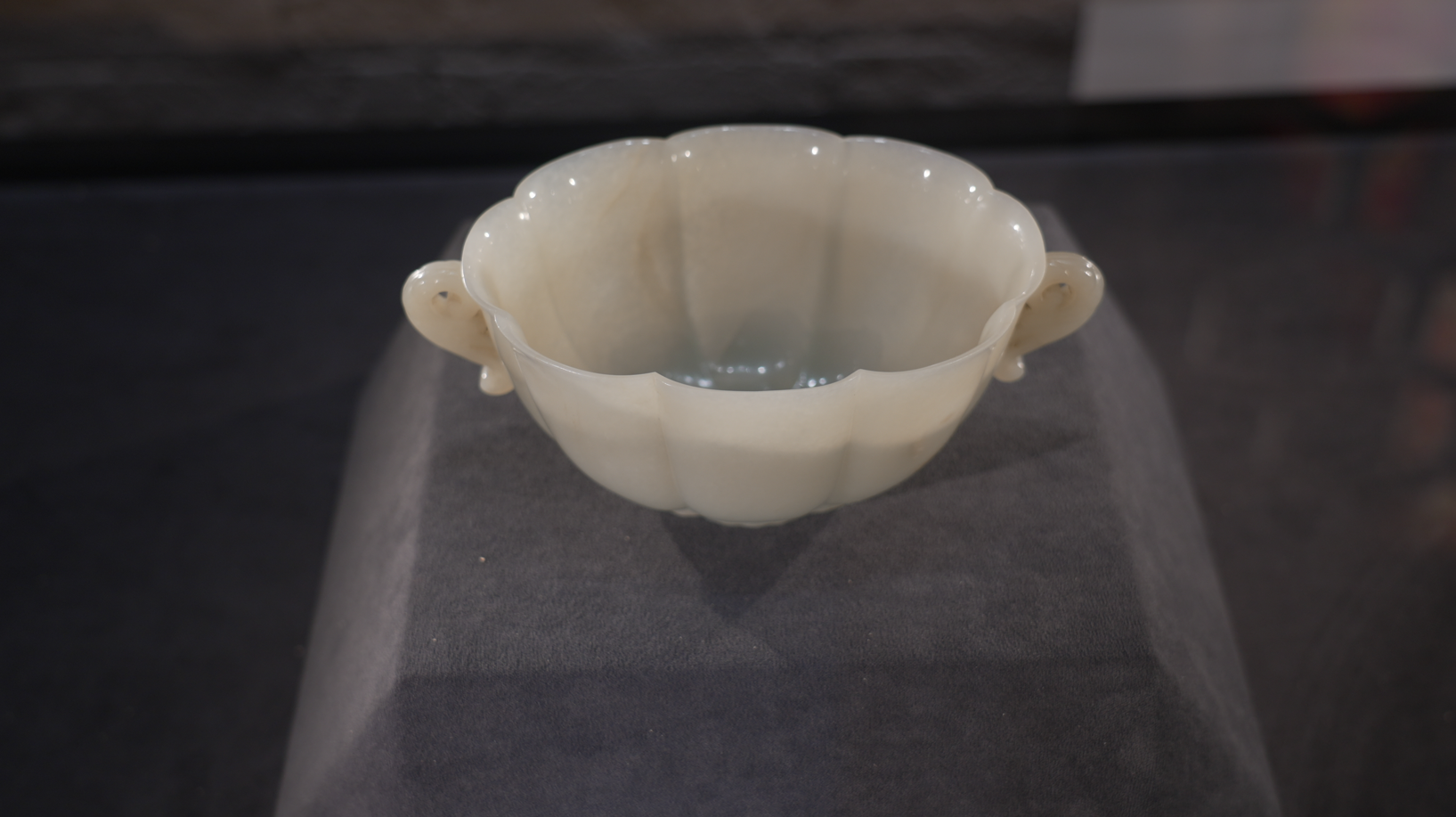 The aesthetics of the Baburid dynasty can be interpreted through the idea of the “modest grandeur” of power. Free from excessive ornamentation yet possessing a perfectly balanced form, this vessel reflects the mastery characteristic of Baburid aesthetics and demonstrates the intellectual and aesthetic dimensions of rulership through the use of natural materials.
From a historical perspective, the nephrite bowl reveals the cultural continuity between Central Asia and India. Since the Baburid dynasty was connected through its roots to the Timurid tradition, the high appreciation for nephrite also originated from the cultural environment of Central Asia. Thus, this artifact serves as clear evidence of the harmonious integration of values formed across different regions of Islamic civilization.
Today, the nephrite bowl is preserved in the Second Renaissance section of the exhibition at the Islamic Civilization Center in Uzbekistan, established at the initiative of the President. It is displayed not merely as a museum object but as a historical witness that demonstrates how highly palace culture and statehood were valued.
Laylo Abdukakhkharova
P/S: The article may be reposted with a reference to the Center’s official website