



From Bahauddin Naqshband to Najmiddin Kubra: the legacy of Sufism presented in a contemporary interpretation
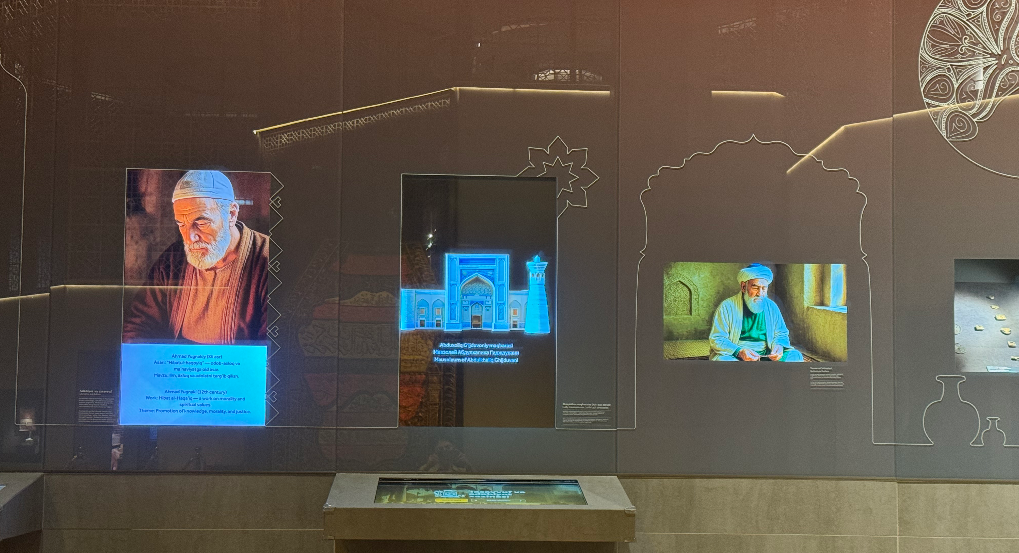
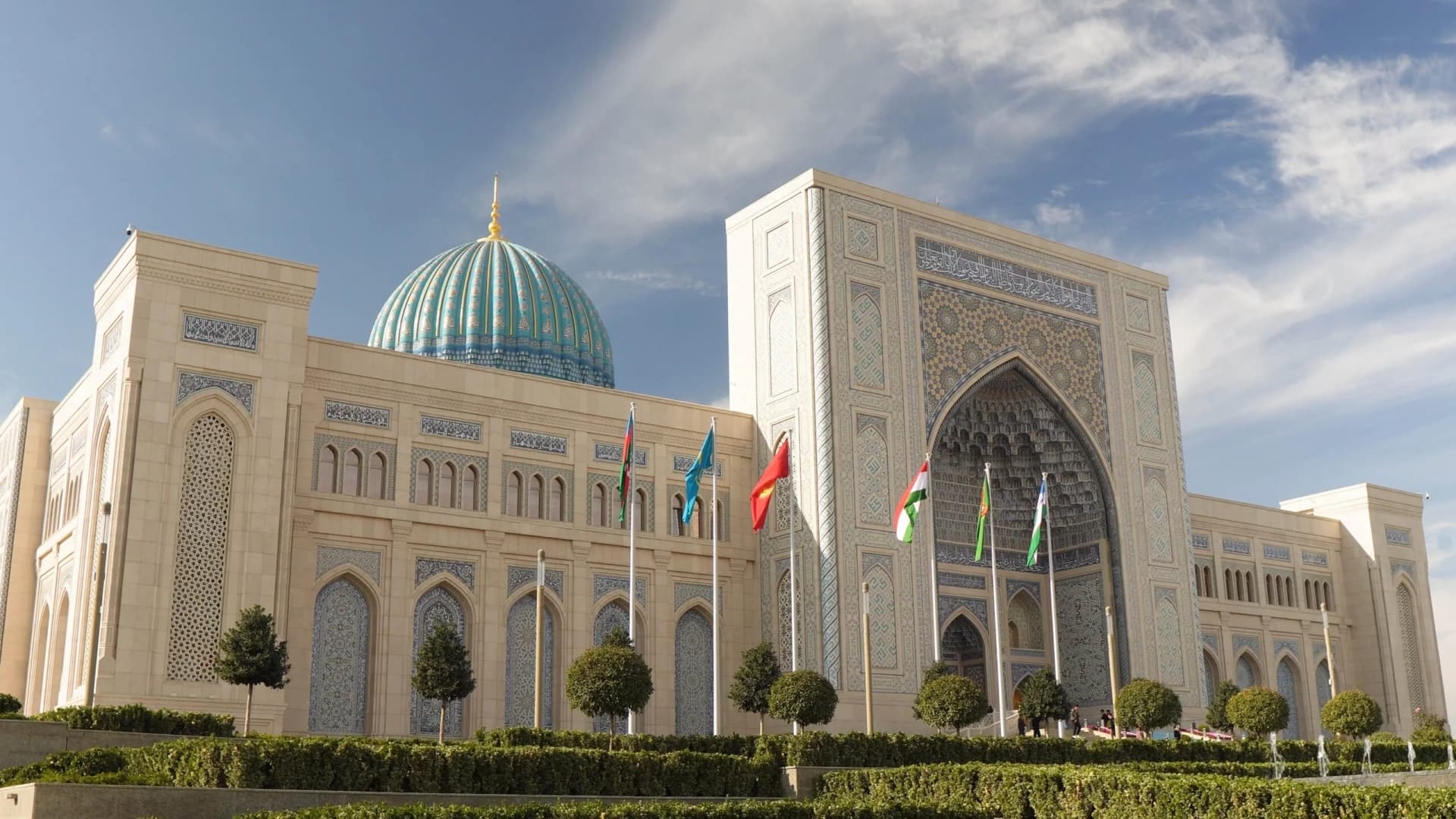
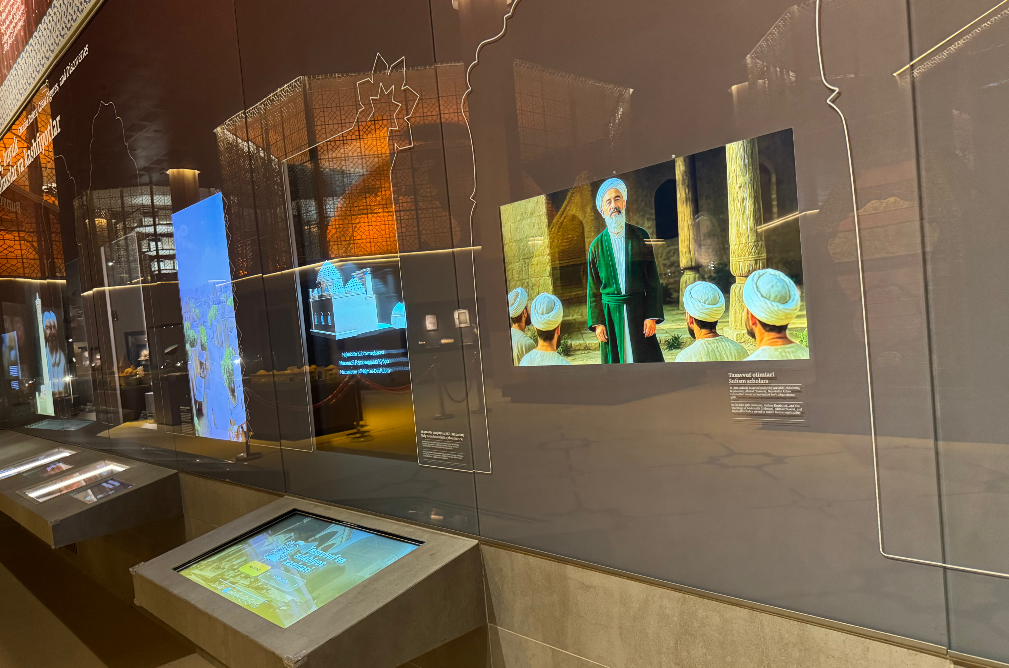 Central Asia has long held a distinguished place in global civilization, known for its great scholars, profound ideas, and rich scientific and intellectual heritage. Today, thanks to the initiative of President Shavkat Mirziyoyev, the Islamic Civilization Center in Tashkent has become an important venue that showcases this invaluable scientific and spiritual legacy in a contemporary interpretation. In particular, in the Center’s First Renaissance section, the “Wall of Civilizations and Discoveries” features 3D mausoleums of prominent Sufi scholars such as Bahauddin Naqshband, Abdulkhaliq Gijduvani, Ahmad Yasawi, and Najmiddin Kubra, along with video presentations about their lives and contributions.
The great Sufi masters of Central Asia are renowned worldwide for their profound spiritual legacy and their ideas on human perfection. This exhibition at the Center allows visitors to gain a deeper understanding of the lives, teachings, and the essence of Sufi knowledge of these eminent figures.
Obid Tangirov, Senior Researcher at the Islamic Civilization Center in Uzbekistan:
“The Wall of Civilizations and Discoveries” in the First Renaissance section is generally dedicated to visionary rulers, great figures, and significant scientific discoveries. This period, as a historical process, marked a major turning point in the development of knowledge, playing a particularly important role in the advancement of Islamic sciences. Therefore, it would have been a significant omission not to include representatives of Sufi scholarship in this section. For this reason, the mausoleums of some of the most renowned Sufi figures — Bahauddin Naqshband, Abdulkhaliq Gijduvani, Ahmad Yasawi, and Najmiddin Kubra — are presented here using hologram technology. The development of this exhibition was carried out based on the recommendations of specialist scholars, researchers of Sufi studies, and field experts. In addition, the exhibition highlights their literary contributions, as most Sufi scholars expressed their ideas through artistic and scholarly works.
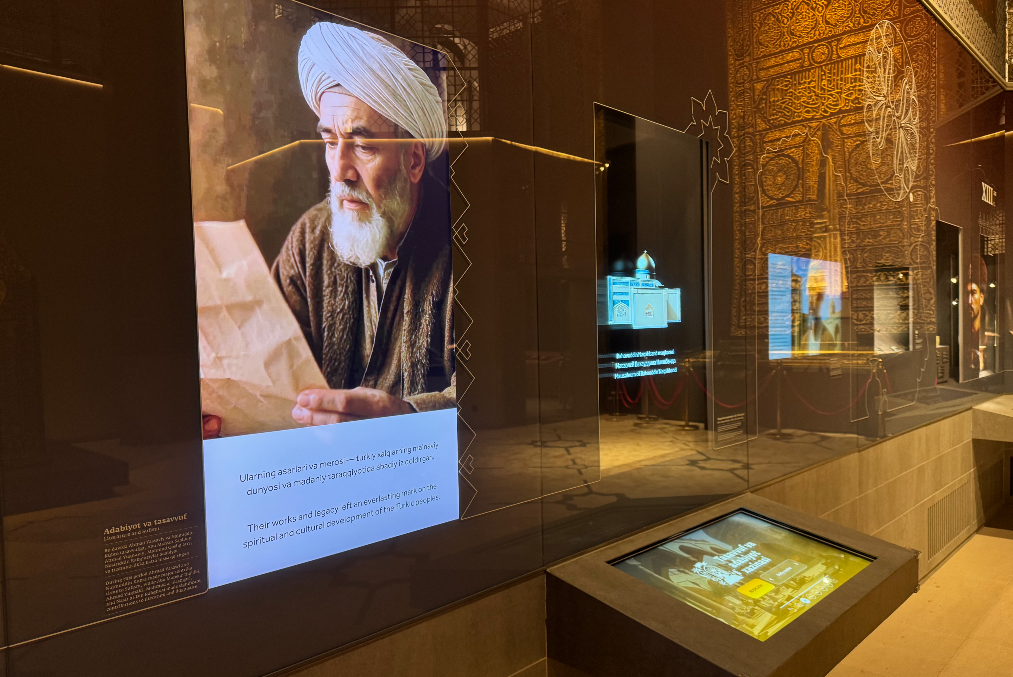 From the 11th century onward, Sufi scholarship flourished widely in Central Asia. For this reason, the exhibition pays special attention to its prominent representatives and their legacy. The teachings of the Naqshbandiya, Kubroviya, Yassaviya, and Khojagon tariqas, founded by Abdulkhaliq Gijduvani, as well as their influence in later periods, are extensively presented. Visitors to the Center can test their knowledge through interactive screens featuring special quiz questions related to the lives and works of these Sufi figures. This approach plays a significant role in fostering the spiritual development, patriotism, and moral virtues of young people.
Media products, which are an integral part of the Center’s exhibitions, illuminate the atmosphere of the period and the spiritual heritage of Sufi scholarship through contemporary visuals. The prepared video clips help viewers gain a deeper understanding of the ideas presented in the works of Sufi scholars and their enduring spiritual legacy. At the same time, the videos also demonstrate the role of Sufi knowledge in societal life and its relevance to the present day.