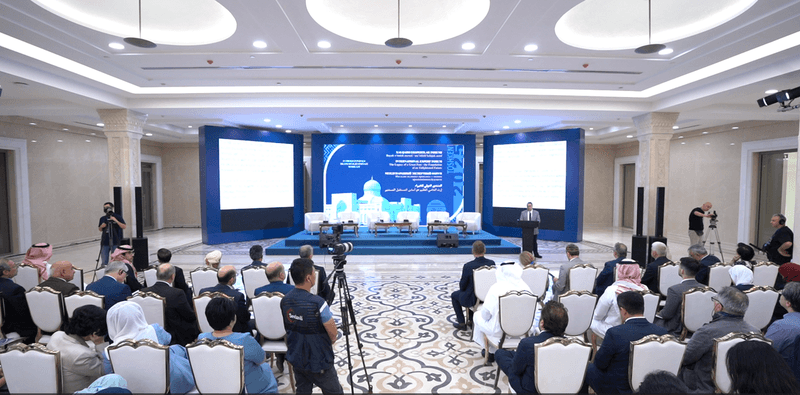
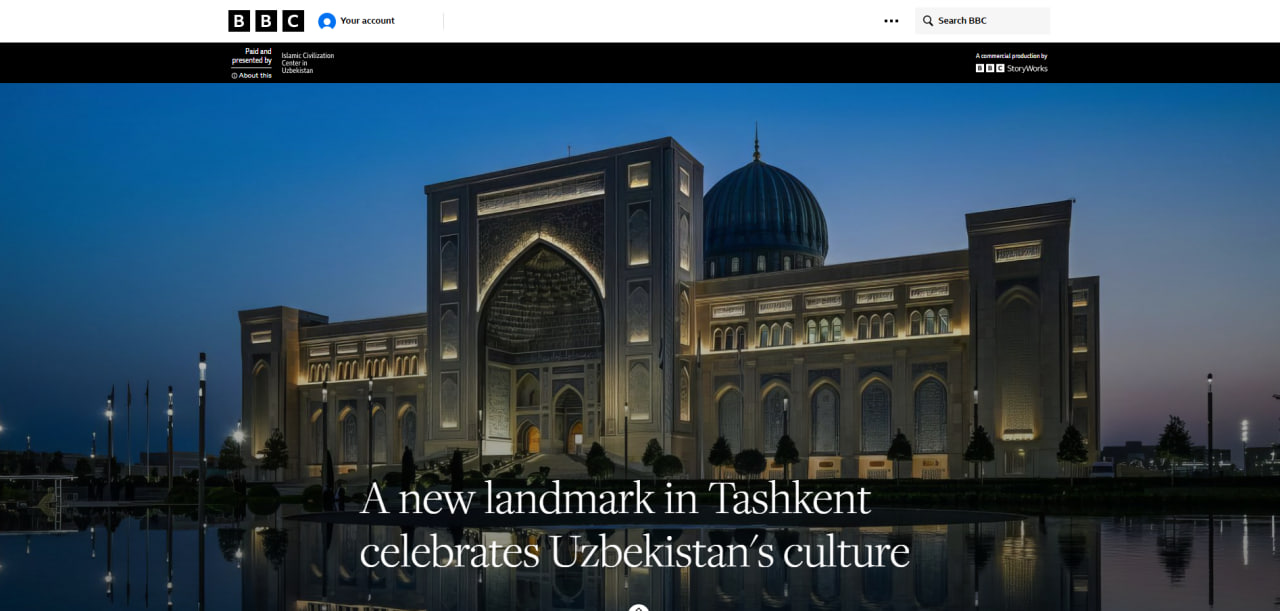
 In a feature published on the BBC media company’s BBC StoryWorks platform, the Islamic Civilization Center in Uzbekistan, built in Tashkent, was presented as a new cultural venue showcasing the country’s rich cultural and scientific heritage. The article notes that the center is far more than an ordinary museum; it is a comprehensive complex that, through exhibitions, research centers, and modern technologies, highlights Uzbekistan’s historical legacy and its contribution to the development of Islamic civilization on the international stage.
Located in the northern part of Tashkent, the new cultural institution aims to preserve Uzbekistan’s rich heritage. Far broader in scope than a traditional museum, this multifaceted center presents the history of the country’s development in science, culture, religion, and other fields, as well as new narratives about its past and present.
Where it all began
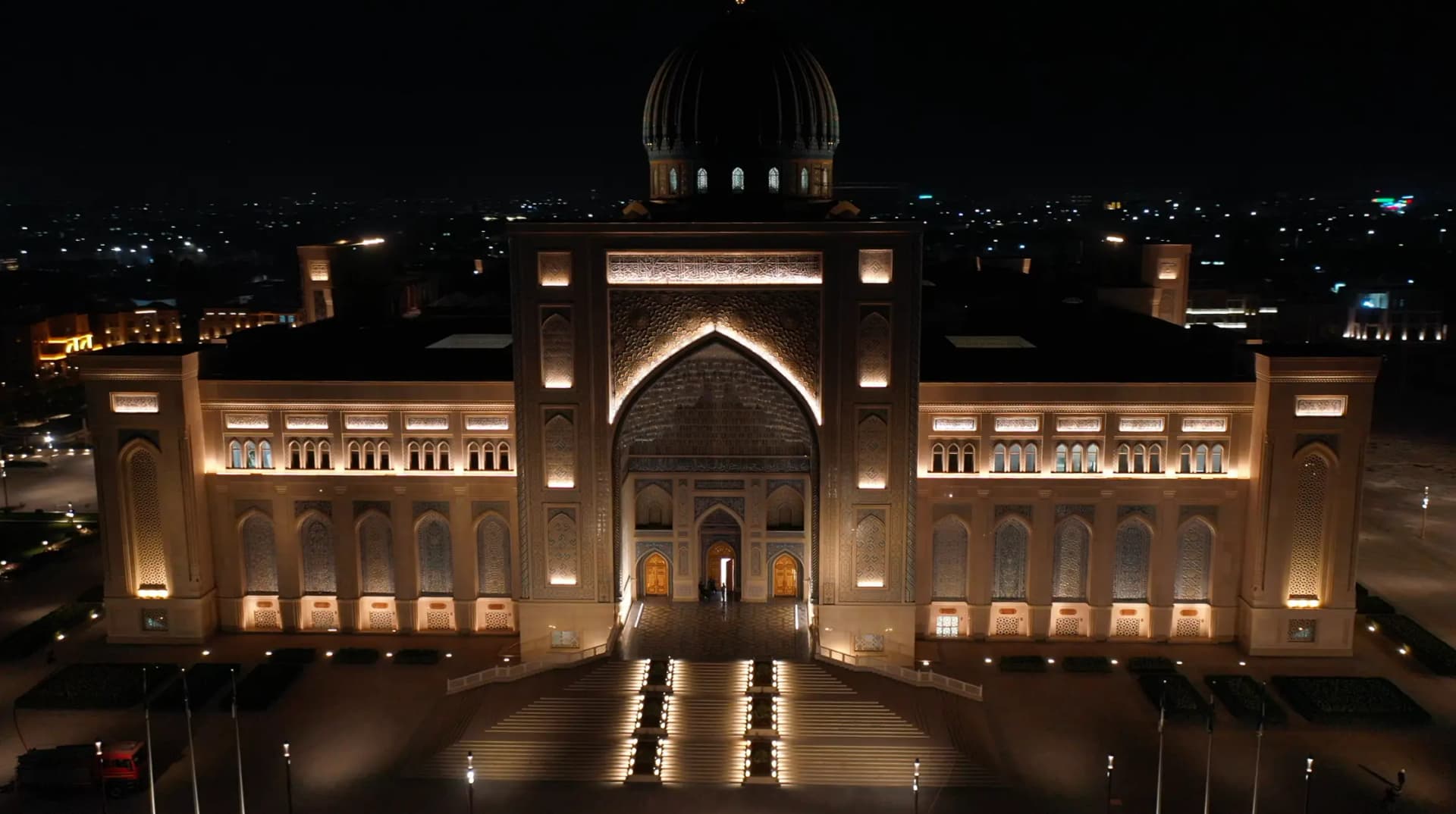
Situated in the valley of the Chirchiq river valley, Uzbekistan’s capital is a city that proudly seeks to present its culture — its past, present, and future. As the largest city in Central Asia, Tashkent is not only a symbol of the country but also of the entire region: it continually renews itself while maintaining deep respect for its historical heritage. One of the most significant symbols of this historical evolution is the Islamic Civilization Center in Uzbekistan.
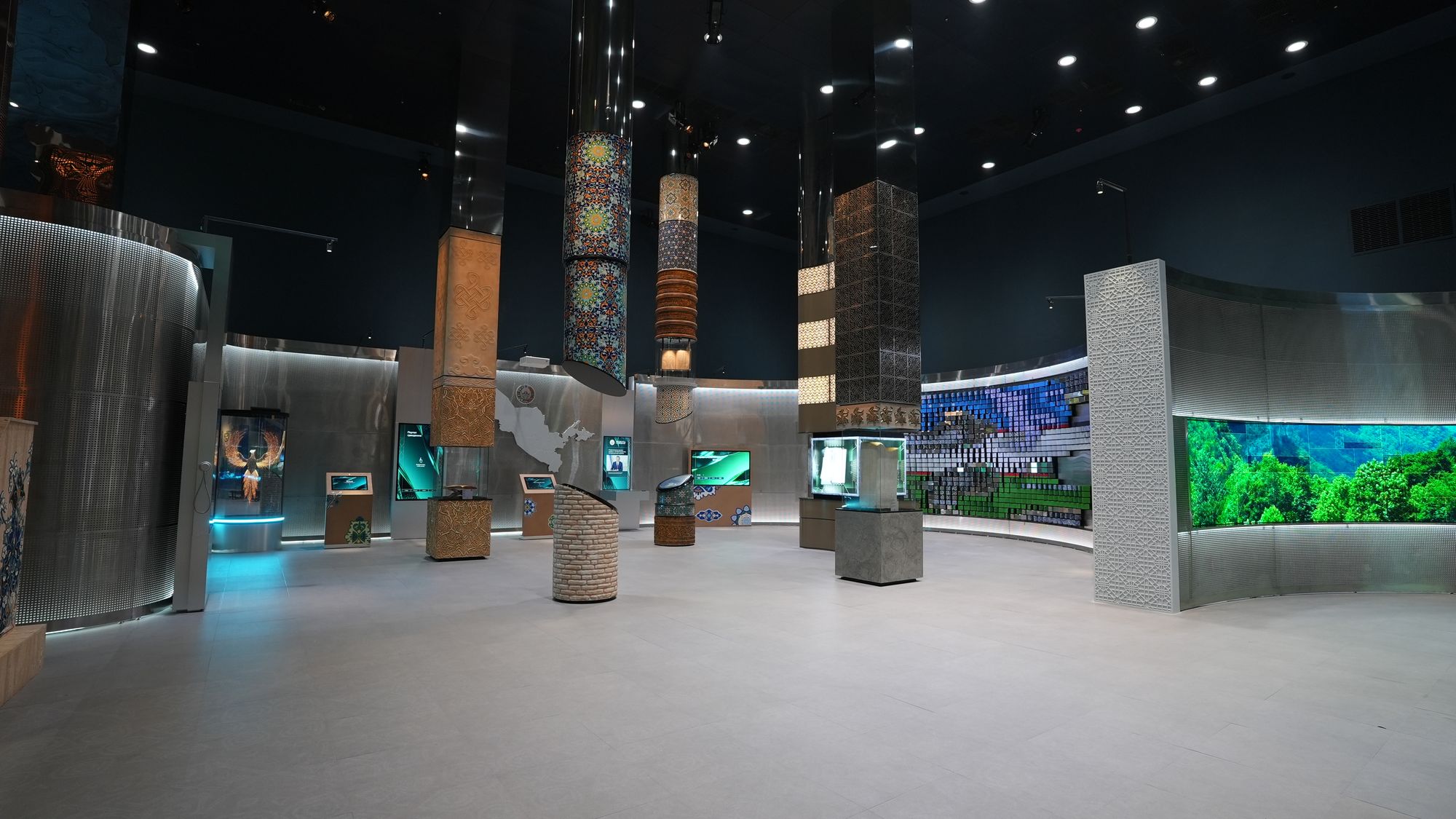
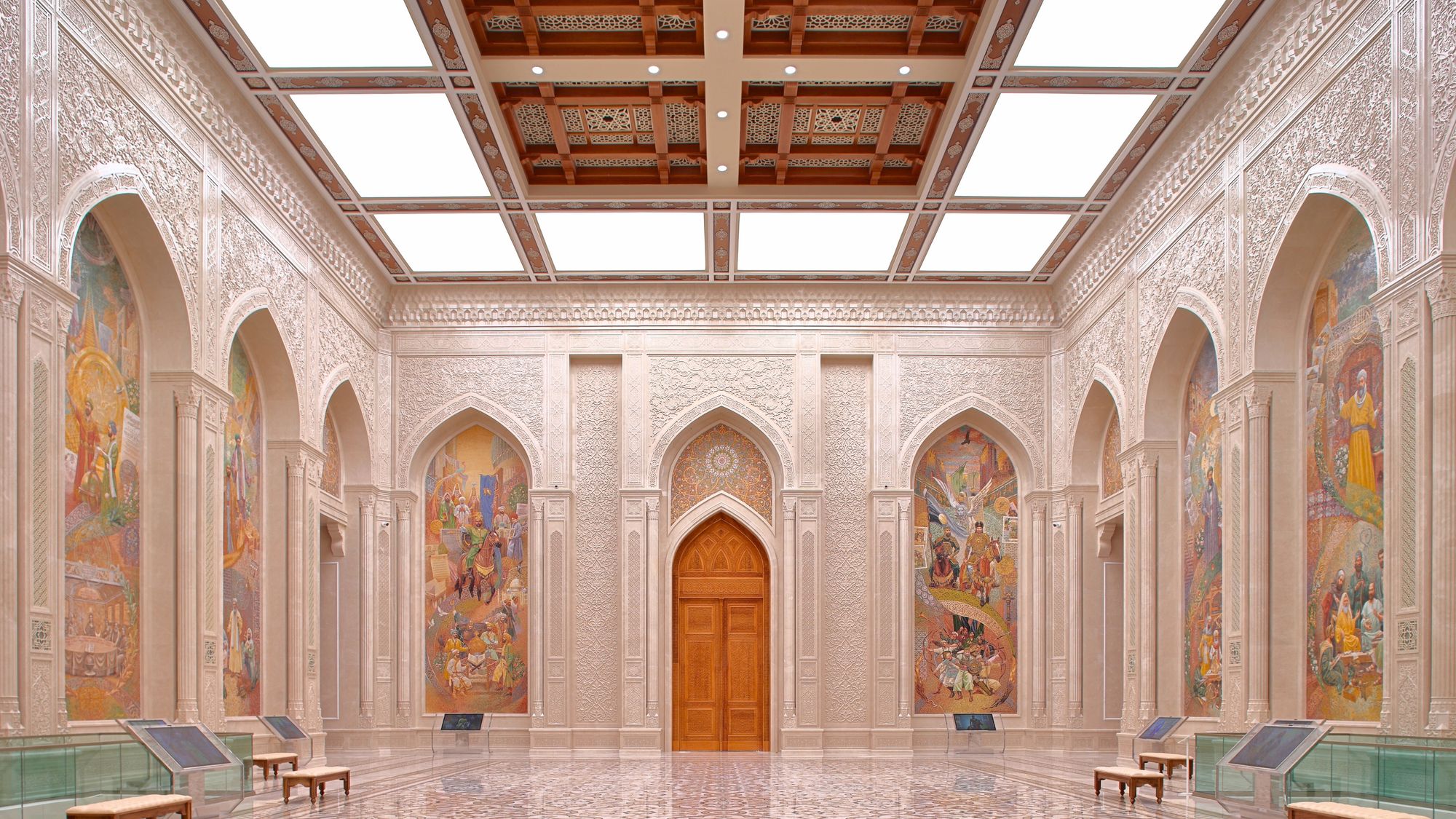 The foyer of the Islamic Civilization Center in Uzbekistan
Plans to establish this new cultural institution were first presented in 2017. At the same time, a project was proposed to restore valuable artifacts and repatriate rare examples of Uzbekistan’s heritage preserved in different parts of the world. According to the concept behind the center, it was envisioned as a creative space for studying Uzbekistan and the role of its Islamic roots in the development of global science and culture. The project is being implemented on the initiative of the President and is being launched in stages, with plans to open fully to the public by March 2026.
“Here, history is presented not for the sake of the past, but for the sake of the future.”— Farhan Ahmad Nizami, Director of the Oxford Centre for Islamic Studies
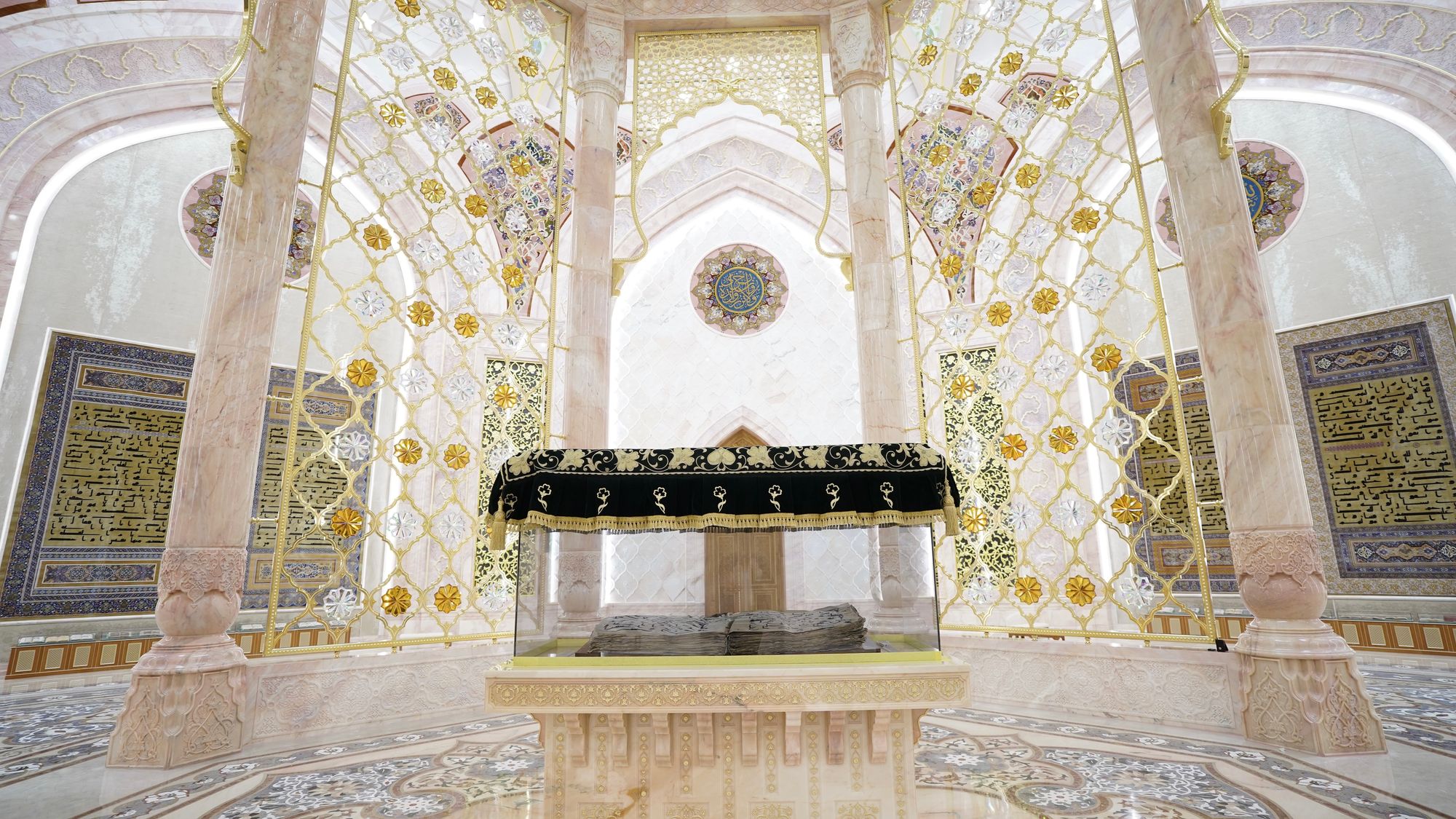 The Mushaf of Uthman in the Hall of Qurans
Inspired by history
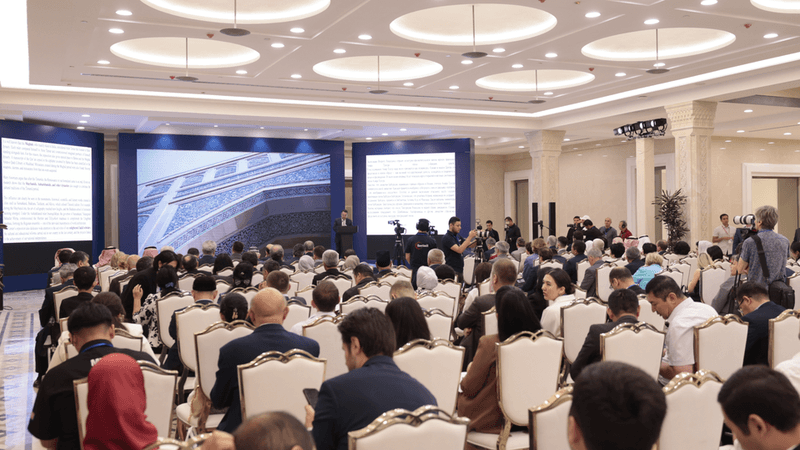
Over the eight years since its announcement, this space has become a true cultural mosaic that brings together a variety of ideas and forms of expression. Around a vast exhibition area are the magnificent Hall of the Qur’an, a children’s museum, a library, film studios, and publishing facilities. The center also includes advanced research departments and restoration laboratories, creating opportunities for more than 1,500 scholars from 40 countries. It is regarded not only as a local institution but also as an international intellectual platform that reexamines the place of Islamic civilization in world history and in the modern world.
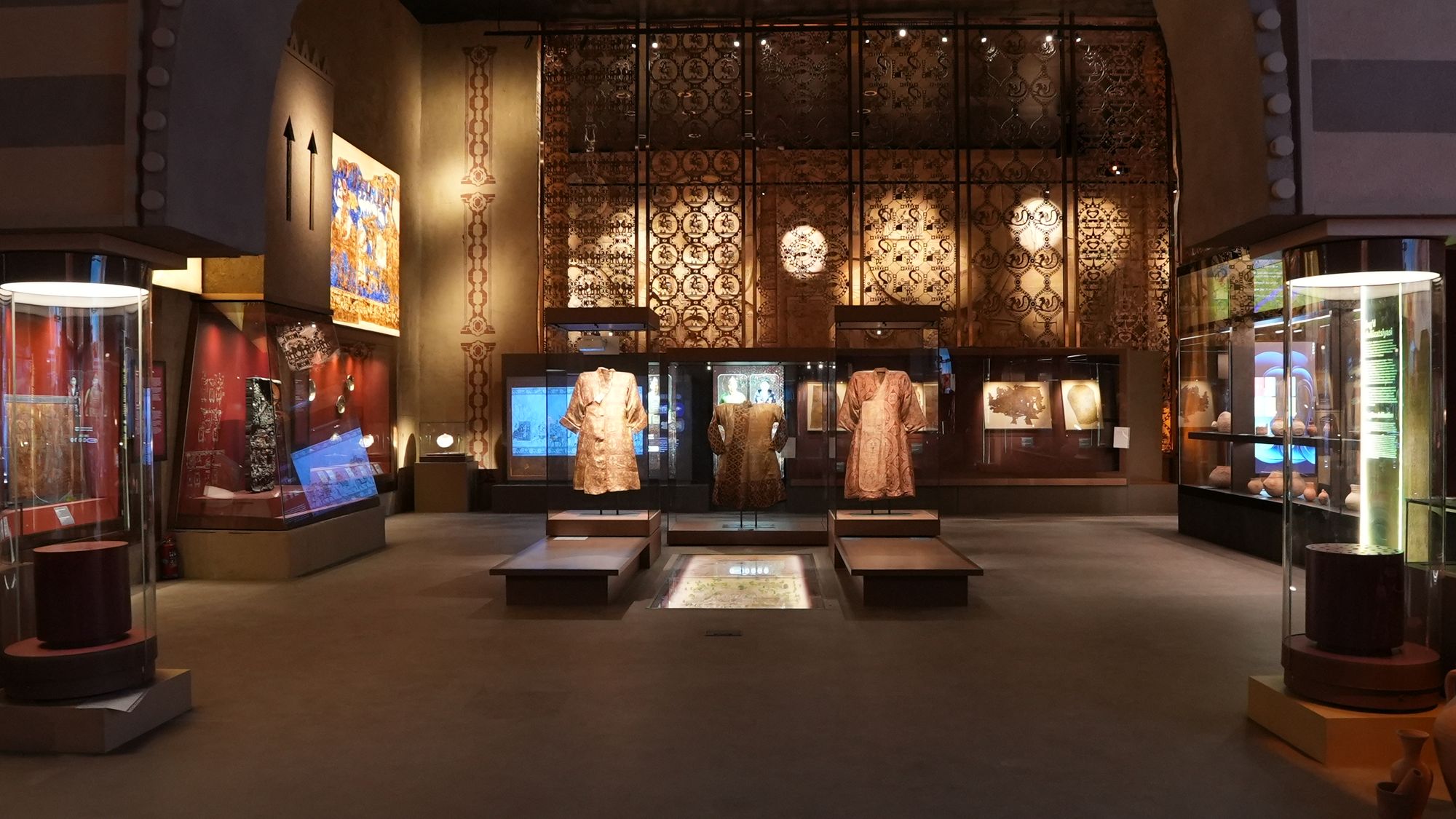 The pre-Islamic period hall
The three-story building was constructed in the Olmazor district, next to the Hazrati Imam complex, on a seven-hectare site. The architecture of the center reflects the idea of harmonizing historical traditions with modern technologies. Its majestic and colorful style is inspired by the spirit of medieval cities such as Samarkand and Herat. On the first floor, five thematic exhibition halls covering 15,000 square meters present the legacy of artists, writers, craftsmen, and thinkers who lived and created during different periods of Central Asian history.
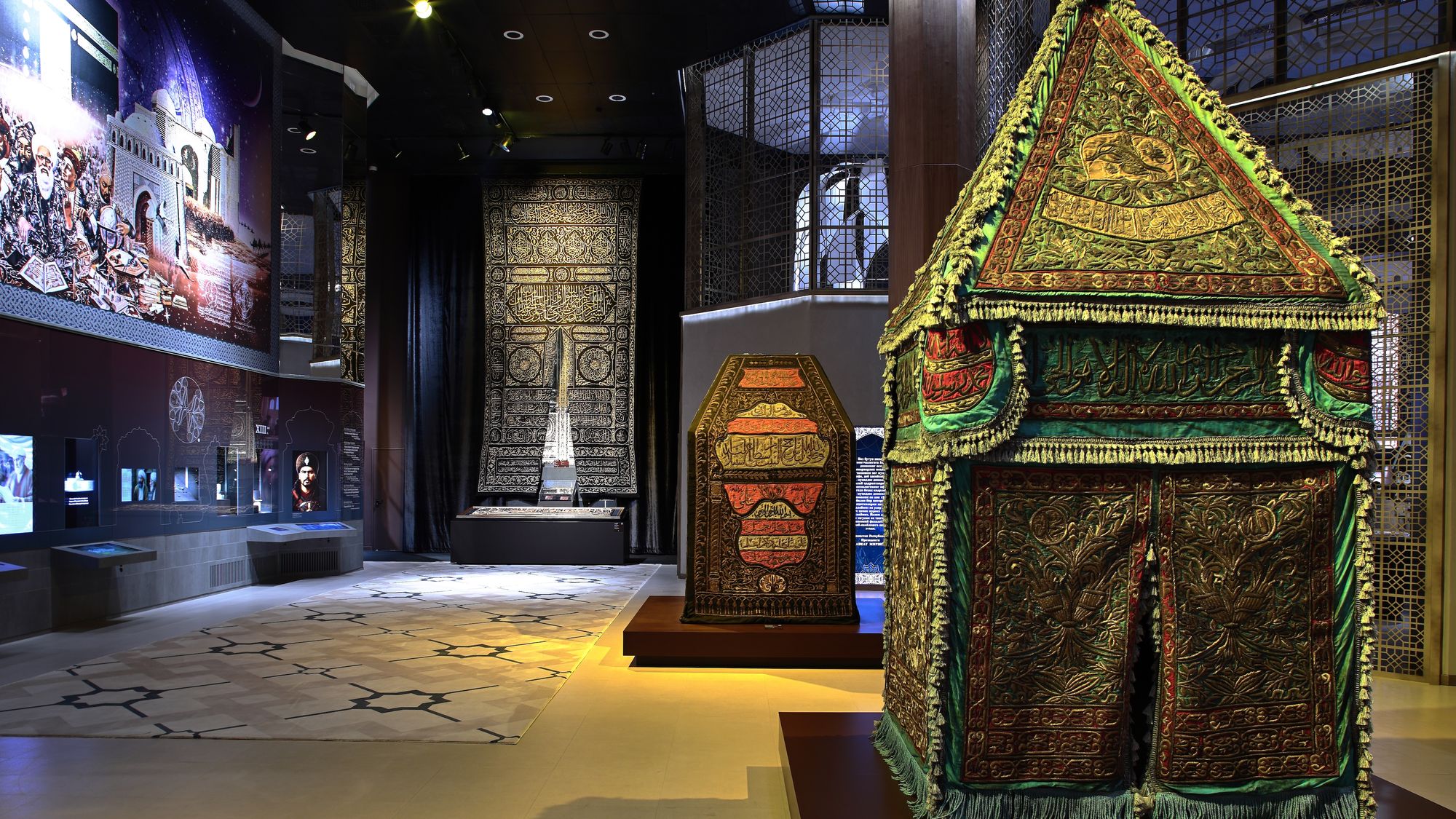 The First Renaissance Hall at the Islamic Civilization Center in Uzbekistan
Returning rare heritage to the homeland
One of the center’s key missions is to bring back cultural treasures that have been scattered abroad over the centuries. In cooperation with Uzbek scholars and art historians, the center reports that it has succeeded in acquiring more than a thousand rare works through auction houses as well as renowned private collectors and galleries. These exhibits form the core of the five main exhibition galleries — from displays highlighting the cultural roots of the pre-Islamic period to a modern gallery presenting the ideas of “New Uzbekistan.”
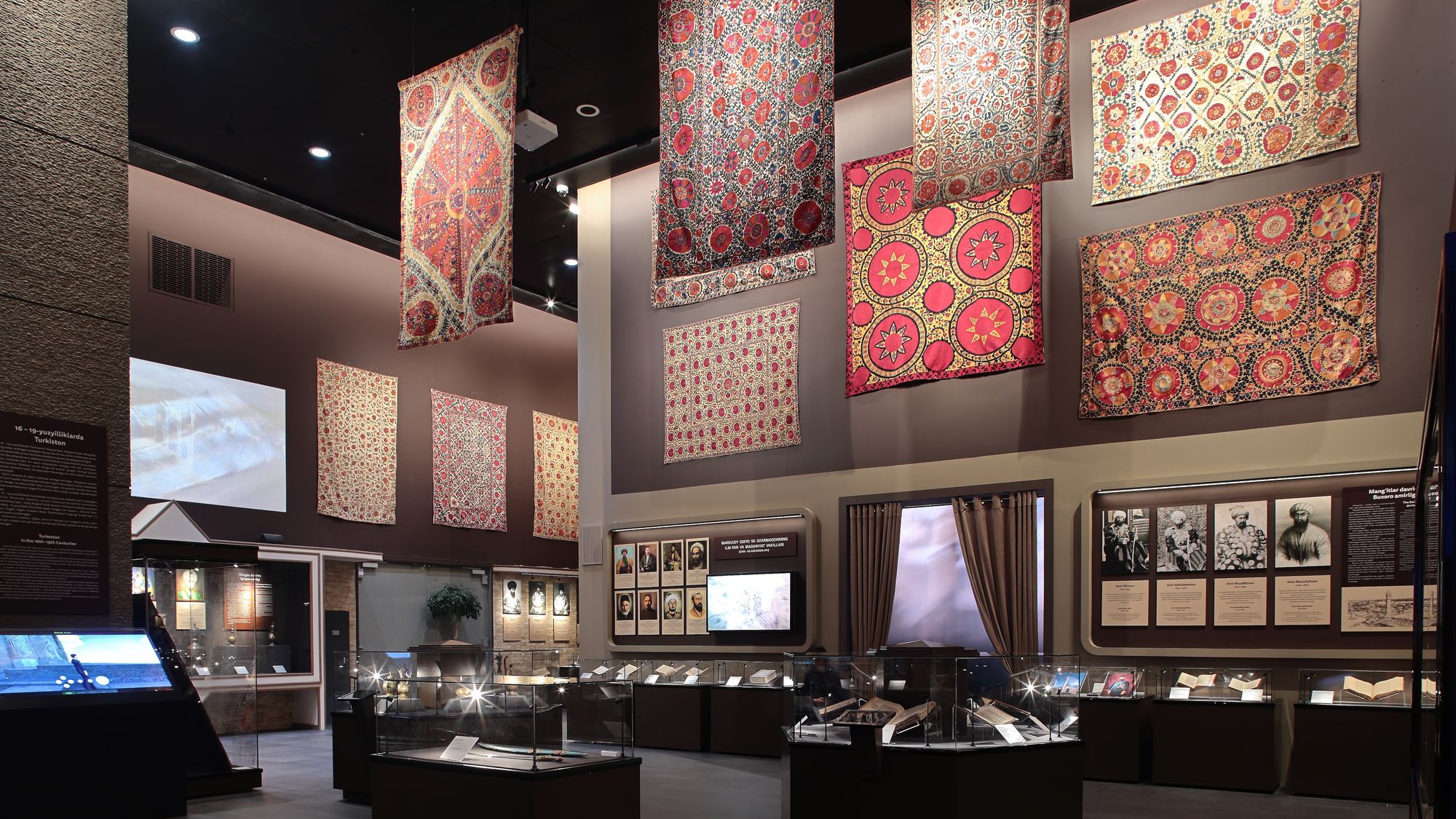 The Second Renaissance Hall
Installations that bring enlightenment to life
One of the most striking features of the center is a 270-meter multimedia installation known as the “Wall of Civilizations and Discoveries.” Stretching across three halls, it uses dynamic projections and interactive technologies to showcase the contributions of Uzbekistan and Central Asia to global progress in science, culture, art, and spirituality. This journey spans from ancient times to the Renaissance era.
With its growing cultural influence and developing economy, Uzbekistan continues to write new chapters in its history. When the Islamic Civilization Center in Uzbekistan opens its doors, the heritage of different eras will come together in one place, serving as a source of inspiration for future generations.