



A view from the Cosmos: Participants of the “Space Technology Conference STC 2026” International Conference were amazed by the scientific heritage
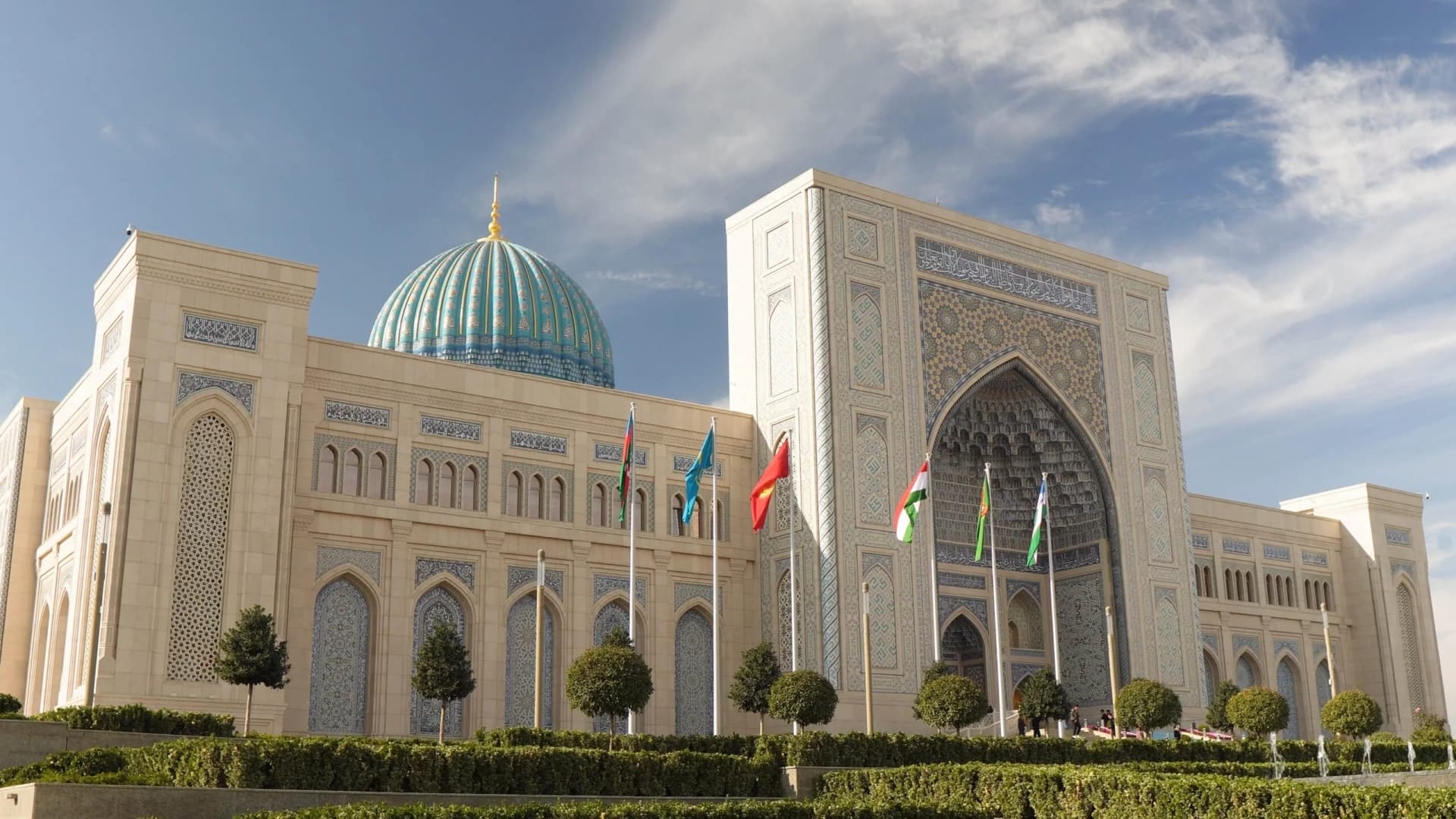
Within the framework of the international space forum program held in Tashkent, a prestigious foreign delegation visited the Islamic Civilization Center in Uzbekistan and described it as “a unique place where history and modern technologies are harmoniously combined.”
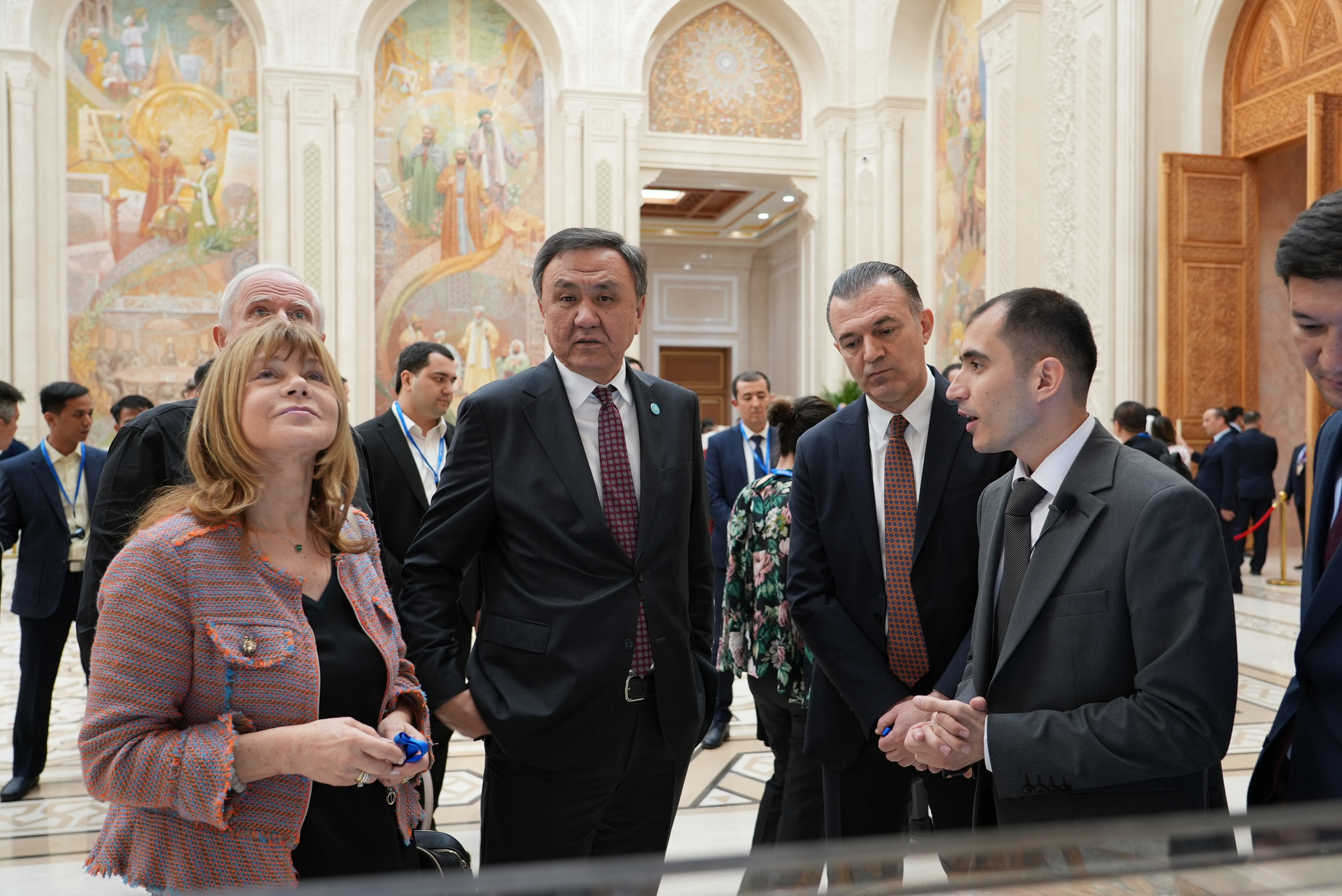
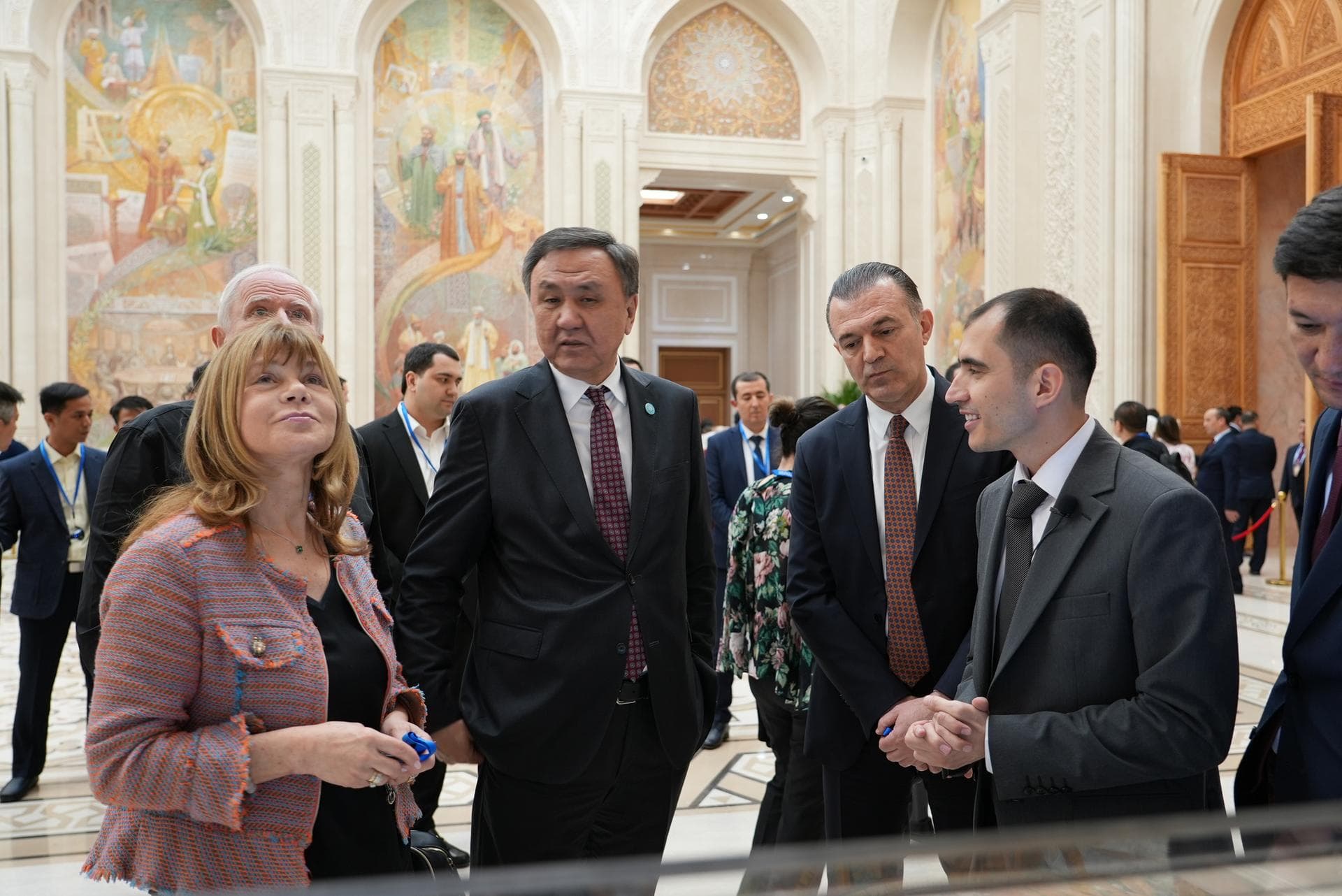
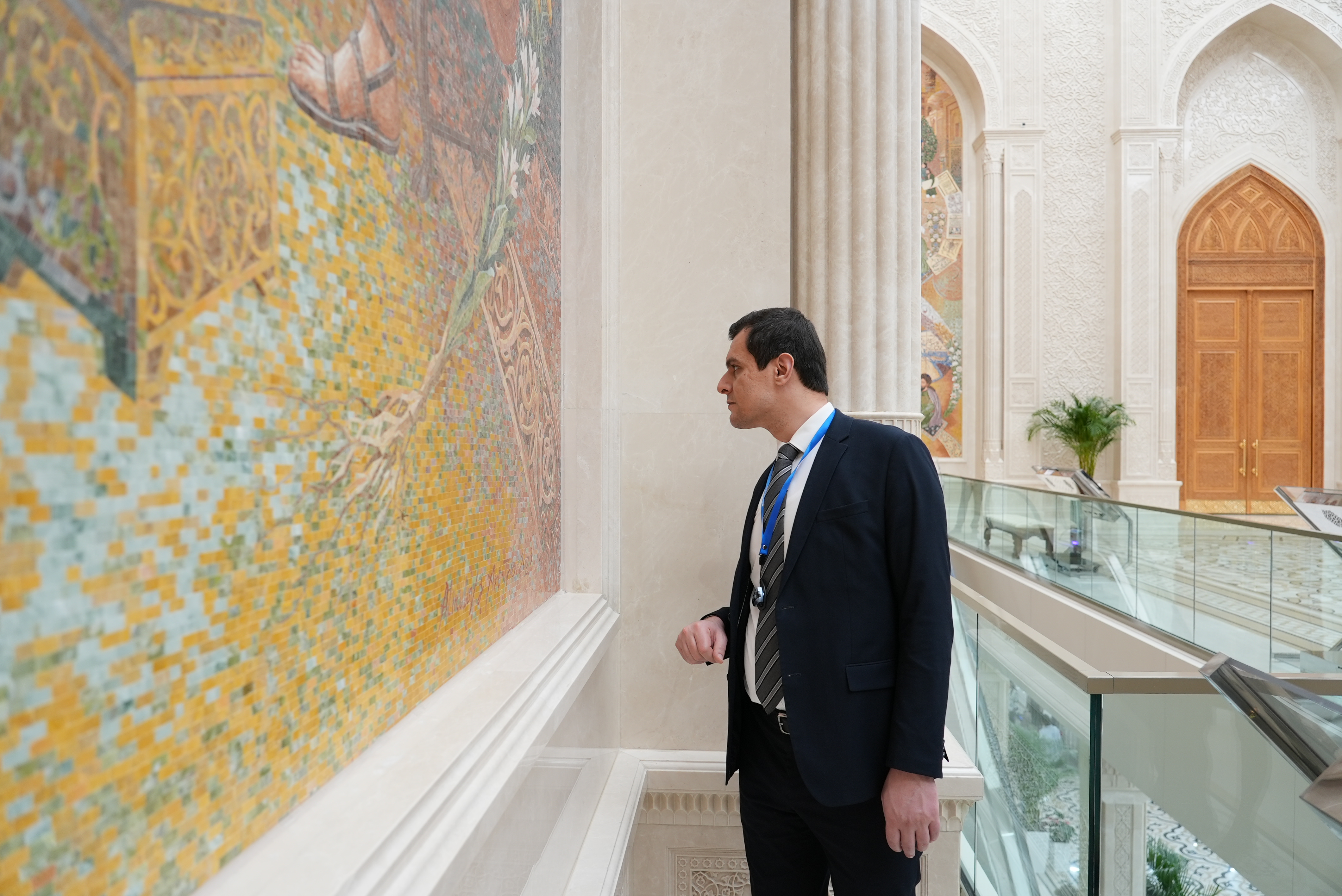 As part of the 5th meeting of the heads of space agencies of the member and observer states of the Organization of Turkic States, as well as the “Space Technology Conference STC 2026” international conference held in Tashkent, the distinguished delegation was particularly impressed by the Renaissance-era exhibitions, especially those related to astronomy.
This visit played an important role not only in strengthening scientific and diplomatic ties, but also in promoting the rich cultural and educational heritage preserved at the Center to the international community.
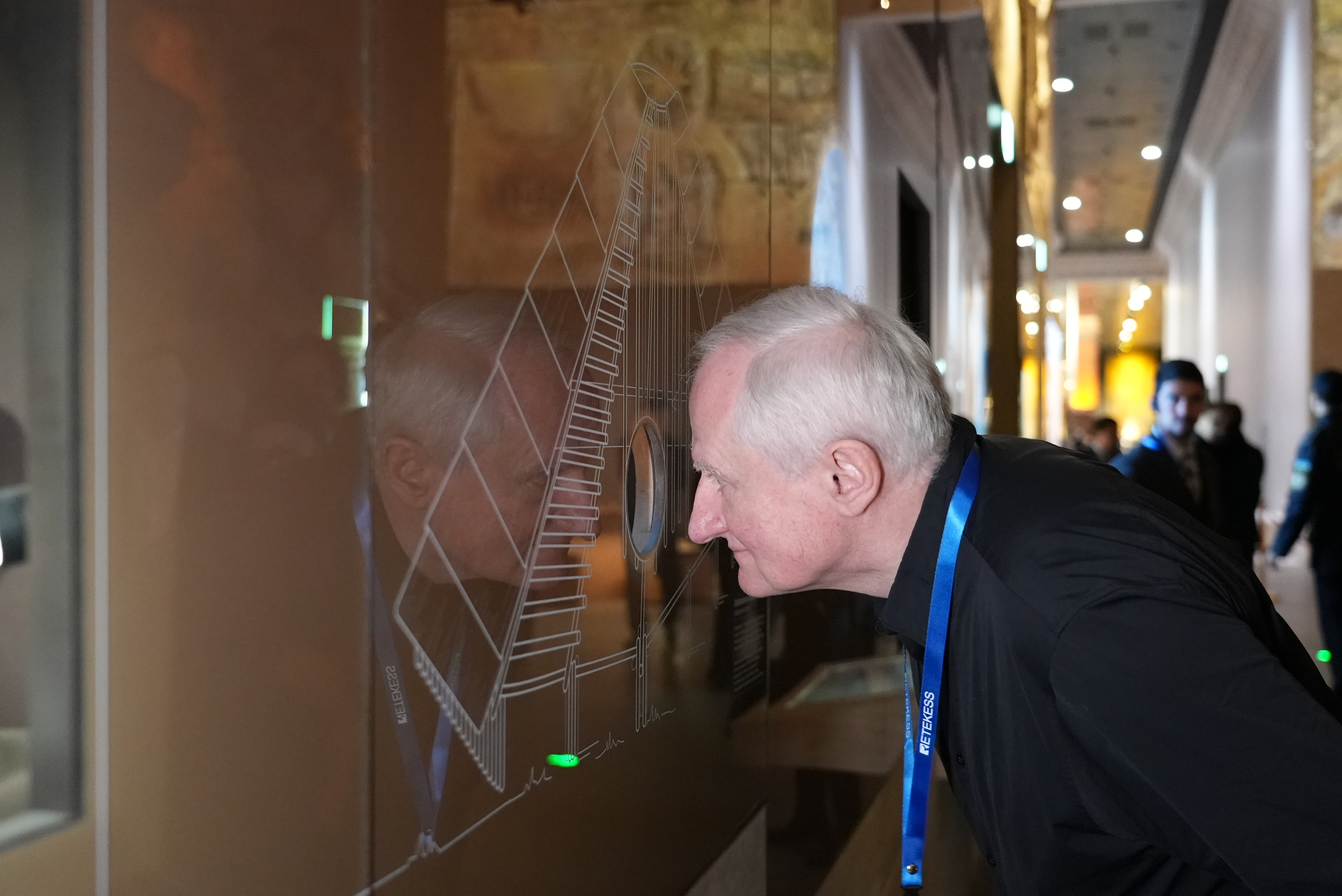 Members of the delegation were presented with information about ancient Khorezm culture, Zoroastrian-era monuments, early urban development traditions, and the Great Silk Road within the exhibition of pre-Islamic civilizations at the Center.
The guests also became closely acquainted with the exhibitions dedicated to the arrival of Islam in Central Asia, its influence on the development of science and culture, as well as the First and Second Renaissance periods.
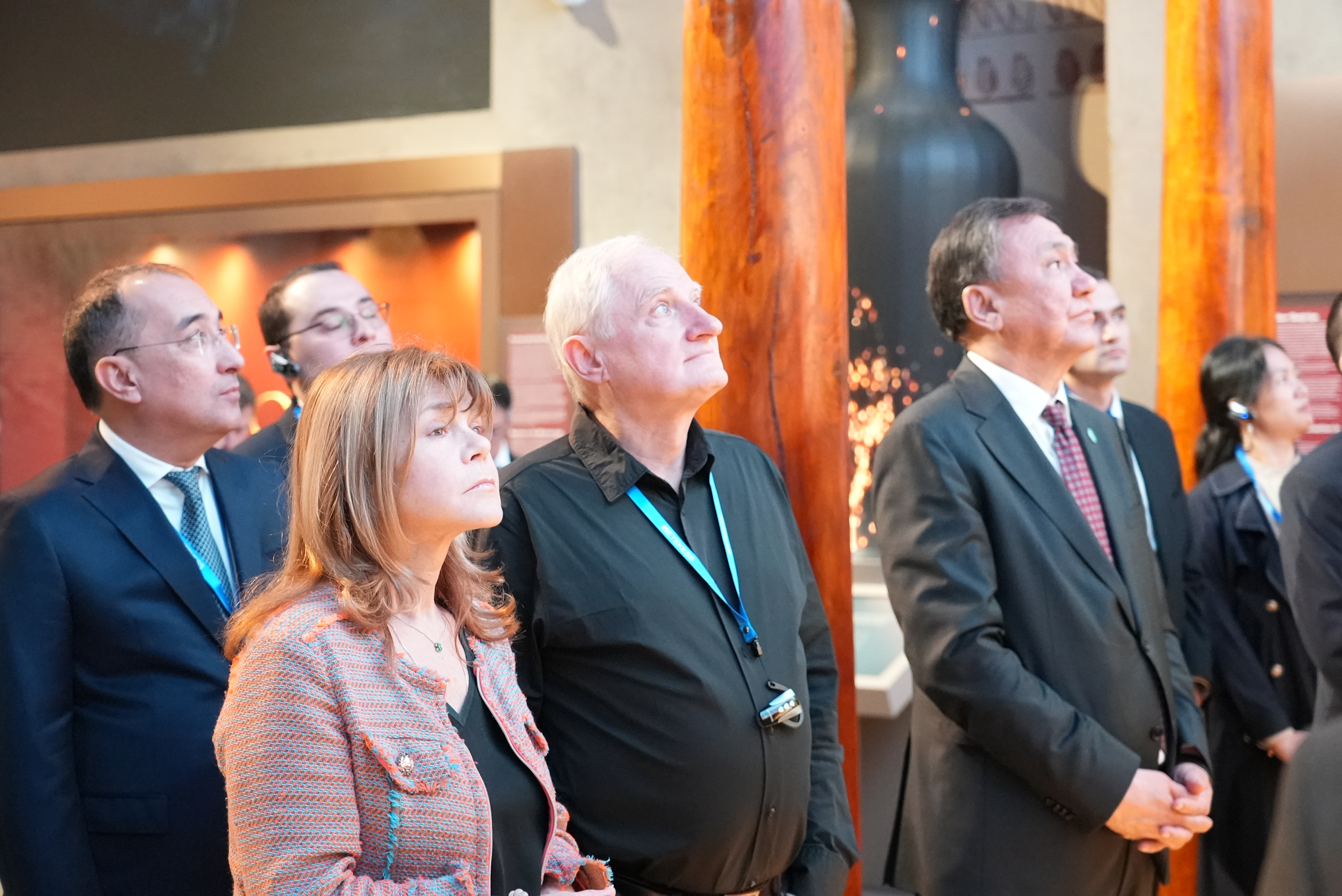
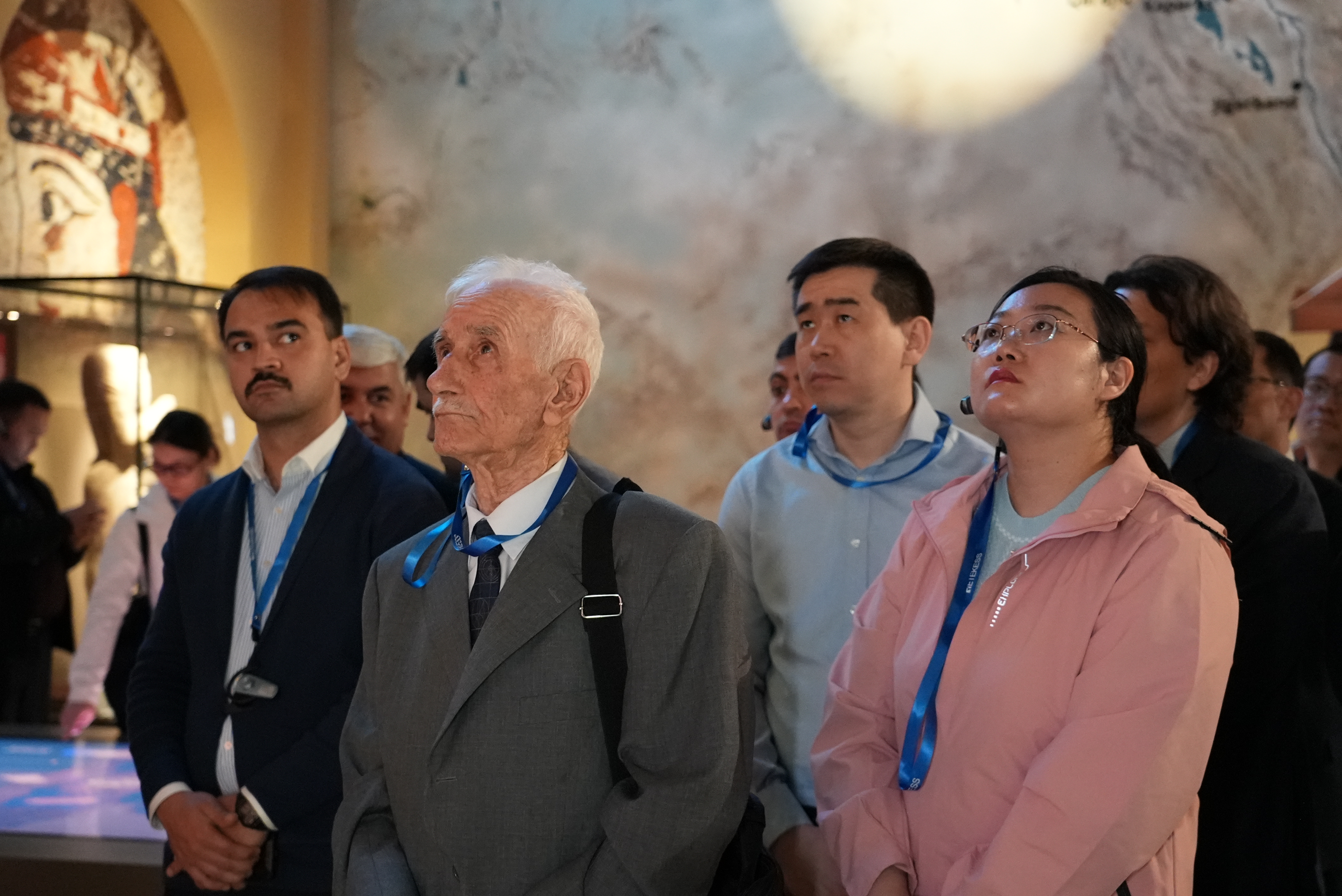
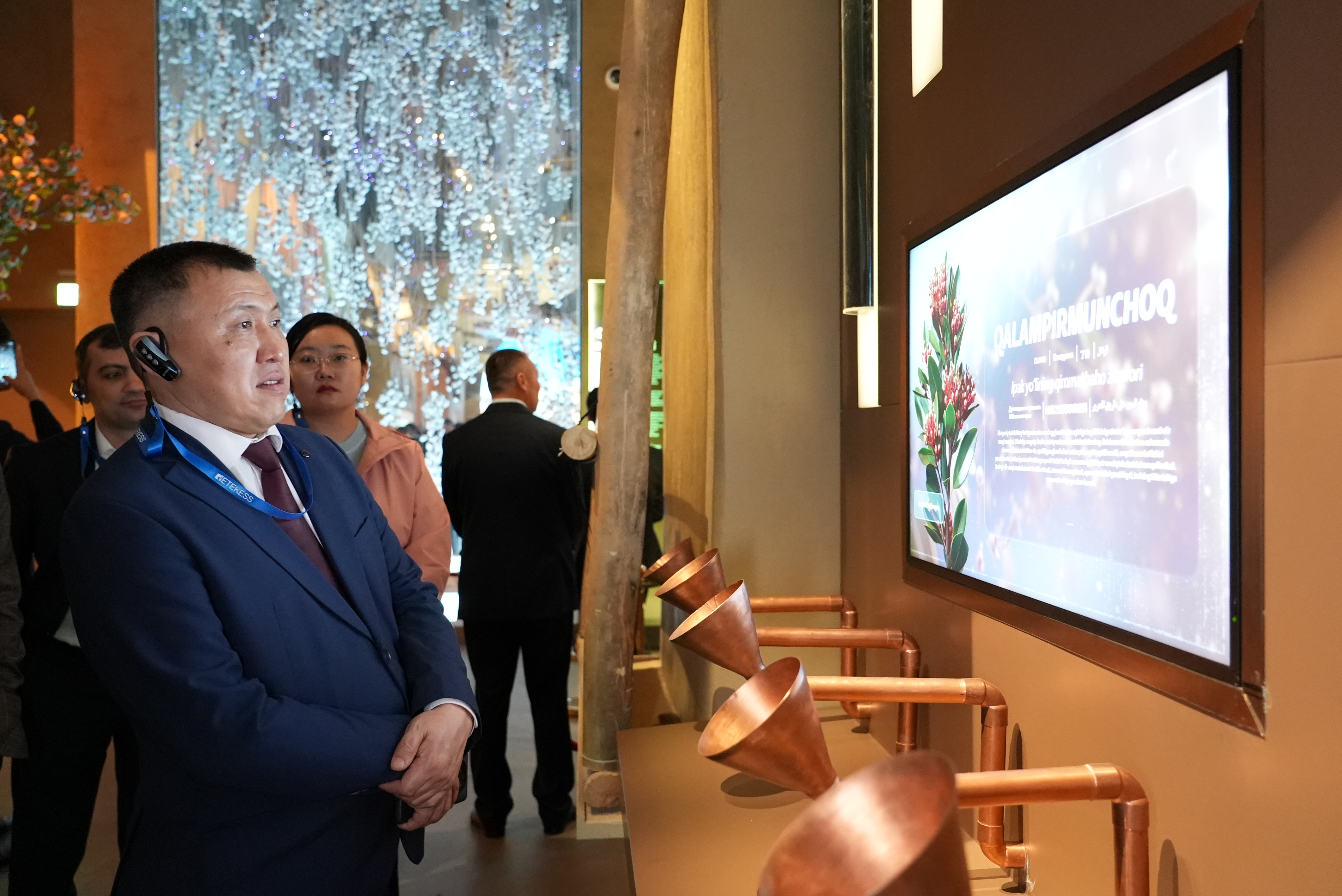 In particular, the sections on astronomy and mathematics sparked special interest among specialists working in the field of space. The presentation of the scientific legacy of great scholars such as Ahmad al-Fergani, Abu Rayhan al-Biruni, Muhammad al-Khwarizmi, Mirzo Ulugbek, and Ali Qushchi through modern multimedia technologies left a strong impression on the visitors.
The delegation members also highly appreciated the rare manuscripts and historical sources displayed in the sections dedicated to thinkers such as Imam al-Bukhari and Abu Mansur al-Maturidi.
Among the exhibits, particular interest was shown in items from the Ottoman period, including the covering of Maqam Ibrahim from the era of Sultan Abdulmecid, the Kaaba kiswah, and clothing from various historical periods.
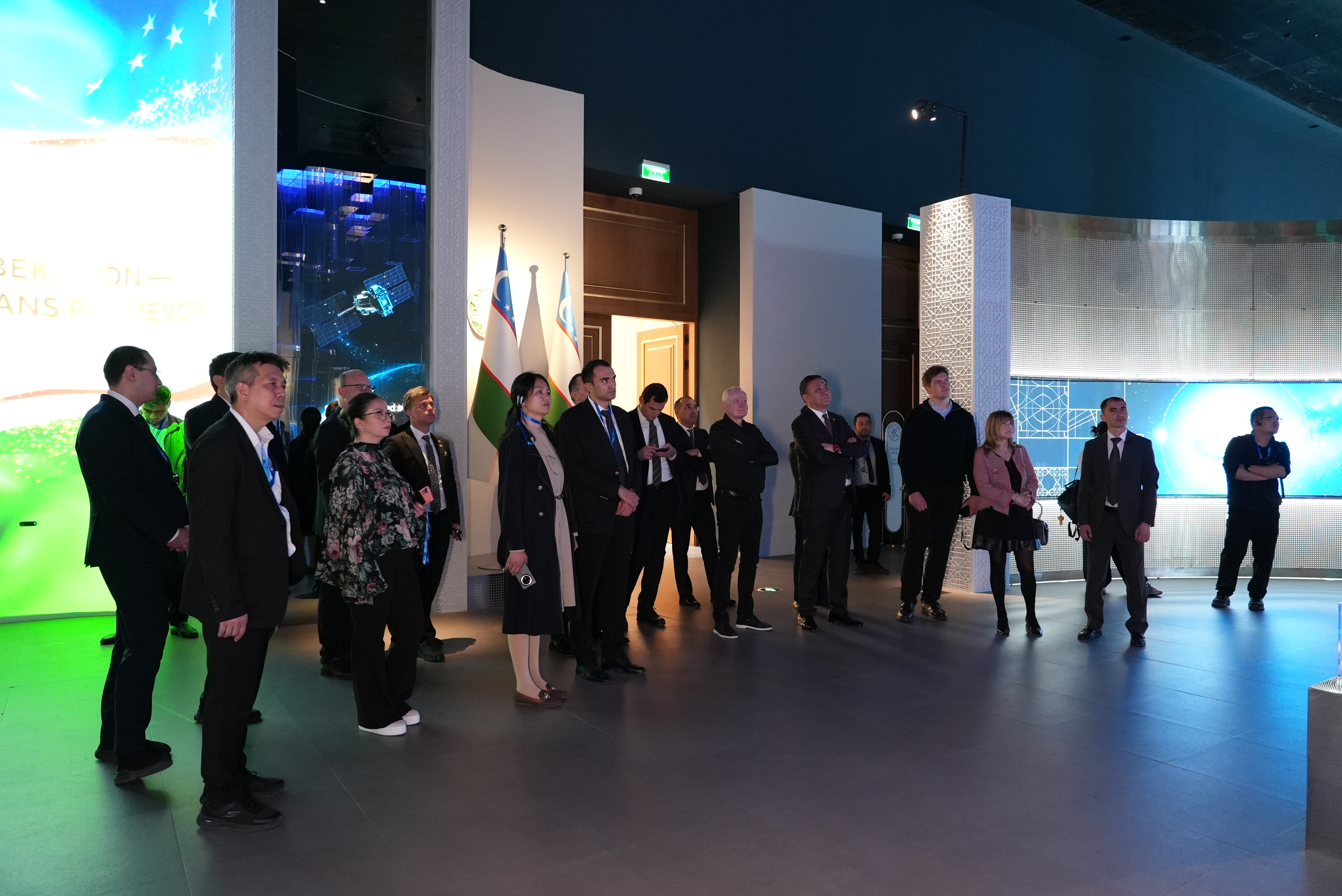 The guests praised the interactive solutions at the Center — digital panels, 3D installations, and AI-based presentations — emphasizing that these exhibitions allow visitors to be “immersed” in the historical environment.
Christian Feichtinger, Executive Director of the International Astronautical Federation:
As representatives of the space sector, we were especially impressed by the astronomical achievements of the era of Mirzo Ulugbek. The level of accuracy in the 14th century is truly astonishing. This center has not only historical but also scientific significance.
Kubanychbek Omuraliev, Secretary General of the Organization of Turkic States:
The establishment of such a comprehensive and historically significant center is, above all, not an economic project, but one of the most important and greatest spiritual initiatives.
The main goal of this center is to pass our heritage on to future generations. A person who does not know their history is like one without memory. Without heritage, nothing remains for the future. Anyone who comes here gains an understanding of their history.
It is difficult to single out one exhibition as a favorite. The Qur’an, ancient civilizations, and the Renaissance stages — all are equally important, each holding its own unique value.
Yusuf Kiraç, Head of the Turkish Space Agency:
As someone engaged in the philosophy of science, I can say that modern astronomy was formed precisely on these lands.
From Ahmad al-Fergani to al-Biruni, from al-Khwarizmi to Ulugbek, these thinkers made immense contributions to human intellectual development. Therefore, being here has given me great pleasure.
This center should be promoted more widely across the world, because anyone who visits can clearly see the contribution of this land to science.
The interactive approach here is especially strong. Young people can gain significant knowledge in a short time.
Hasan Ersel Gyural, Physics Specialist at the Turkish Space Agency:
Here, not only digital technologies but also the atmosphere, lighting, and architecture are in perfect harmony.
It feels as if you are transported into that historical period. The exhibits are very well preserved. At times, I thought some of them might be reconstructions, but realizing they are original pieces is truly impressive.
Of course, I would recommend all my friends to visit this place. I would even like to bring my family members here.
Harun Nurullah Tanzı, Project Director of the Organization of Turkic States:
We had visited during the construction phase before, and today we had the opportunity to see it in its complete and beautiful form.
Many unique exhibits related to our shared civilization are gathered here. Items from the Ottoman period, the Kaaba kiswah, and exhibits related to Khorezm — all are presented in one place. I believe it is important to promote this center on an international level.