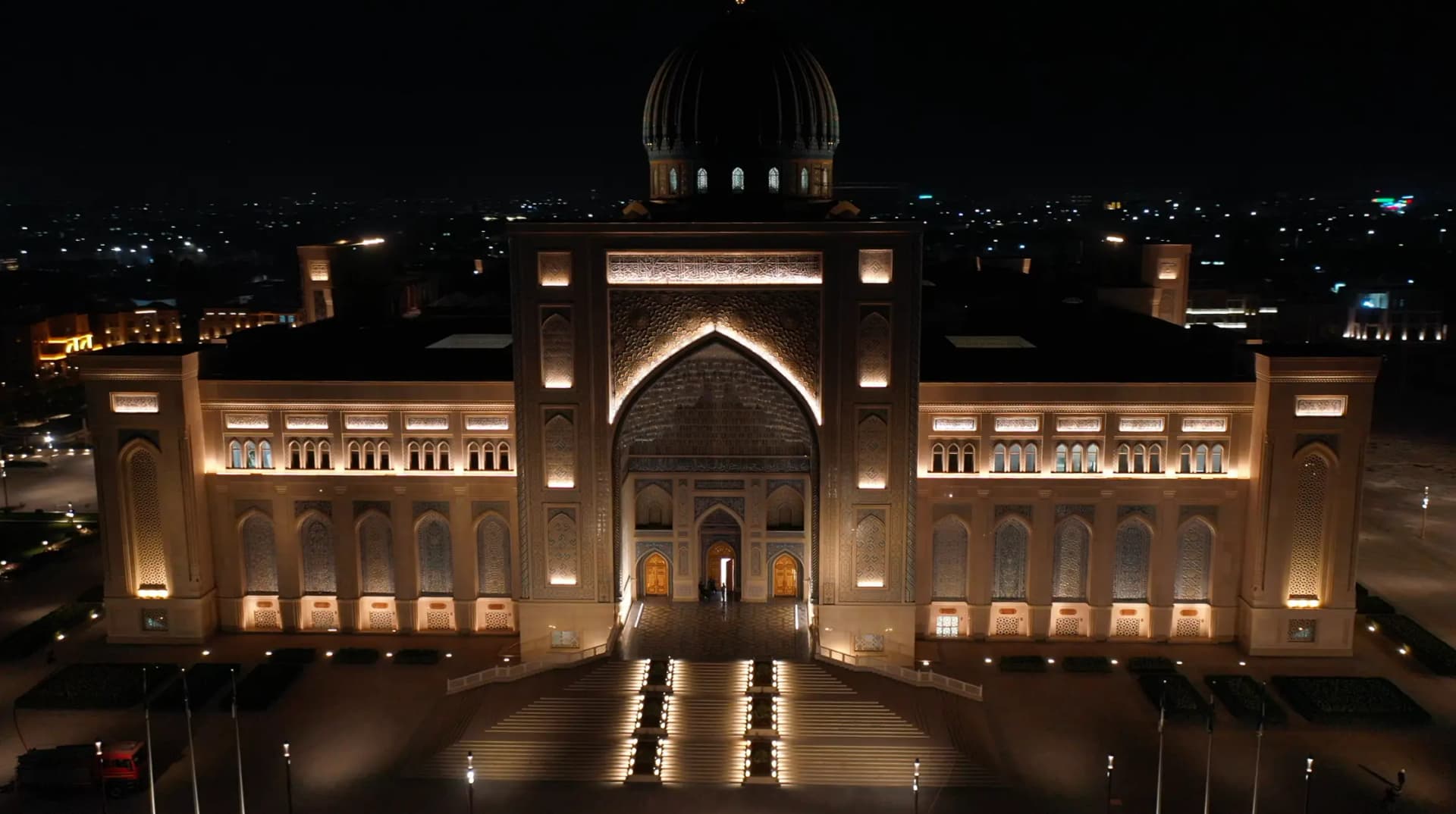
The Islamic Civilization Center in Uzbekistan, established on the initiative of President Shavkat Mirziyoyev, is today completely transforming the traditional concept of a museum. The official delegation from Türkiye, who became acquainted with the museum, witnessed this reality firsthand.
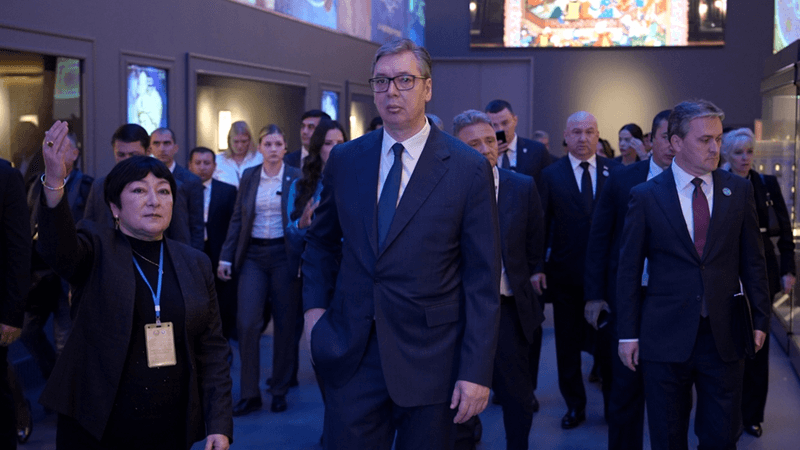
A delegation from the Ministry of Labor and Social Security of the Republic of Türkiye visited the Islamic Civilization Center in Uzbekistan. The delegation was led by Omer Kuchukevjilioglu, Director of the Social Protection Institution of Türkiye. During the visit, the guests became closely familiar not only with the wide-ranging reforms being implemented in New Uzbekistan under the leadership of President Shavkat Mirziyoyev, particularly in the field of social protection, but also with the unique exhibitions of the Center.
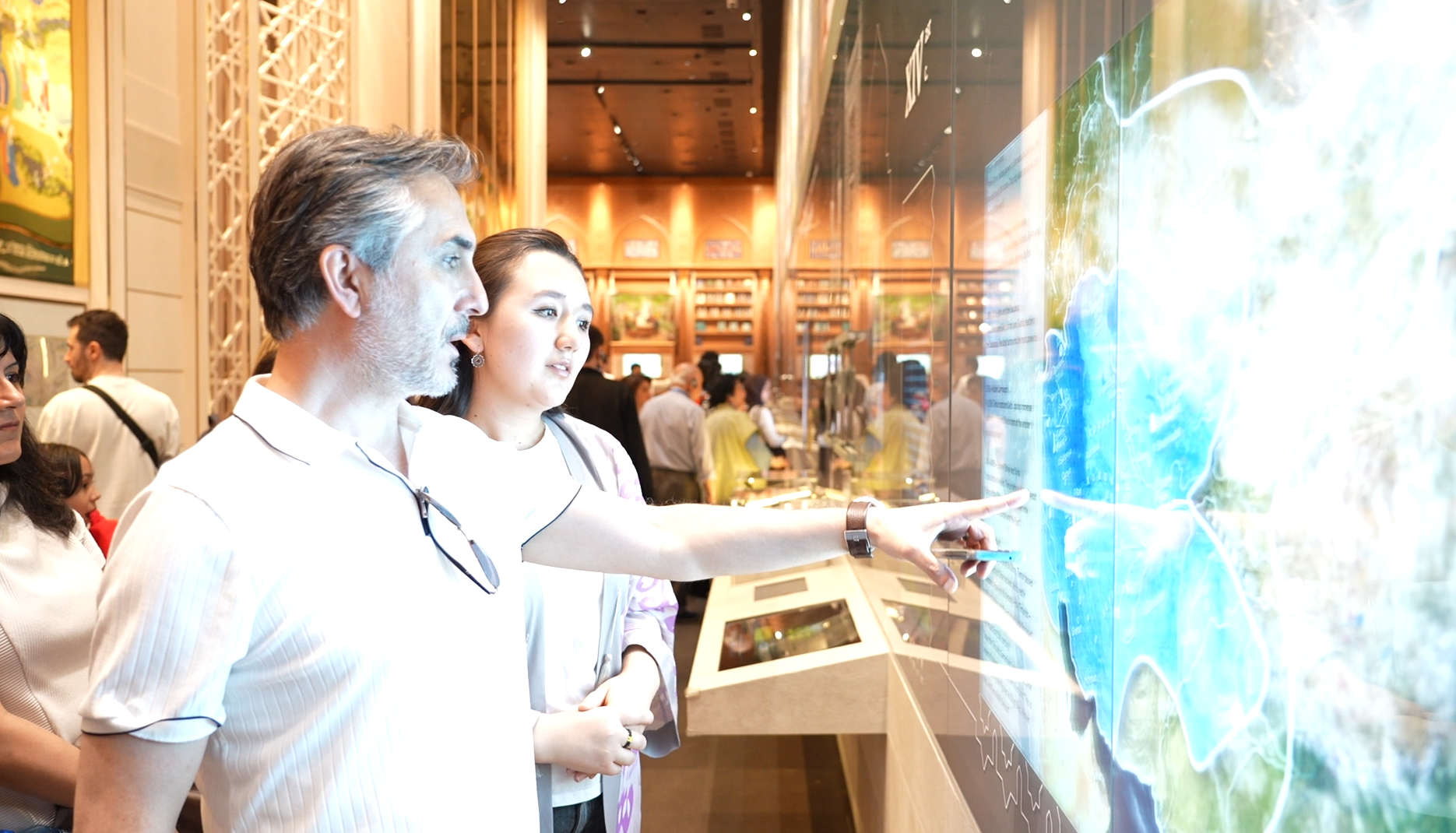
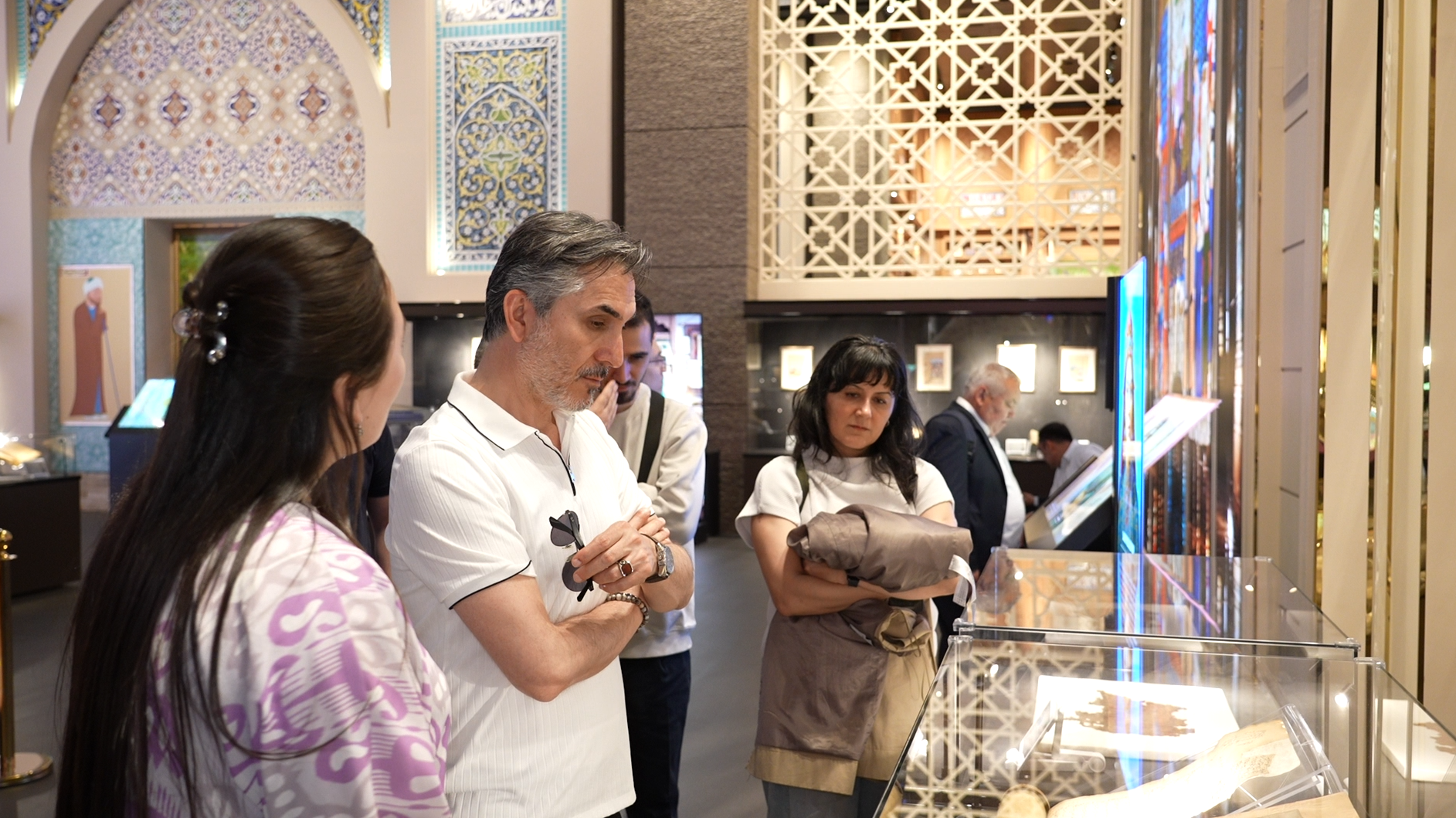
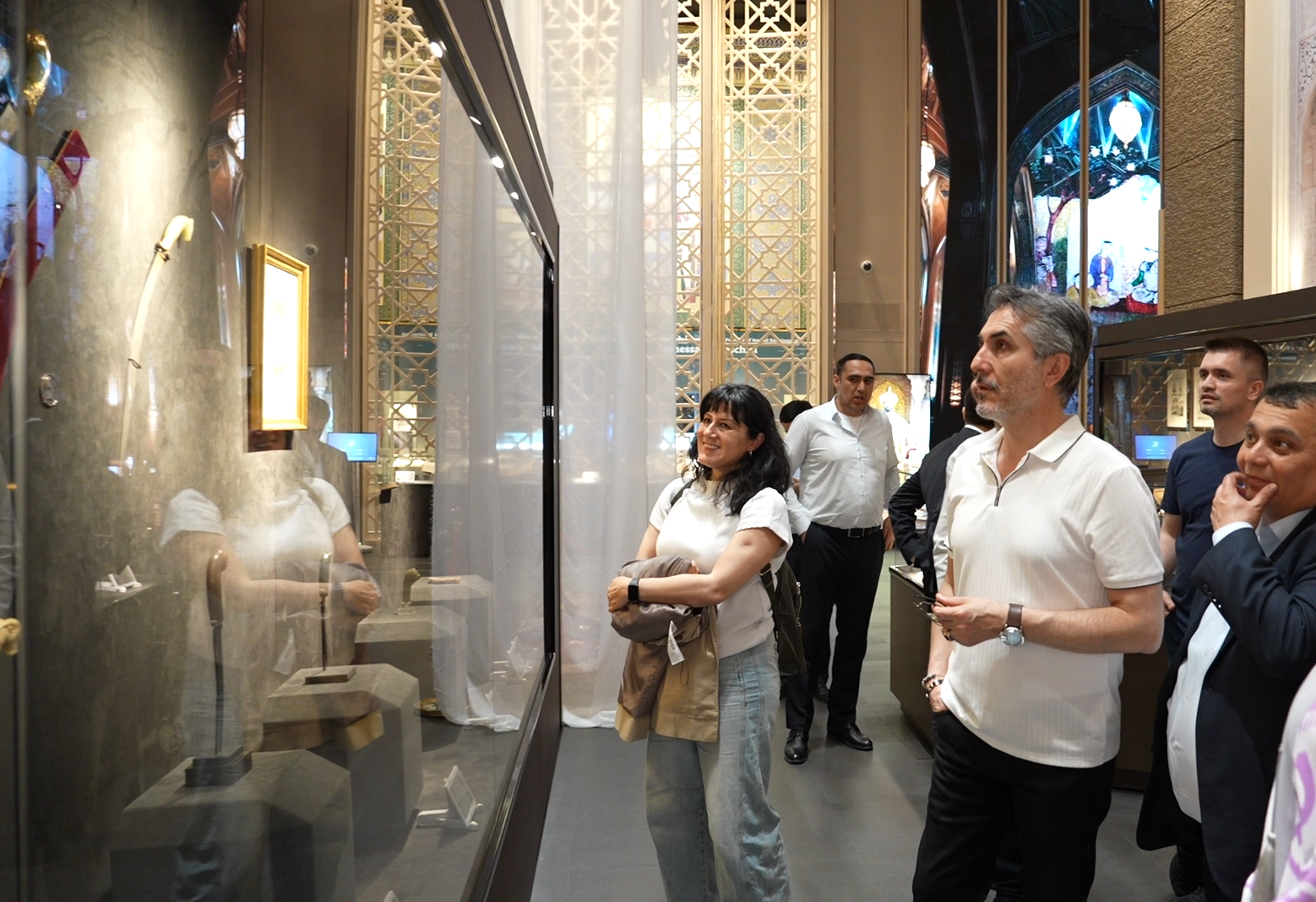 During the excursion around the Center, the delegation members were presented with the centuries-old history of Islamic civilization through modern museum technologies, interactive tools, and visual solutions. The guests highly appreciated the systematic organization of the exhibitions and the clear, consistent presentation of historical processes.
“This is truly impressive. We toured the Center in a comprehensive and systematic way. Here, thousands of years of history are vividly presented through visual, audio, and written sources, especially with the help of 3D imagery. A person here not only sees history but feels it. It is a very beautiful and valuable work,” said Omer Kucukevcilioglu.
The guests showed particular interest in the section dedicated to pre-Islamic civilizations. This section presented maps of ancient cultural centers such as Khorezm, Bactria, and Chach, along with information about their stages of development and territorial scope. These exhibitions, which illustrate the early processes of statehood and cultural formation in Central Asia, left a strong impression on the visitors.
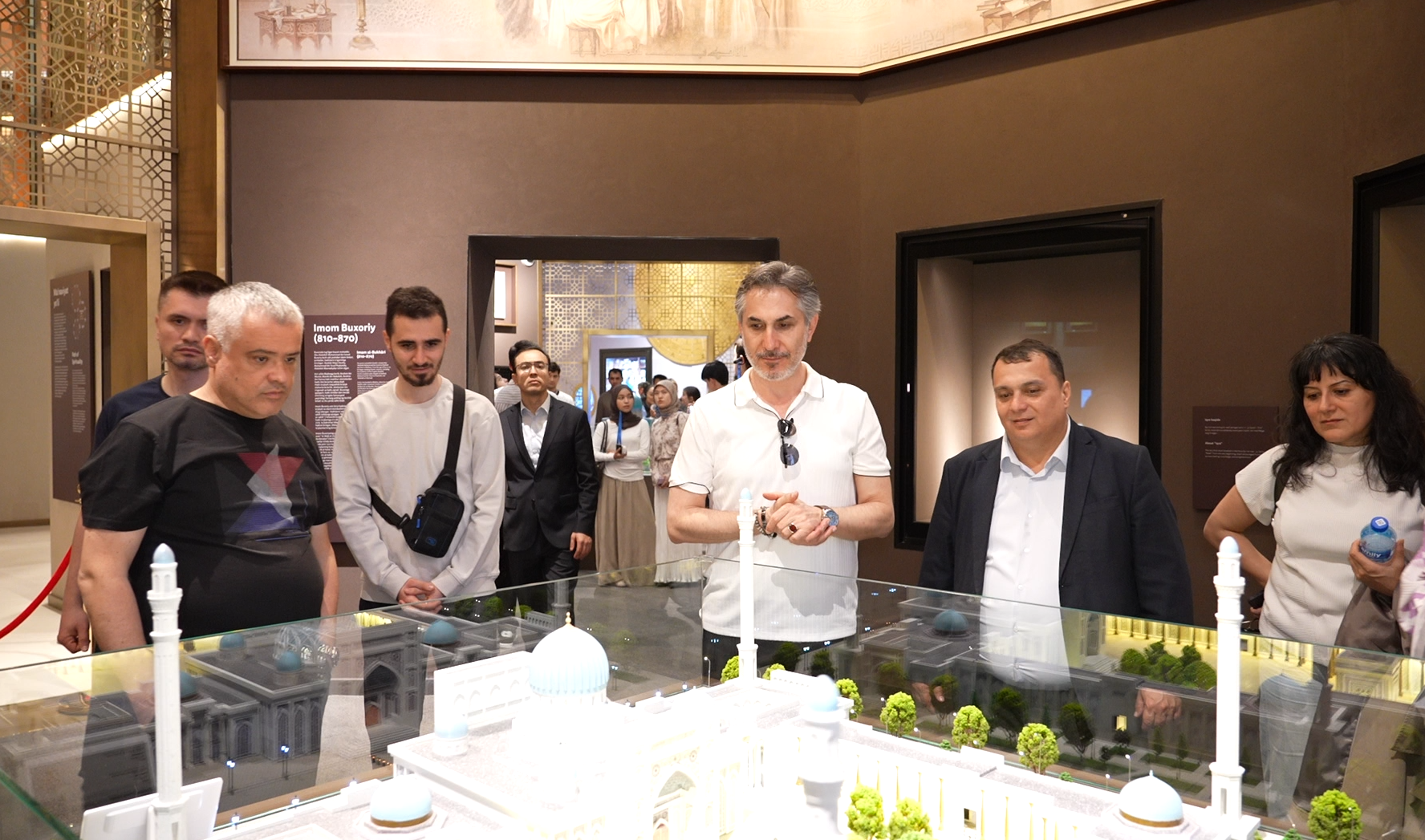 The models displayed in the central exhibition dedicated to the First Renaissance period also attracted special attention. Detailed information about the architecture and engineering solutions of that era was provided through precise models of unique monuments such as the Samanid Mausoleum, the Magoki Attori Mosque, the Chashmai Ayub complex, and the Qusamiya madrasa. In addition, decorative items from the Seljuk period, state symbols, and a tugra featuring a double-headed eagle aroused great interest among the guests. It was also noted that some of these exhibits had been returned from abroad at the initiative of President Shavkat Mirziyoyev.
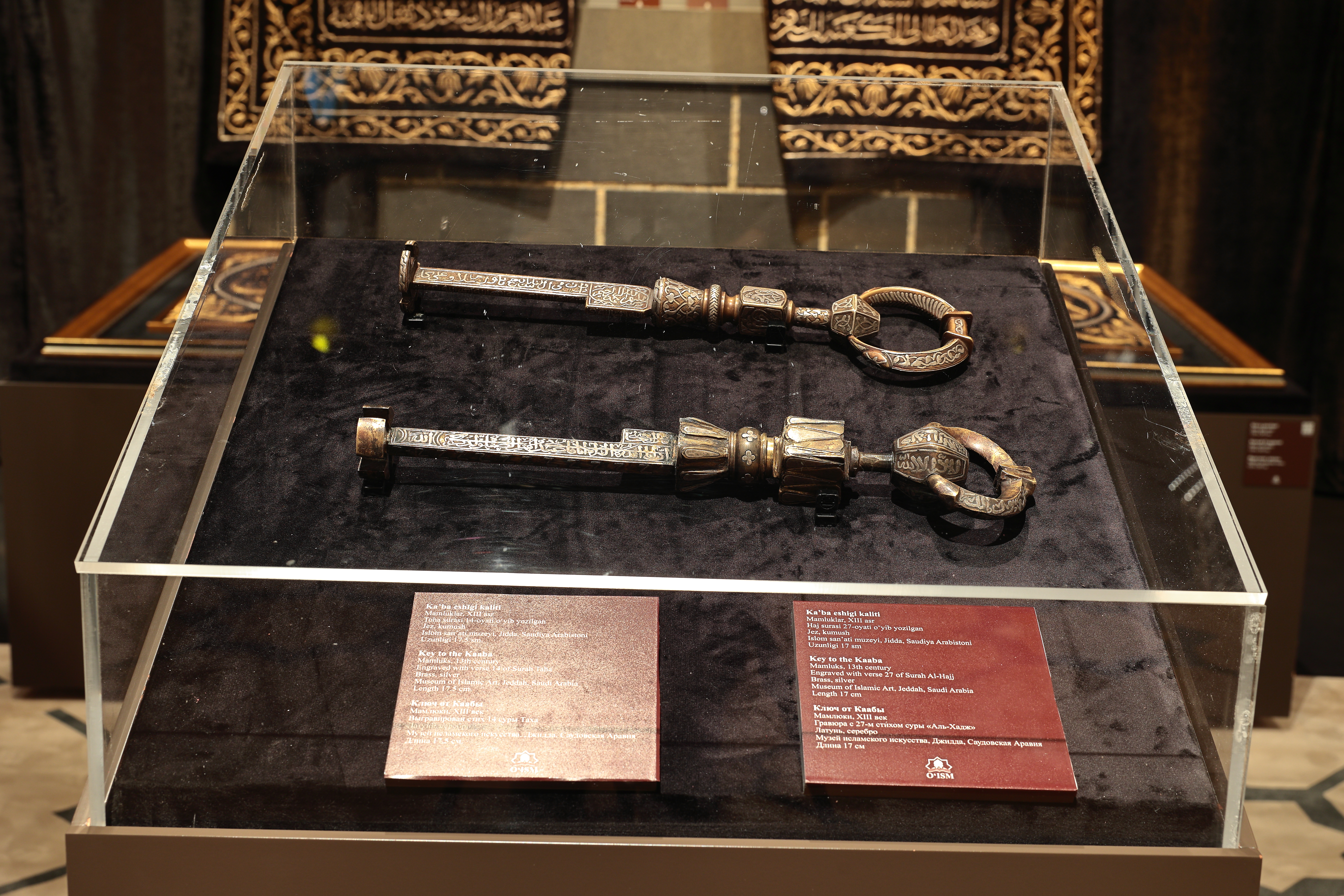 In the next part of the exhibition, a replica of the Kaaba door, an original sample of the kiswah used in 1988, and keys to the Kaaba from the Mamluk period were displayed. Information was also provided about a fragment of the kiswah presented in 2023 by King Salman bin Abdulaziz of Saudi Arabia to the President of Uzbekistan. These exhibits demonstrate the continuity of sacred traditions and historical heritage in the Islamic world.
Interactive capsules located on the right side of the First Renaissance exhibition also drew the attention of the visitors. The first capsule presented the spread of Islam, copies of letters sent by the Prophet Muhammad (peace be upon him) to various rulers, and manuscripts and pages of the Qur’an dating from the 9th–11th centuries. Guests were also informed about the preservation, study, and research of these manuscripts.
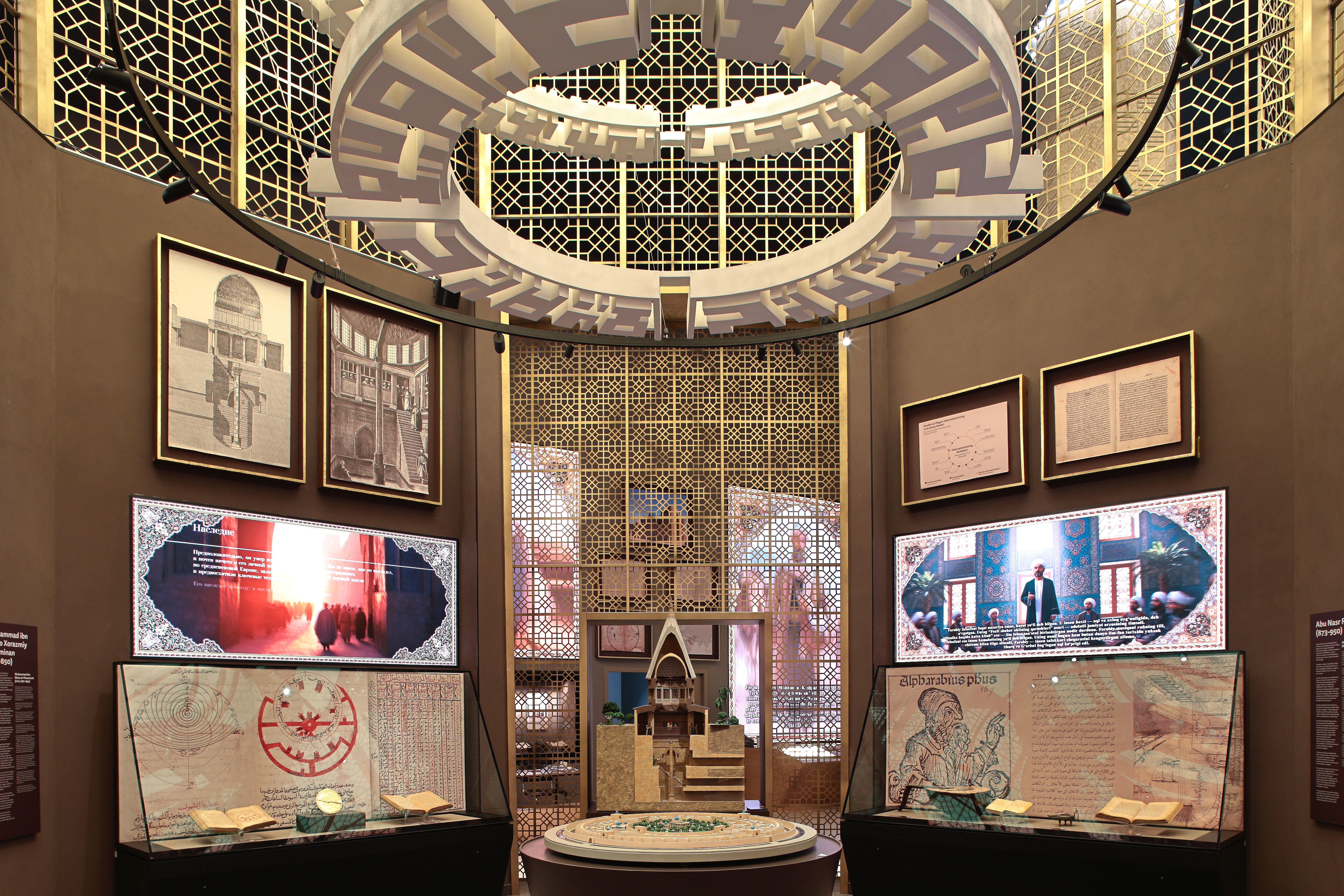 The second capsule highlighted the activities of the “Bayt al-Hikma,” a historic center of knowledge established in Baghdad during the Abbasid Caliphate, where scholars of different nations and beliefs collaborated in advancing science. It was emphasized that Muhammad al-Khwarizmi laid the foundations of algebra and that his discoveries remain significant to this day. Explanations were also given about the nilometer developed by Ahmad al-Farghani, its hydrostatic principles, and its role in predicting water levels and agricultural productivity.
The guests also became acquainted with the scientific legacy of Abu Nasr al-Farabi, learning about his views on the ideal society as presented in his work “The Virtuous City,” as well as his contributions to music theory.
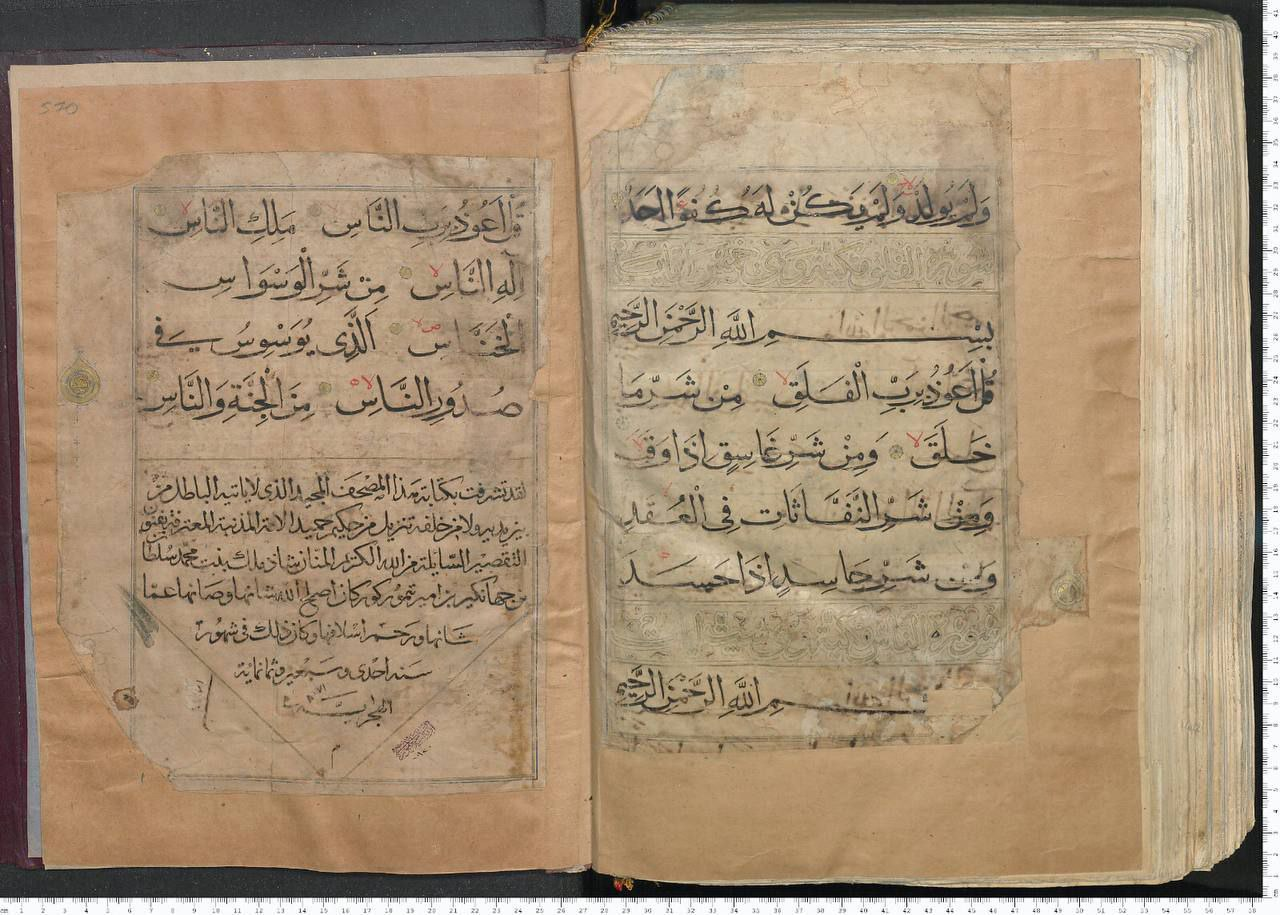 The section dedicated to the Timurid era — the Second Renaissance — also generated great interest among the delegation members. Among the highlights were a Qur’an manuscript written by Shodmalik Khotun, manuscripts from the library of Shahrukh Mirza, the contributions of Baysunghur Mirza to the art of calligraphy, the astronomical school of Mirzo Ulugbek, and the calligraphic heritage of Ibrahim Sultan.
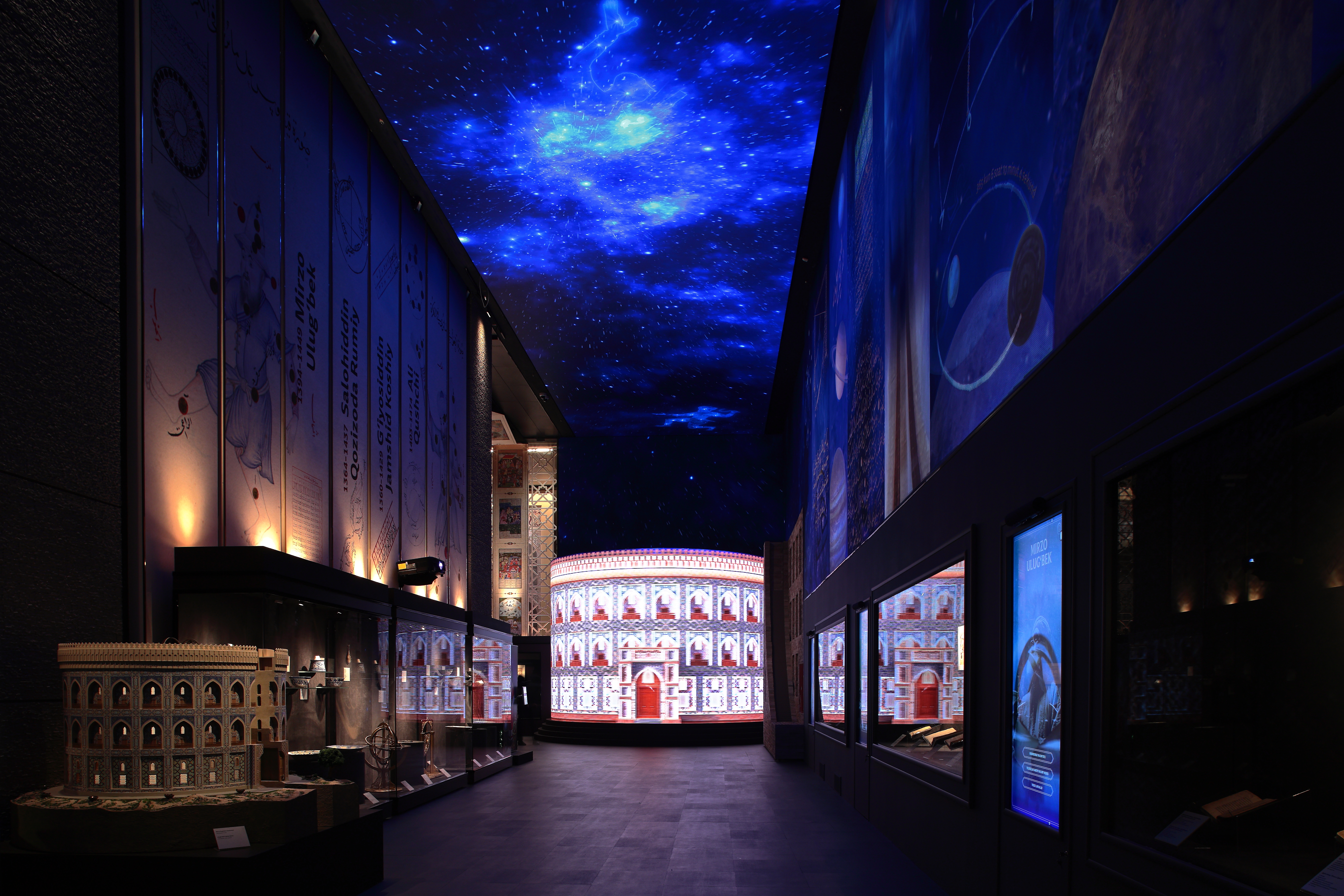
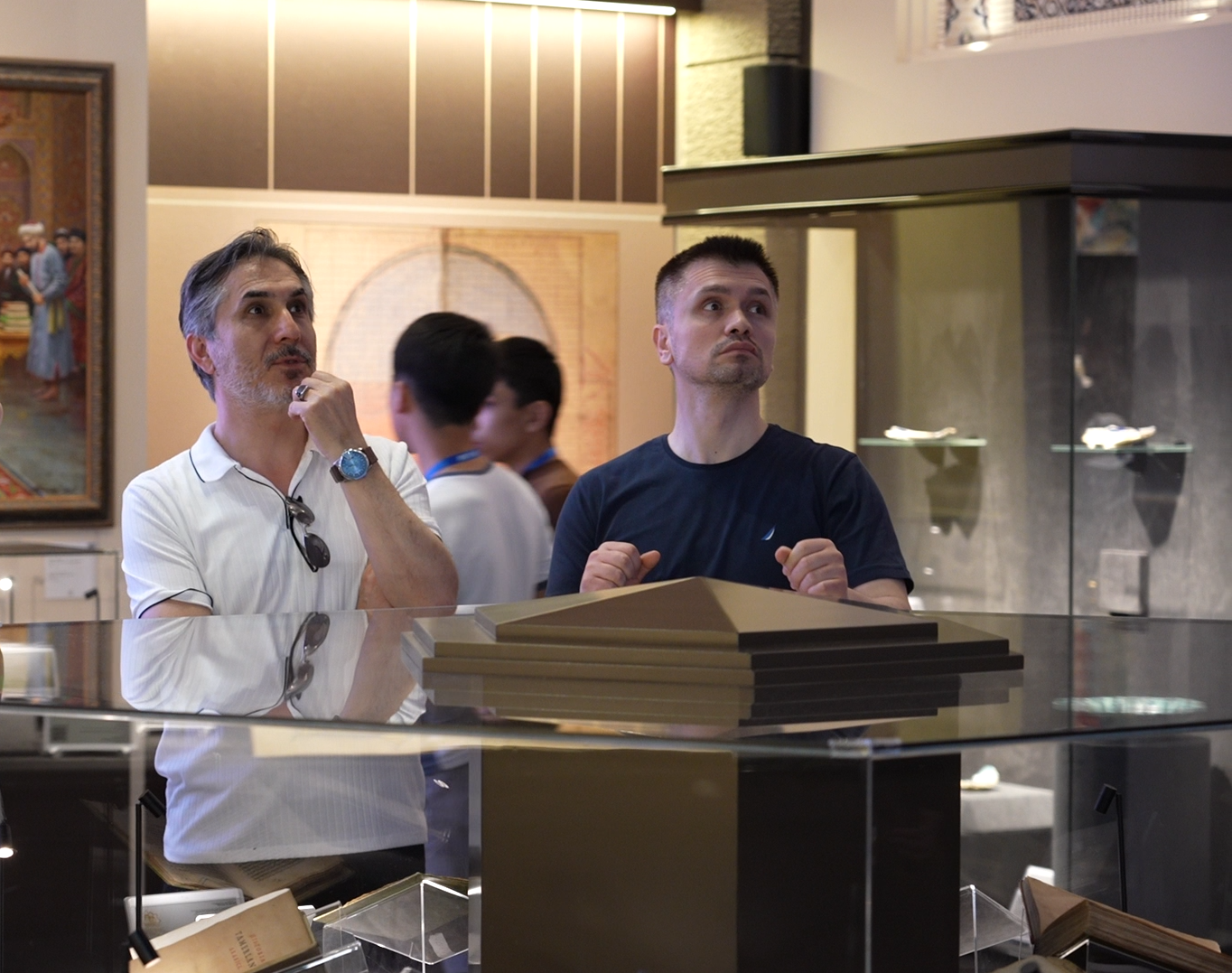 In particular, the model of the Ulugbek Observatory and the information about its scientific activities were received with great interest.
“This is truly astonishing. Through the observatory model, one can understand how the system for observing celestial bodies was organized. Its tiered structure allows for the study of each layer of the sky separately. It represents a remarkable scientific effort to translate the entire universe into mathematical and graphical form.
Of course, everyone who comes to Tashkent should visit this place. This Center is a unique space that connects the past and the present and encourages deep reflection,” said Omer Kucukevcilioglu.
At the conclusion of the visit, the guests described the Center as an important educational hub for representatives of the entire Turkic world.