


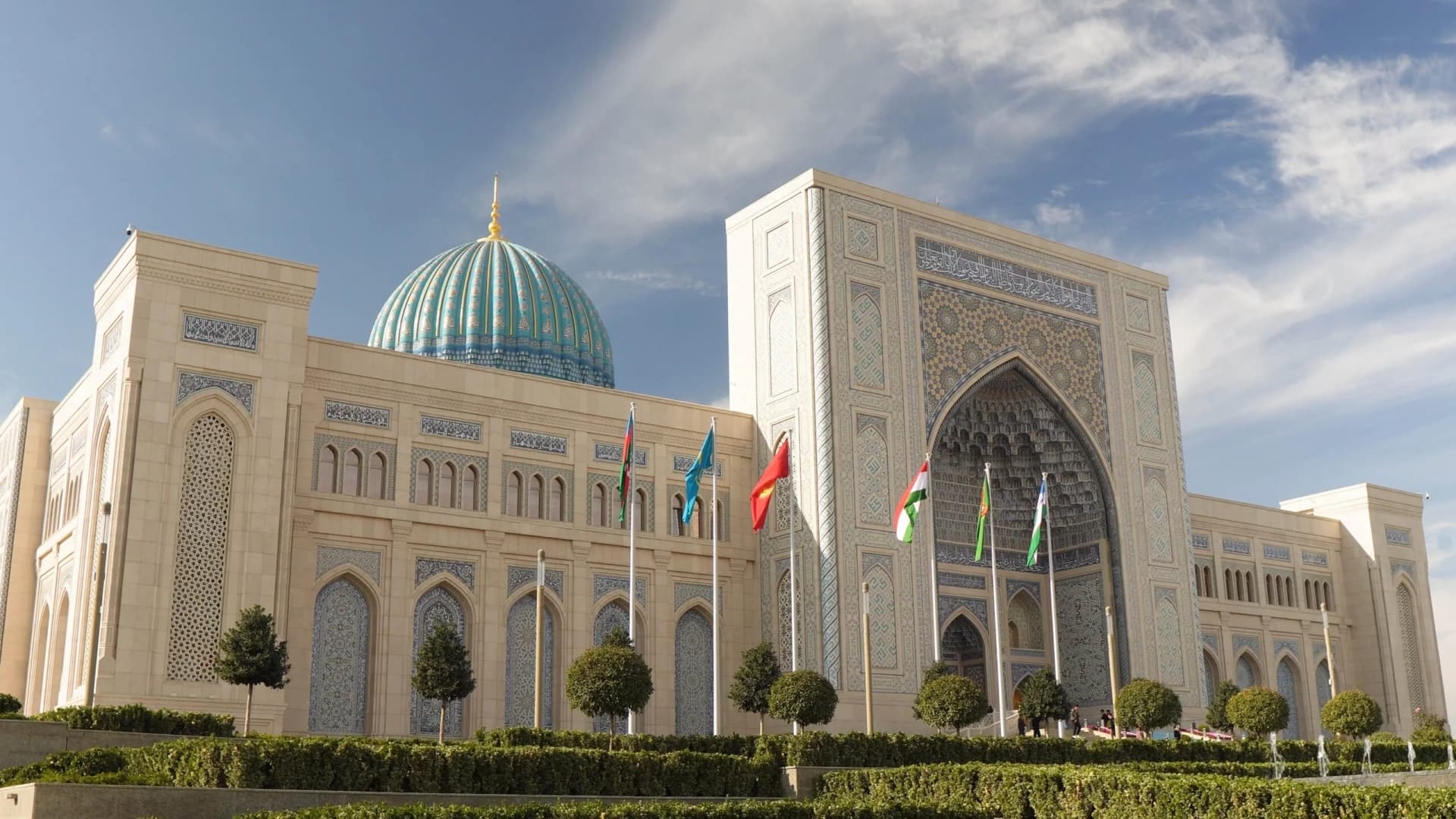

The Hidden Continuation: Traces of the “Lost” Renaissance after the Timurids / Photo Report
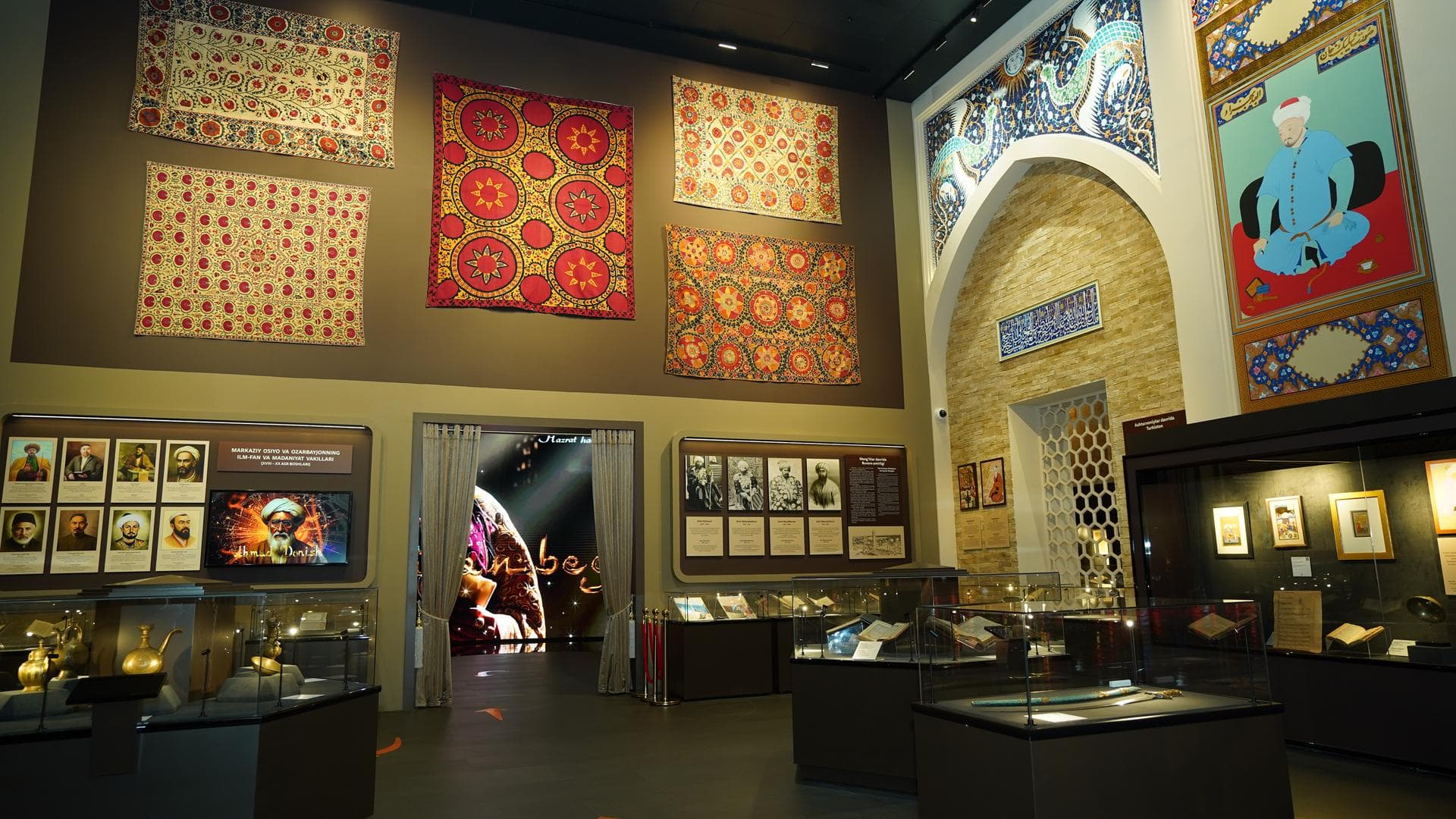
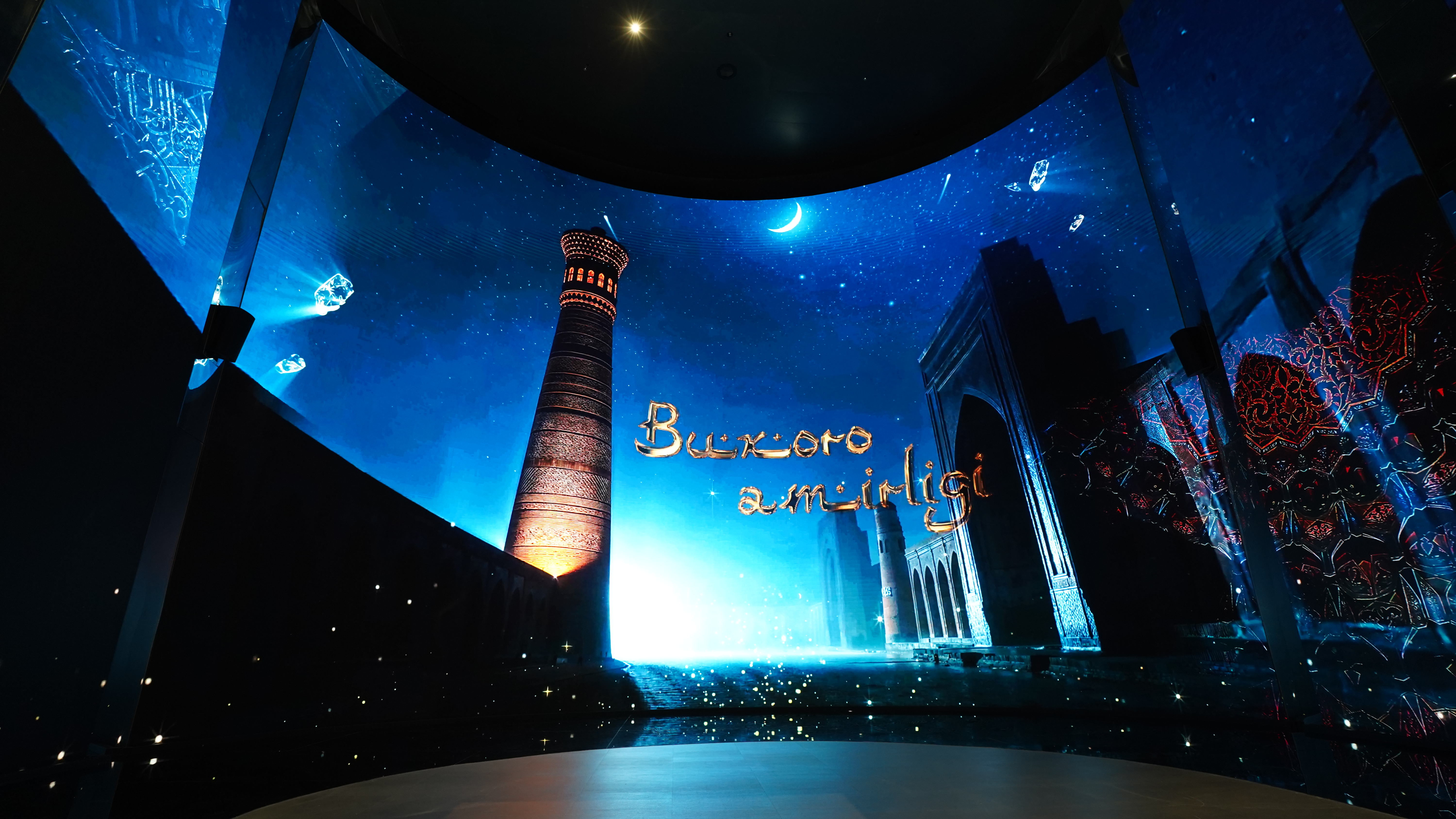
Many historians argue that after the Timurid period, the Second Renaissance in our land came to an end. However, contemporary scholarly research presents a different picture. In the Second Renaissance exhibition at the Islamic Civilization Center in Uzbekistan, this very period — the era of the khanates — is given special attention. The artifacts displayed in this section demonstrate that cultural and scientific traditions did not cease after the Timurids.
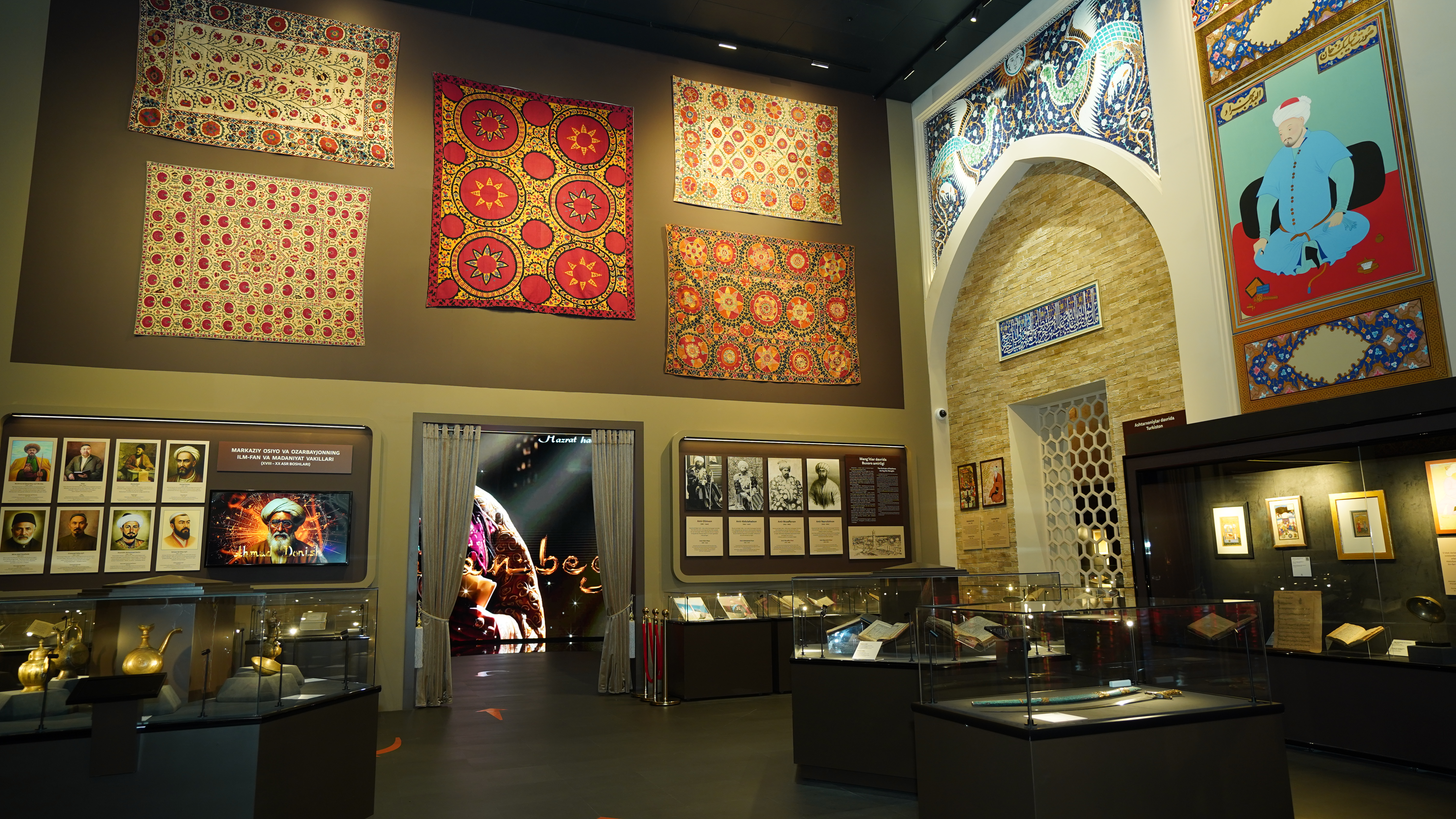
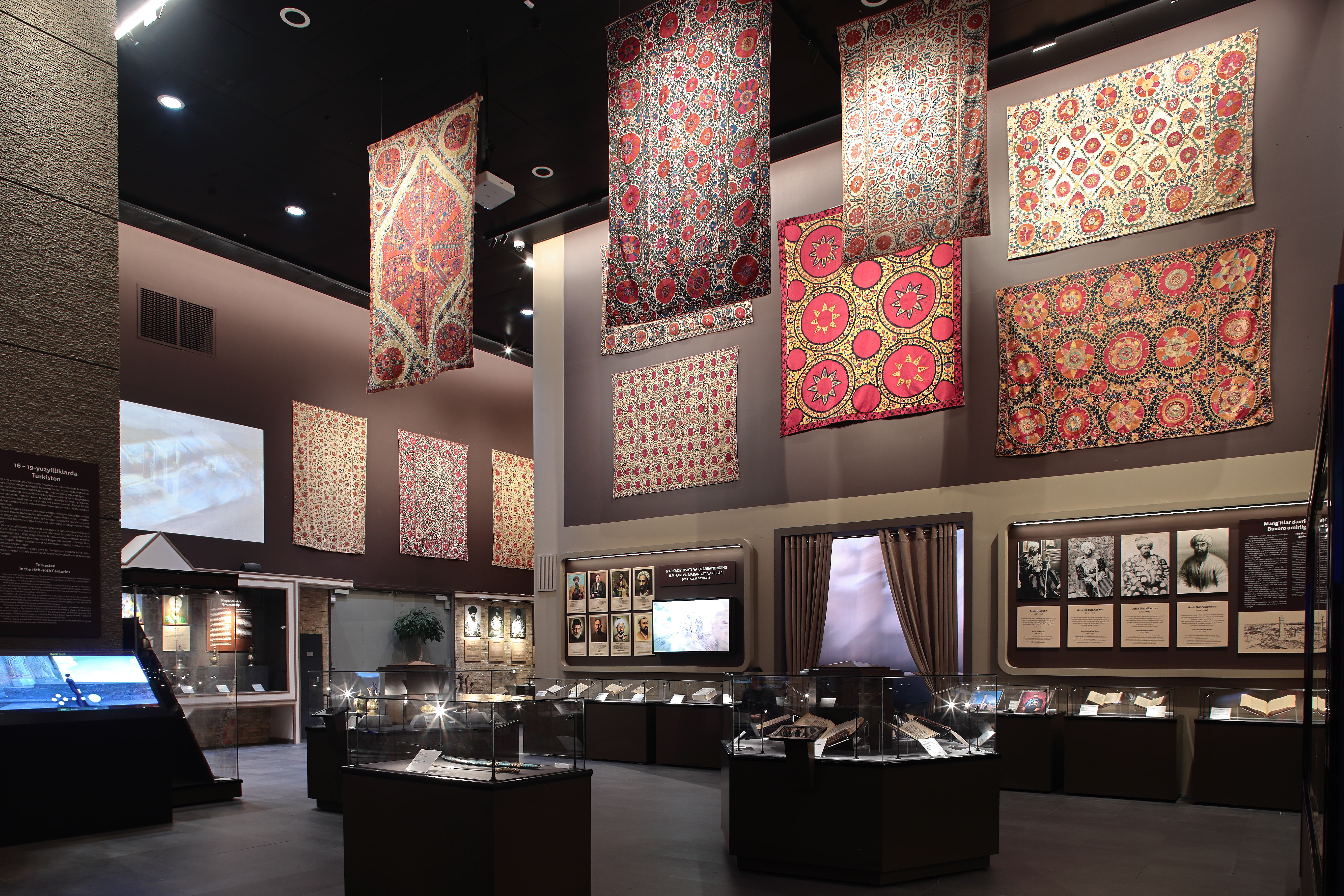 During the rule of the Shaybanid and Ashtarkhanid dynasties, the influence of Timurid culture is clearly evident in the monuments constructed and in the historical, scientific, and literary works produced in cities such as Samarkand, Bukhara, Tashkent, and Khiva. In this period, the art of book production further developed, and the Bukhara school of miniature painting took shape.
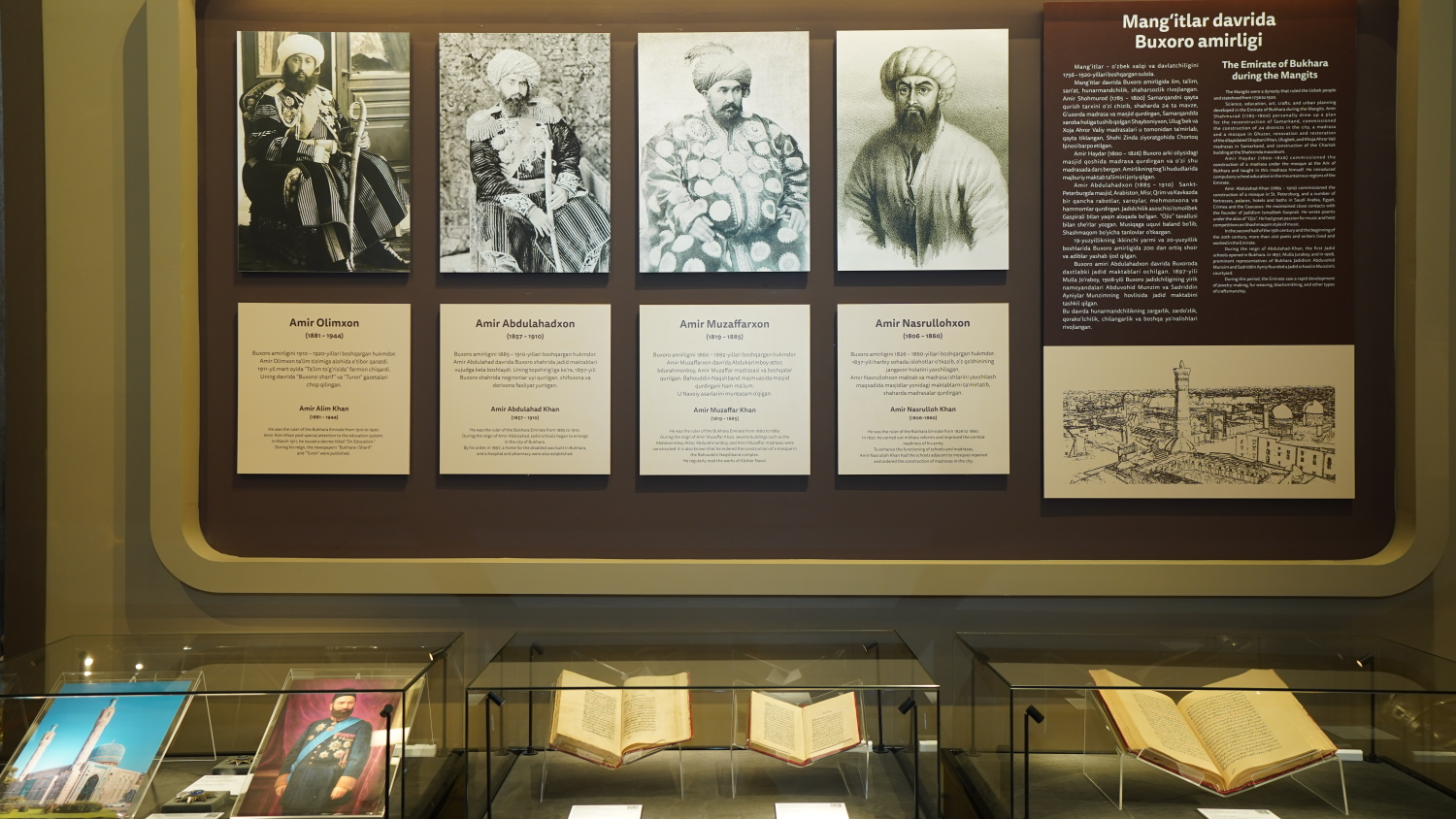
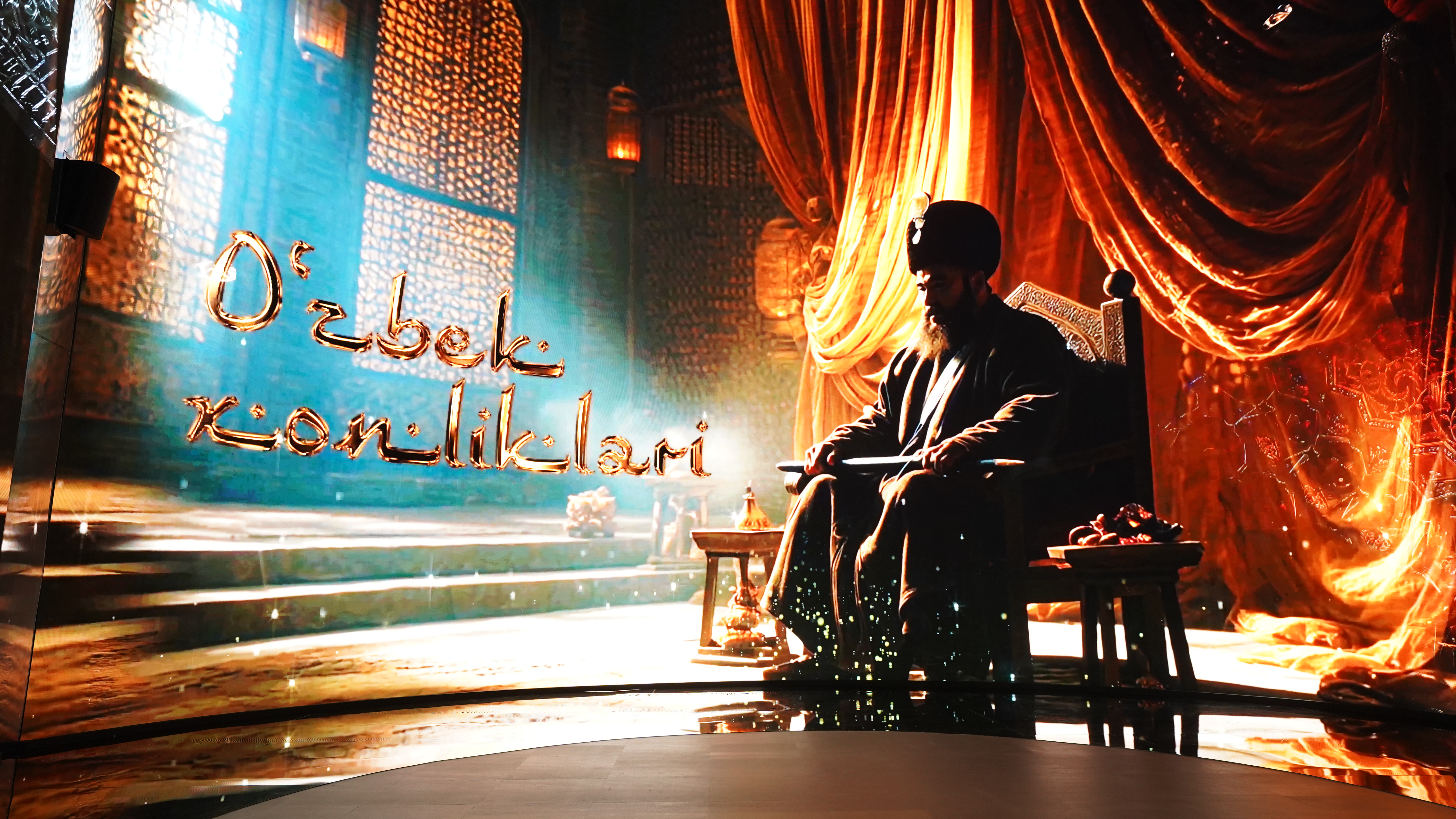
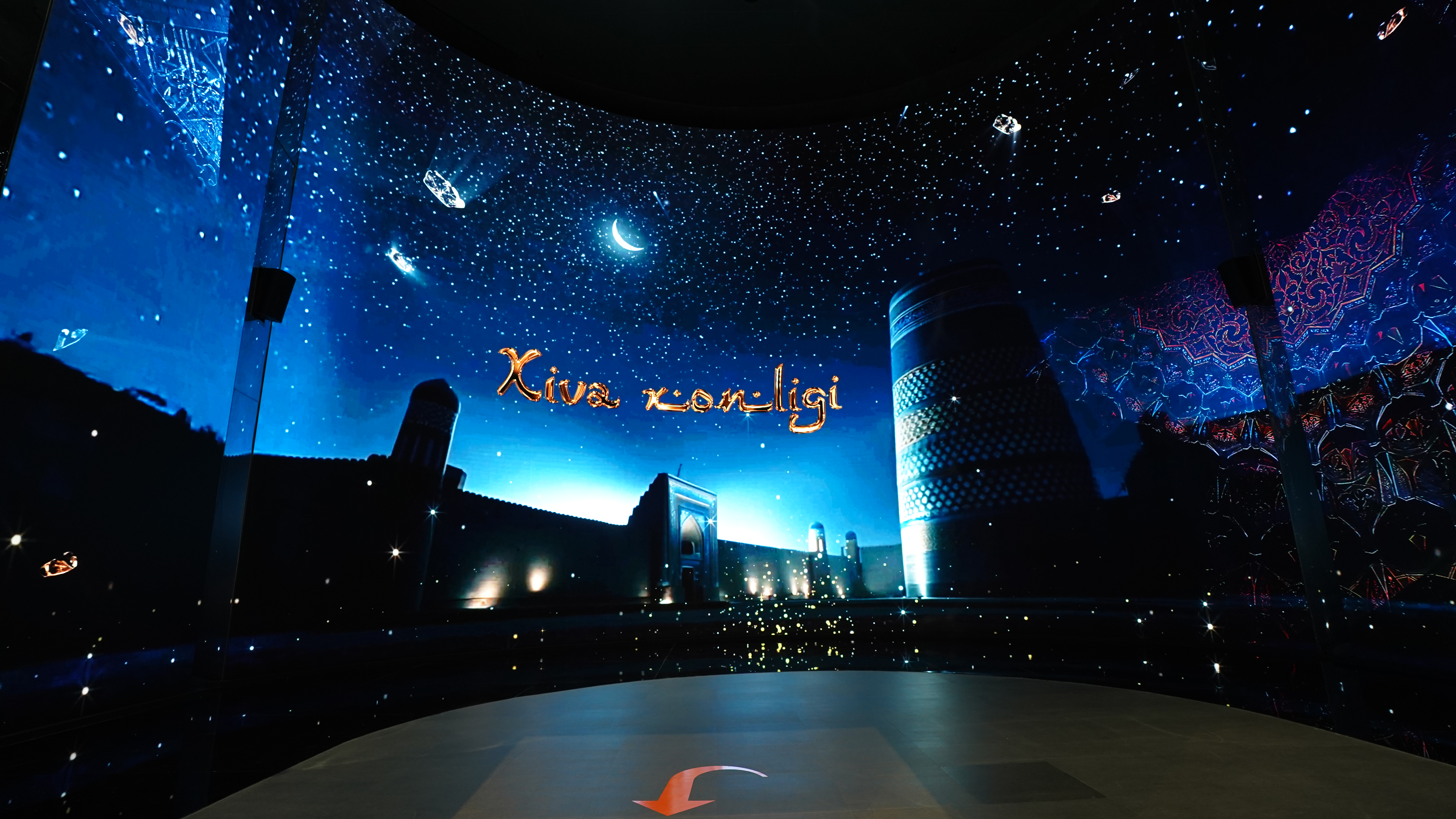
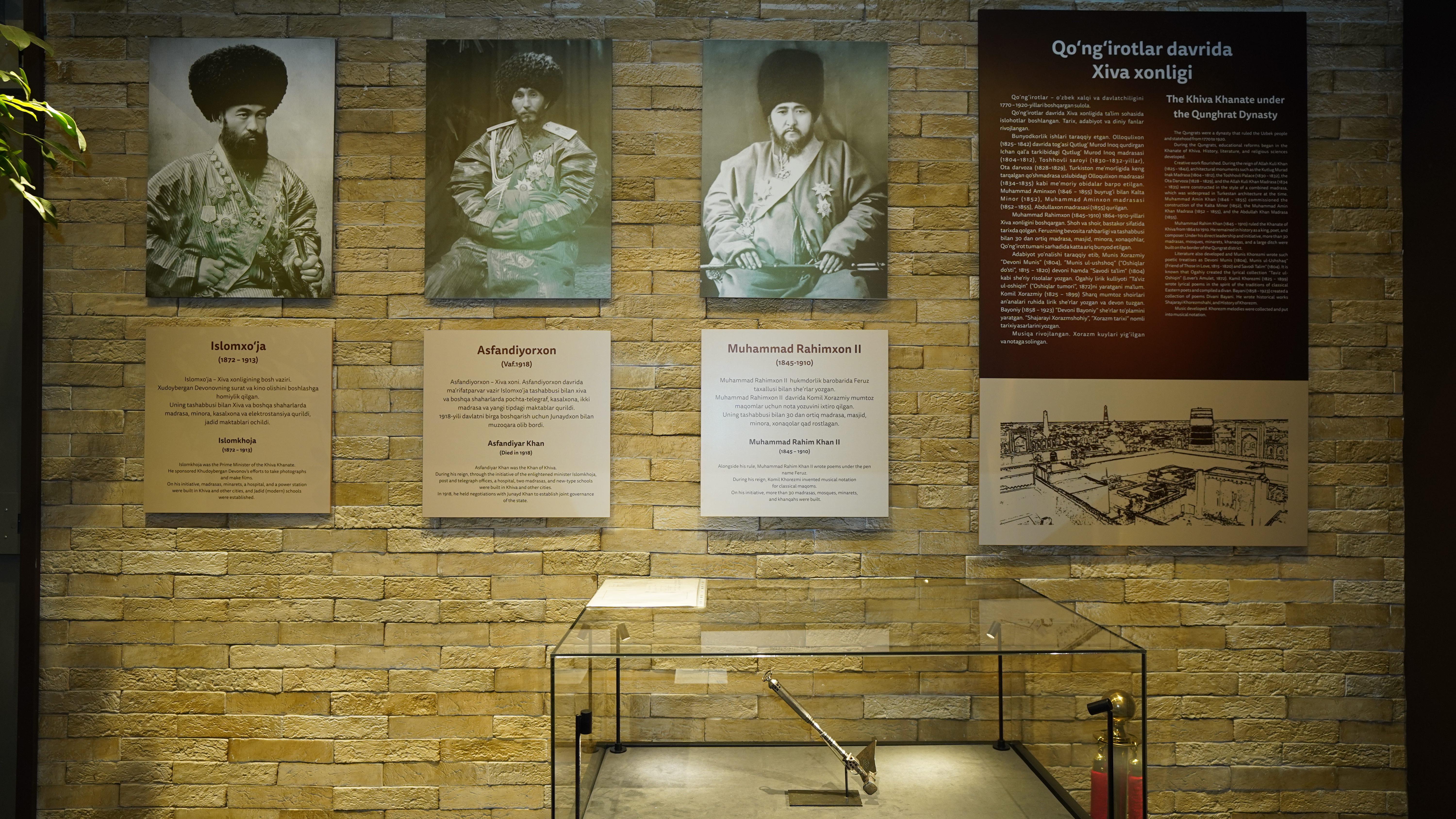 Even in the era of the khanates, there was a strong aspiration toward science and progress in our region. Initiatives by the Khiva khan Muhammad Rahimkhan and the Prime Minister Islam Khoja led to the construction of madrasas, minarets, the Nurullaboy Palace, as well as a hospital and a power station. At the same time, Jadid schools and Russian schools were opened, paving the way for new knowledge and ideas.
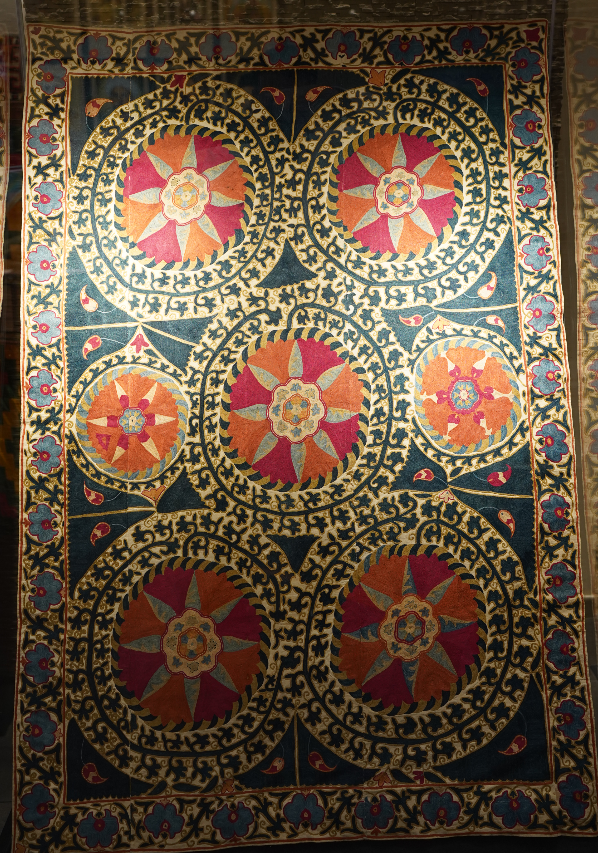 The exhibition also features Uzbek embroideries from the collection of the renowned Italian collector Ignazio Vok.
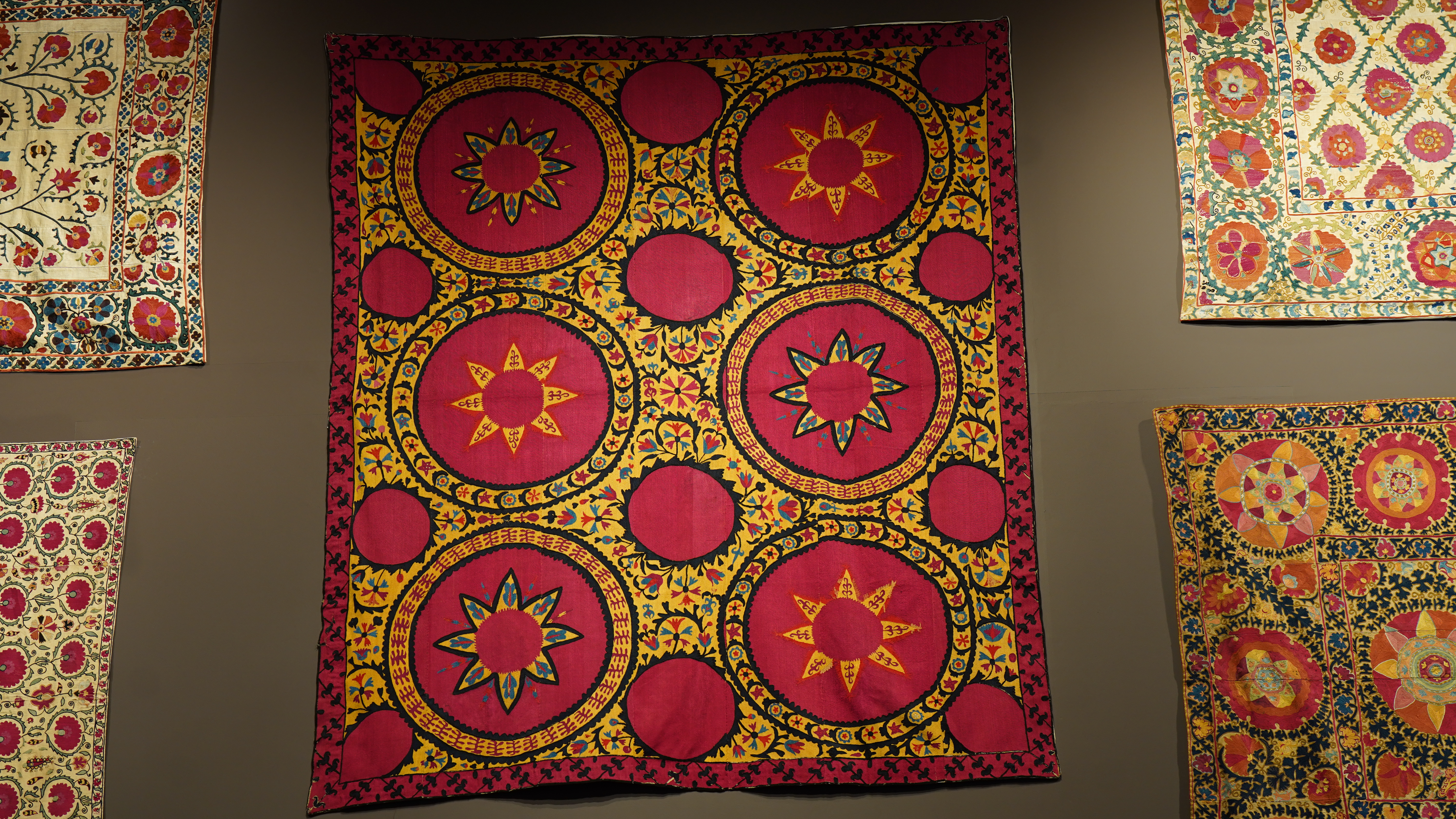 These rare examples of embroidery from the 18th–19th centuries, representing the schools of Tashkent, Shahrisabz, Nurota, and Samarkand, reflect the refined artistic taste and traditions of folk craftsmanship.
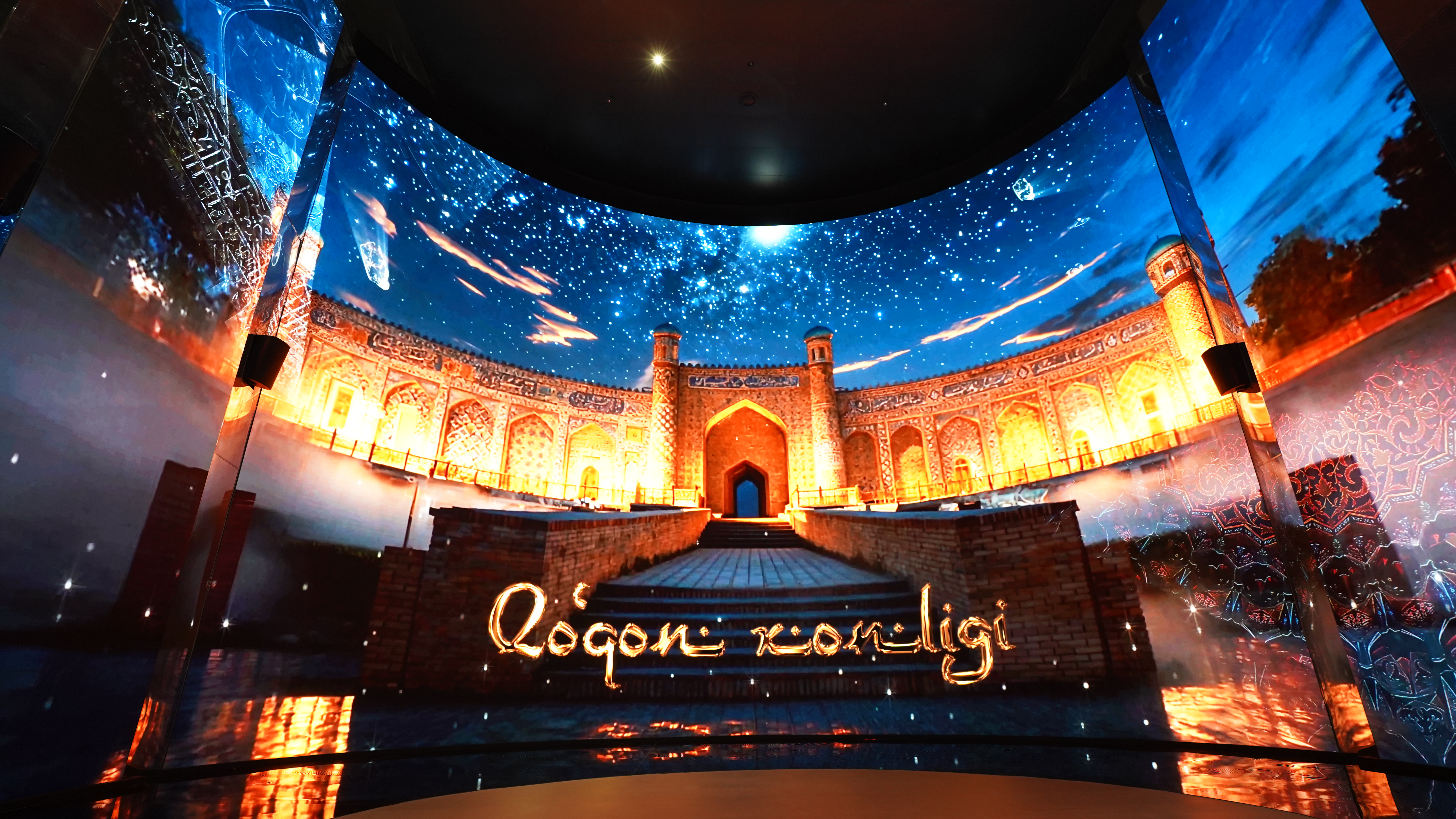
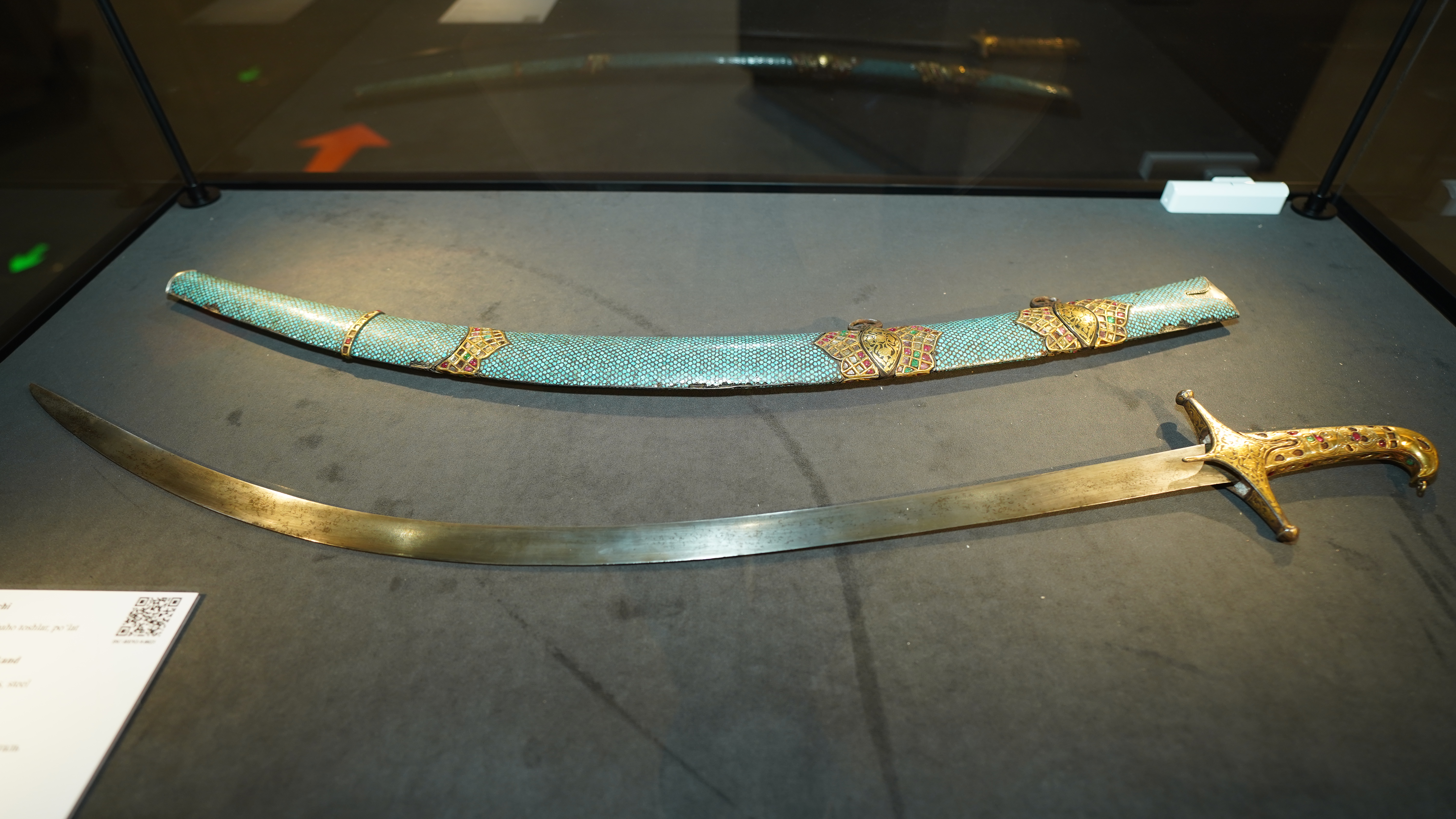 During the Kokand Khanate, a rich cultural environment formed around Amir Umar Khan. He created an intellectual and literary milieu similar to that of Herat, bringing together many poets and scholars. Figures such as Nodira, Uvaysi, Dilshodi Barno, Fazliy Namangani, and Ado became prominent representatives of the literature of this period.
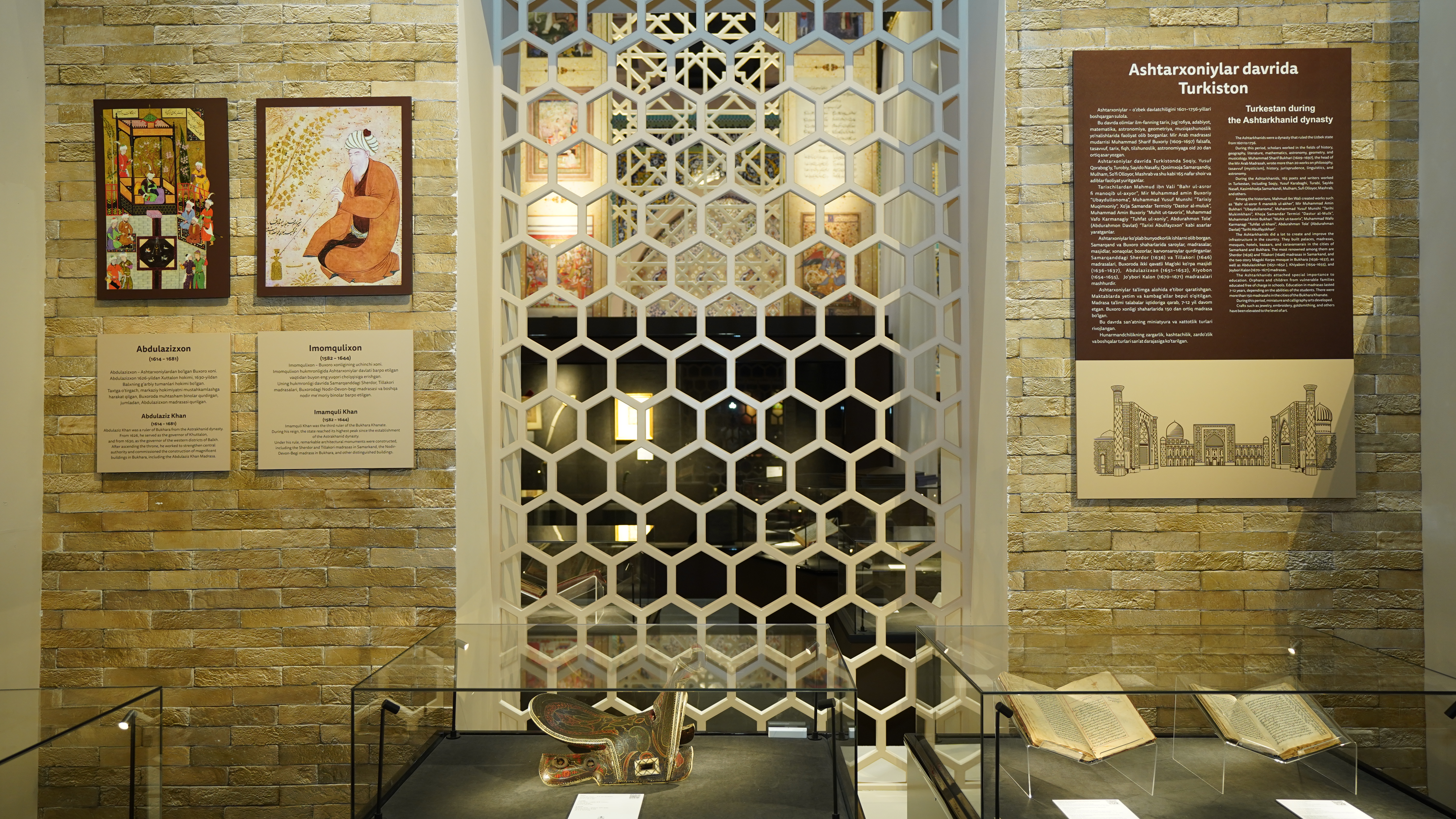
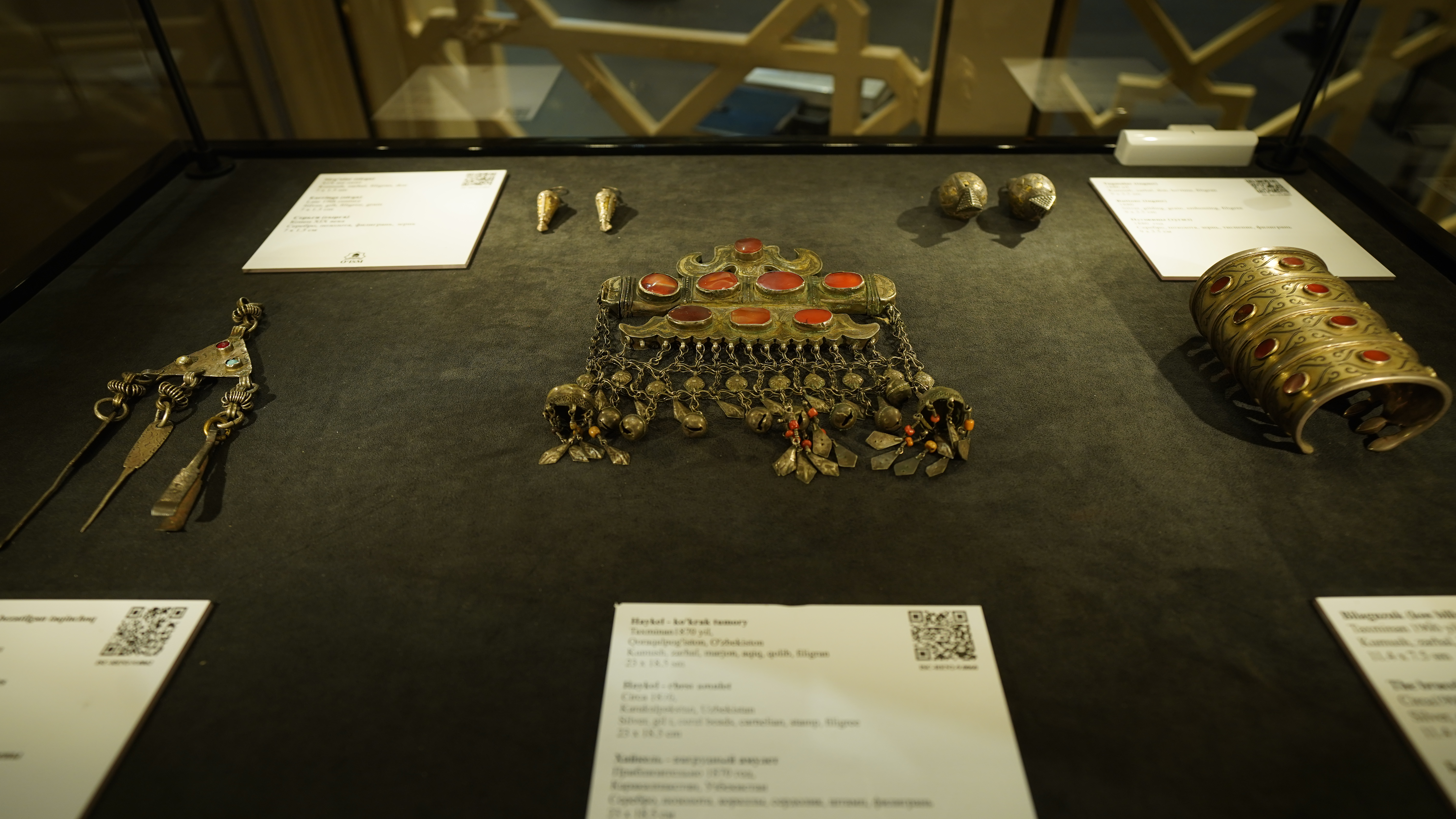
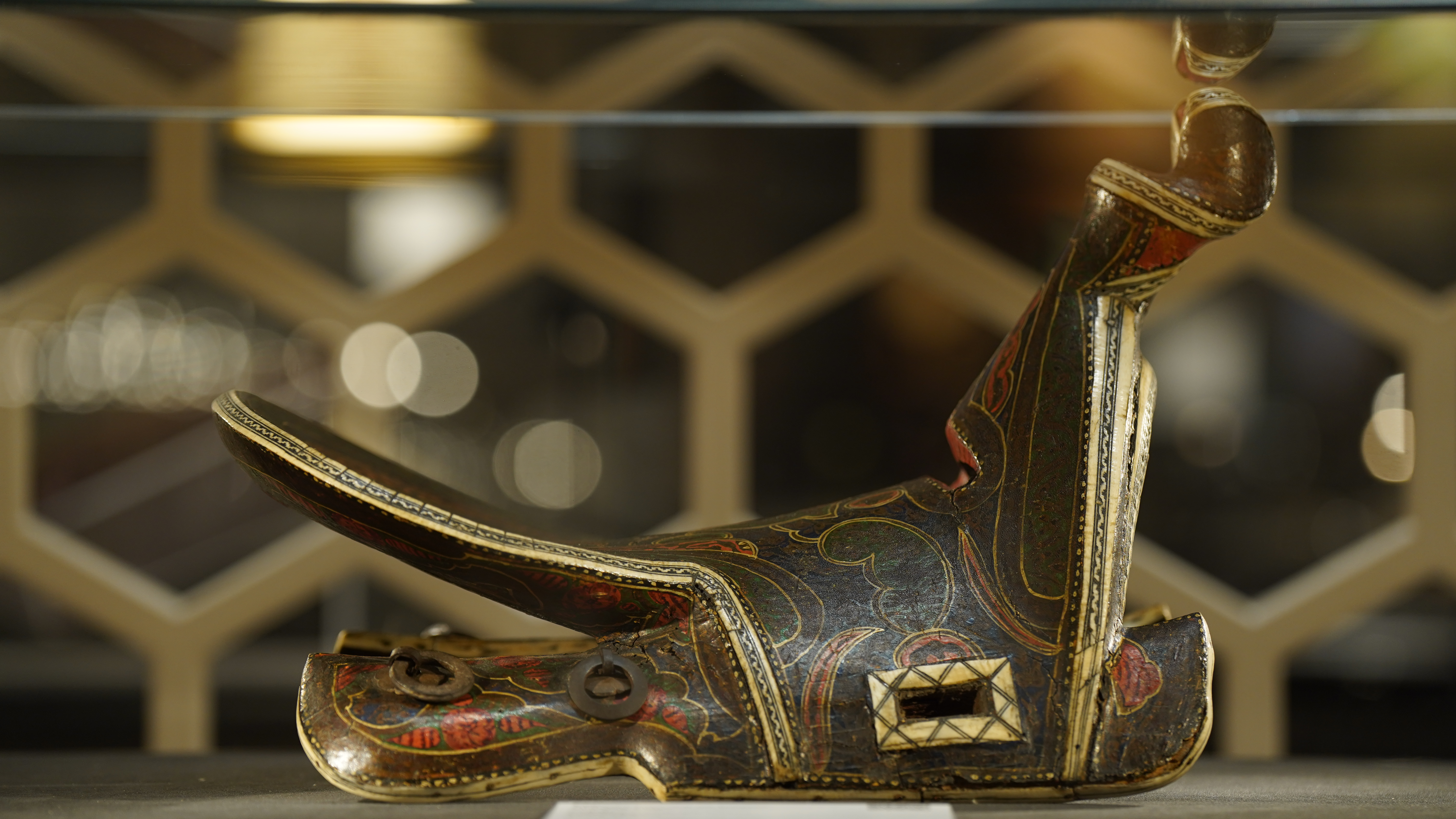
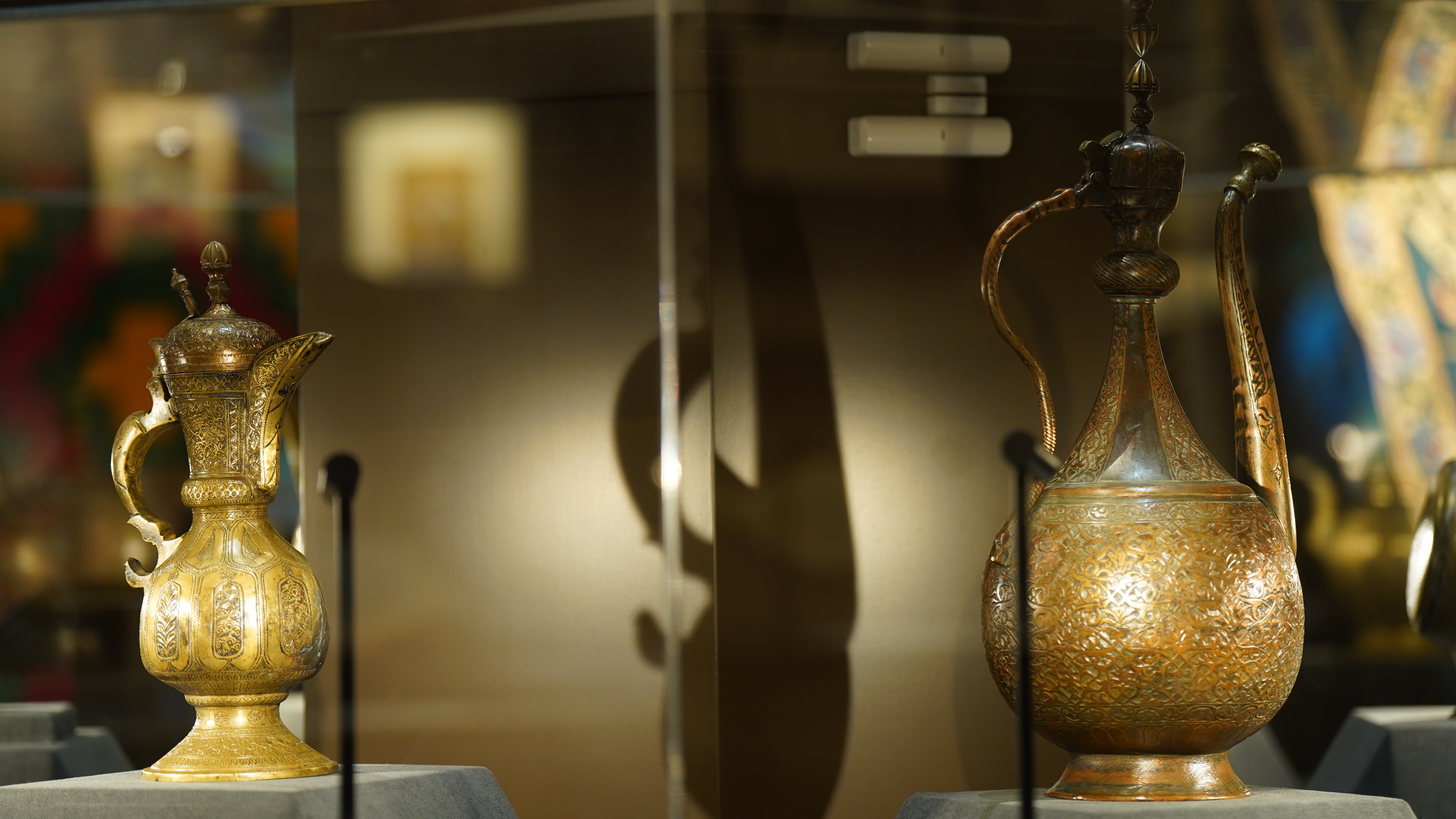
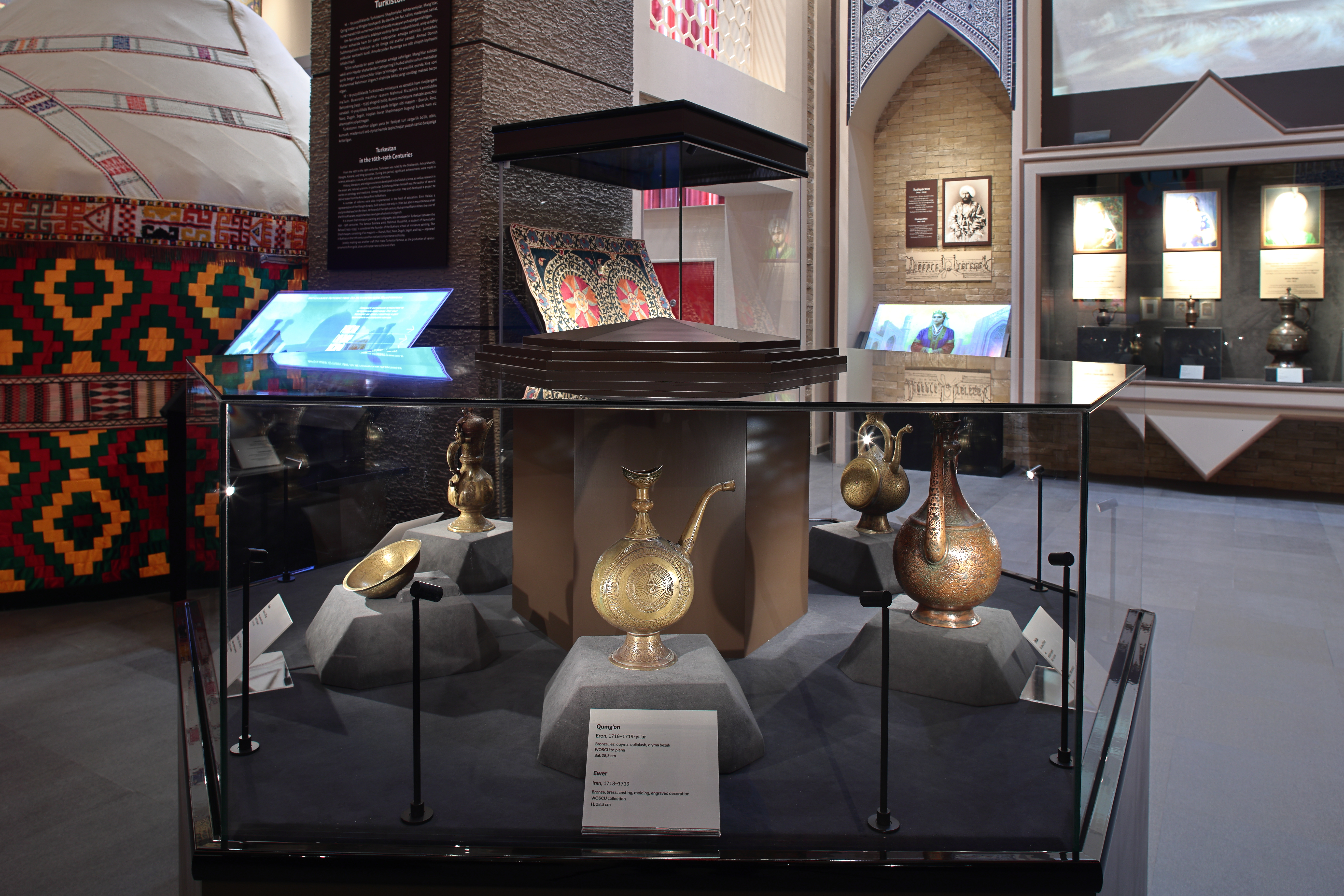 This exhibition at the Islamic Civilization Center in Uzbekistan offers an opportunity to reconsider the khanate period within the broader history of the Second Renaissance. The artifacts gathered here clearly demonstrate that scientific, artistic, and cultural traditions continued uninterrupted after the Timurids, and that the era of the khanates represents an important stage in this civilizational legacy.