



The legacy of Amir Temur and the Timurids is being rediscovered on the international stage
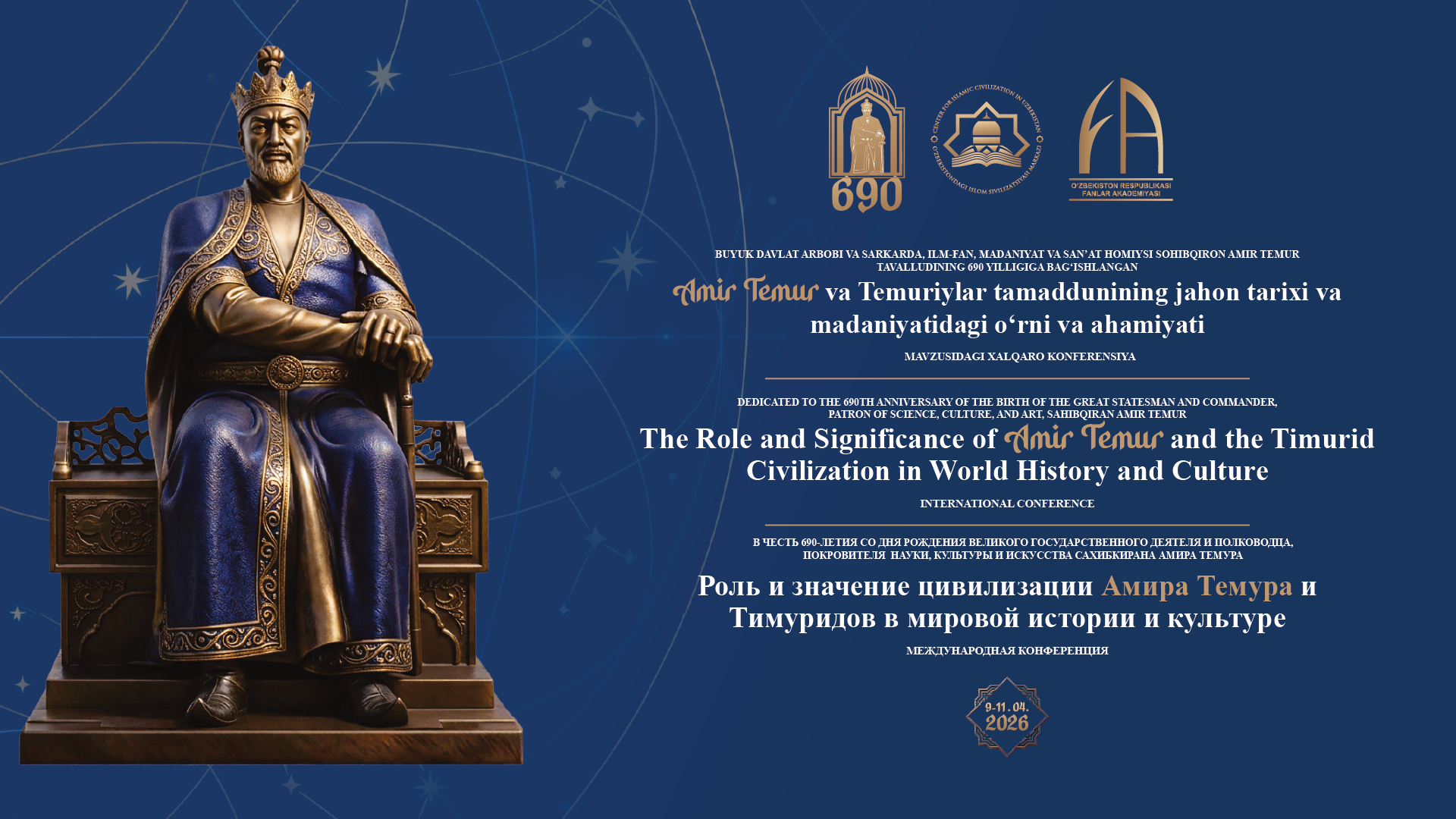
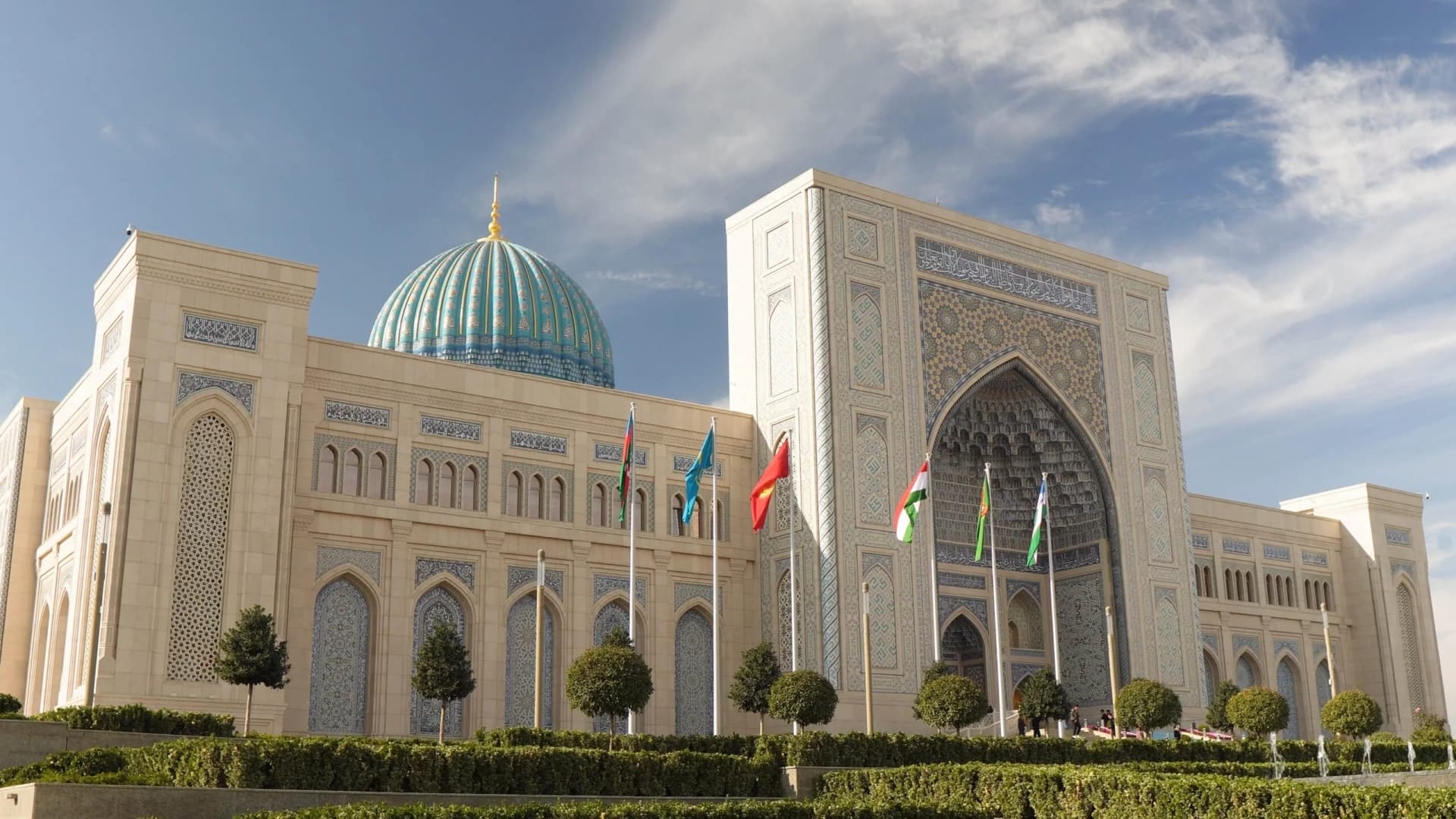
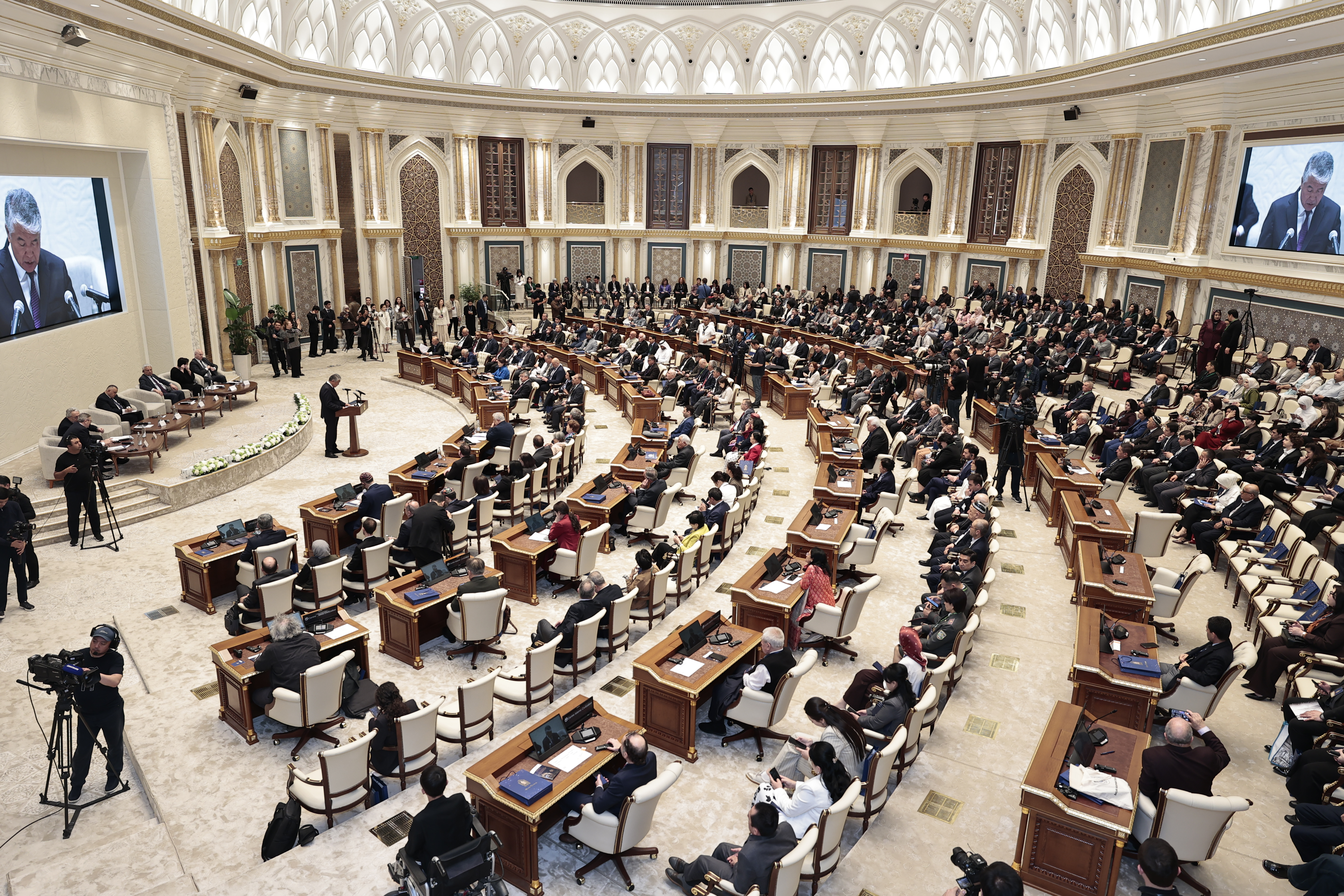 A prestigious international conference titled “The Role and Significance of Amir Temur and the Timurid Civilization in World History and Culture,” dedicated to the 690th anniversary of the birth of the great commander Amir Temur, is being held at the Islamic Civilization Center in Uzbekistan, established at the initiative of President Shavkat Mirziyoyev.
This forum has been organized in accordance with a relevant resolution of the President of the Republic of Uzbekistan and is recognized as an important scientific platform aimed at the in-depth study of Amir Temur’s legacy, its broad promotion at the international level, and the reassessment of the scientific and spiritual achievements of the Timurid era on the basis of modern scholarship.
Today, preserving the legacy of great ancestors and instilling it in the consciousness of the younger generation has become one of the priority directions of state policy in Uzbekistan. This conference serves to elevate scientific and practical efforts to a new level in understanding the national and universal essence of the Timurid Renaissance, strengthening the foundations of the Second Renaissance, and educating the younger generation as builders of the New Uzbekistan.
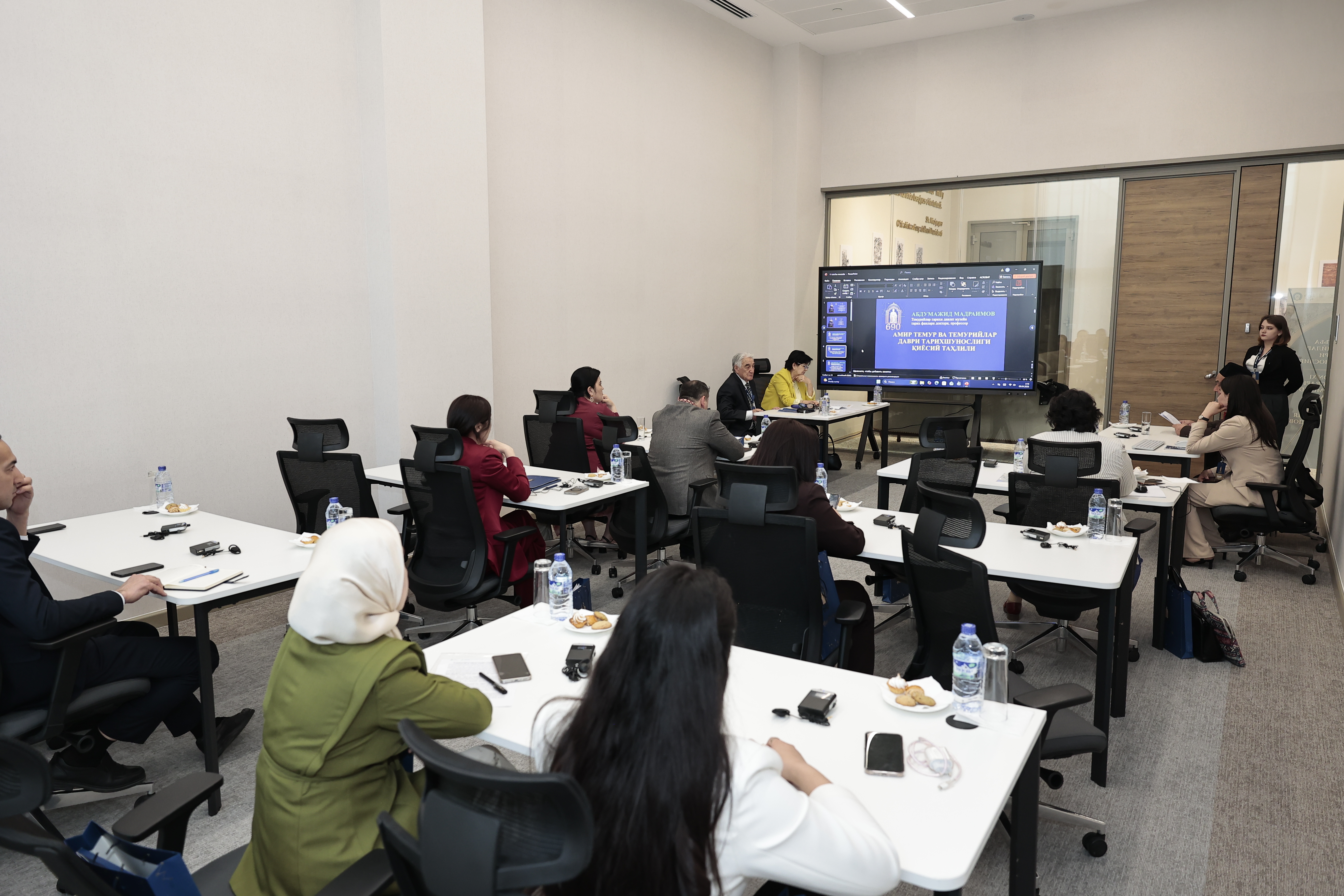
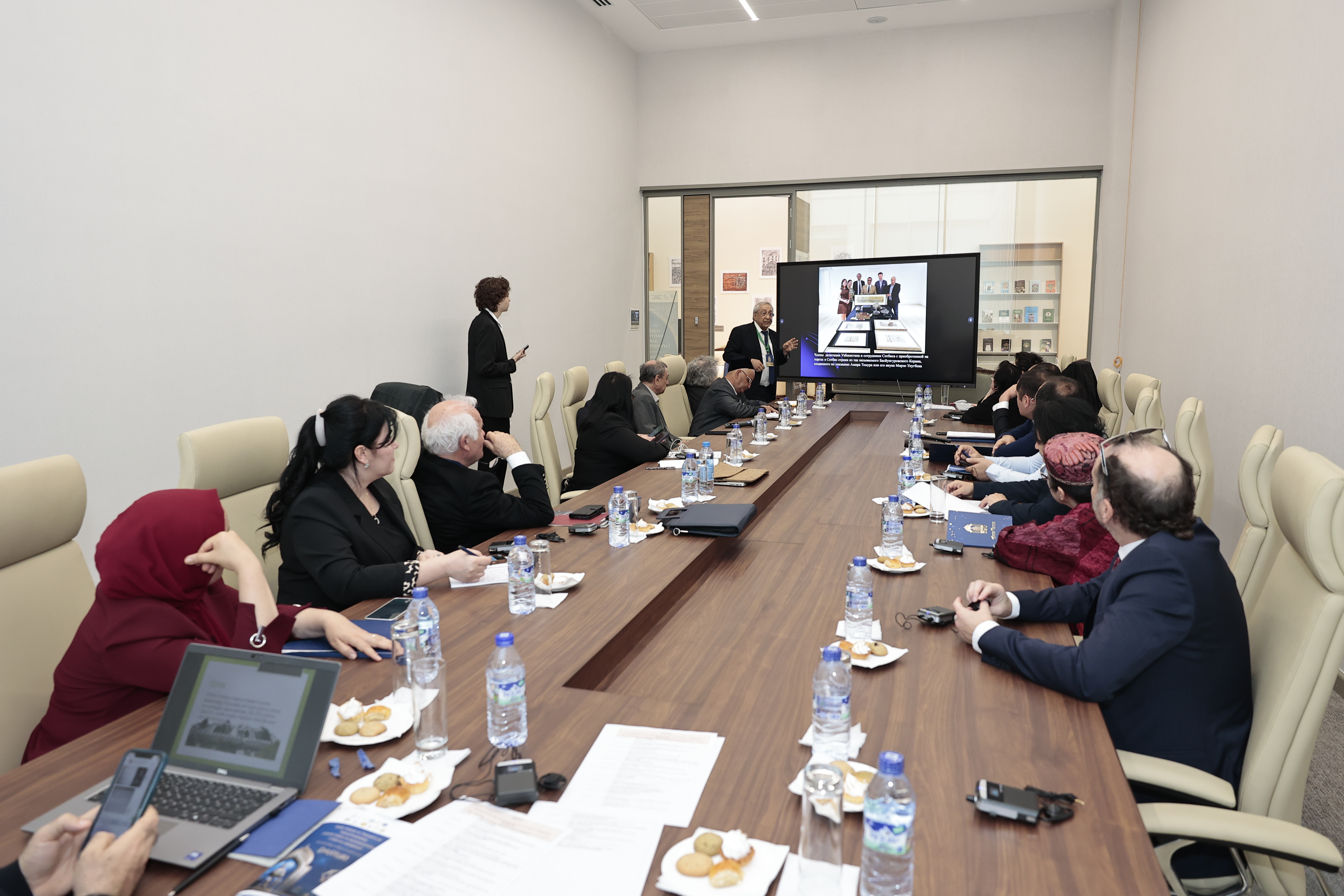
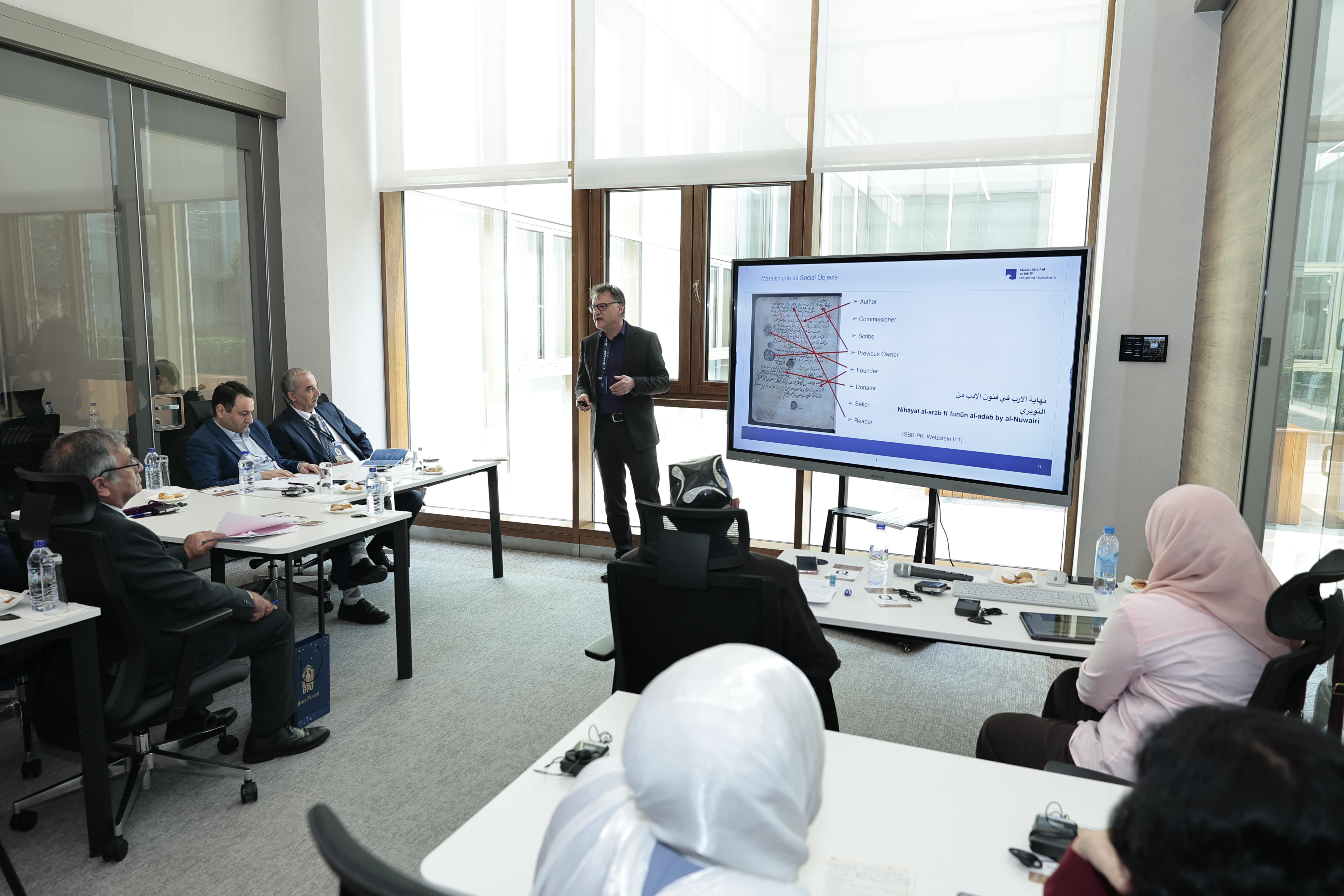
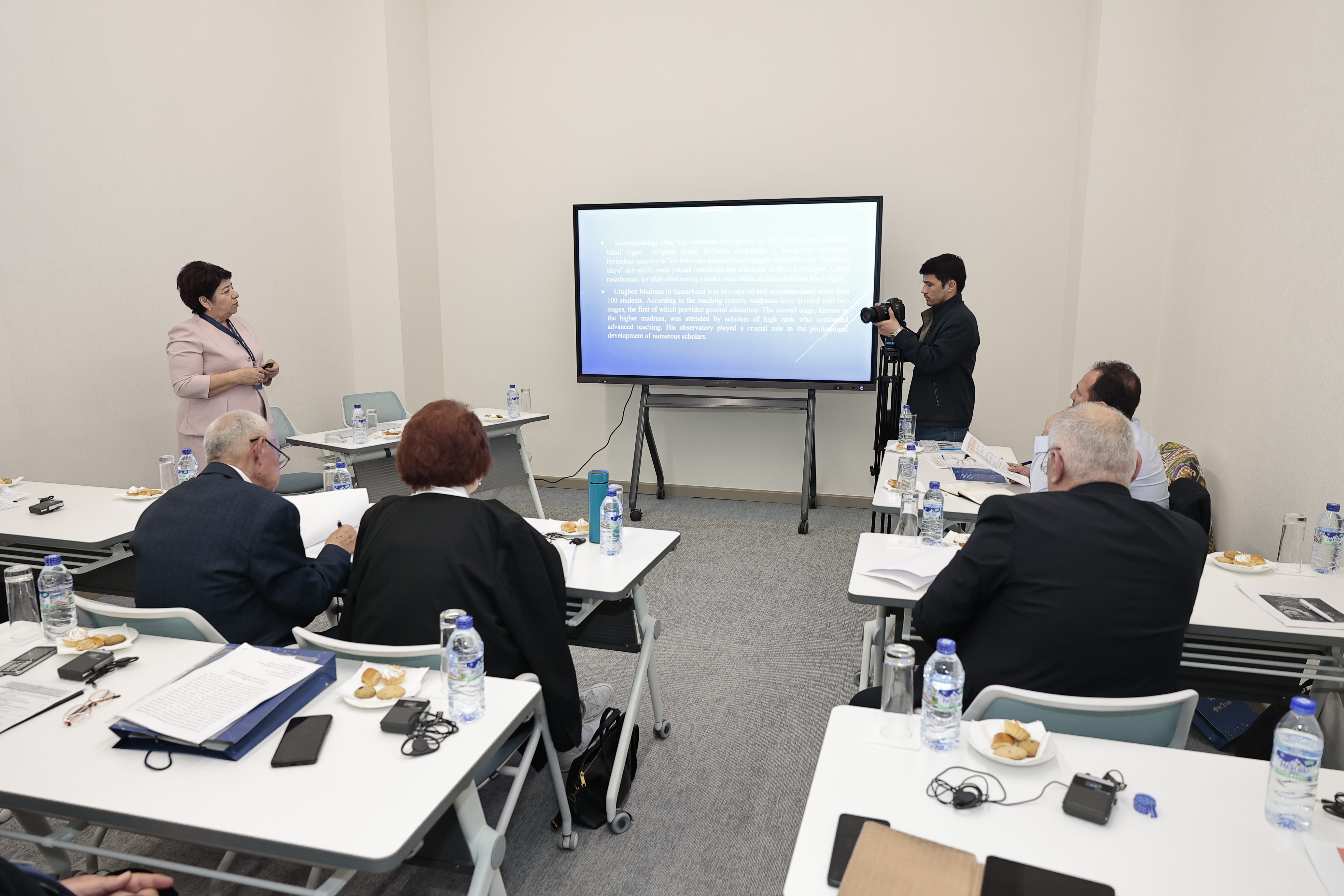
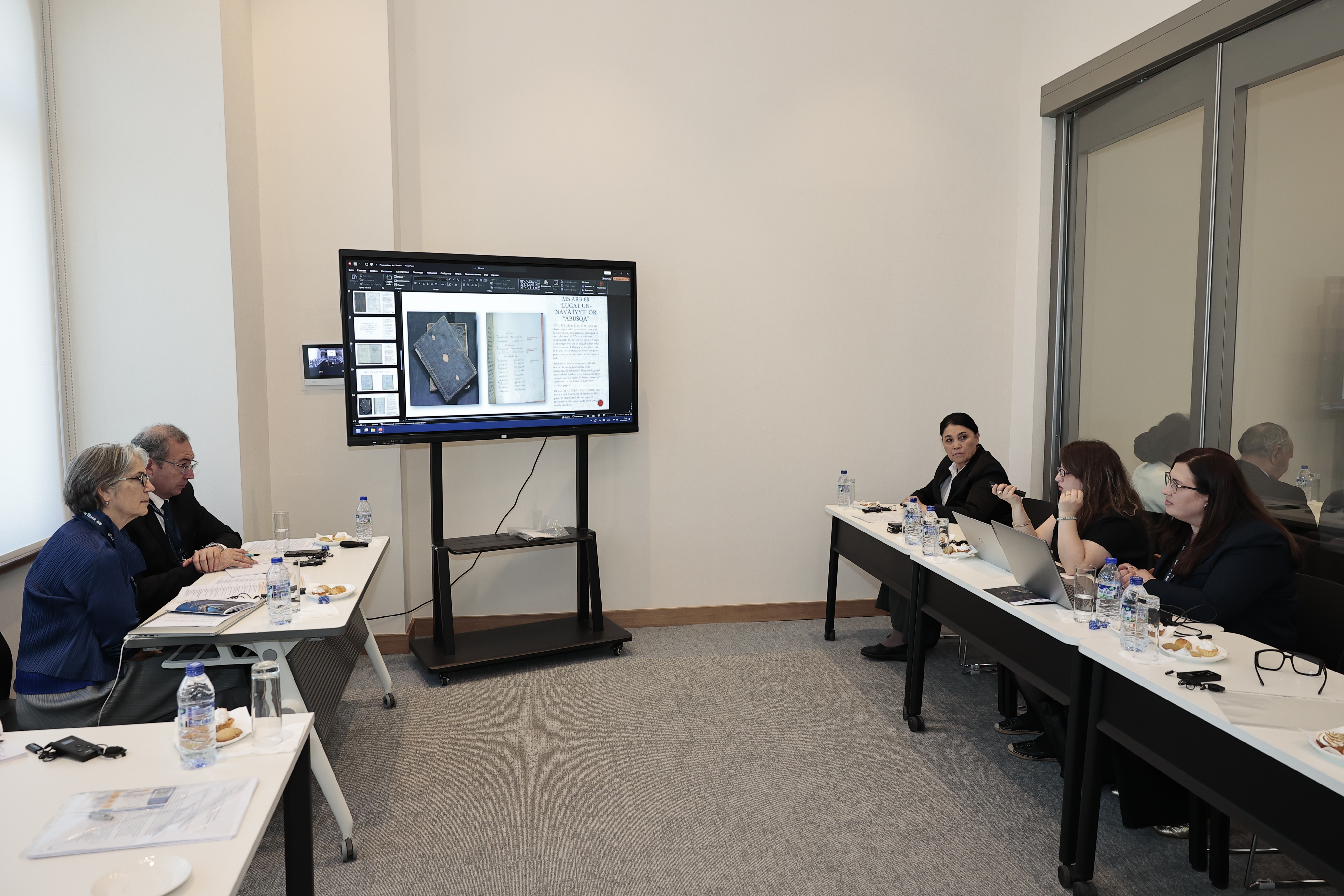
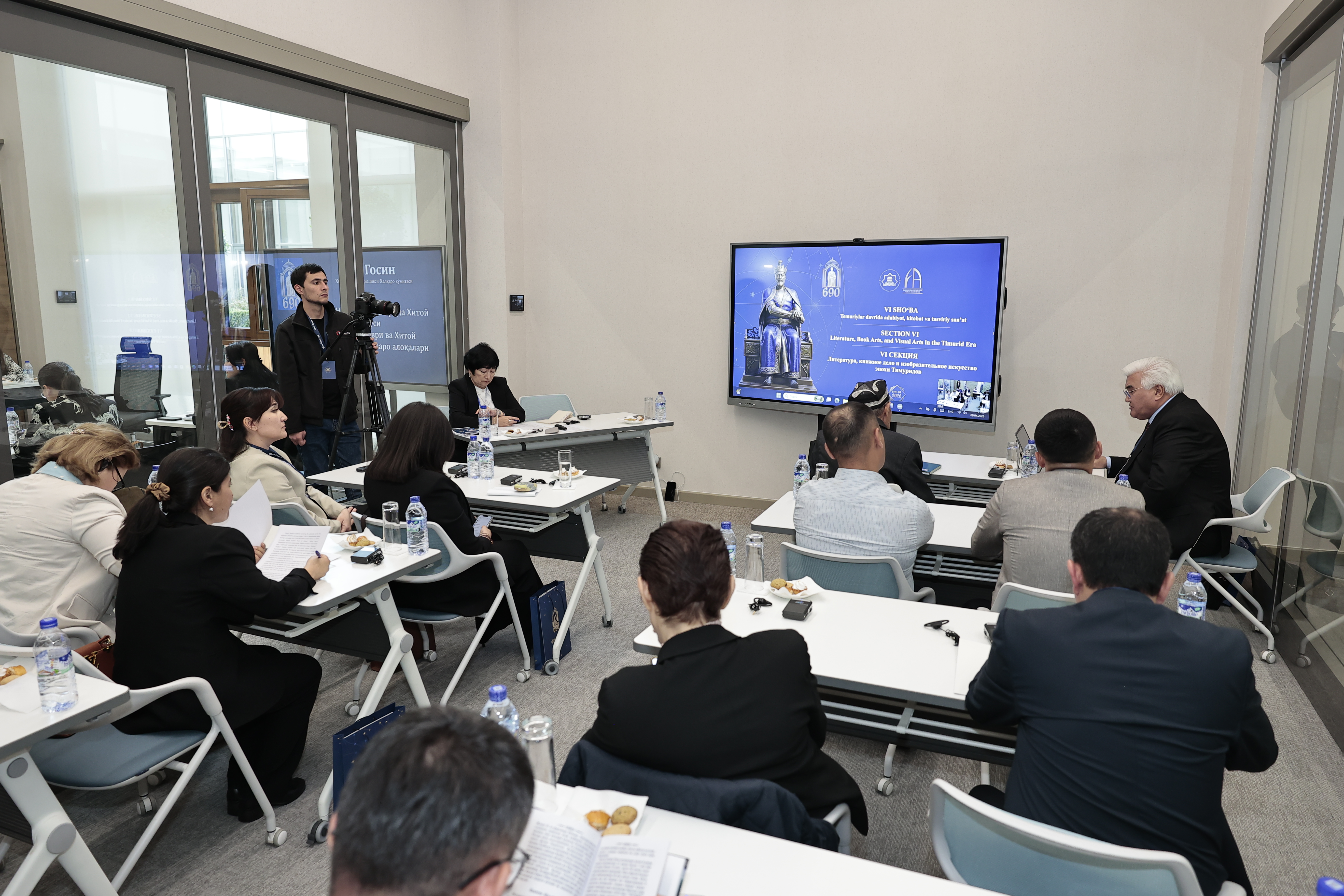
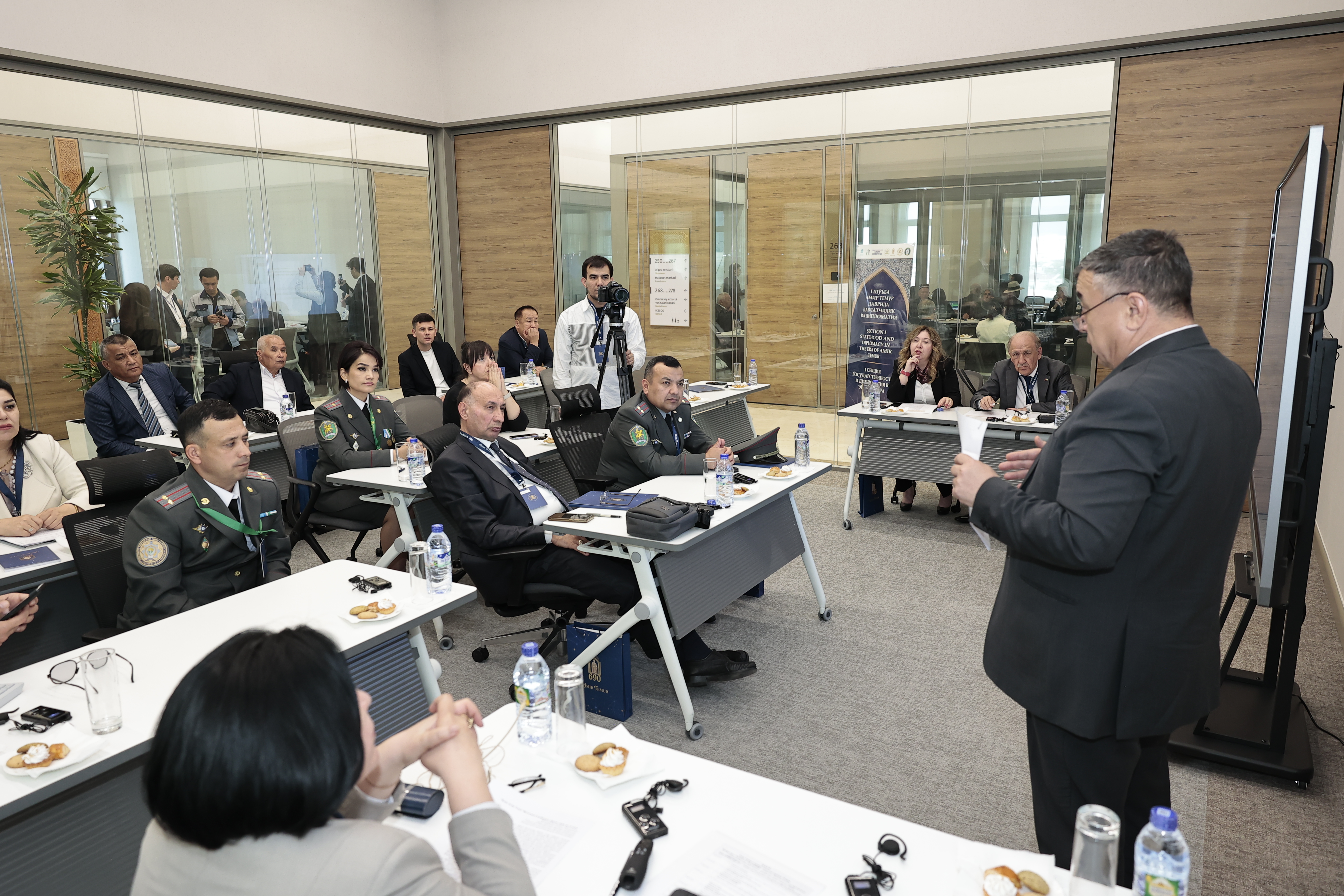
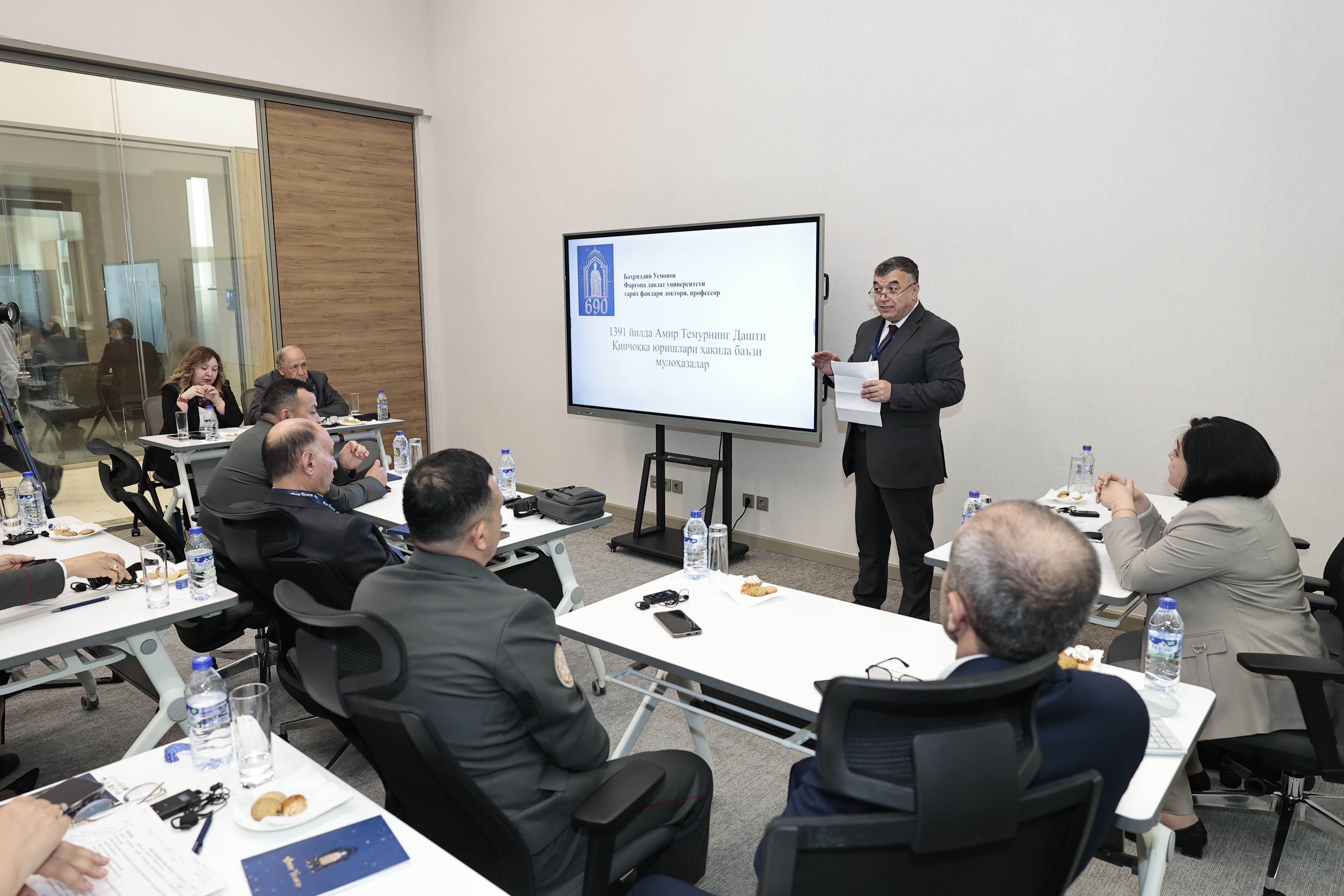
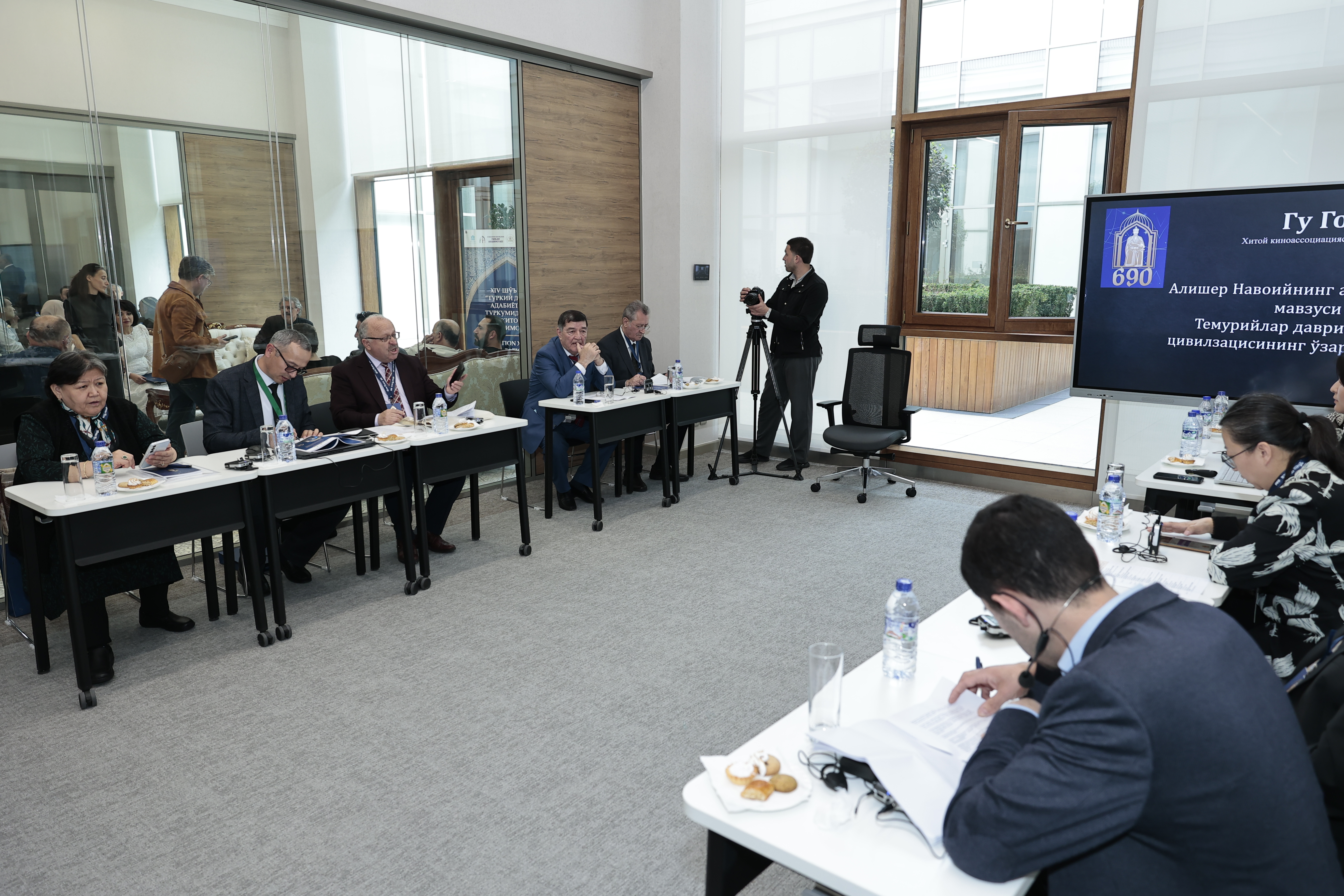
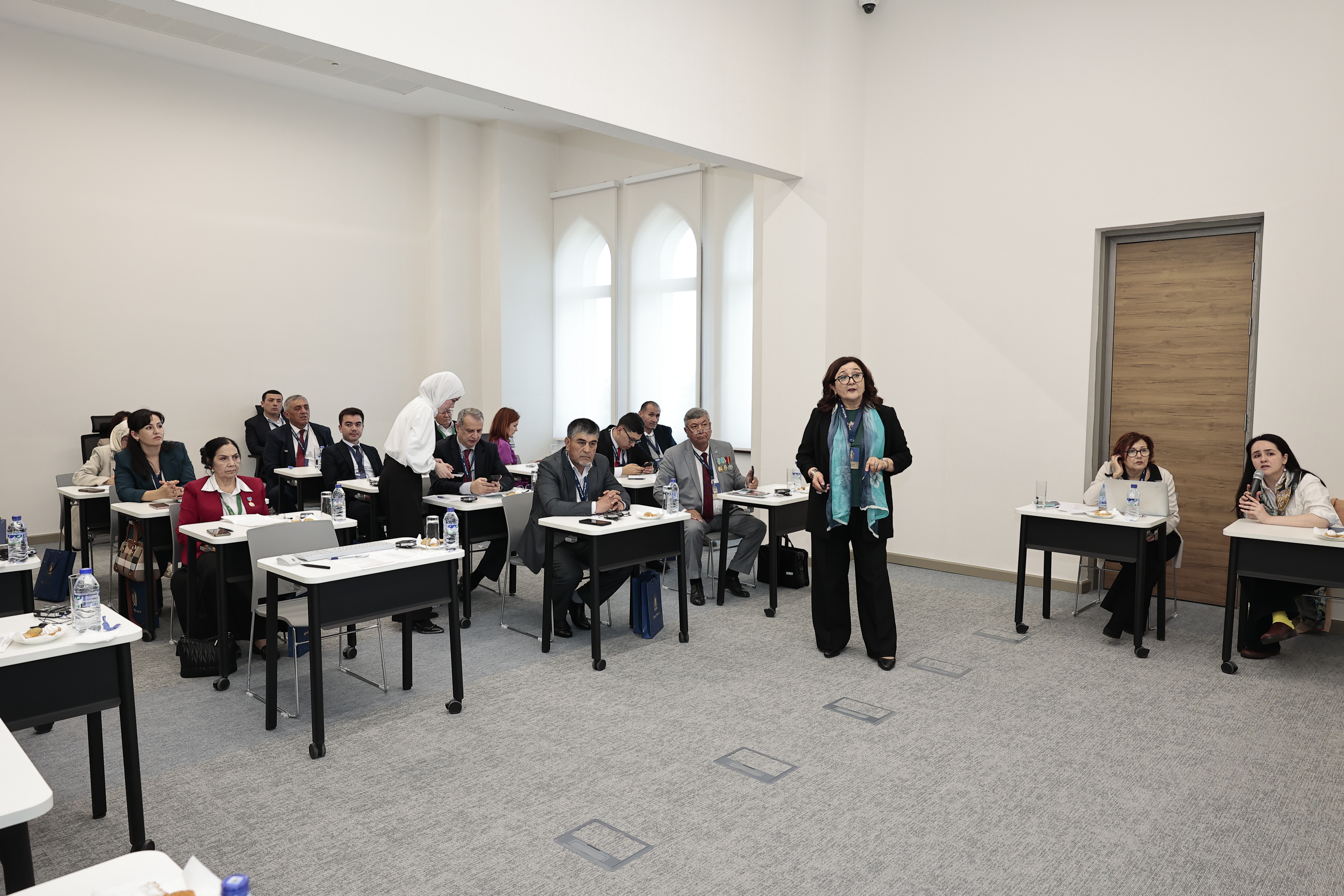 Within the framework of the conference, a total of 13 panel sessions have been organized, covering such relevant areas as statehood and diplomacy during Amir Temur’s era, military art, urban planning and architecture, historical sources, science and education, literature and book culture, fine and applied arts, socio-spiritual life, the legacy of the Baburids, historiography, as well as the place of Timurid heritage in world collections and its study through digital technologies.
At the panel session titled “Historical Sources of the Timurid Period,” the presented reports comprehensively highlighted the cultural life of the Timurid era and its significance from a source studies perspective.
In particular, as emphasized in the report devoted to popular culture during the Timurid period, the 14th–15th centuries in Central Asian history stand out not only for political unification but also for a high level of cultural development known as the “Timurid Renaissance.”
According to the presentation dedicated to the development of book art and miniature painting in Herat at the end of the 15th century, this art reached its peak at the court of Sultan Husayn Bayqaro and later had a strong influence on the formation of the Tabriz and Movarounnahr schools.
Olga Vasilyeva, representative of the Russian National Library:
“The Herat school of miniature painting not only flourished in its own time but also directly influenced the development of art in later cultural centers such as Tabriz and Movarounnahr. This can be clearly seen in manuscripts from the early 16th century preserved in the collections of the Russian National Library.
In the miniatures of the Khamsa manuscript, the images of Sultan Husayn Bayqaro, Alisher Navoi, and other historical figures are depicted in artistic and symbolic harmony.
In miniatures, artists often portrayed real historical figures through literary characters. This demonstrates a high level of symbolic thinking and artistic expression.
Analysis of manuscripts from the first quarter of the 16th century shows that the traditions of Herat continued across different regions, enriched in each school with its own stylistic features.”
At the panel session on socio-spiritual life during the era of Amir Temur and the Timurids, presentations were delivered on topics such as the cultural renaissance of the Timurid period, the development of science, literature, and art, and its influence on world civilization.
Mariam Edilova, Professor at Ala-Too International University, Doctor of Philosophy (Kyrgyzstan):
“During the Timurid period, popular culture was formed through the synthesis of various traditions. Oral creativity, music, craftsmanship, and everyday life played an important role in this process. In particular, the interaction between elite and popular culture further accelerated cultural development.
During this period, science, architecture, and art reached a high level of development in centers such as Samarkand and Herat, while popular culture was transmitted from generation to generation through rituals, customs, and creative traditions.
The popular culture formed during the Timurid era later became the foundation of the entire cultural heritage of Central Asia and also influenced other civilizations.”
At the panel session on the Timurid Renaissance in digital technologies, issues such as the digitization of historical heritage, modern methods of scientific analysis of manuscripts, virtual reconstruction, and the creation of interactive platforms were discussed as priority directions.
Elchin Huseynov, Candidate of Historical Sciences of the Azerbaijan National Academy of Sciences:
“Amir Temur was not only a great commander but also a prominent historical figure who strengthened the unity of Turkic peoples and developed traditions of statehood. The state he established united various peoples and cultures, contributing to the formation of a shared civilizational space.
His strong system of governance, military mastery, and attention to science and culture have not lost their relevance even today. In this sense, the legacy of Amir Temur remains an important lesson for the modern world.
Today, one of the most important tasks facing the Turkic world is to further strengthen unity and solidarity based on shared history and values. In this regard, enhancing close cooperation is of paramount importance for all of us.”
By its content and essence, the international conference holds particular significance as an important scientific and spiritual platform that serves not only to restore historical memory but also to harmonize it with modern development.