
Euronews: “Amir Temur’s legacy re-examined as scholars highlight a ‘Second Renaissance’”
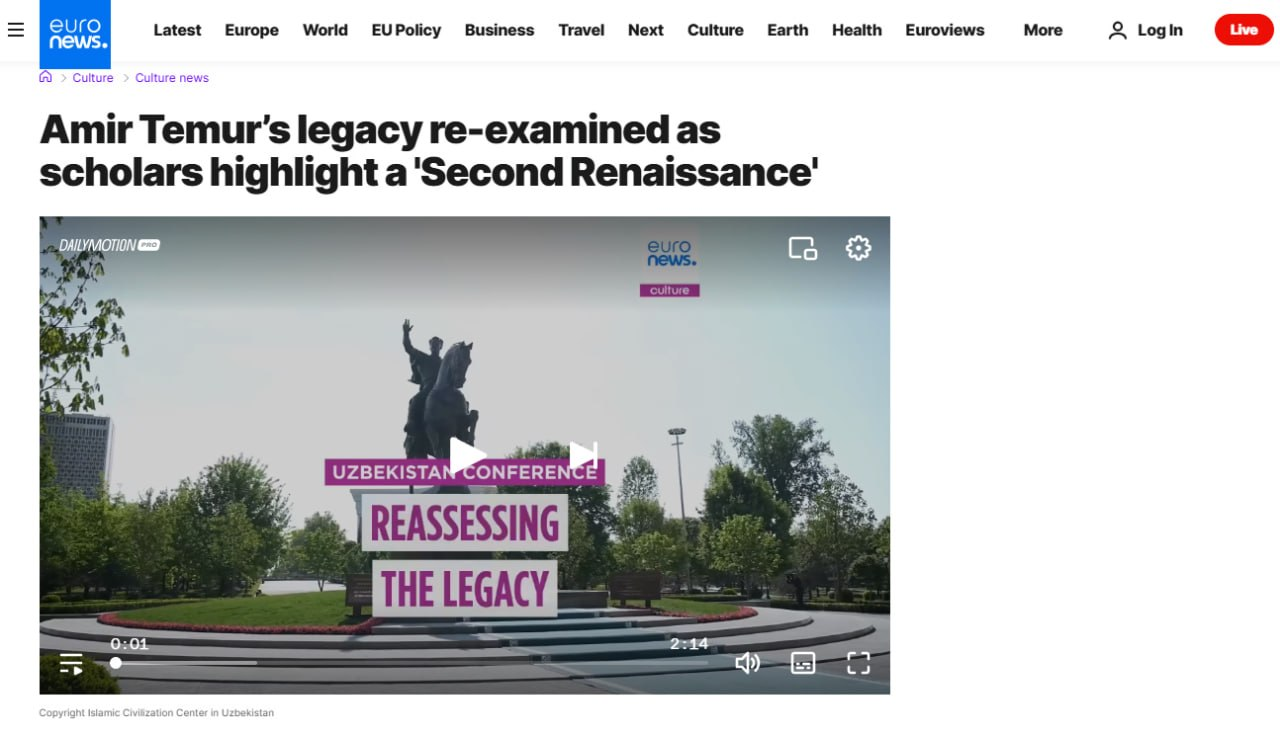 The video material prepared by EURONEWS and the analyses involving international experts are encouraging a reconsideration of traditional views on the legacy of Amir Temur. At the international conference held at the Islamic Civilization Center in Uzbekistan, scholars evaluated the Timurid period not only as an era of political and military rise, but also as a time of profound intellectual transformation in science, culture, and statehood, recognizing it as a “Second Renaissance” stage in world history.
New scientific research presents the Timurid era as a systematic period of scientific and cultural development. The international conference brought together specialists from around the world, contributing to the reassessment of primary sources and the expansion of cooperation in historical research and heritage preservation.
International scholars are re-evaluating the legacy of Amir Temur, while new studies are shifting attention beyond military history toward the scientific, cultural, and institutional achievements of the Timurid period.
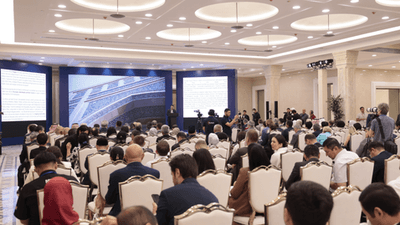
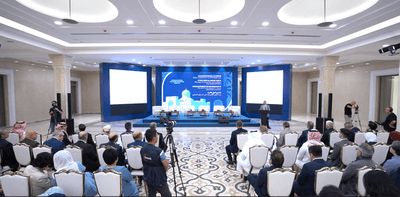
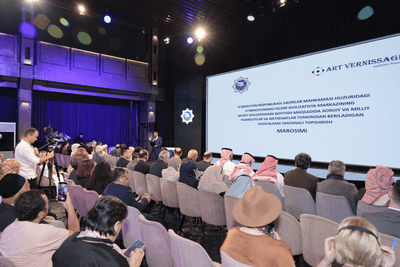
These issues took a central place at the international scientific conference titled “The Role and Significance of Amir Temur and Timurid Civilization in World History and Culture,” held in Tashkent on the occasion of the 690th anniversary of Amir Temur’s birth.
The event was attended by more than 300 participants from over 20 countries, including historians, archaeologists, and representatives of international organizations and institutions such as the Islamic World Educational, Scientific and Cultural Organization (ICESCO), the Oxford Centre for Islamic Studies, the Research Centre for Islamic History, Art and Culture (IRCICA), and the Al-Furqan Foundation.
Discussions focused on issues of governance, diplomacy, science, education, and cultural development during the Timurid period, as well as its impact on world history.
A new approach to the Timurid era
Contemporary scholarly perspectives interpret the 14th–15th centuries as a period of intellectual transformation, often referred to as the “Second Renaissance.”
Historians emphasize that this period witnessed the formation of scientific institutions, the establishment of a systematic education system, and sustained cultural development in the Islamic world.
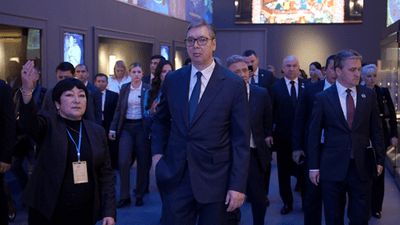
 President of Uzbekistan Shavkat Mirziyoyev visited the State Museum of the History of the Timurids — Press Service of the President of Uzbekistan
In his address to the conference participants, President Shavkat Mirziyoyev described the Timurid Renaissance as “one of the brightest periods” in the country’s history and called for deep scientific research and the expansion of international cooperation. One of the main directions of current research is the reassessment of historical sources and perspectives related to the Timurid era.
Scientific heritage beyond military history
According to Sali Shahsivari, Director of the Al-Furqan Islamic Heritage Foundation, the public does not pay sufficient attention to the scientific aspects of the Timurid period.
“Amir Temur is mostly known as a military and political leader, but little is known about the scientific legacy he left during the Timurid era,” he said.
“We are speaking about an entire period — an era of remarkable scientific progress and discoveries.”
In his view, the Timurid period represents not only political dominance but also a systematic model of knowledge production that influenced scientific development for centuries.
Historians regard this period as a time of major achievements in astronomy, mathematics, geography, and medicine. The establishment of madrasas and research systems also ensured the transmission of knowledge from generation to generation.
Cultural and architectural influence
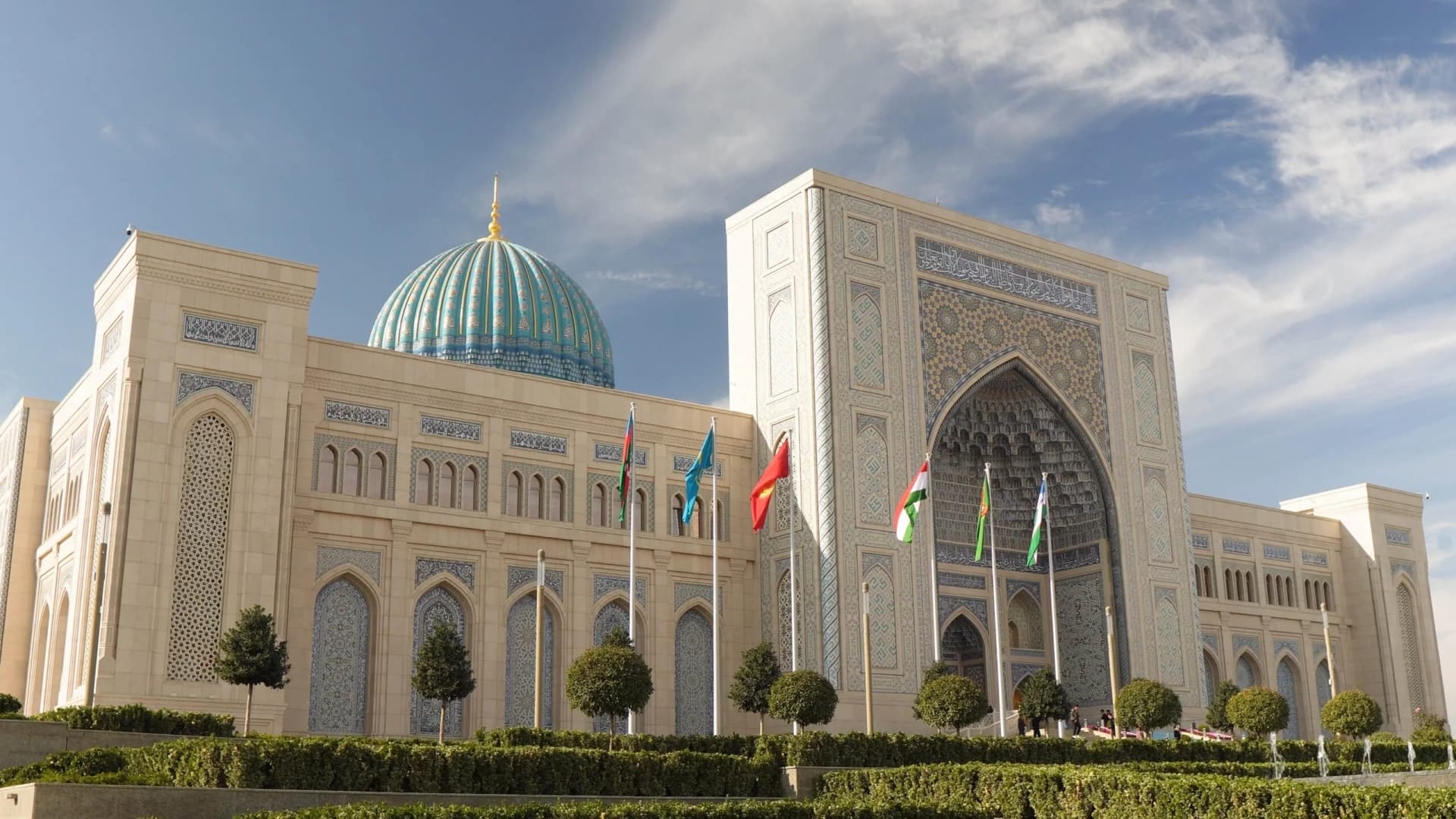
Cengiz Tomar, Deputy Director of IRCICA, emphasized that the Timurid legacy continues to be evident today through architecture and cultural identity.
“When we see Timurid architecture, we immediately recognize that it belongs to that era. Like Ottoman or Seljuk architecture, the Timurid style holds a distinct place in civilization,” he said.
Doctor of Historical Sciences Hilola Nazirova is re-examining traditional views on Amir Temur through her research.
“In many cases, Amir Temur is interpreted only as a conqueror, and Sharafiddin Ali Yazdi’s ‘Zafarnama’ has been studied one-sidedly,” she said.
Based on Khorezm sources, “Rawzat as-Safa,” and Turkic historical texts, she presented a more complex and accurate historical picture. In her view, portraying Amir Temur solely as a destroyer is often the result of one-sided historiography.
TURKSOY Secretary General Sultan Raev described the Timurid period as a decisive stage in the formation of statehood, culture, and civilization.
“Today, cities such as Samarkand and Bukhara, which we proudly mention, flourished precisely during the time of Amir Temur. His legacy teaches love for the homeland,” he said.
Bedar Shayesta, Director of the Khuda Bakhsh Oriental Public Library in India, highlighted the broad scope of Timurid contributions.
“The Timurids made significant contributions to art, culture, religion, Sufism, architecture, literature and language, poetry and philosophy, logic, and the exact sciences,” she said.
 Special exhibition dedicated to the legacy of Amir Temur
She also emphasized historical ties between India and Uzbekistan and called for further expansion of scientific cooperation.
Irina Popova, Director of the Institute of Oriental Manuscripts of the Russian Academy of Sciences, stressed the importance of preserving and studying manuscripts, describing these collections as a shared cultural heritage for international researchers.
From research to practical outcomes
According to the conference outcomes, participants proposed initiatives aimed at expanding international research, strengthening academic cooperation, and improving the preservation of manuscripts and cultural heritage.
 Theatrical production “Wedding in Konigil”
These efforts will contribute to a more systematic and global study of the Timurid period.