


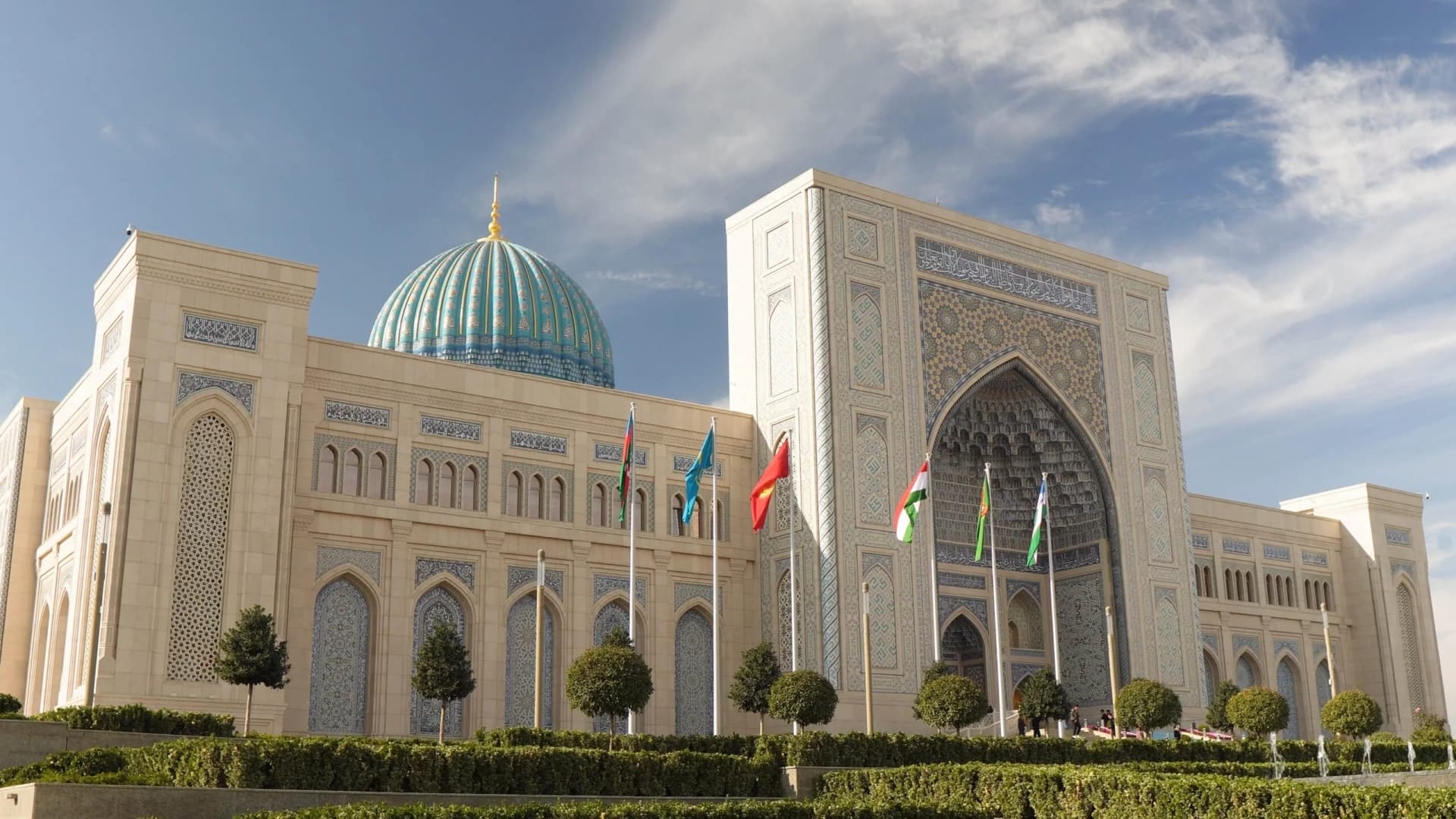

“Everyone should see it”: Imams on the Islamic Civilization Center
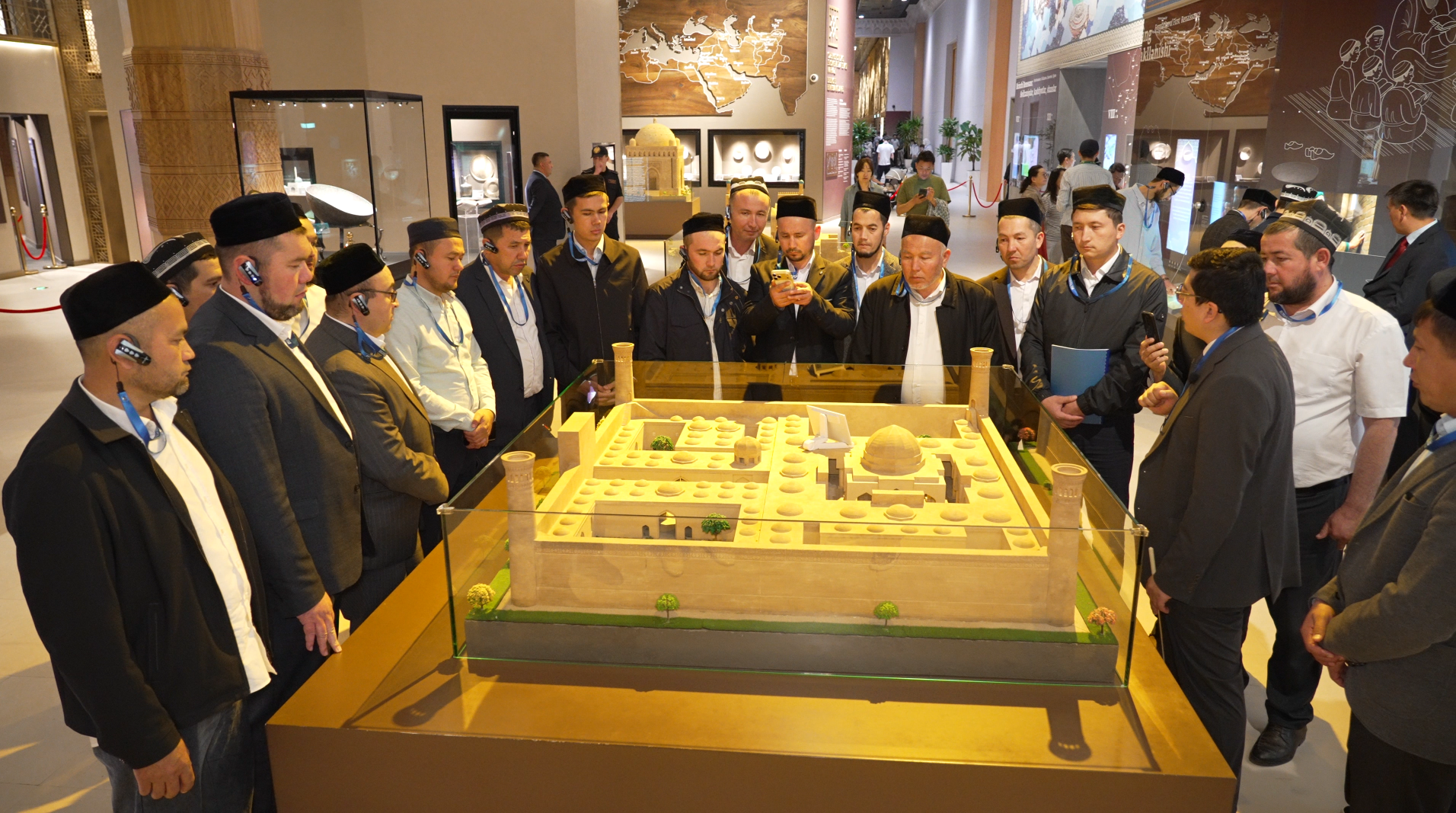 A delegation consisting of the leadership of the Institute for Advanced Training and Retraining in the Religious and Educational Sphere under the Committee on Religious Affairs, along with imams serving across the regions of the republic, visited the Islamic Civilization Center in Uzbekistan.
This visit was organized within the framework of advanced training courses under the joint program titled “At the Crossroads of the Third Renaissance.”
In addition, special excursions were arranged for the participants, during which they were introduced to the Center’s research and educational activities, as well as its areas of international cooperation. Experts exchanged views on organizing training sessions at a high level, implementing modern educational methods, and enhancing the capacity of personnel in the religious and educational field.
During the visit, the guests toured the Center’s spacious and content-rich exhibition halls and became closely acquainted with unique historical sources, archaeological findings, manuscripts, and cultural heritage artifacts related to the pre-Islamic period and the stages of the First and Second Renaissance. The modern interactive technologies implemented at the Center — particularly visual solutions created using artificial intelligence, the reconstruction of scholars’ images, and multimedia presentations of historical processes — sparked particular interest among the participants.
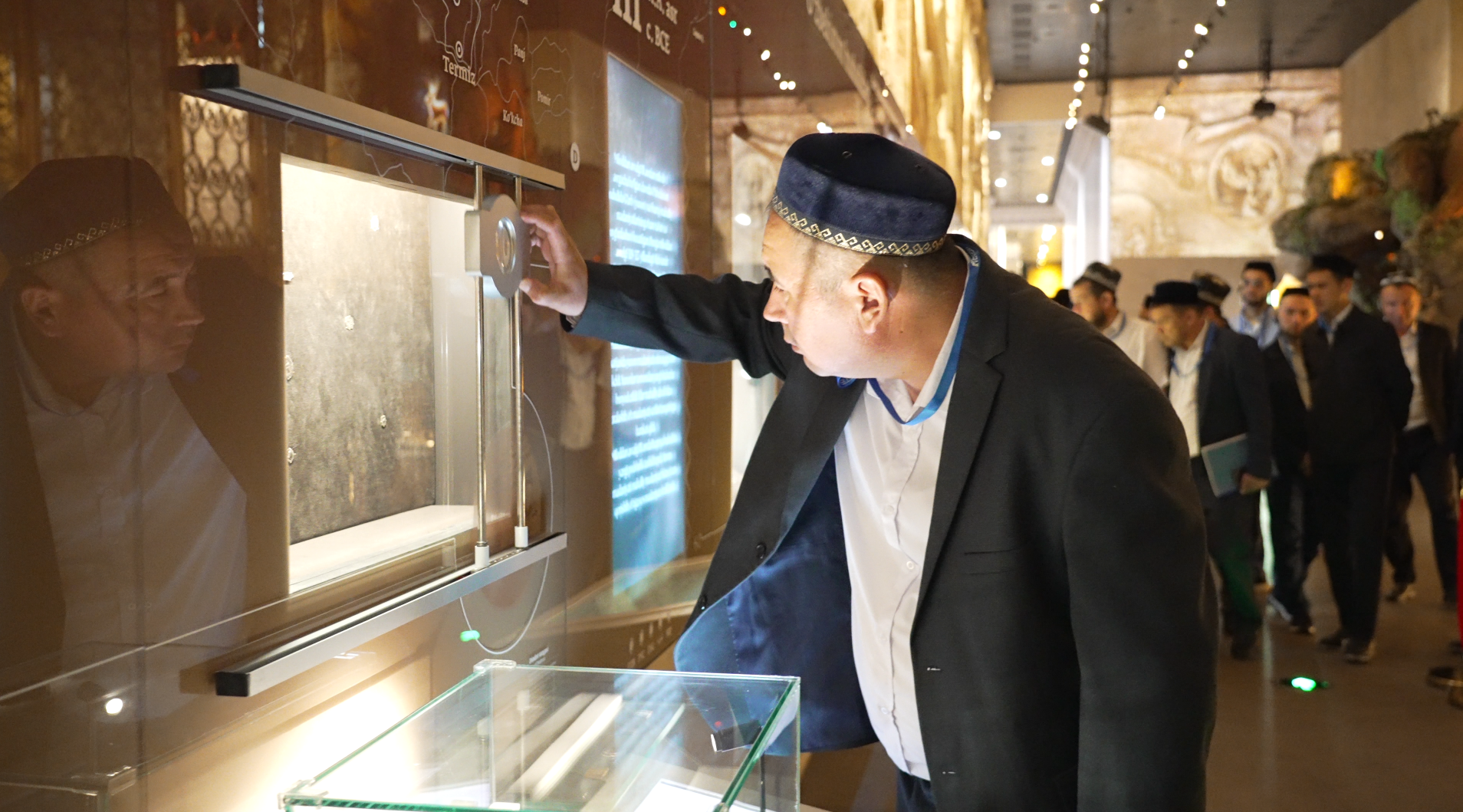
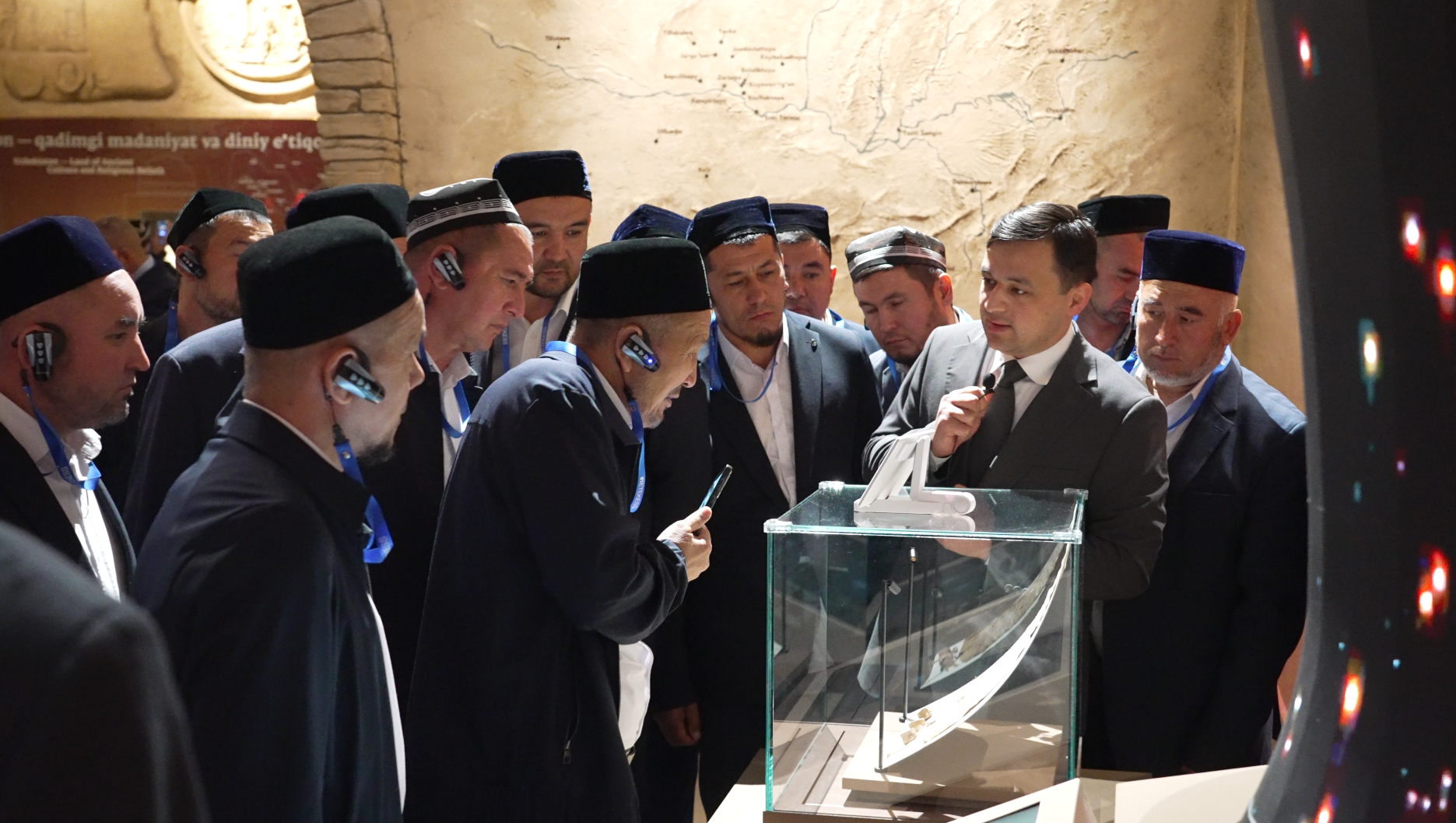
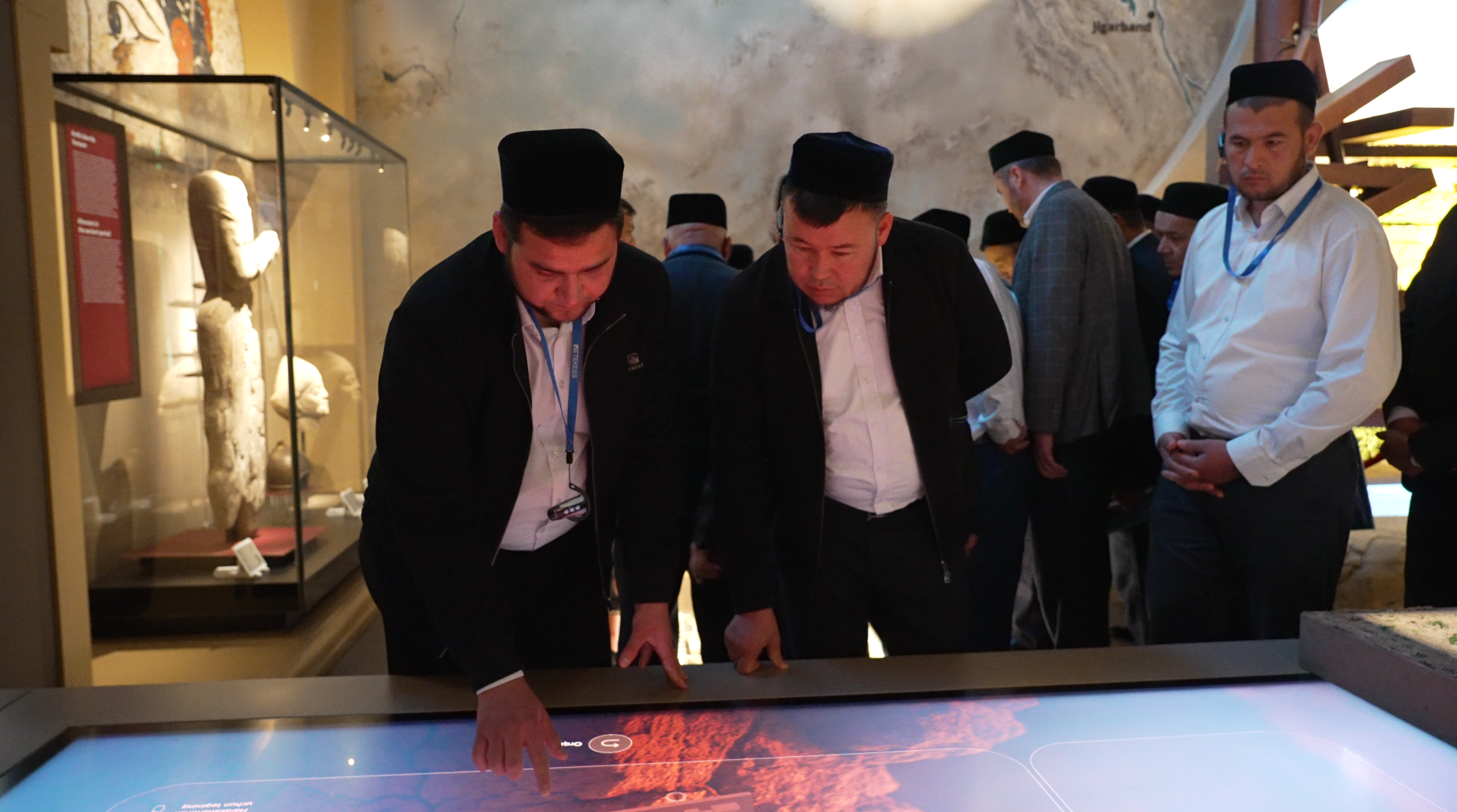 Throughout the visit, the imams also explored rare exhibits displayed at the Center, including ancient coins, ceramics and handicraft items, models of historical monuments, and valuable objects related to Islamic heritage. Through these, they gained a deeper understanding of the rich and multifaceted history of our people.
Bilol Isomiddinov, Deputy Director for Academic Affairs of the Institute, shared his impressions of the visit:
“This Center is not only a place that preserves historical heritage, but also an environment that encourages deep reflection and leads a person toward spiritual growth through its modern methods of presentation. Every exhibit and every hall here carries its own meaning and content. In particular, the opportunity to experience history in a vivid way through the technologies used is of great significance. Such places foster a deeper respect and interest in one’s roots and ancestral heritage.”
Participants of the visit also emphasized that the atmosphere of the Center left an unforgettable impression on them. In particular, Asroruddin Khushnazarov, imam-khatib of the Fayzobod Jome Mosque in Tashkent city, expressed his thoughts as follows:
“Today’s visit was very meaningful and impactful. Through the exhibitions presented here, we once again realized how great our ancestors were in science and culture. Every exhibit makes one reflect and encourages a look into the past. Especially seeing the heritage of the First Renaissance instills a sense of pride. I believe this Center is a place that everyone should visit.”
Likewise, the imam-khatib of the “O‘zar” Jome Mosque in Ohangaron district of Tashkent region also shared his impressions:
“The exhibitions here clearly demonstrate that our people have long possessed a high level of culture and creative potential. The fact that such unique works and objects were created even under difficult conditions shows how talented our people are. Seeing and understanding this brings about a profound spiritual transformation in a person.”
At the conclusion of the visit, the imams also familiarized themselves with the activities of the Center’s library and received information about the rich spiritual heritage, manuscripts, and scholarly sources preserved there.
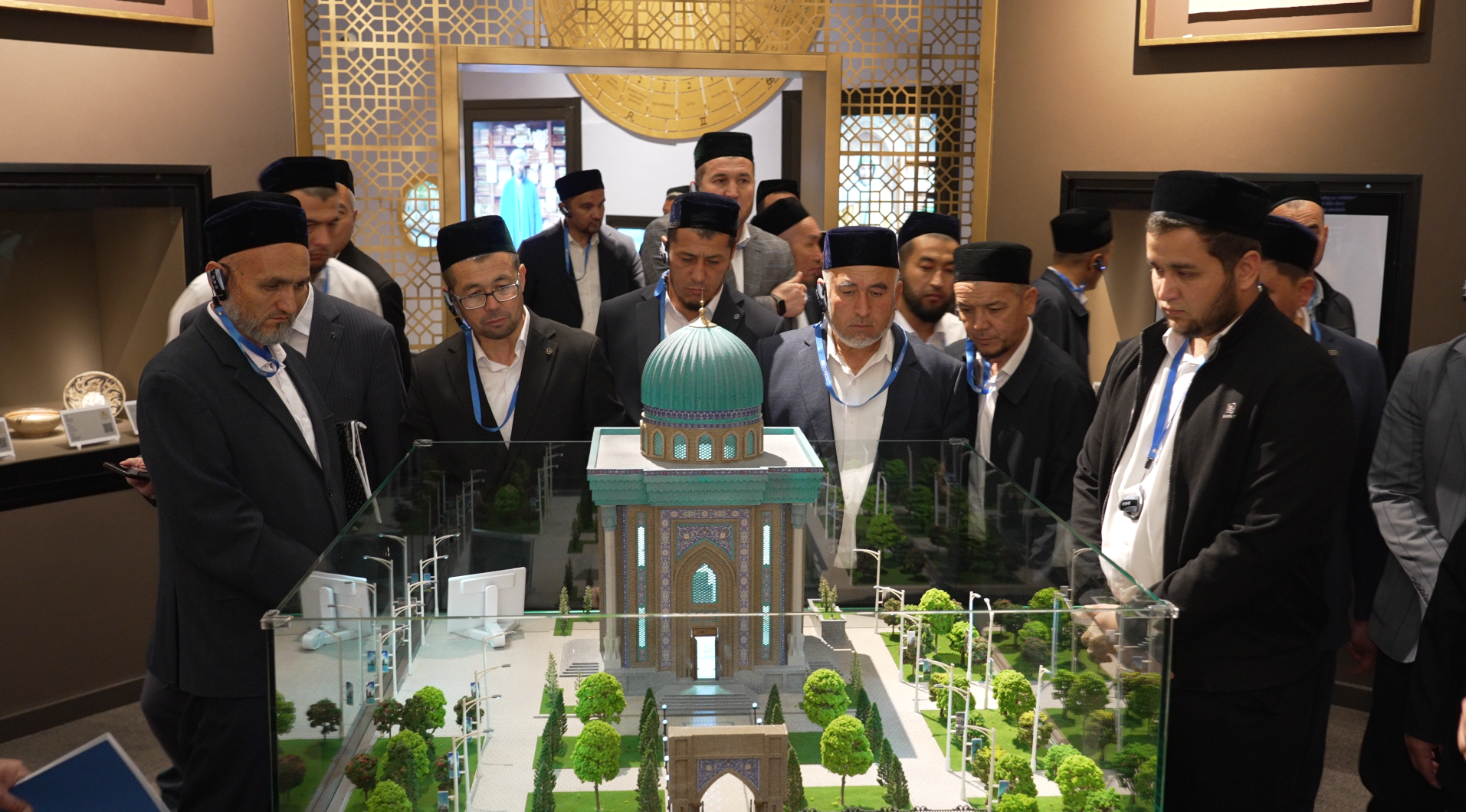 This visit served to further increase the imams’ interest in the history and spiritual heritage of our country and contributed to enriching their educational and intellectual potential.