



The delegation of the Republic of Uzbekistan held negotiations with the Euro-Arab Foundation for Higher Studies in Spain
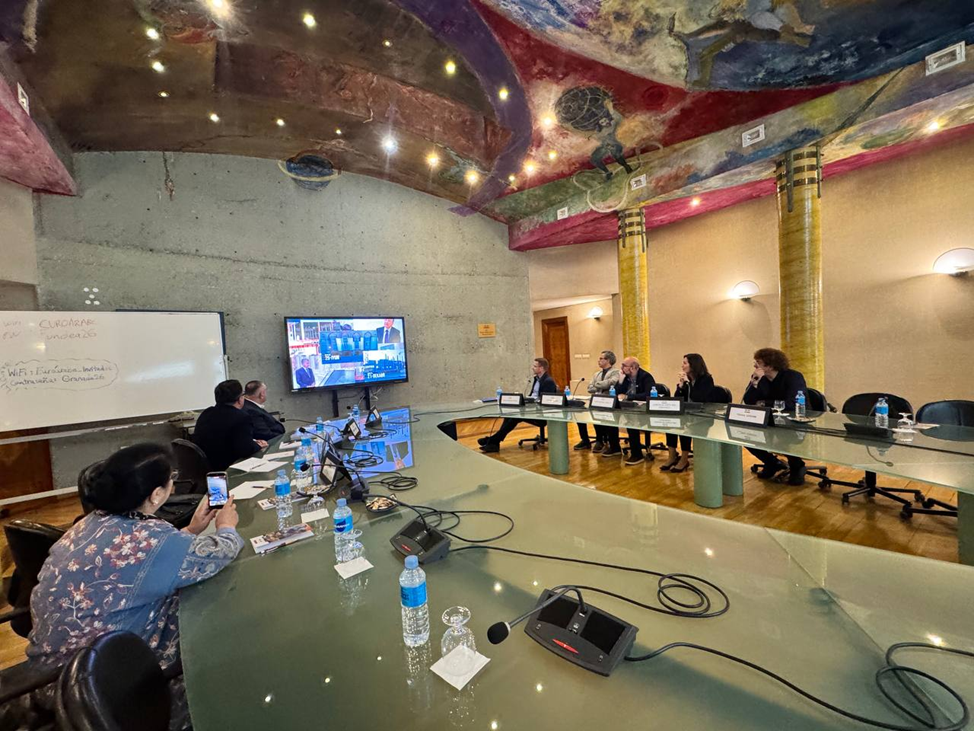 The delegation of the Republic of Uzbekistan held a meeting with the Euro-Arab Foundation for Higher Studies, an international institution aimed at developing cultural and humanitarian ties between the European Union and the Arab world, as well as strengthening dialogue between civilizations through cooperation in science, education, and the humanities.
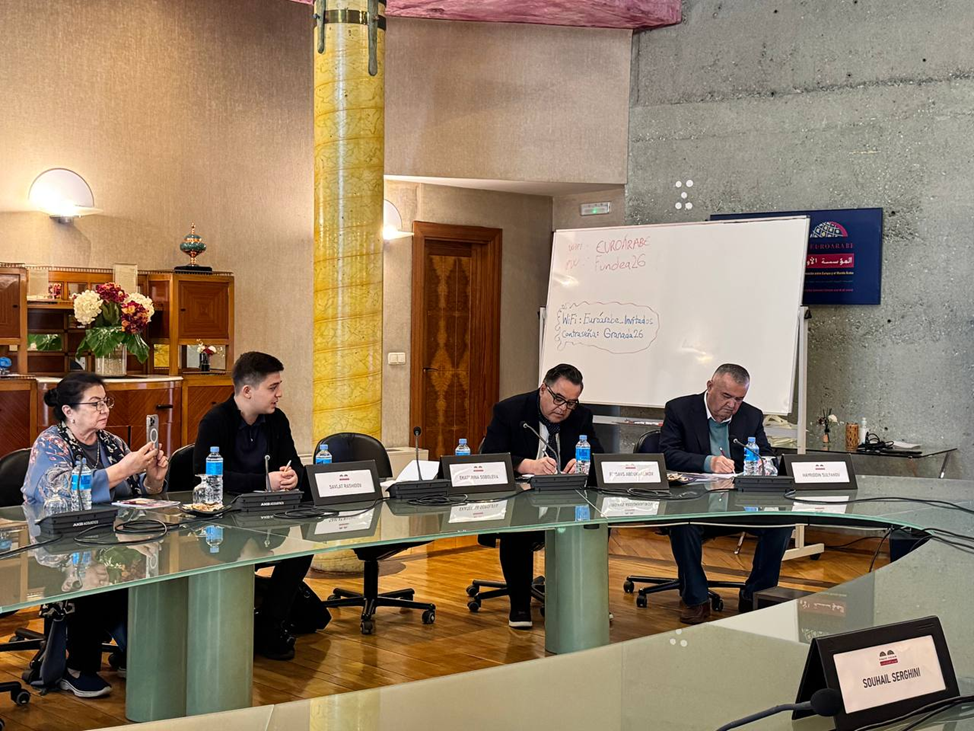 The Uzbek delegation included Khayriddin Sultonov, Advisor to the President of the Republic of Uzbekistan; Firdavs Abdukhalikov, Director of the Islamic Civilization Center in Uzbekistan and Chairman of the Board of the World Society for the Study, Preservation and Popularization of the Cultural Heritage of Uzbekistan (WOSCU); as well as WOSCU coordinators Katherine Soboleva and Savlat Rashidov.
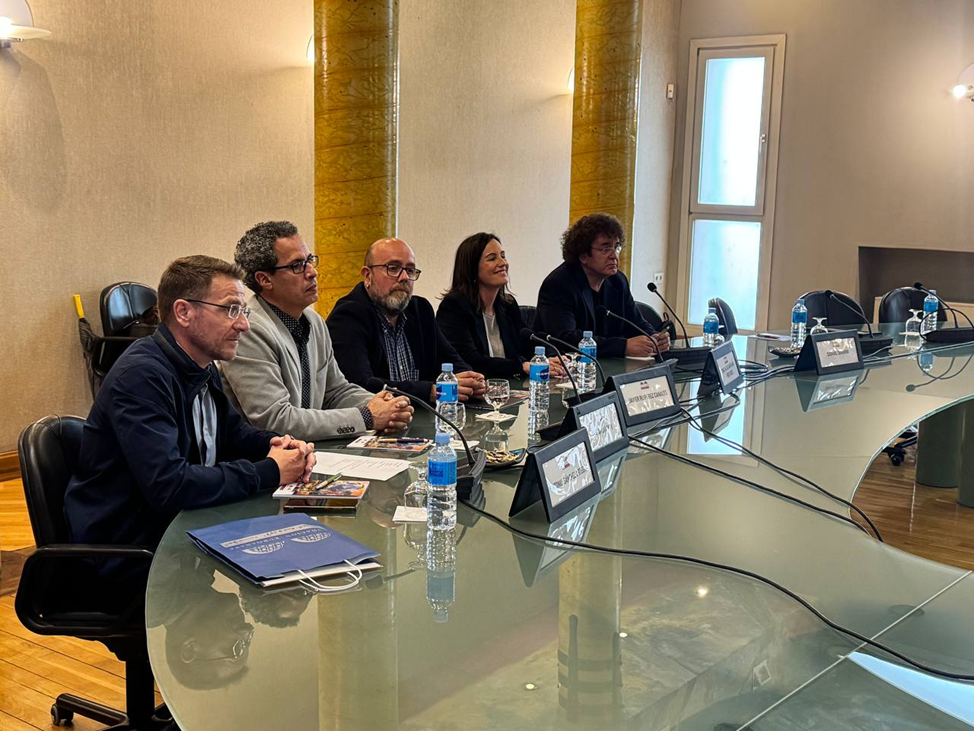 From the Spanish side, the meeting was attended by Antonio Sánchez Ortega, Executive Secretary of the Euro-Arab Foundation for Higher Studies; Suheil Serdjini, Coordinator of Cultural Programs of Andalusian libraries; and representatives of the Foundation — Concha de Santa Ana Fernández, Javier Rupérez Canales, and Hassan Laagir.
The Foundation serves to implement large-scale initiatives in the fields of science, education, and culture, promote humanitarian knowledge, develop research platforms, and create opportunities for constructive dialogue and exchange of ideas. Educational programs hold a special place in its activities.
In particular, the Euro-Arab Foundation for Higher Studies trains specialists through master’s and doctoral programs, as well as organizes international congresses, seminars, and practical sessions for youth and students, contributing to the development of intercultural competence and the formation of humanistic values.
The Uzbek side emphasized the importance of this experience in working with youth and preventing destructive ideologies.
Advisor to the President of the Republic of Uzbekistan Khayriddin Sultonov stated:
“The President of the Republic of Uzbekistan pays special attention to youth education, the formation of a stable worldview, and the prevention of radicalization. In the context of current global challenges, education, enlightenment, and cultural dialogue are becoming key tools for protecting the younger generation from harmful influences. Therefore, we are interested in studying and implementing the advanced international experience accumulated by the Euro-Arab Foundation, and we are ready for cooperation in training young specialists and implementing educational programs. At the same time, we propose to consider the possibility of opening a representative office of the Foundation at the Islamic Civilization Center in Uzbekistan.”
During the negotiations, the Uzbek side presented the main directions of reforms in New Uzbekistan aimed at developing science, education, and intercultural dialogue. Special attention was given to the activities of the Islamic Civilization Center.
It was noted that the Foundation’s activities, including its educational programs and research in human rights, cultural diversity, and the prevention of radicalization, largely align with the objectives of the Islamic Civilization Center in Uzbekistan.
Firdavs Abdukhalikov, Director of the Islamic Civilization Center in Uzbekistan, stated:
“In 2017, speaking from the UN rostrum, the President of the Republic of Uzbekistan emphasized that Islam is a religion of goodness, peace, and tolerance. Today, this idea is consistently implemented in the activities of our Center. The similarity of our goals opens up broad opportunities for joint cooperation.”
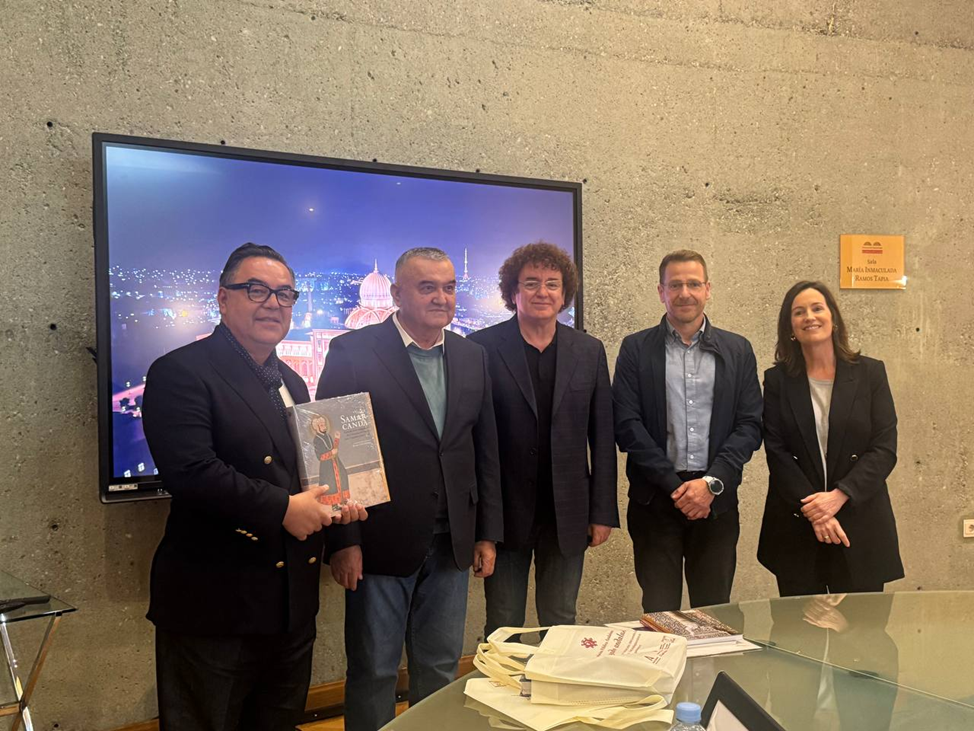 At the end of the meeting, the parties reached an agreement to develop cooperation with Andalusian libraries and scientific institutions, including the implementation of joint projects on the study of manuscripts and historical sources related to the journey of Ruy González de Clavijo to the East.
Suheil Serdjini stated:
“It is a great honor for us to develop cooperation with the Republic of Uzbekistan. We are ready to deepen research activities in collaboration with the library of the Islamic Civilization Center and to study our shared historical and cultural heritage.”
The parties expressed their readiness to further develop partnerships aimed at strengthening dialogue between civilizations and expanding cooperation in the fields of science and education.