



Audio technologies are transforming the museum experience
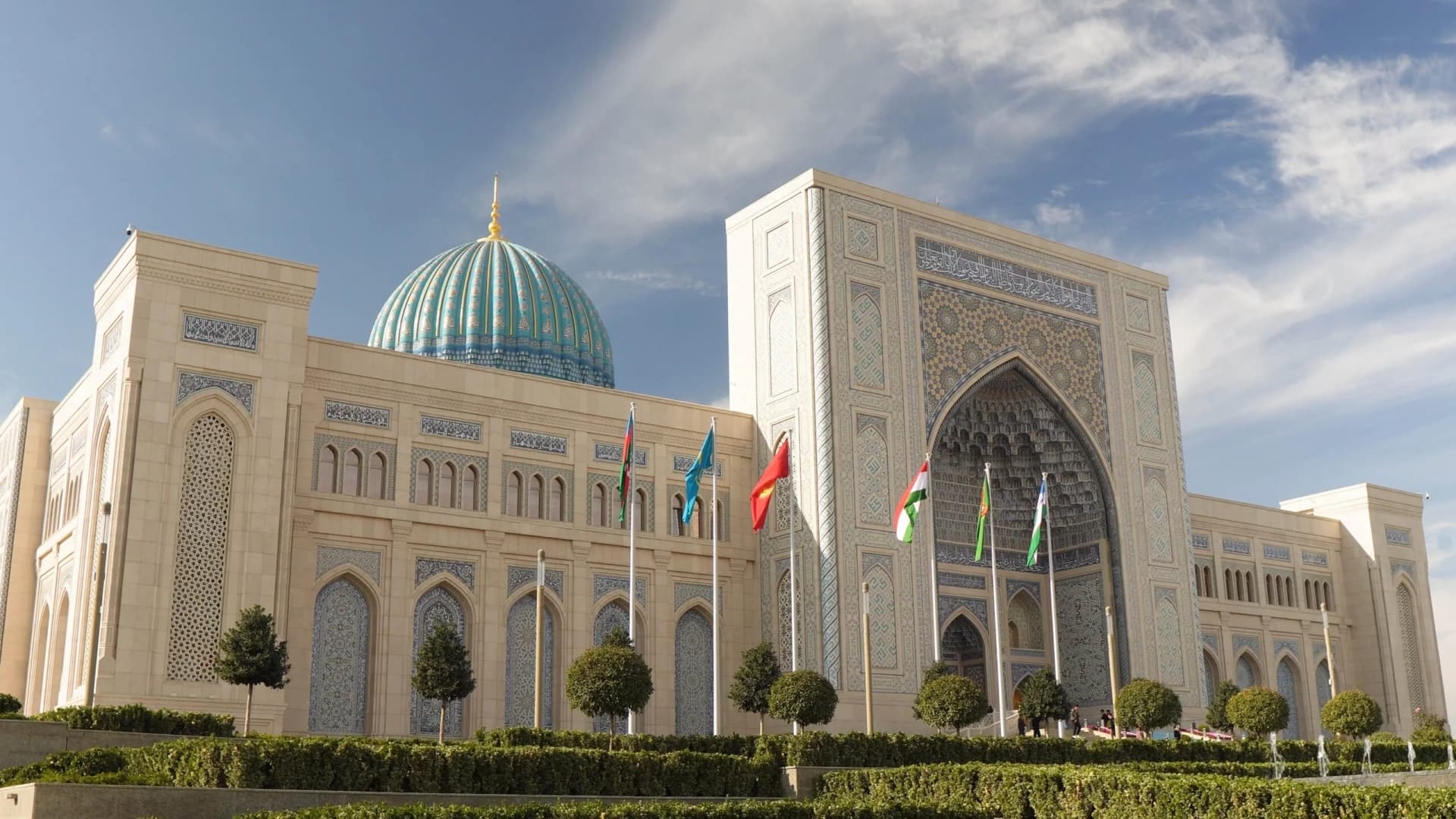
Special attention is given at the Center to presenting exhibitions in a modern, interactive, and engaging manner. The conditions created here allow visitors not only to see historical heritage but also to deeply understand and feel it.
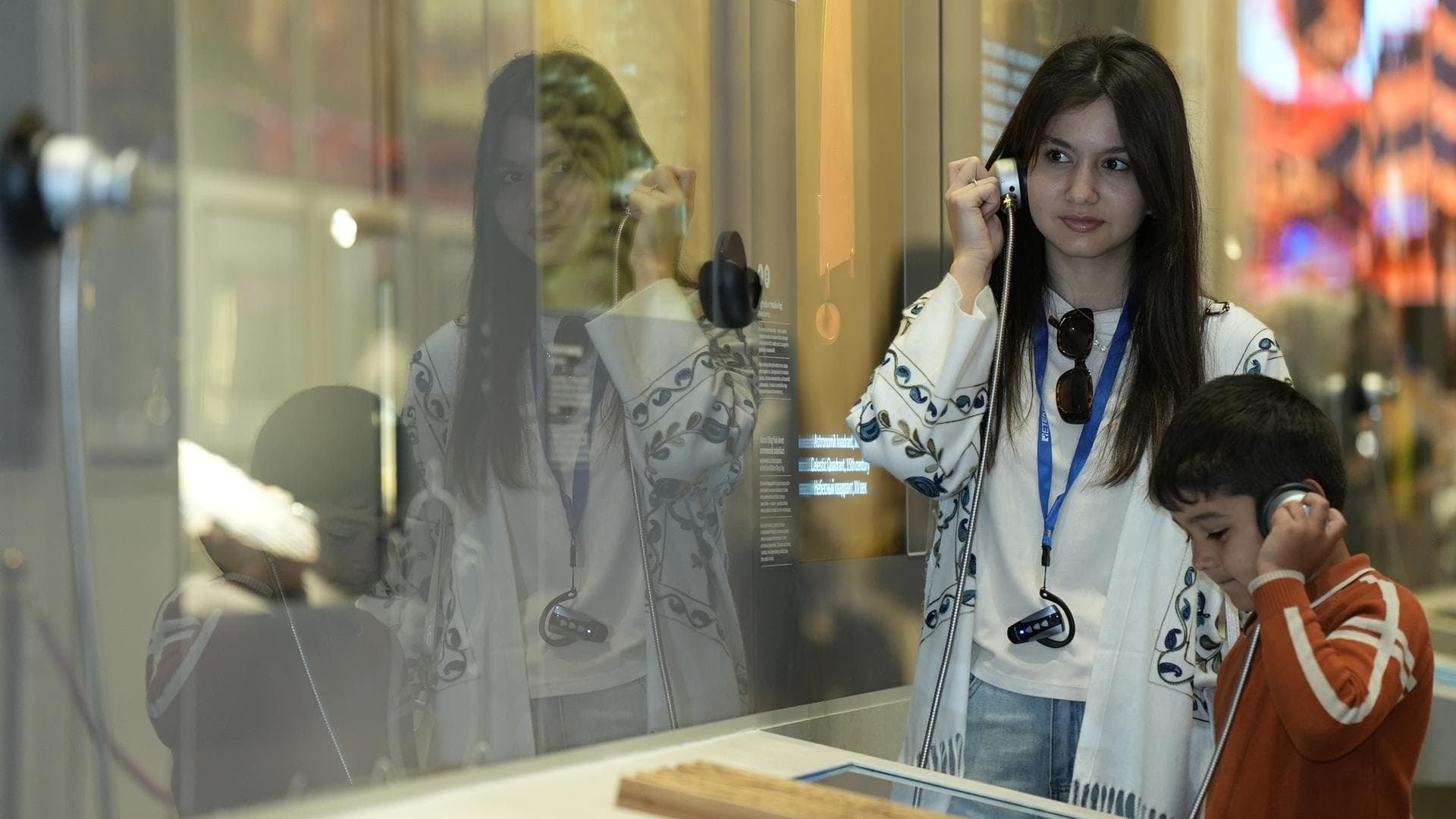
One of the largest and most content-rich exhibitions of the Center — the “Wall of Civilizations and Discoveries” — features individual audio technologies that play a significant role in enhancing the experience. Through this system, visitors can independently listen to various video content without disturbing others. This ensures a quiet, calm, and intellectually engaging environment throughout the exhibition space.
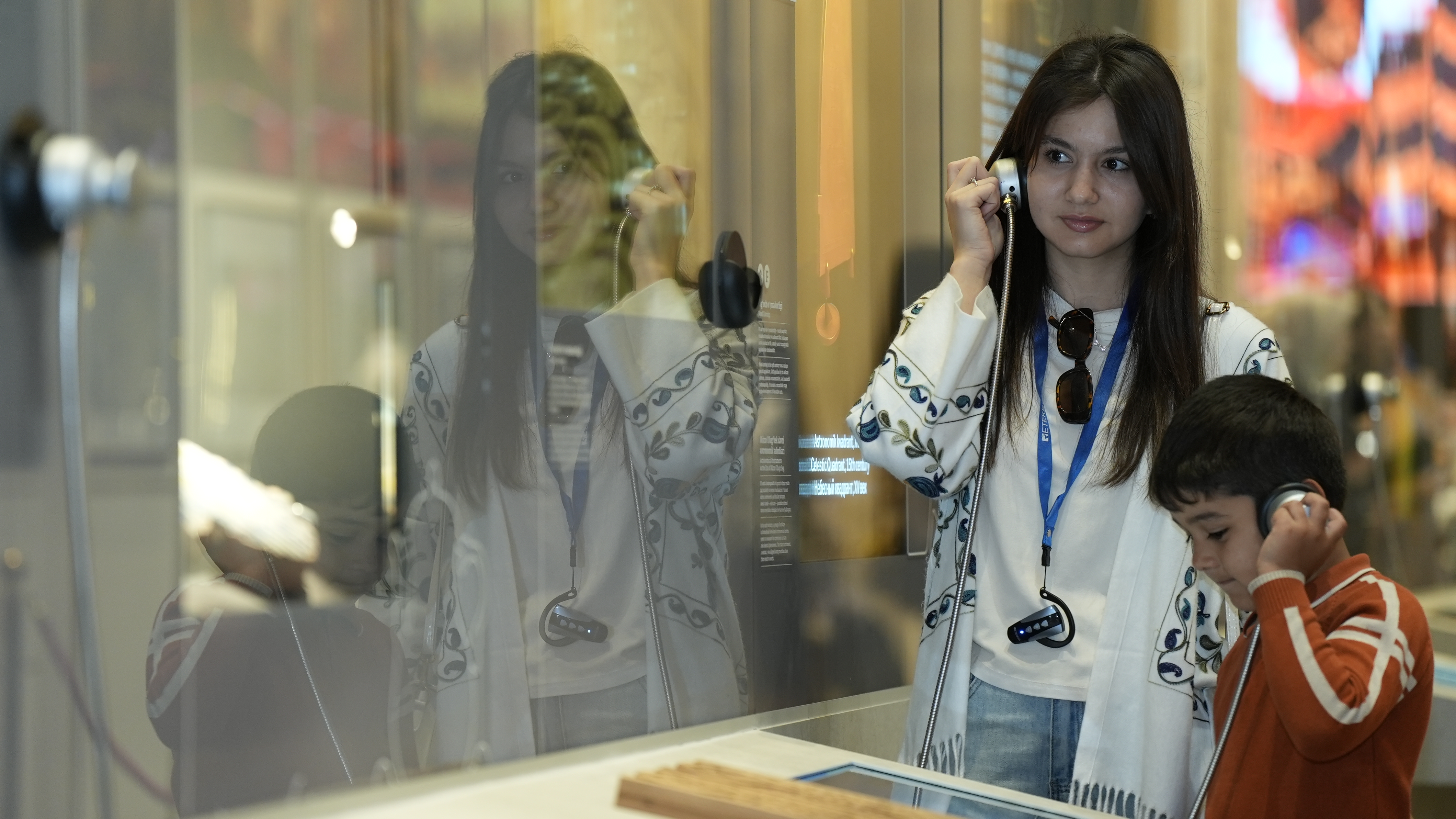 The exhibition covers the pre-Islamic period, as well as the First and Second Renaissance stages, with videos in each section delivered through individual audio devices. In particular, 11 listening devices are installed in the First Renaissance section and 7 in the Second Renaissance section. This allows each visitor to choose content based on their interest and immerse themselves more deeply in its meaning.
The videos within the exhibition are rich in content, vividly presenting the scientific and cultural heritage of Central Asia and the Timurid period. For example, the role of Muhammad al-Khwarizmi in the development of science, his foundational contributions to algebra and algorithms, and his work at the Bayt al-Hikma are explained in a concise and accessible format.
The achievements of Ahmad al-Farghani in astronomy and geography, including his determination of the Earth’s radius and his contributions to improving the nilometer, are also highlighted. In addition, the great contributions of Imam al-Bukhari and Imam al-Tirmidhi to the science of hadith and the development of Islamic scholarship are featured in the videos.
The exhibition also includes information on the scientific legacy of encyclopedic scholars such as Abu Nasr al-Farabi, Abu Rayhan al-Biruni, and Ibn Sina, as well as the bravery of Jalal al-Din Manguberdi, the activities of the Khwarazm Ma’mun Academy, and medieval architecture.
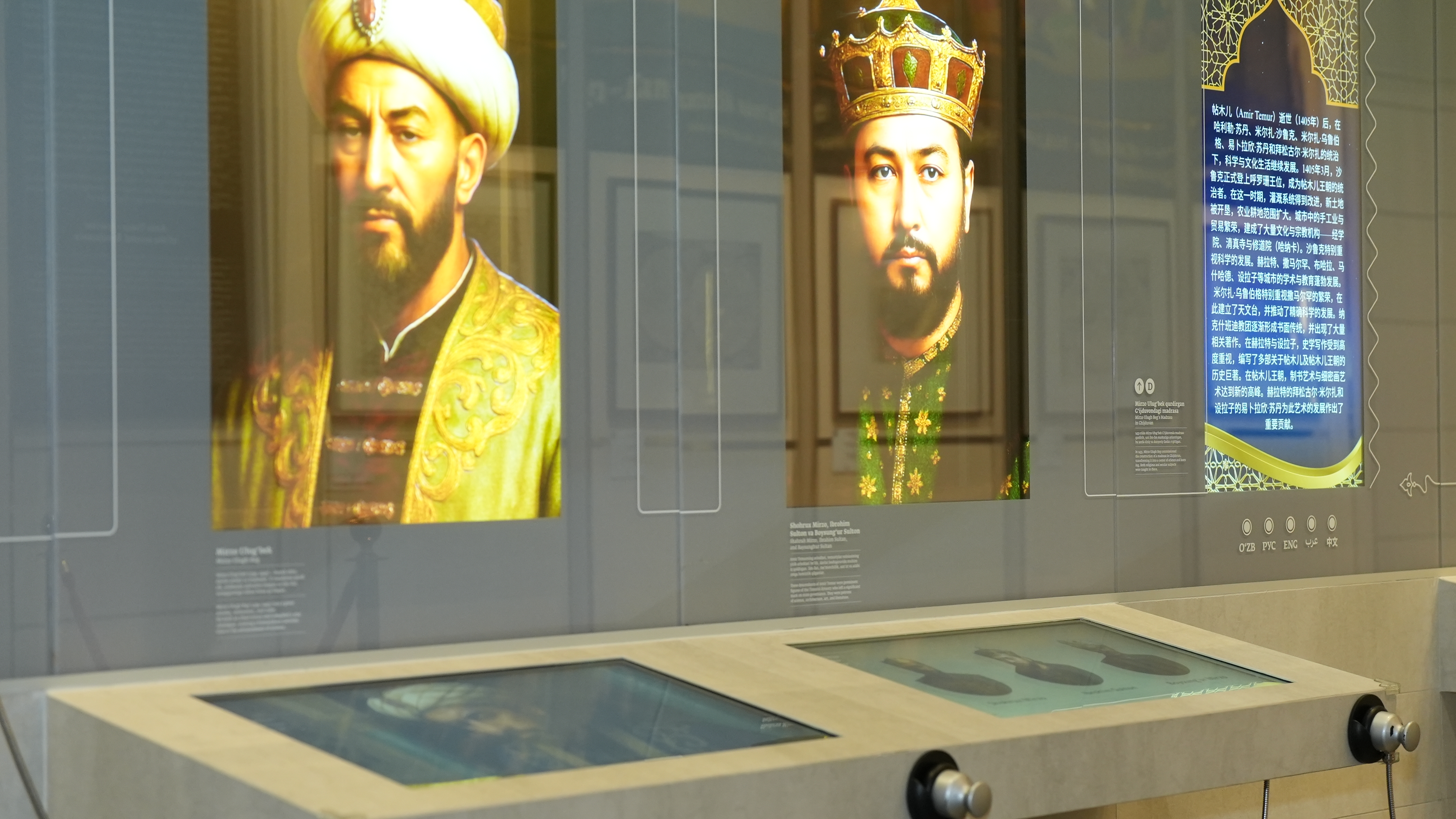 The segments dedicated to the Timurid era highlight the construction of the Bibi-Khanym Mosque, as well as the contributions of Shahrukh Mirza, Ibrahim Sultan, and Baysunghur Mirza to governance and cultural development. The scientific work of Mirzo Ulugbek, his observatory, star catalog, and the global significance of the Ulugbek Academy in Samarkand are also presented in a concise and meaningful way.
Additionally, the construction of the Ulugbek Madrasa, wood carving traditions of the Timurid period, and the art of miniature painting are showcased. Miniatures based on the works of Ferdowsi, Nizami, Dehlavi, Jami, and Alisher Navoi vividly reflect the artistic and spiritual atmosphere of that era.
The arrangement of screens in both vertical and horizontal formats, combined with individually integrated audio points, creates a unified visual and auditory experience. Even when multiple videos are displayed simultaneously, the audio streams do not interfere with one another.
Furthermore, in the section titled “New Uzbekistan — The Foundation of a New Renaissance,” audio features are also implemented. Here, visitors can listen to the sounds of national musical instruments, allowing them to experience cultural heritage more deeply.
Obid Tangirov, Senior Researcher at the Islamic Civilization Center in Uzbekistan under the Cabinet of Ministers of the Republic of Uzbekistan, comments:
The headphones were installed to provide convenience for visitors. If all screens produced sound simultaneously, it would lead to overlapping audio streams. This system ensures that each video can be listened to separately and with high quality. Initially, we tested this technology using a holographic representation of the sound of an ancient flute with a 3,300-year history. After achieving positive results, it was decided to implement it in other exhibitions as well.
According to experts, such innovative solutions bring exhibitions to life and enable visitors to better understand historical processes.
In the future, the Center will continue to enhance audio-visual technologies, develop new interactive content, and create an even more comfortable environment for visitors.
Guzal Beknazarova
P/S: The article may be republished on the Center’s official website with a link to the source