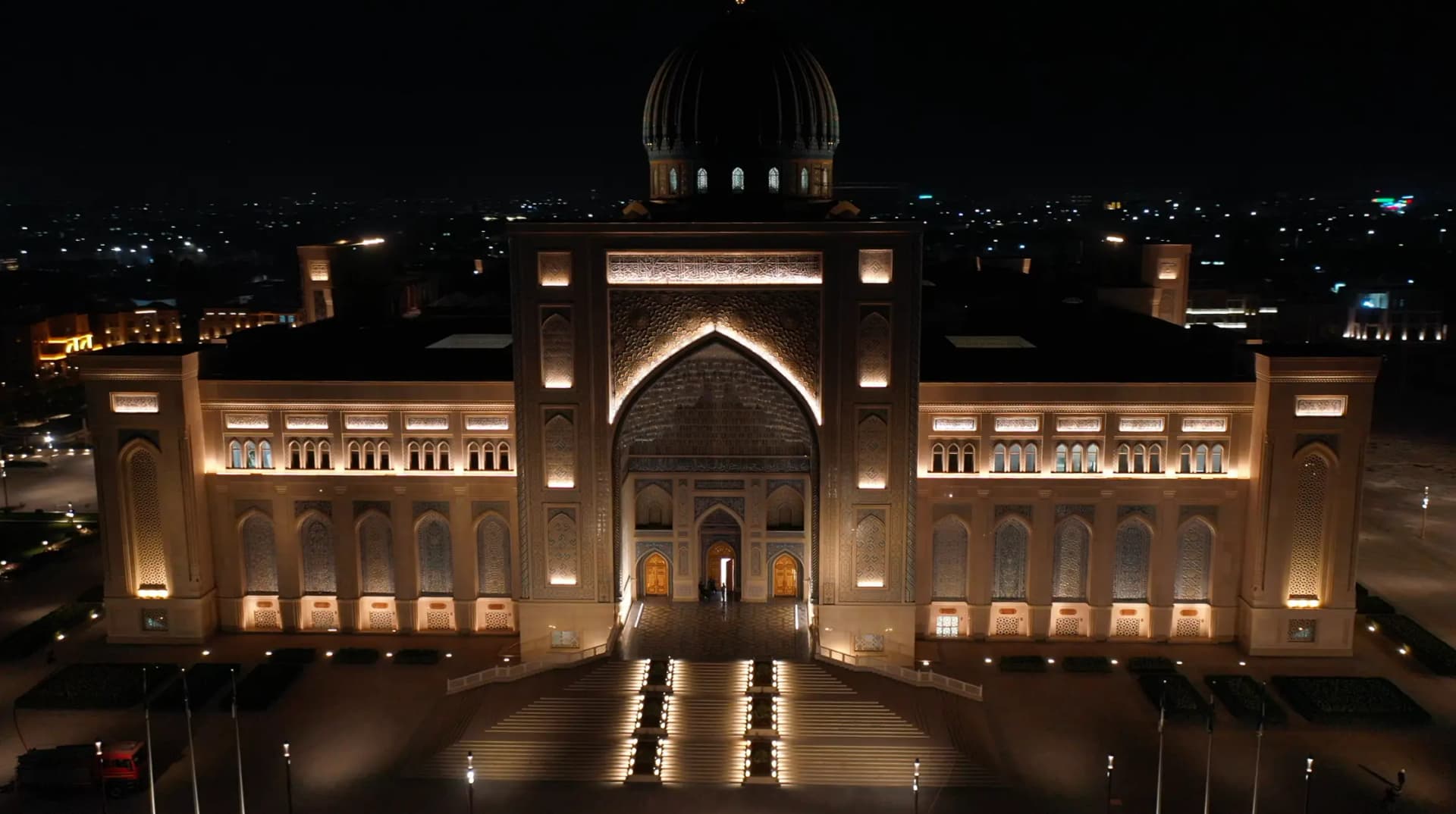
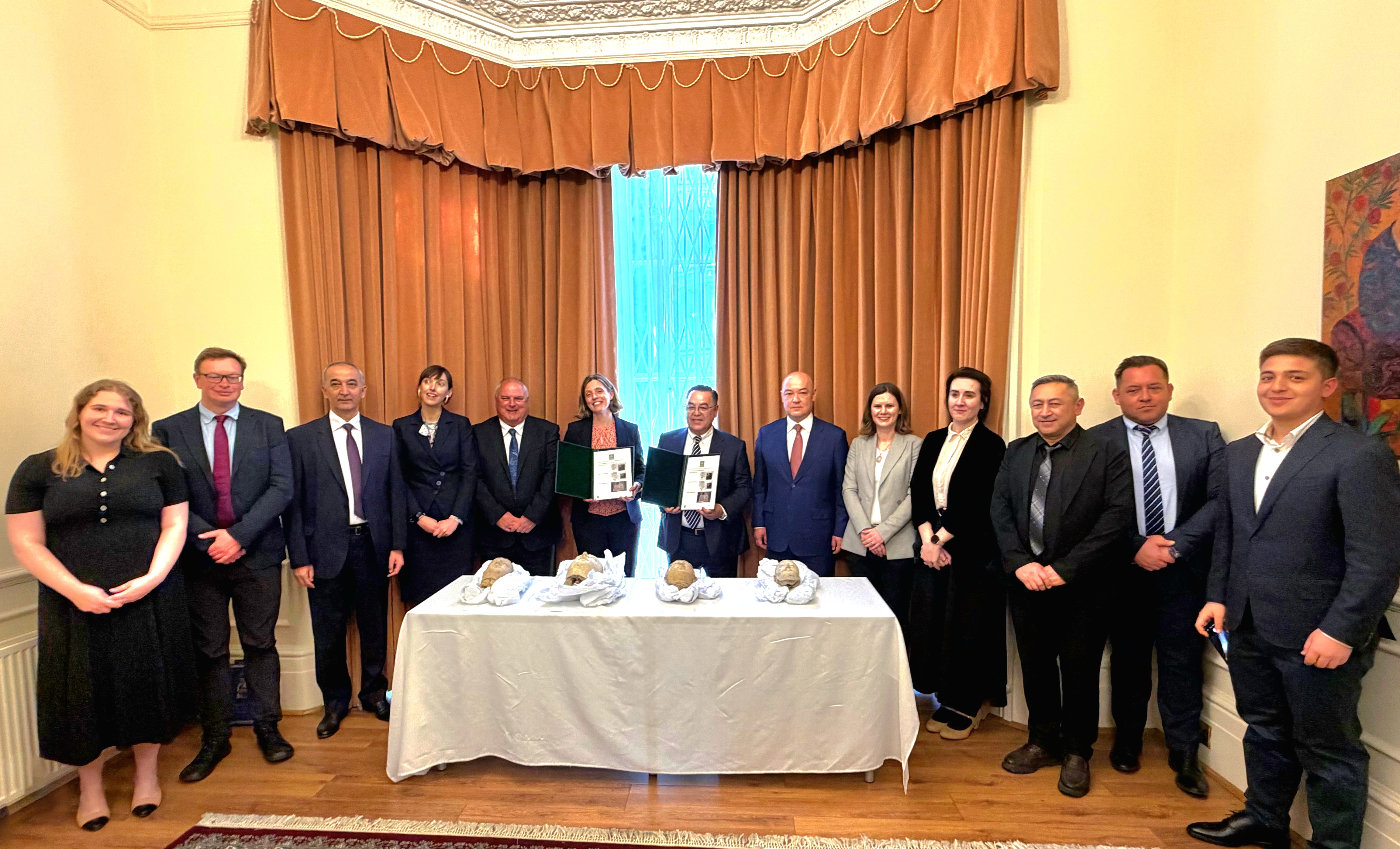
 The Islamic Civilization Center in Uzbekistan, the World Society for the Study, Preservation and Popularization of the Cultural Heritage of Uzbekistan (WOSCU), the Organization for Security and Co-operation in Europe (OSCE), the international specialized company Art Loss Register, which searches for stolen, missing, and illegally exported works of art, antiques, and cultural valuables, the Metropolitan Police Service, relevant British authorities, and international experts are working in cooperation to return rare and unique masterpieces of global significance to Uzbekistan.
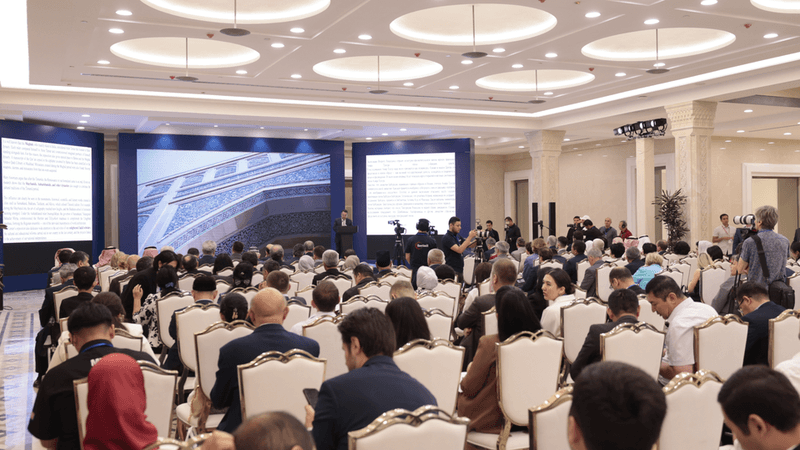
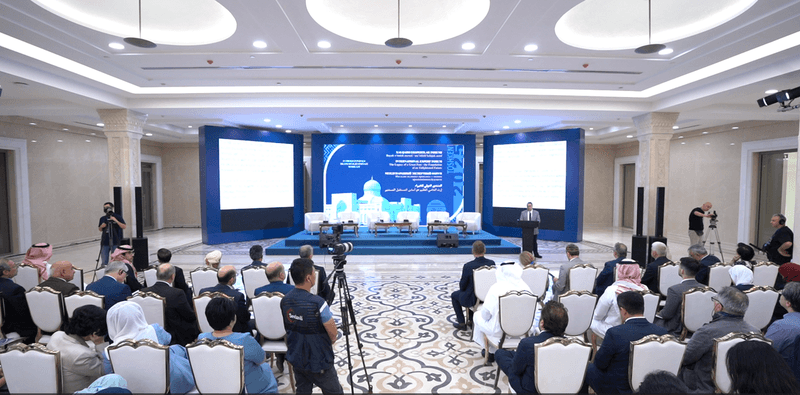
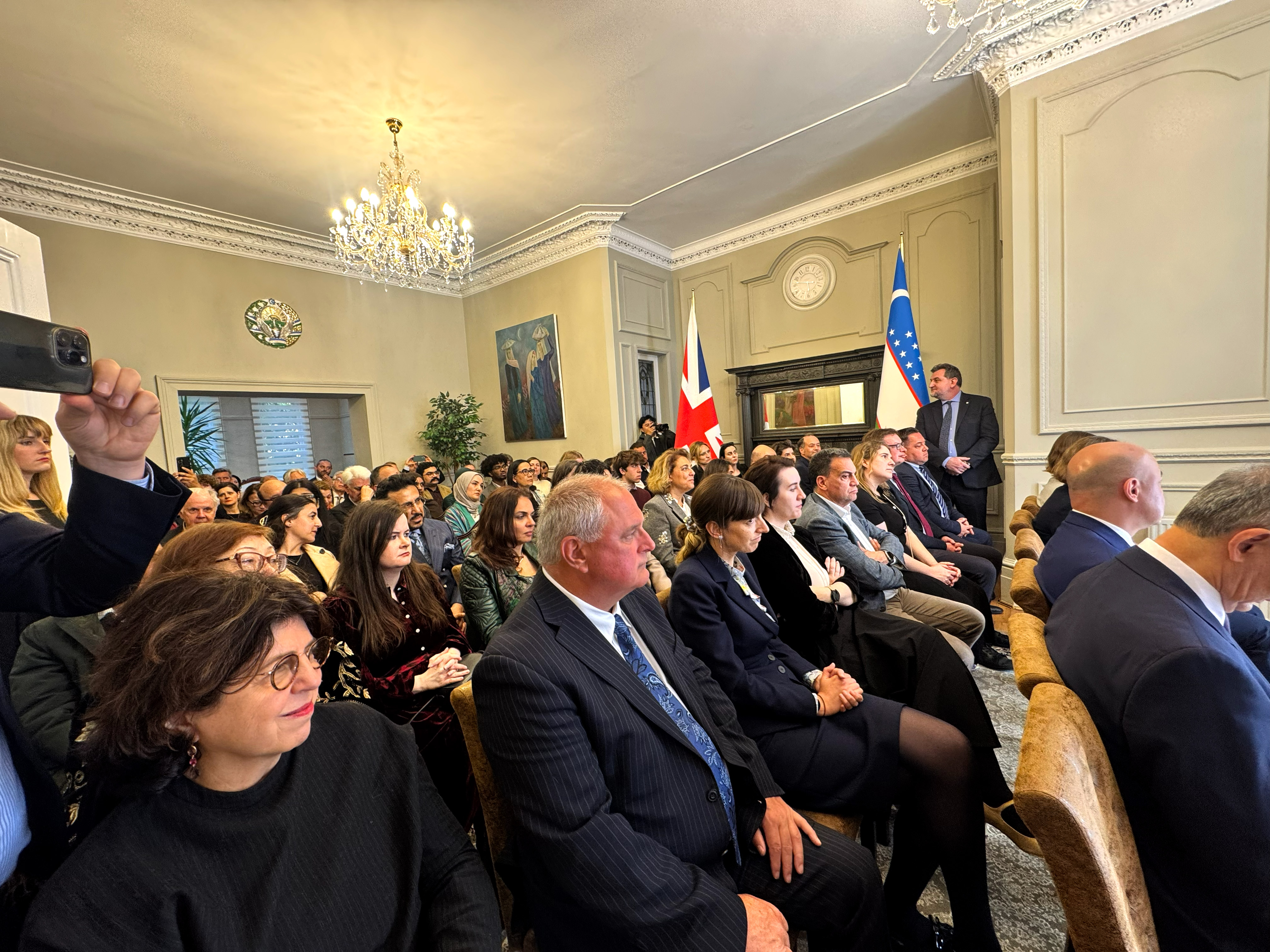
In London, at the Embassy of the Republic of Uzbekistan, an international media event titled “The History and Cultural Heritage of the Great Timurids” was held to mark the 690th anniversary of the birth of the great statesman and commander Amir Temur. The event was attended by leading British and international historians, orientalists, members of the diplomatic corps, the academic community, cultural circles, and international organizations. Throughout the evening, special materials were presented on the personality of Amir Temur, his role in world history, the achievements of the Timurid era, as well as modern initiatives in Uzbekistan aimed at preserving historical heritage. A highlight of the event was the premiere screening of a new short film titled “The Golden Age of the Timurids,” created with the participation of world-renowned British actor Sir Ben Kingsley.
Another highlight was the presentation of a new publication prepared by WOSCU as part of the series “The Cultural Heritage of Uzbekistan in World Collections” — a book by Firuza Melville dedicated to the Central Asian manuscript heritage in the libraries of the University of Cambridge.
The most significant part of the event was the ceremony of returning cultural valuables to Uzbekistan, which attracted great interest among participants. Among the returned items are ten invaluable artifacts from different periods of Central Asian history. These include findings related to Kushan culture, ancient Termez, Buddhist artistic traditions, and Sogdian heritage. Some artifacts date back to the 2nd–8th centuries CE. Among the returned heritage is also a rare Timurid-era cenotaph associated with a royal figure.
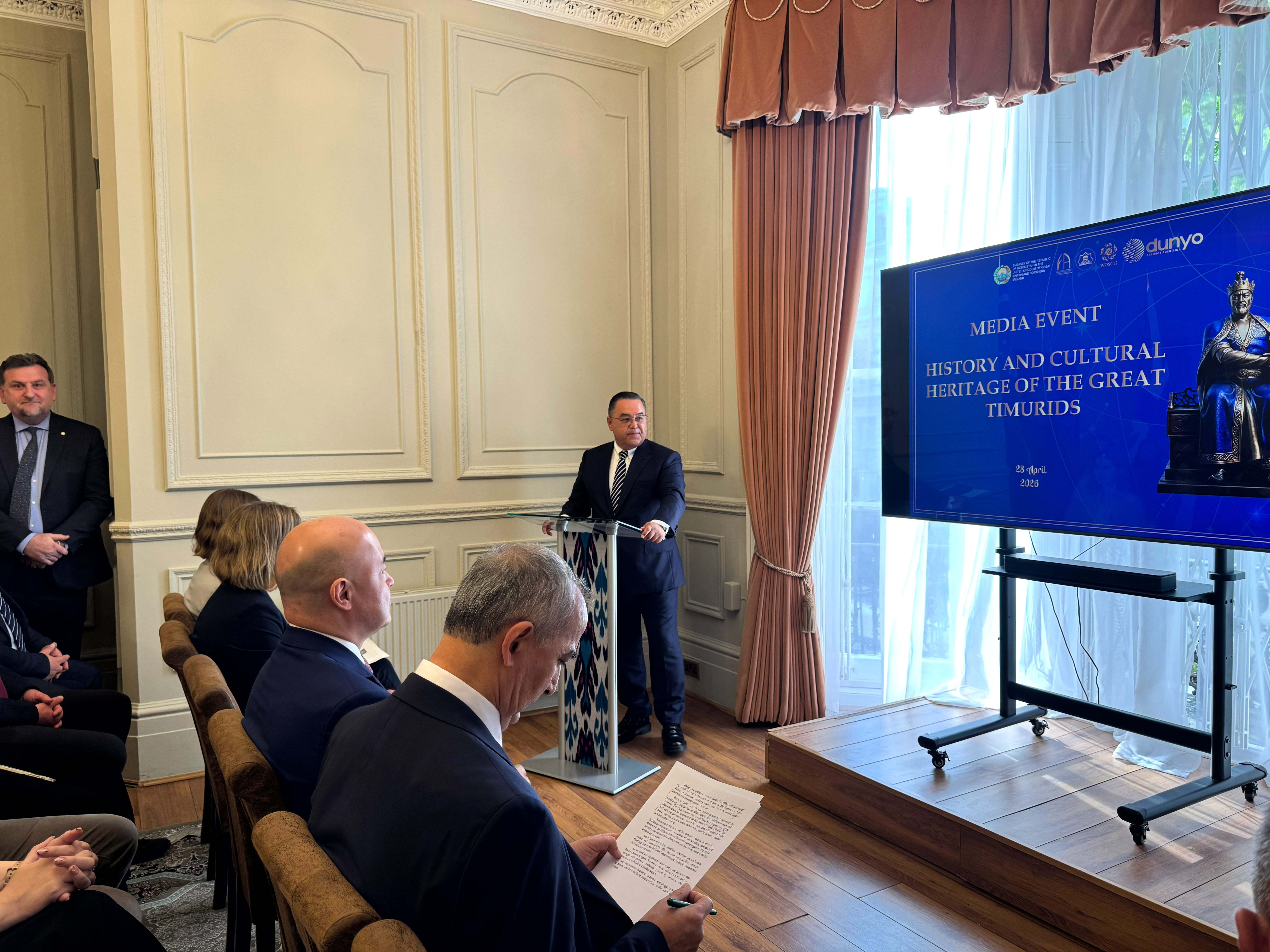
First of all, we express our deep gratitude to our esteemed President — the author of this large-scale initiative and strategically important idea — for consistently and effectively implementing a program of exceptional importance aimed at preserving our cultural heritage, locating it, and returning it to our homeland.
The return of historical artifacts was the result of extensive and complex international cooperation lasting several months. Dozens of specialists, experts, legal professionals, art historians, and law enforcement agencies from various countries were involved in the process. The work began after information was received suggesting that these items might have originated from the territory of Uzbekistan. Subsequently, an international working group was formed with the participation of foreign specialists, WOSCU members, art historians, and cultural heritage experts.
At the same time, we would like to express special gratitude to the Customs Committee of Uzbekistan for its active participation in this important and responsible process. In particular, the contribution of the OSCE, the Art Loss Register, the Metropolitan Police, relevant British state institutions, reputable international experts, and all partner organizations within the framework of international cooperation deserves high recognition.
This cooperation serves not only to restore our national cultural heritage but also to strengthen its global standing, — said Firdavs Abdukhalikov, Director of the Islamic Civilization Center in Uzbekistan and Chairman of the WOSCU Board.
WOSCU played a decisive role in the repatriation process. In recent years, it has become one of the most effective international mechanisms for searching, studying, and returning Uzbekistan’s cultural heritage from foreign collections.
For UK law enforcement agencies, returning cultural property to its rightful owner is one of the key tasks in combating illicit trafficking. We are proud to have had the opportunity today to hand over these cultural valuables to the people of Uzbekistan. We see the strong attention paid by President Shavkat Mirziyoyev to issues of culture, historical memory, and the return of national heritage. Such initiatives create important conditions and unite different countries toward a noble goal, — said Detective Superintendent Kerry Wood, Head of the Economic Crime Unit.
 According to experts, among the returned objects, special importance is attached to sculpture heads made of plaster and terracotta dating back to the 2nd–5th centuries CE. Such works are characteristic of Kushan culture and the Buddhist art centers of ancient Termez — Karatepa, Fayoztepa, and Dalverzintepa. Fragments of ancient wall paintings also arouse great interest. Some of them may be linked to Sogdian traditions of the 7th–8th centuries or even earlier monumental schools in southern Uzbekistan.
The returned items are of extremely high historical and scientific value. They belong to different periods of the territory of present-day Uzbekistan and reflect the civilizational processes that took place in Central Asia over centuries, — said Farhod Maqsudov, Director of the Institute of Anthropology of the Republic of Uzbekistan.
After being brought to Tashkent, these items will undergo additional attribution, restoration examination, and scientific description. This will make it possible to introduce them into international academic circulation and present them to the wider public for the first time as a restored part of Uzbekistan’s historical memory.
As part of the ceremony, official documents were signed and certificates confirming the lawful transfer of the returned cultural valuables to the Islamic Civilization Center in Uzbekistan were exchanged. This event became an important symbol of international cooperation, the restoration of historical justice, and the return of invaluable relics to their homeland.
This event may mark the beginning of a new stage: following London, similar processes may also take place in other countries where items originating from Uzbekistan are held. Such examples demonstrate that international cooperation and a responsible approach to cultural heritage serve to restore historical justice, — said James Ratcliffe, Chairman of the Art Loss Register.
This event has become a significant symbol of international cooperation, trust, legal responsibility, and the restoration of historical justice.