


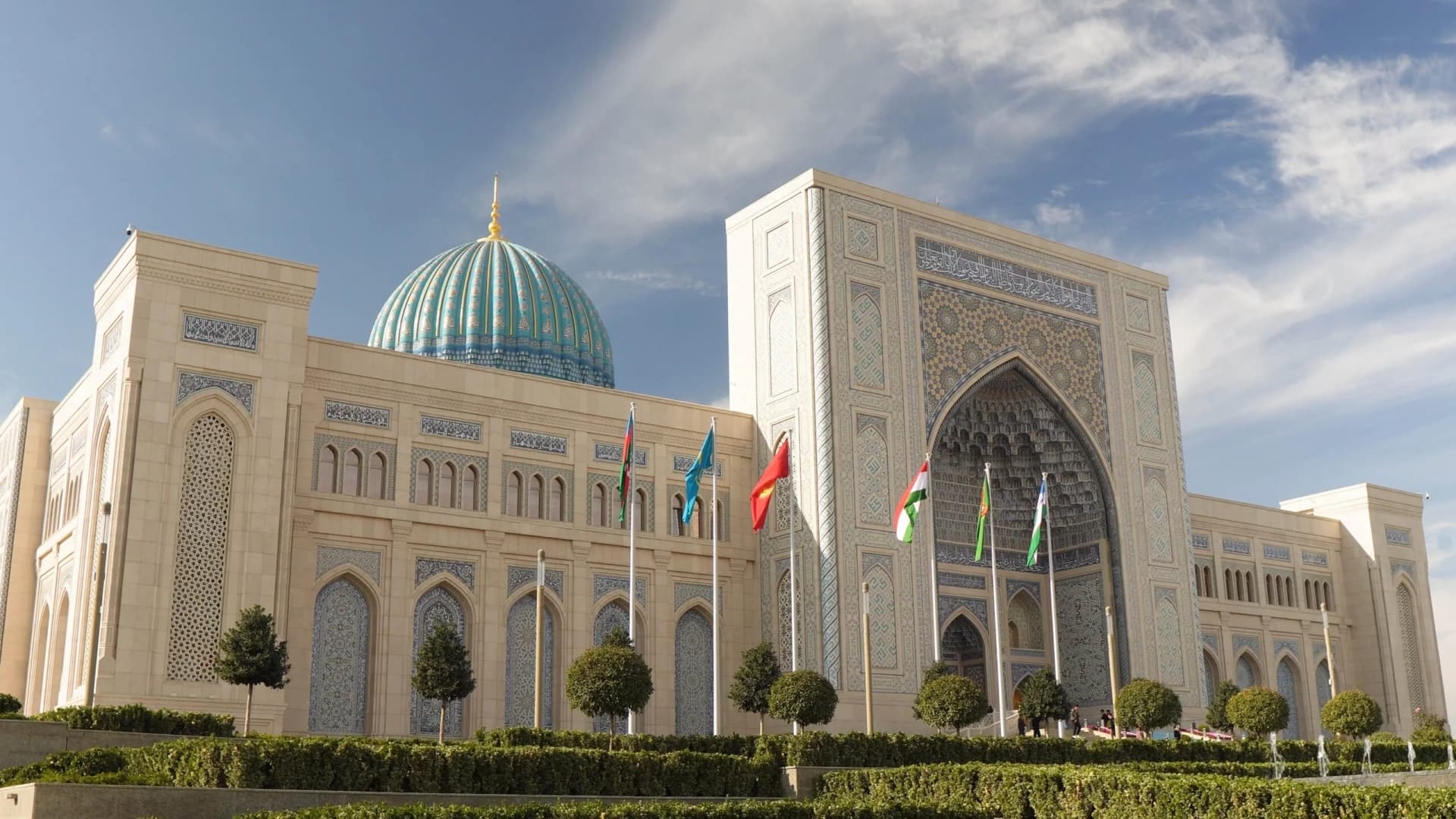

Inclusive library: How is the path to knowledge being opened?
“Every time I visit this place, new ideas come to mind. Here, history, enlightenment, and intellect are harmoniously combined…” says Hamidullo Lutfullayev, Head of Department at the Institute of Oriental Studies under the Academy of Sciences of Uzbekistan.
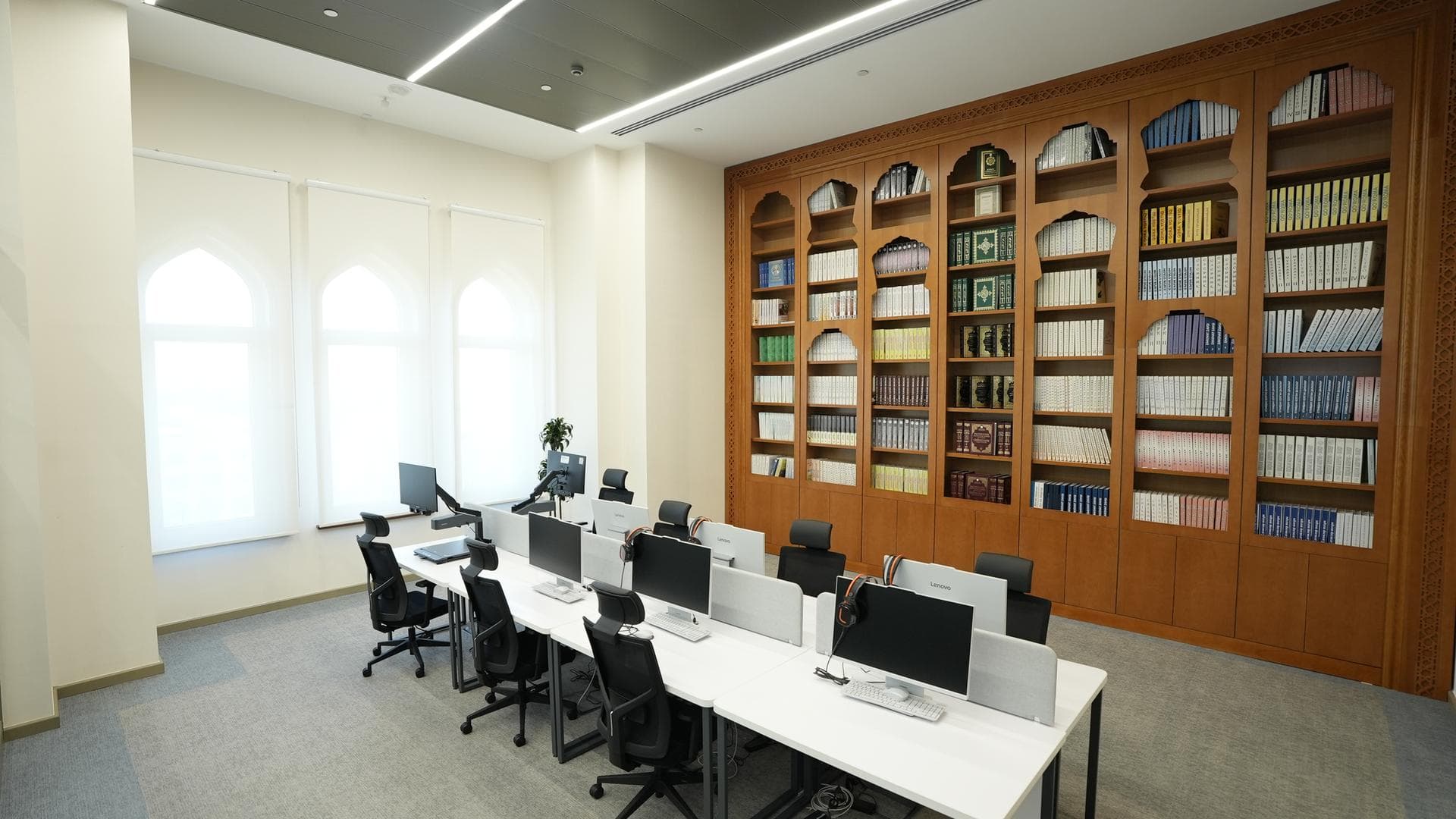
In particular, he emphasizes that the library established at the Islamic Civilization Center in Uzbekistan is far from the traditional concept. It is not merely a place where books are stored, but an environment that enriches a person spiritually.
This view is also supported by young researchers who have visited the Center’s library. They note that the modern technologies, rich resource base, and quiet atmosphere create highly favorable conditions for academic research.
 Abdulla Oxunov, a master’s student at the International Islamic Academy of Uzbekistan:
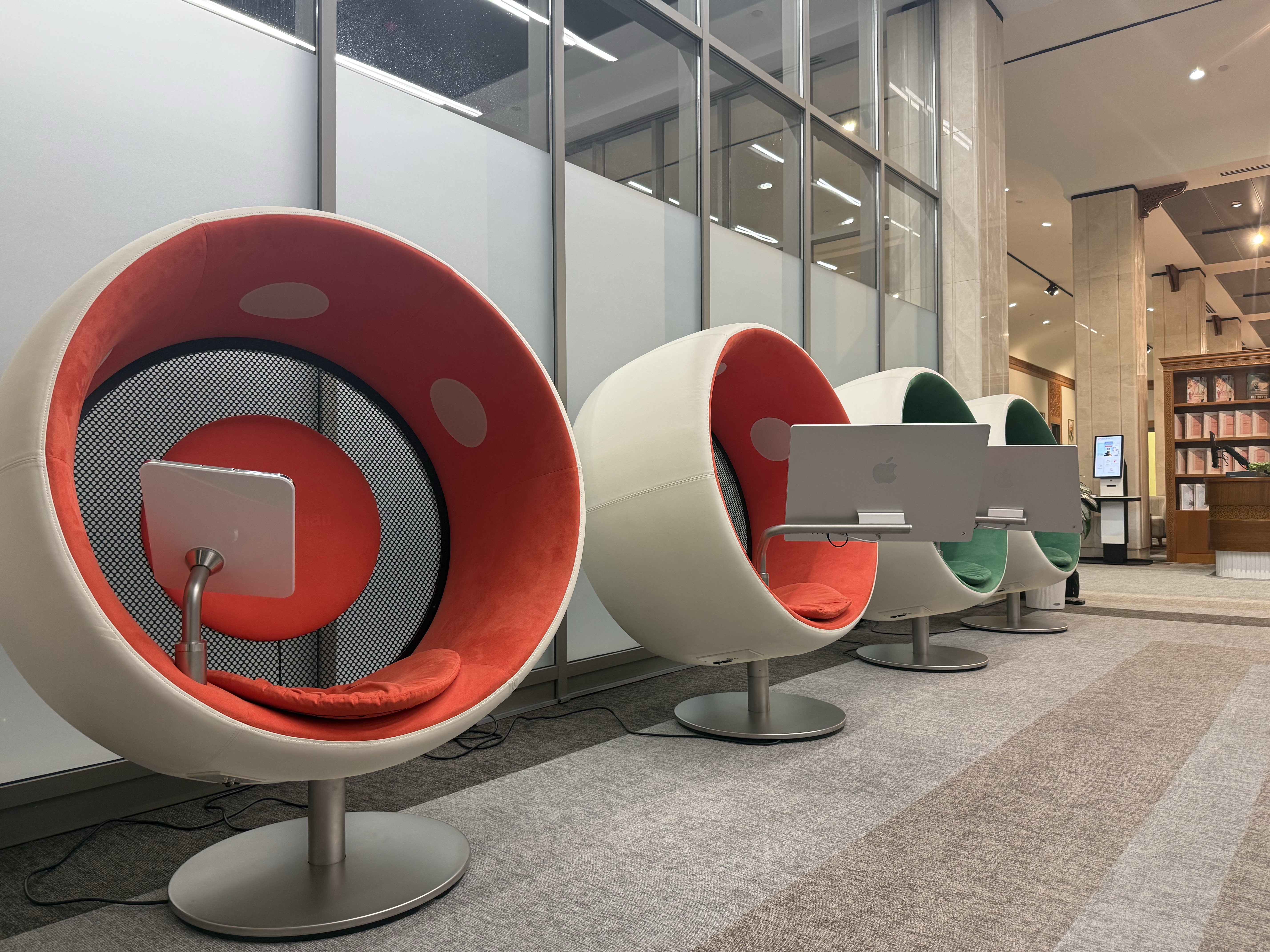
The academic environment created here, the wealth of books, and modern technologies provide great opportunities for young people engaged in scientific work. In particular, the ability to listen to audiobooks without disturbing others through “Sonic Chair” devices is very convenient. I realized that it is possible to effectively carry out master’s and doctoral-level research based on the resources available here.
 Muhammadyoqub Ahmadjonov, a master’s student at the International Islamic Academy of Uzbekistan:
The library of the Center, equipped with modern technologies and supplied with scientific literature brought from abroad, creates great opportunities for young researchers like us. Here, one can easily find and use the necessary resources. Therefore, this place serves as an important source of knowledge for young scholars.
Another key feature that distinguishes this library from others is its comprehensive inclusivity.
A separate room has been specially equipped for people with visual impairments. It is fitted with modern technologies and can serve up to eight users at the same time.
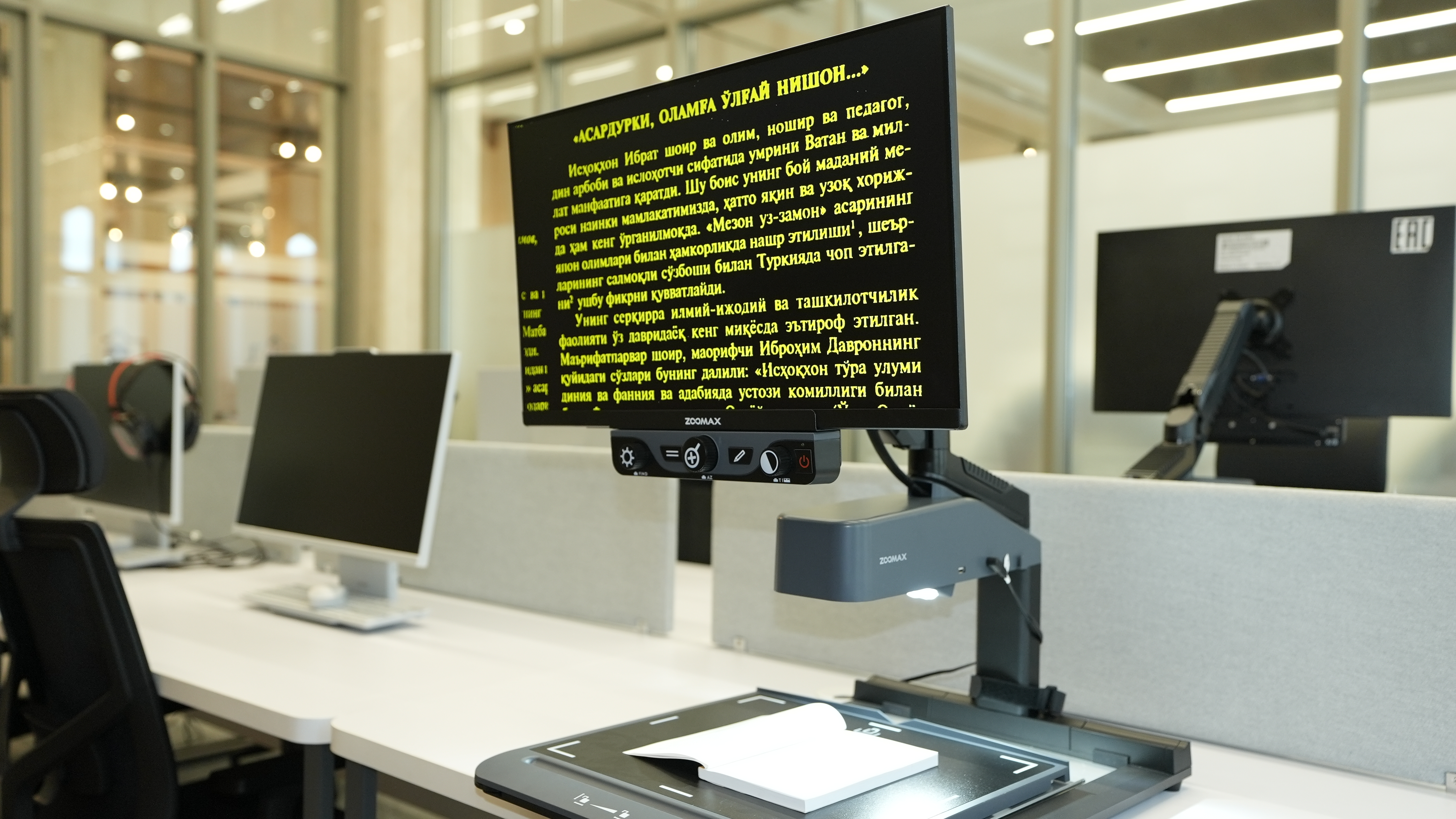 The video magnifier devices imported from China installed in the room enlarge texts several times, allowing them to be seen clearly. With a 24-inch screen, autofocus, and various contrast settings, reading books becomes much easier.
Through this technology, people with low vision can independently acquire knowledge.
In addition, the library provides Braille displays that enable users to read digital texts in Braille. This means users can fully work with scientific materials via computer.
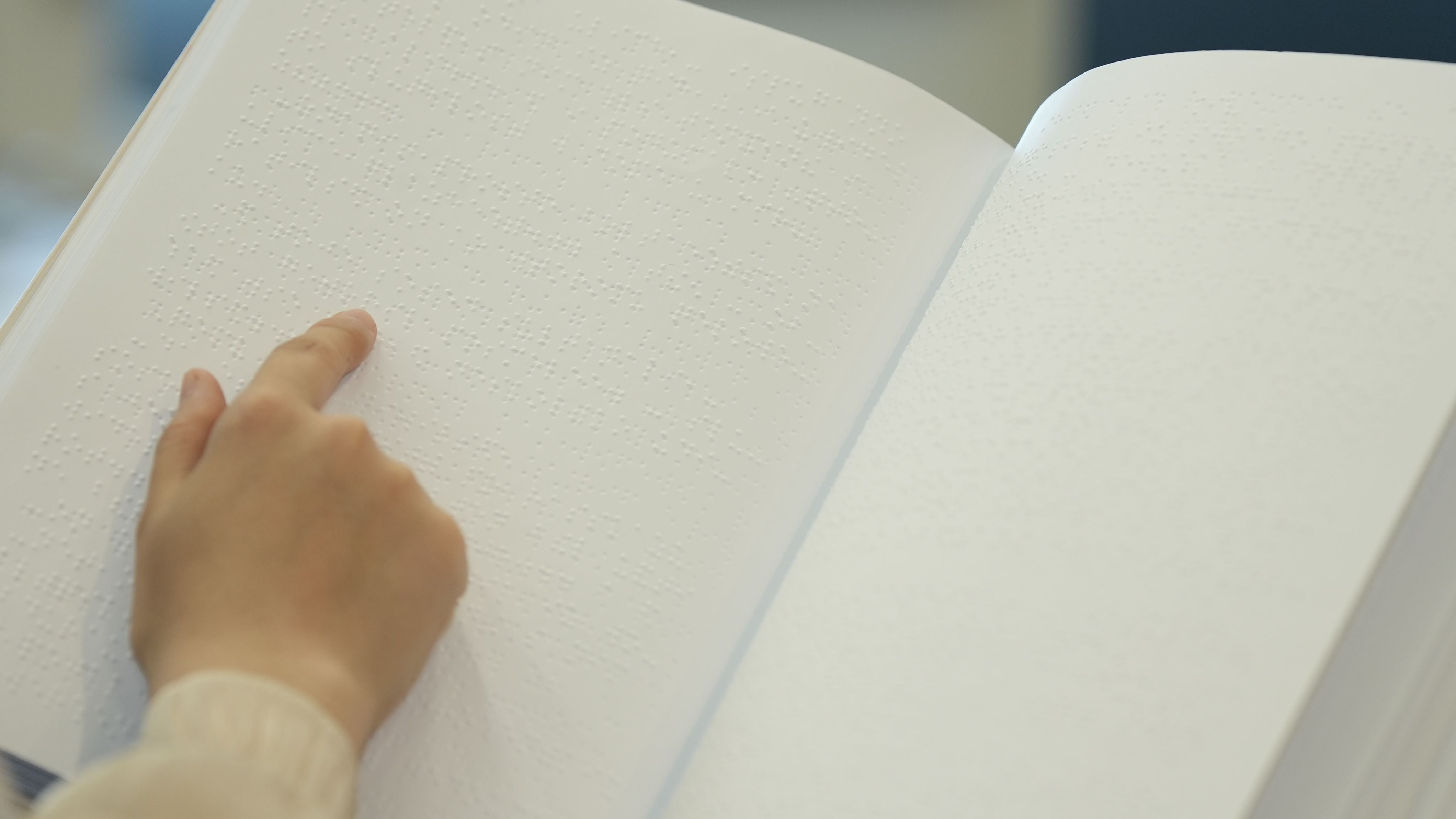
The special collection within the library contains nearly one thousand books in Braille.
Ravshan Qodirov, Head of the Library and Archival Documents Department at the Center, states:
Our main goal is to create equal opportunities for everyone. A library should not only be a place where books are stored, but an open space of knowledge for all.
According to him, there are plans to expand the audiobook database and further develop digital capabilities in the future.
Today, this library is not only a scientific center. It is becoming a space where human dignity, equality, and innovation come together.
The most important thing here is opportunity. And these opportunities are equal for everyone.
That is why anyone who visits this library benefits not only from books, but also from new opportunities.