



A UN representative in awe: “This museum presents humanity in a different light”
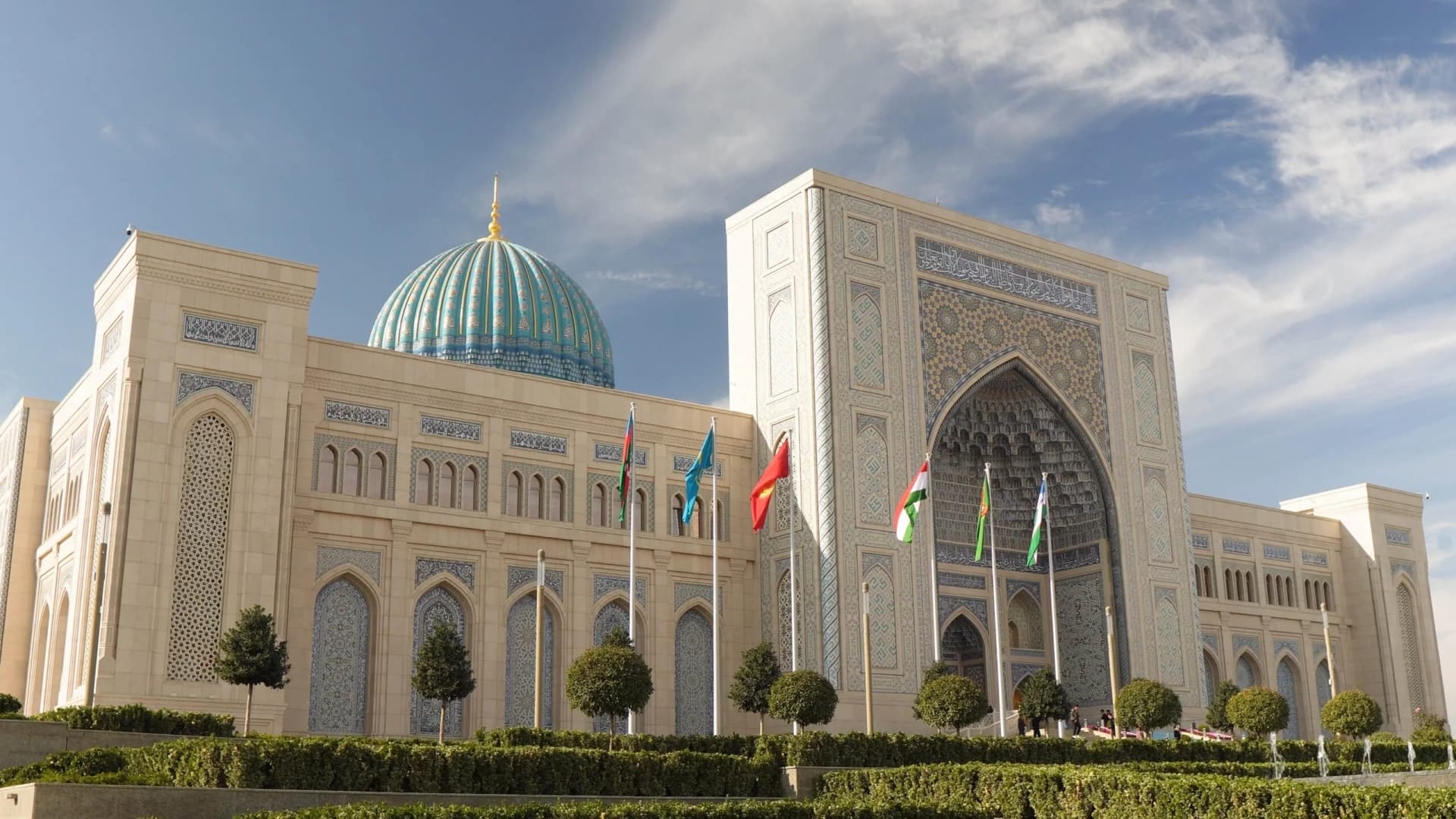
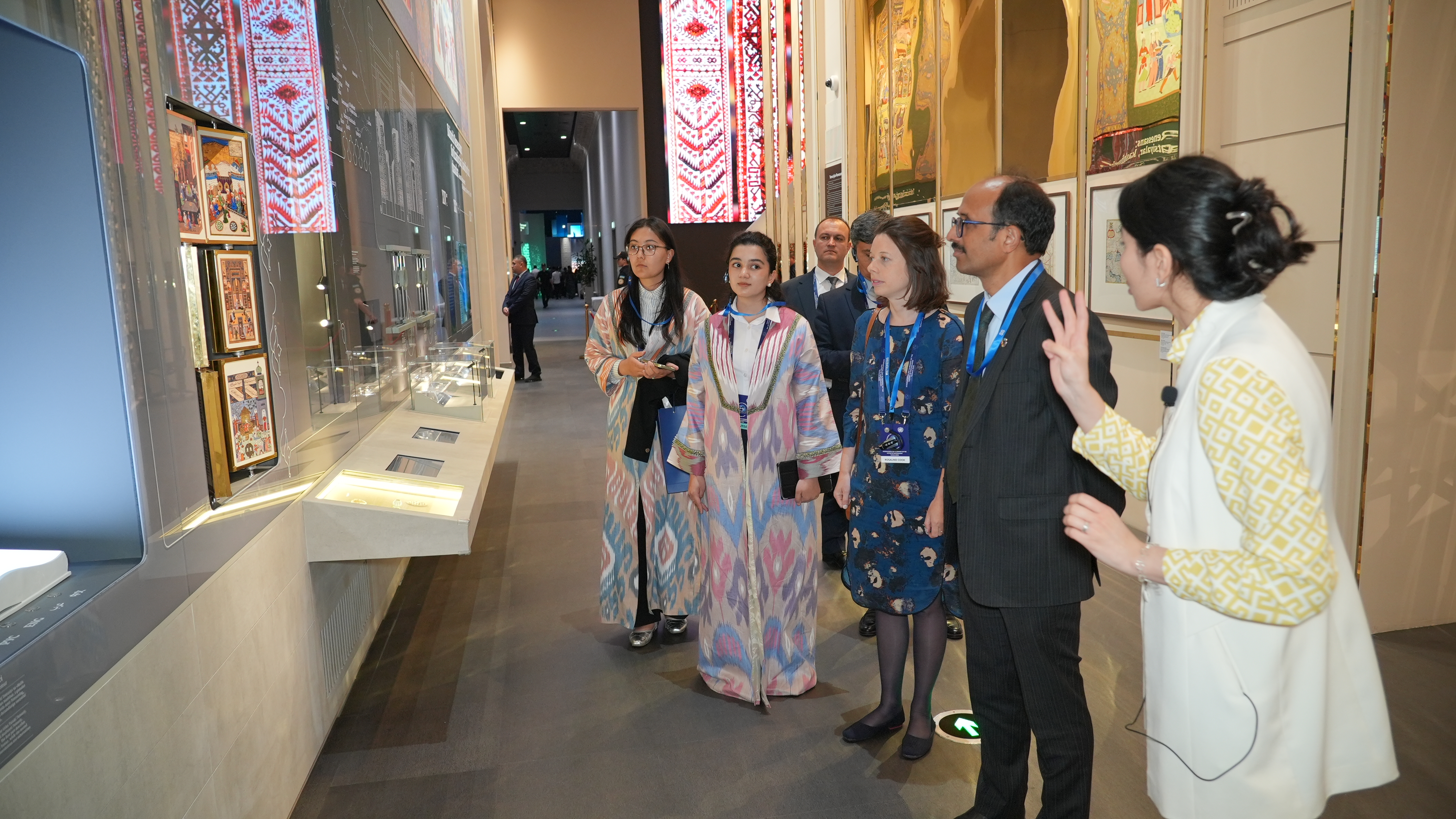 For anyone who enters the Islamic Civilization Center in Uzbekistan, the very notion of time seems to lose its meaning. This impression was clearly evident during the visit of the delegation led by Kamal Kishore, Special Representative of the UN Secretary-General for Disaster Risk Reduction.
Members of the delegation thoroughly explored all exhibition halls of the Center and, through the explanations provided by guides, gained deep insight into historical sources and exhibits. During the visit, the guests particularly noted that the rich cultural and scientific heritage spanning different eras is presented in a systematic and modern manner.
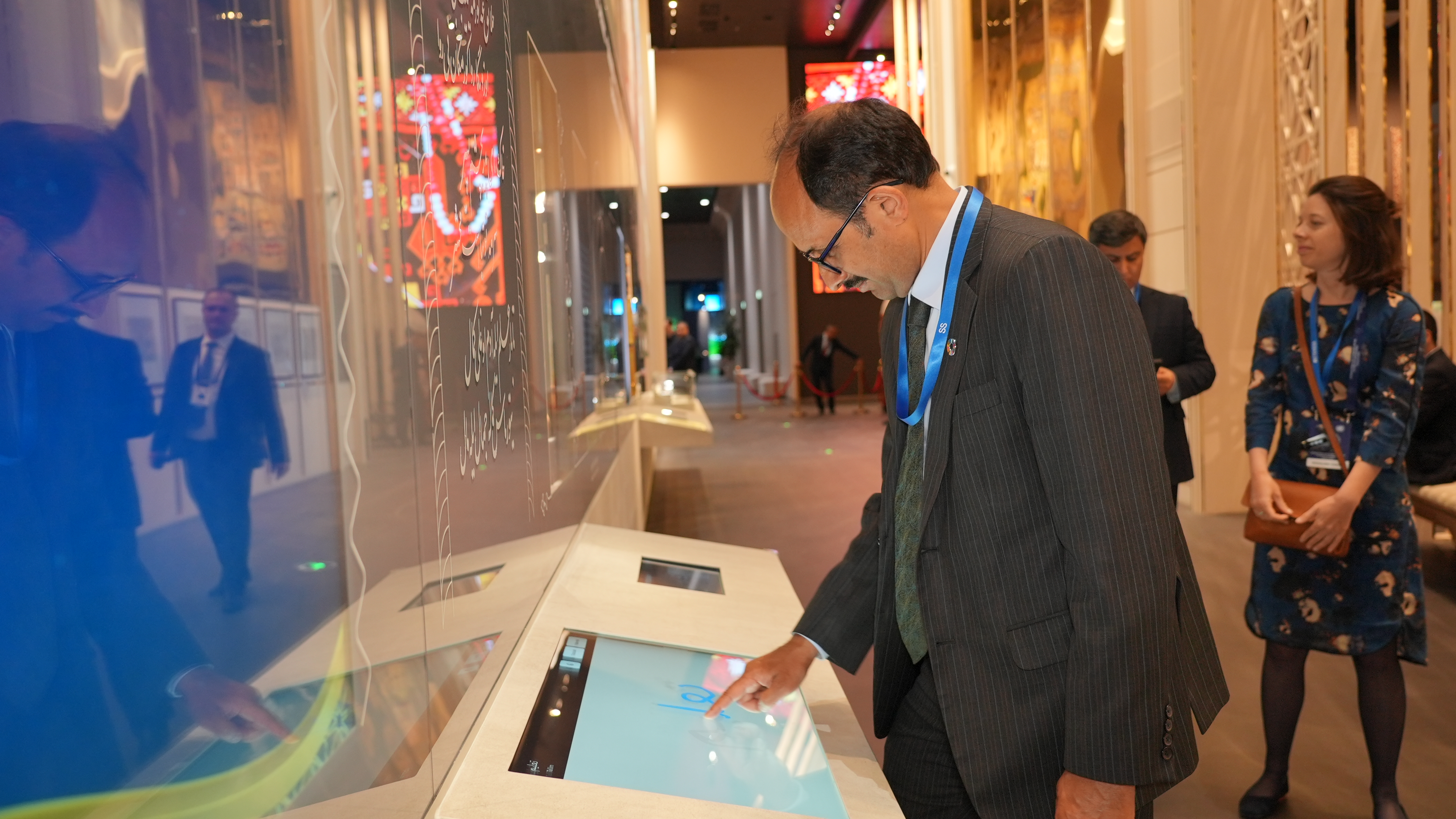
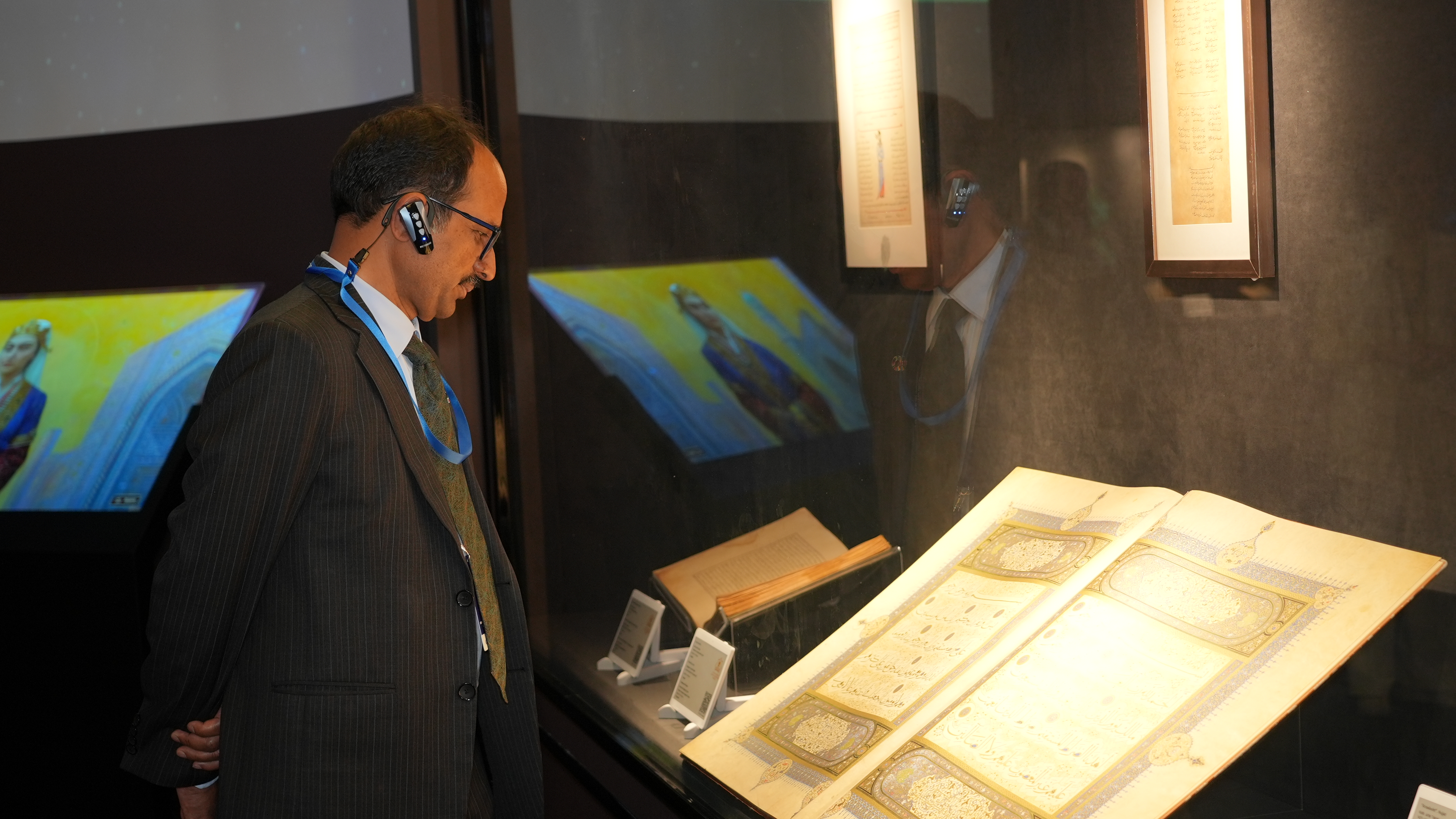 In the Second Renaissance exhibition, special attention was given to the legacy of the khanate period. The efforts of the Shaybanids, Ashtarkhanids, and other dynasties to continue the cultural traditions of the Timurid era were highly appreciated. Architectural monuments built in Samarkand, Bukhara, Tashkent, and Khiva, along with scientific and literary works created during those times, clearly demonstrate this continuity.
In particular, the flourishing of the art of manuscript production during the Shaybanid period, the formation of the Bukhara school of miniature painting, and the construction of the Sherdor and Tillakori madrasas in Samarkand by Yalangtush Bahodir during the Ashtarkhanid era were highlighted as vivid examples of the continuity of historical heritage.
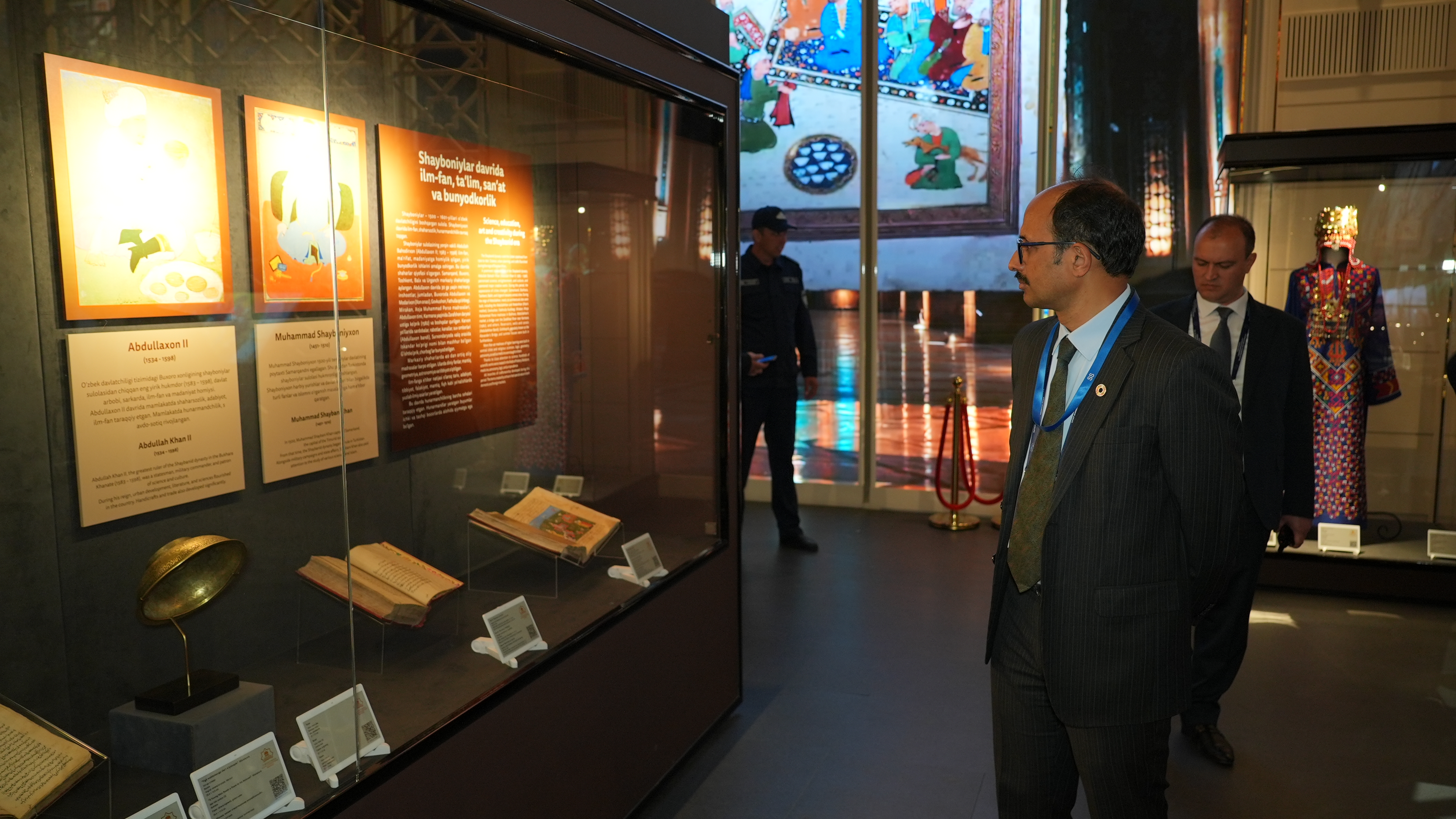
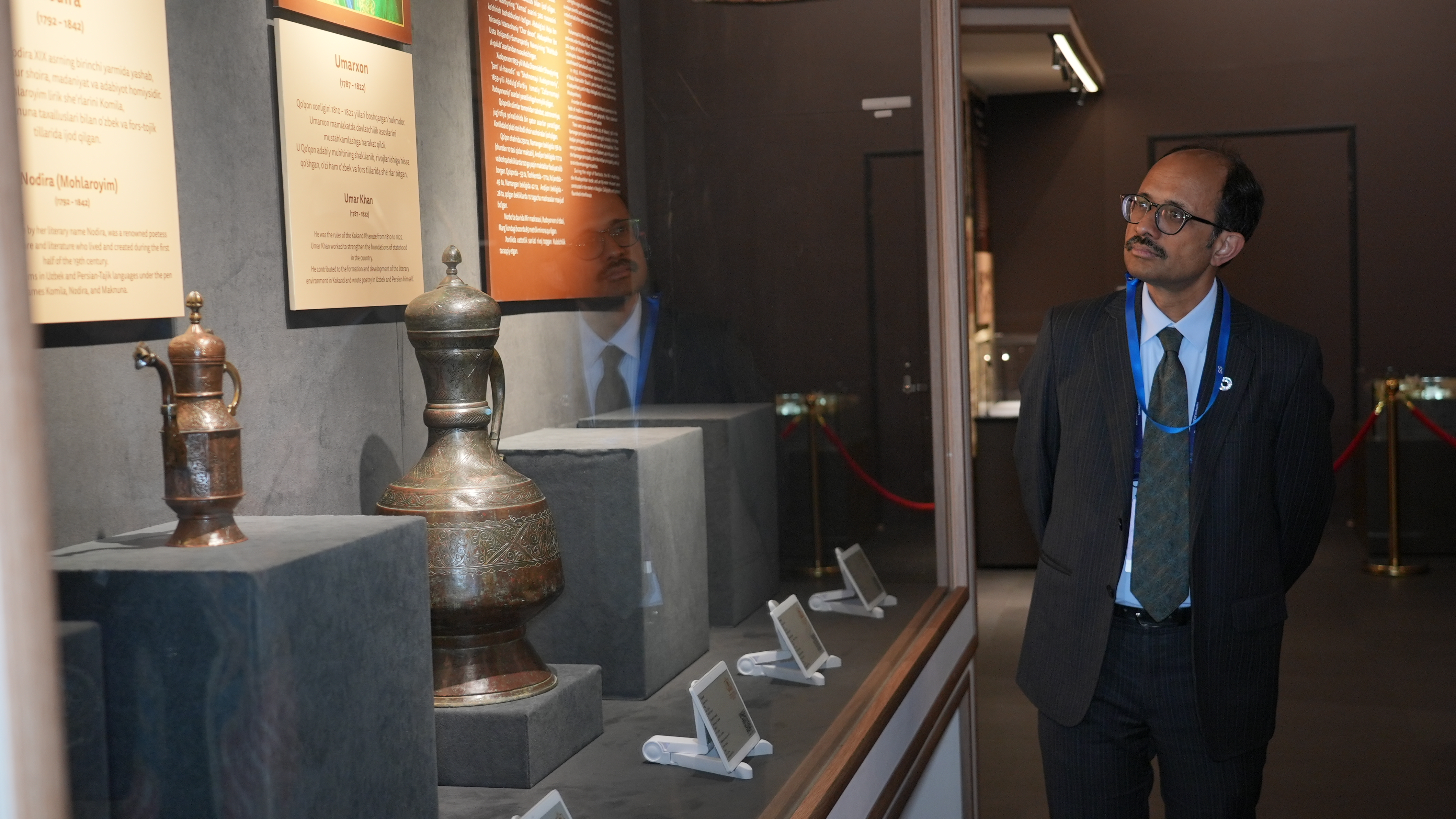 The delegation members also became acquainted with the activities of Khiva Khan Muhammad Rahimkhan II and statesman Islam Khoja, highly appreciating their efforts to introduce modern ideas and scientific achievements into the country.
One of the most impressive moments of the visit was the Qur’an Hall, considered the “heart” of the Center. Here, a rare copy of the Uthman Mushaf, handwritten in the 7th century, is preserved. Surrounding it are Qur’an manuscripts copied during the Samanid, Karakhanid, Khwarazmshah, and other dynasties, along with their translations into Old Uzbek.
The architectural design of the hall also left a strong impression on the guests: a massive 65-meter dome, a 50-ton chandelier adorned with over a million Swarovski crystals, rare pink marble used on the walls, and silk carpets inscribed with Qur’anic verses all lend a unique grandeur to the space.
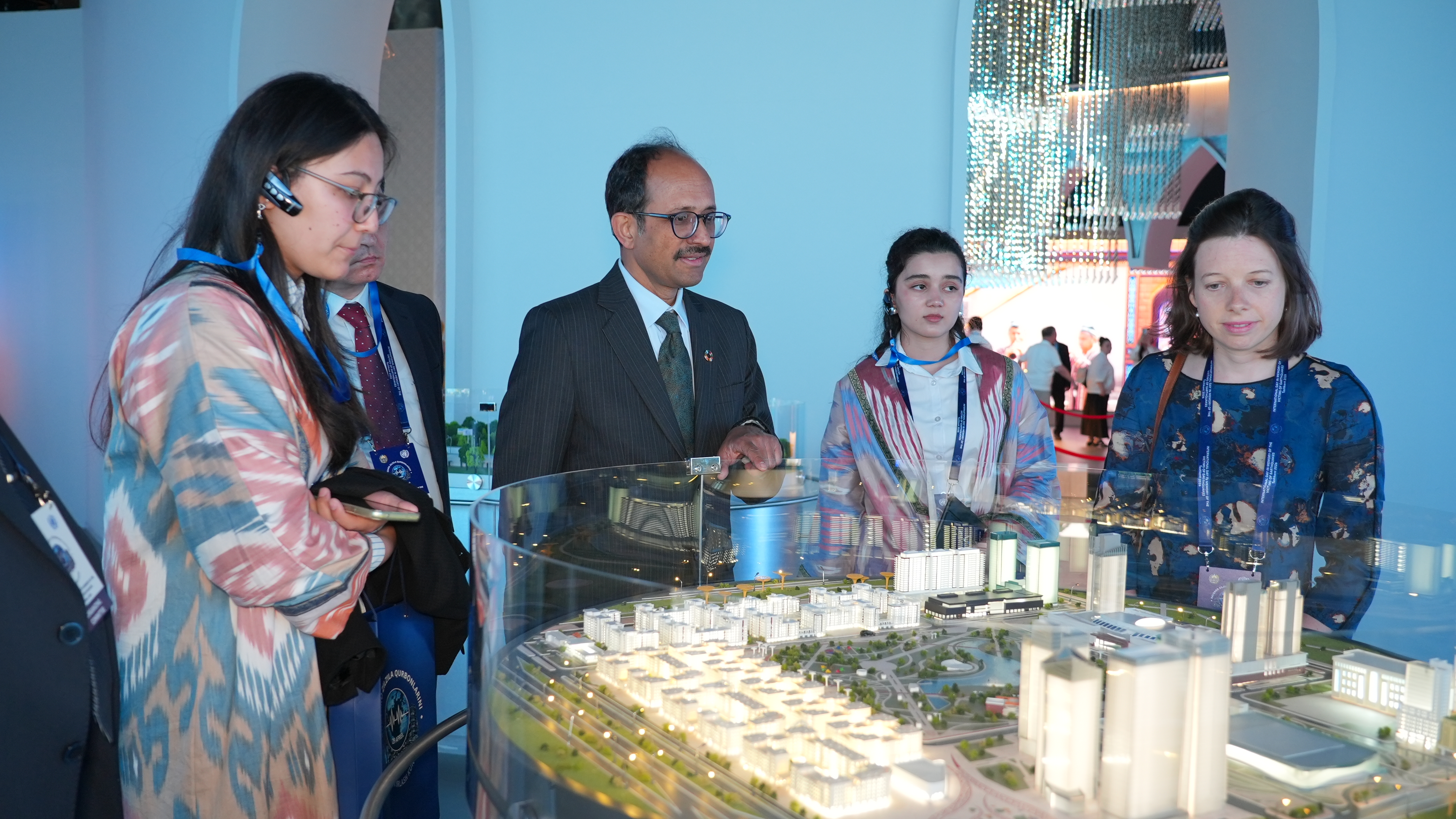 Kamal Kishore, Special Representative of the UN Secretary-General:
This is an extraordinary museum. It clearly reflects the President’s high vision and long-term strategic outlook. What impressed me the most is that this remarkable place covers an extensive historical period — from prehistoric times and the 5th century BCE to the early centuries CE, and eventually up to the arrival of Islam in the territory of Uzbekistan.
Here, the development of science, art, music, and various aspects of human activity is presented in a remarkably harmonious and impactful way. In particular, the contributions of the peoples of this region to world civilization are shown in a deep and inspiring manner. For example, it is a source of great pride that algebra originated in this region, that the circumference of the Earth was first calculated here, and that knowledge related to the calendar system and solar cycles was developed.
At the same time, music, miniature art, daily life, and science are presented as interconnected elements. From the perspective of my field — disaster risk reduction — it is especially noteworthy that ancient scientific views on how the Earth system functions are also reflected here. Humanity, even centuries ago, sought to understand natural processes, identify the causes of hazards, and learn how to cope with them. This serves as an important lesson and a powerful source of inspiration for today.