.png) Materials about the Islamic Civilization Center in Uzbekistan have been published by Turkey’s prominent media outlets, including Anadolu Agency, Ensondakika, and Etikhaber. In these publications, the complex is described as a unique scientific and cultural space that vividly and comprehensively presents the 3,000-year history of the Uzbek people through modern technologies. The articles emphasize that the center is not only a museum, but also a platform for research, education, and international dialogue, as well as a strategic project reflecting the ideas of enlightenment, development, and Renaissance in the “New Uzbekistan.”
Materials about the Islamic Civilization Center in Uzbekistan have been published by Turkey’s prominent media outlets, including Anadolu Agency, Ensondakika, and Etikhaber. In these publications, the complex is described as a unique scientific and cultural space that vividly and comprehensively presents the 3,000-year history of the Uzbek people through modern technologies. The articles emphasize that the center is not only a museum, but also a platform for research, education, and international dialogue, as well as a strategic project reflecting the ideas of enlightenment, development, and Renaissance in the “New Uzbekistan.”
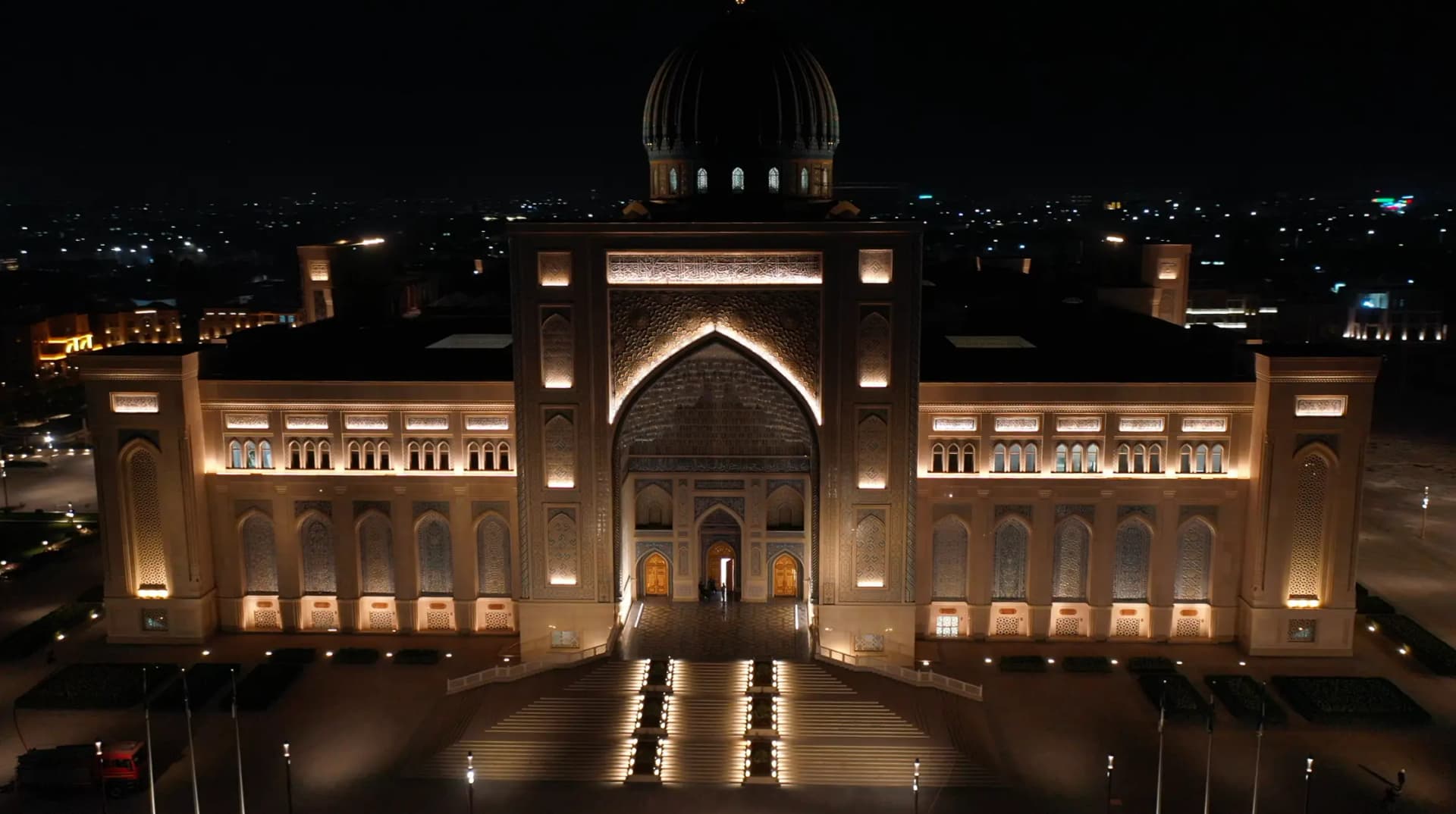
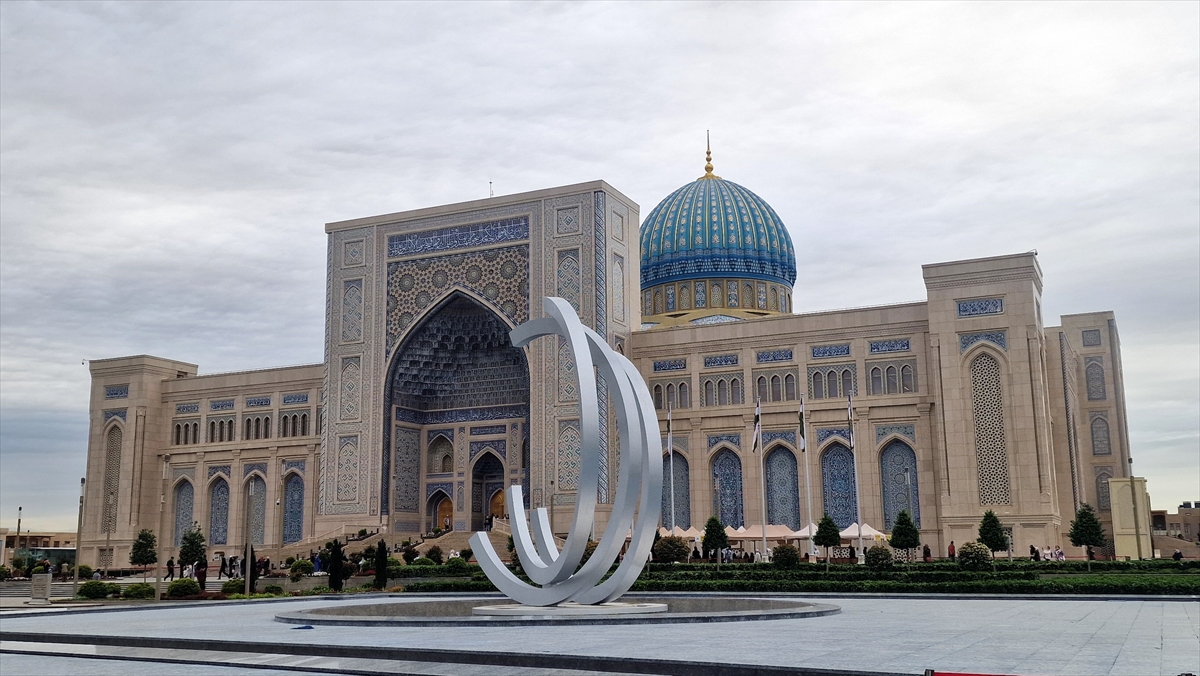
The Islamic Civilization Center in Uzbekistan, built in the capital city of Tashkent, presents the history of a region with more than 3,000 years of heritage to visitors through a harmonious combination of scientific and cultural legacy, supported by modern technologies.
Initiated by President Shavkat Mirziyoyev, the center, which began its operations last month, stands out with its concept based on the principles of knowledge, peace, and tolerance in Islam.
The center showcases, in a unified format, the states that emerged on this land from ancient times, great historical figures, artifacts and archaeological discoveries, key historical processes, as well as the two Renaissance periods and the recent reforms and transformations in the country.
Construction of the complex began in 2017 under the leadership of President Shavkat Mirziyoyev in the old part of Tashkent, and after more than eight years of work, it was officially opened on March 17.
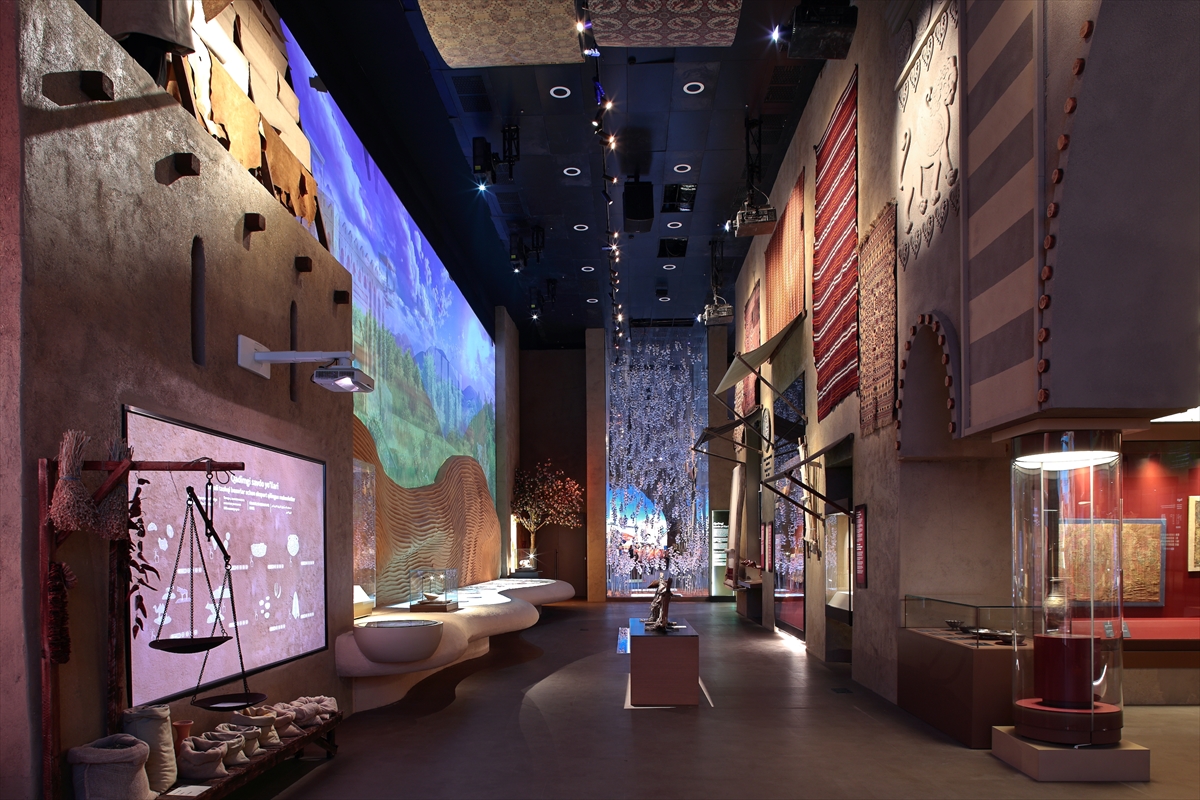 Built on an area of 10 hectares, the complex draws attention with its dimensions of 161×118 meters and its magnificent 65-meter-high dome. The three-story building has a total usable area of more than 40,000 square meters.
The center’s collection includes more than 50,000 historical artifacts, rare manuscripts, and archaeological finds. It functions not only as a museum, but also as a research institute, library, and platform for international cooperation.
Four eras — one space
The center’s exposition consists of sections titled “Pre-Islamic Civilizations,” “The First Renaissance,” “The Second Renaissance,” and “New Uzbekistan — The Foundation of a New Renaissance.” These sections present the millennia-long history of the region in a coherent chronological and thematic manner.
The exhibitions are enriched with sound, light, and digital technologies, offering visitors not just information, but the experience of “living history.”
The “Pre-Islamic Civilizations” section displays archaeological findings from the civilizations of Sogdiana, Bactria, Chach, Fergana, and Khorezm.
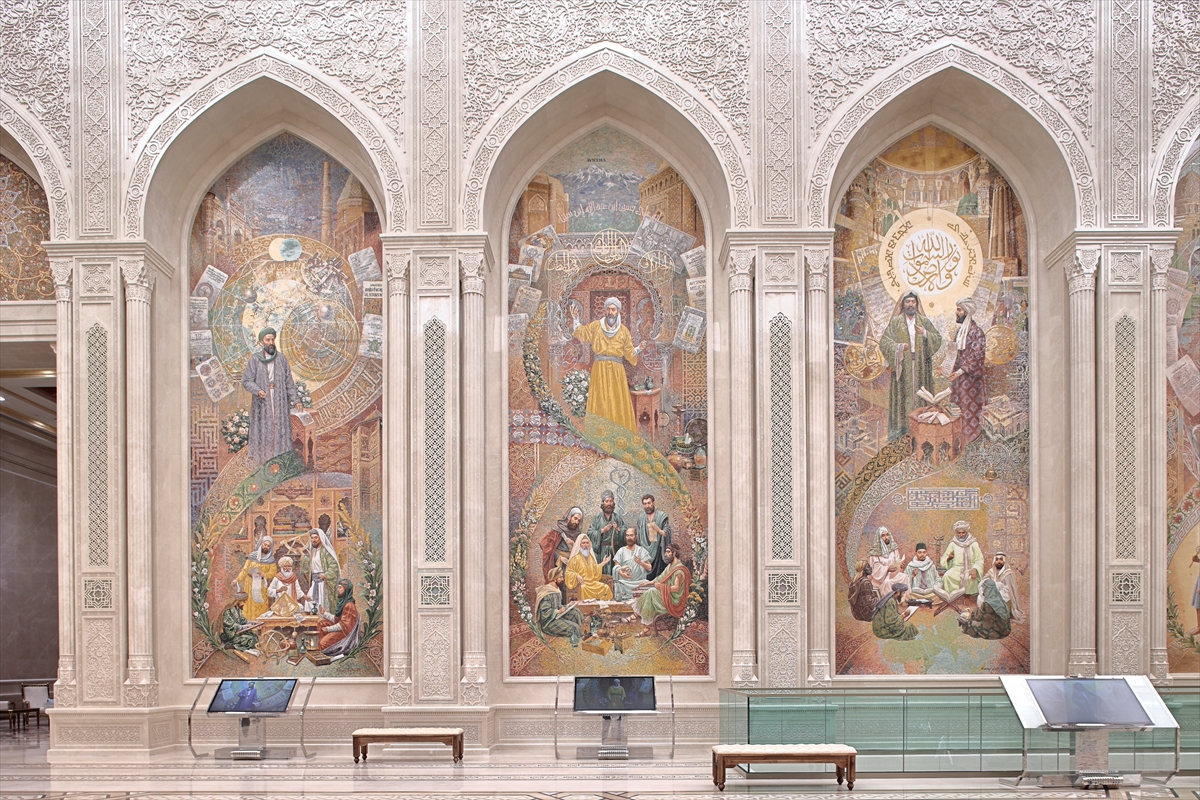 The “First Renaissance” (9th–12th centuries) section features manuscripts, astronomical instruments, mathematical works, and medical sources associated with great scholars such as Muhammad al-Khwarizmi, Abu Rayhan al-Biruni, and Ibn Sina.
The “Second Renaissance” section presents miniatures, architectural decorations, ceramic tile samples, and exhibits reflecting the astronomical research of Mirzo Ulugbek, as well as the cultural heritage of the Amir Temur and Timurid period.
The “New Uzbekistan — The Foundation of a New Renaissance” section showcases post-independence reforms through modern presentations based on artificial intelligence.
 Qur’an Hall — the most impressive part of the center
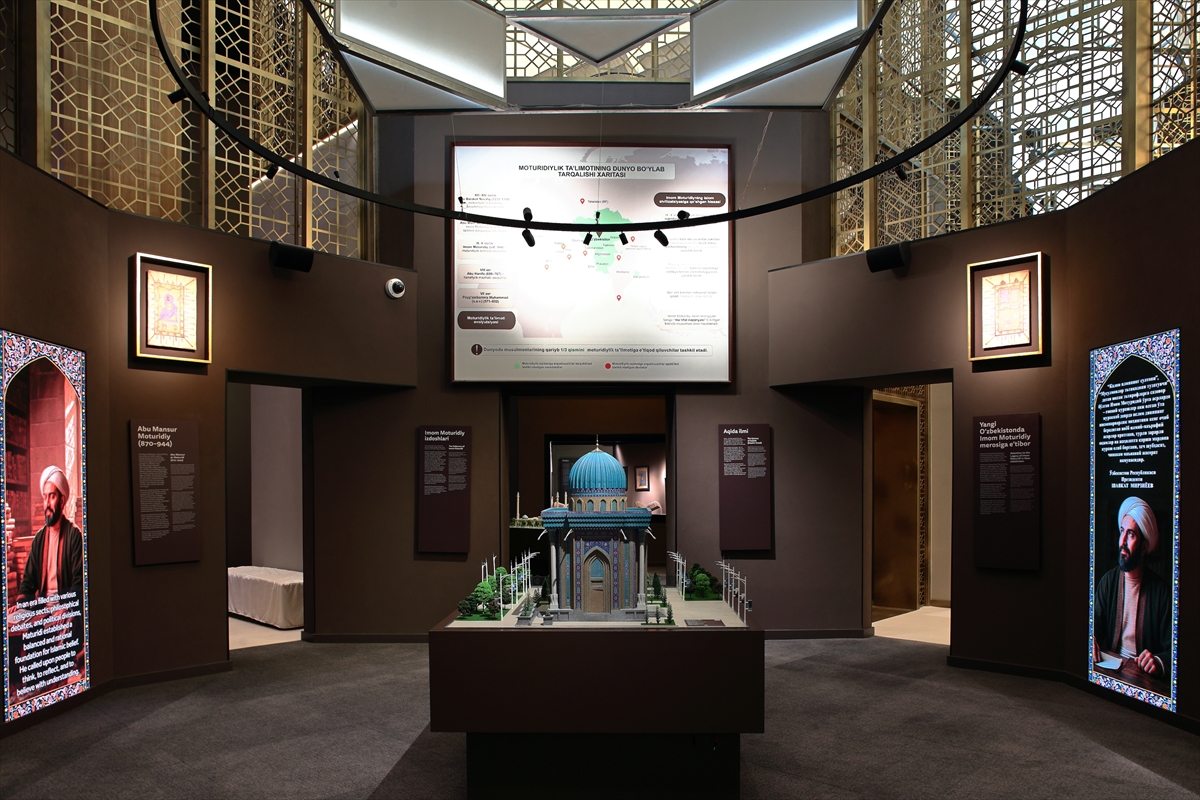
One of the most remarkable sections of the center is the Qur’an Hall, where the Uthman Mushaf and 114 rare Qur’anic manuscripts are preserved.
With the help of special lighting and visual effects, Qur’anic verses are displayed every 40 minutes as if descending from the sky. A holographic system beneath the dome projects a star map, offering visitors a unique visual experience.
In the “Gallery of Great Figures,” 14 large arches represent key historical events, discoveries, and prominent figures from this land, including Amir Temur, Zahiriddin Muhammad Babur, Mirzo Ulugbek, Abu Rayhan al-Biruni, and Muhammad al-Khwarizmi.
 Global recognition
On April 13, the center was officially recognized by Guinness World Records as the “The largest museum of Islamic Civilization,” due to its scale, rich collection, and multifunctional structure.
 Main goal — presenting national history to the world
According to the center’s press secretary, Oktam Usmonov, the institution receives around 5,000 visitors daily.
— The center operates not only as a museum, but also as a scientific platform. Its main goal is to present Uzbekistan’s rich and profound 3,000-year history to the entire world, — he said.
Scientific secretary Rustam Jabborov noted that construction was completed in December 2025, and the process of forming the exhibitions began at the start of 2026.
He added that cooperation has been established with more than 20 countries, and copies of historical artifacts related to Uzbekistan have been collected, resulting in a collection of over 3,000 exhibits.
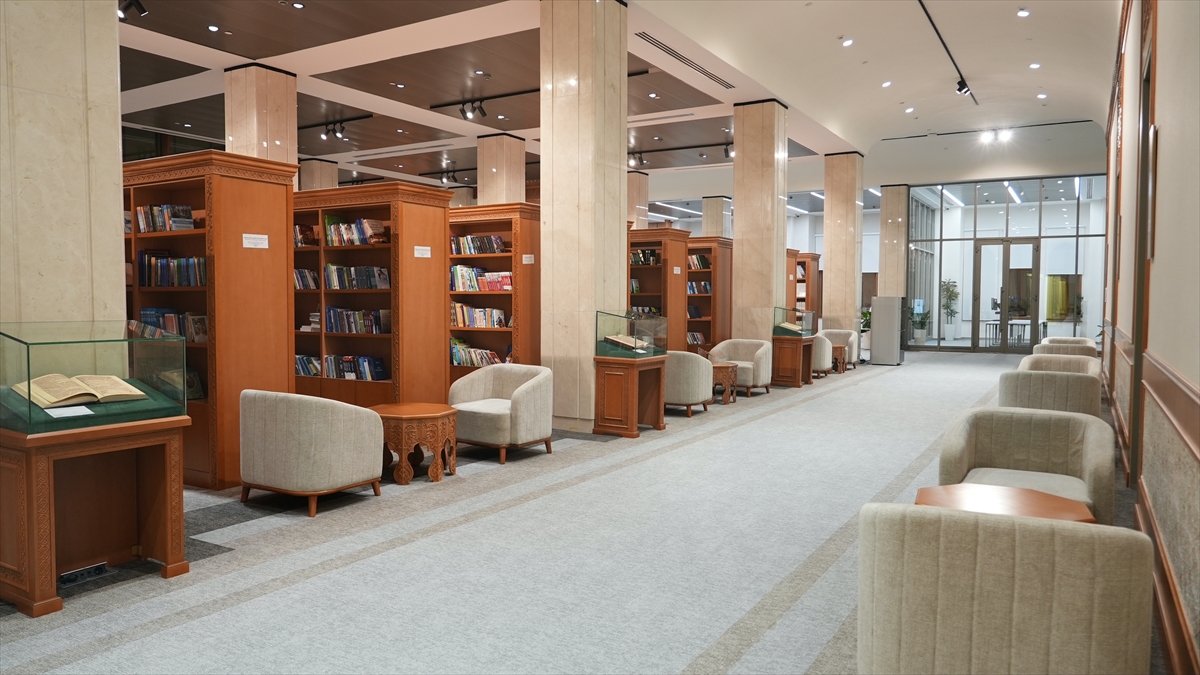
The center’s library contains nearly 50,000 manuscripts and more than 500,000 digital resources.
Additionally, the center includes a platform offering educational and interactive programs for children. Separate spaces have also been allocated for the representative offices of international organizations such as TURKSOY and IRCICA.