
Calligraphy school at the Islamic Civilization Center: Tradition and spiritual heritage are reviving
“We do not have a calligraphy school. Unfortunately, such schools are disappearing… We will certainly revive them…”.
President of the Republic of Uzbekistan Shavkat Mirziyoyev
An ancient art is coming back to life once again. Are you ready to write history with your own hands?
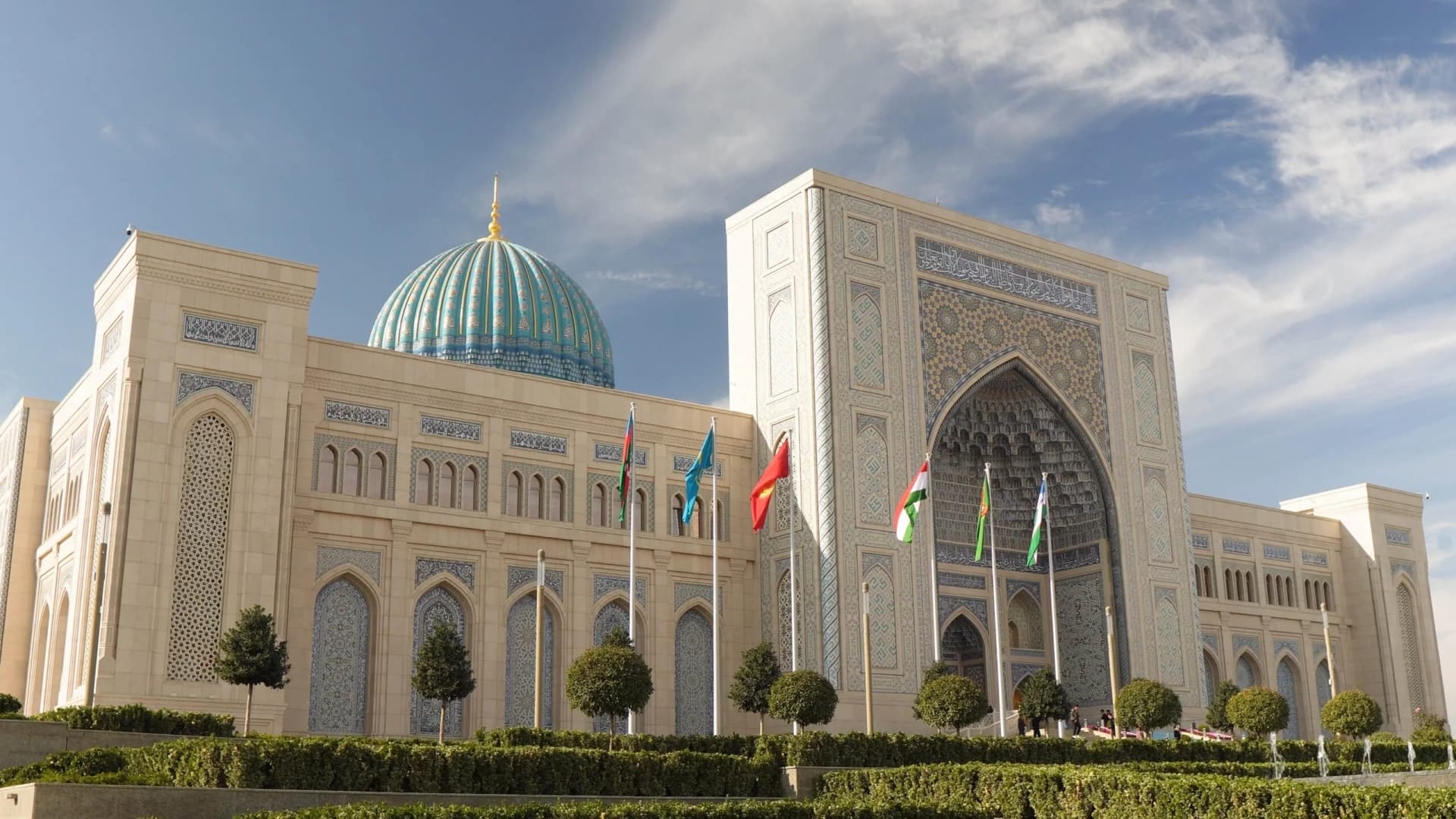
In Uzbekistan, reforms aimed at preserving and restoring cultural heritage are steadily continuing. The Calligraphy School established under the Islamic Civilization Center in Uzbekistan is recognized as a practical embodiment of these noble goals. Today, this school has become not only a place that revives national traditions, but also a spiritual and educational hub that attracts great public interest. We spoke with calligrapher Habibullo Solih about the activities of this school, its significance, and its role today.
The Calligraphy School has begun operating under the Islamic Civilization Center, built on the initiative of our President. In your opinion, how much interest can this school generate among the public and young people today?
The Islamic Civilization Center in Uzbekistan, established on the initiative of our respected Head of State, is today a major megaproject attracting the attention not only of our country but of the global community as well. This Center is recognized as a unique institution dedicated to the study and promotion of Islamic civilization, science, culture, and spirituality.
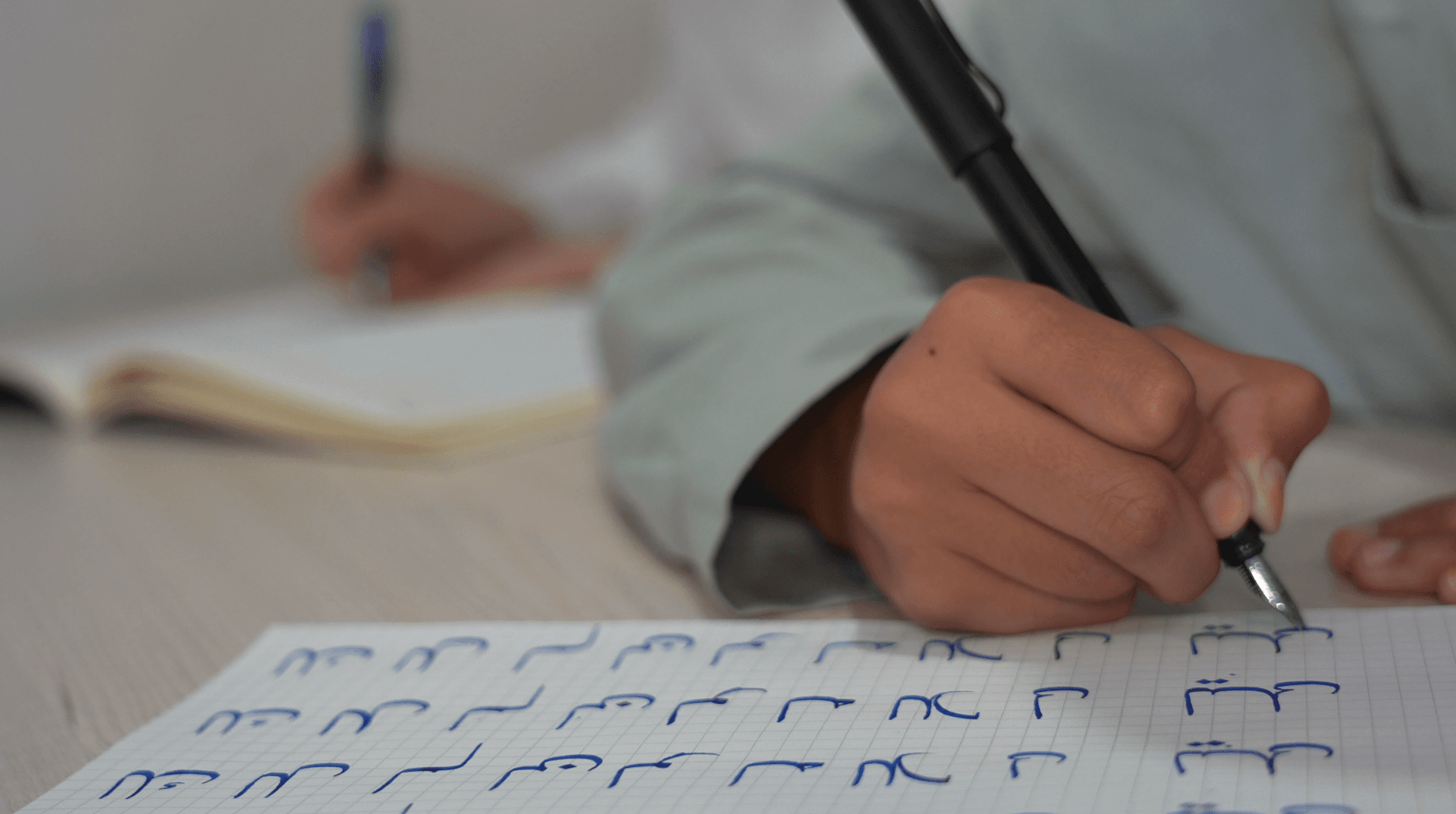
The Calligraphy School organized under this Center serves to revive, preserve, and pass on to the younger generation the sacred art of writing inherited from our ancestors. As our President has repeatedly emphasized, the art of calligraphy must not disappear, but should instead develop and be taught widely. It is on the basis of this noble idea that the school was established.
Today, interest in the school is very high. It has been only a month since it officially began operating, yet the number of registered participants has already exceeded one thousand. Among them are young people, middle-aged citizens, and even the elderly. This demonstrates that interest in the art of calligraphy spans all segments of society.
What historical heritage and spiritual values form the foundation for the establishment of this school based on this ancient art?
It is well known that great calligraphers and scholars who emerged from our land made a significant contribution to the development of world culture. The manuscripts and samples of writing they created still retain their importance today.
From this perspective, reviving the art of calligraphy is not merely a cultural initiative, but an important process connected with historical memory and national identity. This school serves precisely to revive this rich heritage and systematically pass it on to future generations.
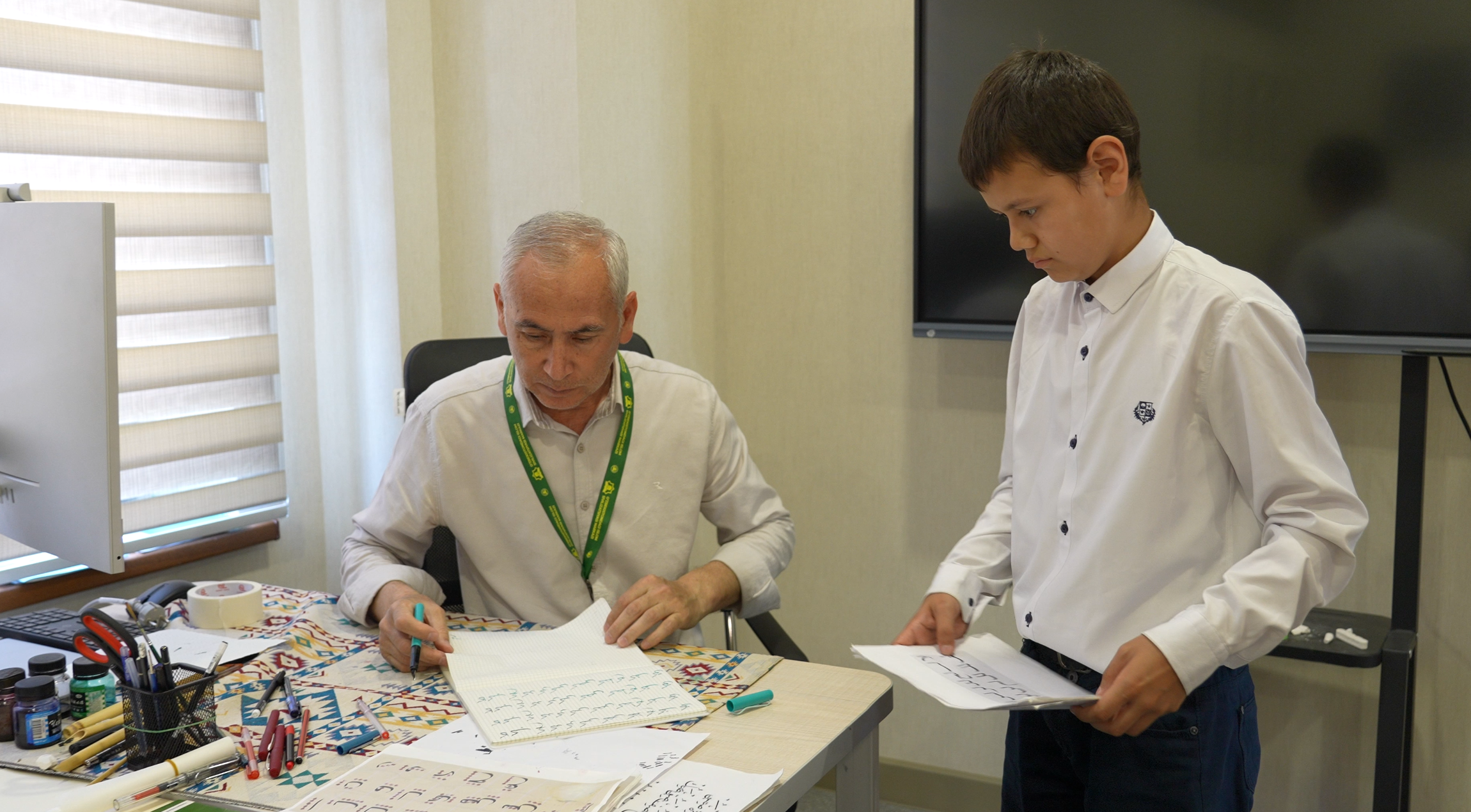 What principles and methods underpin the educational process at the Calligraphy School? What can be said about its impact on the lives of students?
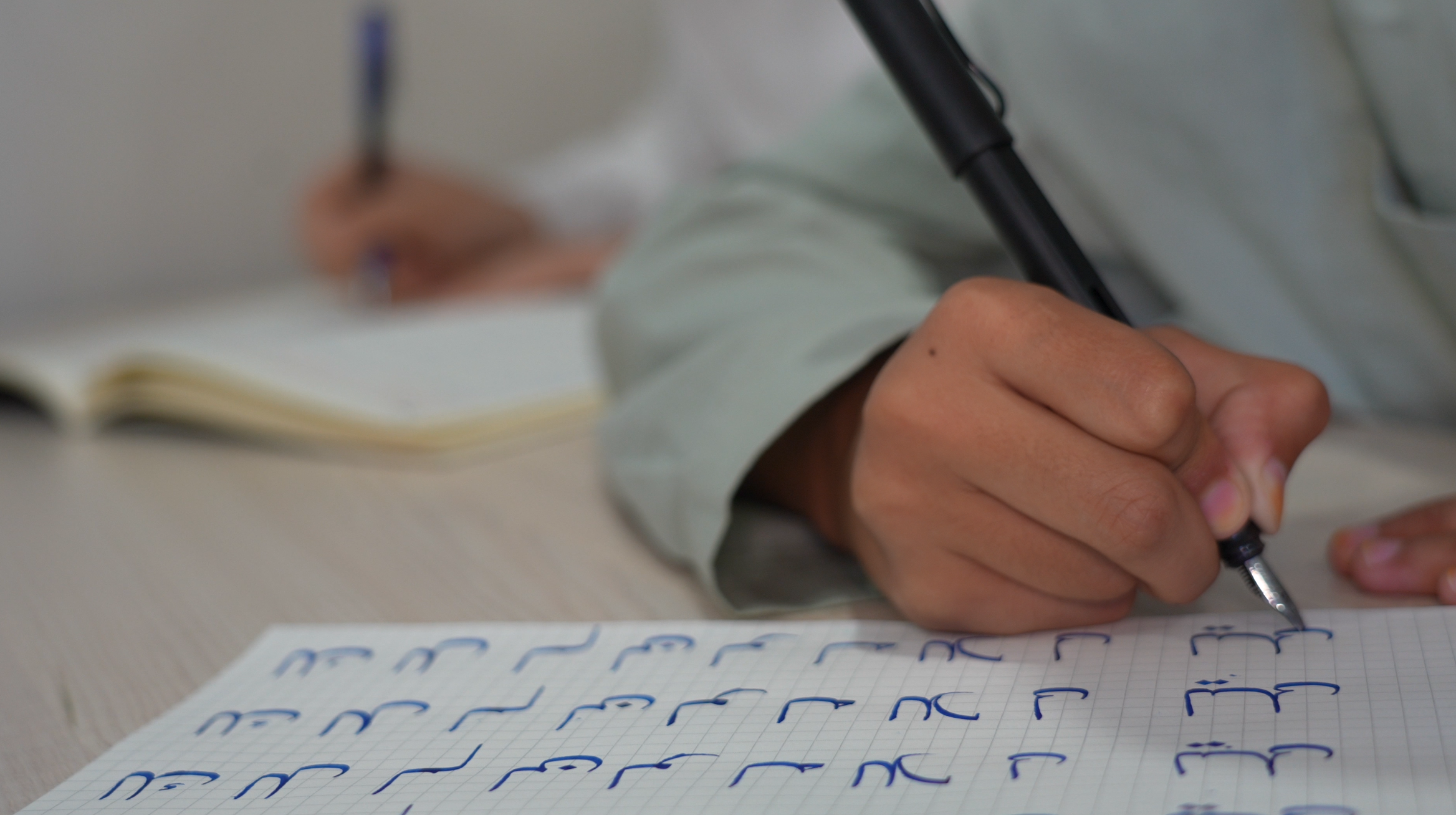
Of course, the educational process at the school is built on a harmonious combination of traditional and modern approaches. Here, not only writing techniques are taught, but also qualities such as handwriting culture, aesthetic taste, and patience are cultivated.
The fact that education is offered free of charge creates great opportunities for the wider public. People from various professions, especially those who previously had no opportunity to learn this art, are now actively participating in these classes.
Some cases clearly demonstrate the school’s deep spiritual impact. For example, one elderly individual came to the school to fulfill a lifelong dream and joined the learning process with great enthusiasm. Such examples show that the Calligraphy School is becoming a source of spiritual awakening and inner fulfillment in people’s lives.
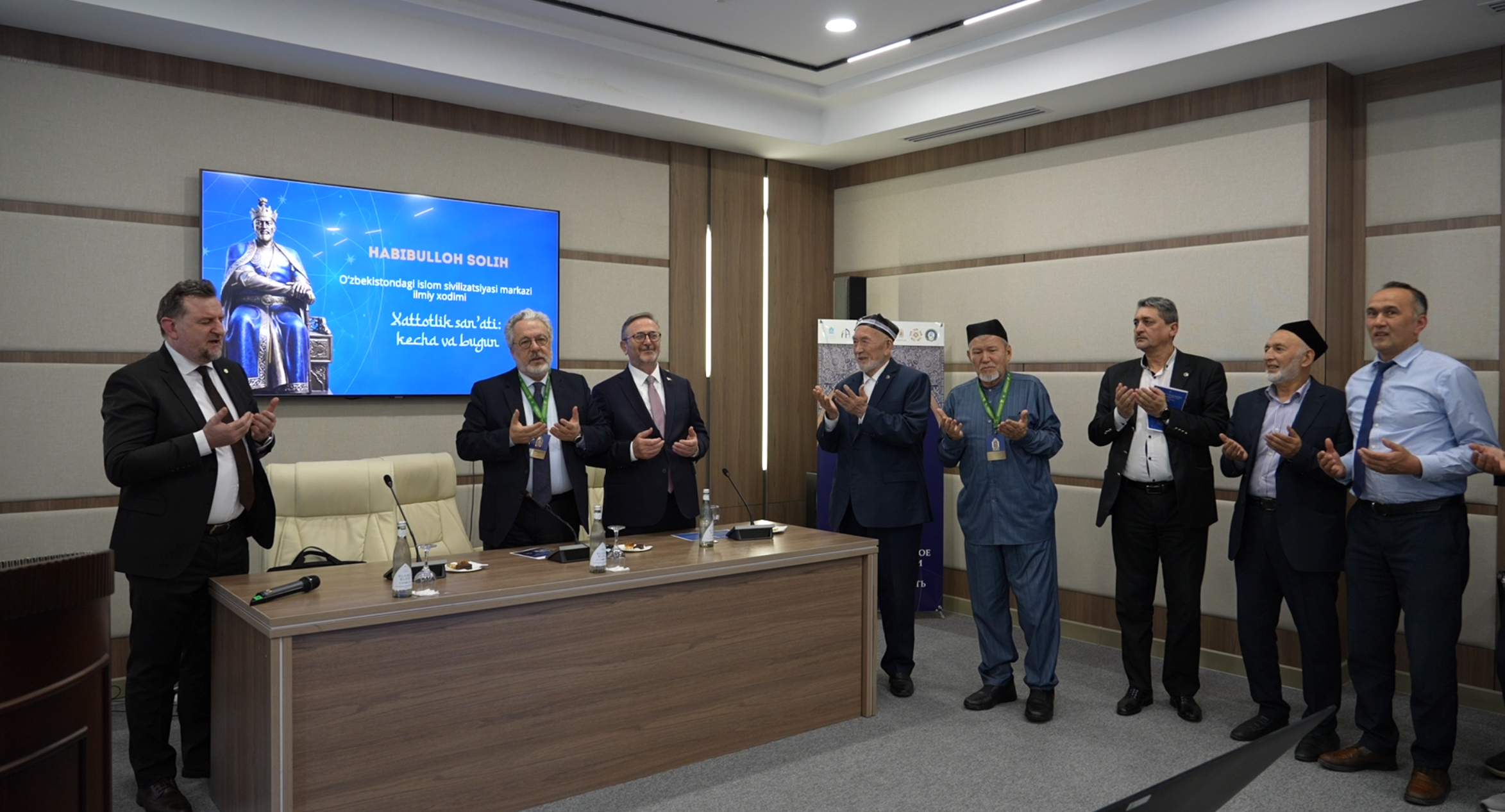 How would you assess the school’s position and reputation on the international stage?
Today, the school’s activities are attracting considerable interest internationally as well. It has been recognized as an “International Calligraphy School,” and its educational processes are highly appreciated by foreign specialists.
In particular, the support of this initiative by international organizations further enhances its significance. This demonstrates the effectiveness of the efforts being made in Uzbekistan to preserve cultural heritage and promote it globally.
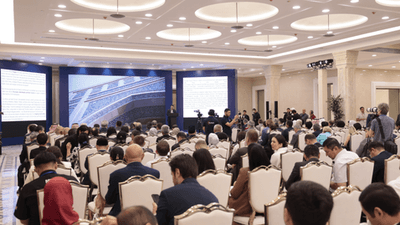
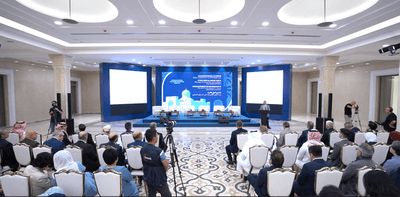
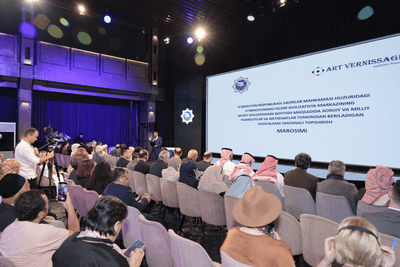
International experts who participated in the school’s opening ceremony also highly praised the initiatives of our Head of State. In particular, the Director of the Research Centre for Islamic History, Art and Culture (IRCICA), Mahmud Erol Kılıç, emphasized the place of Islamic calligraphy in world culture and its high aesthetic and spiritual value. Likewise, the Director of the Turkish Manuscripts Institution, Coşkun Yılmaz, spoke about rare manuscripts preserved in the Suleymaniye Library, noting that a large portion of them are connected to the history of Uzbekistan. The Director of the “Al-Furqan” Islamic Heritage Foundation in the United Kingdom, Shali Shahsavari, described the Timurid period as a true era of intellectual and cultural renaissance.
What future plans are envisioned for further developing the school’s activities?
In the future, it is planned to further expand the school’s activities and introduce modern and innovative educational programs. In particular, the launch of online learning platforms is intended to attract international students as well.
This will further increase opportunities to promote the art of calligraphy not only within our country but also on a global scale.
What advice would you give to young people?
The hadith of Imam Bukhari, “Actions are judged by intentions,” contains profound meaning: a person’s future is determined by their intentions, and their perfection by their deeds. It is not difficult to understand that the large-scale reforms, spiritual revival, and development processes taking place in our country today are also the result of such noble intentions.
The rich spiritual heritage left by our ancestors and revered saints — their aspirations and efforts — has created a solid foundation for our present prosperity. Therefore, each of us should work sincerely in our respective fields and make a достойный contribution to the development of our country.
May Allah, from His treasury of mercy, grant that we live freely in such a prosperous, flourishing, and independent land and achieve our dreams.
Interview by Durdona Rasulova