


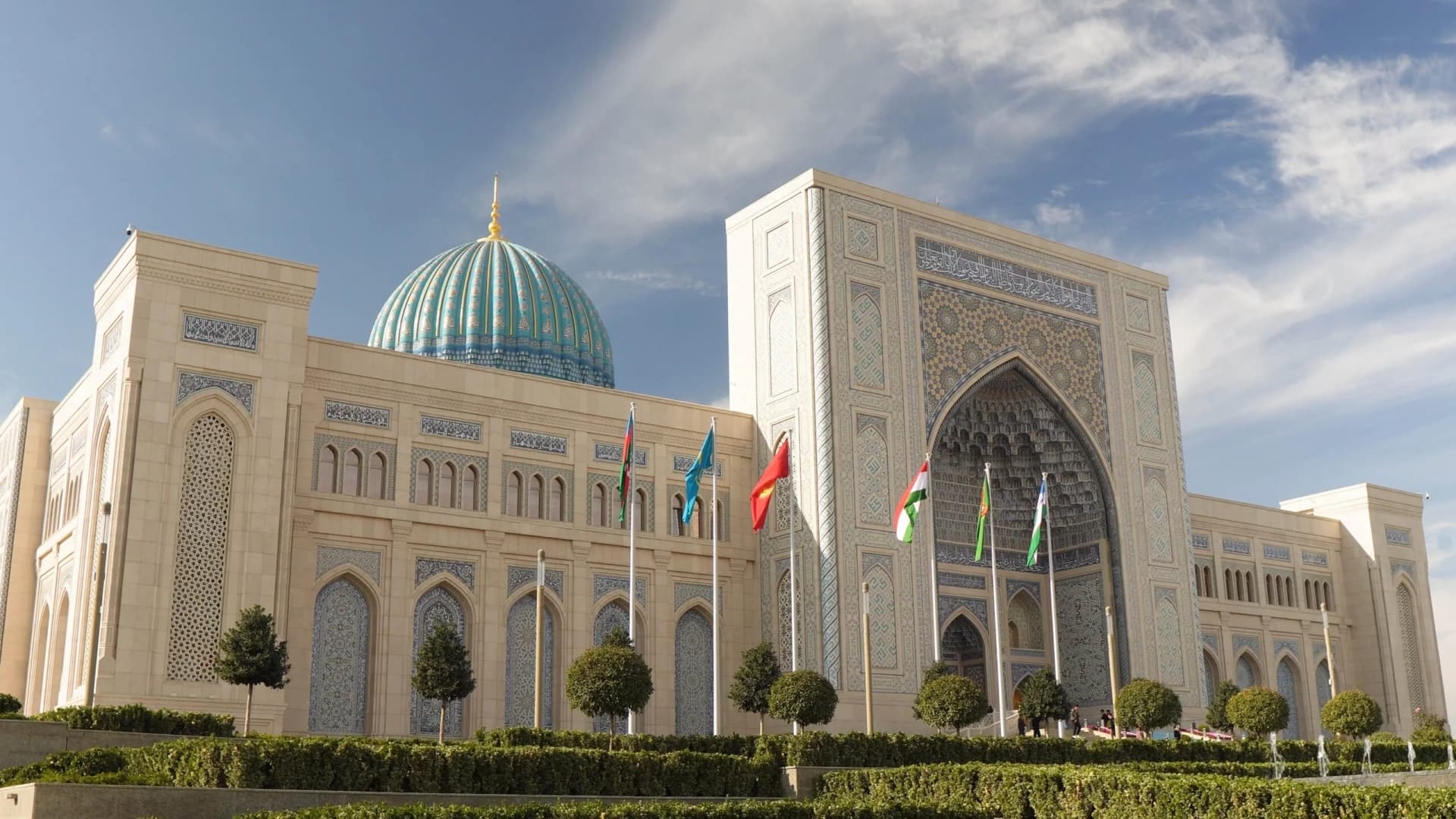


A new direction in global science was discussed in Tashkent
Can artificial intelligence surpass humans? Or has humanity already found the answer to this question? It was precisely around this issue that Malaysian and local scholars held discussions during the international scientific and practical conference titled “Scientific Tradition in Islamic Civilization: Resources, Potential, and Challenges,” held in Tashkent. Here, scholars spoke not only about technology, but also about the human being itself — the mind, the soul, and the limits of human cognition.
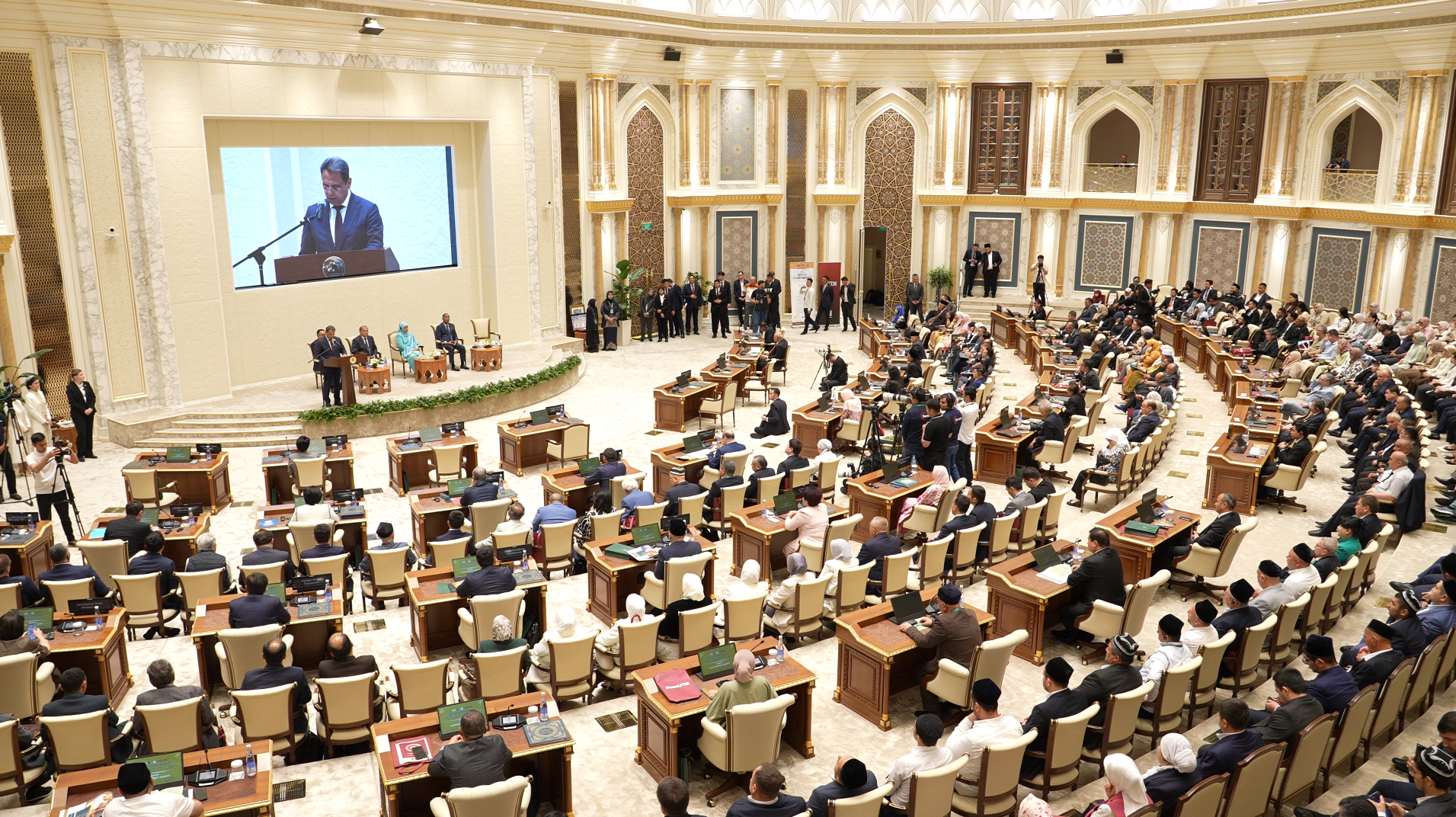 On May 5, 2026, an international scientific and practical conference was organized at the Islamic Civilization Center in Uzbekistan within the framework of the initiatives put forward by the President of the Republic of Uzbekistan, Shavkat Mirziyoyev, aimed at developing inter-civilizational dialogue and supporting science as a key factor of global progress.
More than 300 participants attended the conference, including representatives of government institutions, leading scholars, experts, researchers, and students. As part of the event, panel sessions were organized to discuss the reinterpretation of the scientific heritage of Islamic civilization in the modern context.
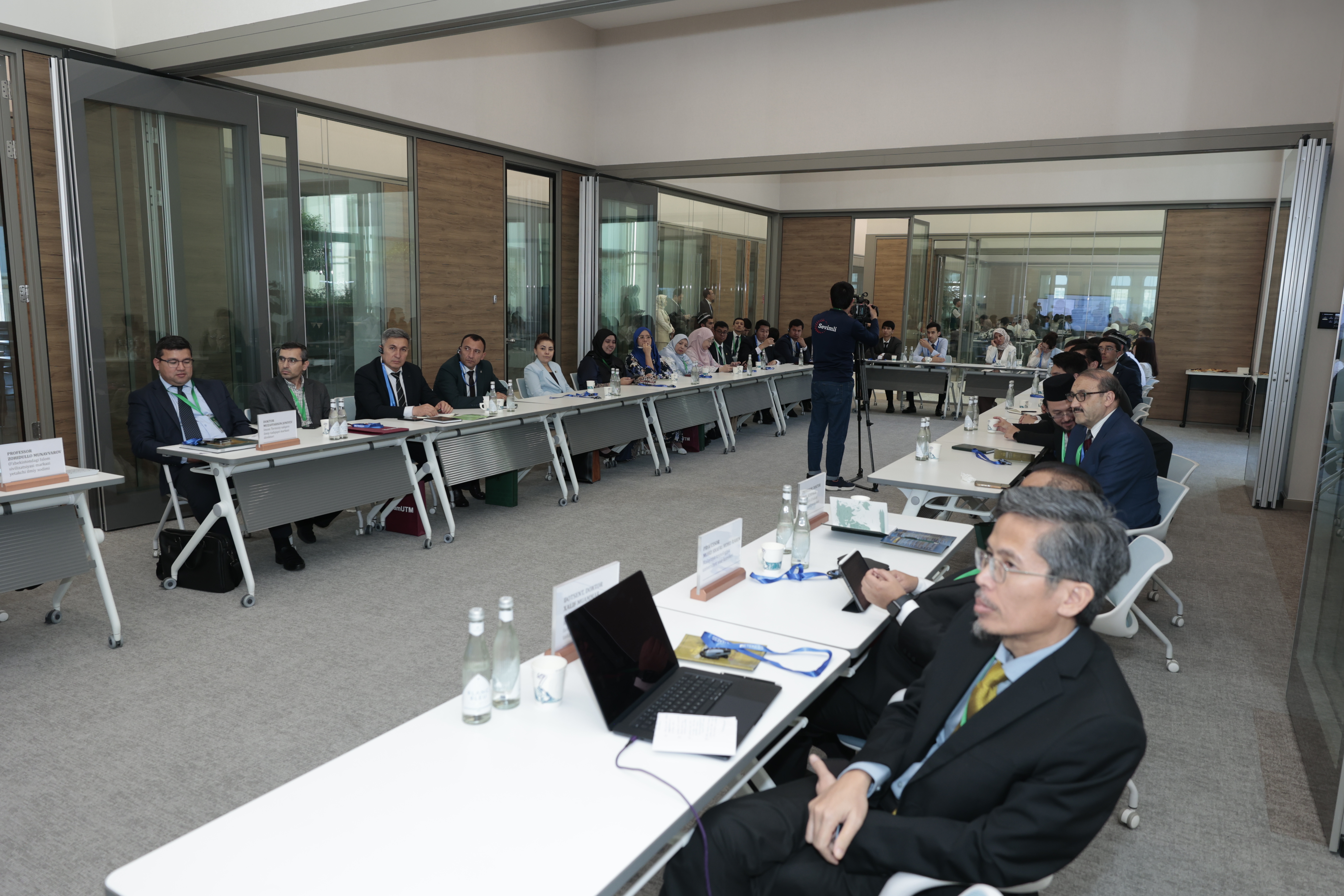 During the panel discussions, issues related to the contemporary interpretation of scientific heritage, its current challenges, and future prospects were widely examined. In particular, the first panel featured presentations on the historical formation of the concept of knowledge, its classification, and its significance in the present era.
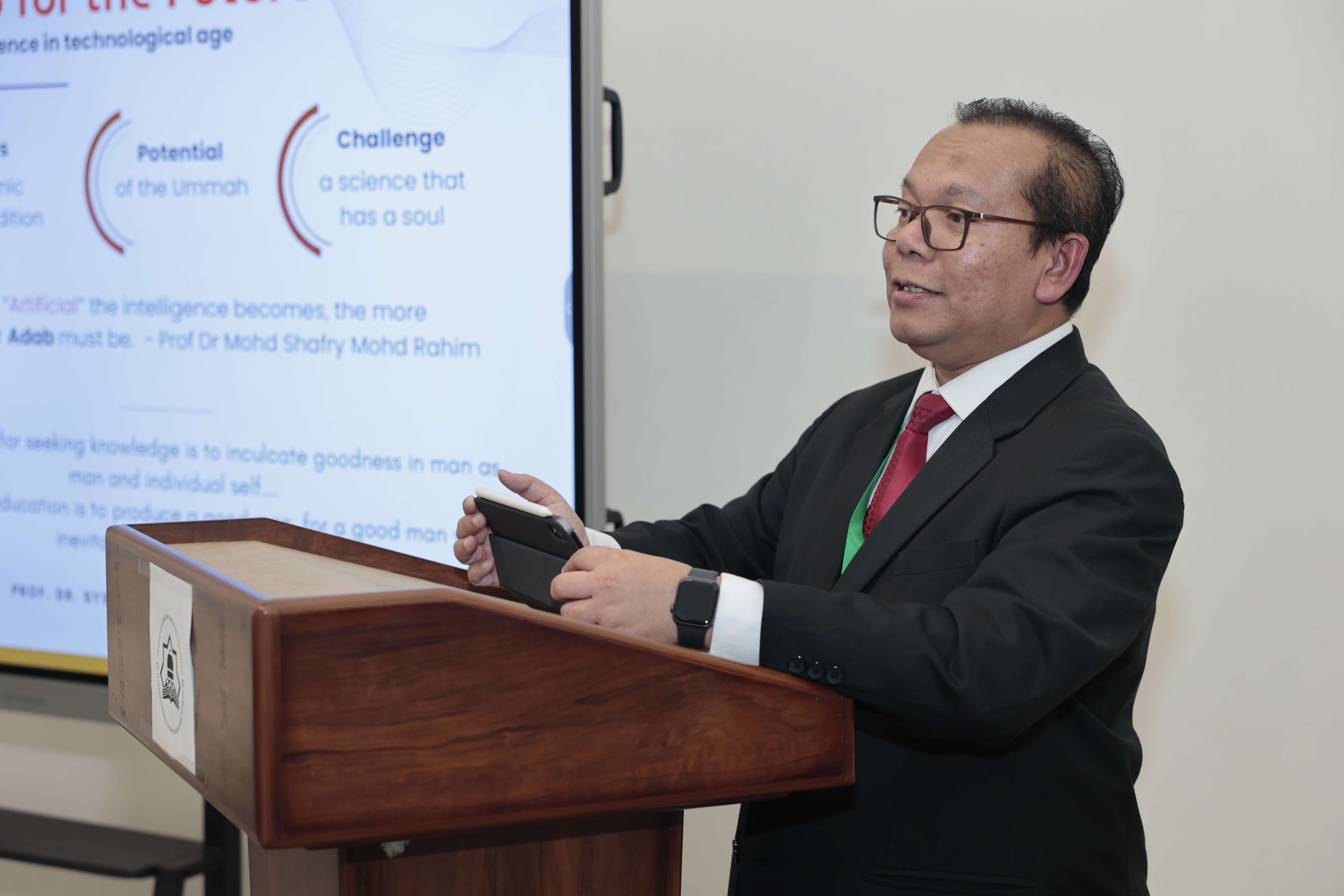 Vice-Chancellor of Universiti Teknologi Malaysia, Mohd Shafri Mohd Rahim, emphasized that ethics and morality in the age of artificial intelligence play a decisive role in the development of science.
Turkish professor Bilal Kuşpınar highlighted the importance of harmonizing the scientific heritage of Islamic civilization with the modern world. He noted that the ideas of great scholars such as Abu Nasr al-Farabi, Ibn Sina, Ahmad Yassawi, and Abu Rayhan Beruni remain highly relevant in understanding today’s global challenges.
Bilal Kuşpınar, Professor at Necmettin Erbakan University, stated:
“First of all, I would like to congratulate the Government of Uzbekistan and everyone who contributed to the establishment of this Center. There is no doubt that this institution will gain global significance in the future.
During our dialogue session held within the framework of the international scientific and practical conference at the Center, two important issues were discussed: first, the essence of science, its definition, and the role of Muslims in the face of contemporary global challenges; second, the issue of harmonizing the rich scientific heritage with today’s world.
The discussions were based on the intellectual legacy of great scholars such as Abu Nasr al-Farabi, Ibn Sina, Ahmad Yassawi, and Abu Rayhan Beruni. Their views connecting knowledge with human existence and the understanding of truth were analyzed.
In addition, the issue of artificial intelligence was examined from an ethical perspective, and the necessity of harmonizing modern technologies with spirituality was emphasized.
Overall, the meeting was meaningful and productive. Such conferences contribute to transforming this Center into a prestigious scientific and philosophical platform,” the professor said.
The panel discussions also focused on pressing issues at the intersection of Islamic studies, philosophy, history, and modern science. Particular attention was given to the possibilities of harmonizing traditional religious knowledge with contemporary scientific approaches.
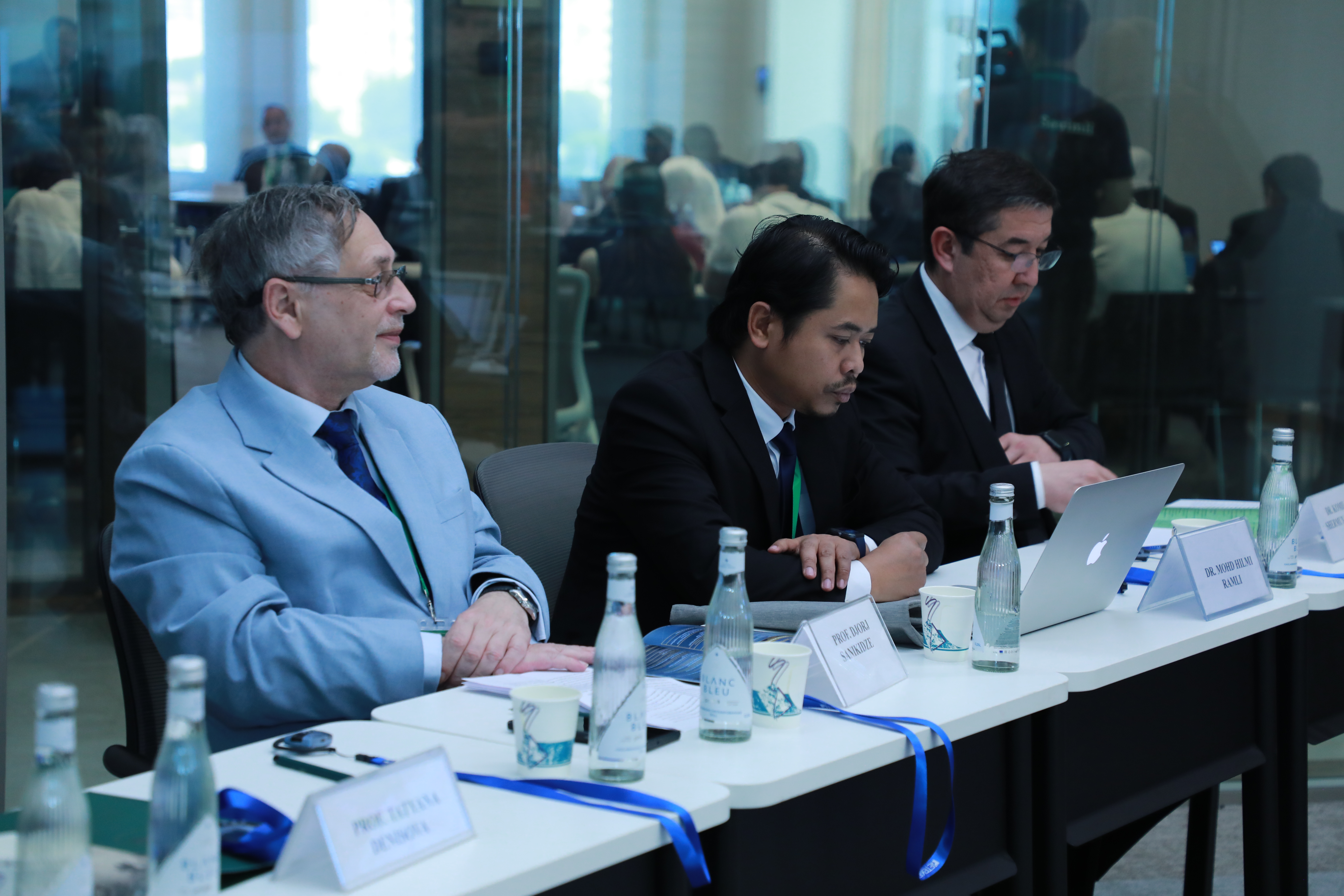 The session opened with a lecture by foreign professor George Sanikidze on the development of Islamic studies in Georgia. He presented a comparative analysis of how religious sciences evolved throughout different historical periods.
Afterward, Professor Shovosil Ziyodov spoke about the significance of Imam Bukhari’s legacy, describing it not only as an important source for Islam but also as a major scholarly contribution to the spiritual development of humanity as a whole.
One of the most widely discussed presentations at the conference was delivered by Malaysian researcher Dayang Nurhazieqa Hamzani. She stressed the necessity of reconsidering the concept of the “soul” in modern consciousness studies.
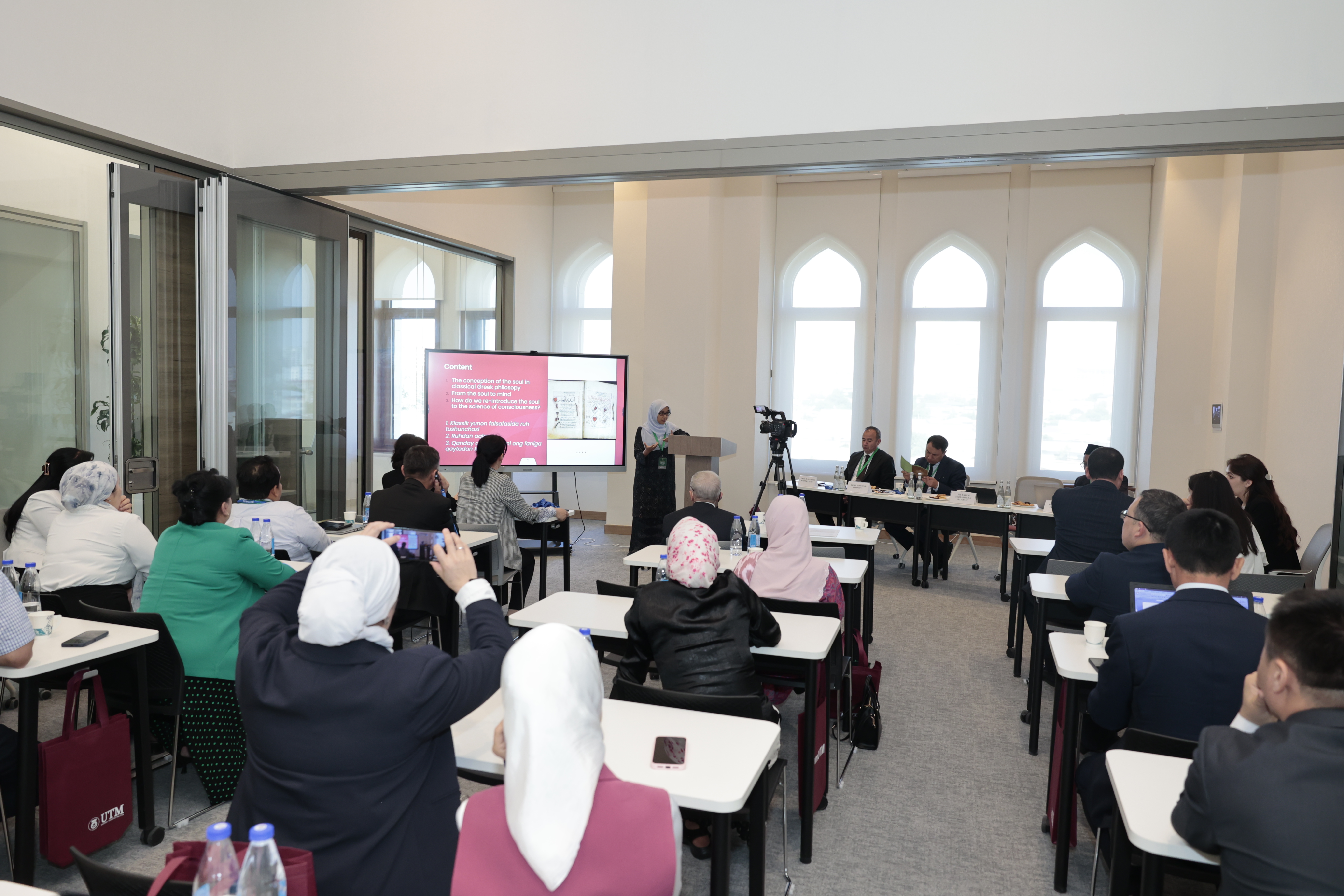 According to her, concepts such as “intellect,” “heart,” “self,” and “soul” have already been deeply analyzed within Islamic thought, and this heritage can provide a more comprehensive understanding of human nature in the age of artificial intelligence.
“The scientific tradition of Islam possesses enormous potential that has not yet been fully explored. Today, as debates about artificial intelligence continue, the question ‘What is intelligence?’ remains open. In Islamic thought, however, this concept has already been explained through the harmony of intellect, self, heart, and soul.
Therefore, this heritage is highly important in enriching modern science, deepening our understanding of human nature, and maintaining the balance between knowledge and spirituality. Scientific and educational centers, especially the Islamic Civilization Center in Uzbekistan, play an important role in widely promoting this knowledge and can serve as an example for other countries as well. However, mere presentation is not enough — it is necessary to deeply understand the legacy of our scholars, study ancient languages, and attract young people to this path,” she stated.
Modern technologies can support this process, but the most important factor is cultivating young people’s interest in and respect for this heritage. Professor Ilhomjon Bekmirzayev of the International Islamic Academy of Uzbekistan, in his lecture titled “The Oli Moza Family Active in Bukhara During the 12th–13th Centuries and Their Contribution to the Development of Legal Culture,” analyzed the family’s contribution to the advancement of legal culture based on historical sources. His presentation highlighted their role in developing jurisprudential knowledge, shaping legal traditions, and elevating legal culture in society.
According to Dr. Muhammad Ikhwan Azlan, researcher at the Raja Zarith Sofiah Centre for Advanced Studies on Islam, Science and Civilization at Universiti Teknologi Malaysia, it is essential to revisit and reinterpret the scientific heritage of the past.
“Today’s conference is significant because it allows open and academically grounded discussions about the Islamic scientific tradition. Although modern science has deeply entered our lives, understanding the ideas behind it remains an urgent issue. At the same time, we possess a rich scientific heritage, and Uzbekistan is one of its major centers.
Now the main task is not merely preserving this heritage, but deeply interpreting it and applying it to contemporary realities. We can see that fundamental scientific ideas have remained unchanged for centuries in the works of Aristotle, Abu Rayhan Beruni, Muhammad al-Khwarizmi, and Ibn Sina. Their views on logic, mathematics, and cognition remain relevant even in the age of artificial intelligence.
Therefore, revisiting and understanding the scientific heritage of the past is extremely important. Scientific and educational centers serve as vital platforms in this regard,” he said.
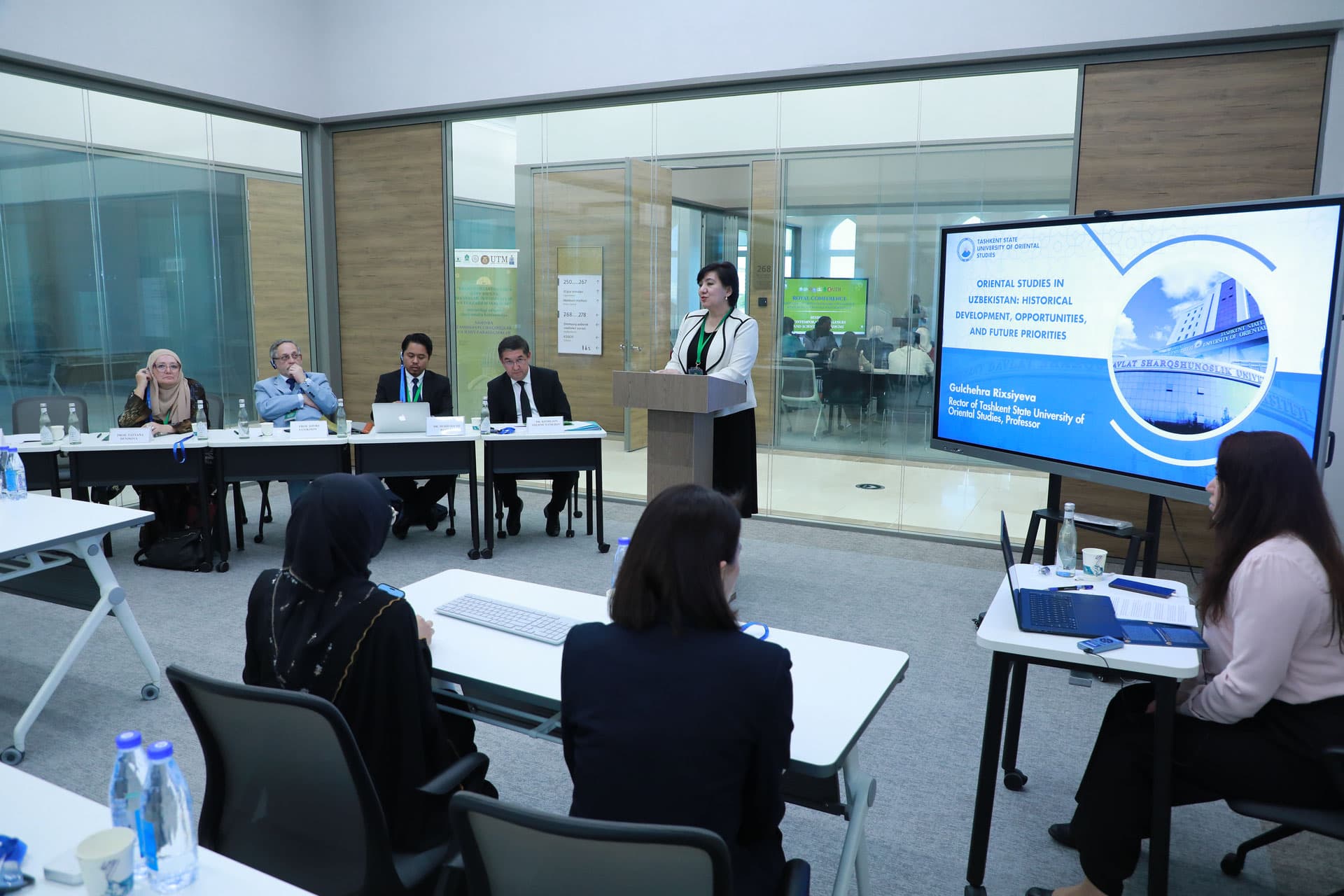
At the panel session titled “Science and Education in the Muslim World,” participants extensively discussed the role of science and education in Islamic civilization, the contemporary interpretation of scientific heritage, and the theoretical foundations of systems of knowledge.
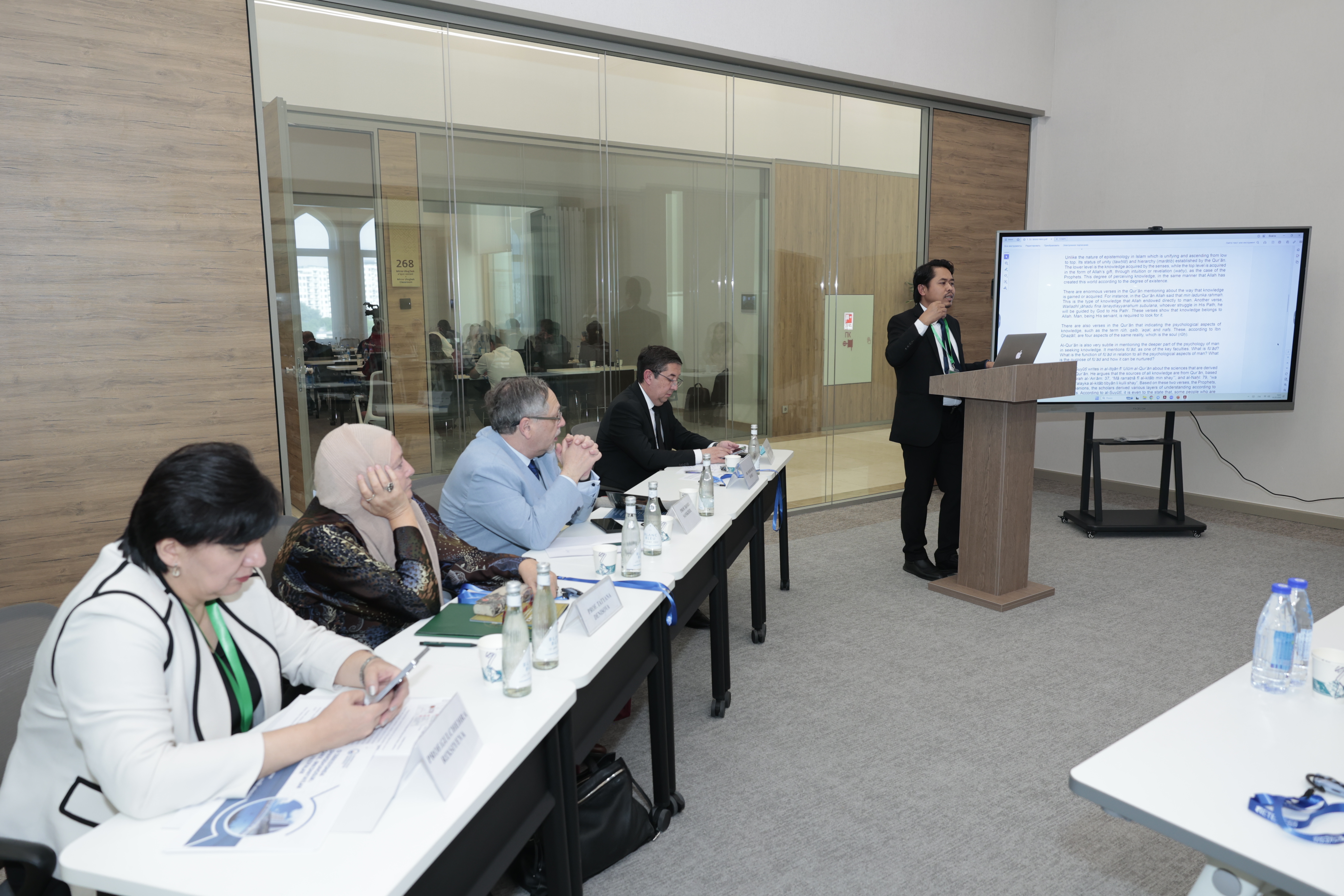 Director of the Raja Zarith Sofiah Centre for Advanced Studies on Islam, Science and Civilization at Universiti Teknologi Malaysia, Dr. Mohd Hilmi Ramli, emphasized the following during the discussion:
“In Islam, knowledge is based on specific sources. Human beings first receive knowledge through the senses, then comprehend it through intellect and reasoning, and finally strengthen it through reliable sources. This approach is clearly reflected in the scholarly heritage of great thinkers such as Imam Maturidi and Imam Taftazani.
Such conferences are highly important in strengthening scientific cooperation between Malaysia and Uzbekistan, exchanging experiences, and defining new directions for research. In particular, collaboration in studying historical sources and applying them to modern intellectual processes opens broad opportunities.”
The panel session also featured distinguished scholars such as Tatyana Denisova, Gulchekhra Rikhsieva, and Homidjon Ishmatbekov, who in their presentations discussed attitudes toward science in Islamic civilization, the history and future of Oriental studies, and the contributions of Central Asian scholars to world civilization.
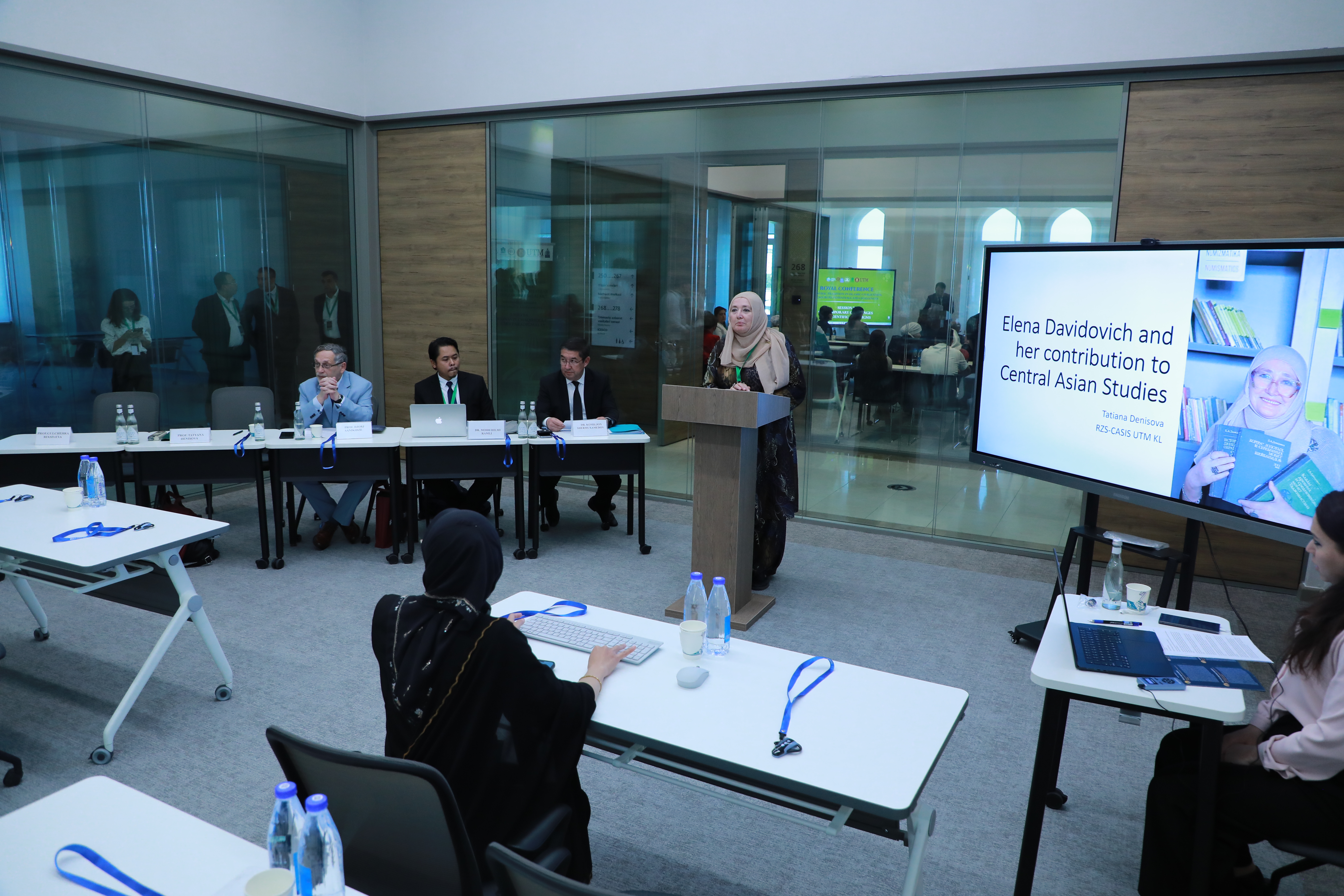 At the conclusion of the session, discussions and question-and-answer exchanges were held among participants, allowing for the exchange of scholarly opinions. Participants emphasized that these scientific and practical discussions served as an important platform for deeply studying issues related to science and education in Islamic civilization, as well as for developing international academic cooperation.
According to experts, such conferences represent an important stage in rediscovering Central Asia’s scientific heritage and integrating it into the global intellectual space.
It should be noted that on May 5 of this year, the Islamic Civilization Center in Uzbekistan hosted the international scientific and practical conference titled “Scientific Tradition in Islamic Civilization: Resources, Potential, and Challenges,” with the participation of Her Majesty the Queen of Malaysia.