
El Mundo Financiero: “An international conference was held in Madrid to mark the 690th anniversary of the birth of Amir Temur”
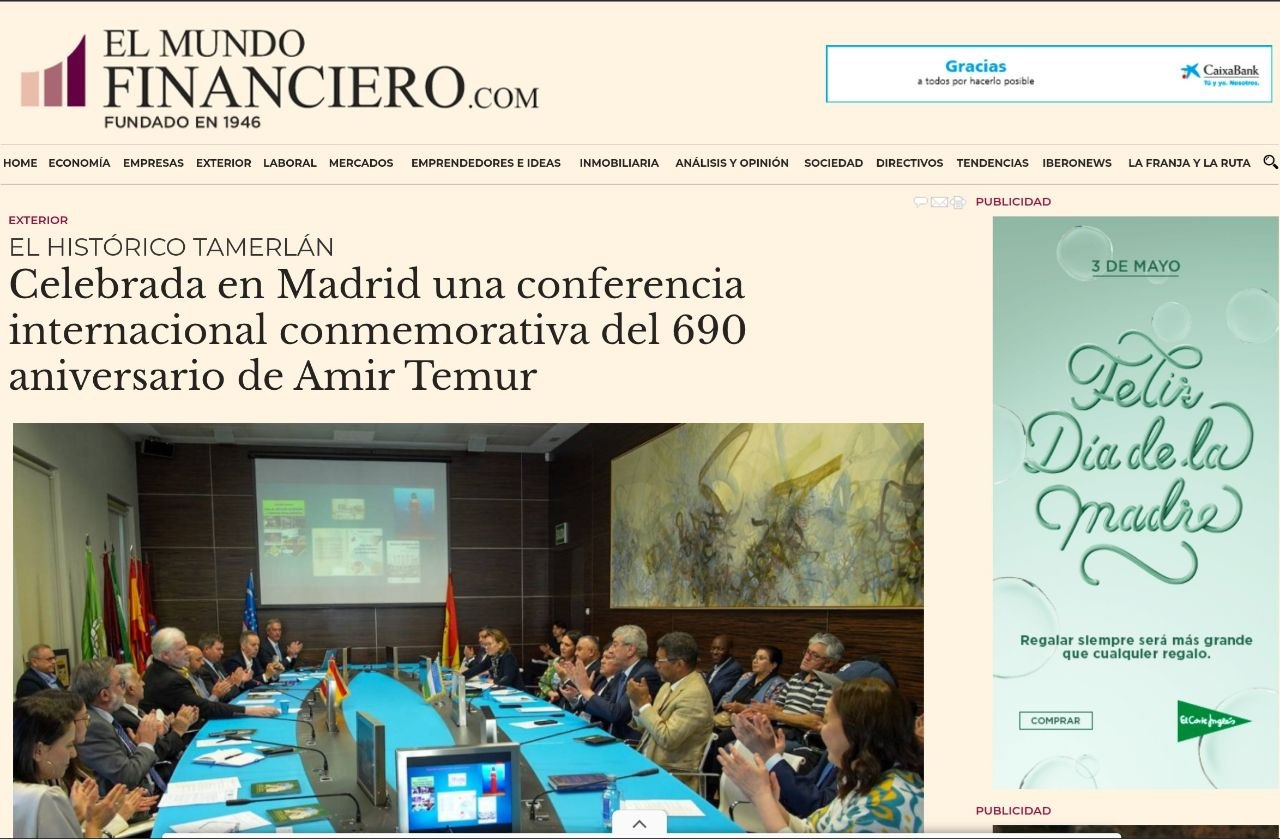 An article about the international conference held in Madrid to mark the 690th anniversary of the birth of Amir Temur was published in the Spanish newspaper El Mundo Financiero. The article described the conference dedicated to Amir Temur’s legacy as an important platform for historical dialogue between East and West, and highlighted Uzbekistan’s efforts to preserve its cultural heritage and promote Timurid civilization at the international level.
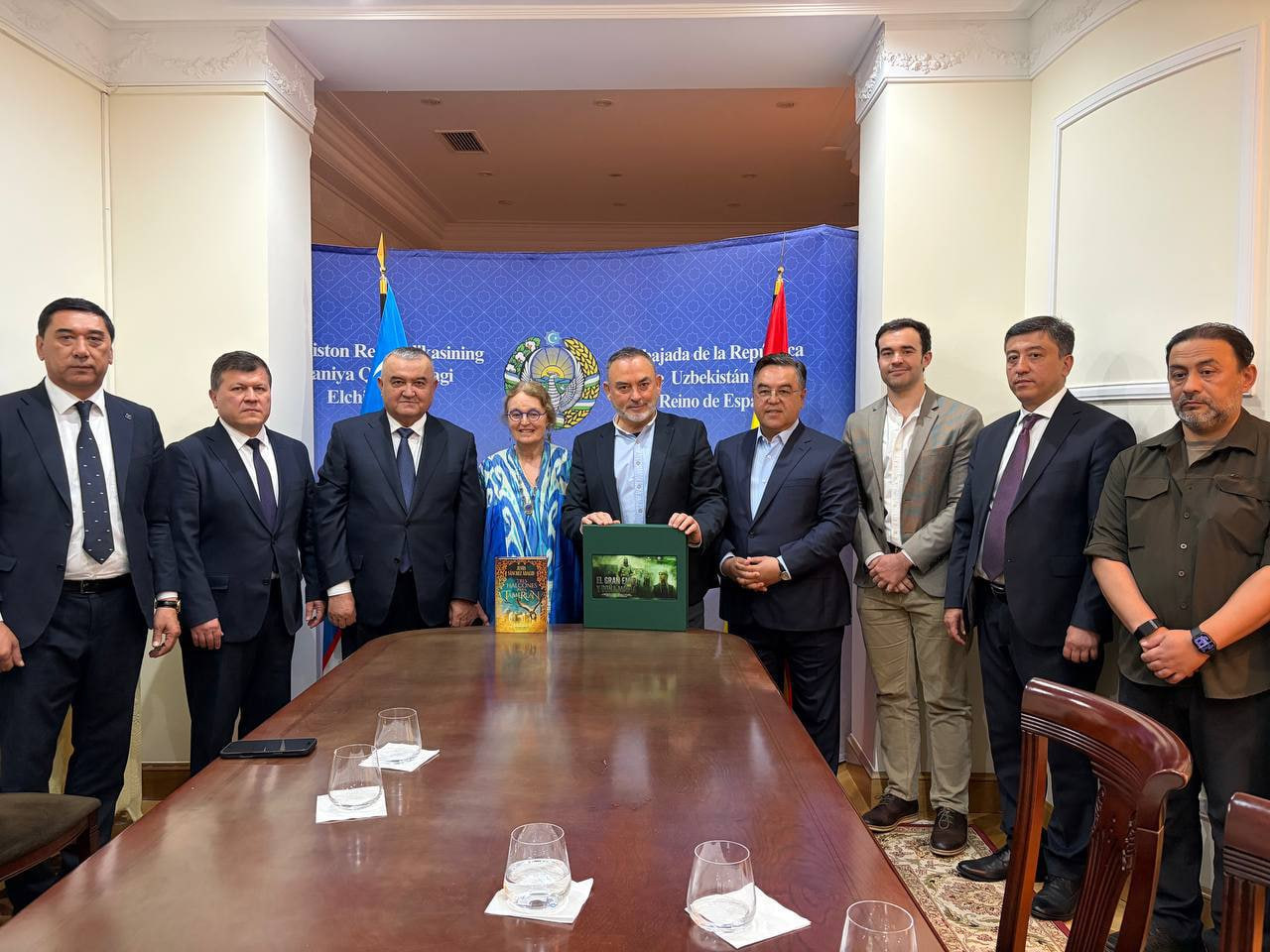
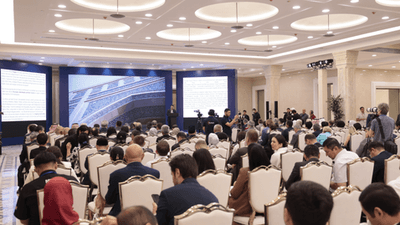
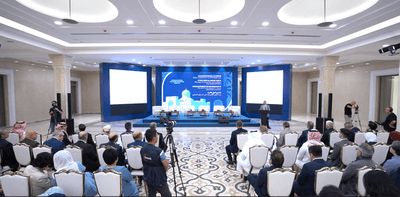
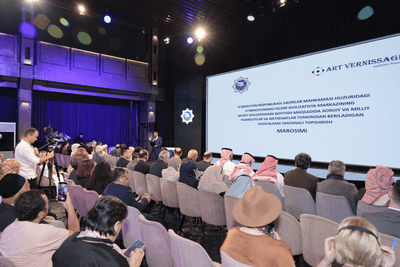
An international conference dedicated to the 690th anniversary of the birth of Amir Temur — an outstanding statesman, brilliant military commander, founder of a powerful empire, and one of the most remarkable figures in world history — was held at Casa Árabe, a prestigious cultural center in Madrid.
The event was attended by Farrukh Tursunov, Ambassador Extraordinary and Plenipotentiary of the Republic of Uzbekistan to the Kingdom of Spain; Khayriddin Sultanov, Advisor to the President of the Republic of Uzbekistan and People’s Writer of Uzbekistan; Firdavs Abdukhalikov, Director of the Islamic Civilization Center in Uzbekistan and Chairman of the Board of the World Society for the Study, Preservation and Popularization of the Cultural Legacy of Uzbekistan; Khurshid Fayziyev, Director of the State Museum of the History of the Timurids; Jesús Sánchez Adalid, Spanish writer; Jesús Gil Fuensanta, Secretary General of the Spanish Association of Orientalists and Professor at the Center for Asian Studies of the Autonomous University of Madrid; Frédéric Bressand, President of La Temurid; Charlotte Kramer, President of Mueller & Schindler; Alexander Wilhelm, Vice President of Mueller & Schindler Publishing House; and many other distinguished guests.
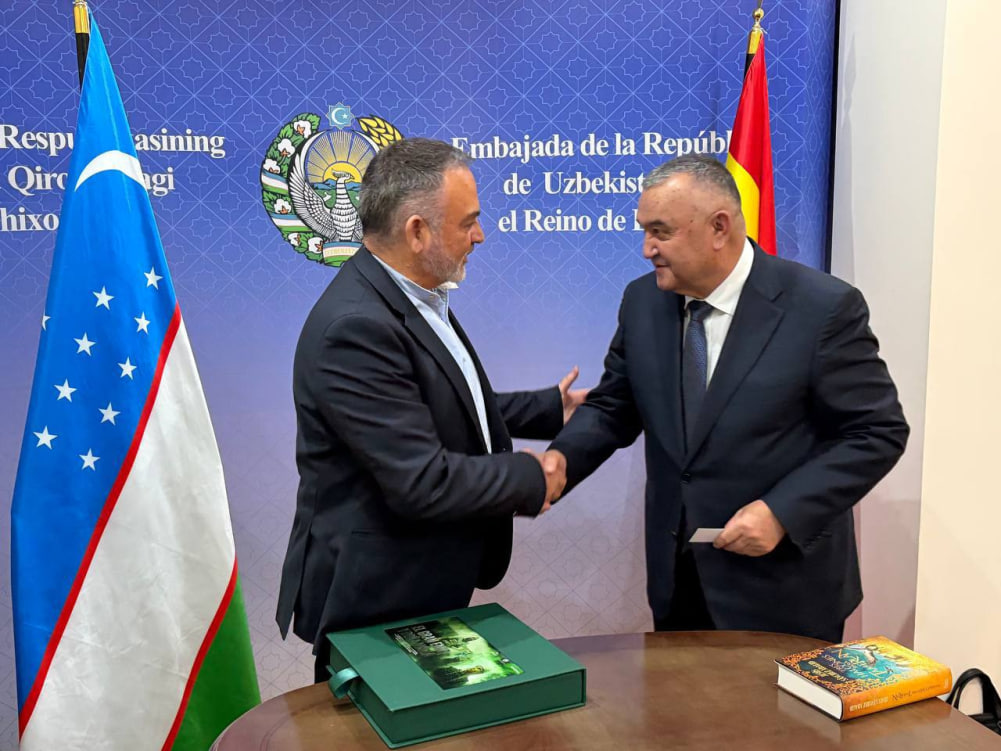 The scientific and educational forum became an important continuation of the large-scale jubilee events being organized at the initiative of Shavkat Mirziyoyev, President of the Republic of Uzbekistan. In accordance with the presidential resolution on the worthy celebration of the 690th anniversary of the birth of Amir Temur, this milestone is being widely commemorated in Uzbekistan at both national and international levels, and April has been declared “Amir Temur month.”
The jubilee events began in Uzbekistan, where an international scientific and practical conference dedicated to the role of Amir Temur and Timurid civilization in world history and culture was held in Tashkent and Samarkand from April 8 to 12, 2026.
The fact that the event was held in Spain gave it special historical significance, as Spain is the homeland of the renowned ambassador and chronicler Ruy González de Clavijo, who visited Samarkand. His written accounts of Amir Temur’s state are recognized as one of the most important historical sources on the Timurid era. Thus, the forum became a symbolic continuation of the centuries-old dialogue between East and West.
More than 70 scholars, researchers, cultural figures, diplomats, and experts from Asia, the European Union, and Latin America took part in the forum, once again confirming the high level of international interest in Amir Temur and the Timurid legacy.
At the opening ceremony, Farrukh Tursunov, Ambassador of Uzbekistan to Spain, emphasized the rapid development of Uzbek-Spanish relations and the strengthening of humanitarian cooperation.
In his keynote address, Khayriddin Sultanov noted that in today’s geopolitical environment, strengthening trust and dialogue between nations is of particular importance. He stressed that Uzbekistan is pursuing an open and peace-oriented foreign policy, while cultural and humanitarian cooperation is becoming one of the key pillars of international relations.
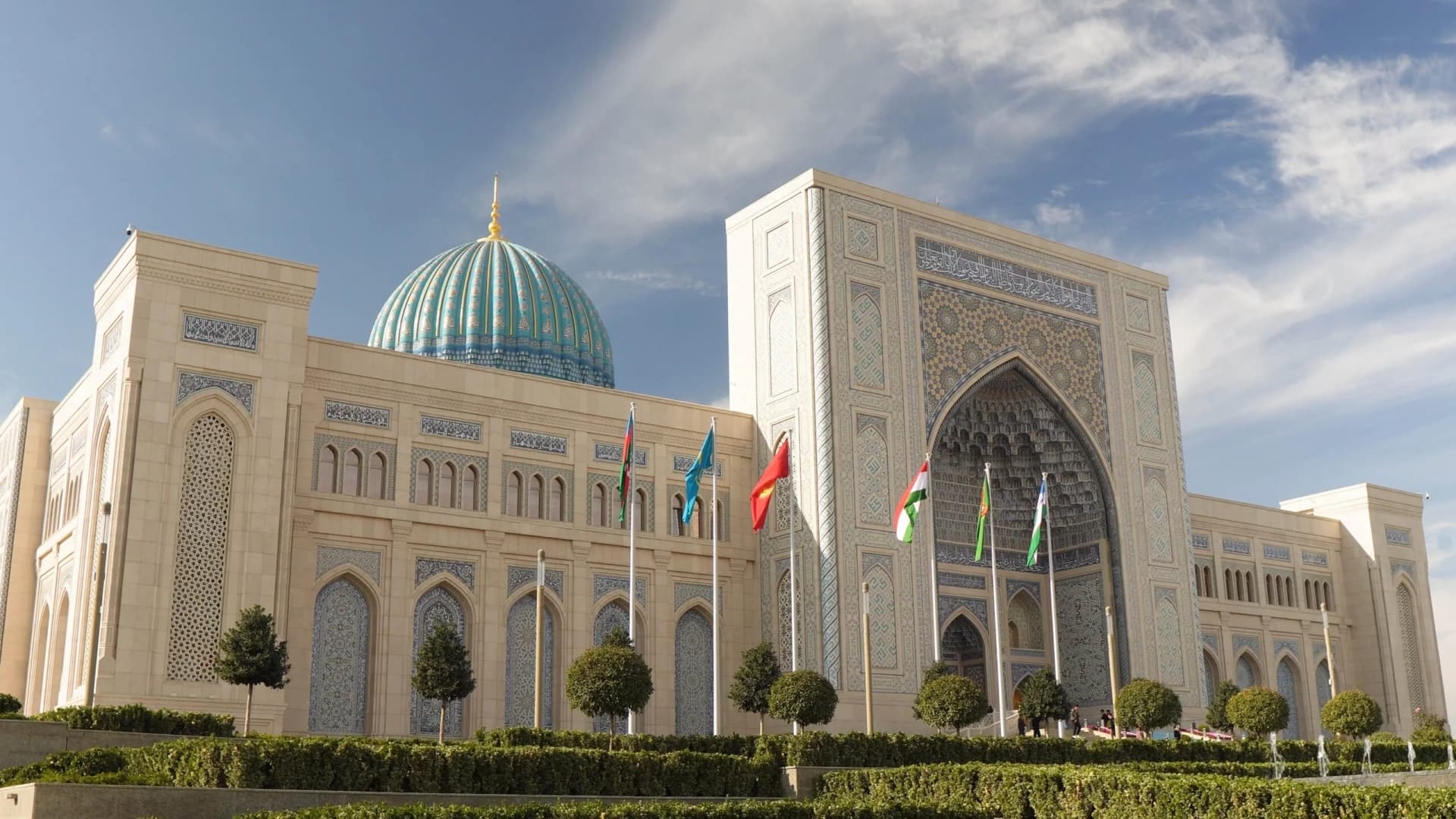
As part of the forum, a documentary video about the Islamic Civilization Center in Uzbekistan was presented, highlighting the extensive efforts being undertaken to study, preserve, and promote the nation’s cultural heritage.
Firdavs Abdukhalikov spoke about the activities of the Center, established at the initiative of the President of Uzbekistan, and paid special attention to the significance of the Timurid heritage. According to him, the Center is creating a comprehensive exhibition that reflects the contributions of the Timurid period to the development of science, culture, art, and statehood. He also noted that a substantial portion of the nearly 2,000 cultural heritage objects repatriated to Uzbekistan belongs to the Timurid era.
Khurshid Fayziyev emphasized in his speech the universal historical significance of Amir Temur and the tremendous contribution of the Timurid era to the development of world civilization.
The multimedia materials presented during the conference vividly demonstrated, through a modern artistic interpretation, the richness of Uzbekistan’s cultural and scientific heritage, as well as the country’s consistent state policy aimed at preserving and promoting it.
The international conference in Madrid once again proved that the 690th anniversary of Amir Temur’s birth is truly of global significance and serves to strengthen cultural ties and international cooperation.
Foreign participants of the forum also highly praised the event.
Frédéric Bressand, President of La Temurid, stated:
“Projects of this kind enable younger generations to gain a deeper understanding of their history and to view it within the broader context of the region’s centuries-old development. This is important not only for the citizens of the country, but also for the international community, as it offers a unique opportunity to discover the rich cultural heritage of Uzbekistan and all of Central Asia.”
Jesús Gil Fuensanta, Secretary General of the Spanish Association of Orientalists, noted:
“The initiatives being implemented by the Government of Uzbekistan play a significant role in introducing the country’s rich cultural heritage to the world.”
According to him, such events provide the international community with an opportunity to become closely acquainted with the unique legacy of the Timurid era, including magnificent architectural monuments, renowned written sources such as Zafarnama and Baburnama, as well as the poetry and rich cultural traditions of the region.
Today, the name of Amir Temur resonates more strongly than ever as a symbol of state power, strategic genius, and cultural creativity. The fact that the forum was held in Spain, on the historic soil associated with Ruy González de Clavijo, once again demonstrated that the centuries-old dialogue between East and West continues uninterrupted.
Founder of the Timurid Empire
In just over two decades, this Muslim commander of Turco-Mongol origin conquered some eight million square kilometers across Eurasia. Between 1382 and 1405, the vast armies of Amir Temur campaigned from Delhi to Moscow, and from the Tian Shan mountains of Central Asia to the Taurus Mountains in Anatolia, bringing vast territories under his control.
Temur’s campaigns in Anatolia posed a serious threat to the existence of the Ottoman Empire. His fame spread throughout Europe, where for centuries he was portrayed as a legendary and almost mythical figure. In the historical memory of many peoples, he remains the last great leader of nomadic power and one of the most significant expanders of the Turkic world in Central Asia.
Temur was the last great nomadic conqueror of the Eurasian steppes, and his empire laid the foundations for the emergence of the so-called “gunpowder empires” of the early modern era, including the Ottoman, Safavid Empire, and Baburid Empire empires of the sixteenth and seventeenth centuries.
Temur was of both Turkic and Mongol ancestry. Although he was not a direct descendant of Genghis Khan, he shared a common ancestor with him through his father’s line. Some historians have also suggested that his mother may have belonged to a lineage connected to the Chinggisid family. Throughout his life, Temur sought to continue the legacy of Genghis Khan and regarded himself as his rightful successor.
His full name was Temur ibn Taraghay Barlas, meaning “Temur, son of Taraghay, of the Barlas tribe.” In later Persian sources, he was given the epithet “Temur-i Lang” (“Timur the Lame”). This name later entered Western languages in the forms “Tamerlane” and “Timur Lenk.”
After his death, Temur’s body was transported to Samarkand and buried in the Gur-e Amir mausoleum. An inscription on the large jade stone covering his tomb reads:
“If I were to rise from my grave, the whole world would tremble.”
Interestingly, in 1941 Soviet archaeologists led by Mikhail Gerasimov opened and studied his tomb. Analysis of the skeleton confirmed that Temur did indeed have a limp and was, for his time, a notably tall and strongly built man, standing approximately 172 centimeters in height. Researchers also determined that he had reddish hair. Soviet studies further suggested that he possessed a combination of Mongoloid and Europoid physical features.