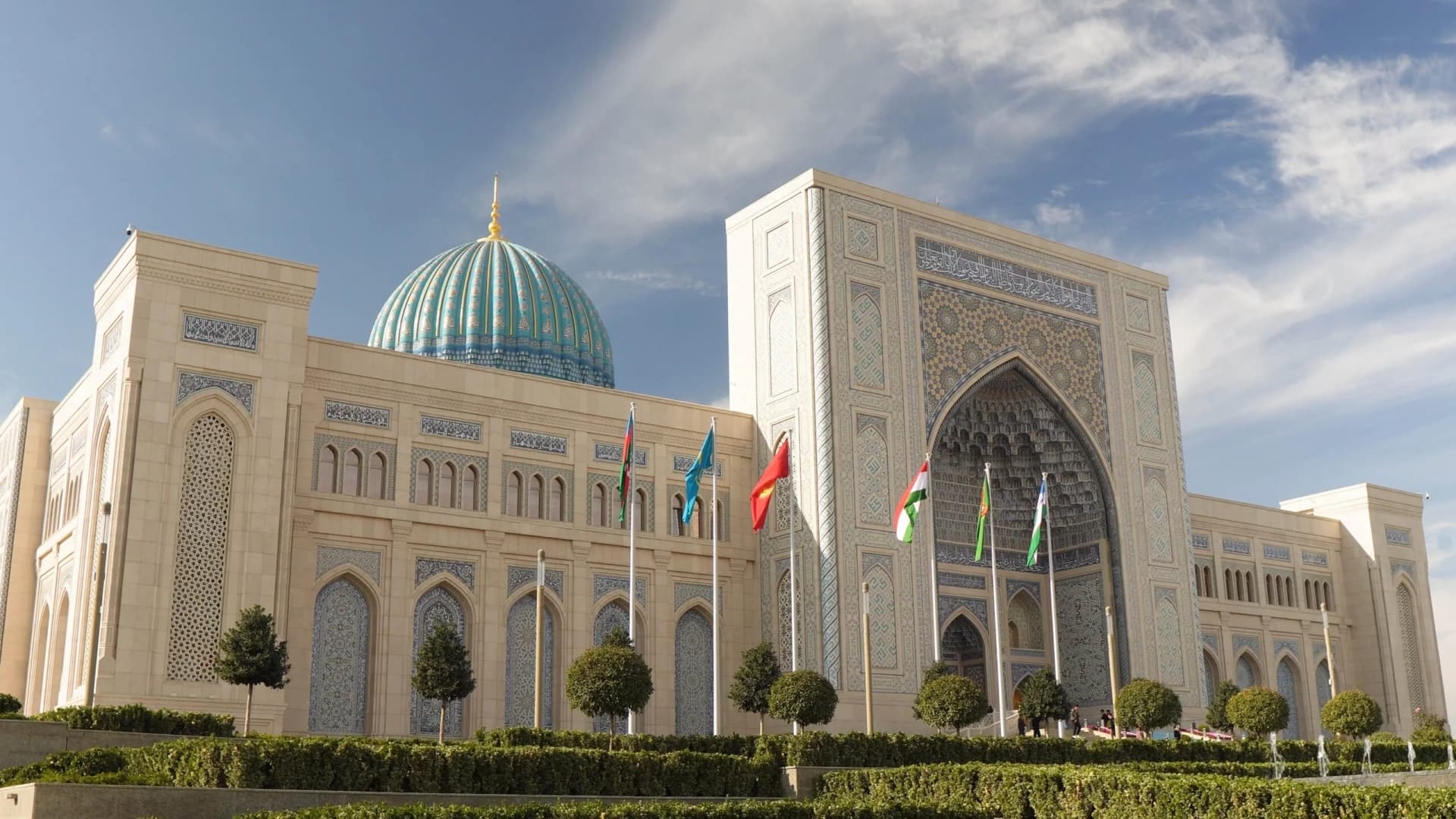

Rare artifacts were presented at the Scientific Council meeting at the Islamic Civilization Center in Uzbekistan
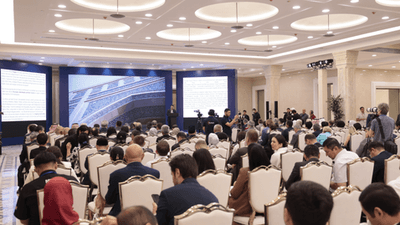
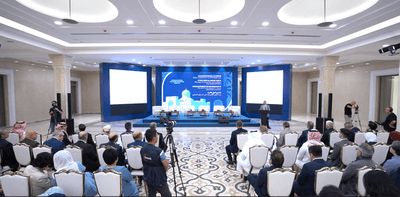
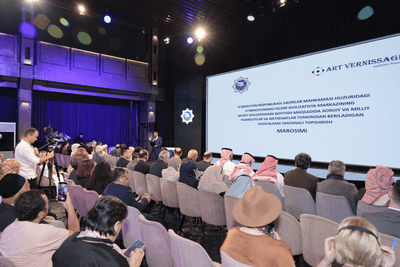
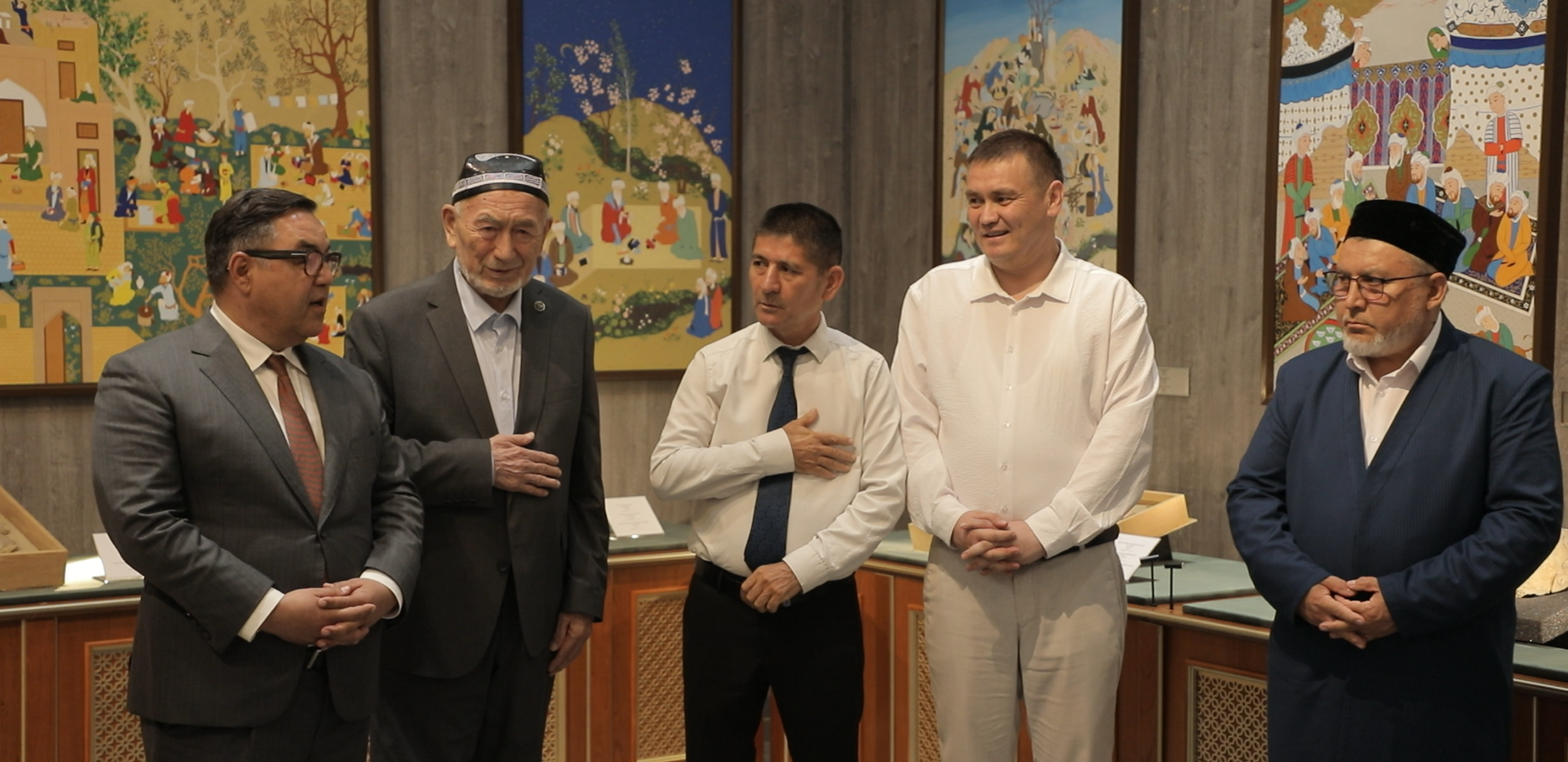 A meeting of the Scientific Council was held at the Islamic Civilization Center in Uzbekistan. During the meeting, unique historical artifacts repatriated to the country as a result of ongoing efforts to protect cultural heritage and return it to its homeland through international cooperation were presented to the wider academic community for the first time.
During the session, members of the Scientific Council were introduced to invaluable cultural heritage objects identified as part of Operation Inherent Vice, an international initiative carried out in cooperation with the Heritage Crime Task Force under the Organization for Security and Co-operation in Europe, the Art and Antiques Unit of the Metropolitan Police Service, Art Loss Register, the Islamic Civilization Center in Uzbekistan, and World Society for the Study, Preservation and Popularization of the Cultural Legacy of Uzbekistan.
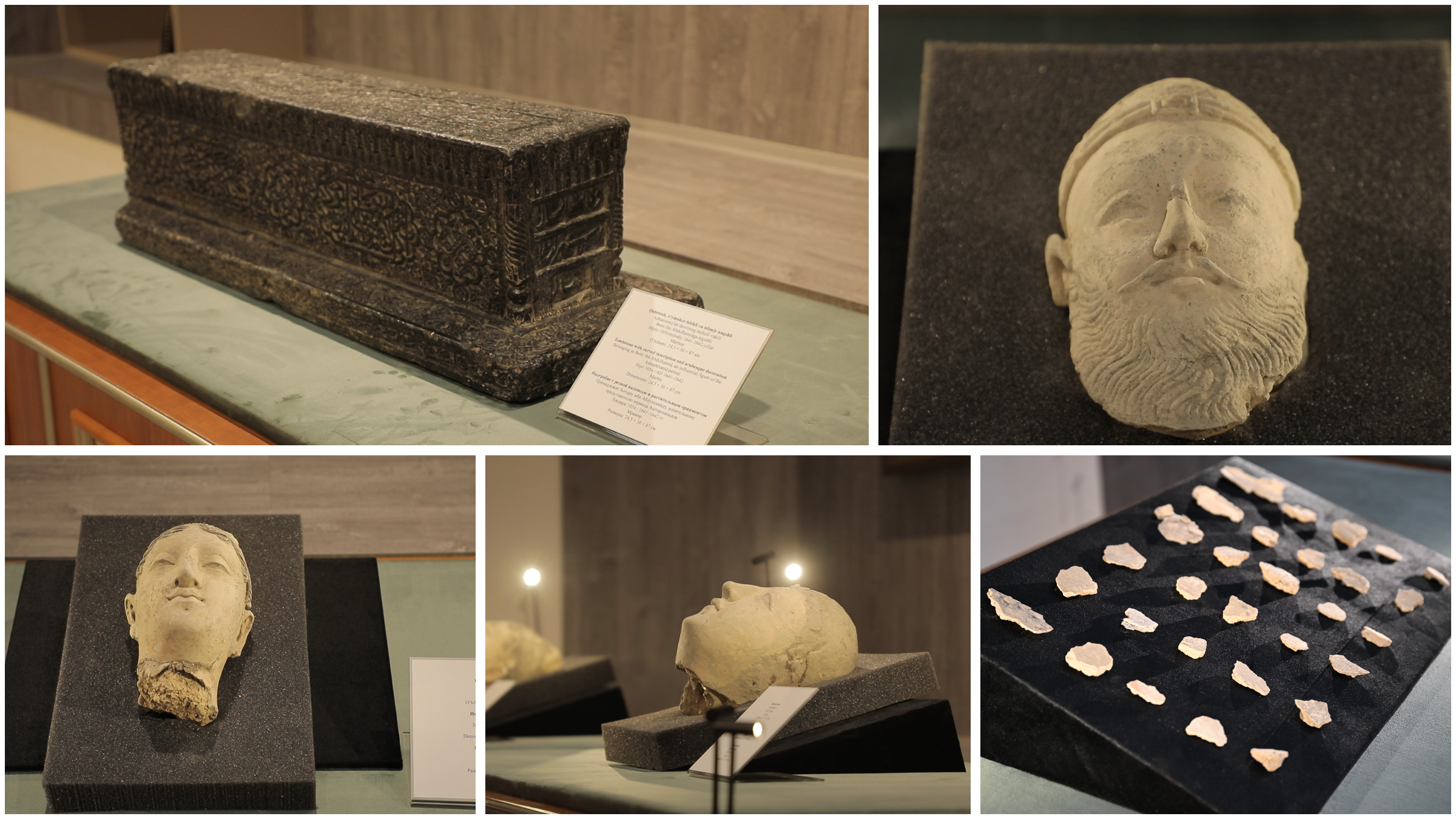 The presented artifacts reflect the centuries-long historical development of Central Asian civilization and encompass Buddhist, Sogdian, and Islamic cultural layers. Among them are sculpted heads and busts from the Kushan Empire period, fragments of stucco decoration, rare wall paintings dating from the 2nd to the 8th centuries, and artifacts originating from the archaeological complexes of Fayaztepa and Karatepa. A Timurid-period cenotaph dating to the 15th century is of particular scientific and cultural significance.
Special attention was drawn to Buddhist wall paintings, as well as terracotta and stucco sculptures reflecting the artistic traditions of Gandhara and early Buddhist art. These objects demonstrate the remarkable artistic sophistication and cultural synthesis of ancient schools of art.
Within the framework of the meeting, a stone cenotaph from the Timurid period was also presented. Decorated with intricate inscriptions, ornamental motifs, and poetic texts, it was recognized as a rare example of memorial art in Central Asia.
The Scientific Council discussed future plans for the scholarly study, restoration, cataloguing, and preparation of these artifacts for museum exhibition.
Speaking at the event, Firdavs Abdukhalikov, Director of the Islamic Civilization Center in Uzbekistan and Chairman of World Society for the Study, Preservation and Popularization of the Cultural Legacy of Uzbekistan, emphasized:
“The return of these unique artifacts to their homeland is the result of the consistent state policy pursued by President Shavkat Mirziyoyev to protect, preserve, and facilitate the international repatriation of cultural heritage. This policy has made it possible to establish effective international cooperation and achieve practical results in this important field.”
The presentation of these exceptional cultural heritage objects at the Islamic Civilization Center in Uzbekistan once again demonstrated the systematic and consistent nature of the country’s state policy aimed at preserving, studying, and sharing Uzbekistan’s rich historical and cultural heritage with the broader public.