



Archilovers: “Seven museums redefining the beauty of our time. The Prix Versailles 2026 unveils its World’s Most Beautiful Museums list”
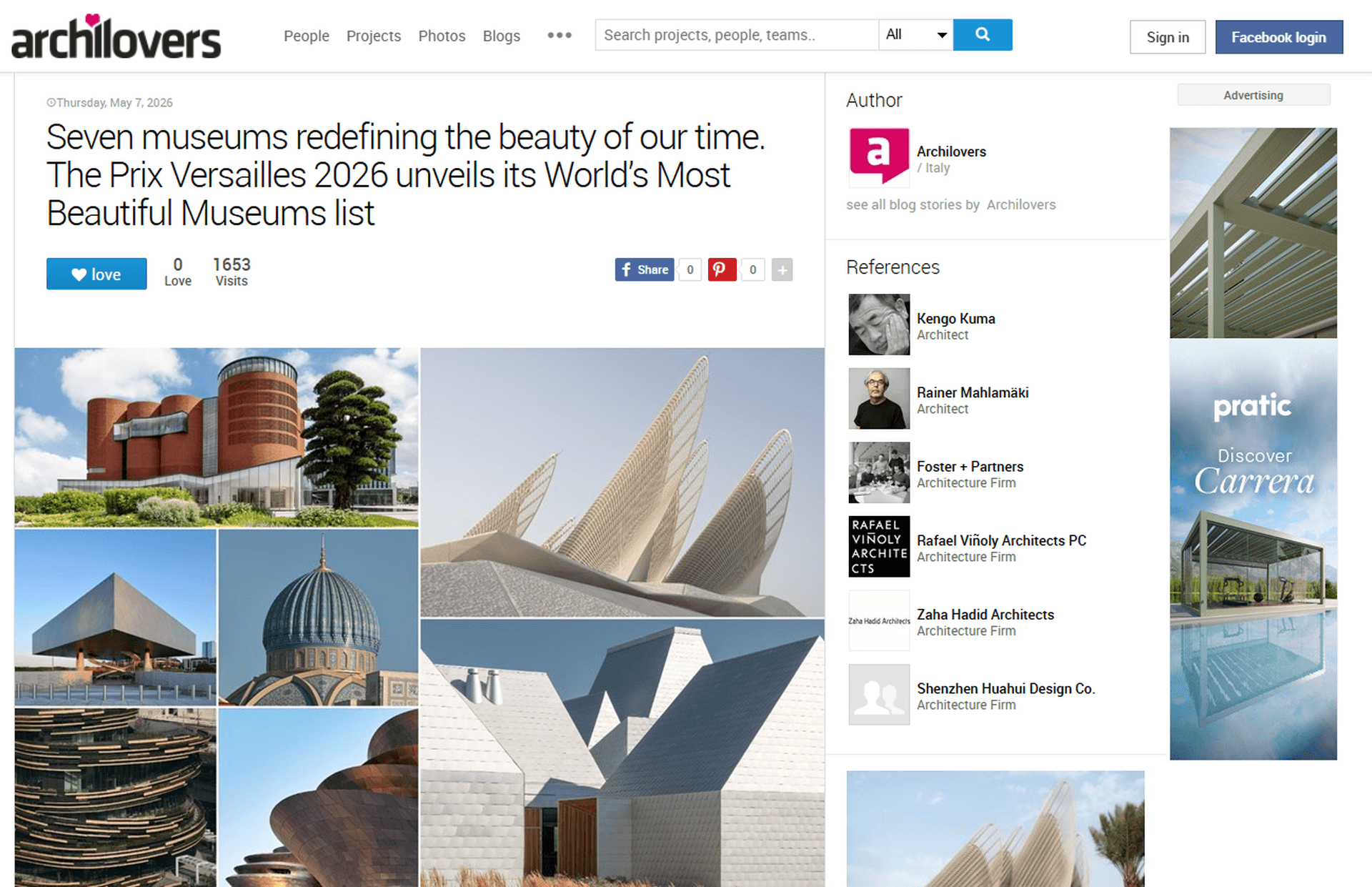
The twelfth season of the Prix Versailles awards officially began on May 4, 2026, with the announcement of the seven projects included in the list of the “World’s Most Beautiful Museums – 2026.”
The competition brought together architectural works that differ significantly in terms of geography, scale, and thematic focus. What unites them, however, is their ability to transform the museum into a compelling architectural and narrative medium. As emphasized by Jérôme Gouadain, these projects stand out for the quality of their architectural interpretation and scenography. They elevate history, memory, science, and innovation through architectural form. At the end of the year, three of these seven museums will also receive additional “World Titles” in the Prix Versailles, Interior, and Exterior categories.
From Abu Dhabi to Shenzhen: The Museum as a Symbol of the City and Its Climate
Among the selected projects is the Zayed National Museum in Abu Dhabi, designed by Foster + Partners and inaugurated on December 3, 2025, in the Saadiyat Cultural District.
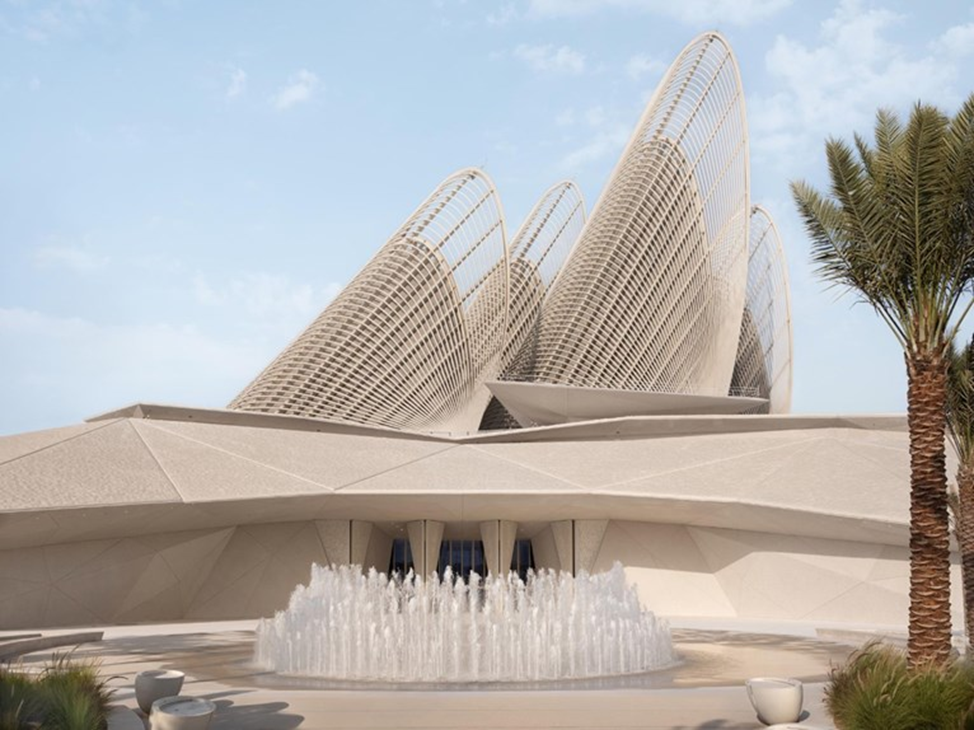 Zayed National Museum
The museum is dedicated to the legacy of Sheikh Zayed bin Sultan Al Nahyan, the founding father of the United Arab Emirates, and presents more than 300,000 years of history through six permanent galleries. The building is distinguished by five steel towers inspired by the wings of a falcon in flight. These towers are not only symbolic in nature but also incorporate a natural ventilation system that enhances the museum's environmental efficiency. The harmonious combination of sand-colored tones and natural light transforms the museum into a unique bridge between earth and sky, extending toward the waterfront through Al Masar Garden.
The Shenzhen Science and Technology Museum, inaugurated on May 1, 2025, interprets the museum as a new symbol of the Greater Bay Area. Designed by Zaha Hadid Architects, the building resembles a massive spacecraft embracing the city.
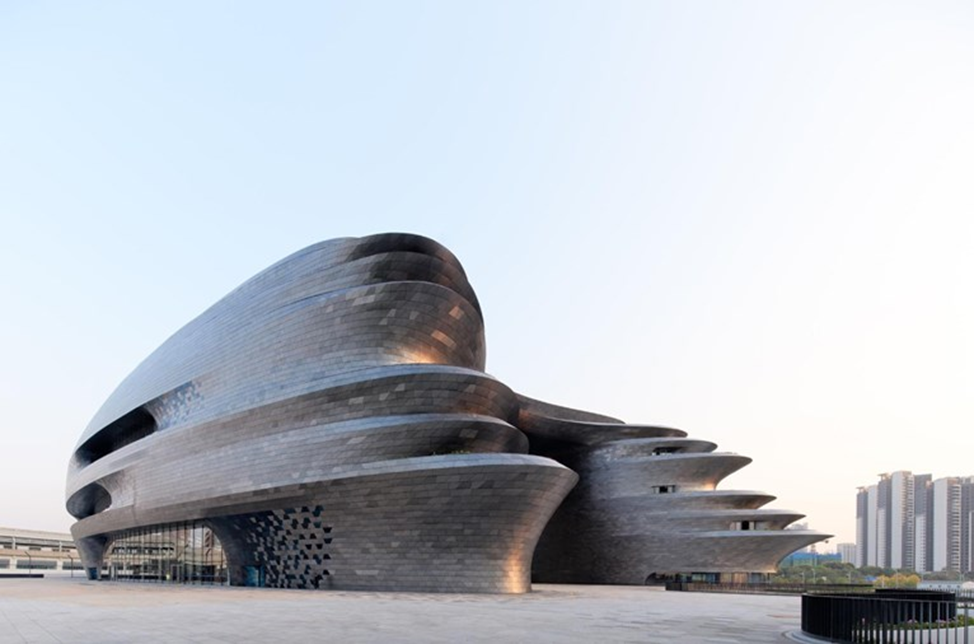 Shenzhen Science and Technology Museum © Virgile Simon Bertrand
The project was developed with careful consideration of the region’s subtropical climate, including factors such as solar radiation, temperature, humidity, wind direction, and air quality. Its facade, composed of 95,000 irregular stainless-steel panels, changes in color from deep blue to gray depending on the light. Here, architectural innovation is harmoniously combined with environmental efficiency, while exterior terraces connect the galleries with the surrounding park.
The Museum as a Sensory Experience and Narrative Landscape
Also included in the list is the Xuelei Fragrance Museum, presented as the world’s largest perfume museum. Designed by Shenzhen Huahui Design Co., the building consists of eight cylindrical volumes constructed from red brick, evoking the processes of distillation and purification used in perfume production.
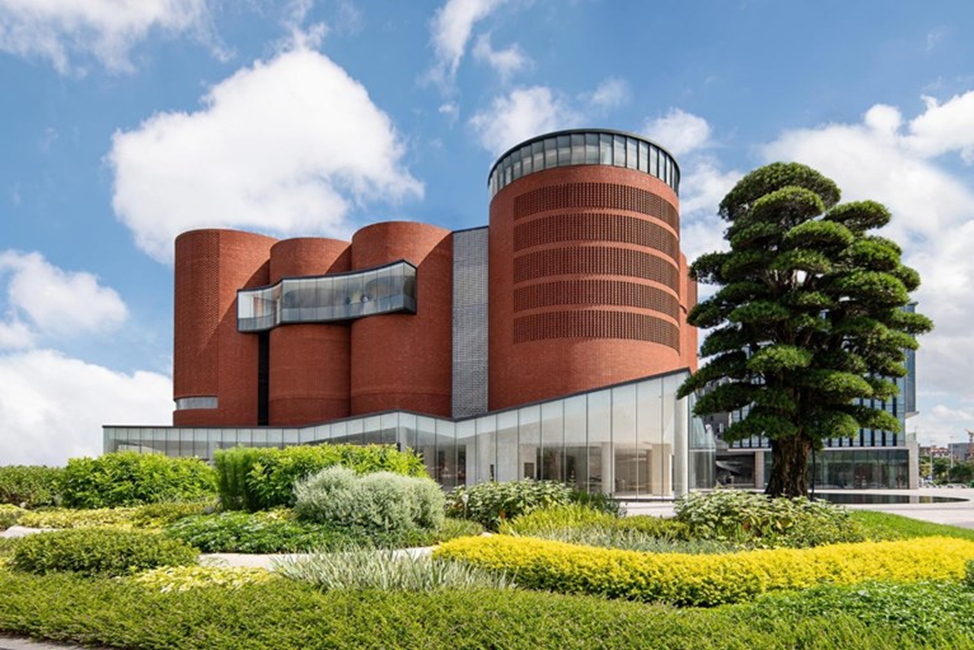 Xuelei Fragrance Museum
The architectural concept is designed to guide visitors as if they were following the trail of a fragrance. Along the pathway leading to the rooftop garden, nearly 300 interactive scent stations have been installed. In this way, the museum has become a contemporary manifestation of an intangible heritage that is deeply intertwined with the history of humanity.
The MoN Takanawa: The Museum of Narratives, which opened on March 28, 2026, is located within the Takanawa Gateway City, on the site of Japan’s first railway line. Designed by Kengo Kuma, the museum is conceived as an interactive cultural space at the intersection of art, tradition, technology, and education.
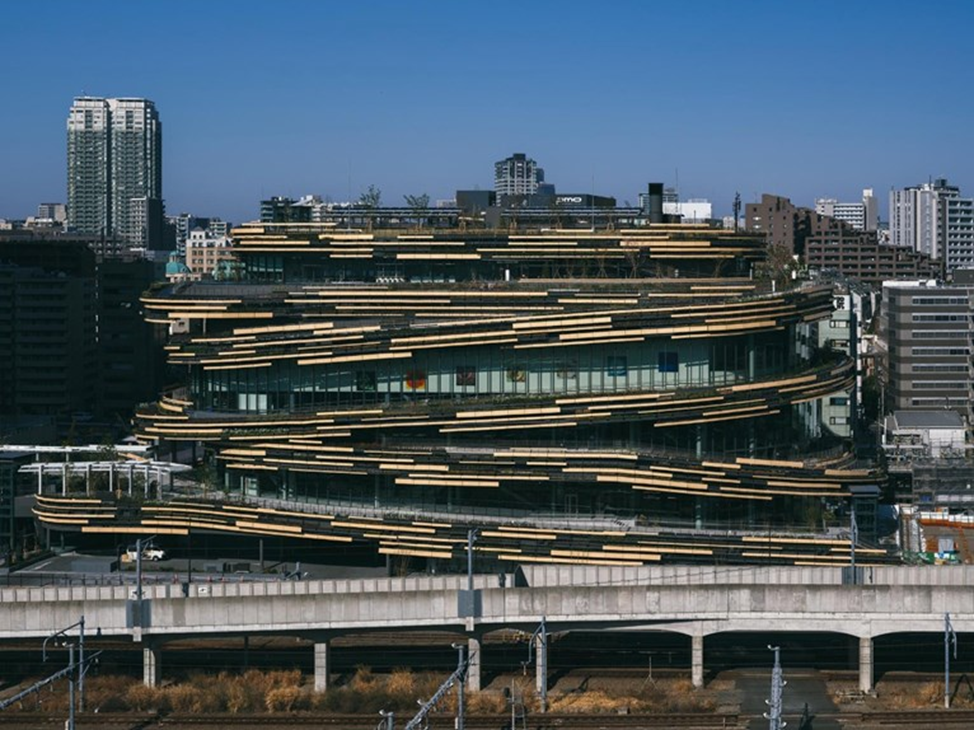 MoN Takanawa: The Museum of Narratives © Yasuyuki Takaki
Its light and almost ethereal architecture, composed of wood, layered glass, perforated surfaces, and soft lighting, virtually dissolves the boundary between interior and exterior spaces. Enriched with more than 200 species of plants, the project stands in striking contrast to the surrounding skyscrapers and reinterprets the concept of the modern city through openness, delicacy, and seasonal transformation.
Memory, Loss, and the Role of Architecture in Society
The The Lost Shtetl Museum, located near the Šeduva Jewish Memorial Site in Lithuania, embodies a more contemplative spirit. The museum tells the story of the vanished world of the small Jewish communities — known as shtetls — that existed in the country before the Holocaust.
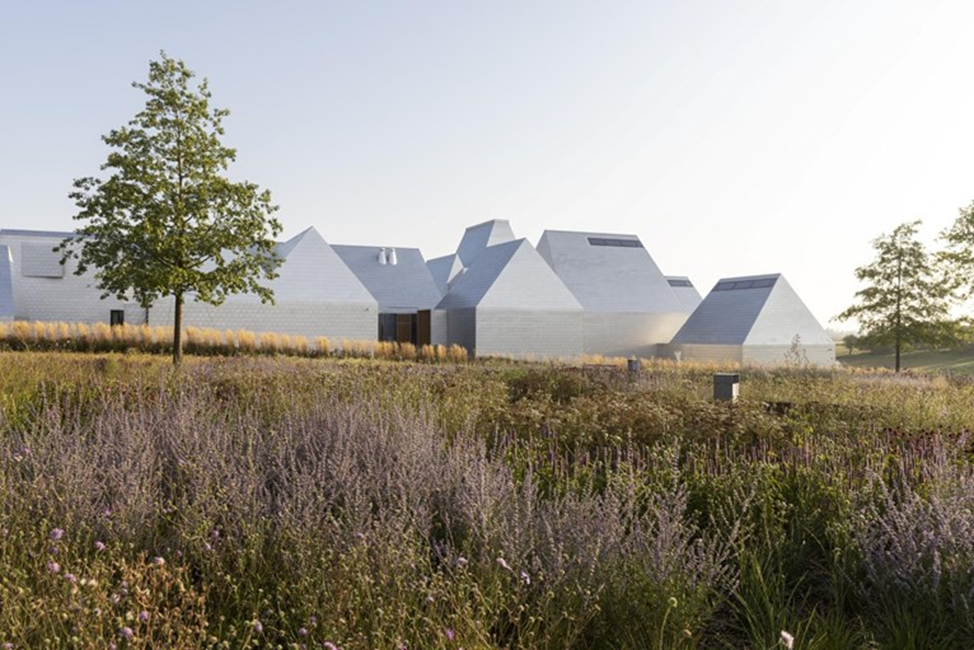 The Lost Shtetl Museum © Enea Landscape Architecture
The complex, designed by Rainer Mahlamäki in collaboration with Enea Landscape Architecture, is conceived in the form of a small village. The various buildings, designed as individual “houses,” represent different chapters of the exhibition. The simple gray exterior blends harmoniously into the surrounding rural landscape, while the adjacent Memory Garden extends the museum as a living memorial.
The National Medal of Honor Museum, located in the U.S. state of Texas, is dedicated to recipients of the nation's highest military decoration. This latest project, designed by Rafael Viñoly Architects PC, is centered around a large steel-clad exhibition hall that appears to float 12 meters above the Honor Plaza.
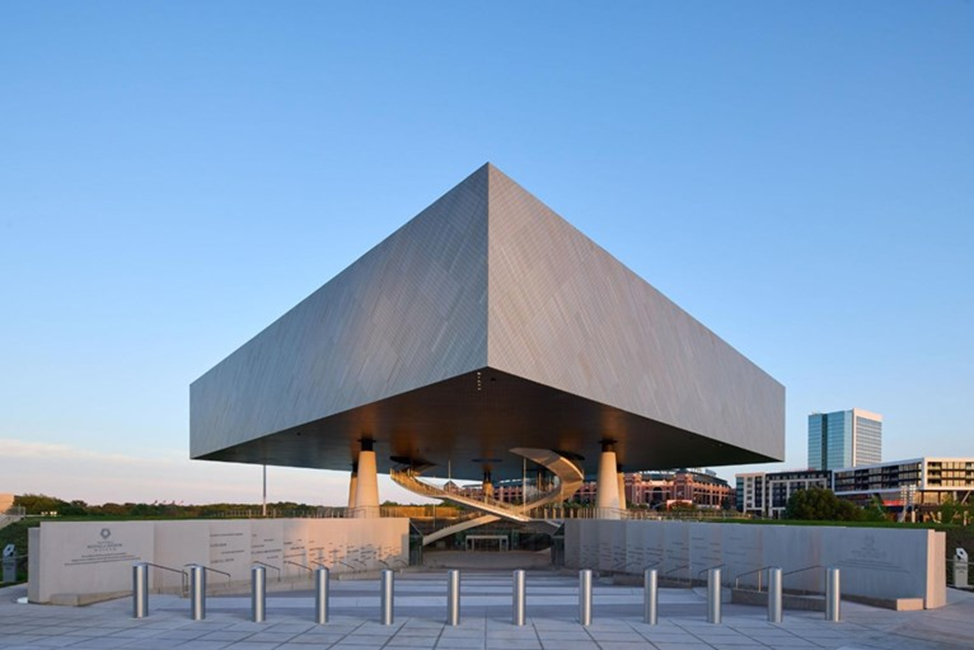 National Medal of Honor Museum © Vinoly_NMOHM
Five monumental columns symbolize the different branches of the United States Armed Forces, while the central circular opening alludes to the United States Space Force. Through a compelling narrative of courage, sacrifice, and integrity, the museum serves not only to preserve memory but also to reinforce civic values within society.
Monumentality and Intercultural Dialogue
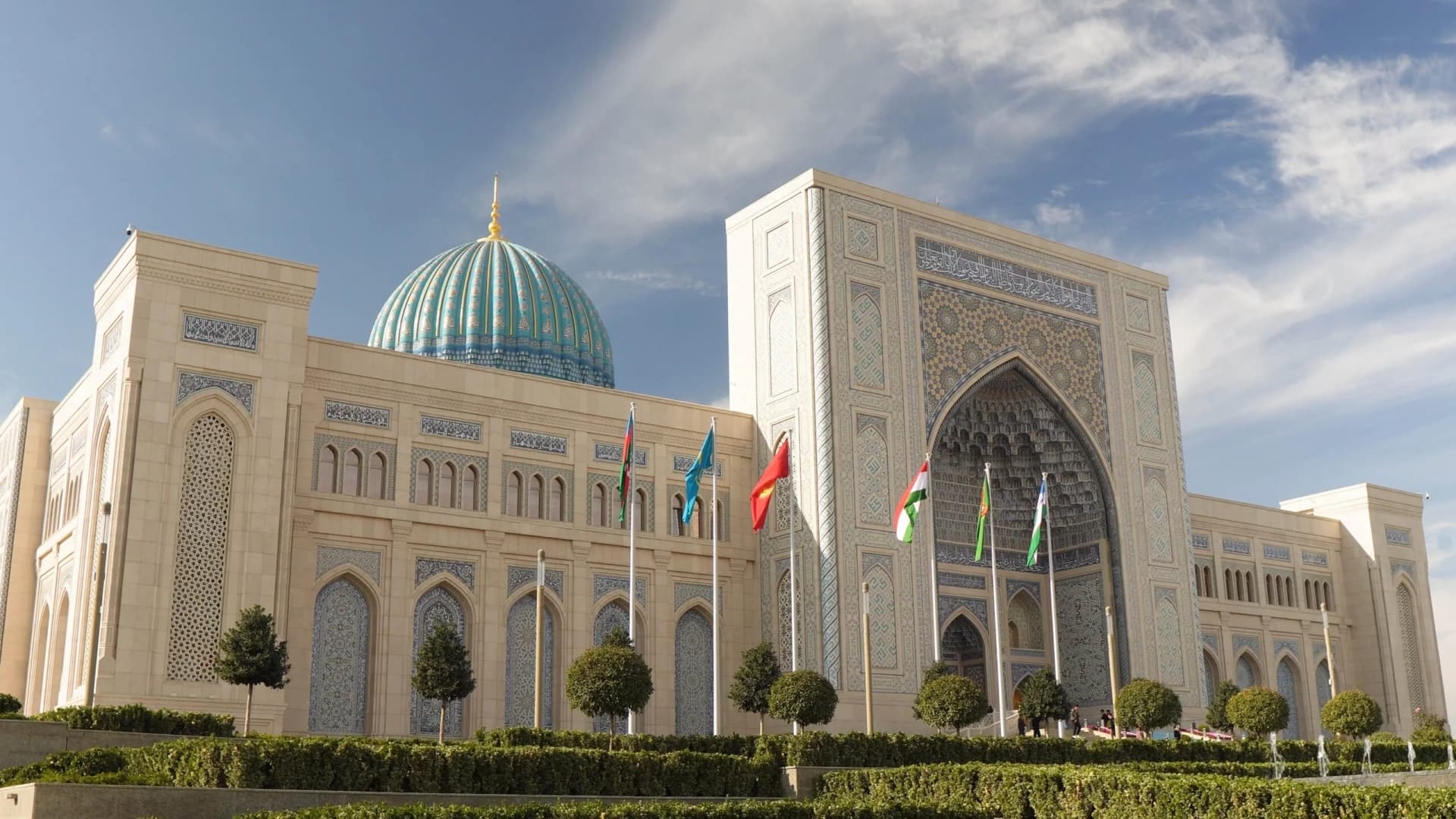
The list concludes with the Islamic Civilization Center in Uzbekistan. Being developed at the initiative of Shavkat Mirziyoyev, this complex is conceived both as a tribute to traditional architecture and as a new modern symbol of the nation's capital.
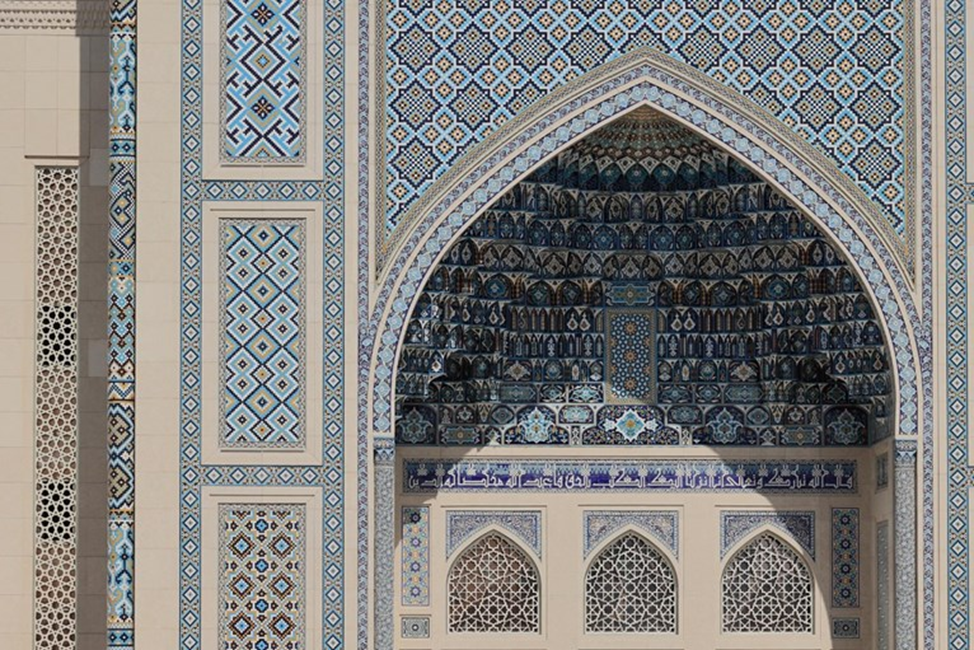 Islamic Civilization Center in Uzbekistan
The project is inspired by the monumental architecture of the Timurid Renaissance and is distinguished by its grand portals and a dome rising to a height of 65 meters. At the heart of the Center, the Qur’an Hall creates an atmosphere that invites contemplation through the use of light, sound, and multimedia. The complex also encompasses archives, a library, an Islamic academy, and conference halls, thereby fulfilling functions in research, education, and cultural outreach. Nearly 1,500 scholars from more than 40 countries have participated in its academic program, transforming the museum into a dynamic platform for intercultural dialogue.
The Museum as a Contemporary Expression of the Common Good
These seven projects selected by Prix Versailles 2026 demonstrate the broad and multilayered interpretation of the museum concept. A museum is no longer viewed merely as a place for preserving history, but as a space capable of connecting architecture, memory, technology, nature, and civic values.
Whether through the climatic monumentality of the Zayed National Museum, the refined narrative approach of MoN Takanawa: The Museum of Narratives, the civic spirit of National Medal of Honor Museum, or the deeply moving remembrance embodied in The Lost Shtetl Museum, all of these projects demonstrate that the contemporary museum has become one of the most important spaces through which architecture can give form to the common good.