


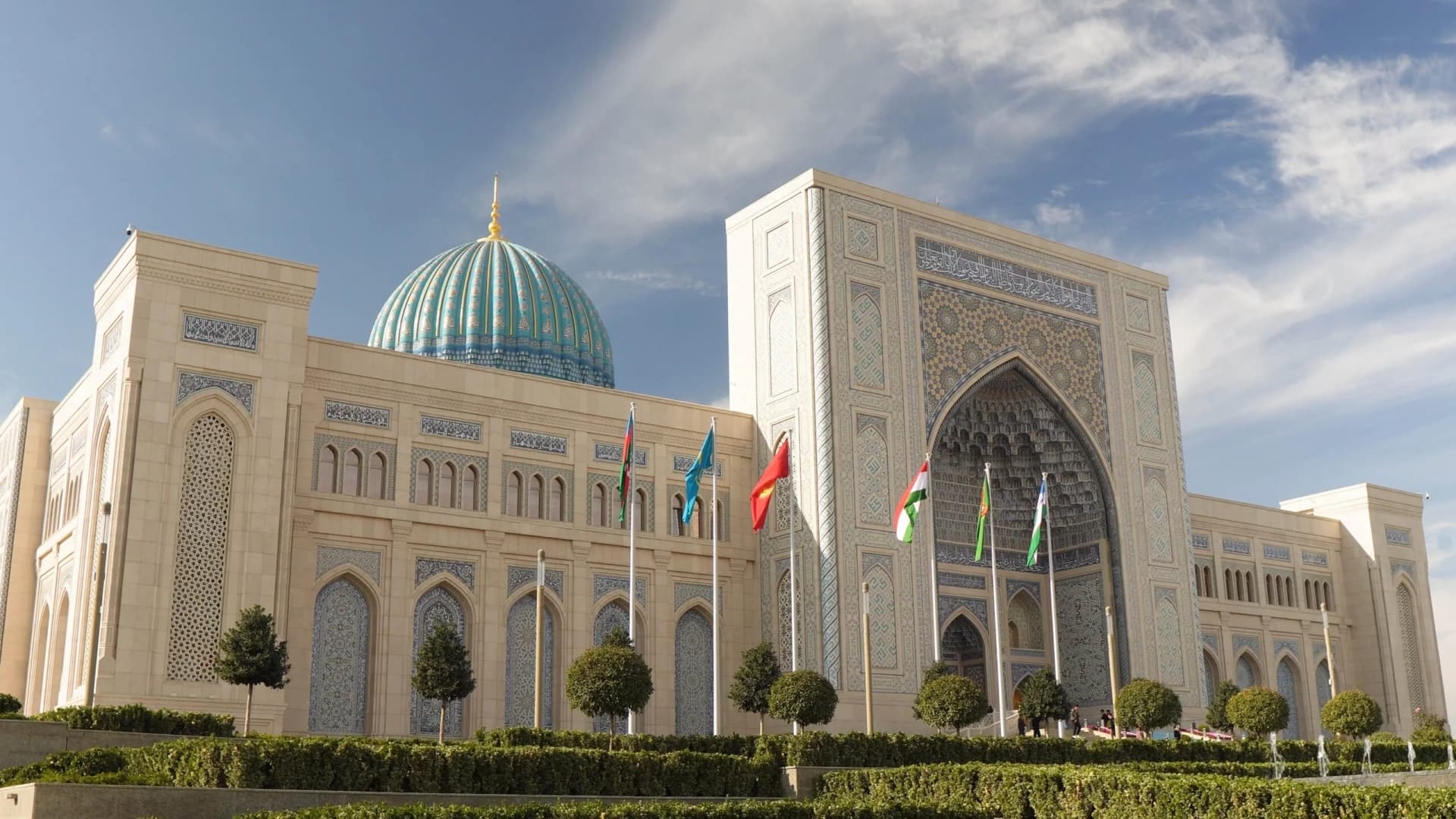


The presentation of the book “Ismat al-Anbiya” was held at the Islamic Civilization Center in Uzbekistan
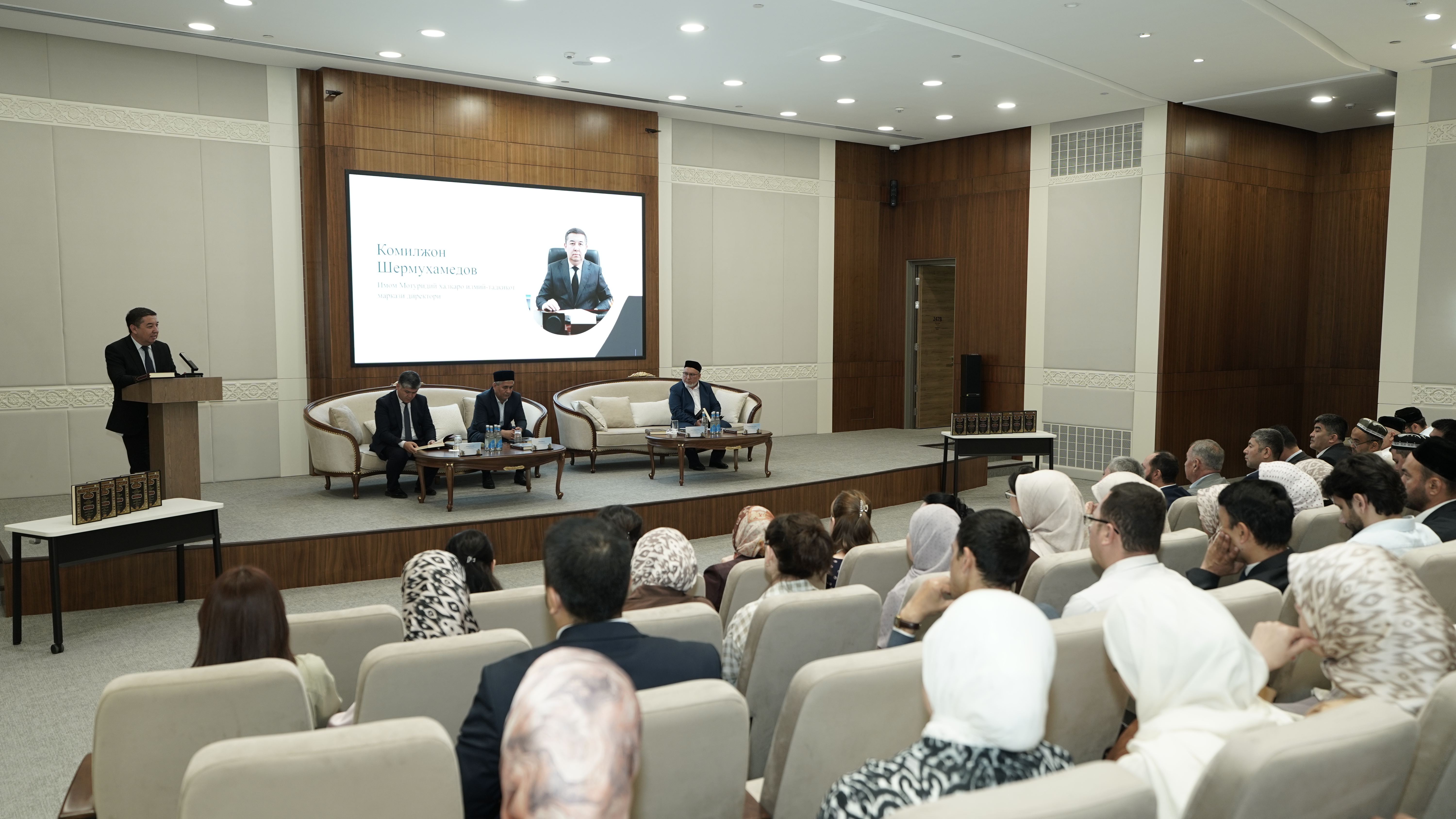 A scientific and educational event dedicated to the presentation of the famous work “Ismat al-Anbiya” by the great scholar Abu al-Husayn Peshaghari, who hailed from the land of Zomin, was held at the Islamic Civilization Center in Uzbekistan. The book was published by the Imam Maturidi International Scientific Research Center.
The presentation was organized on the international scientific and educational platform of the Islamic Civilization Center in Uzbekistan. This mega project, established at the initiative of President Shavkat Mirziyoyev, is today recognized as a major scientific and educational institution serving to study, research, and widely promote Islamic scholarship, the rich manuscript heritage, and the spiritual treasures left by our ancestors.
The work was published by the prestigious “Ghanim” publishing house in Jordan at the initiative of the Imam Maturidi International Scientific Research Center. Prepared on the basis of the scholarly research conducted by Maturidi studies experts Ahmad Sa’d Damanhuri and Ikhtiyor Abdurakhmonov, the book is being introduced into academic circulation for the first time.
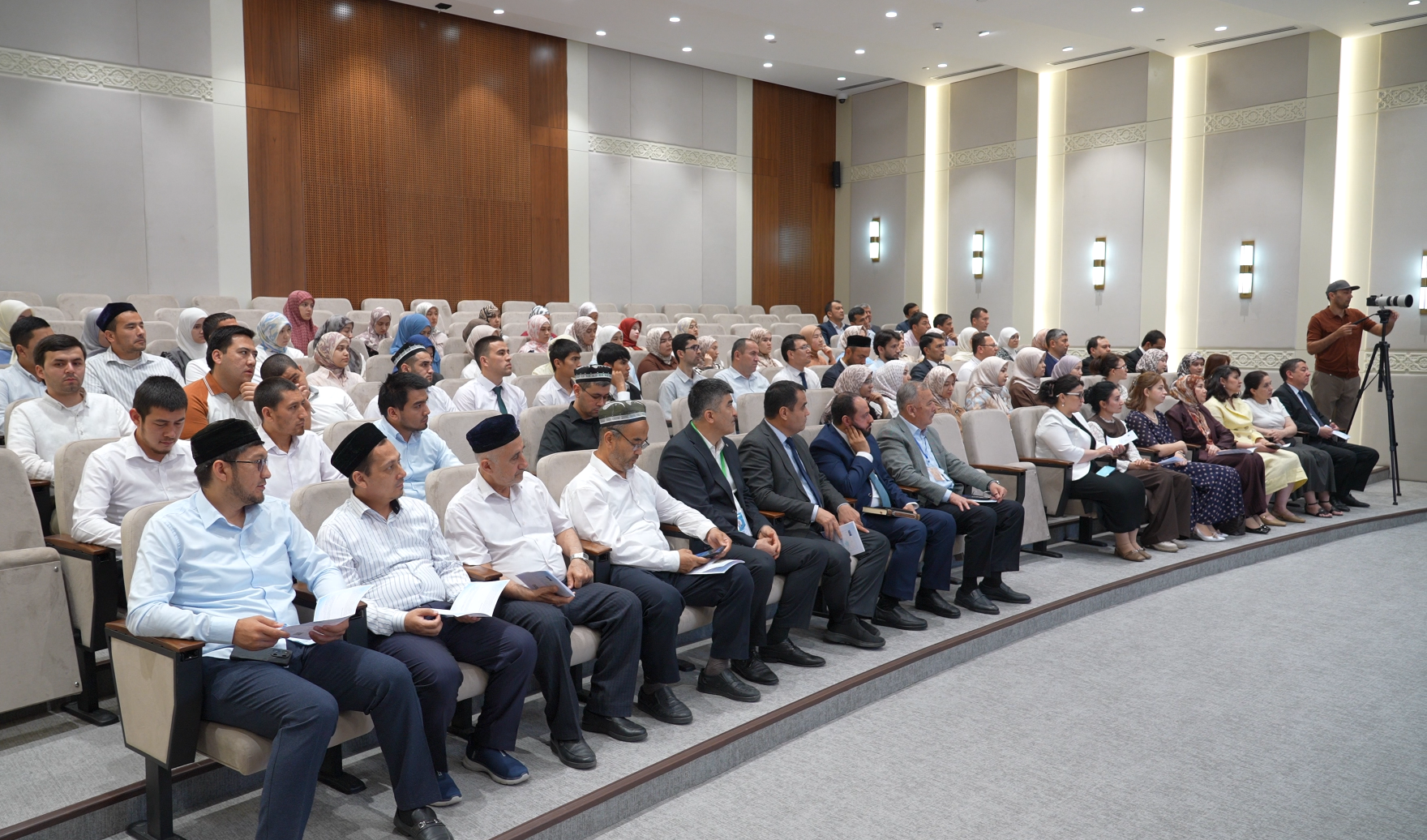 The event was attended by leading scholars, researchers, and specialists from the scientific and religious-educational spheres of the country. Among them were Komiljon Shermukhamedov, Director of the Imam Maturidi International Scientific Research Center; Bahrom Abdukhalimov, Vice President of the Academy of Sciences of the Republic of Uzbekistan and Director of the Abu Rayhan Beruni Institute of Oriental Studies; Davronbek Makhsudov, First Deputy Chairman of the Committee on Religious Affairs of the Republic of Uzbekistan; Homidjon Ishmatbekov, Deputy Chairman of the Muslim Board of Uzbekistan; Uygun Gafurov, Rector of the Tashkent Islamic Institute named after Imam Bukhari; and Ilhom Bekmirzayev, Vice-Rector for Research and Innovation of the International Islamic Academy of Uzbekistan.
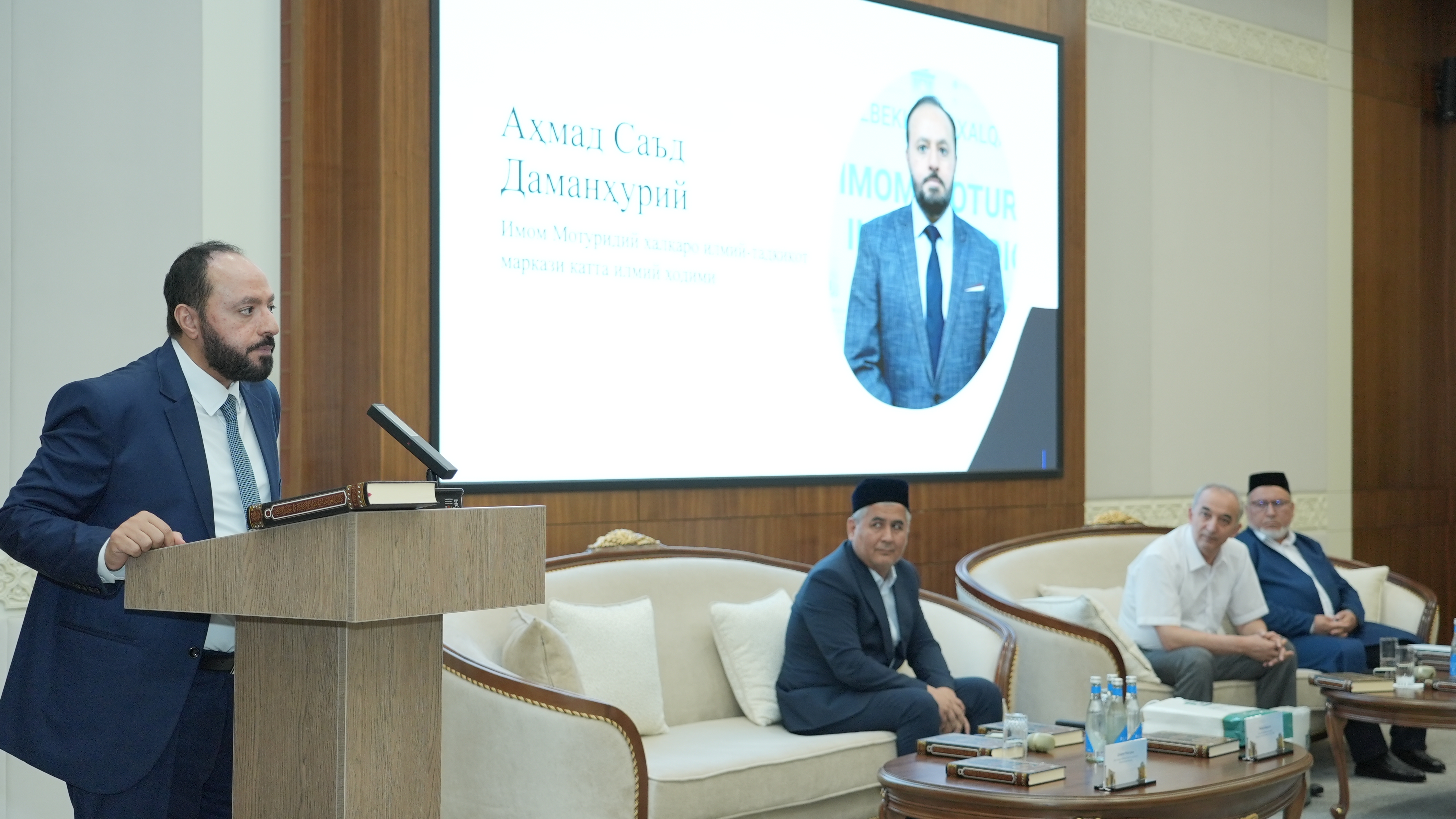 In addition, Abdullatif Alloqolov, Ahmad Sa’d Damanhuri, and Ikhtiyor Abdurakhmonov participated as the keynote speakers of the presentation.
Davronbek Maksudov, First Deputy Chairman of the Committee on Religious Affairs:
“Indeed, major reforms are being implemented in many spheres in New Uzbekistan. In particular, significant positive changes have taken place in the religious and educational sphere in recent years, bringing great satisfaction to our people. These achievements are being realized directly through the initiatives of our Head of State. The work of the scholar being presented today is also one of such important scientific events. This book holds immense value and significance. Scholars from Movarounnahr created unparalleled works during the Middle Ages, and today these works are receiving broad international recognition.
Finding ancient manuscripts, comparing them, and restoring damaged or erased sections is extremely painstaking work. It is as difficult as digging a well with a needle. Yet through such efforts, the heritage of our ancestors is being introduced to the international community. In particular, the publication of this book in Jordan demonstrates the growing prestige of Uzbek scholars in the international academic arena. Today, hundreds of manuscript specialists have emerged in our country. One of the important tasks before them now is to study, publish, and present to our people the hundreds of thousands of manuscripts preserved in Uzbekistan. The work initiated in this direction will continue for many years, and today’s book will serve as a preface to these great endeavors.”
The author of the book, Abu al-Husayn Muhammad ibn Yahya Peshaghari, is believed to have lived around the 10th century CE. His name is directly connected with the historic village of Peshaghar, which still exists today in the Zomin district. According to historical sources, the name of the village is said to mean either “five flowing springs” or “a settlement at the foot of a cave.” In his youth, the scholar traveled to Samarkand in search of knowledge and studied directly under some of the most trusted and distinguished students of Imam Maturidi, including Abu al-Hasan Rustufaghni. As a result, he developed into a prominent scholar well-versed in fiqh, creed, tafsir, and Sufism.
Bahrom Abdukhalimov, Vice President of the Academy of Sciences of the Republic of Uzbekistan:
“A unique manuscript that had been preserved for many years at the Institute of Oriental Studies of the Academy of Sciences, but had never been introduced into academic circulation, has today been presented to the scholarly community. This work is considered the only known manuscript copy in the world. Previously, there were assumptions that another copy existed in Türkiye, but research did not confirm this claim. As a result, the manuscript preserved at the Institute of Oriental Studies was recognized as the sole surviving copy.
The work sheds light on Islamic sciences in Movarounnahr, particularly theological views concerning the infallibility of the prophets. In addition, the research process revealed new information about the author’s life and scholarly activity. This book serves as an important source for studying the Maturidi school, the scholarly environment of Movarounnahr, and the intellectual debates of the medieval period. Most importantly, this publication carries great significance not only for Uzbekistan, but for the entire Muslim world. This cooperation will serve as an important foundation for future academic projects.”
During that period, misguided groups such as the “Hashawiyya” emerged, drawing incorrect conclusions based solely on the superficial meanings of Qur’anic verses and hadiths, and attributing various sins and shortcomings to the prophets. Some individuals even went so far as to slander the messengers who had devoted their entire lives to spreading the faith. In such a dangerous environment, when the risk of corrupting the pure creed of Muslims arose, Abu al-Husayn Peshaghari took up his pen to defend the honor and dignity of the prophets and wrote this work.
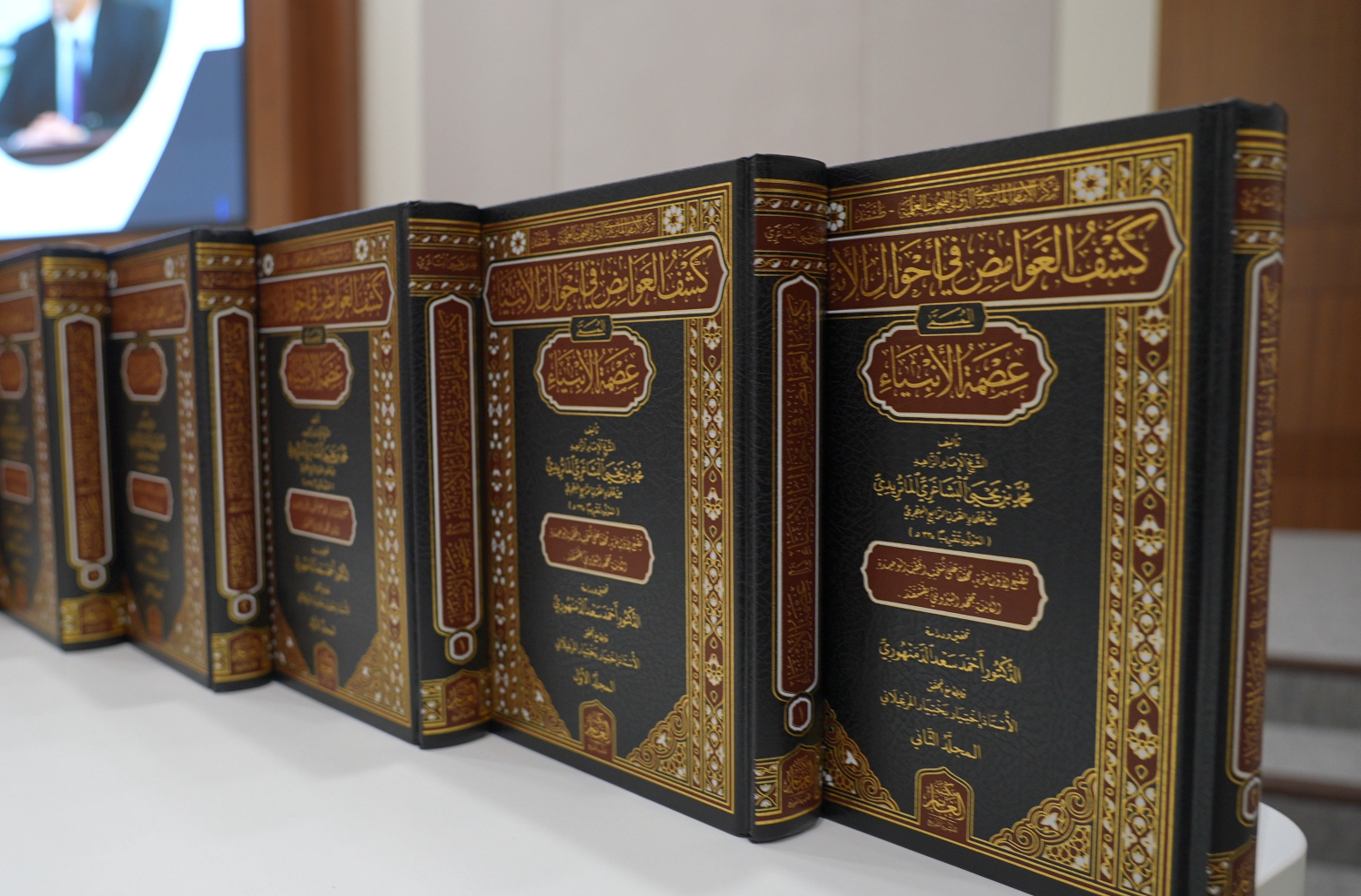 During the event, it was particularly emphasized that the world’s only manuscript copy of this work is preserved in the collection of the Abu Rayhan Beruni Institute of Oriental Studies, and that the new edition was prepared on the basis of this very manuscript, which had been copied in Bukhara in 1382 CE.
Specialists noted that this publication would become an important step toward studying the rich scholarly heritage of our ancestors and passing it on to future generations.