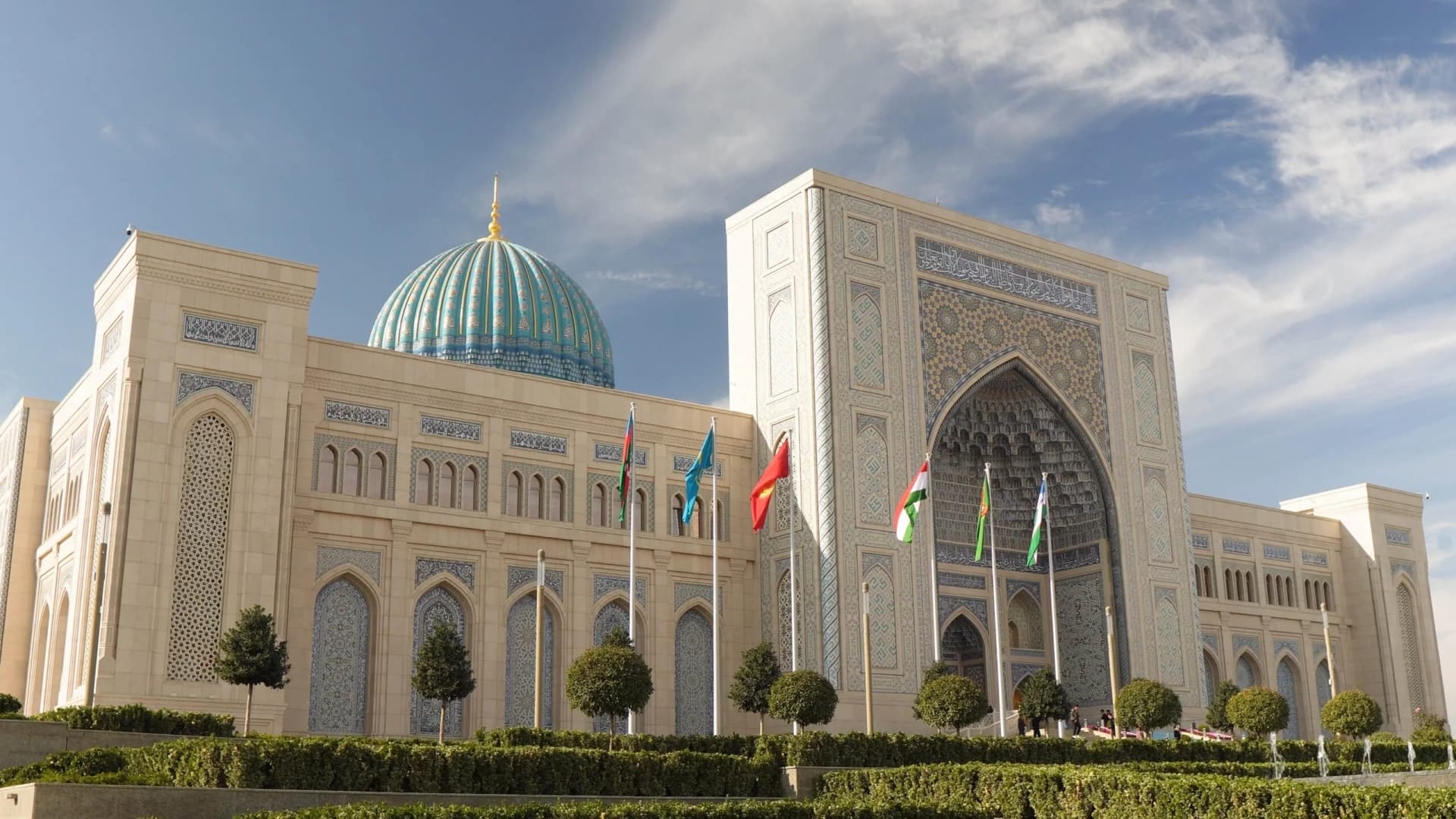

The Peninsula Qatar: Uzbekistan presents Islamic Civilization Center at Katara, highlights shared cultural vision with Qatar
 The prestigious Qatari newspaper The Peninsula Qatar reported on a presentation dedicated to the Islamic Civilization Center in Uzbekistan held at the Katara Cultural Village complex in Doha. The article emphasized that the Center has been recognized as a major spiritual and educational project aimed at preserving Islamic heritage, advancing scholarly research, and strengthening intercultural dialogue. Special attention was also given to the shared cultural values and humanitarian cooperation between Uzbekistan and Qatar.
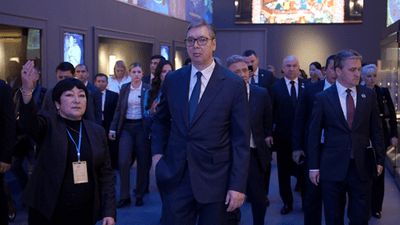
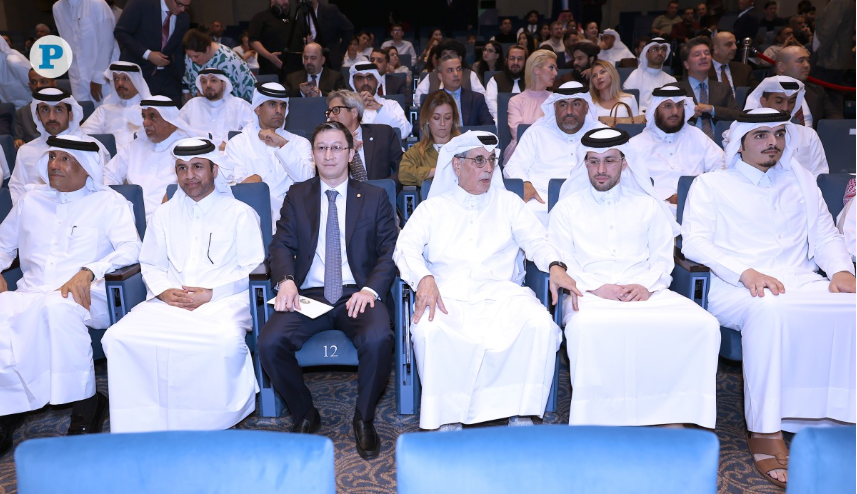 Dr. Hamad bin Abdulaziz Al-Kawari, President of the Qatar National Library and Minister of State (third from the right), Professor Dr. Khalid bin Ibrahim Al-Sulaiti, General Manager of Katara Cultural Village (second from the left), Ambassador of Uzbekistan to Qatar Dr. Ashraf Khojaev (third from the left), and other guests attended yesterday’s event. Photo: Rajan Vadakkemuriyil / The Peninsula
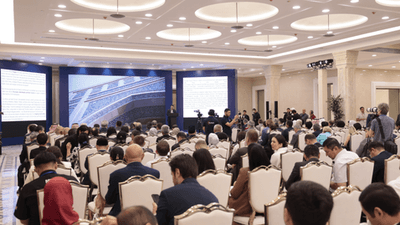
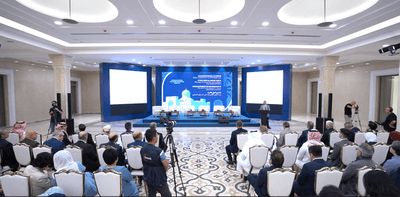
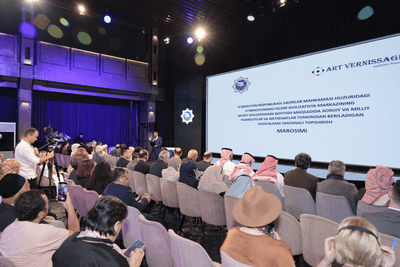
Doha, Qatar: Yesterday, the Embassy of the Republic of Uzbekistan in Qatar organized a presentation of the Islamic Civilization Center in Uzbekistan at Katara Cultural Village. During the event, the prestigious institution was recognized as an important platform dedicated to preserving Islamic heritage, promoting academic research, and strengthening cultural dialogue among nations.
The event was attended by Dr. Hamad bin Abdulaziz Al-Kawari, President of the Qatar National Library and Minister of State; Professor Dr. Khalid bin Ibrahim Al-Sulaiti, General Manager of Katara; diplomats; scholars; cultural figures; and other distinguished guests.
In his opening remarks, Al-Kawari highlighted the strong cultural ties and shared heritage between Qatar and Uzbekistan, noting that both countries are implementing significant initiatives aimed at preserving Islamic history and civilization.
He described the Islamic Civilization Center in Uzbekistan as an outstanding cultural project worthy of high recognition.
“The Islamic Civilization Center in Uzbekistan is not merely a historical archive, but also a monument reflecting the contributions of Islamic civilization to the advancement of science, literature, history, and philosophy, while embodying the enduring spirit of a great spiritual and Islamic civilization,” he said.
Addressing the participants, Uzbekistan’s Ambassador to Qatar, Dr. Ashraf Khojaev, stressed that the Center is of great importance not only for Uzbekistan but for the entire Islamic world, as it reflects the country’s rich scholarly and historical heritage.
“Uzbekistan is a country possessing one of the richest intellectual and spiritual legacies of Islamic civilization,” the ambassador said. He noted that the scholarly heritage of great thinkers from historic cities such as Samarkand, Bukhara, and Khiva made immense contributions to the development of mathematics, medicine, astronomy, and philosophy.
During the presentation, the names of great scholars such as Imam al-Bukhari, Imam al-Maturidi, Imam al-Tirmidhi, Al-Khwarizmi, and Abu Rayhan Beruni were highlighted, with emphasis placed on the profound impact of their intellectual legacy on the development of global science and thought.
Khojaev described the Islamic Civilization Center as “more than a museum,” saying it was envisioned as “a living platform for education, academic research, dialogue, and cultural exchange.” Particular emphasis was placed on its role in helping younger generations reconnect with their identity and intellectual heritage.
The ambassador also noted the significant similarities between the approaches of Uzbekistan and Qatar in preserving cultural heritage and promoting education, praising Qatar’s investment in cultural and intellectual institutions.
“In many ways, this vision is clearly reflected in Qatar as well,” he said. “Over the years, Qatar has established itself not only as a center of development and diplomacy, but also as a country that places great importance on culture, education, science, and dialogue among civilizations.”
Khojaev cited the Qatar National Library, Katara Cultural Village, the Museum of Islamic Art, and Education City as examples of Qatar’s efforts to preserve heritage while embracing modernity.
He stressed that both countries clearly understand that sustainable development cannot be achieved solely through infrastructure or economic growth, but through investment in education, culture, and historical memory.
“Long-term development is built not only through infrastructure or economic growth, but first and foremost through investment in human capital, education, culture, and historical memory,” he stated.
According to the ambassador, institutions such as the Islamic Civilization Center are becoming increasingly important in a rapidly changing world. They not only help younger generations remain connected to their values and national identity, but also serve as bridges between peoples and cultures.
Highlighting the growing cultural cooperation with Qatar, Khojaev expressed gratitude to the leadership of the Al Jazeera media network for supporting a series of documentaries about the Islamic Civilization Center in Uzbekistan, the country’s historical monuments, and its great historical figures.
He also announced ongoing cooperation with the Museum of Islamic Art and the Qatar National Library on a book dedicated to rare artifacts related to the history of Uzbekistan preserved in Qatari museums.
In his concluding remarks, the ambassador invited the people of Qatar to visit Uzbekistan and explore its rich cultural heritage firsthand. Mentioning the Islamic Civilization Center in Tashkent and the newly opened Imam al-Bukhari complex in Samarkand, he described Uzbekistan and Qatar as “brotherly countries” connected by shared historical and cultural ties.