


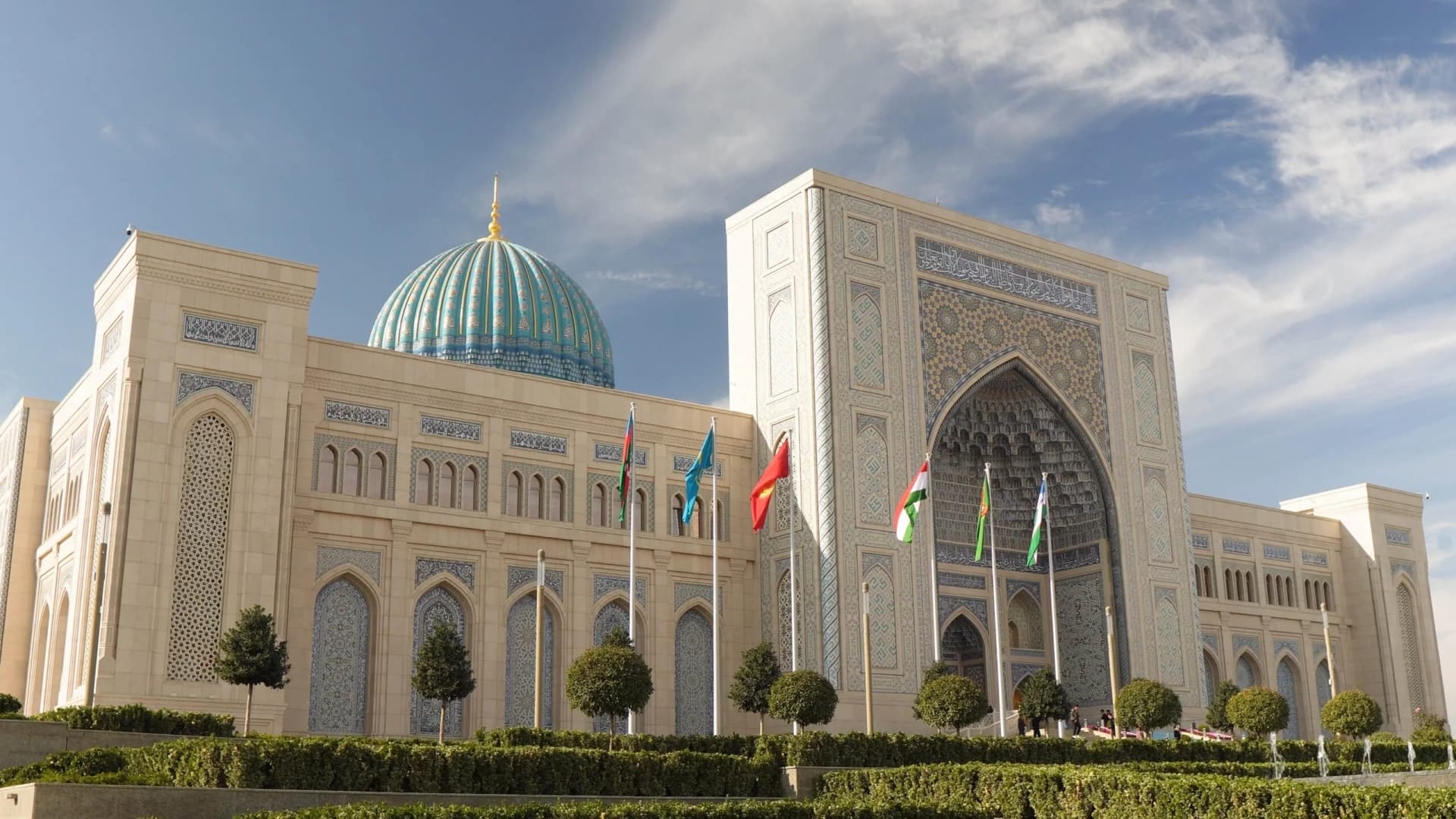


Three rare sufi heritage treasures of Uzbekistan are being revived

The primary objective of the large-scale projects being implemented within this framework is to study the rare scientific and spiritual heritage left by our ancestors, present its contribution to the progress of humanity to the international community, and strengthen the sense of national pride and enlightenment among younger generations.
Today, many works authored by our ancestors are preserved in libraries and archives across the world. The Center’s Publications Department is researching rare sources held in various international collections and preparing them for publication.
A task of national importance
In accordance with Resolution No. PQ-126 of the President of the Republic of Uzbekistan, dated February 10, 2022, the translation, study, and dissemination of rare sources preserved in national and international collections to a broad readership was designated as a priority task.
As part of the implementation of this resolution, the legacy of three great representatives of Sufism is being reintroduced to Uzbek readers:
◾️ Mizan al-Aqa’id by Sheikh Najmuddin Kubra;
◾️ Risala al-Rayhaniyya by Sheikh Hovandi Tahur;
◾️ Risalai Abdaliya by Mawlana Ya’qub Charkhi.
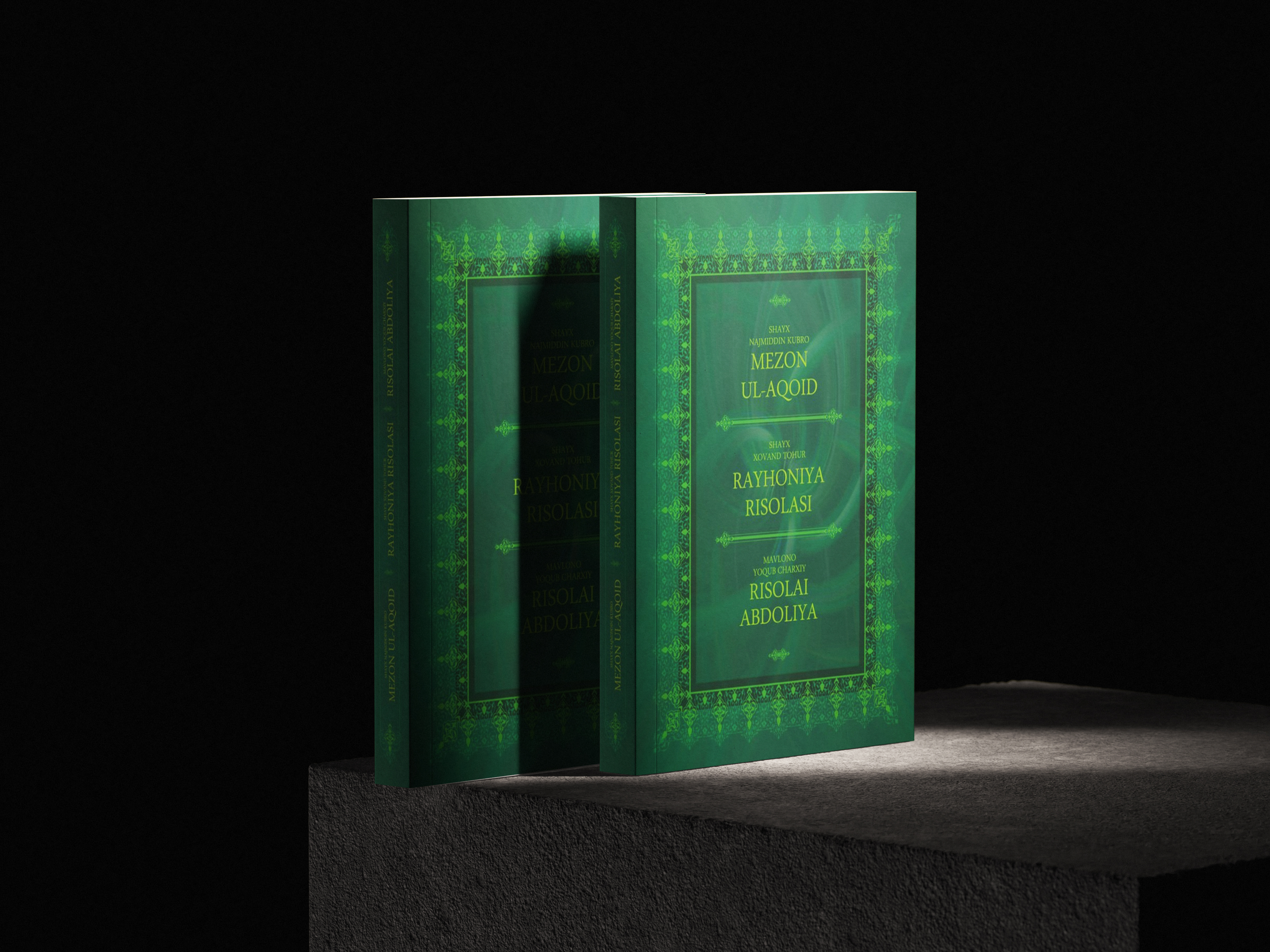 According to experts, these treatises are valuable not only from a religious and scholarly perspective but also as important sources for addressing issues of human spirituality, social relations, and moral education in today’s era of globalization.
Mizan al-Aqa’id: A program for cultivating the human soul
Mizan al-Aqa’id, authored by Sheikh Najmuddin Kubra, the founder of the Kubrawiyya order, is devoted to the inner perfection and moral development of the individual.
The work discusses ten essential virtues that shape the ideal human being:
1. Repentance (tawbah);
2. Asceticism (zuhd);
3. Reliance on God (tawakkul);
4. Contentment (qana‘ah);
5. Spiritual retreat (uzlah);
6. Remembrance of God (dhikr);
7. Patience (sabr);
8. Spiritual attentiveness (tawajjuh);
9. Self-observation (muraqabah);
10. Acceptance of the Divine Will (rida).
In a clear and compelling style, the author explains the meaning and significance of these concepts, shedding light on humanity’s struggle against the lower self and the stages of spiritual growth.
Risala al-Rayhaniyya: A reflection of the spiritual environment of Mawarannahr
Risala al-Rayhaniyya by Sheikh Hovandi Tahur is an important source for studying the Sufi schools that emerged in Mawarannahr during the twelfth and thirteenth centuries.
The treatise demonstrates the inseparable relationship between Sharia and the spiritual path (tariqah) through both scholarly discussion and practical examples.
Particular attention is given to:
◾️ the symbolic meanings of dhikr and the Sufi cloak (khirqah);
◾️ the true significance of sama’ and spiritual miracles (karamat);
◾️ the philosophy of divine love and spiritual devotion.
Researchers note that the work provides readers with a deeper understanding of the spiritual atmosphere, worldview, and intellectual culture of medieval Mawarannahr.
Risalai Abdaliya: A doctrine of the perfect human being
Written by Mawlana Ya‘qub Charkhi, Risalai Abdaliya is regarded as one of the important sources of the Naqshbandi tradition.
The work contains information about Bahauddin Naqshband and his disciples, their spiritual ranks, and the path of spiritual perfection they pursued.
It also presents a scholarly analysis of the concept of the Abdal — a group of spiritually elevated individuals who occupy an important place within the Sufi tradition — explaining their role in society and their spiritual responsibilities.
Why are these works important today?
According to experts, the ideas advanced in these sources remain highly relevant to contemporary society.
As Khusrav Hamidov, Senior Research Fellow at the Center, notes:
“For many centuries, these works have been preserved in manuscript form, while some copies remain scattered across libraries and archives around the world. Therefore, it is essential to conduct comparative scholarly studies, reconstruct their texts based on original sources, translate them into modern Uzbek, and enrich them with academic commentary.
At a time when various ideological influences increasingly compete for the minds of young people, the ideas of enlightenment, humanism, and spiritual purification found in these works play an important role in ensuring social stability and safeguarding spiritual security.
Most importantly, these efforts are being carried out within the framework of the Center’s unified concept, which integrates its museum, library, archive, research, and educational activities.”
The strongest response to ignorance
At a time when ideological threats, information warfare, and spiritual voids are becoming increasingly prevalent across the world, the study of our ancestral heritage is emerging not merely as a historical necessity but as a strategic imperative.
In this regard, the translation and publication of the works of Najmuddin Kubra, Sheikh Hovandi Tahur, and Mawlana Ya‘qub Charkhi serve as a practical embodiment of the “Enlightenment against ignorance” initiative advanced by President Shavkat Mirziyev at prestigious international forums. These efforts represent not only an academic undertaking but also an important spiritual and educational mission aimed at strengthening the foundations of the Third Renaissance.
Durdona Rasulova
P.S. This article may be republished with attribution and a link to the official website of the Center