


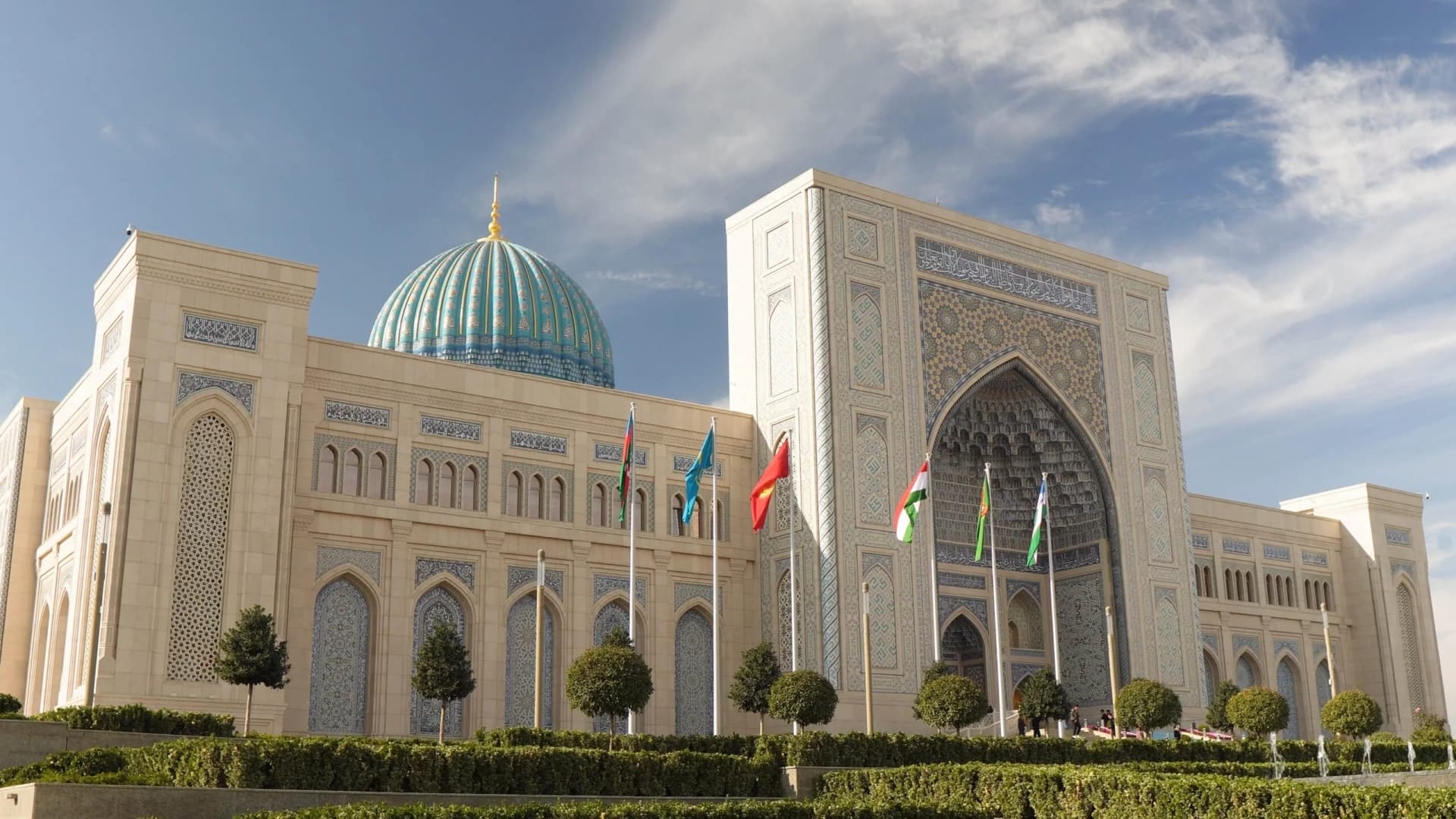

How is Uzbekistan being discovered? UN representative’s perspective
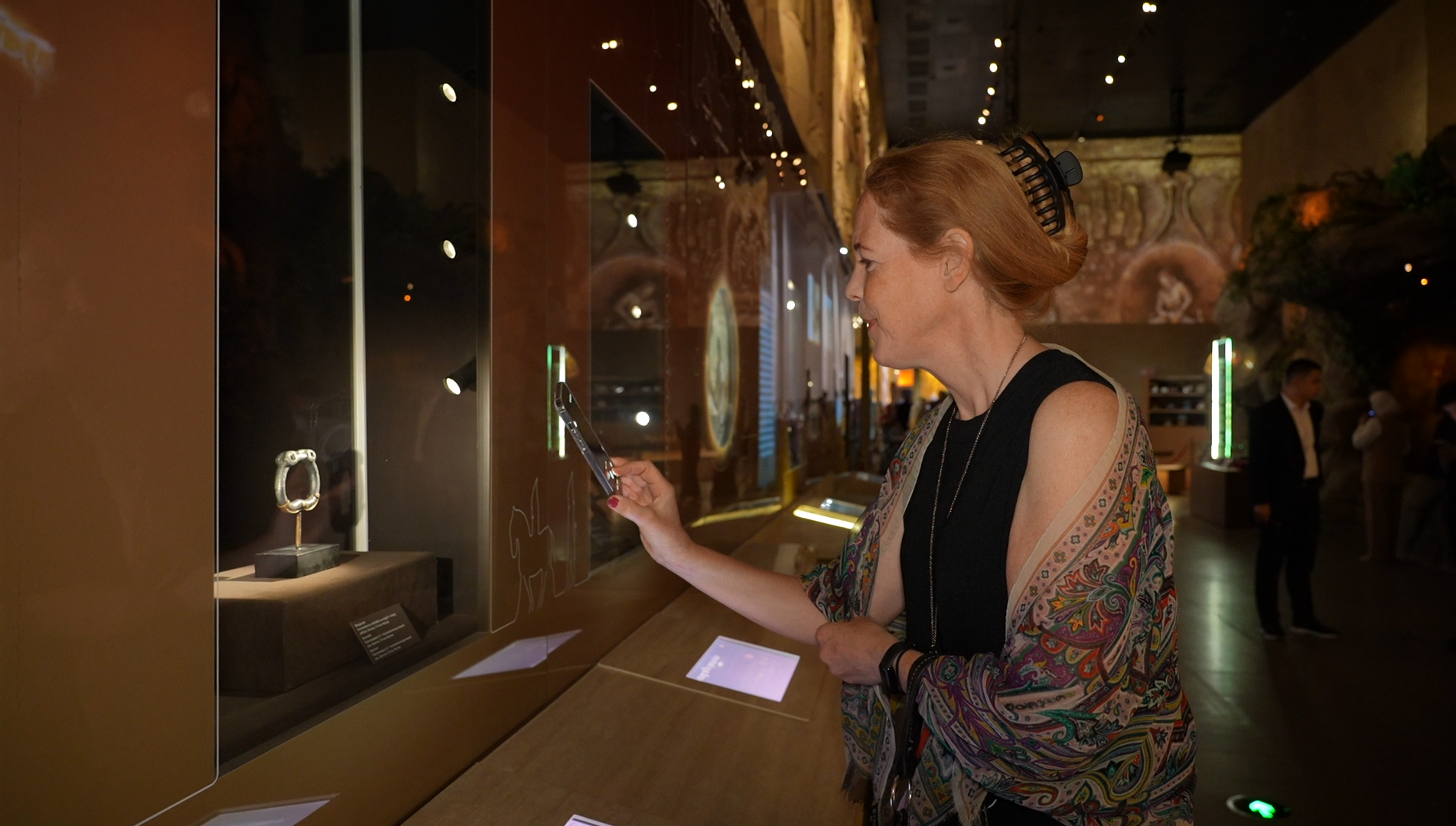 Having long heard about the Great Silk Road but encountering its authentic legacy firsthand for the first time, Elisabeth Türk, Director of the Economic Cooperation and Trade Division at the United Nations Economic Commission for Europe (UNECE), described her experience at the Islamic Civilization Center in Uzbekistan as “a unique fusion of culture, history, and modern technology.” According to her, the Center not only tells the story of the past but also revives the economies, scientific achievements, and cultural connections of ancient civilizations in a contemporary format, immersing visitors in history itself.
As part of a visit aimed at exploring Uzbekistan’s centuries-old history and cultural heritage, a delegation led by Elisabeth Türk visited the Islamic Civilization Center in Uzbekistan.
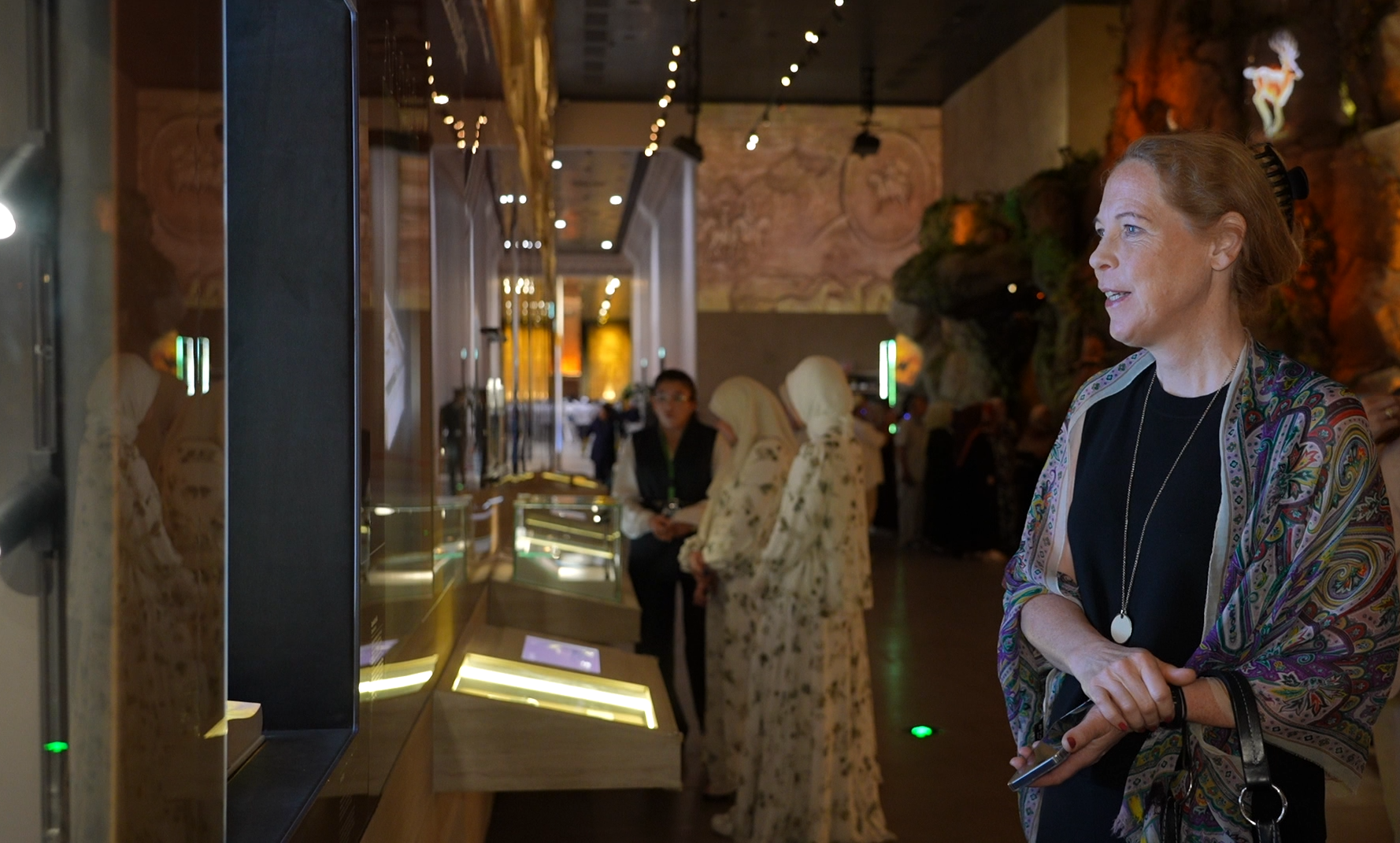
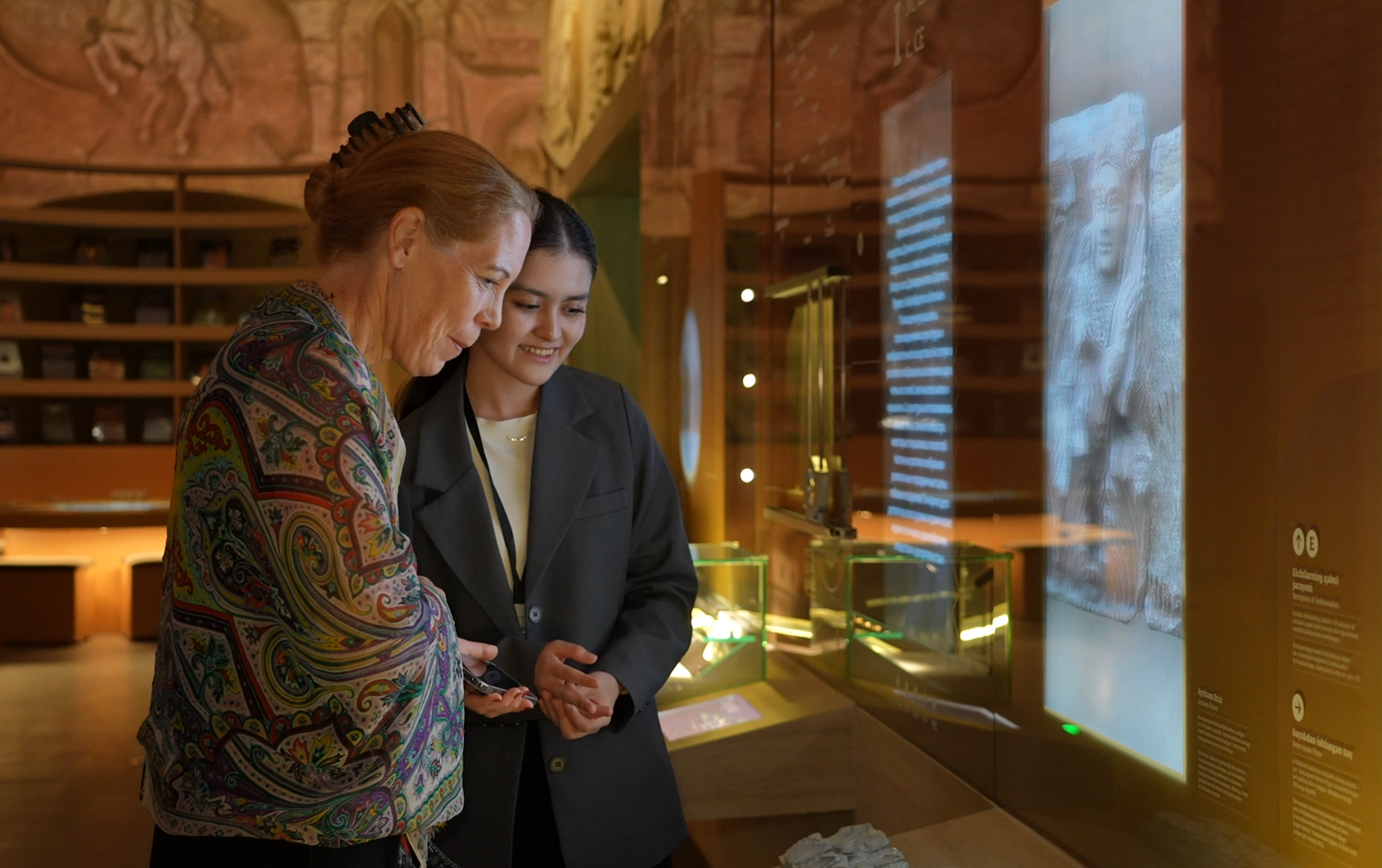
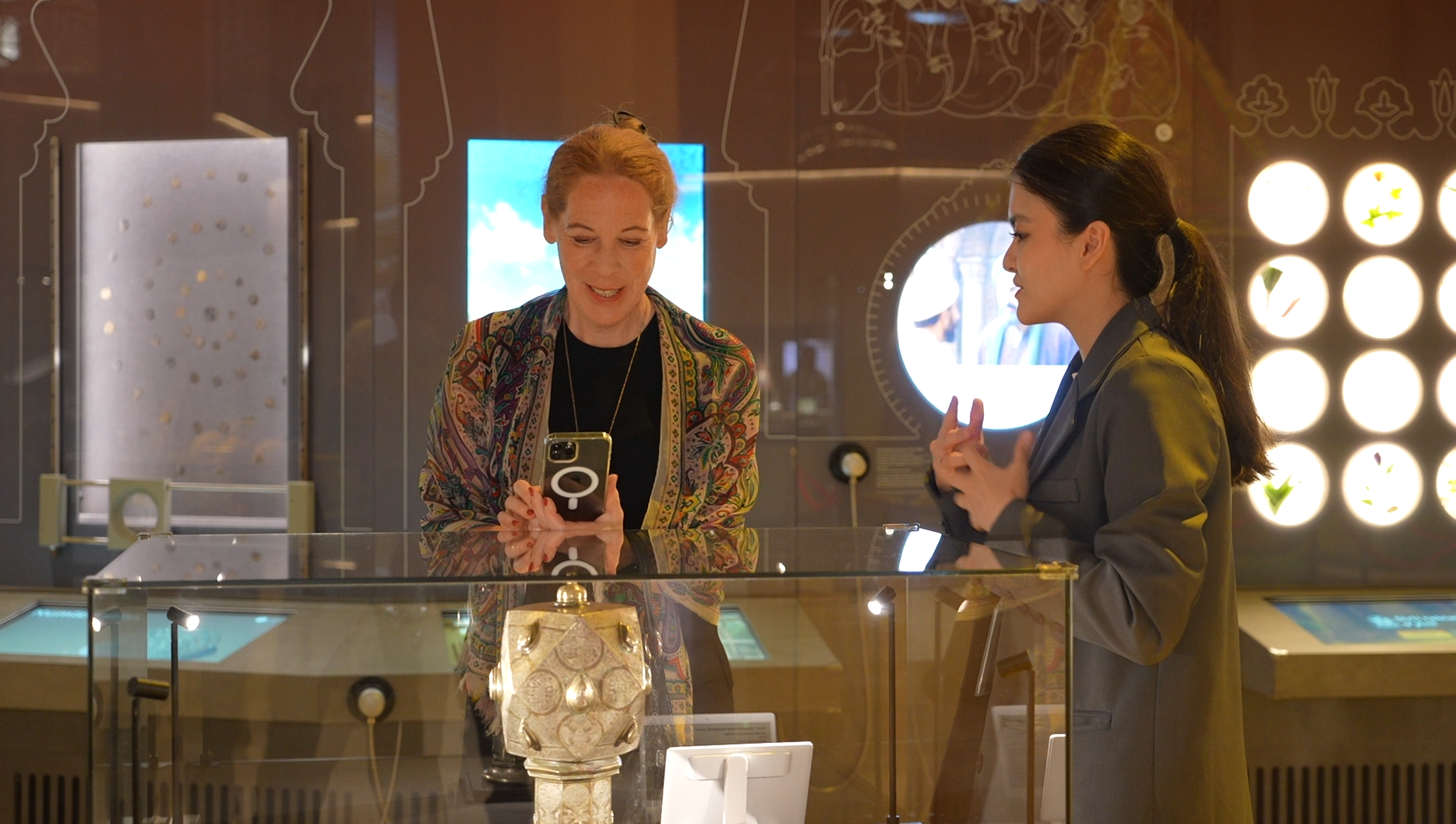 For the guests, the visit was far more than an ordinary museum tour. Through the Center’s exhibitions, the delegation gained insight into the civilizations that flourished on the territory of present-day Uzbekistan, their scientific achievements, trade networks, and stages of cultural development. Each exhibit sparked new questions and curiosity, while every gallery revealed another important chapter in the region’s rich past.
The delegation was particularly fascinated by the numismatic collection from the pre-Islamic period. Ancient coins attracted significant attention as vivid evidence not only of economic relations but also of the cultural and commercial exchanges that connected diverse peoples and states. Information about the ancient trade routes of the Great Silk Road and the economic and cultural interactions that developed along them also generated considerable interest.
Musical instruments from the Sogdian civilization likewise captured the guests’ attention. These remarkable artifacts, preserved through the centuries, provided valuable insight into the musical tastes, aesthetic values, and cultural environment of ancient societies, in addition to their economic life.
During the visit, members of the delegation showed particular interest in the Timurid Library composition, which reflects the scholarly and intellectual atmosphere of the Second Renaissance, as well as in the exquisite suzanis representing the refined artistic taste and craftsmanship traditions of the khanate period. Accompanied by guides, the guests received detailed explanations about the history, period of creation, and cultural significance of each exhibit and found comprehensive answers to their questions.
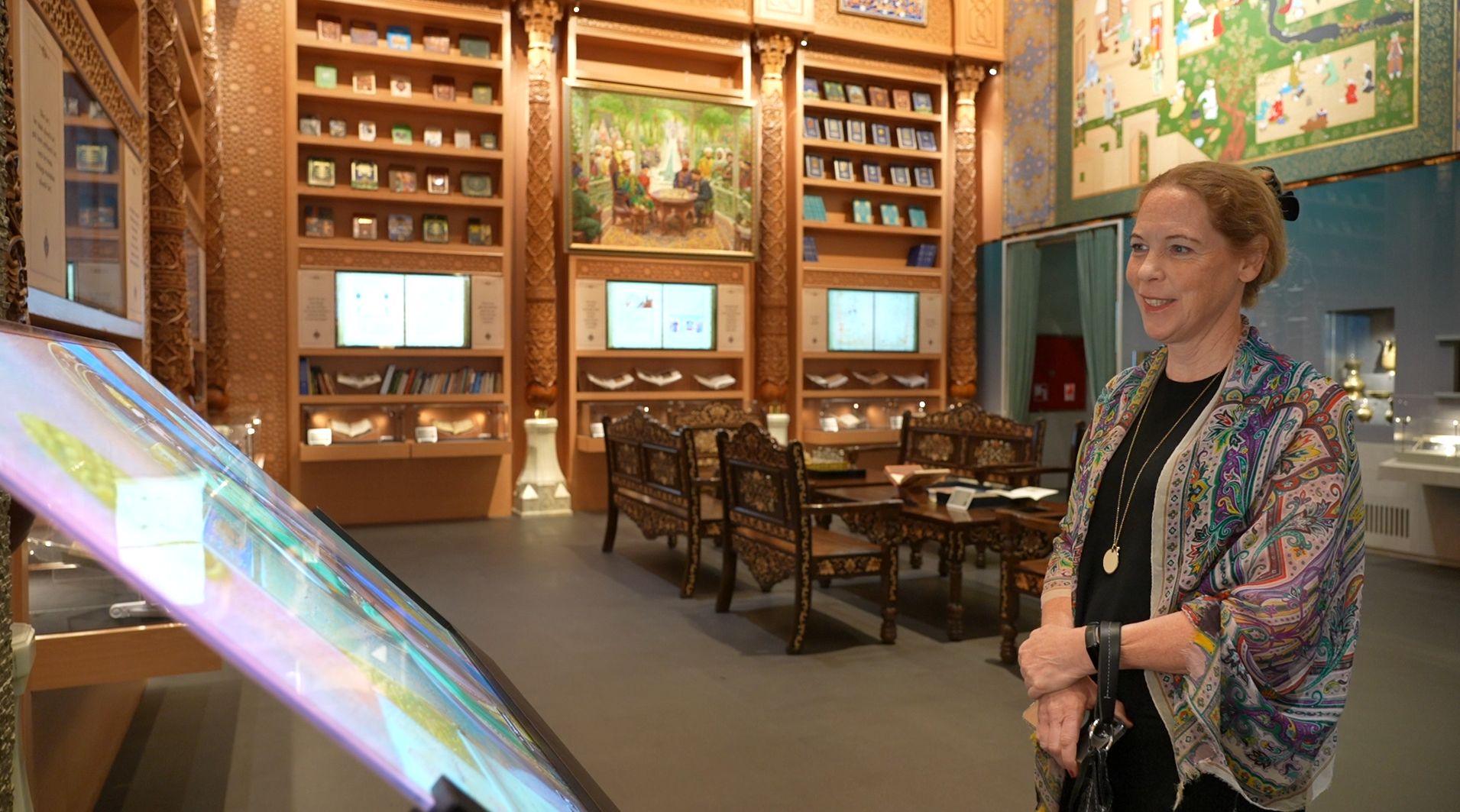
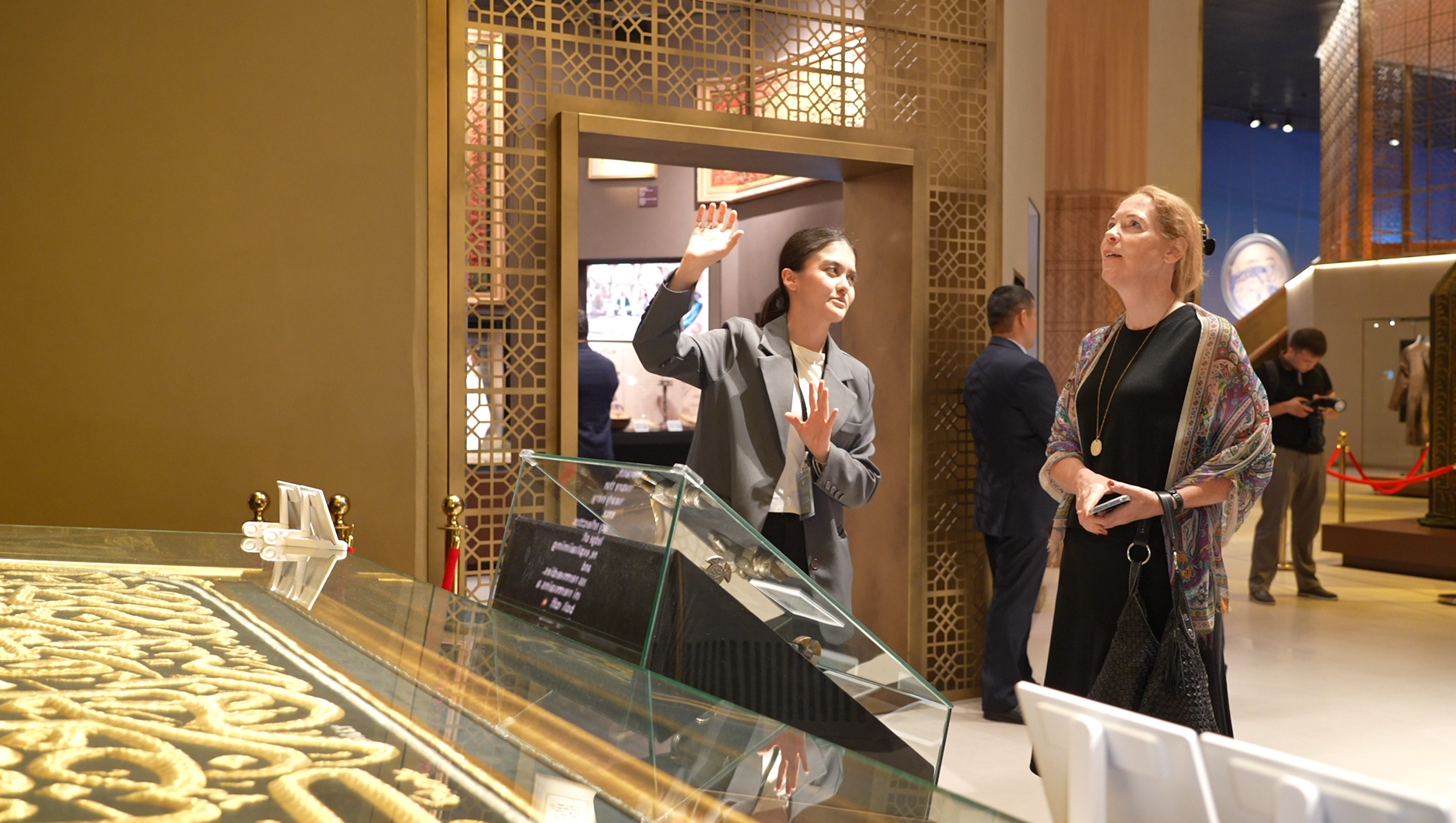 According to Elisabeth Türk, although she came to Uzbekistan to participate in the Fifth Tashkent International Investment Forum, what she experienced at the Islamic Civilization Center left an especially strong impression on her.
“I come from Austria. We take great pride in our history, music, culture, and literary heritage. However, the rich cultural treasures I have seen here — the unique manuscripts, ancient musical instruments, and magnificent architectural traditions — have filled me with profound respect and admiration. We have heard much about the Great Silk Road. Stories of the discoveries and scientific achievements that emerged along this route have been passed down through generations. At the Center, I had the opportunity to see the very sources of those stories with my own eyes. It allowed me to appreciate even more deeply the extraordinary historical and cultural heritage of this land.
What makes this place unique is the harmonious presentation of both pre-Islamic history and the history of Islamic civilization within a single space. Most importantly, all of this is enhanced through modern technology. The interactive installations place visitors at the heart of historical events. At times, you feel as though you are conversing directly with ancient rulers, great thinkers, or manuscript scribes,” she said.
She also noted that the exhibitions showcase not only cultural treasures but also important information about the region’s economic development. In particular, displays dedicated to agriculture, natural resources, ancient irrigation systems, and water management technologies demonstrate the close relationship between history and economics.
Commenting on the Center’s inclusion in the Guinness World Records, Elisabeth Türk described it as entirely deserved.
“This is truly a world-class museum. It has created an effective model for presenting its history and intellectual heritage through modern methods. The experience here not only educates visitors but also enriches them spiritually,” she said.
At the conclusion of the visit, the UN representative emphasized that Uzbekistan’s rich cultural heritage, the knowledge of its people, and their creative potential provide a strong foundation for the country’s future development.
“I am confident that Uzbekistan will continue progressing along its chosen path. In the future, people will look upon today’s Uzbekistan with the same respect and admiration with which we view the great civilizations of the past,” she stated.
Elisabeth Türk also expressed her intention to return to the Islamic Civilization Center in Uzbekistan in the future.