


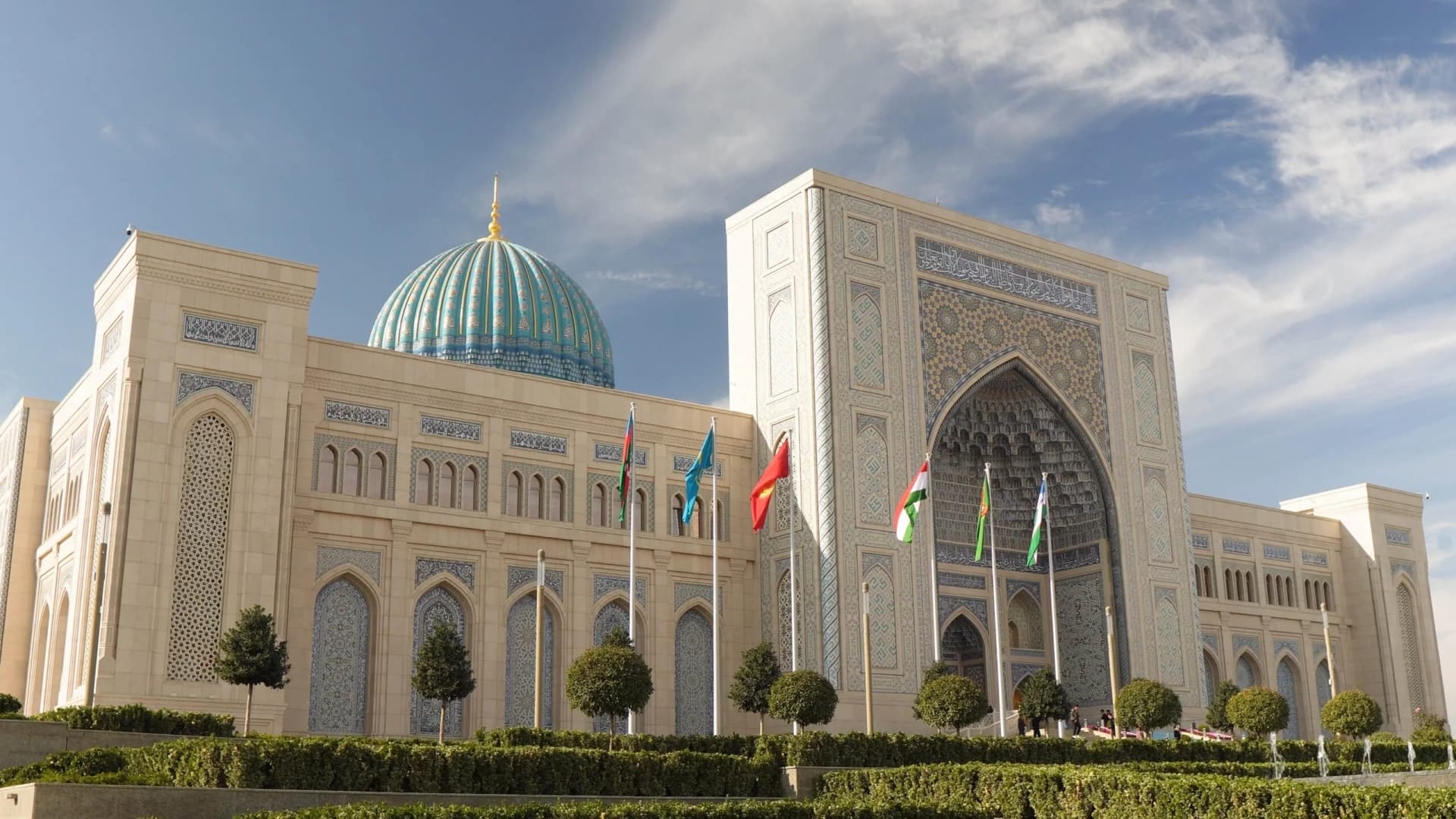

The Islamic Civilization Center is becoming Central Asia’s new intellectual brand
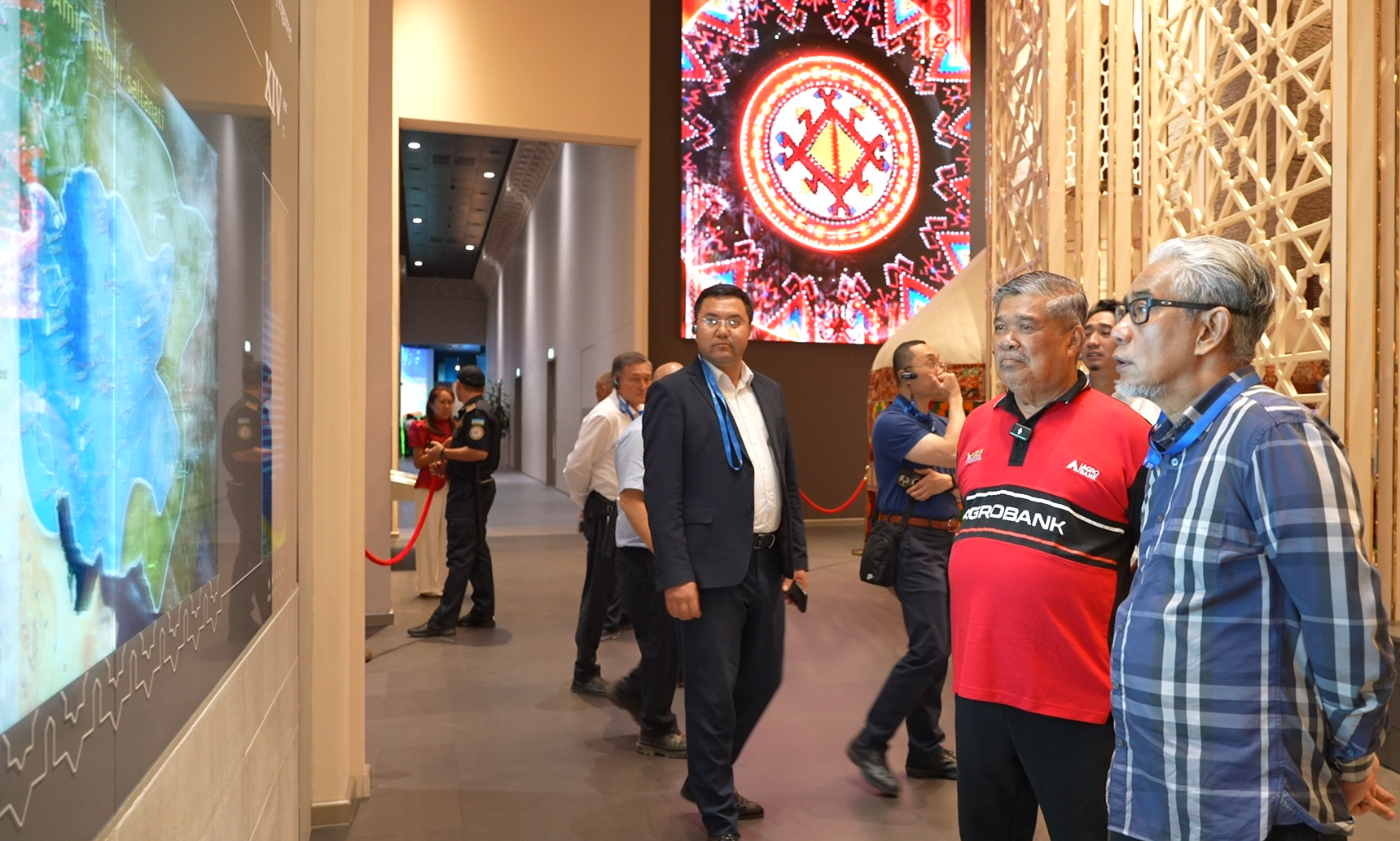 A map from the era of Amir Temur, displayed in the Second Renaissance section of the Museum of the Islamic Civilization Center in Uzbekistan, left a strong impression on Malaysia’s Minister of Agriculture and Food Security, Datuk Seri Haji Mohamad bin Sabu. Pausing before the map, which reflects a period when science and civilization had reached remarkable heights of development, the Malaysian minister explored the unique roots of Islamic civilization presented throughout the exhibition. The scholarly heritage, historical evidence, and innovative museum technologies on display transformed the delegation’s visit into a profound journey of historical reflection rather than a routine экскурсия.
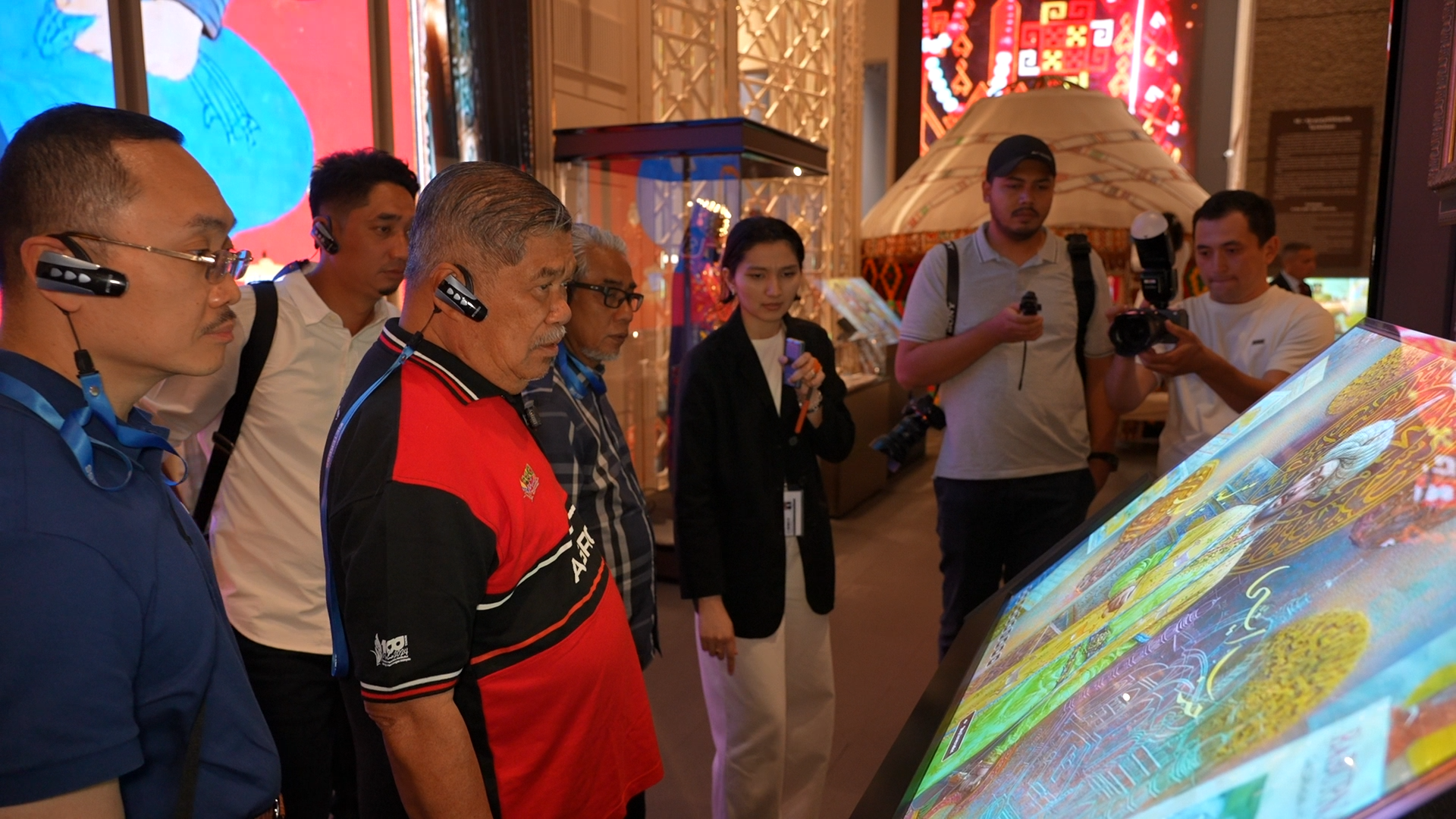 During their visit to the Islamic Civilization Center in Uzbekistan, members of the Malaysian delegation toured the Pre-Islamic Civilizations section, the halls dedicated to the First and Second Renaissances, the exhibition “New Uzbekistan – The Foundation of a New Renaissance,” and the Hall of the Holy Qur’an. The historical processes, scholarly traditions, and stages of civilizational development presented in these exhibitions attracted considerable interest from the guests.
The exhibition “The Second Renaissance and the Era of the Uzbek Khanates” made a particularly lasting impression on the delegation. A map illustrating the geographical scope of scientific achievements and discoveries during the era of Amir Temur and the Timurids became a focal point of attention. The delegation also highly praised the rare artifacts displayed in the section dedicated to the khanates, the exhibition designs that vividly recreate the historical atmosphere, and the portraits of the khans.
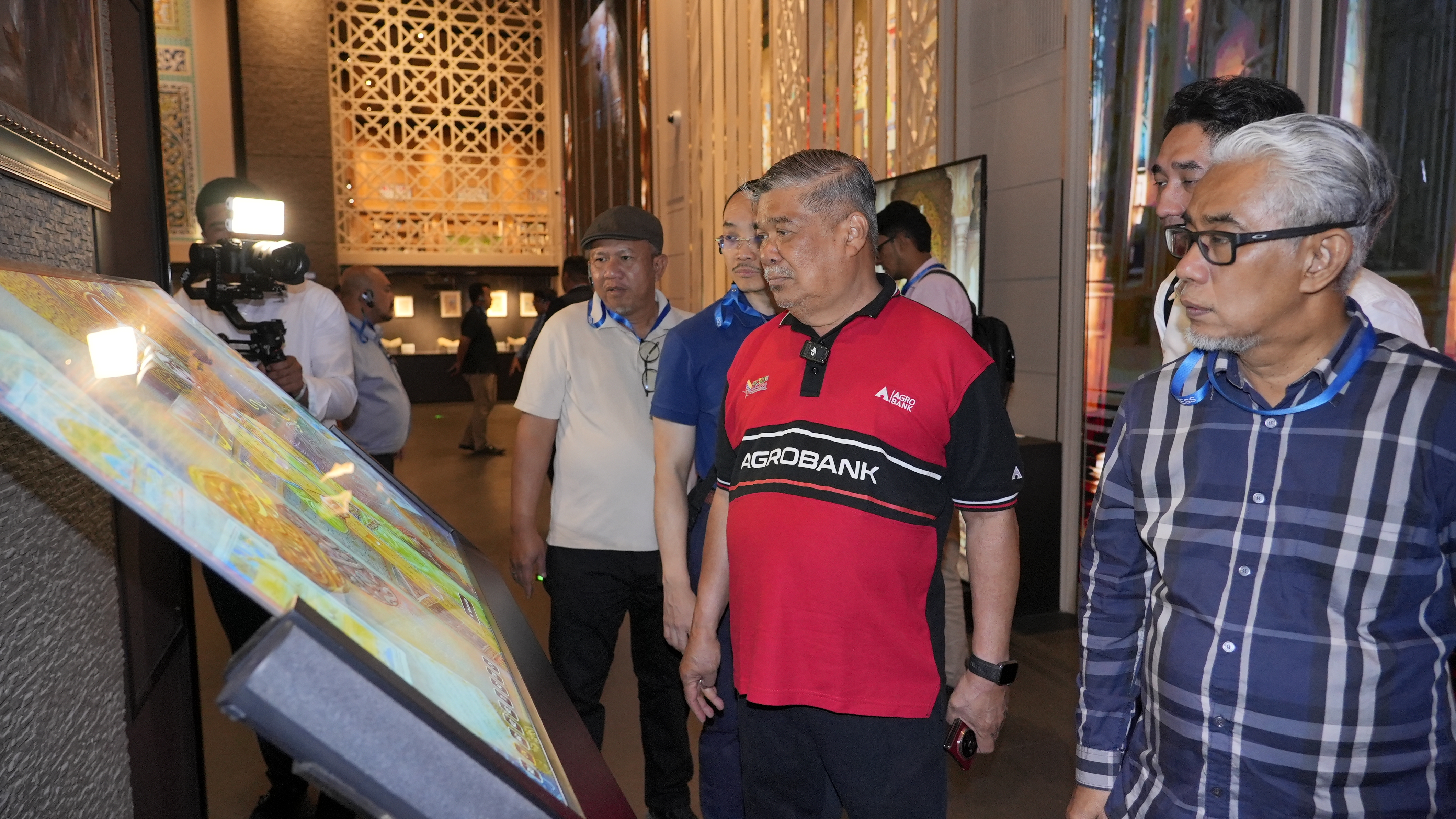 At the conclusion of the visit, Datuk Seri Haji Mohamad bin Sabu shared his impressions of the Center:
“We spent more than an hour and a half here, yet it was not enough. In fact, at least half a day should be devoted to fully exploring this museum.
This museum is of tremendous importance in presenting the history of Islamic civilization. It demonstrates that Uzbekistan is one of the key centers of Islamic civilization.
It is essential for both Muslims and non-Muslims to understand the immense contribution that the Muslim Ummah has made to the development of human civilization.
However, my hope is that Islam should not remain only within museums. We must also see its values reflected in real life and practical endeavors. Muslims should once again reclaim their position in science, technology, and development and demonstrate their great historical legacy.
From this perspective, this museum is extremely important. It shows younger generations that Muslims once led the world in scientific advancement. Muslim scholars achieved remarkable successes in geography, natural sciences, medicine, agriculture, and many other fields. That is why the significance of this museum is truly immeasurable.
I congratulate the leadership of Uzbekistan and its government on this important initiative. The attention being devoted today to the history of Muslims, the heritage of Islam, and the advancement of science and technology is vital for helping younger generations understand these realities and rediscover the enormous contributions that the Muslim Ummah has made to scientific and technological progress.”
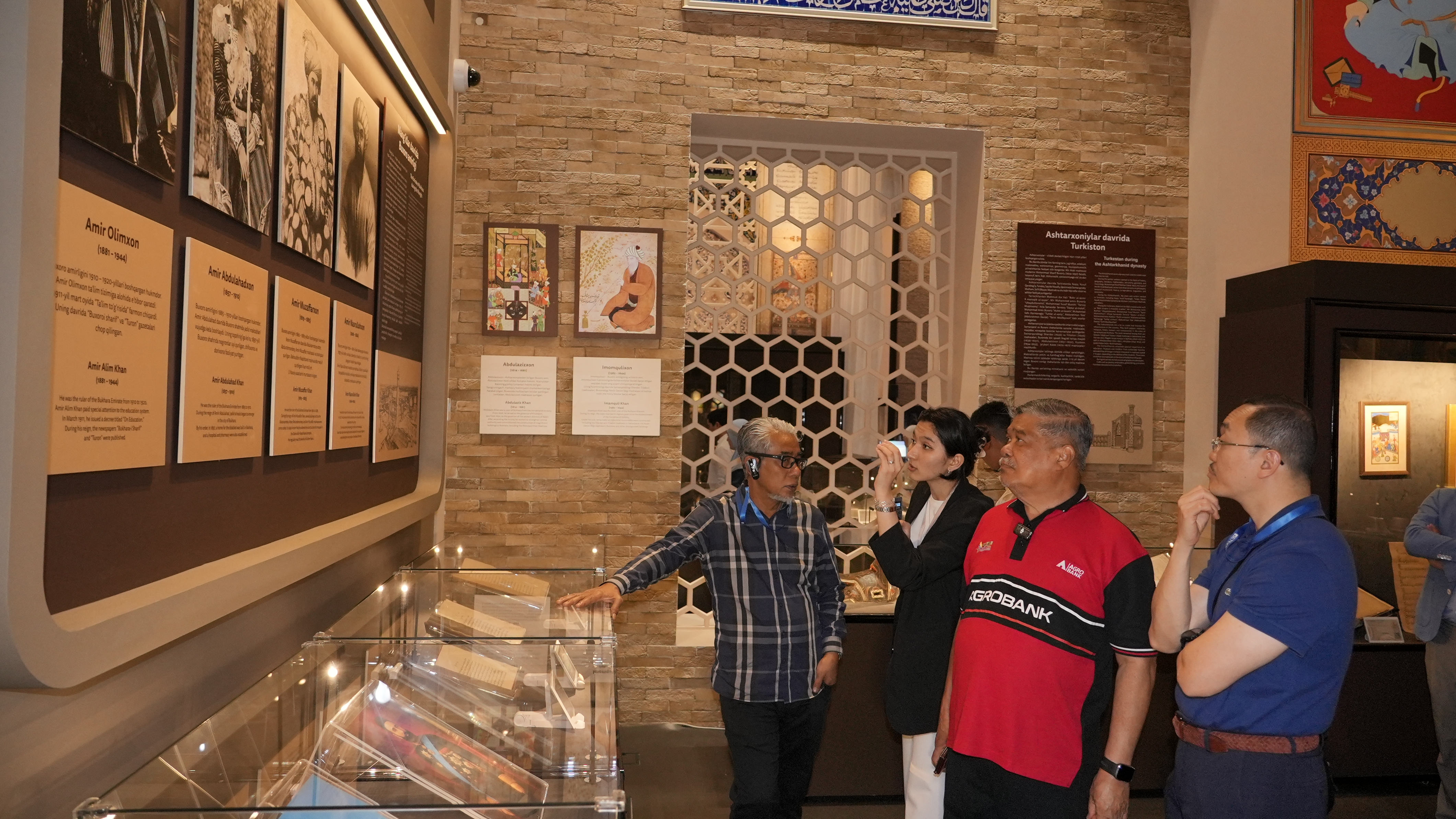
 The remarks made during the Malaysian delegation’s visit once again demonstrated that the Islamic Civilization Center in Uzbekistan is not merely a museum showcasing historical heritage. It is also a major educational institution dedicated to understanding and conveying the contributions of Muslim civilization to human progress, and it continues to attract growing international interest as a significant platform of enlightenment and scholarship.