
Korean Minister sees his ancestors in the Afrasiab fresco
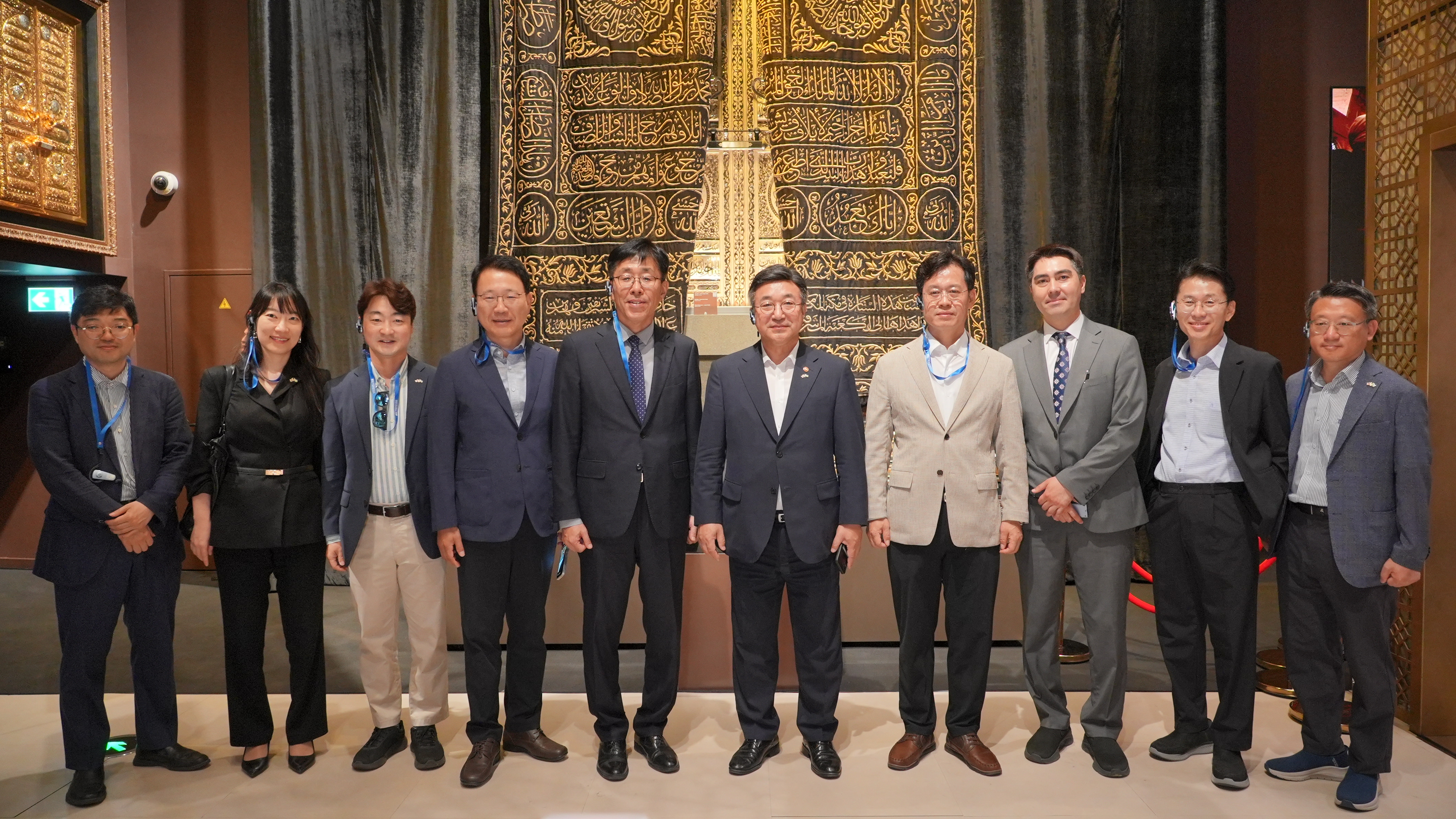
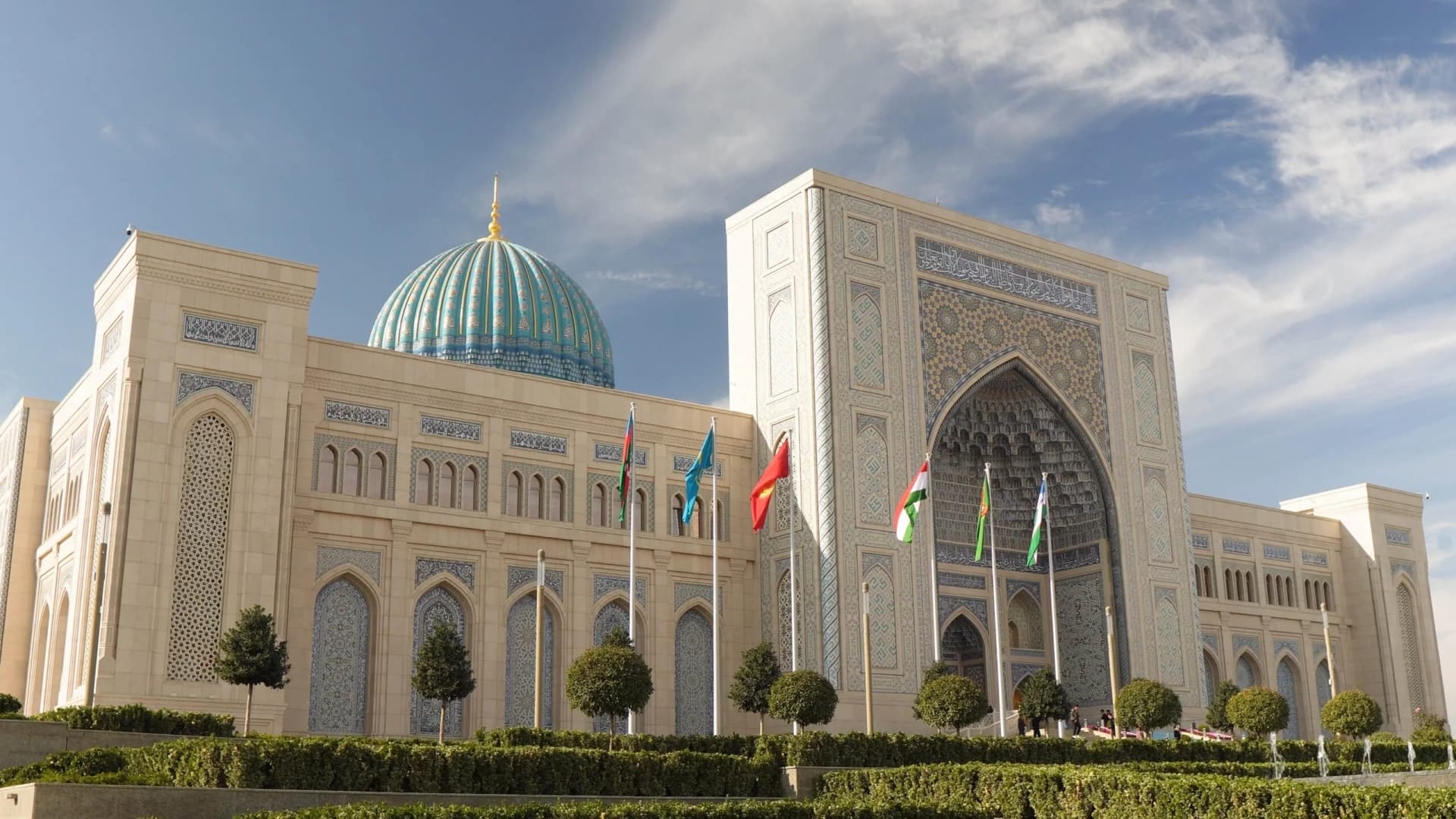
A delegation led by Yun Ho-jung, Minister of the Interior and Safety of the Republic of Korea, visited the Islamic Civilization Center in Uzbekistan. The visit was far more than a routine tour — it became a direct encounter with history. As the minister explored the museum’s exhibitions, his most heartfelt and emotional reaction came in the Afrasiab section.
Standing before the Afrasiab fresco displayed in the pre-Islamic civilization gallery, the guest carefully examined the figures of ambassadors and visitors depicted in the mural. He immediately identified facial features that he recognized as distinctly Korean. Pointing to similarities in clothing, headwear, and physical appearance, he remarked that he could see representatives of ancient Korea in the fresco. This historical evidence left a profound impression on him. He emphasized that the friendly relations between Uzbekistan and Korea today are no coincidence, but rather the natural continuation of historical ties that have developed over many centuries.
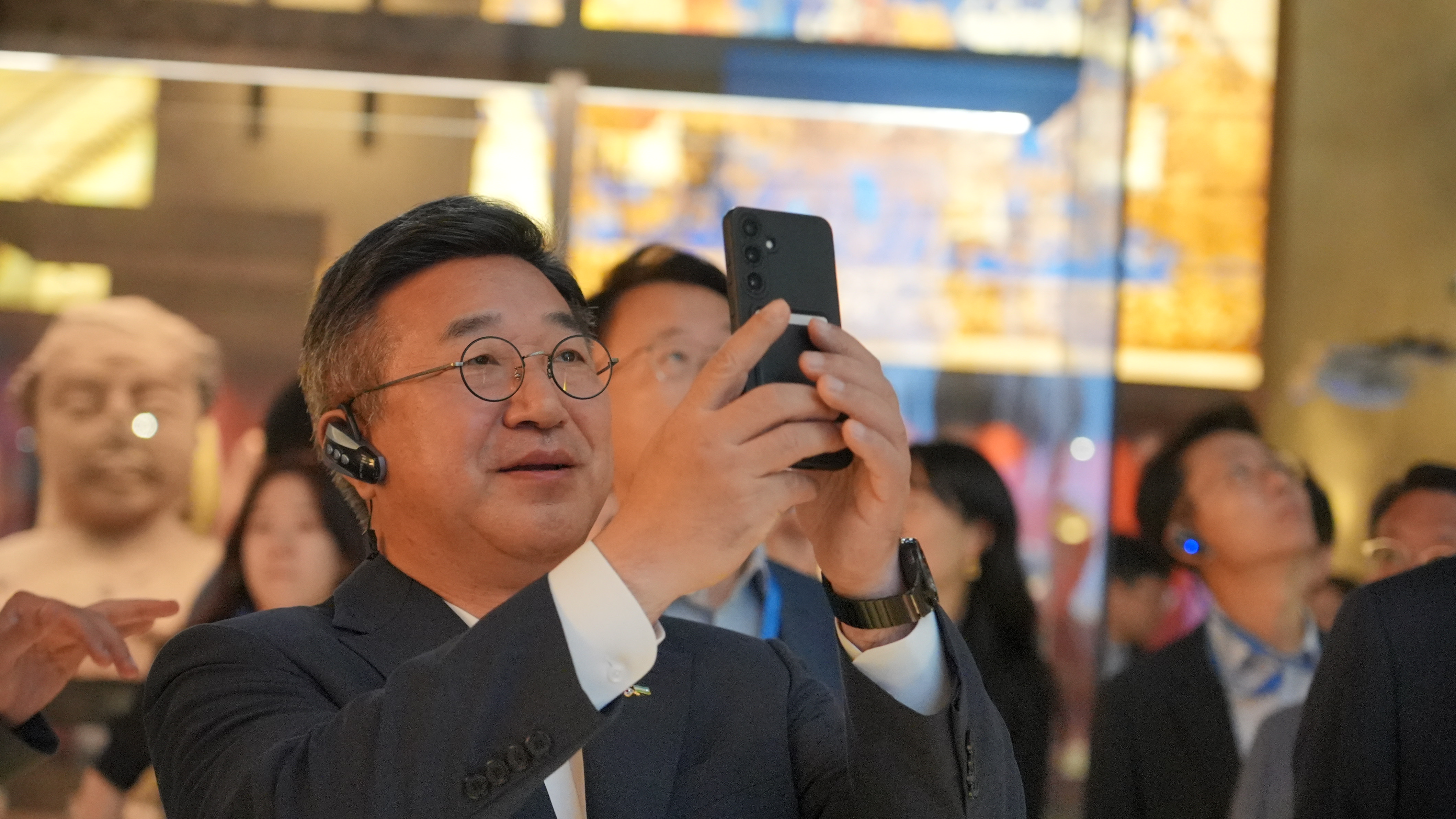
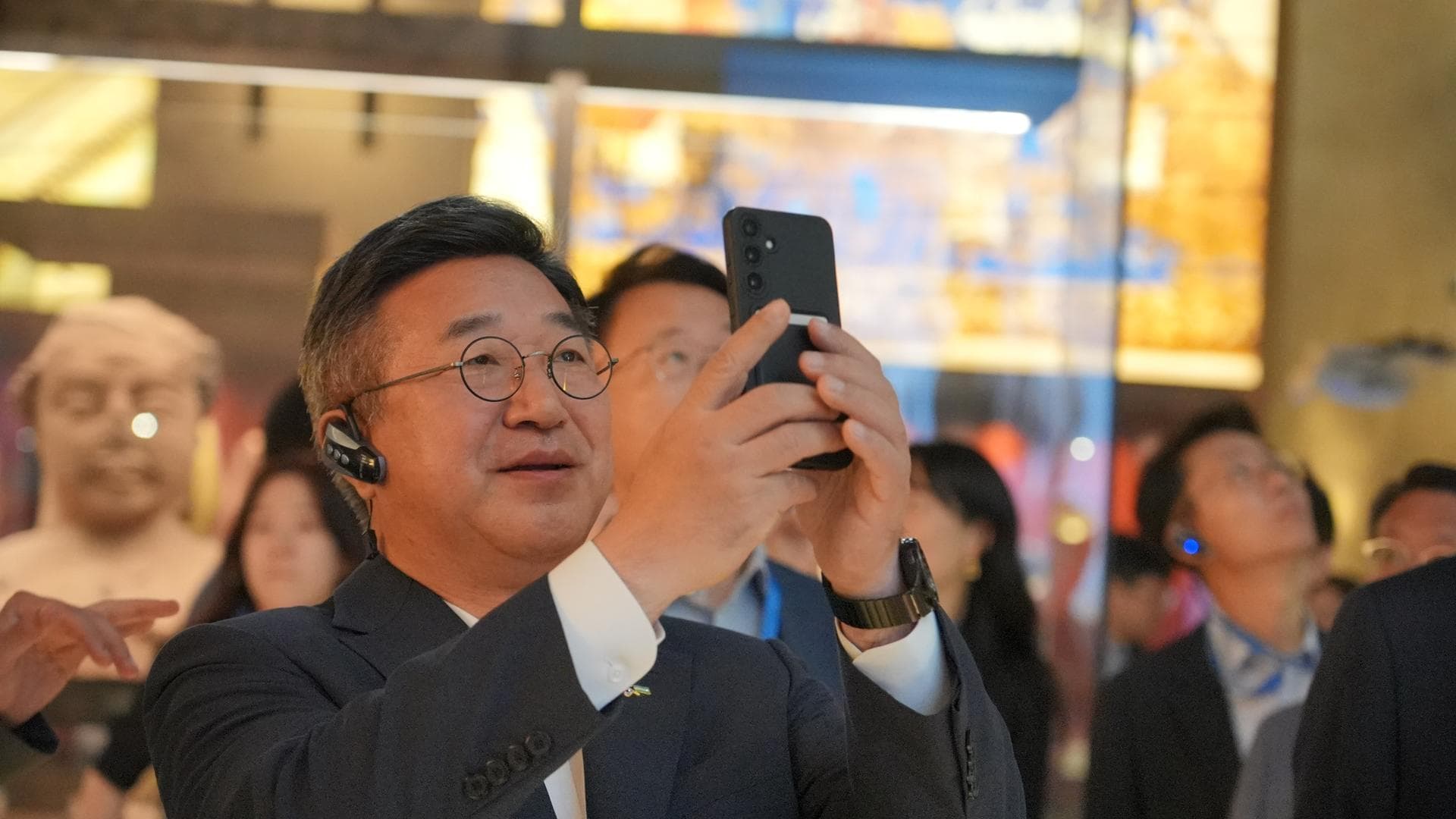
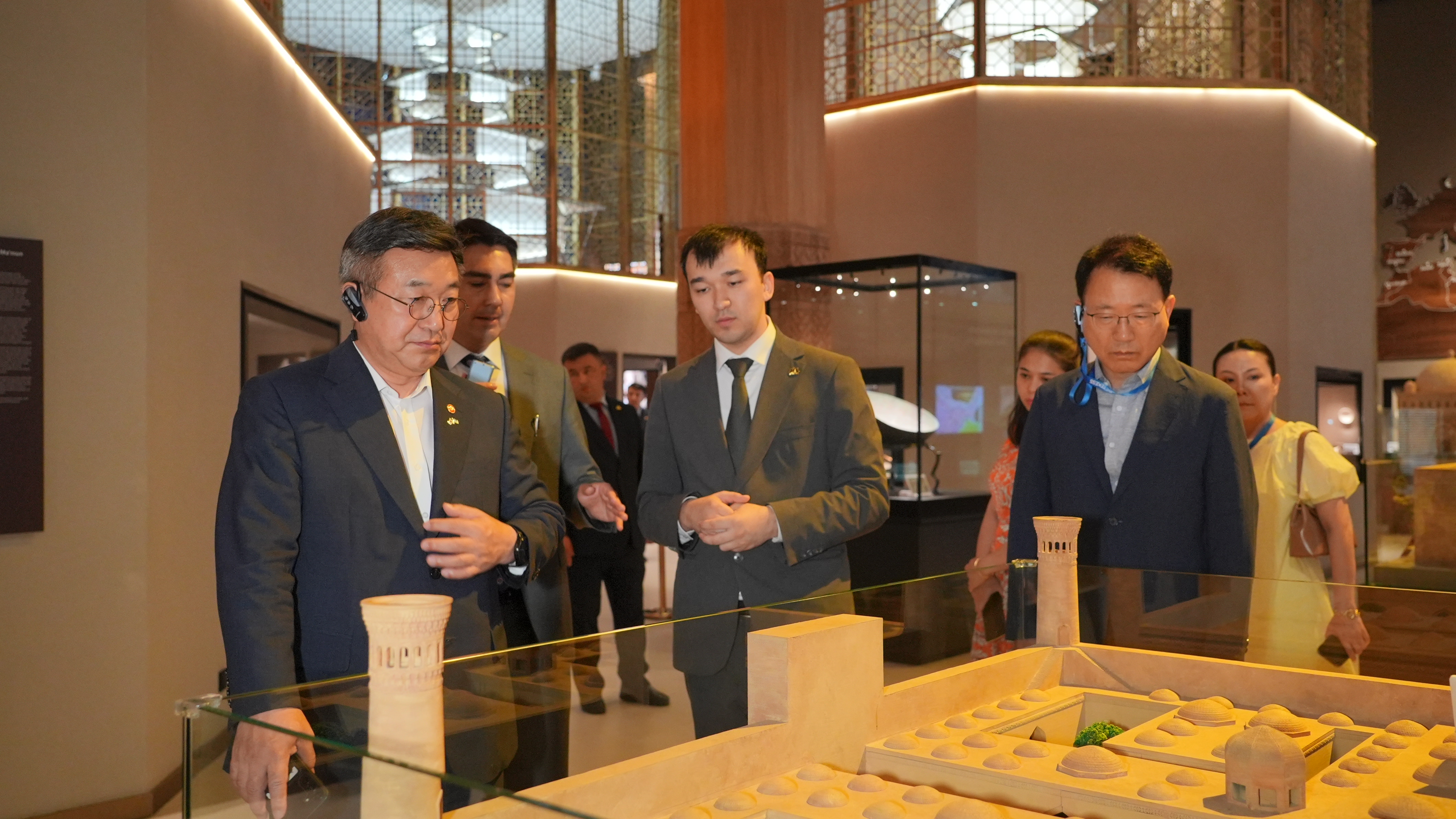 The section dedicated to the First Renaissance also attracted great interest from the delegation. The minister spent considerable time examining the exhibits illustrating examples of religious tolerance. Carefully studying each display and taking photographs, he analyzed the symbols representing different civilizations and faiths.
In the gallery devoted to the Seljuk period, the minister showed particular interest in the ancient gold artifacts. However, it was the symbols of statehood that captured his attention most. He paused for a long time before the emblem depicting the double-headed eagle, examining it closely.
“We often associate the close relationship between our peoples with modern diplomacy or the more recent centuries. But as I stood before this fresco, I realized that the roots of these ties run much deeper. It means that the connections between our peoples began thousands of years ago. This place preserves traces of different religions and cultures, and most importantly, they all coexisted side by side in the same region. That is an incredibly important historical experience. Today, many people associate this symbol with other countries, but it is fascinating to see that its history existed here long before that,” the minister said with admiration.
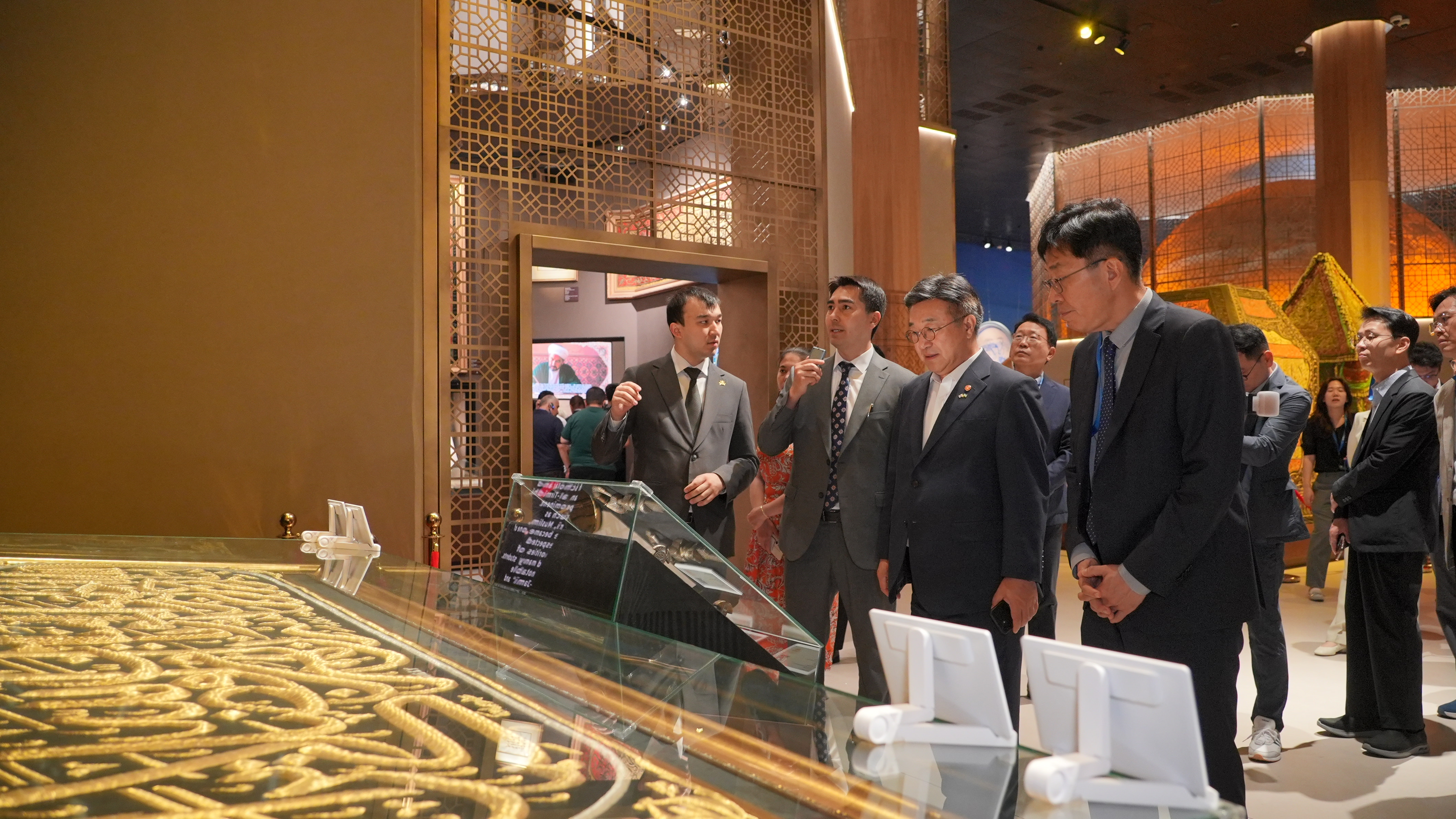 What particularly impressed the guest was that the Center’s exhibitions vividly demonstrate not only the flourishing of Islamic civilization but also the spirit of tolerance toward the diverse cultures and beliefs that coexisted in the region during those periods.
At the conclusion of the visit, members of the delegation emphasized that the Islamic Civilization Center is not merely a complex showcasing a rich historical legacy, but also a unique educational institution that reflects the deep interconnectedness of peoples and civilizations.
A remark made before the Afrasiab fresco in the museum perfectly captured the essence of the visit: sometimes a single image, a single artifact, or a single historical piece of evidence is enough to revive the thousand-year memory shared by nations.