


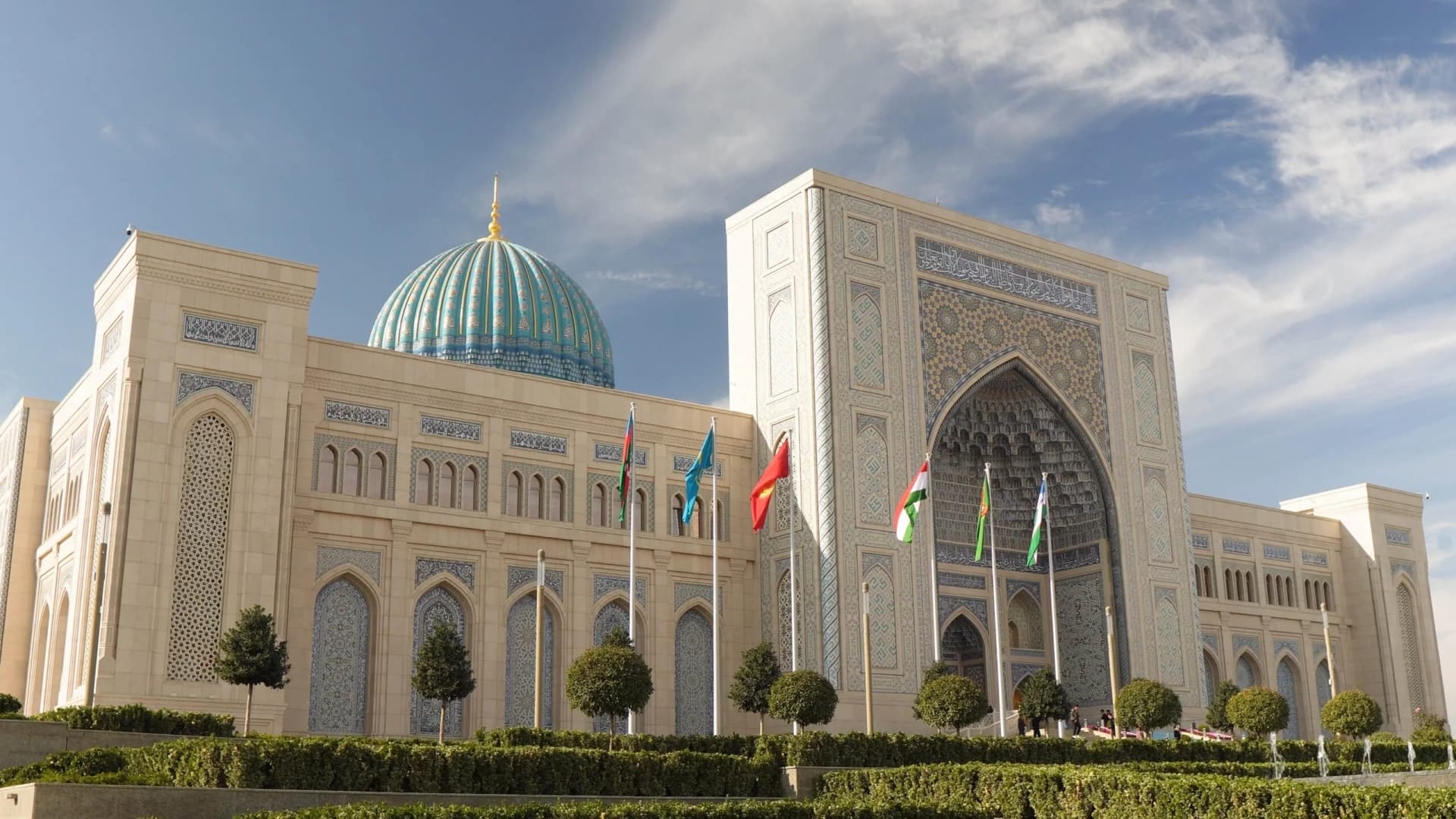

U.S. Trade Representative: “I witnessed Uzbekistan’s deep respect for its history and cultural heritage”
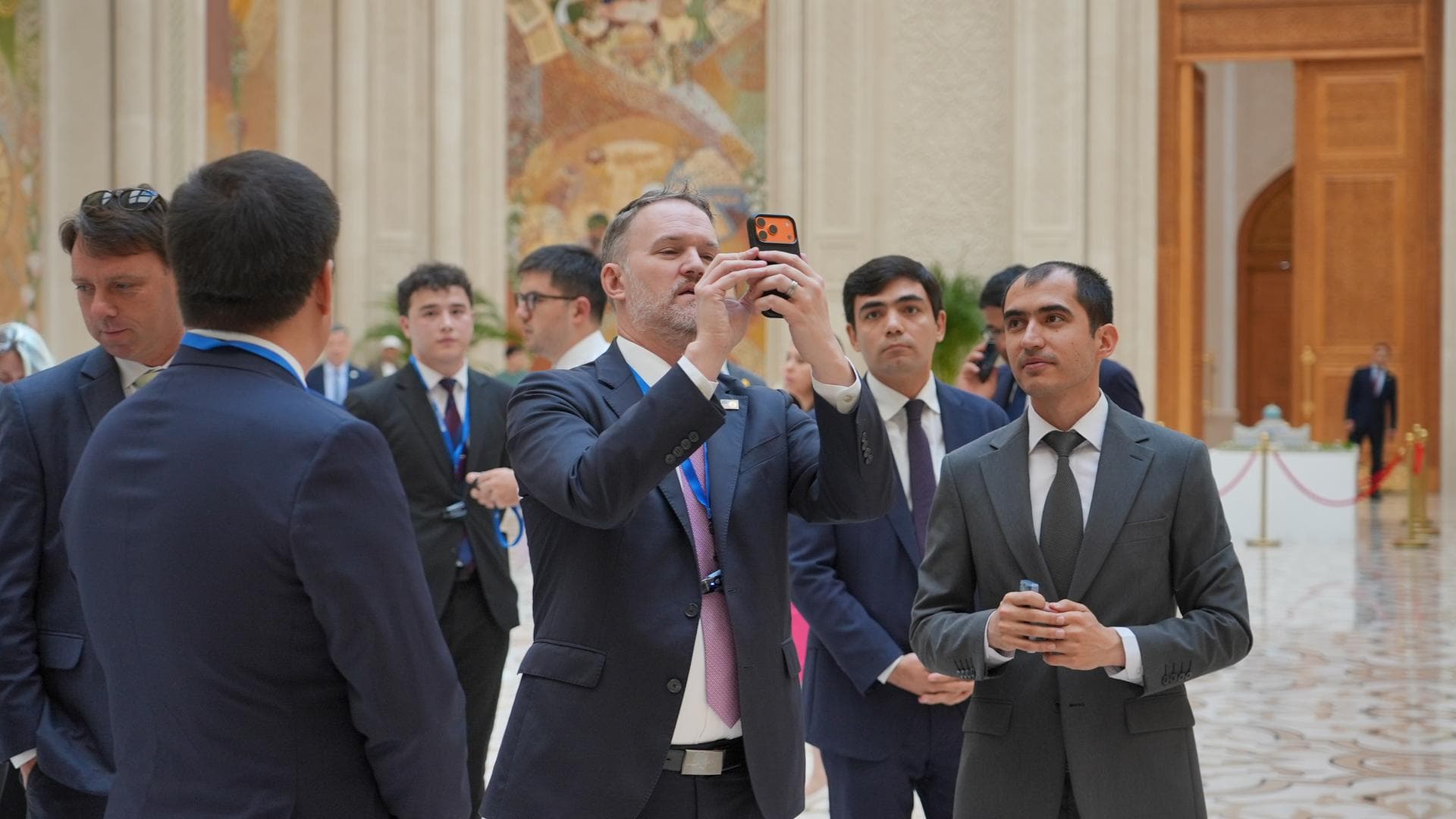
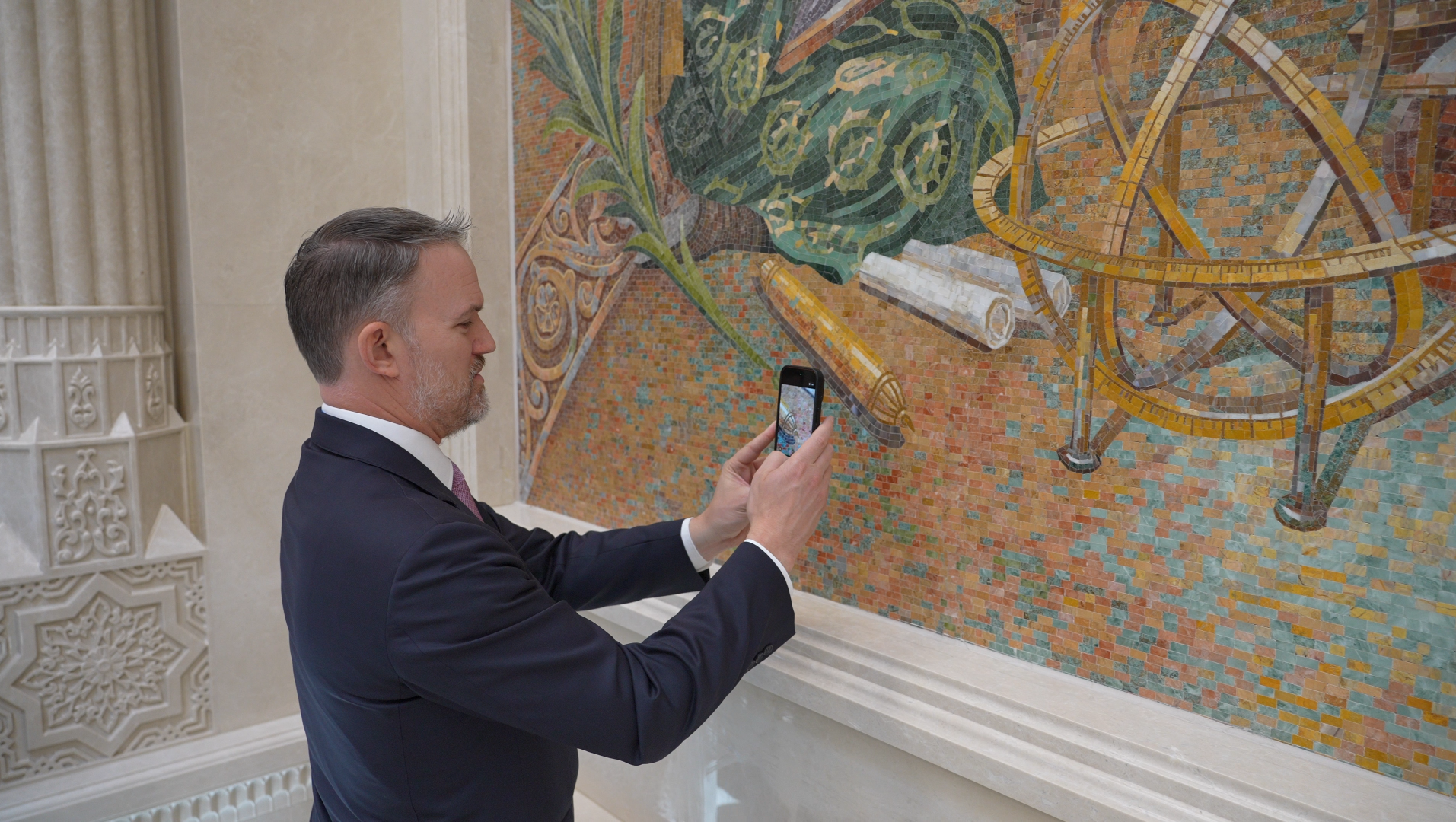 From the very first moments of the visit, the Center left a lasting impression on the delegation. Particular attention was drawn to the fourteen magnificent arches in the Gallery of Great Figures. Among them, the arch dedicated to Jaloliddin Manguberdi attracted special interest. The legacy of the legendary commander, renowned throughout history for his courage in resisting invasion and his unwavering struggle for freedom, deeply impressed the visitors. The exhibits devoted to Amir Temur also generated considerable interest, highlighting his remarkable achievements in statecraft, military leadership, and strategic vision.
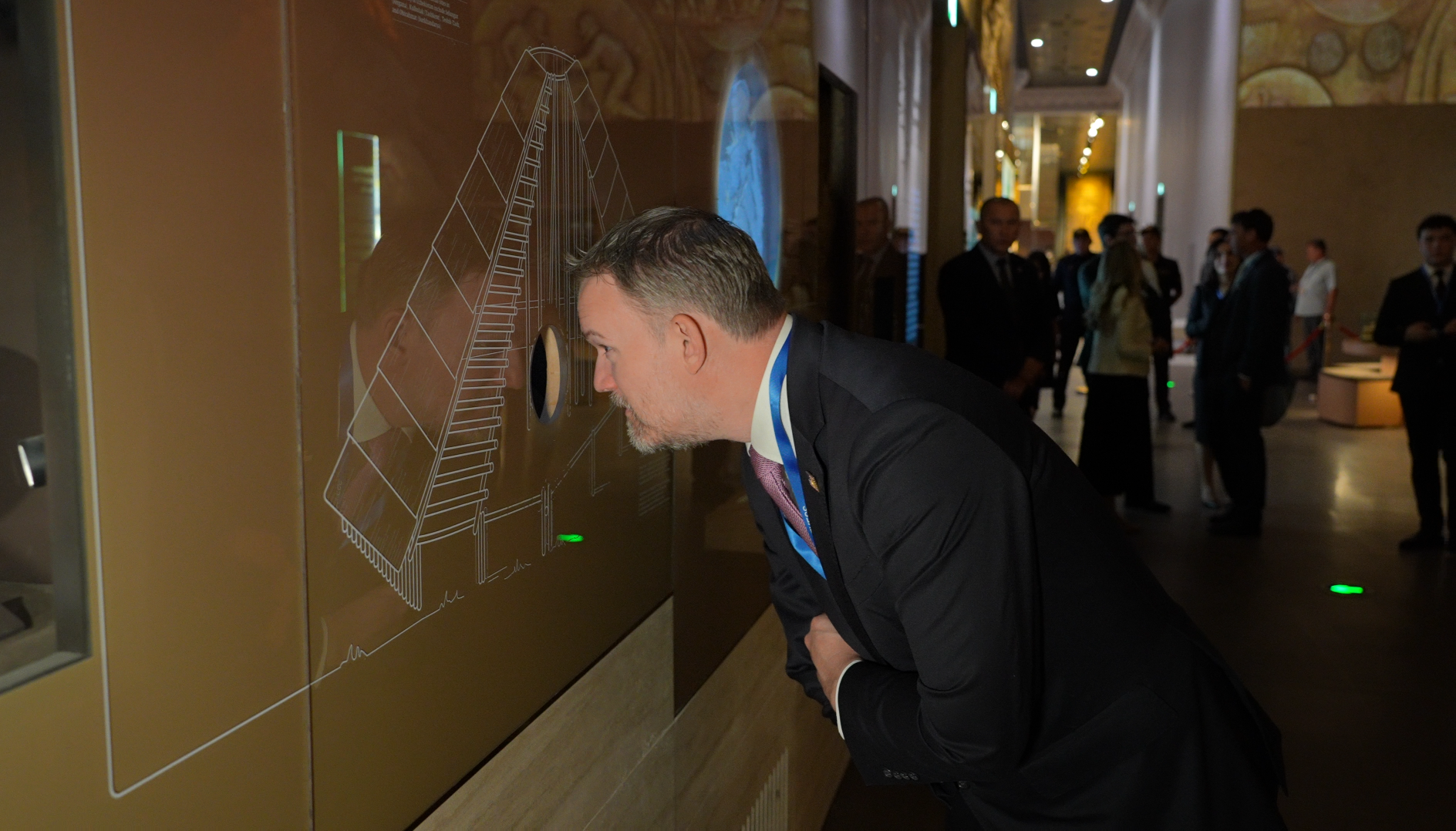
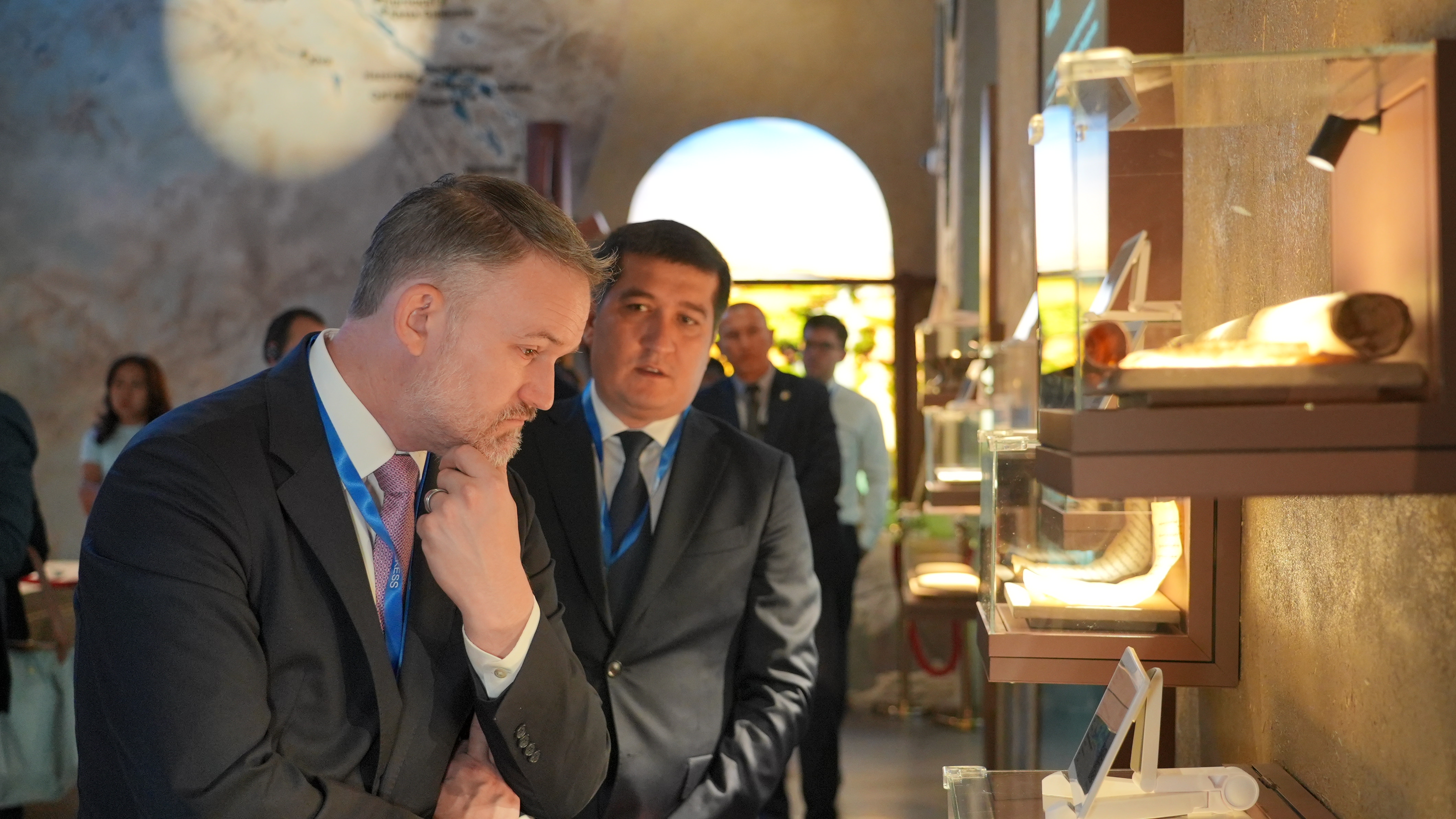 During the tour, the delegation also visited the Pre-Islamic Civilizations section. A nearly three-thousand-year-old bronze deer sculpture on display captivated the guests. They highly appreciated the modern multimedia technologies and interactive displays used throughout the exhibition, which present the history of ancient civilizations in a compelling and engaging manner. Archaeological discoveries illustrating the history of Tashkent referred to in ancient sources as the “Stone City” including rare stone artifacts bearing witness to the city’s ancient past, also attracted significant attention. The delegation continued to the First Renaissance section, where they examined the model of the Magoki Attori Mosque. The history of this architectural masterpiece, one of Bukhara's oldest surviving monuments, and its preservation over the centuries left a profound impression on the visitors.
The guests were also introduced to reproductions of the letters sent by the Prophet Muhammad (peace be upon him) to the rulers of various countries. They showed great interest in the information highlighting the invaluable contribution of the distinguished scholar Mahmud Zamakhshari to the development of the system of diacritical marks and vowel signs in the Arabic script. Another highlight of the exhibition was the section dedicated to the diplomatic correspondence between Amir Temur and King Charles VI of France. These historical documents, demonstrating that the territory of present-day Uzbekistan had already become an important center of international political and trade relations as early as the fourteenth and fifteenth centuries, attracted particular attention from the delegation.
The most moving part of the visit was the Hall of the Holy Qur’an. The delegation was deeply impressed by the preservation of the Mushaf of Caliph Uthman, the display of all 114 surahs of the Qur'an surrounding it, and the monumental Kufic calligraphy compositions inscribed on silk.
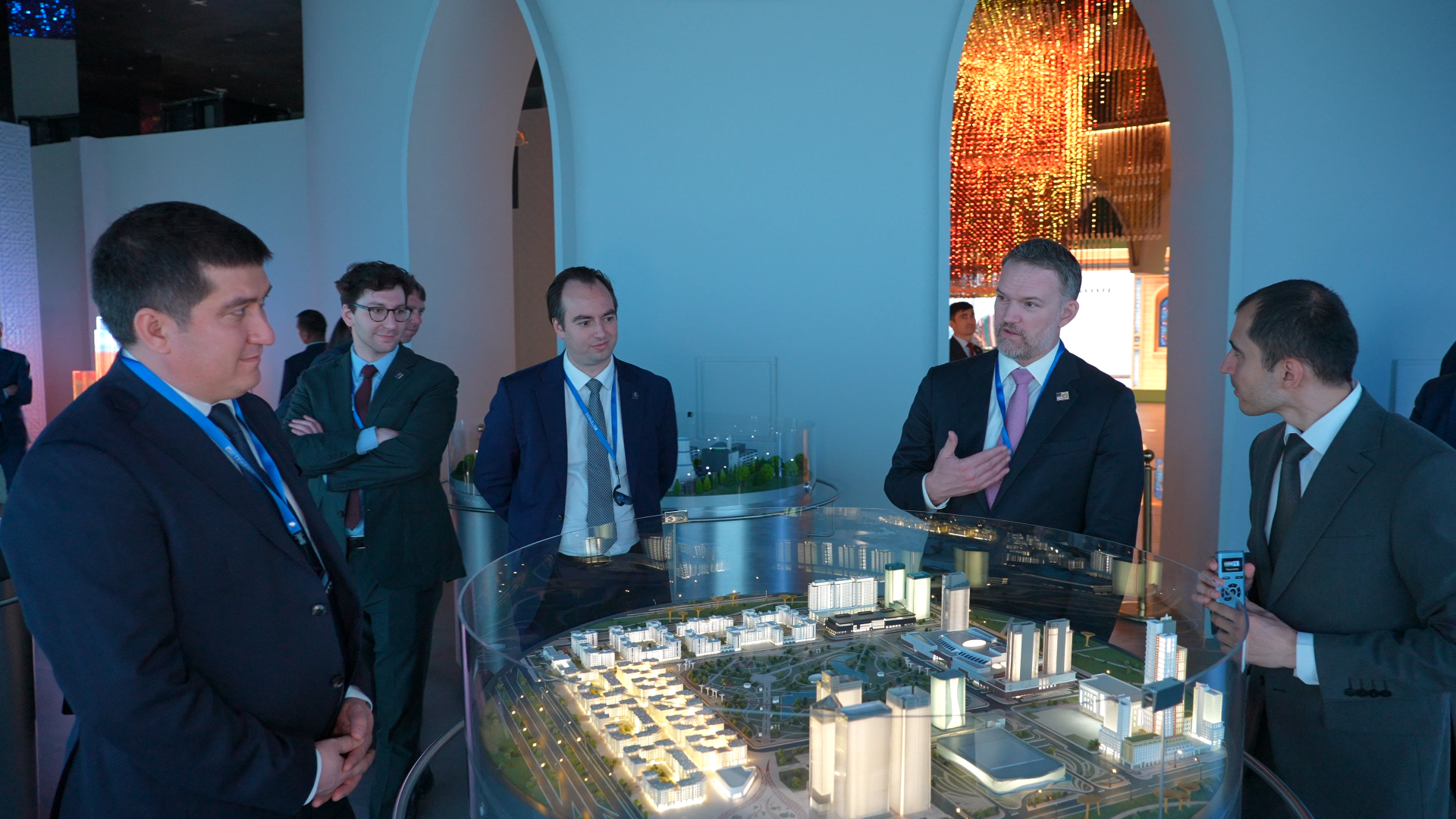
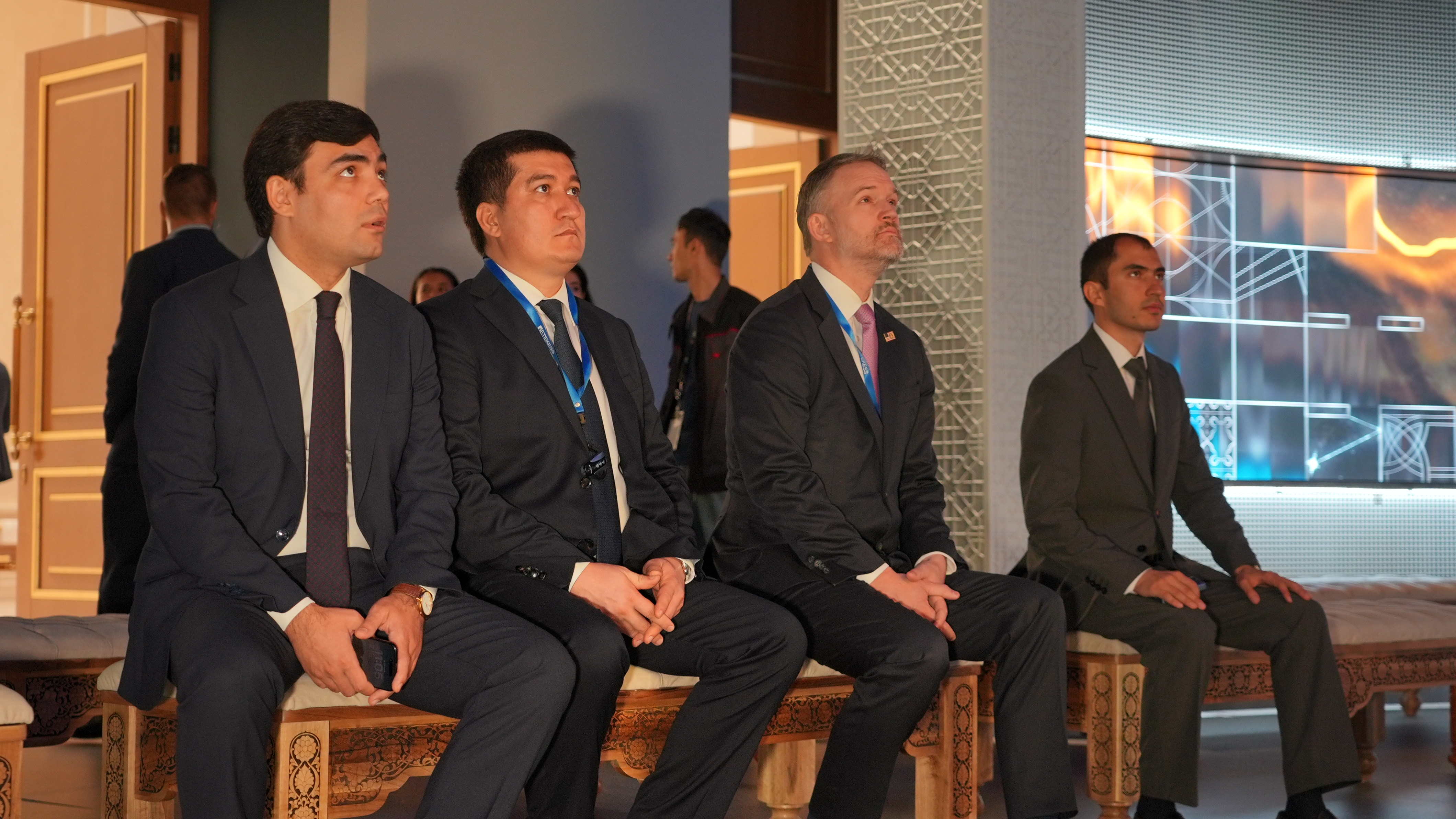 At the conclusion of the visit, Jamieson Greer shared his impressions of the Center:
“Above all, what I saw here was Uzbekistan’s profound respect for its own history and cultural heritage. The fact that the sacred Mushaf of Caliph Uthman is preserved at the heart of this Center and that people have the opportunity to see it with their own eyes is truly remarkable. What impressed me even more, however, is that history is not merely displayed here it is connected to the country’s present and its future. Your scholars, poets, musicians, statesmen, and the entirety of your national heritage are brought together in one place. As a result, the Center powerfully conveys the identity and spirit of Uzbekistan as an independent nation. In my view, this project is a practical reflection of your President's foresight and strategic vision. It not only opens the country's economy to the world but also inspires younger generations by connecting them with their history, their roots, and the achievements they can aspire to in the future. There have been periods when the history of Uzbekistan was interpreted as part of the heritage of other nations. Here, however, I witnessed a people reclaiming their own history, studying it in depth, and presenting it to the world with dignity. That is a remarkable achievement.”
He also noted that relations between the United States and Uzbekistan have entered a new stage in recent years, emphasizing the expanding opportunities for cooperation in trade, investment, education, and academic exchange.
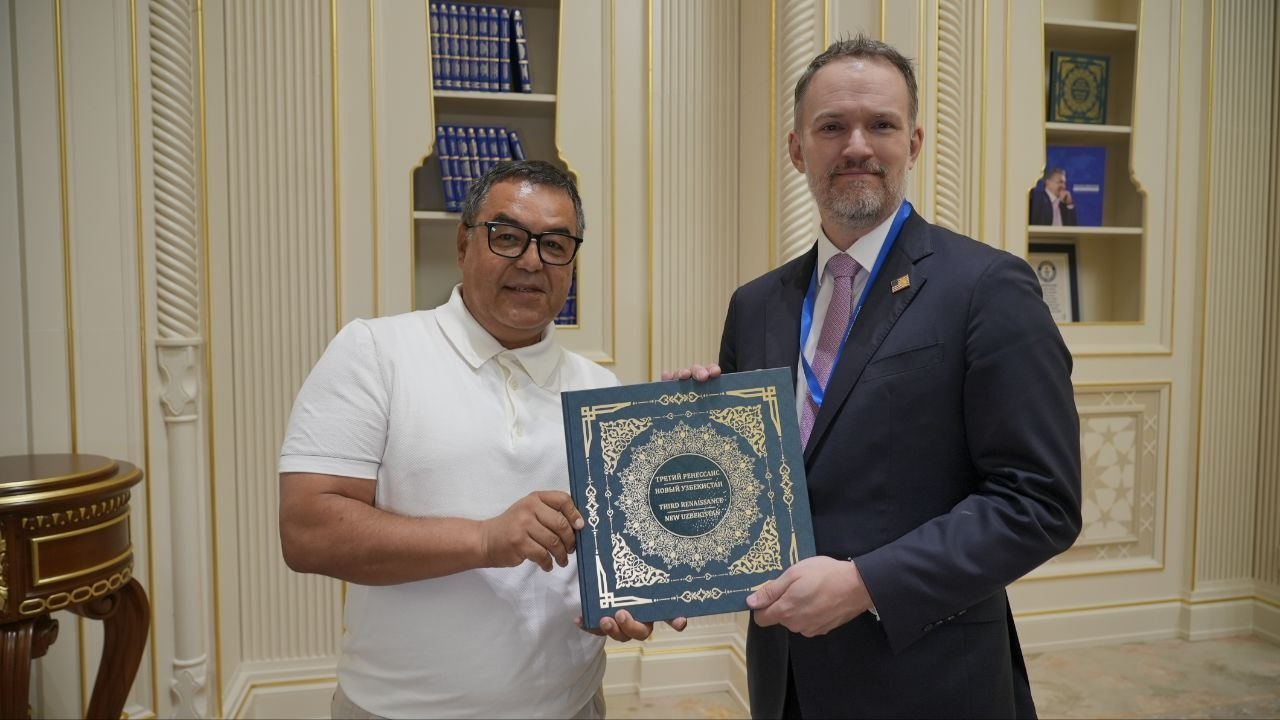
At the end of the visit, Jamieson Greer left a heartfelt message in the Center’s Book of Honored Guests. The Director of the Center, Firdavs Abdukhalikov, presented the guest with commemorative gifts reflecting Uzbekistan's rich history and cultural heritage. The visit reaffirmed an important truth: the Islamic Civilization Center in Uzbekistan is not merely an institution that preserves the past it is a place that tells the world who Uzbekistan was, who it is today, and who it aspires to become.