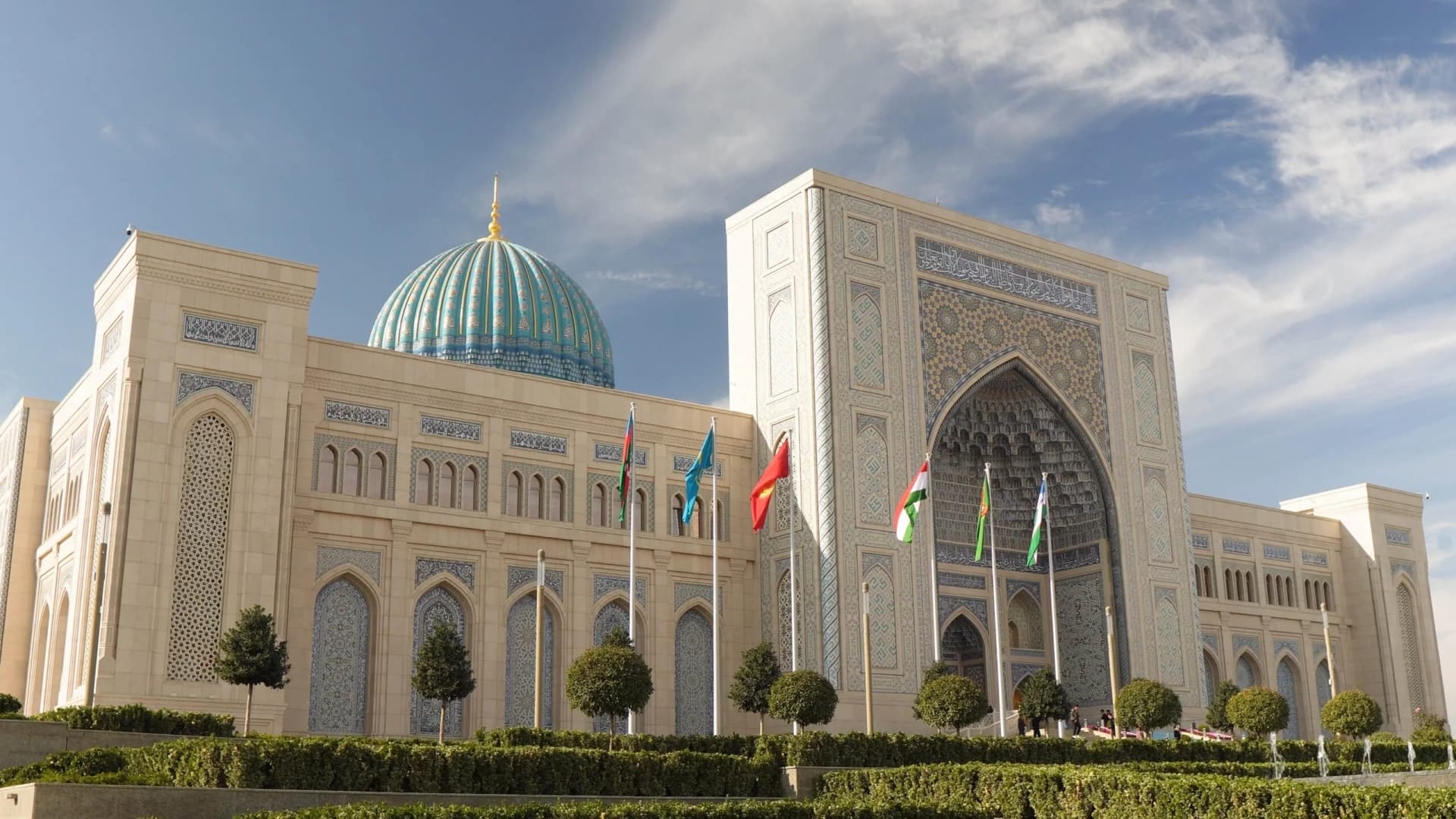

Uzbekistan’s new vision: not just a building, but an idea brought to life
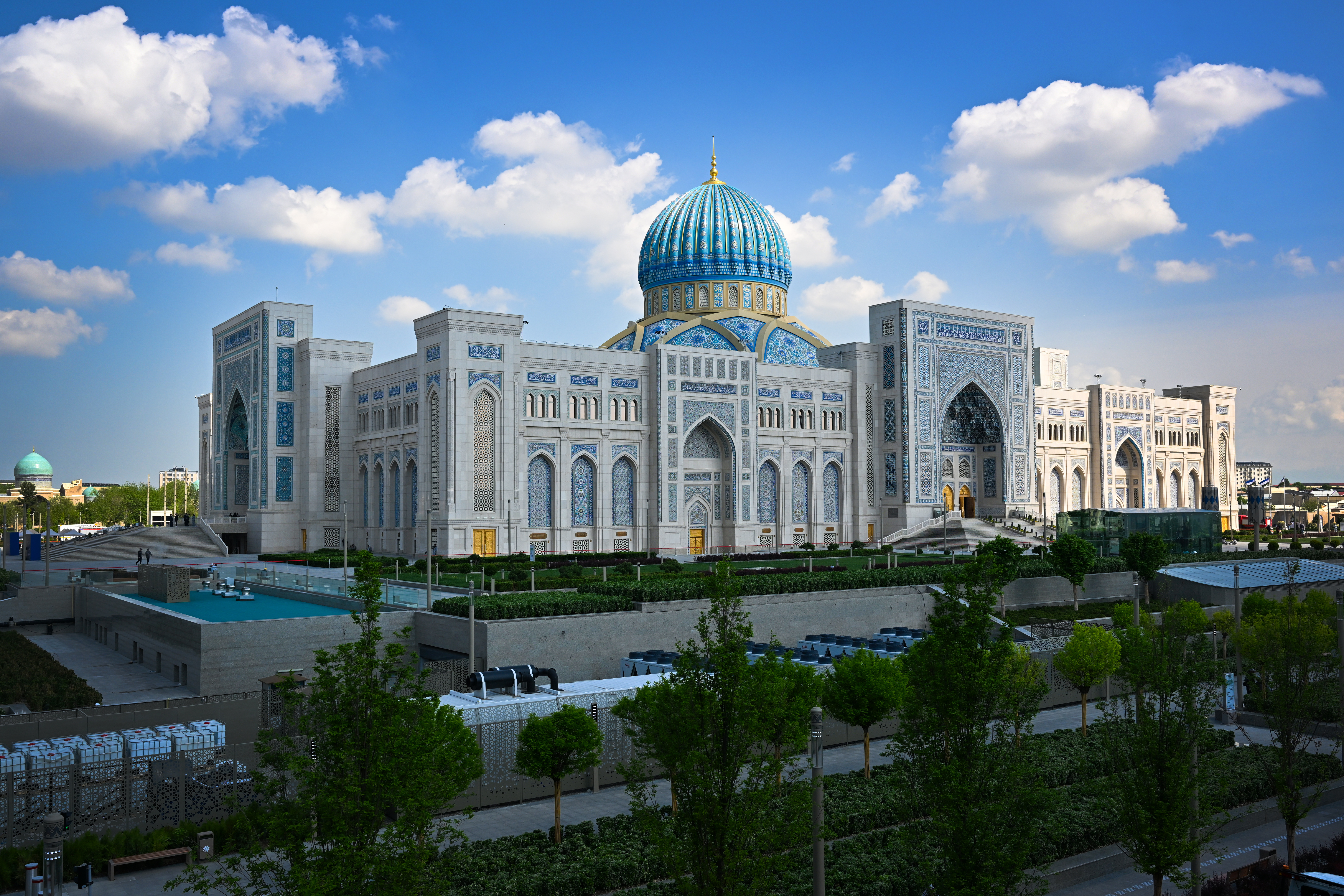 Every nation seeks to understand its past before shaping its present and future. Yet knowing history alone is not enough. Equally important is interpreting it correctly and conveying its meaning to contemporary society and future generations.
History is not merely a story about yesterday. It is the story of how a nation perceives itself, how it presents itself to the world, and how it envisions tomorrow.
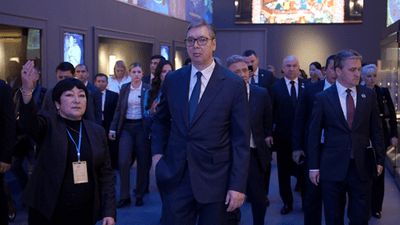
In recent years, Uzbekistan has embraced precisely this mission. Alongside its economic and political reforms, the country has embarked on a process of rediscovering its civilizational identity. At the heart of this transformation stands the Islamic Civilization Center in Uzbekistan, rising in the heart of Tashkent.
At first glance, it may appear to be simply a large museum or cultural complex. In reality, however, it represents something far greater. It is Uzbekistan’s new narrative about its own history a story the nation has chosen to share with the world.
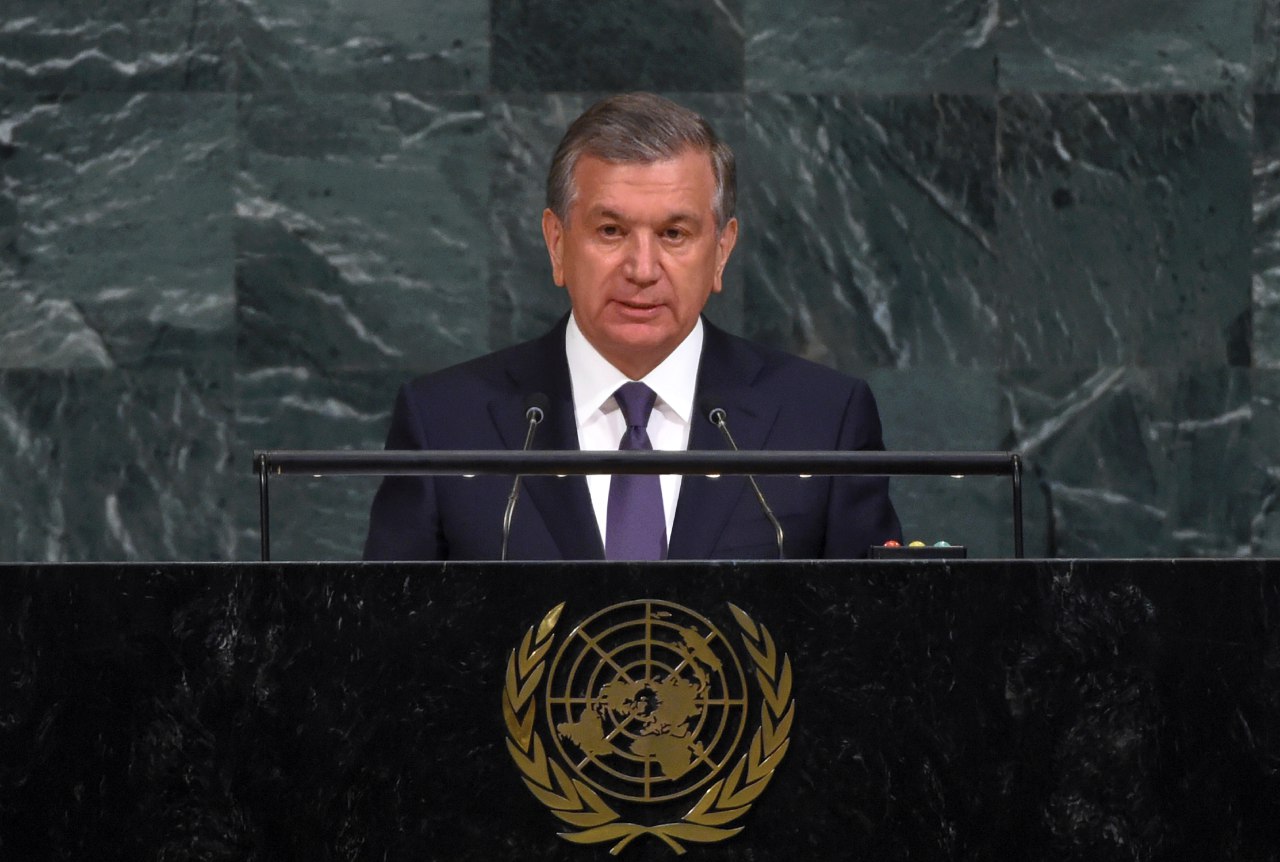 An idea announced in New York, realized in Tashkent
Addressing the United Nations General Assembly in 2017, President of Uzbekistan Shavkat Mirziyoyev presented a significant vision, emphasizing that the true essence of Islam lies in knowledge, enlightenment, tolerance, and humanism. This was far more than a diplomatic statement.
At a time when global discussions about Islam were largely dominated by terrorism, extremism, and security concerns, Uzbekistan offered a fundamentally different perspective.
The President’s central message was clear: the world should understand Islam not through the actions of extremists, but through the legacy of great scholars such as Imam Bukhari, Imam Maturidi, Abu Rayhan Biruni, Ibn Sina (Avicenna), and Mirzo Ulughbek. These outstanding figures made extraordinary contributions to the advancement of human civilization, transforming the pursuit of knowledge and learning into the defining purpose of their lives.
Over time, this vision evolved into a tangible reality. The Islamic Civilization Center in Uzbekistan, established in Tashkent at the initiative of the President, became the embodiment of that vision a fulfillment of the promise made to the international community and a lasting expression of its ideals.
More than a building — an idea given form
Throughout history, many nations have constructed magnificent buildings palaces, fortresses, monuments, and grand architectural masterpieces. As Amir Temur famously declared, “If you doubt our power, look at the buildings we have built.” Yet the true value of any structure lies not in its size, but in the meaning it conveys.
This is precisely what makes the Islamic Civilization Center unique. Its significance extends beyond architectural excellence and the harmonious integration of historical heritage with cutting-edge technologies. Its greatest strength lies in the ideas it communicates.
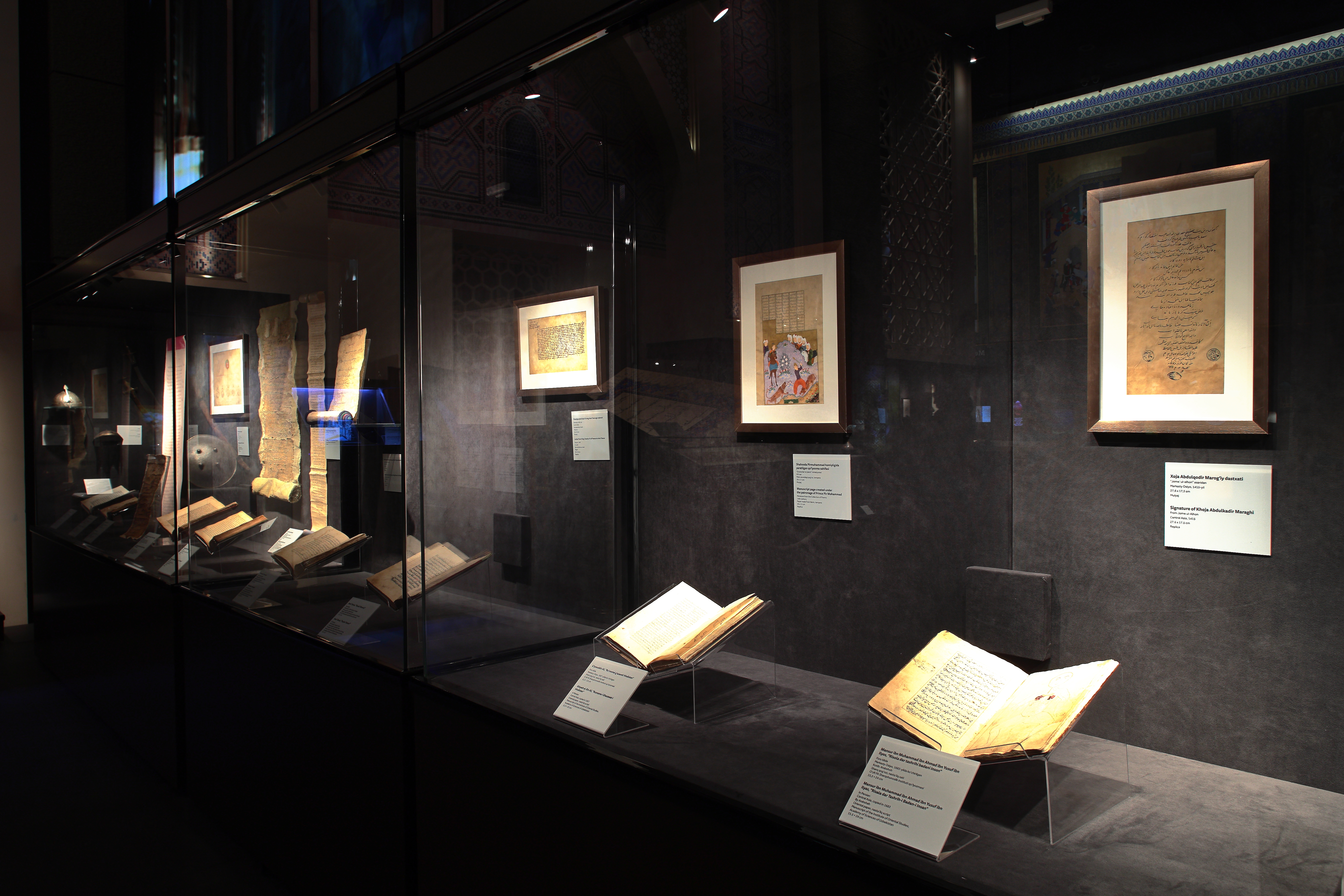
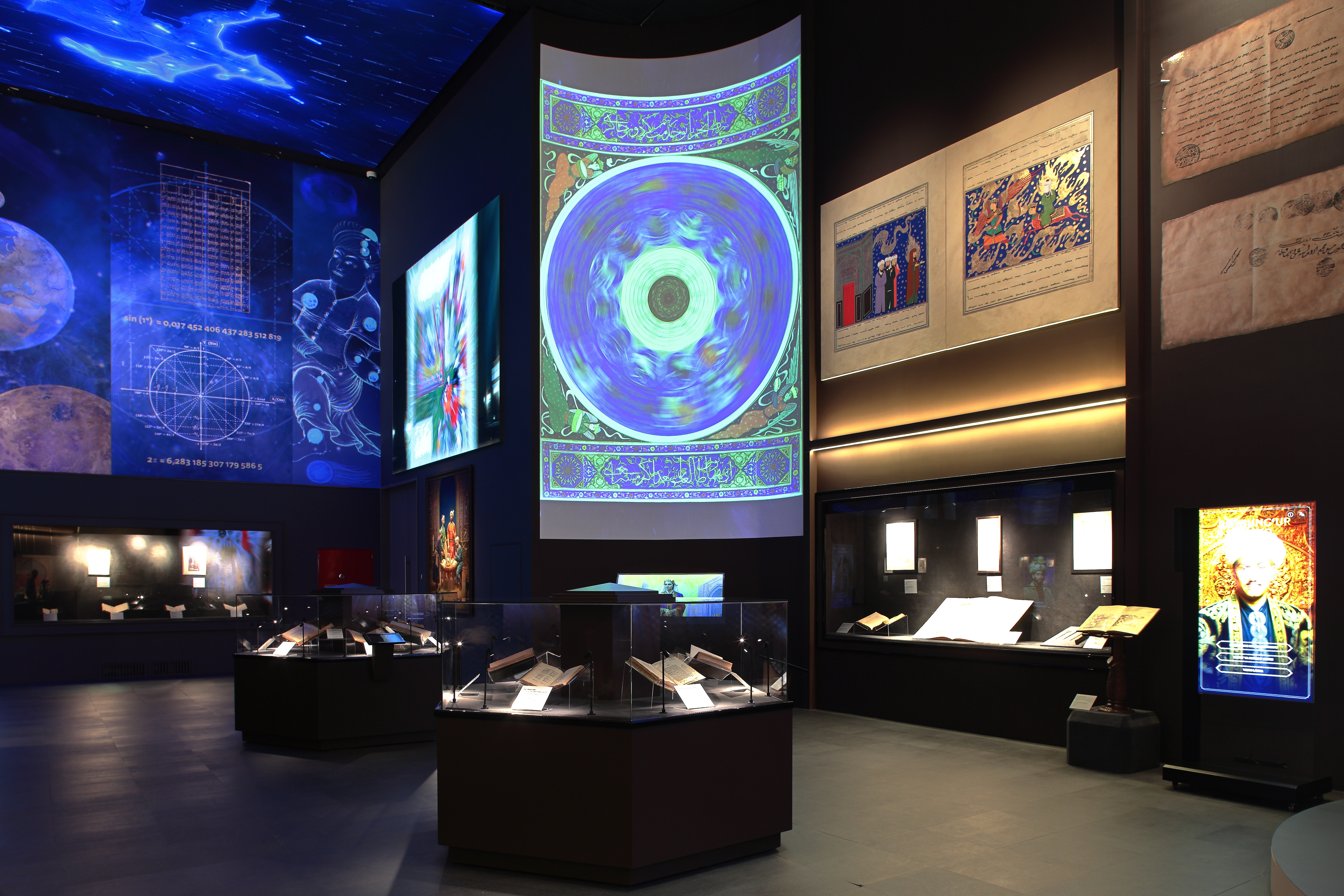 The Center’s exhibitions bring together hundreds of rare manuscripts, historical documents, and priceless artifacts, including unique cultural treasures repatriated from different parts of the world.
In recent years, extensive international research and cooperation have led to the collection of thousands of historical objects. Some were acquired through international auctions, others were returned through cultural cooperation, while many underwent meticulous restoration. This process cannot simply be described as building a collection. Rather, it represents the restoration of a nation's scattered historical memory.
Reconnecting Islam and science
Over the past several centuries, a widespread perception has emerged that modern scientific progress is exclusively the achievement of Western civilization. Yet the foundations of Europe’s scientific revolution trace back to cities such as Samarkand, Bukhara, Khwarazm, and Merv.
Many of the breakthroughs in algebra, trigonometry, astronomy, medicine, geography, and philosophy were developed and advanced by Muslim scholars. Their achievements laid the intellectual foundations upon which many of today's scientific and technological advances have been built.
For these scholars, science and faith were never opposing concepts. On the contrary, the pursuit of knowledge was regarded as one of the paths toward understanding the Creator.
In this sense, the Islamic Civilization Center presents not only the history of Uzbekistan but also humanity's shared intellectual heritage. Visitors encounter far more than historical exhibits they discover a fundamental historical truth: civilizations have always developed through interaction and mutual enrichment. They cannot be understood in isolation, nor should one civilization ever be placed in opposition to another.
The diplomacy of knowledge
In today’s world, a nation's influence is no longer determined solely by its economic strength or military capabilities. Culture, scholarship, and ideas have become equally powerful instruments of international engagement.
 Viewed from this perspective, the Islamic Civilization Center represents a new model of Uzbekistan’s cultural diplomacy.
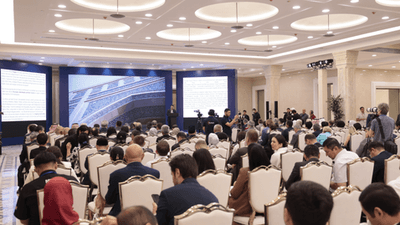
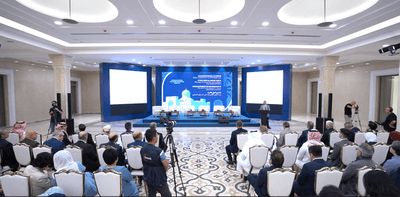
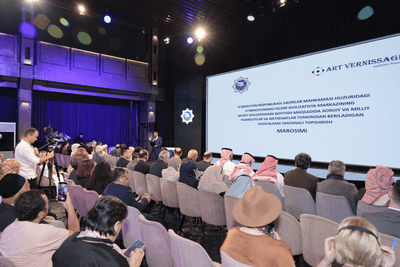
In this context, the upcoming First International Islamic Forum “Islamic Civilization: The Path of Peace, Tolerance and Enlightenment” represents a natural continuation of this vision. Bringing together nearly 300 scholars from more than 40 countries around a common purpose is no ordinary achievement. It signifies not only academic cooperation but also the creation of an environment of mutual trust.
At a time when geopolitical tensions continue to intensify, history and scholarship are increasingly becoming a universal language of dialogue among nations. Uzbekistan is strengthening its international standing precisely through this language.
A project recognized by the world
The significance of the Center cannot be measured solely by its impact within Uzbekistan. Its work has earned widespread recognition from international academic communities, research institutions, and cultural organizations.
Today, archives, museums, universities, and research centers from across the world are collaborating with the Islamic Civilization Center in Uzbekistan. This growing network reflects Uzbekistan’s emerging image on the global stage.
The country is no longer seen merely as the custodian of a remarkable historical heritage, but also as a leading center for its study, preservation, and presentation to the world.
The Fundamental question
Why does this project matter?
The answer is simple: every nation is ultimately judged by the way it presents itself to the world.
Today, Uzbekistan is delivering a clear message: we are not merely the land of ancient monuments. We are the homeland of great scholars. We are a civilization where traditions of knowledge and enlightenment flourished. We once stood at the crossroads of civilizations, and we are once again becoming a center of intellectual and cultural exchange. The heart of Islamic civilization took shape on this land, and we continue to uphold that enduring legacy.
This is precisely the story that the Islamic Civilization Center tells. It is Uzbekistan’s new narrative. It is not an attempt to rewrite history, but rather to rediscover its true meaning. Perhaps this is the Center’s greatest achievement.
In this sense, it can be confidently said that the President of Uzbekistan did far more than construct a remarkable building. He revived the memory of a great civilization. He did not simply create a museum; he reshaped the way a nation is understood.
Most importantly, Shavkat Mirziyoyev has transformed into reality the vision he first presented from the podium of the United Nations: that Islam is a civilization of knowledge, enlightenment, and progress. Uzbekistan, as a worthy heir to this magnificent legacy, is once again placing that heritage at the service of humanity.
Abulfayz Sayidasqarov
P.S.: The article may be republished on the center’s official website with a reference link