



HAZRAT NAVOI’S VISIT TO GEORGIA
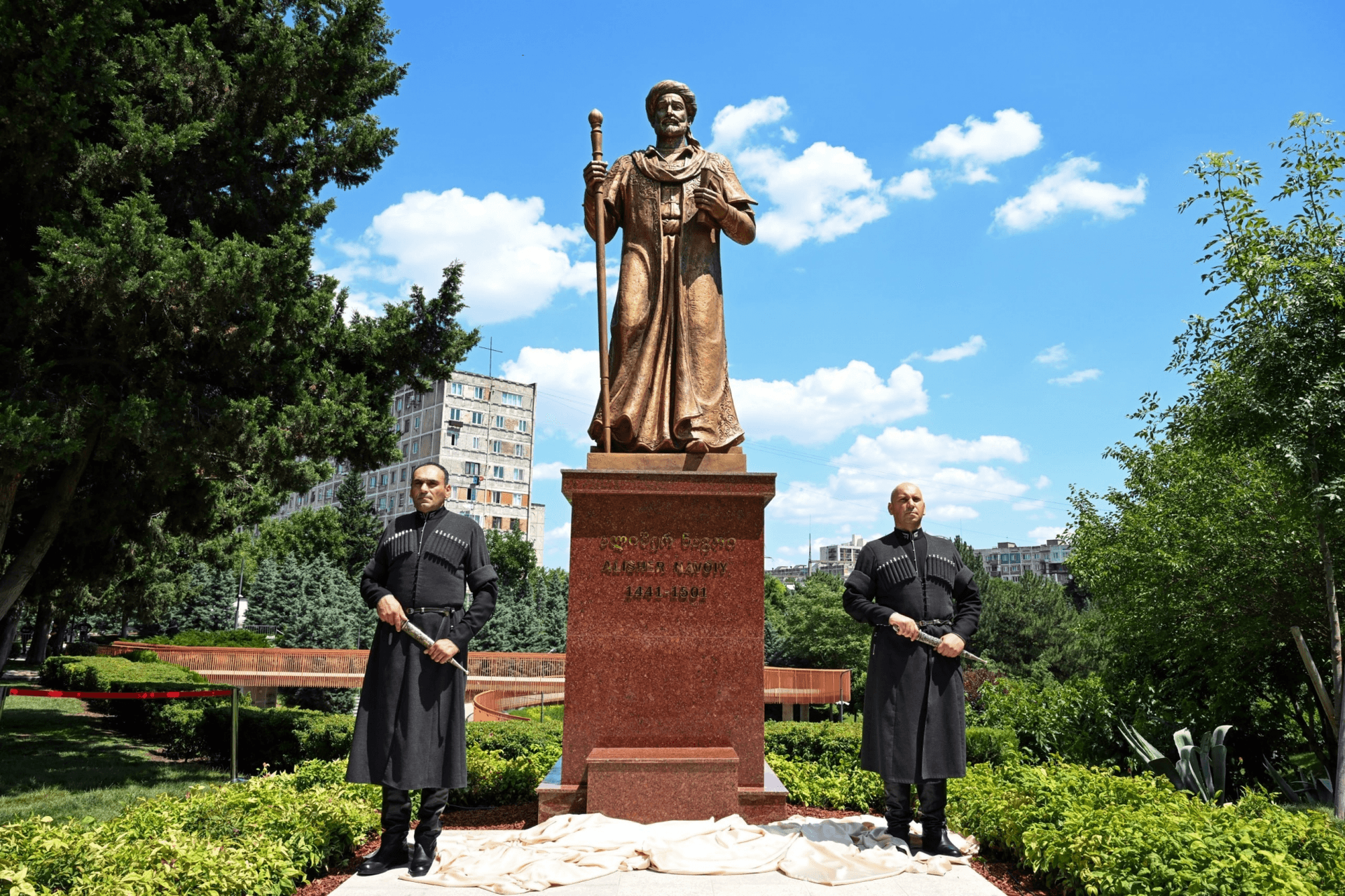
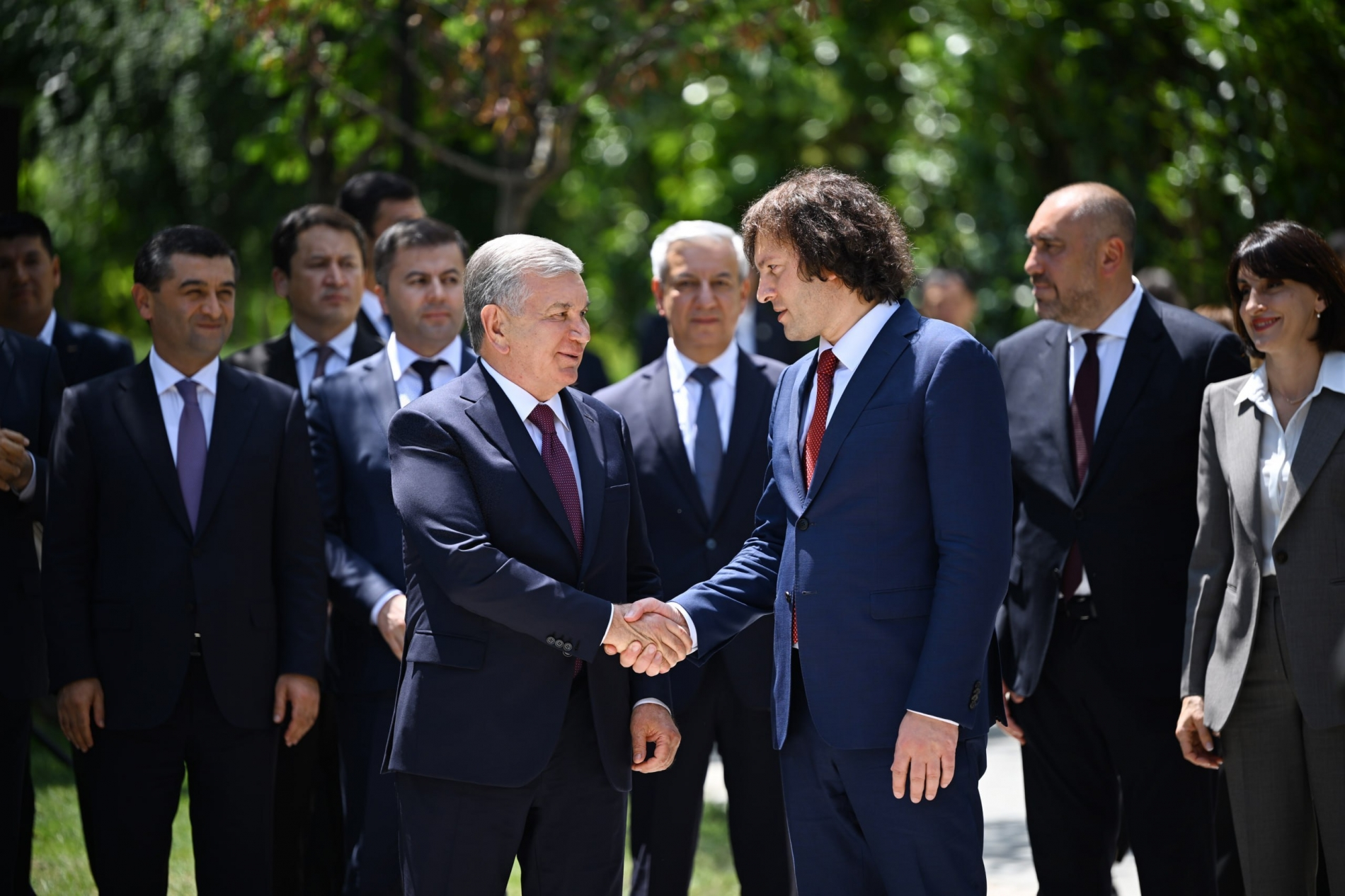
On July 3, during the state visit of the President of the Republic of Uzbekistan, Shavkat Mirziyoyev, to Georgia, a solemn unveiling ceremony of the monument to the great thinker and unrivaled genius of Turkic literature, Hazrat Alisher Navoi, was held in Tbilisi. The ceremony was attended by President Shavkat Mirziyoyev of Uzbekistan and Prime Minister Irakli Kobakhidze of Georgia.
This monument is not only a tribute to the memory of the great poet but also a spiritual bridge connecting the past with the present. More than five and a half centuries ago, Alisher Navoi mentioned the land of Georgia in his celebrated epic Saddi Iskandari:
His path led toward Circassia and Georgia,
Where all the Circassians and Georgians became his subjects.
Having immersed the peoples of the North in his generosity,
He then turned his attention toward the East.
Although these verses outwardly describe Alexander’s military campaigns, they also reflect the poet’s perception of the Caucasus, including Georgia. More importantly, Navoi refers to the Georgian land as an integral part of a broader historical and spiritual landscape. Thus, the mention of Georgia in his writings was far from incidental; it formed part of the great poet's extensive geographical and cultural vision.
 Today, history seems to have found a beautiful continuation. In the very land of Georgia that Navoi once mentioned in his poetry, a magnificent monument to the great thinker has now been erected. This event has been recognized as a significant milestone in the history of cultural relations between the Uzbek and Georgian peoples. It was emphasized that, since ancient times, the two nations have been connected through trade routes, mutual respect, and a shared appreciation of their rich spiritual heritage.
For centuries, the peoples of Uzbekistan and Georgia have been linked by the Great Silk Road, trade, scholarship, and cultural exchange. Today, thanks to the initiatives of the leaders of both countries, these relations are reaching an entirely new level. President Shavkat Mirziyoyev’s visit to Georgia has become an important step not only in strengthening political and economic cooperation but also in expanding cultural and humanitarian ties.
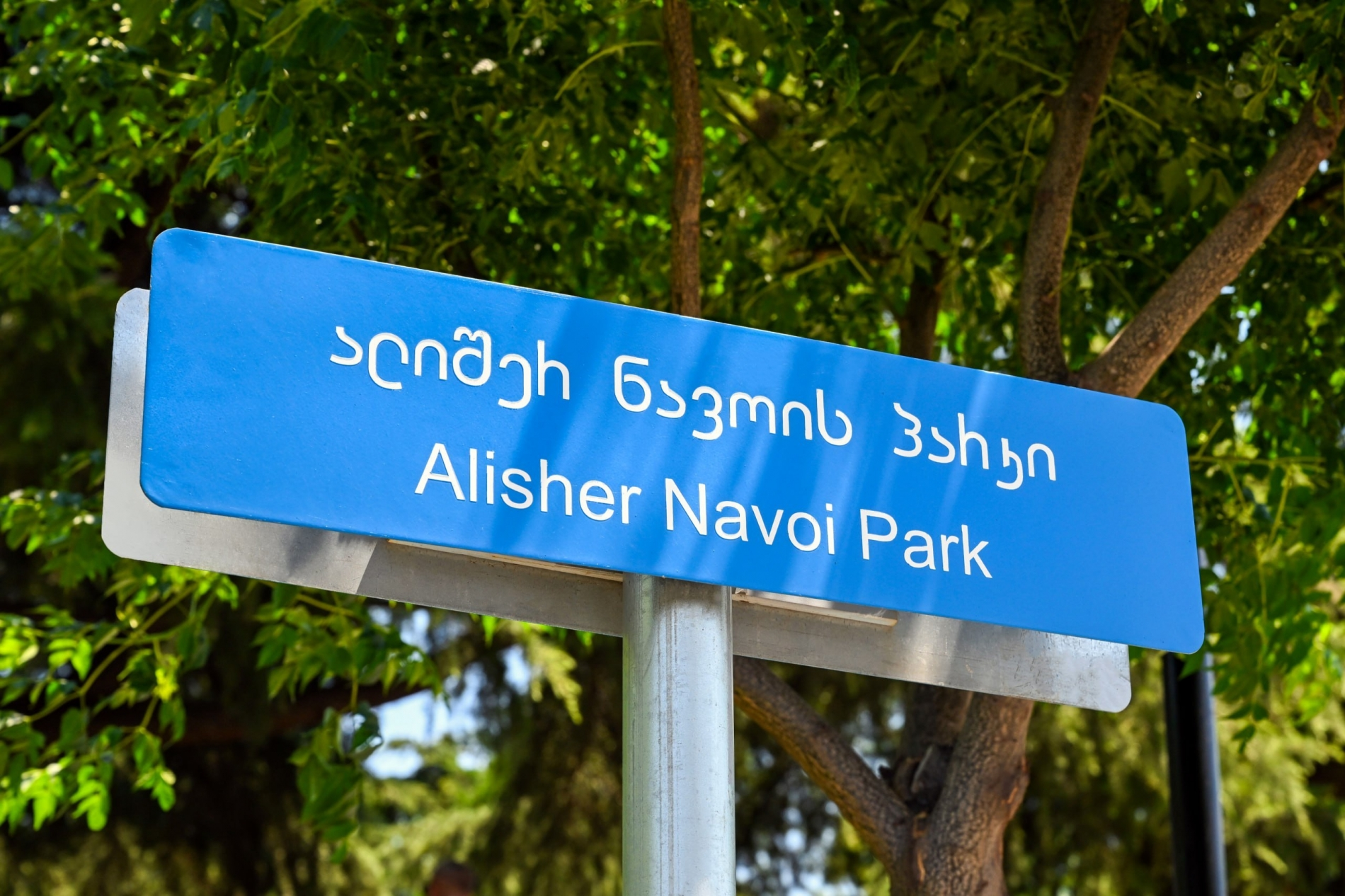
The Uzbek people have always held the legacy of Georgia's great poet, Shota Rustaveli, in the highest esteem. One of the central streets of Tashkent bears his name, and a monument in his honor stands in the capital. Likewise, this year, one of the central parks in Tbilisi was named after Alisher Navoi, serving as a vivid expression of the mutual respect that both nations have for each other's great sons.
The literary environment in which Shota Rustaveli lived was also closely connected with the classical culture of the East. His renowned epic The Knight in the Panther’s Skin is founded upon the ideals of humanism, justice, loyalty, courage, and enlightenment. These same ideals later found profound artistic expression in the works of Alisher Navoi. In this sense, the literary heritage of Rustaveli and Navoi represents a shared artistic embodiment of universal values that unite the two peoples.
Another important factor that has brought the Uzbek and Georgian peoples closer together is their shared literary heritage. This is particularly evident in Baramguriani by the seventeenth-century Georgian classical writer Nodar Tsitsishvili. The work is rooted in the Eastern literary tradition surrounding Bahram Gur, drawing inspiration from the image of Bahram Gur and the legends of the Seven Princesses found in Nizami Ganjavi’s Haft Paykar and Hazrat Alisher Navoi’s Sab’ai Sayyor.
Haft Paykar is one of the most celebrated poems of Nizami Ganjavi’s Khamsa, recounting the life of Bahram Gur and the stories of the Seven Princesses. Hazrat Alisher Navoi, in turn, elevated the great Khamsa tradition founded by Nizami to the highest artistic level in the Turkic language. This beautiful poetic narrative is presented with even greater brilliance and literary refinement in Navoi’s Sab’ai Sayyor. In Baramguriani, the Georgian poet continues the literary traditions of both Nizami and Navoi, offering his own distinctive interpretation of the widely known Eastern legends of Bahram Gur.
Another noteworthy point is that, in his Tarixi Muluki Ajam, Navoi discusses Bahram Gur and specifically refers to his campaigns in Georgia. Historical sources indeed record that the eastern regions of present-day Georgia—ancient Iberia—were under the rule of the Sasanian monarch Bahram V (Bahram Gur) for a certain period. This serves as further evidence of Navoi’s extensive knowledge of Georgian history.
Across the works of all three great authors, the ideals of a just ruler, virtue, the perfect human being, loyalty, love, and spiritual purification occupy a central place.
 Interest in Navoi’s literary legacy has continued in Georgia in later centuries. His ghazals and several poems from his Khamsa have been translated into Georgian and studied by literary scholars. The Korneli Kekelidze Georgian National Centre of Manuscripts in Tbilisi preserves numerous rare Eastern manuscripts in Arabic, Persian, and Turkic, including various manuscript copies of Navoi’s works produced in different periods. Georgian scholars such as Jamshid Giunashvili, Magali Todua, and Alexander Gvakharia have conducted extensive research on Navoi’s literary heritage. To date, many of Navoi’s ghazals, rubaiyat, and epic poems have been translated into Georgian, and some have even been included in school textbooks.
From this perspective, the erection of a monument to Alisher Navoi in Tbilisi is far from coincidental. It is a symbolic expression of the mutual respect and spiritual affinity between two peoples whose great literary traditions have enriched one another for centuries. More than five and a half centuries after Georgia was mentioned in Navoi’s poetry, that very land has now embraced a magnificent monument in his honor.
Navoi’s entire literary legacy celebrates the ideals of compassion, virtue, tolerance, and enlightenment among nations. In this sense, the monument erected in Tbilisi is not merely a work of art but also a symbol of spiritual dialogue. It will undoubtedly contribute to further strengthening the bonds of friendship between Uzbekistan and Georgia and elevate cultural cooperation between the two countries to a new level.
Rustam Jabborov
Doctor of Philosophy (PhD) in Philology