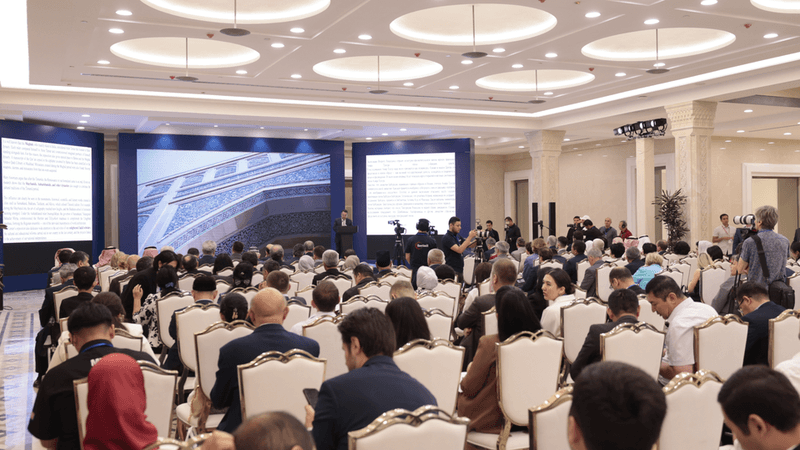
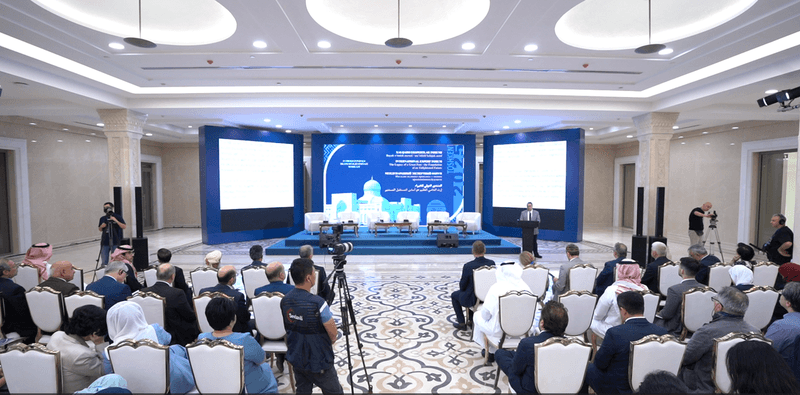
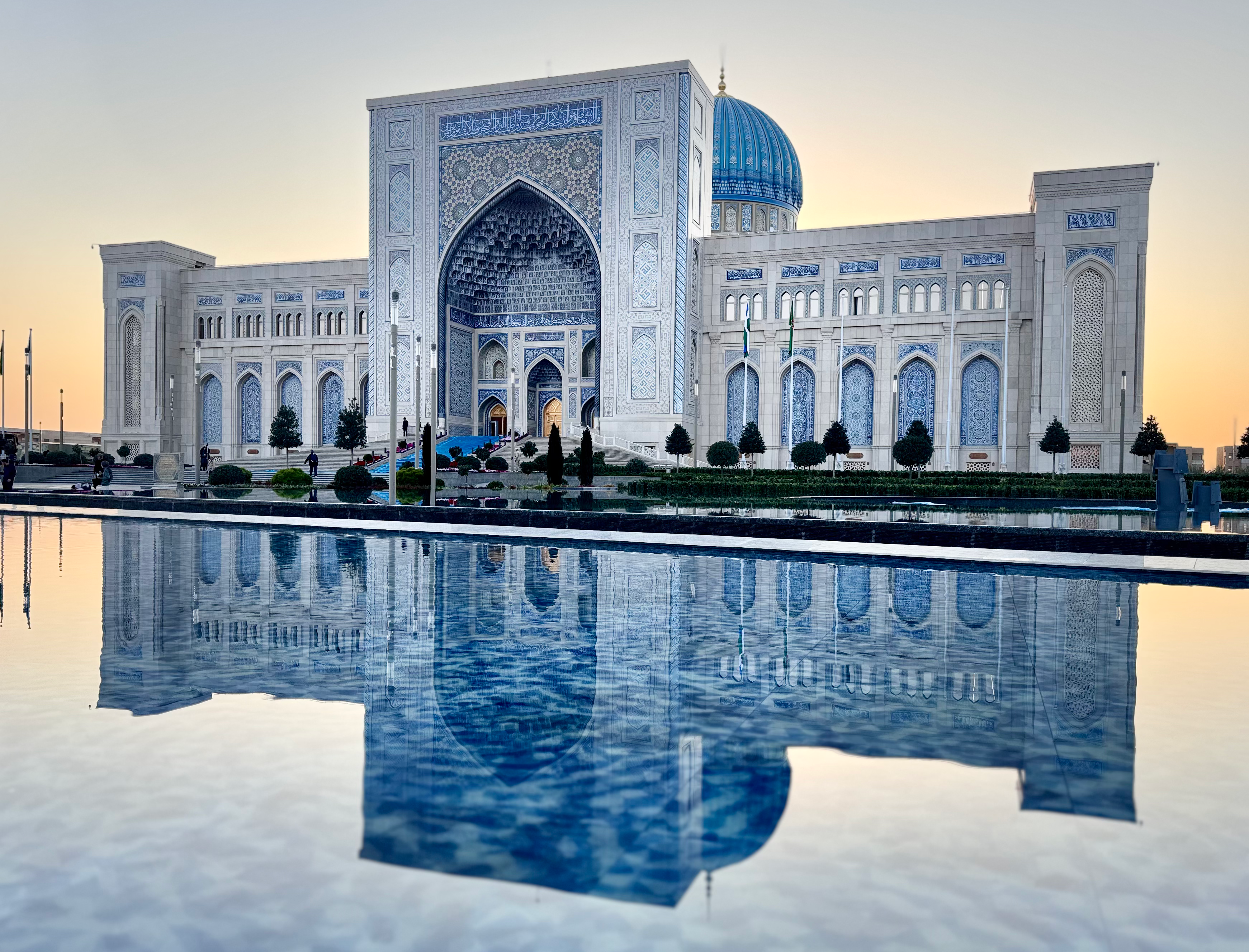
 On 7 July this year, Tashkent will become a global center for scholarly and intellectual dialogue. On that day, the International Forum on Islamic Civilization under the theme “Islamic Civilization: The Path of Peace, Tolerance and Enlightenment” will officially open in the capital of Uzbekistan. The Forum will bring together nearly 300 scholars, researchers, experts in Islamic studies, historians, and representatives of international organizations from almost 50 countries.
At first glance, it may appear to be just another academic conference. Yet a closer look reveals that it carries a far broader significance. This gathering is not merely about the past it is equally about the future. It is not limited to discussing history; it is a platform for ideas that will shape the future of humanity.
Today's world possesses more technological capabilities than ever before. Artificial intelligence, the digital economy, genetic engineering, and space exploration continue to expand humanity’s horizons. At the same time, however, the world still faces wars, refugee crises, social inequality, religious intolerance, and a growing spiritual vacuum. This demonstrates that genuine progress is determined not only by technological advancement but also by the power of ideas. From this perspective, the Forum in Tashkent represents an intellectual event of global importance, extending far beyond the borders of Uzbekistan.
The forgotten sources of human progress
When discussing modern civilization, attention is often focused on the European Renaissance, the Industrial Revolution, or the achievements of Western science. Historians, however, recognize that one of the most significant links in the chain of human knowledge passed through the Islamic East.
Between the eighth and fifteenth centuries, Islamic civilization emerged as one of the world's foremost centers of science and intellectual achievement. One of its brightest hubs was the territory of present-day Uzbekistan. Cities such as Samarkand, Bukhara, Termez, Kesh, Urgench, and Fergana were renowned not only as thriving commercial centers but also as leading centers of learning. Philosophy, mathematics, astronomy, medicine, jurisprudence, and theology flourished in these cities.
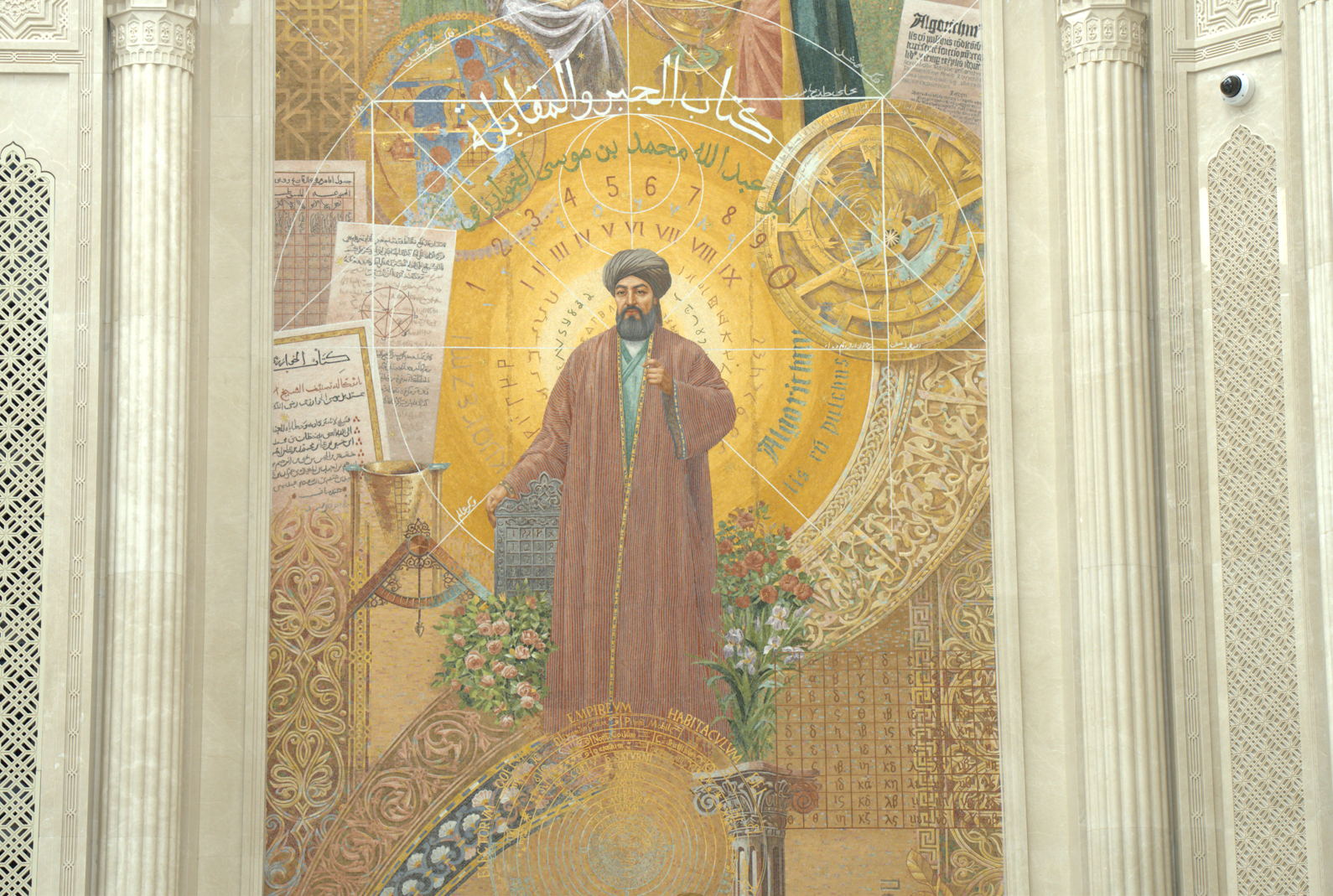 The mathematical systems used throughout the world today are rooted in the pioneering works of Muhammad Khwarizmi. The science of algebra that he developed later became one of the foundations of modern mathematics. Even the term “algorithm,” which lies at the heart of today's digital world, derives from the Latinized form of his name.
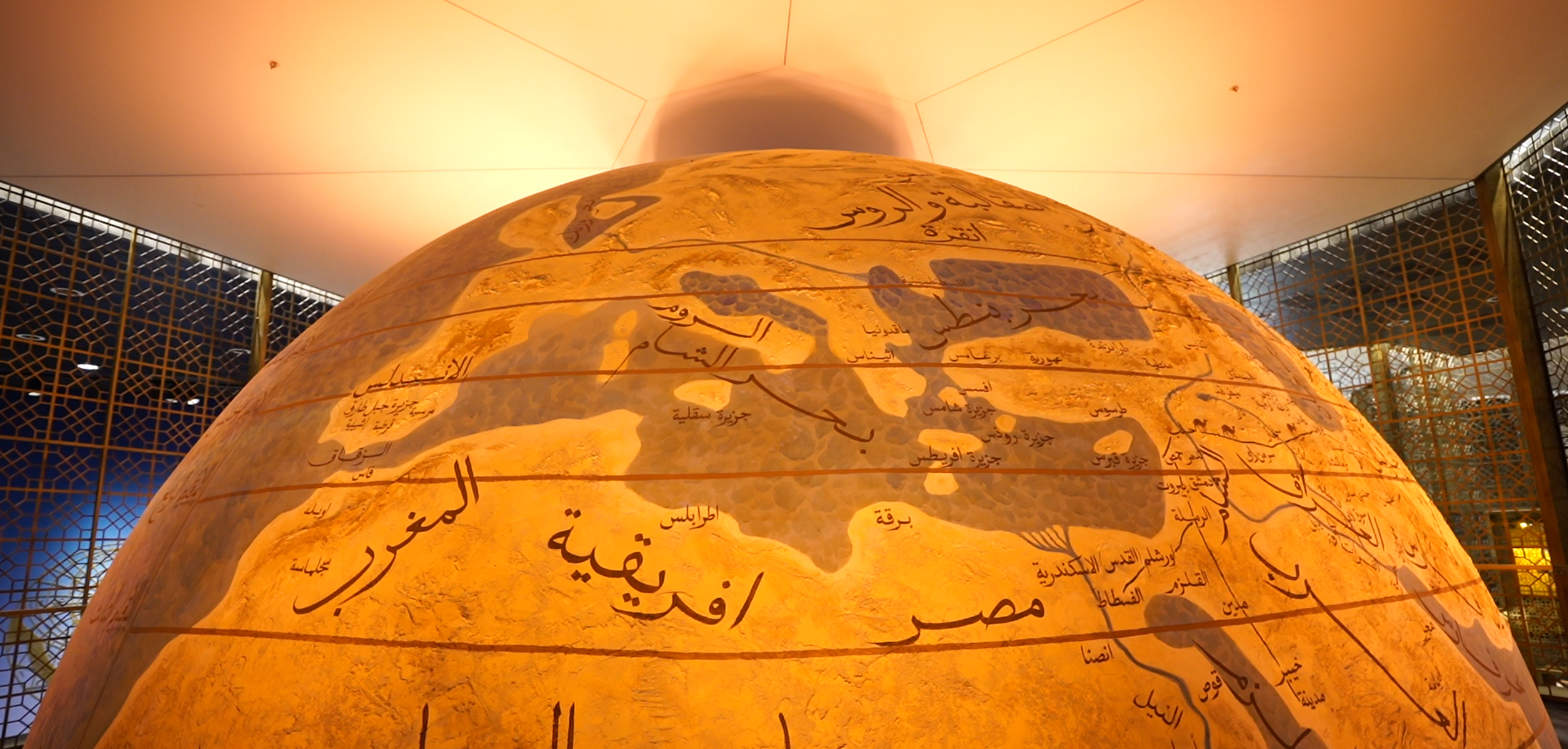 Abu Rayhan Biruni calculated the dimensions of the Earth with remarkable accuracy and made outstanding contributions to geography, mineralogy, and astronomy. His research is widely regarded as a scientific breakthrough that anticipated many later discoveries by several centuries.
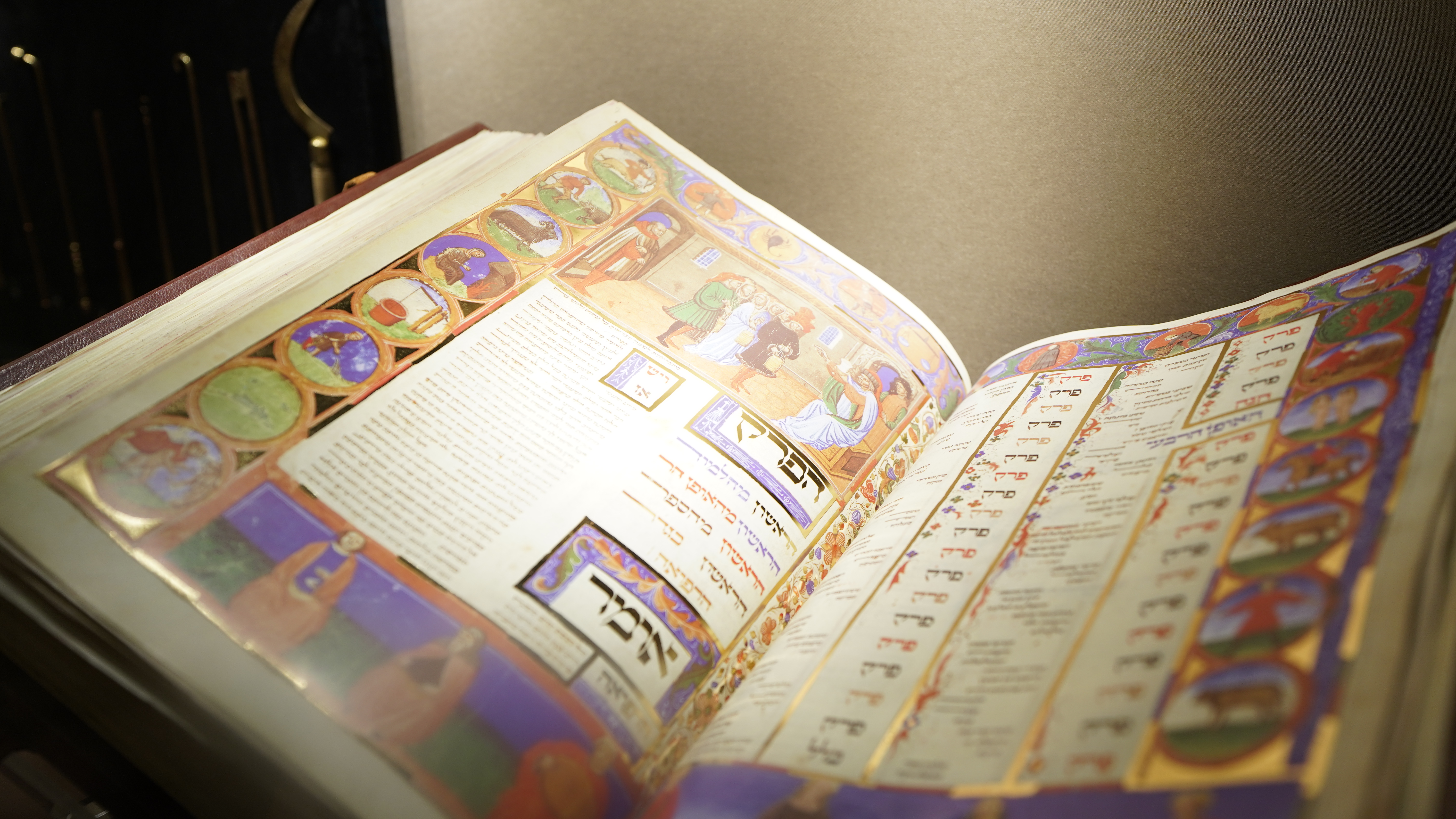 Avicenna’s The Canon of Medicine served as the principal medical textbook at European universities for centuries.
The observatory built by Mirzo Ulugbek became one of the world's most advanced scientific institutions of the fifteenth century. The astronomical observations conducted there opened a new chapter in the history of astronomy.
These examples demonstrate one fundamental truth: Islamic civilization is not only a religious heritage it is also a civilization of knowledge and science.
The greatest lesson of Islamic Civilization
One of the Forum’s central themes is closely connected to this very truth. The strength of Islamic civilization did not lie solely in its magnificent architecture or its distinguished scholars. Its true greatness was reflected in its ability to unite knowledge with spirituality.
Throughout the Muslim East, the pursuit of knowledge was regarded as a sacred duty. Learning was viewed as the path to intellectual and moral perfection. This is why cities such as Bukhara and Samarkand became home to thousands of students and hundreds of scholars.
Today, it is often said that while information has become abundant, wisdom is increasingly scarce. Technology continues to advance, yet trust among people remains fragile. Economies continue to grow, yet debates over social justice remain unresolved. This illustrates that the enduring values of Islamic civilization its commitment to knowledge, justice, tolerance, and human dignity remain just as relevant in the twenty-first century.
The Islamic Civilization Center — a bridge between history and the future
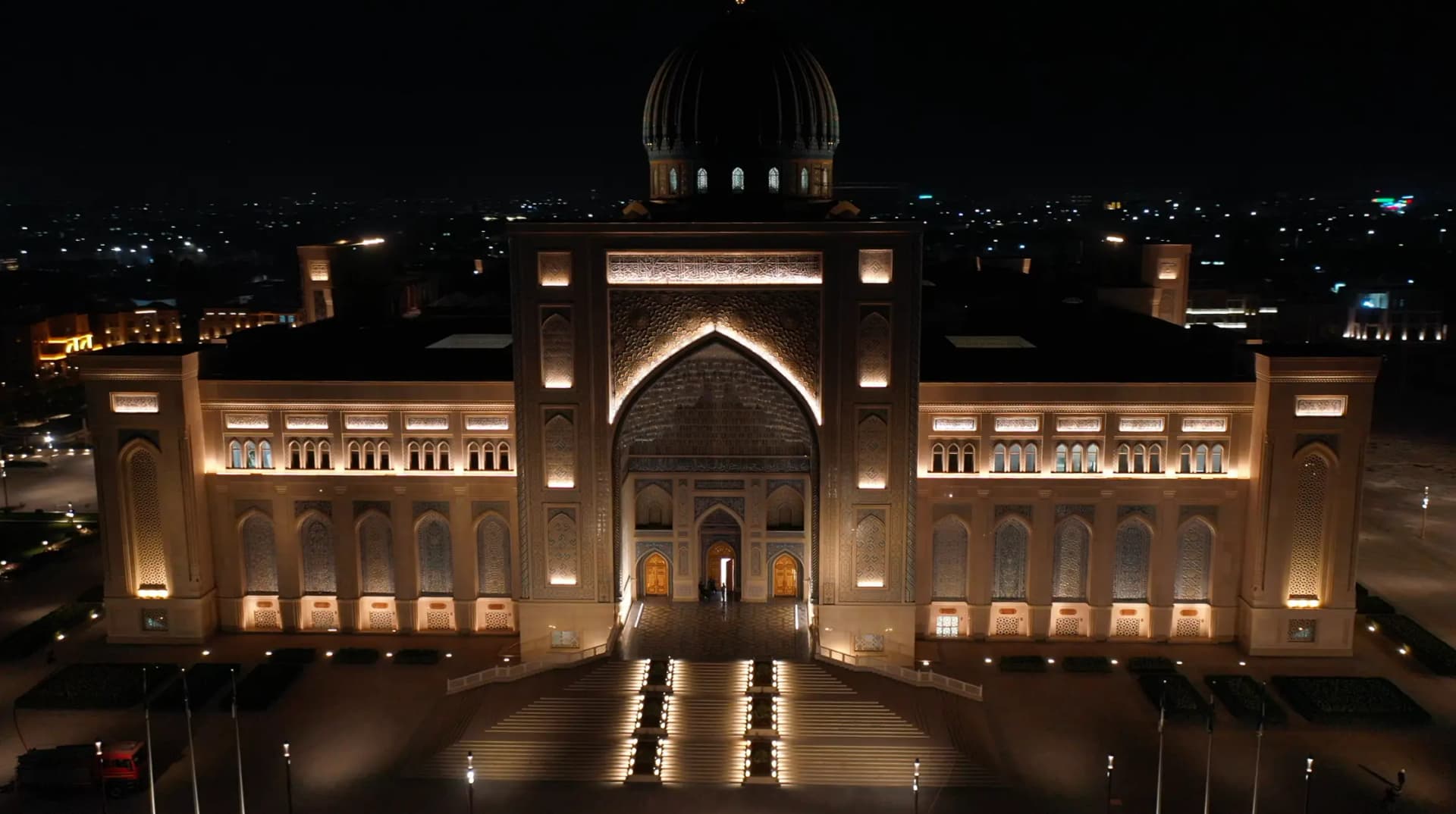
In recent years, Uzbekistan has devoted significant attention to studying and promoting the heritage of Islamic civilization on the international stage. One of the country’s most important initiatives in this regard is the Islamic Civilization Center in Uzbekistan, established on the basis of the visionary concept proposed by the President of the Republic of Uzbekistan, Shavkat Mirziyoyev.
The significance of the Center cannot be measured solely by its remarkable architecture or museum exhibitions. It is being developed as a comprehensive intellectual institution.
The Center brings together rare manuscripts, ancient historical sources, archaeological discoveries, and invaluable examples of cultural heritage. At the same time, it serves as a modern platform for scholarly dialogue, providing researchers, academics, and young people with opportunities for intellectual exchange and cooperation.
Most importantly, through this Center, Uzbekistan is sending a clear message to the world: the heritage of Islamic civilization is not merely a legacy of the past it is also a source of inspiration and guidance for the future.
Why now?
The answer is embedded in the very essence of the Forum.
Humanity today is in need of new ideas. Economic growth alone cannot guarantee sustainable development if injustice persists.
Technology may continue to advance, but without safeguarding human dignity, progress loses its true purpose. Nations may become more powerful, but without trust among peoples, lasting peace cannot be achieved.
Viewed from this perspective, the enduring principles embodied in the heritage of Islamic civilization tolerance, respect for knowledge, justice, and humanism have become more relevant than ever.
 Uzbekistan’s message to the world
The Forum in Tashkent should not be viewed as merely another academic gathering. Its significance extends far beyond that.
As Uzbekistan speaks about Islamic civilization today, it is not simply expressing pride in its own history. Rather, it is highlighting values that belong to all humanity. It is a message that promotes interethnic harmony, encourages interfaith dialogue, recognizes knowledge and enlightenment as the foundations of progress, and upholds human dignity as the highest value. These are precisely the qualities that elevate the Forum into an event of genuine international importance.
From the past toward the future
There was a time when Samarkand and Bukhara were destinations for those who traveled in pursuit of knowledge. The discoveries made on this land contributed significantly to the advancement of human civilization. Today, Uzbekistan is enriching that remarkable historical legacy with contemporary meaning and presenting it to a new generation and to the world.
The International Forum in Tashkent is a natural continuation of this vision. Through this Forum, Uzbekistan puts forward an important message: the future of humanity will be shaped not only by new technologies, but also by great ideas.
In this sense, when Uzbekistan speaks about the heritage of Islamic civilization, it is not merely recalling its past. It is addressing the world with a call to uphold the enduring values of knowledge, enlightenment, tolerance, justice, and human dignity. This is not simply a conversation about history it is a dialogue about the future of humanity.
Abulfayz Sayidasqarov
P.S. This article may be republished with a link to the official website of the Center