



Uzbekistan is opening a new chapter in the history of Islamic civilization worldwide
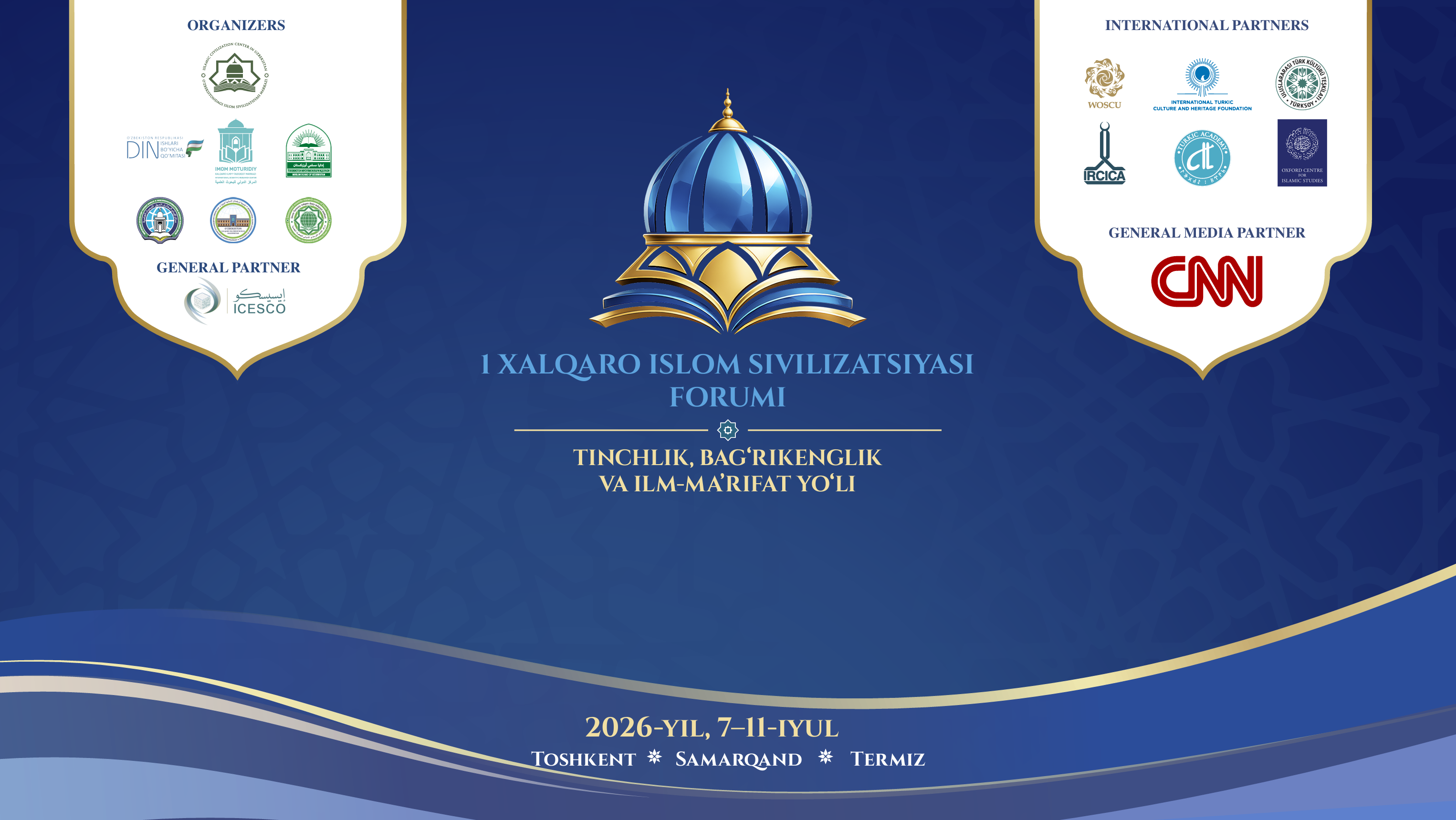 A briefing dedicated to the First International Islamic Civilization Forum, held under the theme “Islamic Civilization: The Path of Peace, Tolerance and Enlightenment,” took place ahead of the event scheduled for July 7–11 this year. Bringing together nearly 300 scholars, statesmen, ministers, muftis, heads of international organizations, and museum and library experts from more than 50 countries, the Forum is expected to become one of the world's leading international platforms for discussions on the scientific heritage of Islamic civilization, manuscripts, cultural diplomacy, digitalization, and academic cooperation. Over the course of five days, Samarkand, Tashkent, and Termez will become global centers of scholarship.
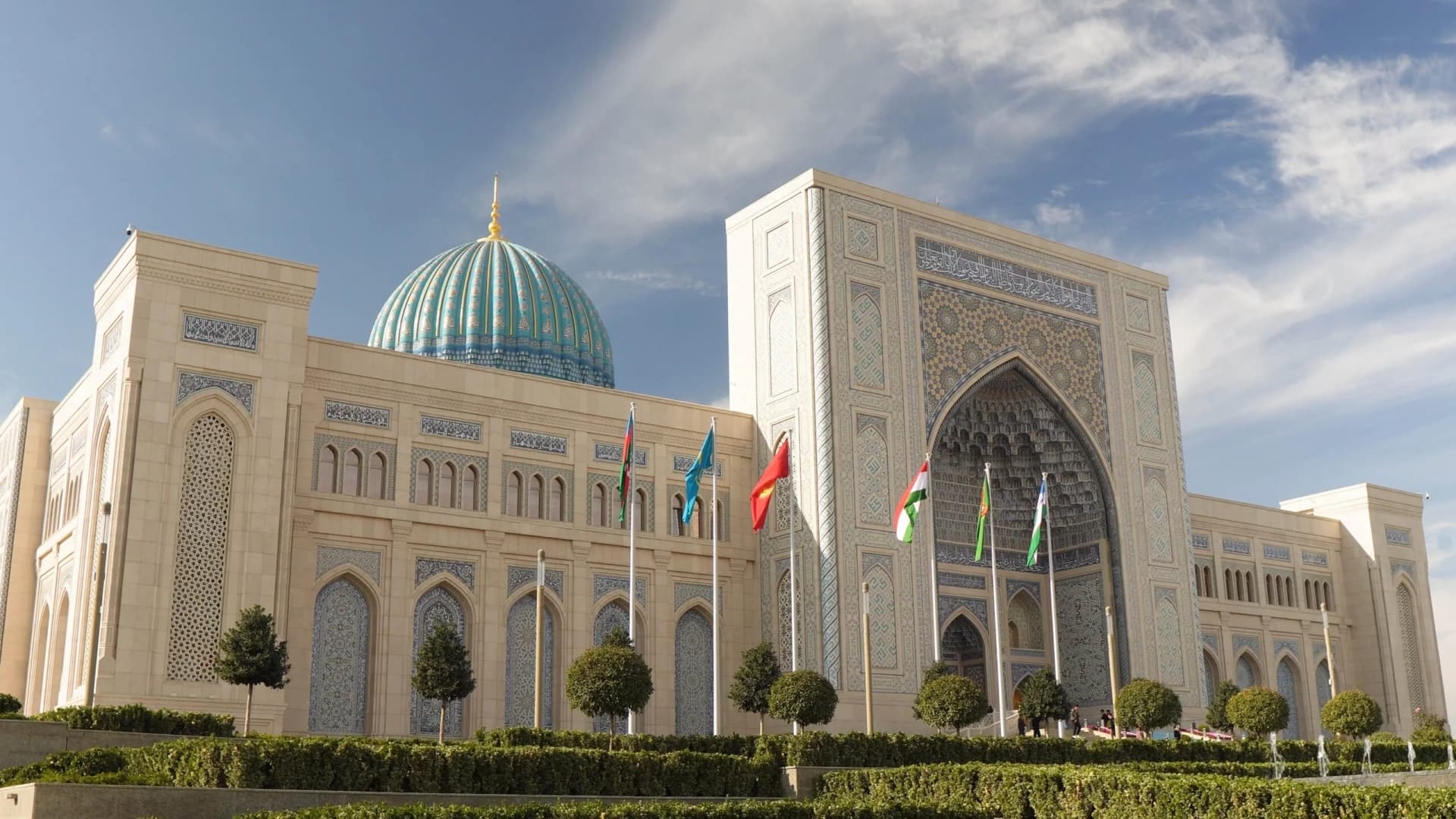
The briefing, held at the Islamic Civilization Center in Uzbekistan, provided detailed information on the Forum’s objectives, significance, participants, and program. The event brought together local and international scholars, heads of international organizations, and representatives of government institutions, who emphasized that the Forum would mark a milestone not only for Uzbekistan but also for the entire Muslim world and the global academic community.
In recent years, Uzbekistan has undertaken extensive efforts to study, preserve, and promote the rich scientific and spiritual heritage of Islamic civilization on the international stage. A decisive turning point came with the initiatives put forward by President Shavkat Mirziyoyev at the 72nd Session of the United Nations General Assembly in 2017. Addressing the international community from that distinguished platform, the President underscored that the true essence of Islam is rooted in peace, tolerance, knowledge, and humanism, while calling on the world to combat extremism and ignorance through enlightenment and education.
Today, these initiatives are producing tangible results. Guided by the President's vision, Uzbekistan has established the Islamic Civilization Center in Uzbekistan, the Imam Bukhari International Scientific Research Center, the Imam Maturidi International Scientific Research Center, the Imam Tirmidhi International Scientific Research Center, the School of Hadith Studies, and the Burkhoniddin Marginoni Scientific and Educational Complex. These institutions have gained recognition not only within Uzbekistan but also among the international academic community as leading centers of enlightenment and scholarship in Central Asia.
As the logical continuation of these reforms, Uzbekistan is now hosting the First International Islamic Civilization Forum for the first time in its history. Spanning five days across Tashkent, Samarkand, and Termez, this prestigious gathering is expected to become one of the world’s foremost international platforms for discussions on the history of Islamic civilization, manuscripts, museology, cultural heritage, Hadith studies, Islamic creed (aqidah), theology (kalam), archaeology, and cultural diplomacy.
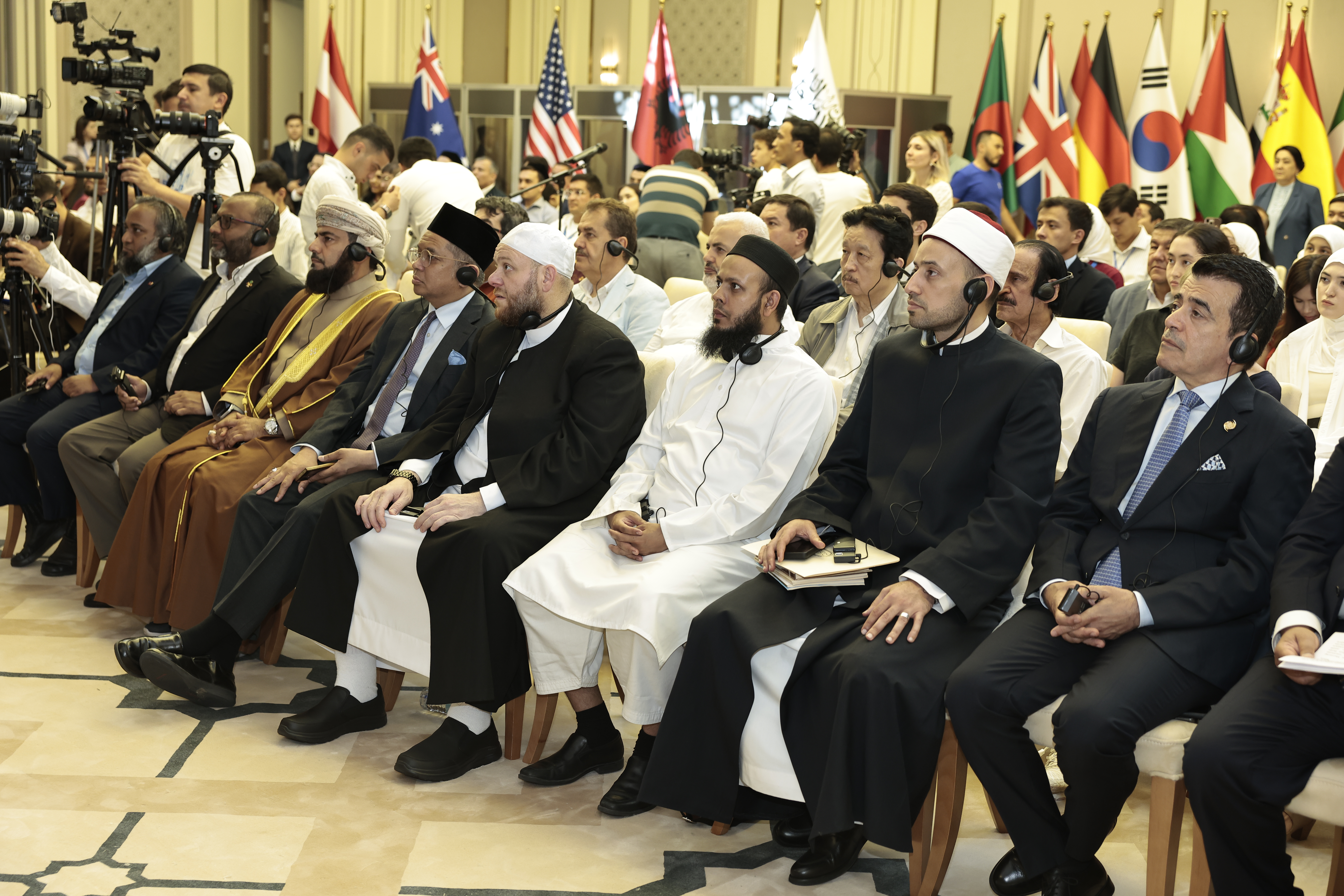
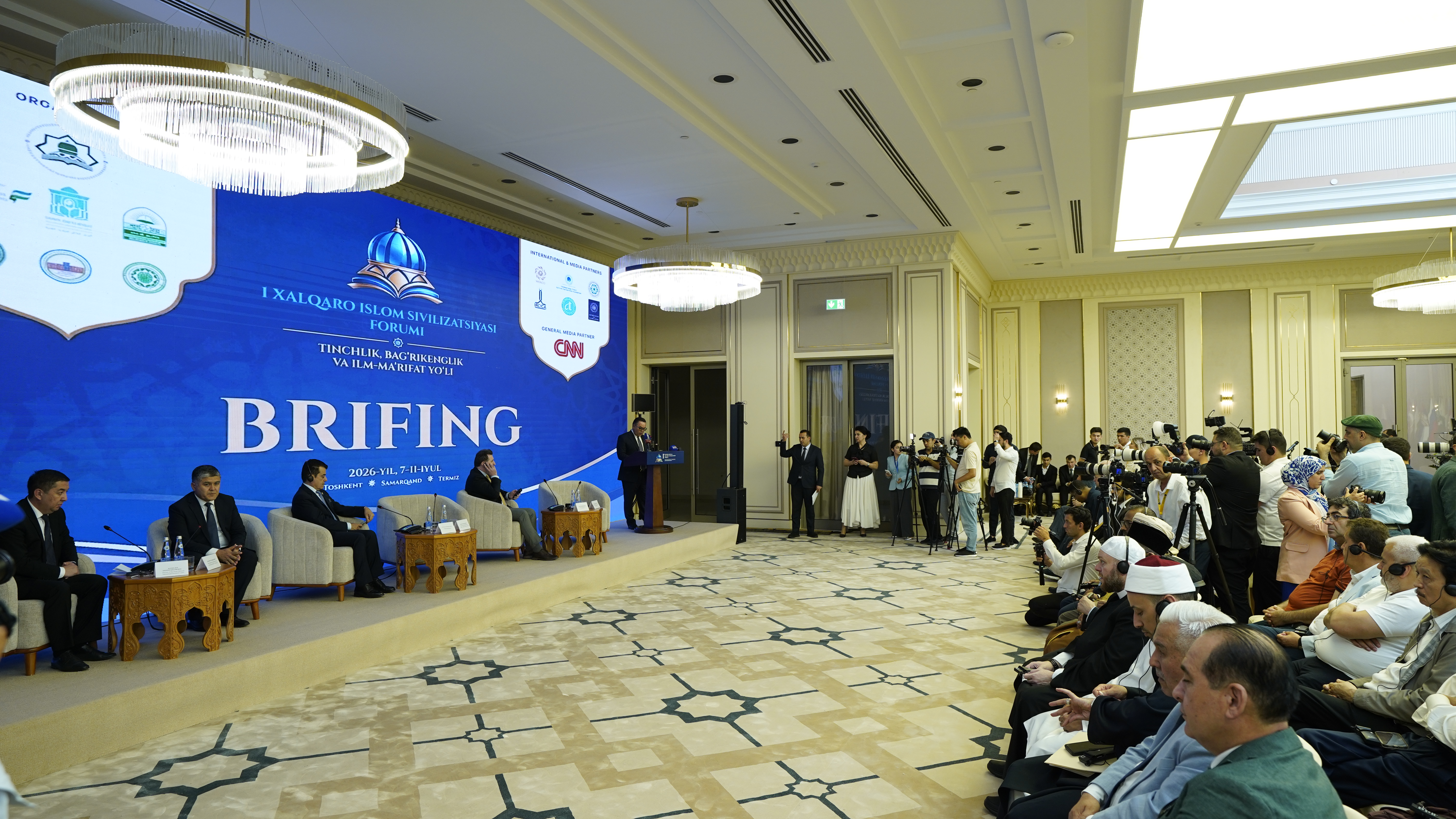 As highlighted during the briefing, the Forum will bring together nearly 300 participants from more than 50 countries around the world. Among them will be statesmen, public officials, ministers, muftis, academics, distinguished scholars of Islamic studies, manuscript specialists, directors of museums and libraries, as well as representatives of international organizations and the media. This demonstrates that the Forum is set to become a genuine platform for international dialogue and academic cooperation.
Speaking at the press briefing, Firdavs Abdukhalikov, Director of the Islamic Civilization Center in Uzbekistan, elaborated on the significance of the Forum for both Uzbekistan and the wider Muslim world.
“In 2017, our esteemed President addressed the United Nations General Assembly and introduced the idea of Islamic enlightenment. Through this initiative, he conveyed to the world that the true essence of our sacred religion lies in peace, tolerance, and knowledge. Later, the adoption of the ‘Enlightenment and Religious Tolerance’ resolution by the United Nations General Assembly, at Uzbekistan's initiative, became a strong international recognition of our country's policy. The First International Islamic Civilization Forum is the logical and practical continuation of these noble initiatives. We are not simply organizing another international conference. For the first time in our nation's history, Uzbekistan is hosting a major forum dedicated to the comprehensive study of Islamic civilization, bringing together scholars, ministers, muftis, and heads of international organizations from across the globe. This Forum will become a landmark event not only for Uzbekistan but for the entire Muslim world's academic and educational community. We have gathered here not merely to listen to presentations, but to lay a solid foundation for future joint research, scientific projects, and cultural cooperation,” said Firdavs Abdukhalikov.
The Director of the Center also announced that the official opening ceremony of the Forum is expected to feature a congratulatory message from the President addressed to the participants. In addition, the heads of leading international organizations, including ICESCO, IRCICA, TURKSOY, and the International Turkic Academy, are expected to attend the event.
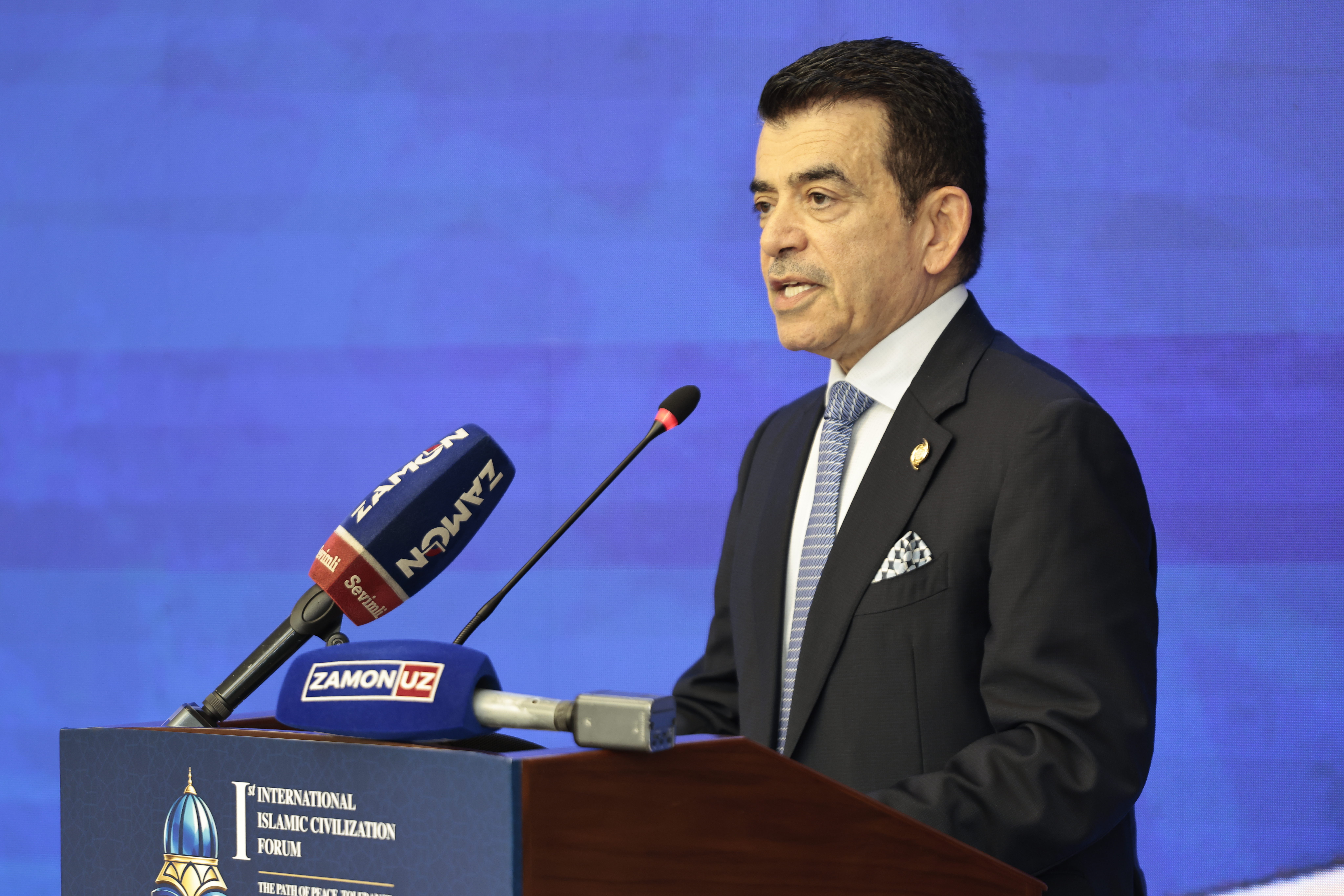 Speaking at the briefing, ICESCO Director-General Salim M. AlMalik highly praised the Forum being hosted in Uzbekistan, emphasizing that its significance extends far beyond that of a conventional academic conference. In his view, the Forum will become a prestigious international platform that presents the true image of Islamic civilization while bringing together science, culture, and universal human values.
“First of all, I would like to extend my sincere congratulations to all of you. Today’s gathering is of particular importance as it is being held in conjunction with the international conferences dedicated to the legacies of Imam Bukhari, Imam Maturidi, and Burkhoniddin Marginoni. It is no coincidence that the Islamic Civilization Center in Uzbekistan is hosting this event. Today, the Center has become one of the world's leading institutions for promoting the immense contribution of Islamic civilization to human progress and introducing the intellectual legacy of great Muslim scholars to the international community. The selection of these three eminent scholars is also highly symbolic. Together, they represent the three foundational pillars of Islamic civilization Hadith, Islamic creed (aqidah), and Islamic jurisprudence (fiqh). I would like to express my profound gratitude to the leadership, the Government, and the people of the Republic of Uzbekistan. Established at the initiative of President Shavkat Mirziyoyev, this magnificent Center has become not only a shining symbol of a great historical legacy, but also an international platform that contributes to building the future and strengthening dialogue among civilizations and cultures,” said the ICESCO Director-General.
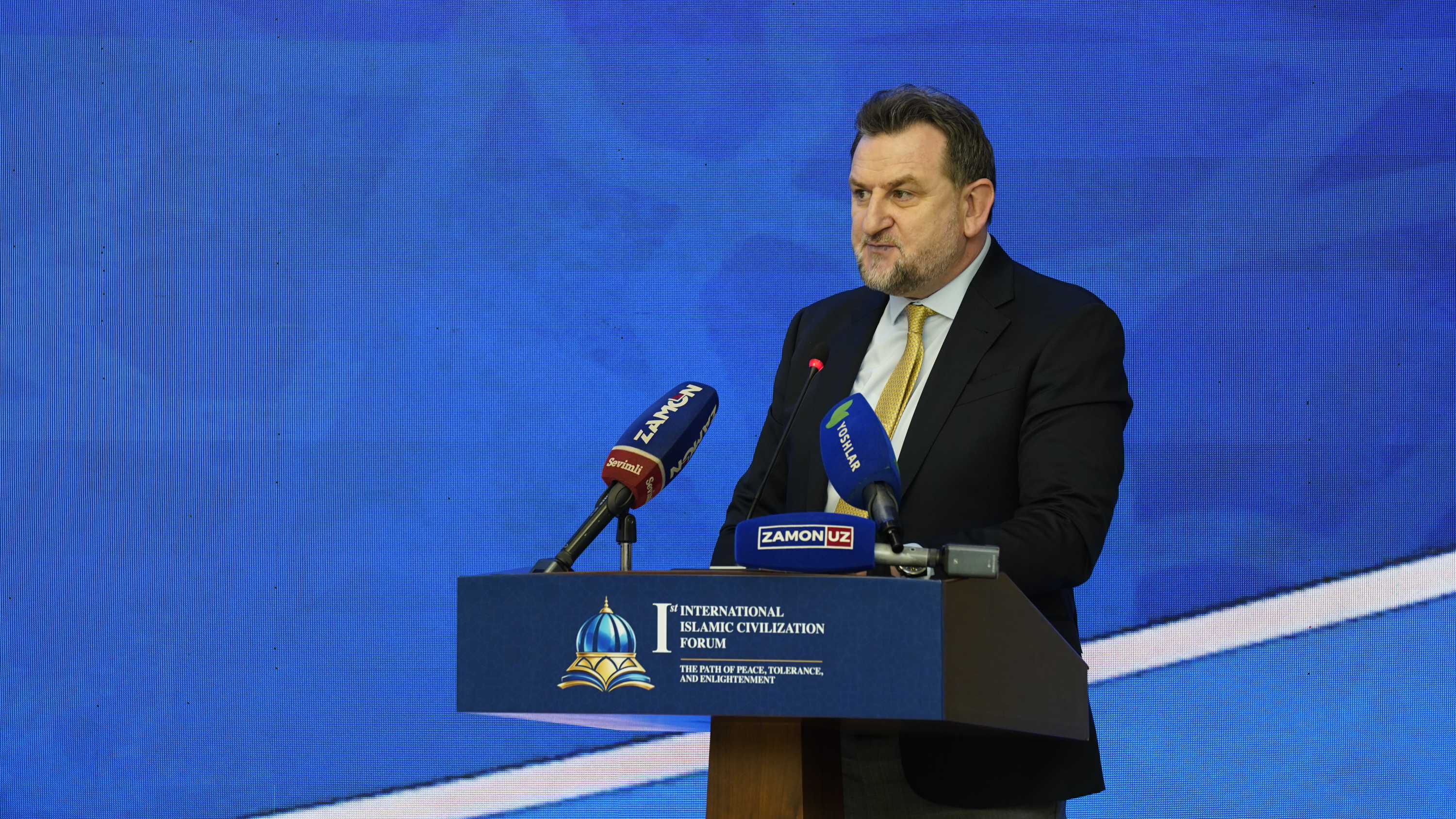 Sali Shahsivari, Chairman of the Al-Furqan Islamic Heritage Foundation, who also attended the event, highly praised Uzbekistan’s place in the history of world civilization.
He noted that the London-based Foundation has been engaged for many years in the study of the written heritage of Islam, and that the initiatives being undertaken in Uzbekistan have attracted considerable international attention.
“It is a great privilege for me to return to Uzbekistan once again. Standing today at the Islamic Civilization Center in Uzbekistan, a true beacon of knowledge and enlightenment, is a particular honor. It is always a privilege to be part of initiatives that showcase the diverse dimensions of humanity's heritage, especially the rich legacy of Islamic civilization and the remarkable history of the Uzbek people's contribution to world civilization. Uzbekistan has long been a cradle of culture and civilization. The ideas that emerged from this land never remained confined to a single nation or region they contributed to the advancement of all humanity. Science, scholarly methodology, numerous academic disciplines, and educational traditions spread from this region to the wider world. The contribution of this land to human civilization is so immense that it is difficult to find a comparable example. The theme ‘The Path of Peace, Tolerance and Enlightenment’ is especially relevant in today’s world. Humanity needs these values more than ever. There is no alternative to cooperation, mutual understanding, and working together to make our planet a better place for everyone. In my opinion, it would be difficult to find a more fitting place than Uzbekistan and the Islamic Civilization Center in Uzbekistan to convey these ideas to the world,” said Sali Shahsivari.
Every international guest who addressed the press briefing highly commended the educational and cultural reforms carried out in Uzbekistan in recent years and emphasized that the Islamic Civilization Center in Uzbekistan, established at the initiative of President Shavkat Mirziyoyev, is rapidly emerging as a unique platform for international academic cooperation.
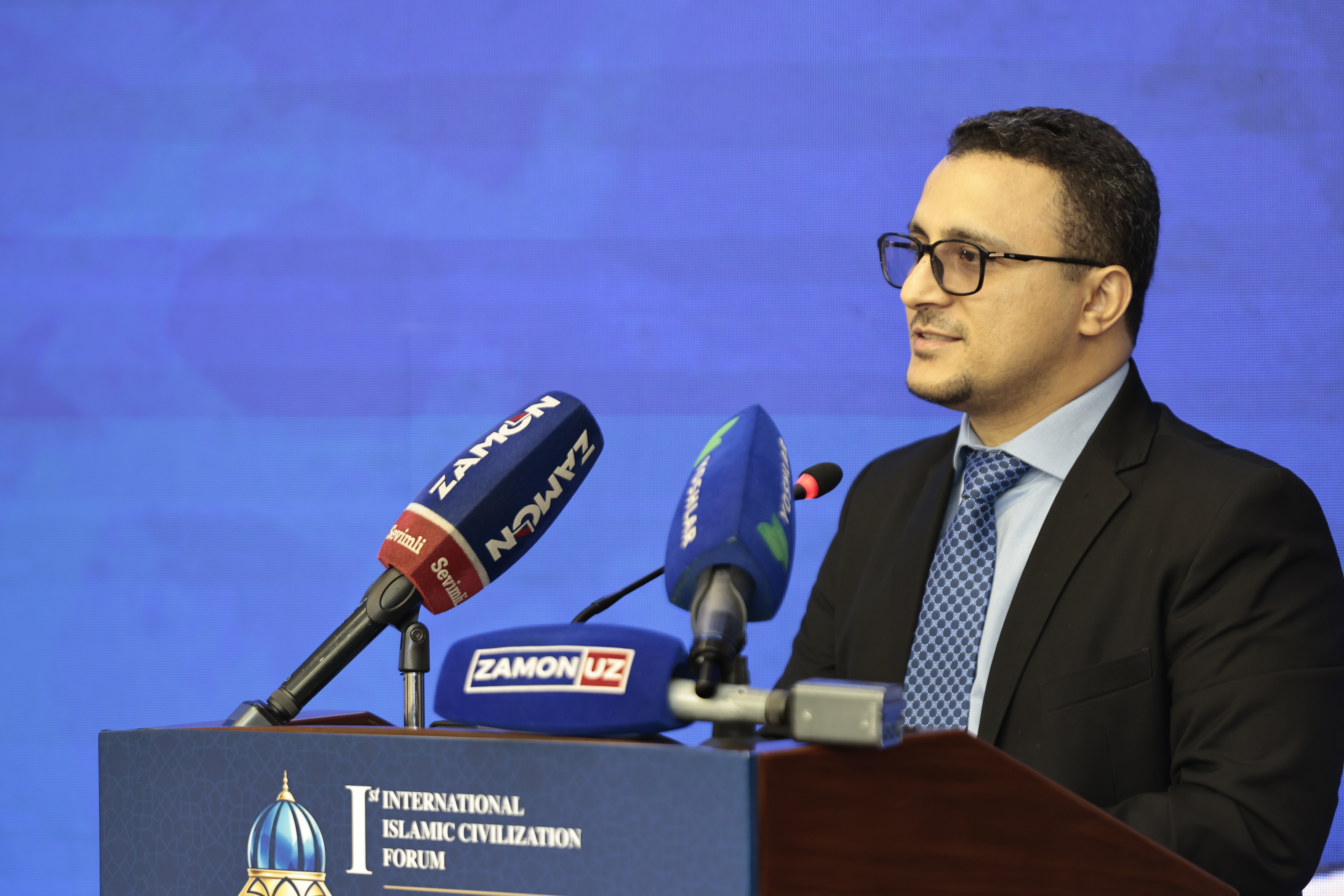 Speaking at the press briefing, Mohamed Hassan, Director of the Salam Center of the Arab Republic of Egypt, emphasized that, when reflecting on the history of Islamic civilization, the Muslim world today needs unity through cooperation and scholarship more than ever before.
“Today, we stand on the eve of a truly significant event. The Forum being hosted in Uzbekistan is not merely an event for one country or one region it is an international gathering of great importance for the entire Muslim Ummah. Here, issues related to Islamic civilization will be discussed not from a political perspective, but through the lens of scholarship, research, and truth. This is precisely the approach the world needs today. Information now spreads at an unprecedented pace, and unfortunately, misconceptions about Islam are sometimes disseminated as well. Under such circumstances, we must rely on the authentic scholarly legacy left by our ancestors. Anyone who studies the works of Imam Bukhari, Imam Maturidi, or Imam Tirmidhi will understand that the foundations of Islam are tolerance, justice, wisdom, and humanism. That is why this Forum is of such great importance,” said Mohamed Hassan.
According to him, Uzbekistan has historically made an unparalleled contribution to the development of Islamic scholarship and continues to uphold and advance this rich intellectual tradition today. Concluding his remarks, he expressed his gratitude to the Forum’s organizers and voiced hope that academic cooperation between scholars of Uzbekistan and Egypt would continue to grow stronger in the years ahead.
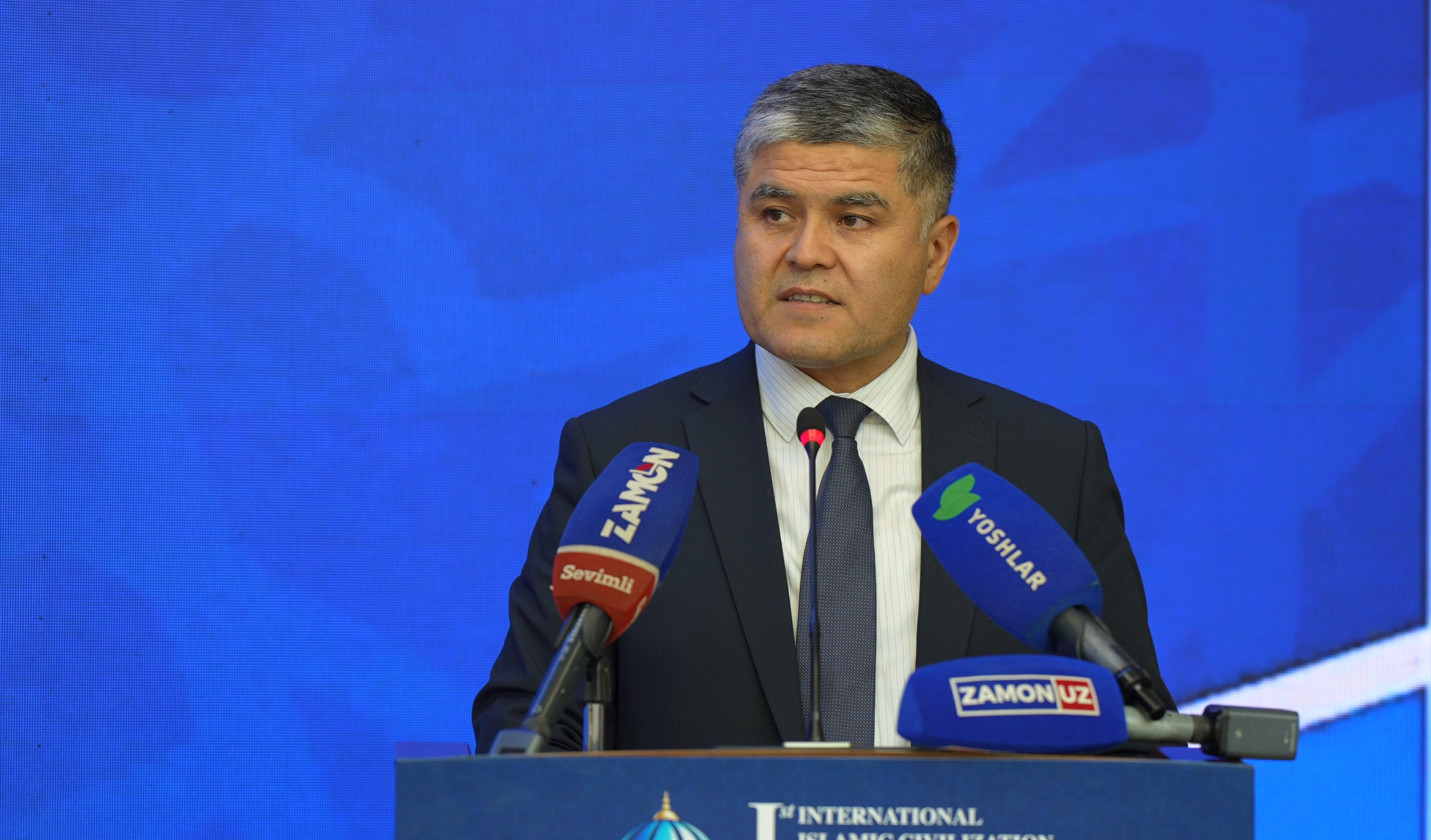
“We view this Forum not merely as an event for delivering presentations, but as a platform that will lay the foundation for fundamental scientific research in the years ahead. Today, scholars from different countries are bringing with them extensive expertise in manuscript studies, source studies, archaeology, history, and Islamic studies. By bringing together this wealth of knowledge, we will be able to launch new joint research projects. It would be incorrect to regard Islamic civilization solely as a subject of the past. Its intellectual legacy continues to hold great significance for science, education, spirituality, and societal development today. For this reason, the conferences will place special emphasis on integrating the heritage of our ancestors with modern scholarship, advancing its digital preservation, and ensuring that it is passed on to future generations,” said Davronbek Maqsudov, First Deputy Chairman of the Committee on Religious Affairs.
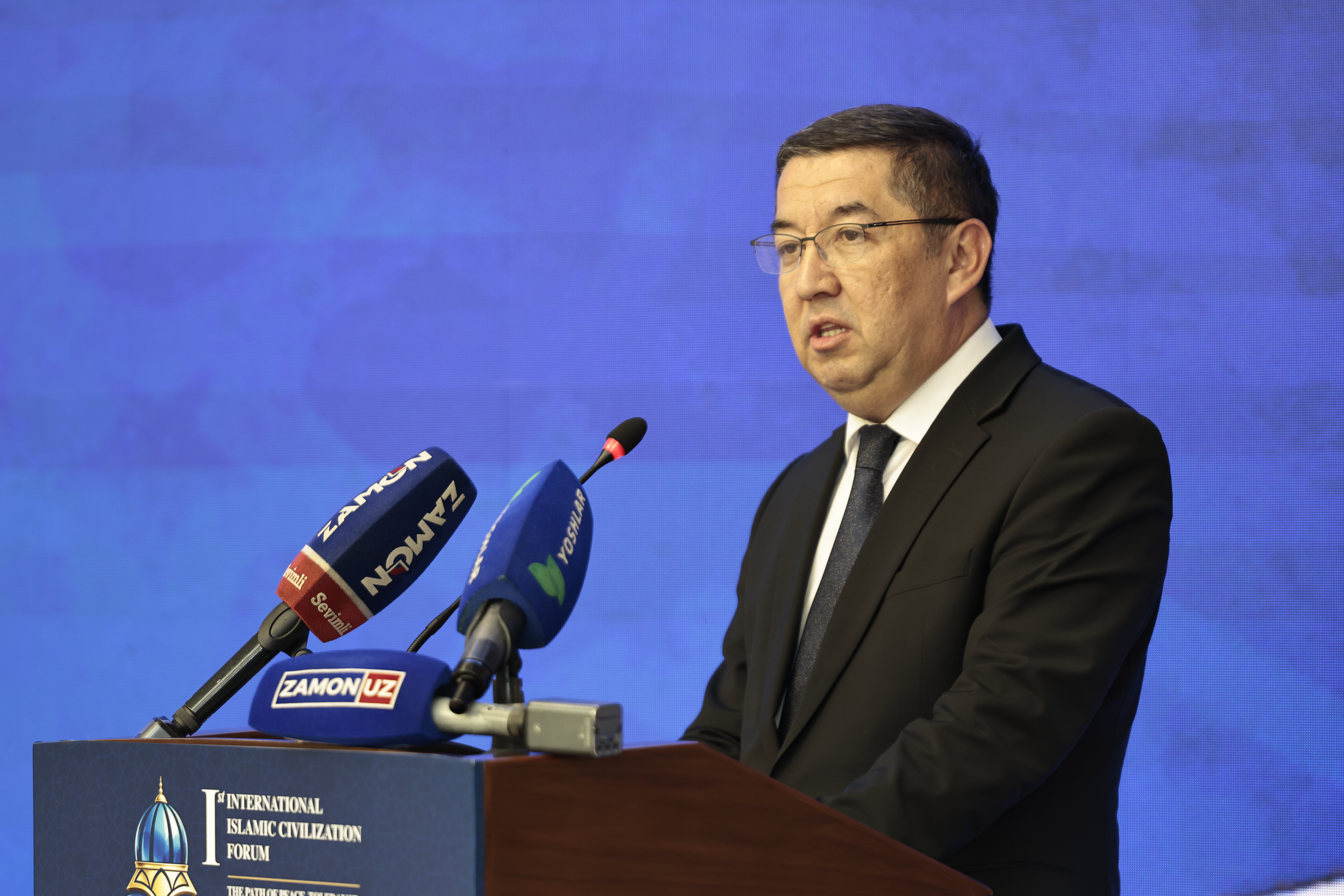 Speaking at the press briefing, Komiljon Shermuhamedov, Director of the Imam Maturidi International Scientific Research Center, highlighted the Forum's practical significance, emphasizing that its outcomes will usher in a new phase of international cooperation in the years to come.
“Under the leadership of our President, Uzbekistan has established an entirely new system for preserving and studying cultural heritage. In the past, the focus was primarily on safeguarding existing manuscripts. Today, however, systematic efforts are being made to conduct scholarly research on these manuscripts, digitize them, repatriate copies preserved abroad, prepare critical academic editions, and make them accessible as open scholarly resources for researchers around the world. The First International Islamic Civilization Forum will provide new momentum to these initiatives. We are already cooperating with some of the world’s most prestigious libraries, museums, archives, and research institutions. During the Forum, a number of memoranda, agreements on joint research projects, and roadmaps for future cooperation are expected to be signed. This will further strengthen Uzbekistan's position within the global academic community,” said Komiljon Shermuhamedov.
The First International Islamic Civilization Forum is set to become a historic embodiment of the ideas of enlightenment, religious tolerance, and intercultural dialogue advanced by President Shavkat Mirziyoyev. Through this Forum, Uzbekistan is once again demonstrating that it is not only the homeland of great scholars and intellectuals, but also a nation committed to studying, preserving, and promoting their invaluable heritage on a sound scholarly basis for the benefit of all humanity.
 Most importantly, this Forum is not merely about reflecting on the past it is about shaping the future. The ideas to be discussed, the decisions to be adopted, the agreements to be signed, and the joint research initiatives to be launched will all contribute to preserving and transmitting the rich intellectual and spiritual heritage of Islamic civilization to future generations while strengthening mutual trust and cooperation among peoples and civilizations.
In this regard, the First International Islamic Civilization Forum, to be held in Tashkent, Samarkand, and Termez, will undoubtedly be recognized as a landmark event one that opens a new chapter not only in the scientific and educational life of Uzbekistan but also in the history of the Muslim world and the international academic community.