
“Jewels of the Light of Islam” exhibition held as part of the First International Islamic Civilization Forum: “The Path of Peace, Tolerance and Enlightenment”
In recent years, under the leadership of President Shavkat Mirziyoyev, New Uzbekistan has made the in-depth study of the rich scholarly and spiritual heritage left by our great ancestors, the promotion of its global significance, and the presentation of the true humanistic essence of Islamic civilization to the international community one of the country's key priorities. Conveying Islam’s message of peace, tolerance, and enlightenment to the world has become not only the responsibility of a single nation but a shared mission of the entire Muslim world. Uzbekistan has emerged as a leading initiator of this international cooperation. As the President of the Republic of Uzbekistan has emphasized, one of the foremost priorities of New Uzbekistan is to study the scholarly and spiritual legacy of our great ancestors and ensure that it serves the education of younger generations and the development of society.
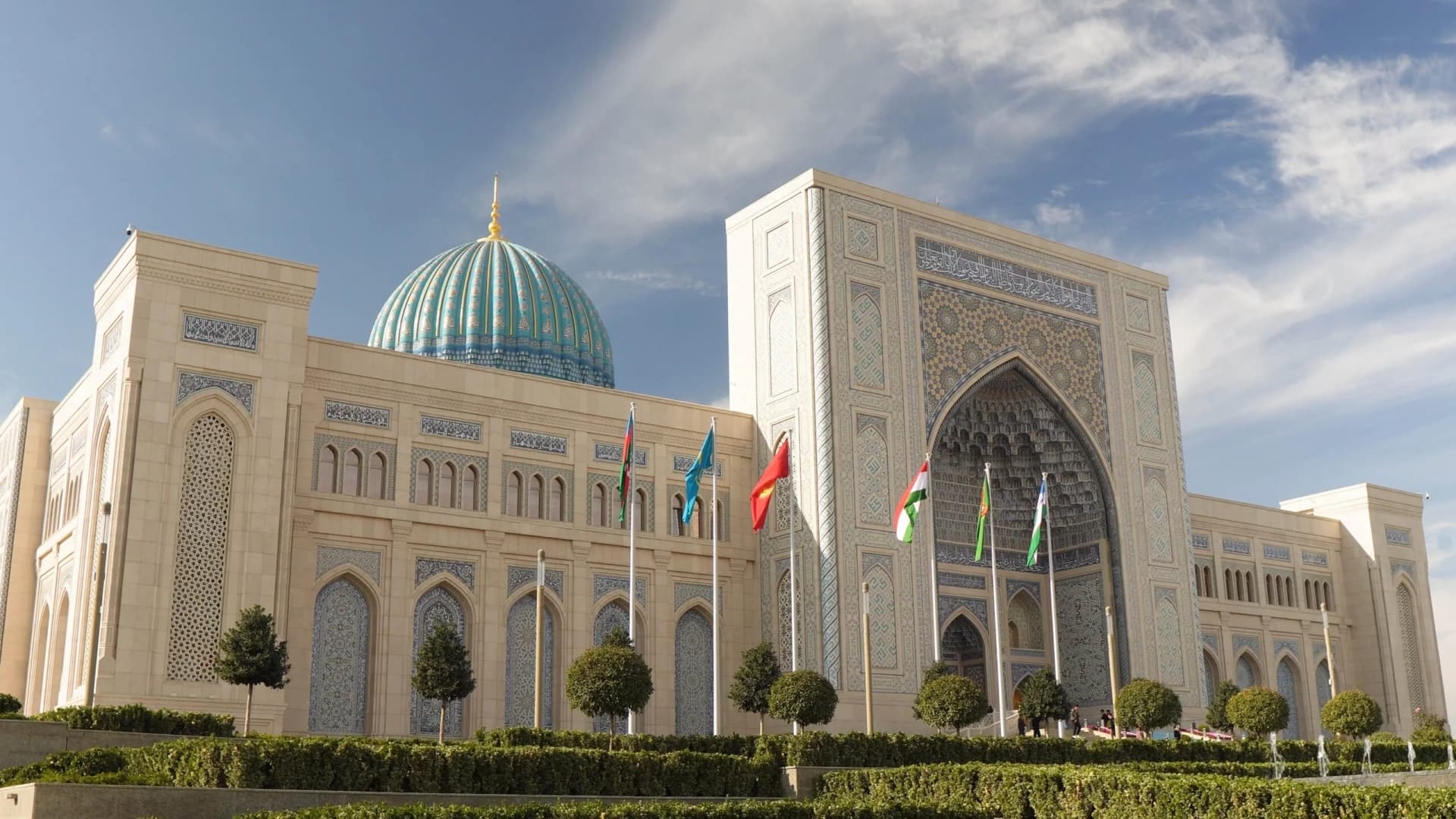
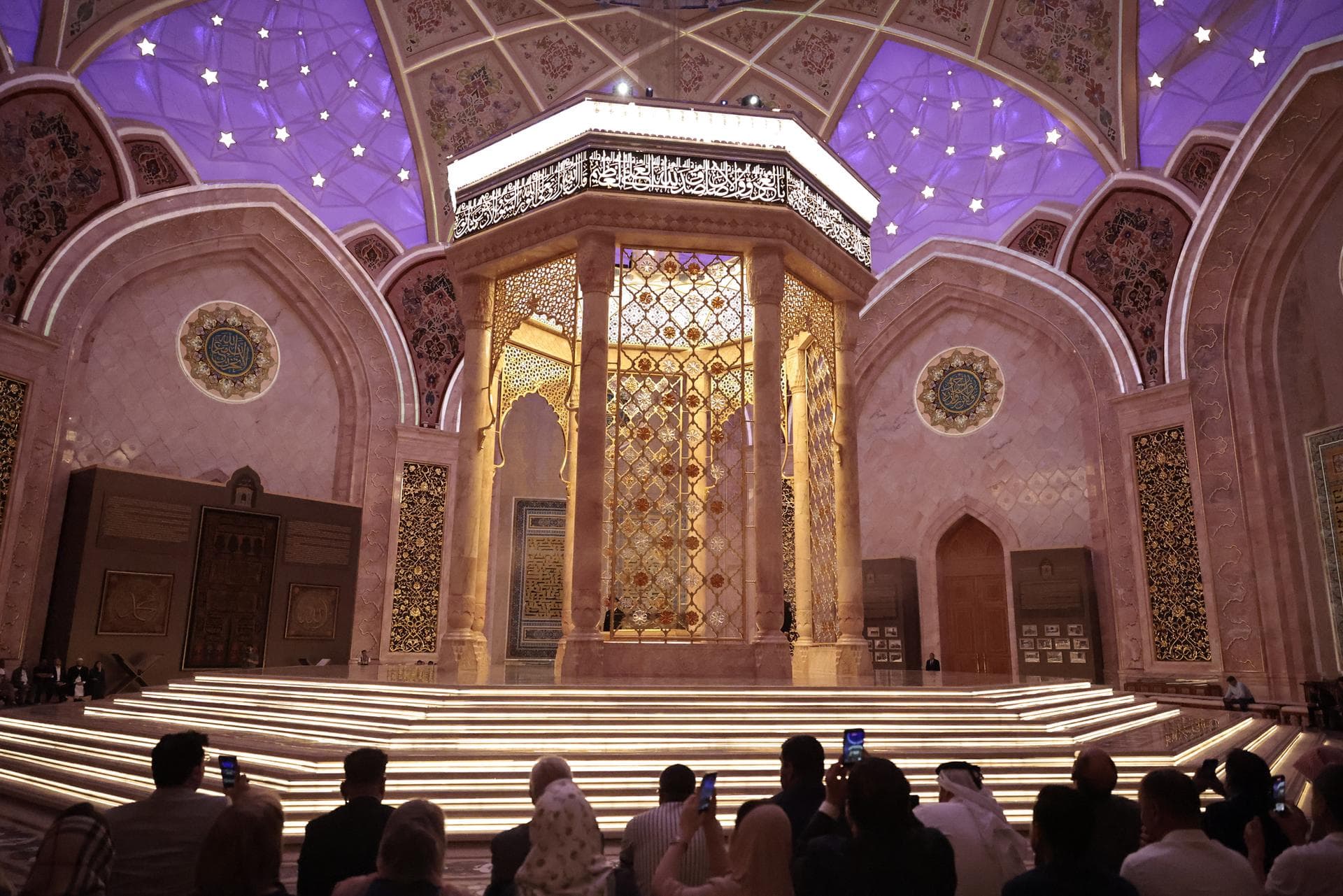
The main purpose of the “Jewels of the Light of Islam” exhibition, inaugurated in the Qur’an Hall—the heart of the Islamic Civilization Center in Uzbekistan is to showcase the invaluable contribution of Islamic civilization to the advancement of global scholarship, culture, and spirituality.
The exhibition presents the rich Islamic heritage that flourished in the territory of Uzbekistan, the scholarly and spiritual legacy of great Muslim scholars, rare manuscripts, copies of the Holy Qur'an, calligraphy, miniature art, decorative and applied arts, and other cultural treasures through the use of modern museum technologies.
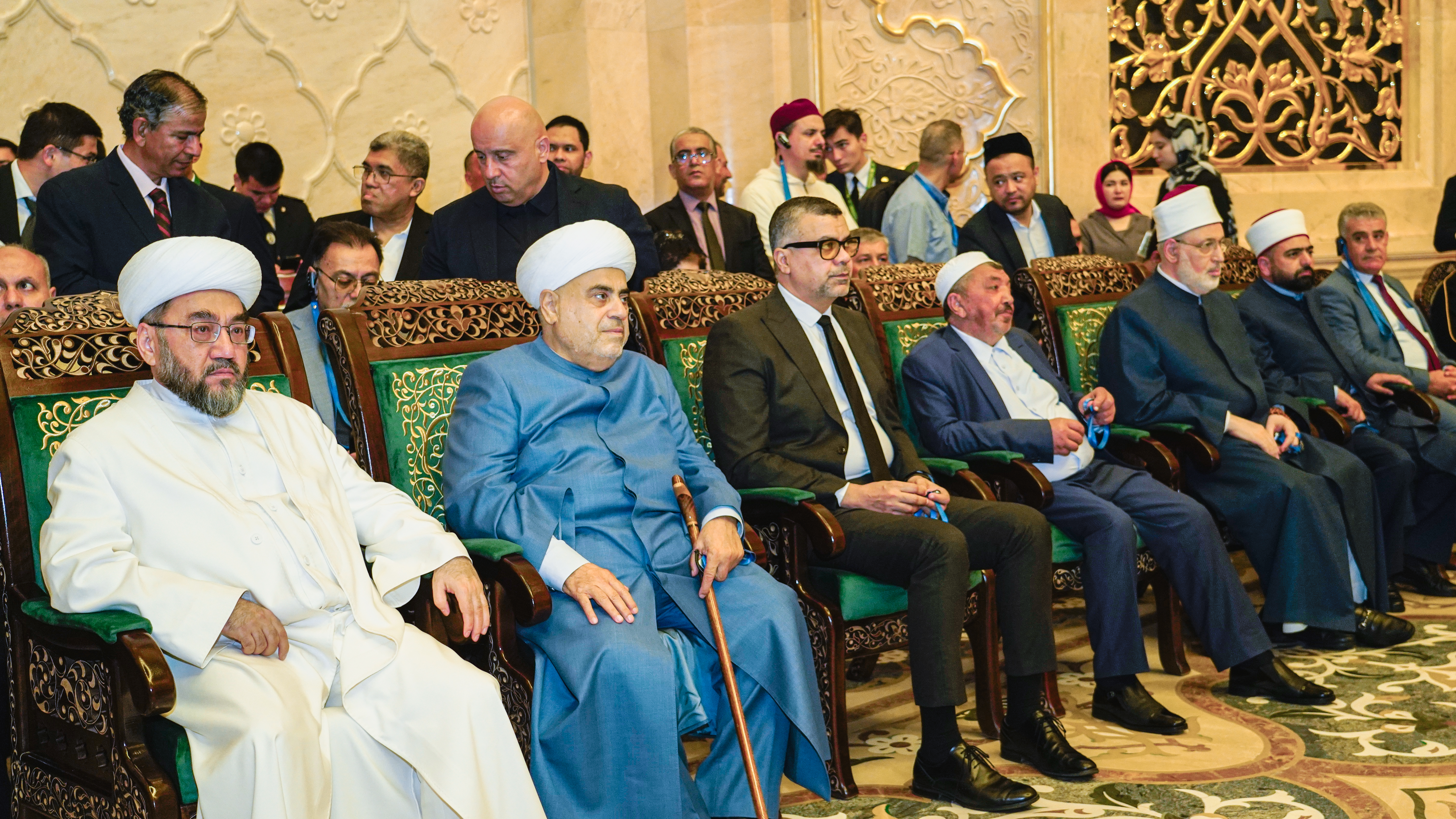
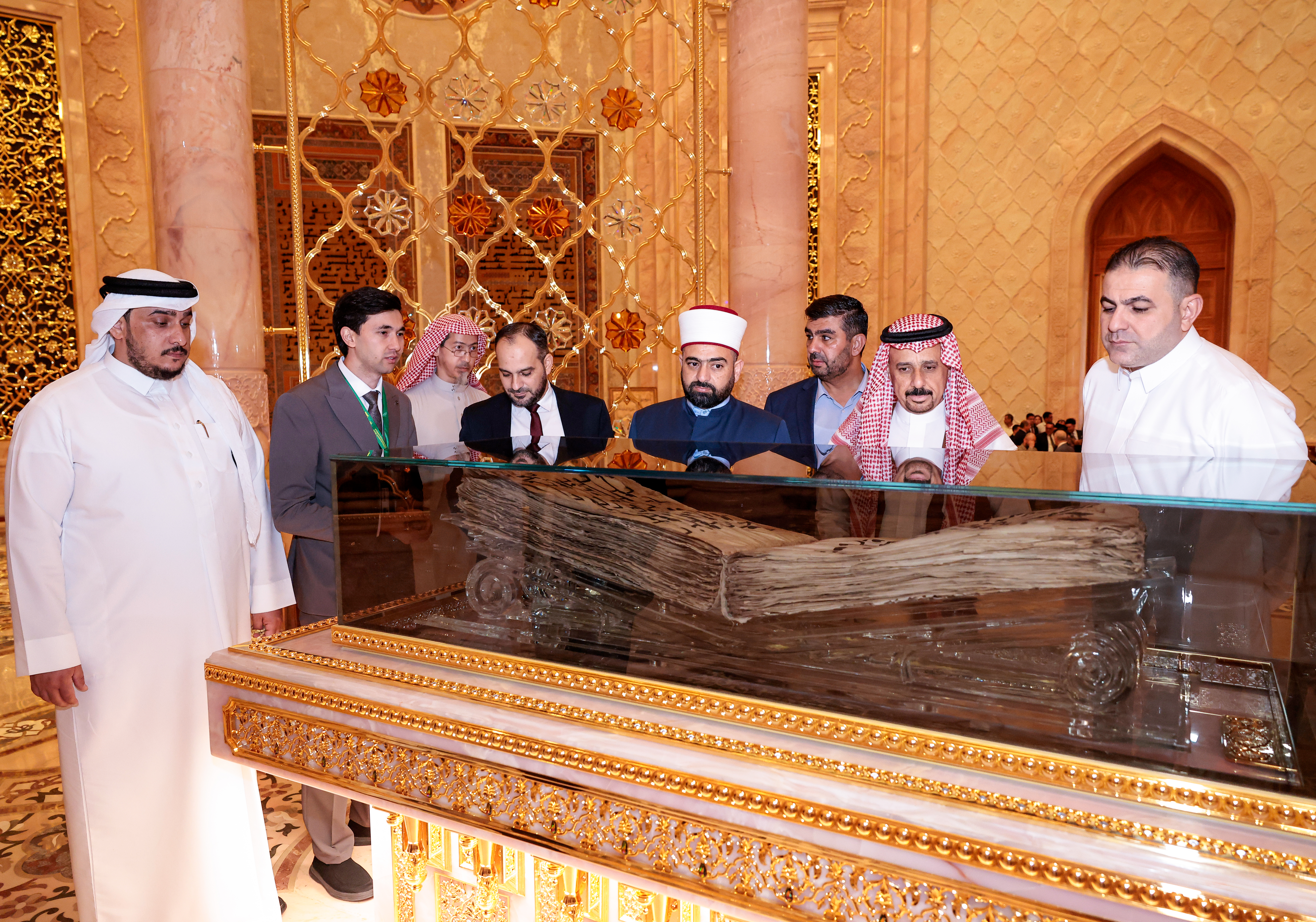 Guided by the concept “Islam – the Religion of Knowledge, Enlightenment and Peace,” the exhibition introduces visitors to the emergence of Islamic civilization, its influence on world civilization, and the significant role of Central Asia particularly Uzbekistan in this historical process.
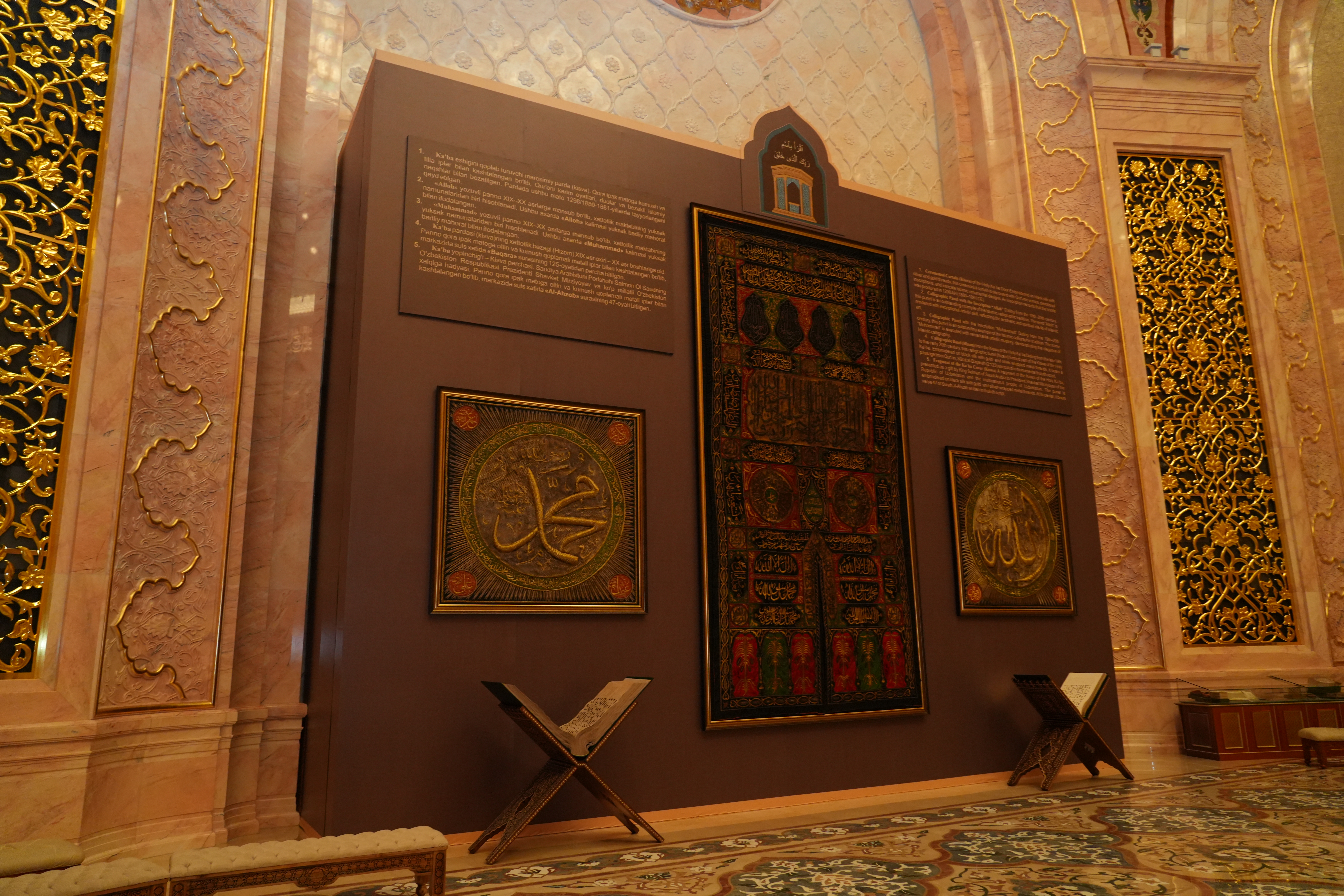
Among the exhibition’s highlights are the door curtain of the Kaaba (Kiswah), nineteenth- and twentieth-century decorative panels bearing the inscriptions “Allah” and “Muhammad,” the calligraphic Hizam panel from the Kaaba’s Kiswah, and original Kaaba coverings (Kiswahs). These remarkable artifacts further enhance the significance and grandeur of the Qur’an Hall.
The exhibition also features a large green silk covering from the Prophet’s noble tomb, produced in 1900, the Maqam Ibrahim, and a nineteenth-century Mahmil.
At the entrance to the Qur'an Hall through the Kokand Portal, visitors can also view a photographic exhibition documenting the history of the arrival of the Uthman Mushaf at the Islamic Civilization Center in Uzbekistan, particularly its placement in the Qur’an Hall.
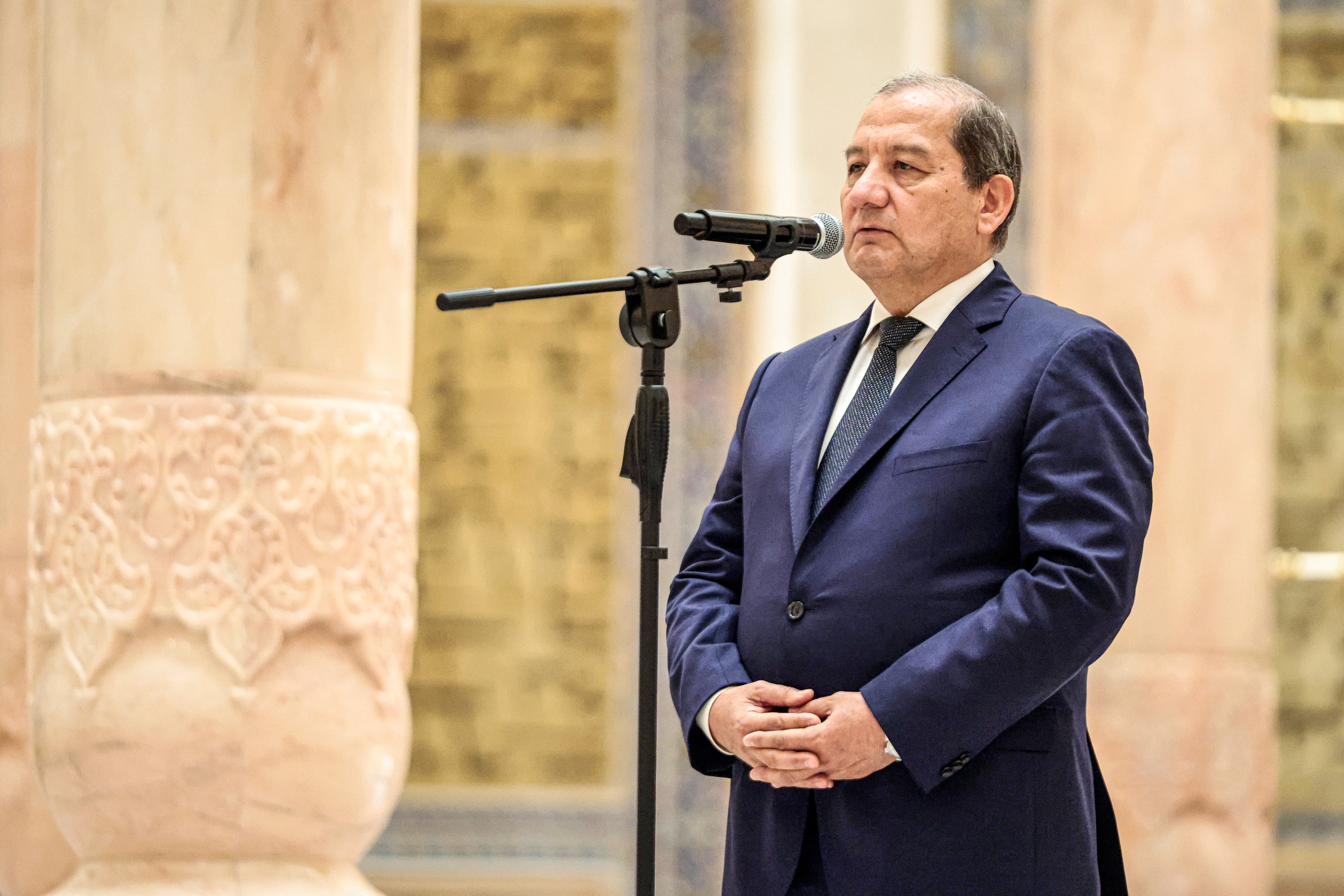 During the event, Muzaffar Kamilov, Head of the Department for Religious and Educational Affairs of the Presidential Administration, addressed the participants.
“We are truly delighted to welcome you to the Qur’an Hall the heart of the Islamic Civilization Center in Uzbekistan, this magnificent institution built in New Uzbekistan under the personal initiative and leadership of our esteemed President, His Excellency Shavkat Mirziyoyev. It embodies our national values and reflects a millennium of scholarship, progress, Islamic culture, intellectual achievement, and civilizational development.
Today, from the world’s most prestigious international platforms, the President of Uzbekistan continues to present to the global community the names and scholarly legacy of our great scholars, including Imam Bukhari, Imam Tirmidhi, Imam Maturidi, and many others. He is the founder of this monumental mega-project, which embodies the Renaissance, civilization, and revival of Islam. The exhibition we have witnessed today, with its rich and meaningful content, demonstrates that Islam is a religion of peace and enlightenment values that are of vital importance to humanity today. It also shows that the enlightened teachings of Islam provide one of the most effective foundations for educating the younger generation,” said Muzaffar Kamilov.
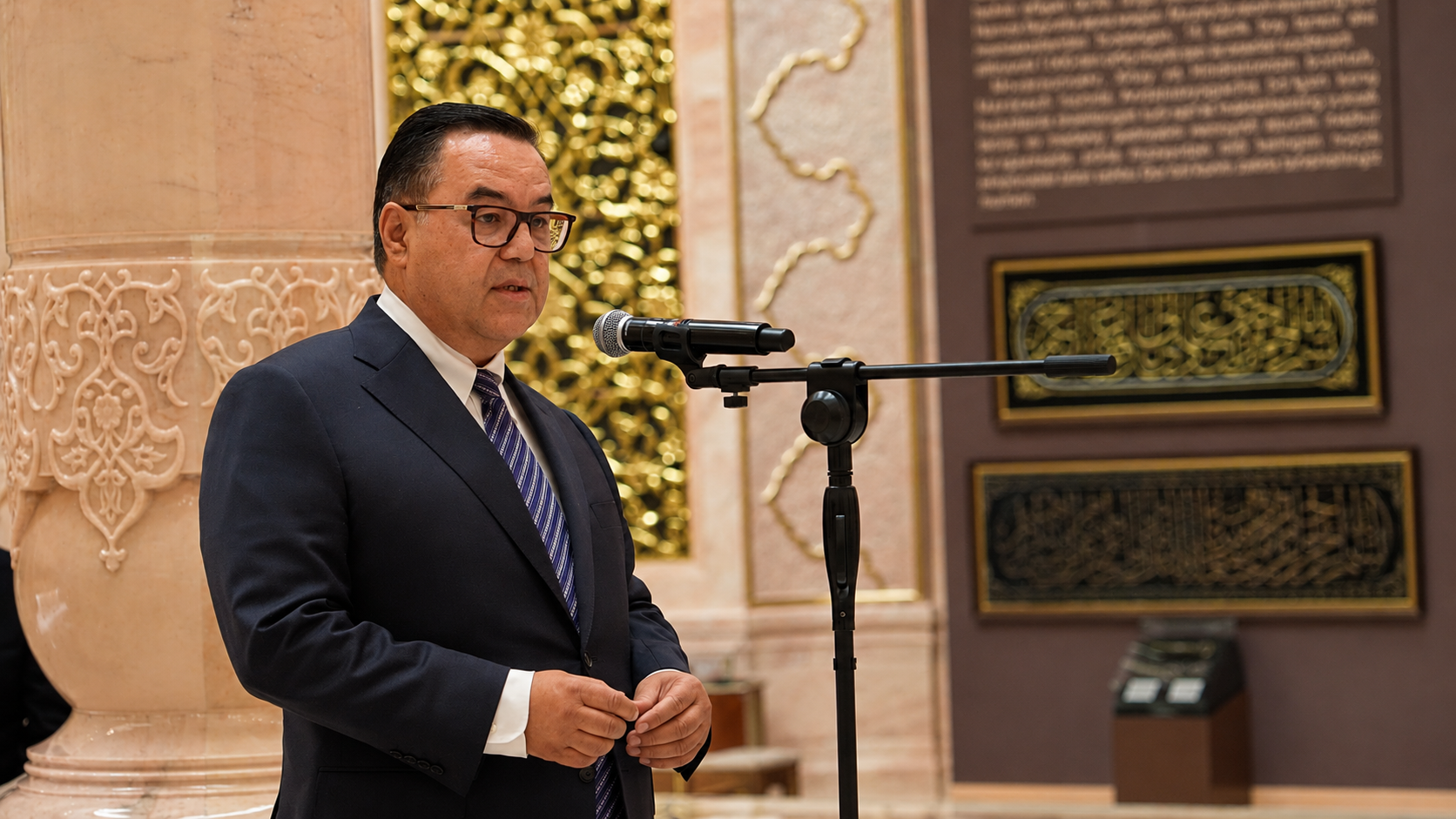 Following his remarks, Firdavs Abdukhalikov, Director of the Islamic Civilization Center in Uzbekistan and Chairman of the Uzbekistan–Saudi Arabia Friendship Society, highlighted the religious and educational reforms being carried out in the country under the leadership of President Shavkat Mirziyoyev.
“In New Uzbekistan, under the initiative of our esteemed President Shavkat Mirziyoyev, the in-depth study of the rich scholarly and spiritual heritage left by our great ancestors, the promotion of its global significance, and the presentation of the true humanistic essence of Islamic civilization to the international community have become key priorities of state policy.
Throughout our country's long scientific and historical development, many priceless examples of the cultural heritage created through the intellectual achievements of our people were taken abroad for various reasons. Only during the era of New Uzbekistan, thanks to the initiatives and constant support of our respected President Shavkat Mirziyoyev, have these treasures symbols of our national pride begun returning to their homeland. The gilded Islamic art exhibits presented at today's exhibition are a direct result of the President's policy of restoring our historical heritage.
The Museum of Islamic Art in Jeddah, Kingdom of Saudi Arabia, has provided our Center with rare manuscripts from Islamic history, books representing invaluable scholarly and spiritual heritage, masterpieces of calligraphy, and other cultural artifacts for this exhibition. Taking this opportunity, we express our sincere gratitude, on behalf of the Islamic Civilization Center in Uzbekistan, to the leadership and all the scholarly and creative staff of the Museum of Islamic Art in Jeddah,” said the Director of the Center.
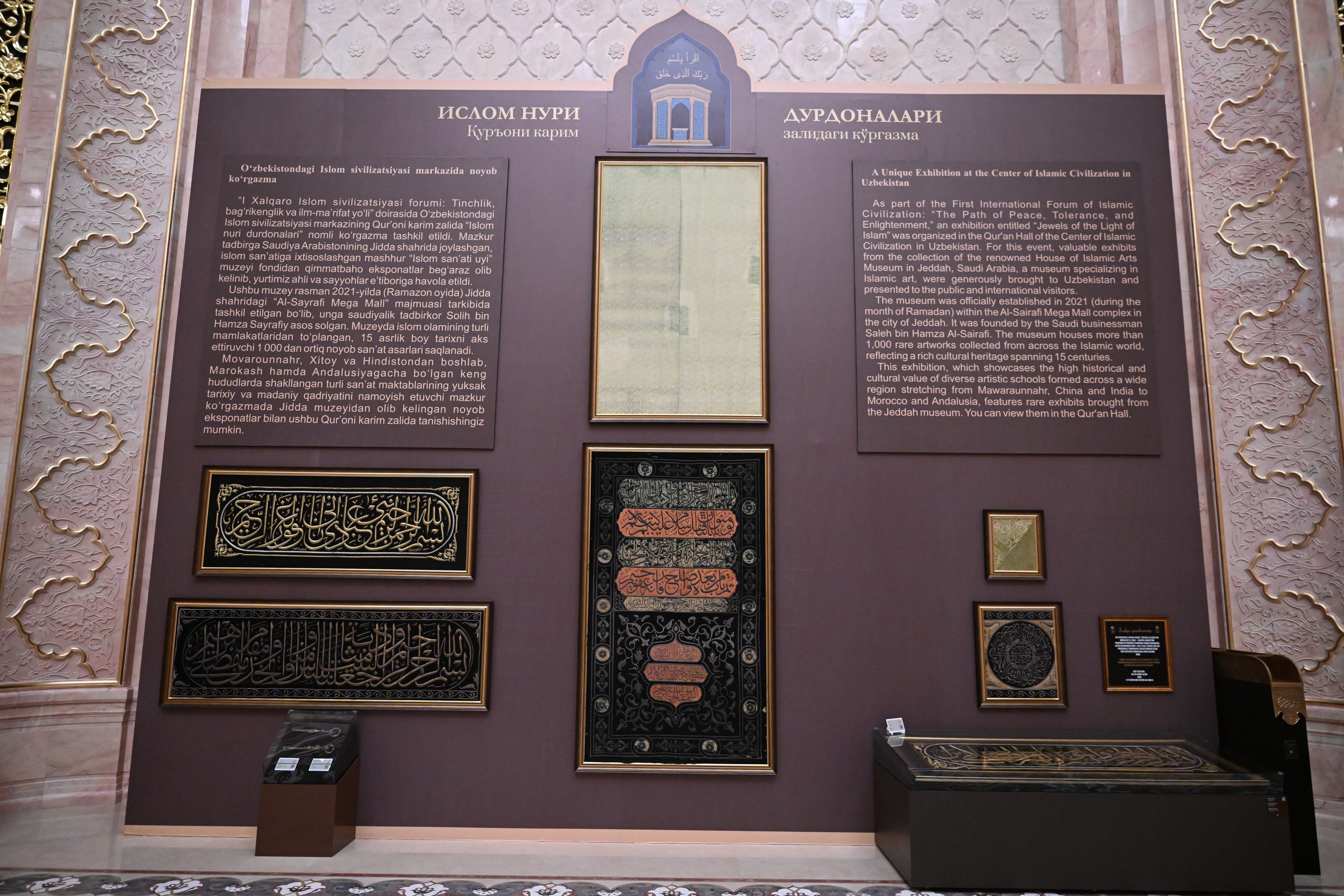
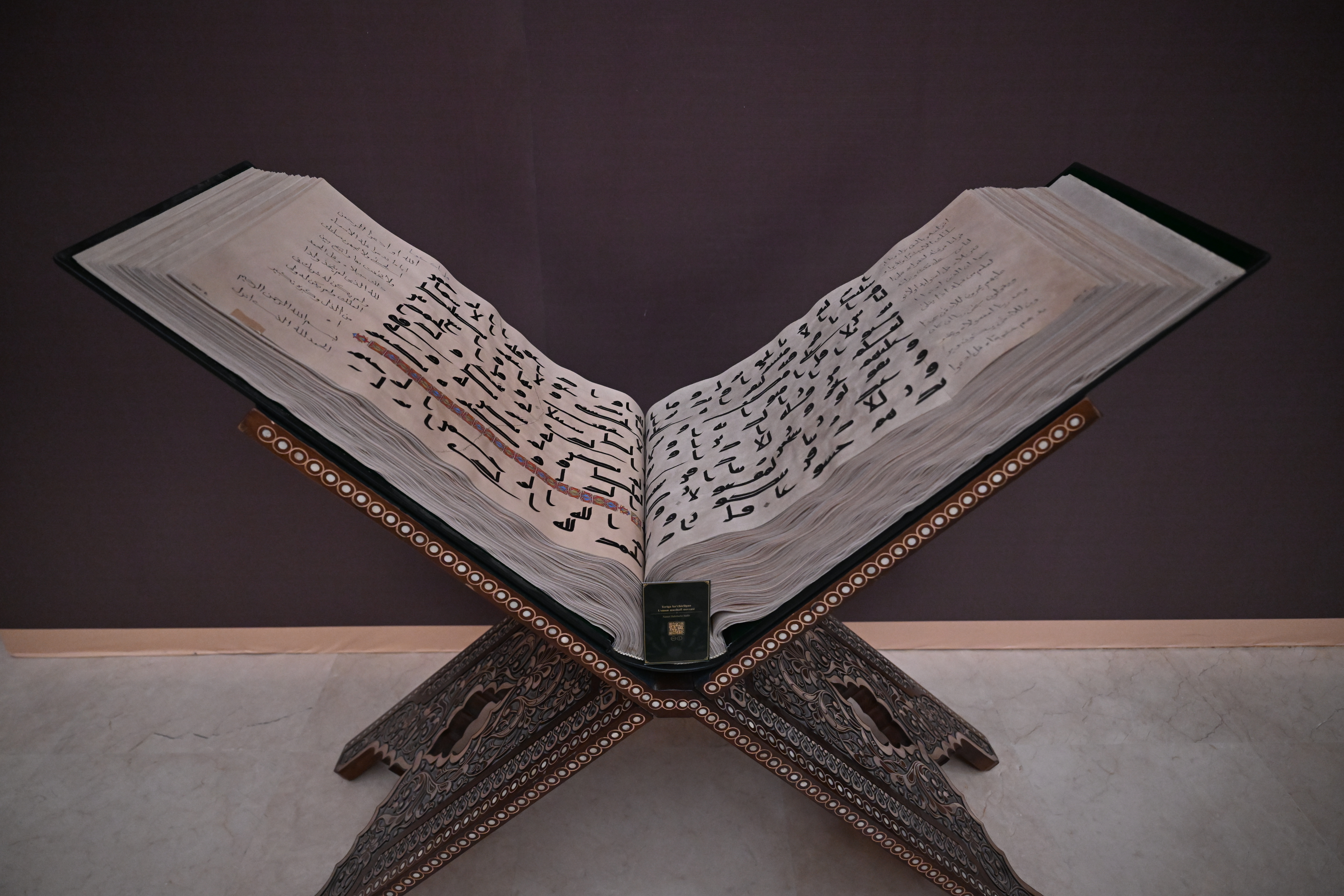 In addition, the exhibition featured a remarkable collection of rare artifacts specially brought from the Museum of Islamic Art in Jeddah, Kingdom of Saudi Arabia. These included rare manuscripts related to Islamic history, books representing the scholarly and spiritual heritage of Islam, museum exhibits, and cultural treasures. Among the highlights were Dalail al-Khayrat, compiled by Imamzada al-Hajj Muhammad and dedicated to prayers upon the Prophet Muhammad (peace be upon him), containing several chapters from the Holy Qur’an; the prayer book comprising Dalail al-Khayrat and Al-Hizb al-A’zam; a folio from a Seljuk-era (12th century) Qur’an manuscript; a Qur’anic fragment containing verses 70–71 of Surat al-Tawbah; a Qur’anic fragment transcribed in Thuluth script featuring verses 41–43 of Surat al-Ahzab; a Qur’anic fragment written in Kufic script; a facsimile edition of the Katta Langar Qur’an dating back to the 7th century; Qur'anic fragments containing verse 255 of Surat al-Baqarah and verse 40 of Surat Ibrahim; a calligraphic panel executed in Ghubar script; a copy of the Holy Qur’an signed in 1670 by Muhammad Taqi ibn Muhammad Ali Davlatabadi; a seventeenth-century Qur'an manuscript; as well as a lock and key from the Mongol period and a copper panel formerly used in the grille of Masjid al-Haram in Makkah. The exhibition also showcased outstanding examples of Islamic architecture, applied arts, calligraphy, miniature painting, ceramics, and jewelry, leaving a lasting impression on visitors.
 In short, the “Jewels of the Light of Islam” exhibition is a prestigious international cultural project that presents the rich scholarly and cultural heritage of Islamic civilization through a modern museum exhibition, while meaningfully reinforcing the forum’s theme, “The Path of Peace, Tolerance and Enlightenment.”