




Grand Imam of Al-Masjid Al-Haram Sheikh Salih bin Abdullah bin Humaid: “A true spirit of renaissance is emerging in Uzbekistan”
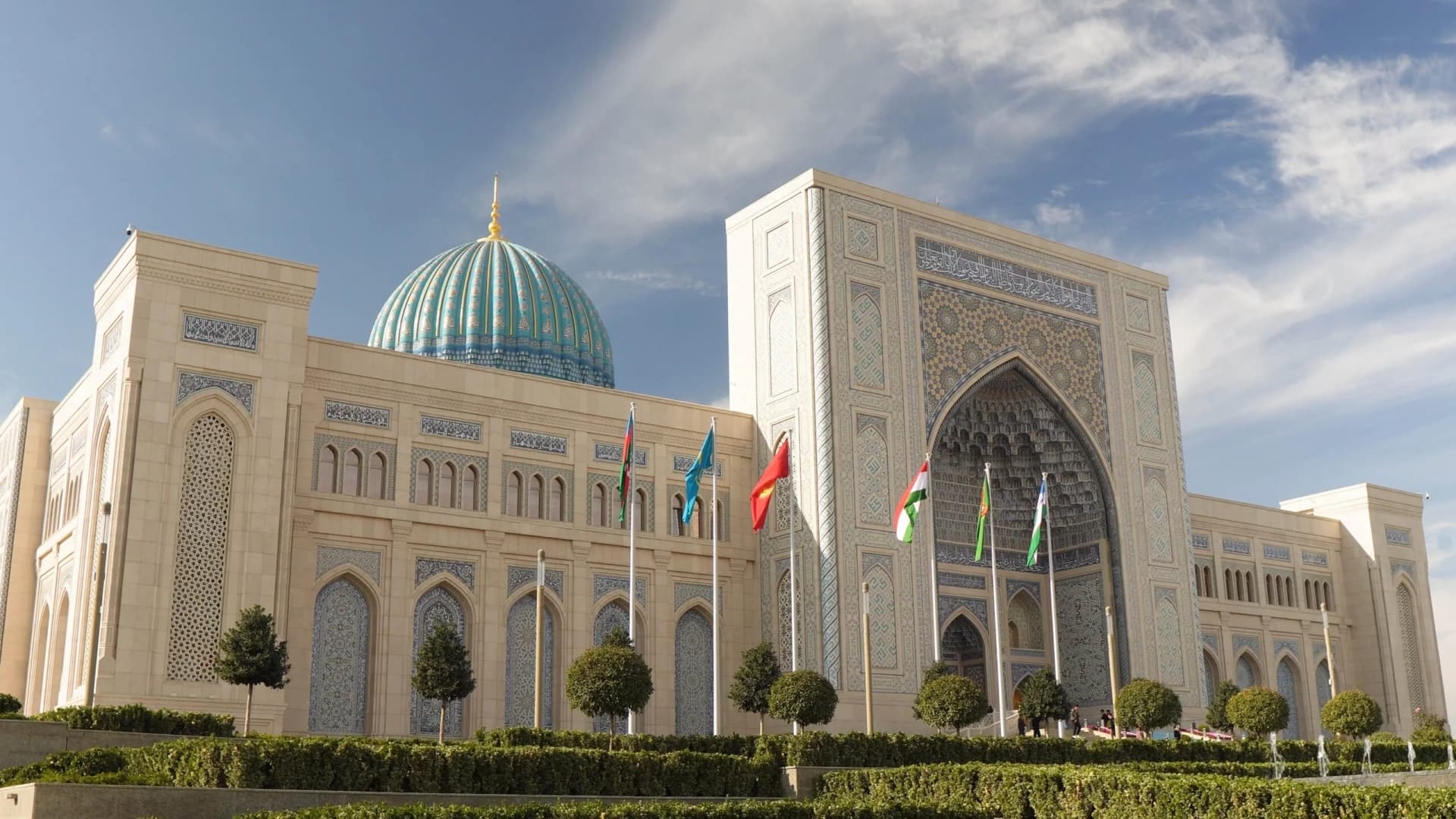
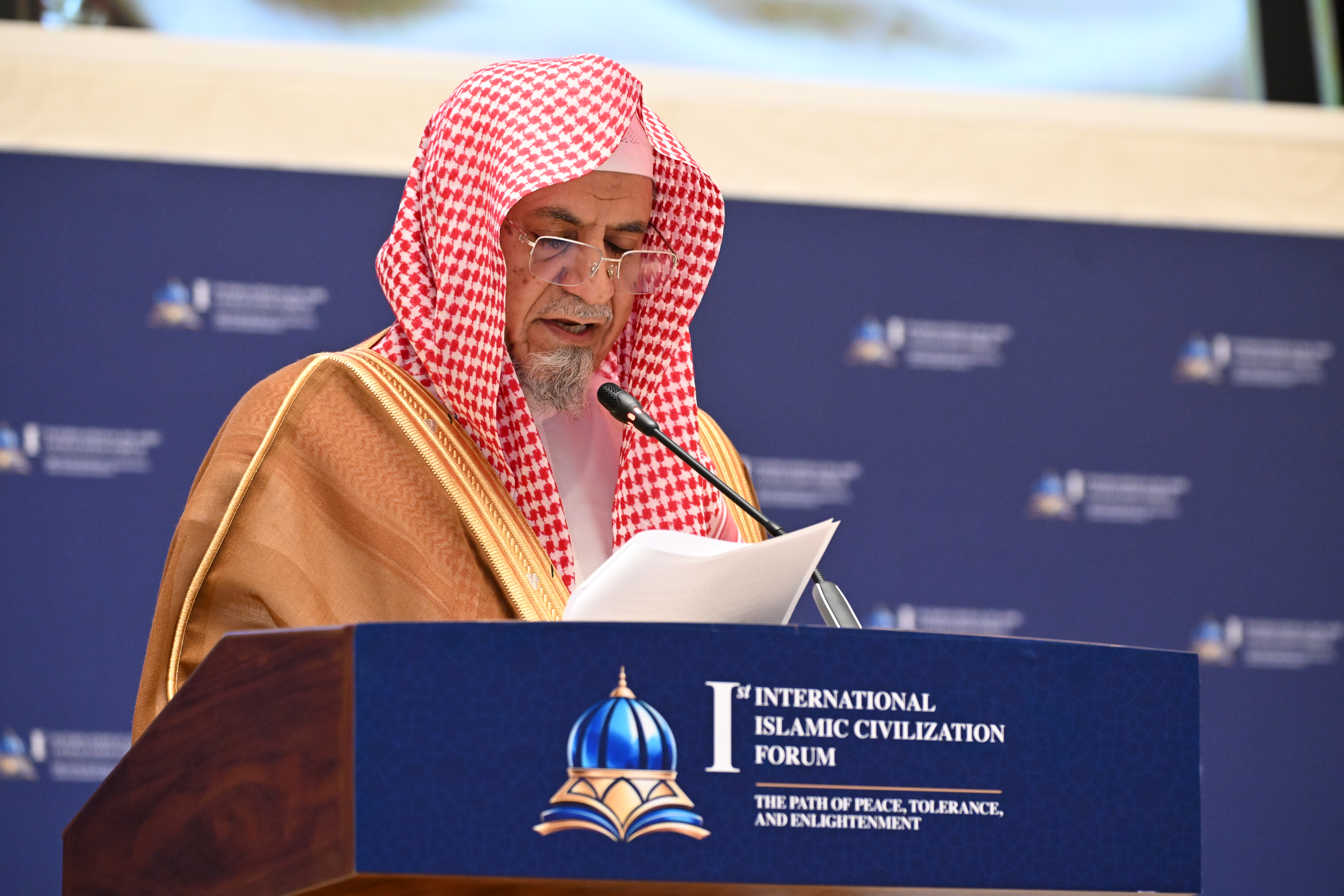 President Shavkat Mirziyoyev’s initiative has brought together distinguished scholars and religious leaders at the First International Islamic Civilization Forum: “The Path of Peace, Tolerance and Enlightenment,” currently being held at the Islamic Civilization Center in Uzbekistan. Among the participants is Sheikh Salih bin Abdullah bin Humaid, Grand Imam of Al-Masjid Al-Haram in Makkah.
In his address, Sheikh Salih bin Abdullah bin Humaid expressed his gratitude to President Shavkat Mirziyoyev for his personal commitment to establishing the Islamic Civilization Center and organizing the international forum, as well as for his initiatives to preserve cultural heritage and promote knowledge and education.
“What I have seen and heard here has brought me great satisfaction. I extend my sincere appreciation to everyone involved in these remarkable achievements. The developments taking place in Uzbekistan today truly reflect the spirit of a genuine Renaissance,” he said.
According to the Grand Imam, the remarkable transformations underway in Uzbekistan represent a new stage of national development shaped by the vision of the Third Renaissance.
Sheikh Salih bin Abdullah bin Humaid emphasized that speaking about Islamic civilization is not merely a discussion of ancient buildings, historical monuments, or manuscripts.
“Islamic civilization is a way of life and a spiritual system that has evolved over centuries, uniting knowledge with faith, law with morality, and freedom with responsibility,” he stated.
The Grand Imam of Al-Masjid Al-Haram further explained that Islamic civilization is founded upon the principle of tawhid (the Oneness of Allah), stressing that this concept is not merely a theological doctrine but also a moral foundation that liberates humanity from oppression, servitude, and unjust superiority. It affirms the inherent dignity of every human being, the equality of all people in creation, and that true distinction is determined solely by piety and righteous deeds.
The distinguished guest also noted that although Islamic civilization originated in the holy cities of Makkah and Madinah, it was never built upon the superiority of any race, nation, color, or culture. Rather, it brought together Arabs and non-Arabs, Black and white people, the rich and the poor, men and women under the shared values of humanity.
“Under the banner of this civilization flourished Qur’anic exegetes, Hadith scholars, jurists, engineers, astronomers, linguists, and historians. They devoted themselves to advancing knowledge, developing the earth, serving humanity, and establishing justice within society,” he said.
The lecture highlighted justice, tolerance, and respect for human rights as some of the defining characteristics of Islamic civilization. It emphasized that Islam calls upon people to uphold righteousness, discourage wrongdoing, and treat one another with compassion, fairness, and justice.
The speaker also noted that throughout Islamic history, followers of different religions and cultures were able to preserve their beliefs and values while living in an environment of security and justice. This, he said, demonstrates that Islamic civilization is founded upon the principles of humanity and tolerance.
In his address, the Grand Imam of Makkah recalled that the life of the Prophet Muhammad (peace and blessings be upon him) represents the highest example of forgiveness, justice, trustworthiness, and mercy. He pointed to the Prophet’s practice of responding to evil with goodness, forgiving those who sought pardon, and choosing forgiveness even when he possessed the power to retaliate, as clear evidence of his role as the Prophet of Mercy.
He further emphasized that Islamic civilization is not a rigid or static system, but one that has developed while maintaining a balance between the objectives of Shariah and the realities of changing circumstances. He explained that ijtihad occupies a distinguished position in Islam and requires profound knowledge, a sound understanding of reality, and the ability to properly assess both benefit and harm.
According to the Grand Imam, Islamic scholars have always drawn a clear distinction between immutable and changeable values. While matters of creed, worship, and fundamental principles remain constant, Islamic jurisprudence allows broad scope for adapting social relations, governance, and public affairs to the demands of different times and places.
The lecture also noted that today’s world is experiencing rapid transformations in science, technology, economics, and social relations. For this reason, Muslim societies are in greater need than ever of an evidence-based, balanced, and wise approach.
He stressed that Islamic civilization does not fear beneficial progress or oppose modern developments. On the contrary, knowledge, technology, and innovation that serve humanity are embraced within the framework of Shariah, while anything that causes harm to society is rejected.
The speaker emphasized that one of the foremost responsibilities facing the present generation is to educate young people to become individuals of firm faith, exemplary character, and sound modern knowledge people who contribute positively to their homeland and demonstrate the true essence of Islam, founded upon tolerance and justice, through their daily lives.
According to him, moderation that unites rather than divides societies, promotes constructive development, and replaces ignorance with knowledge and despair with responsibility is among the greatest needs of our time.
“Civilization is not built by words alone. It is built by righteous individuals, scholars who practice what they preach, just leaders, trustworthy entrepreneurs, sincere teachers, and honest labor,” the Grand Imam of Makkah said.
Concluding his address, the Grand Imam prayed for the Muslim Ummah to be blessed with knowledge, justice, benevolence, unity, and prosperity. He also invoked Allah’s blessings upon the people of Uzbekistan and wished continued success for the country's noble endeavors.