



Imam Tirmidhi’s legacy discussed by international scholars in Termez
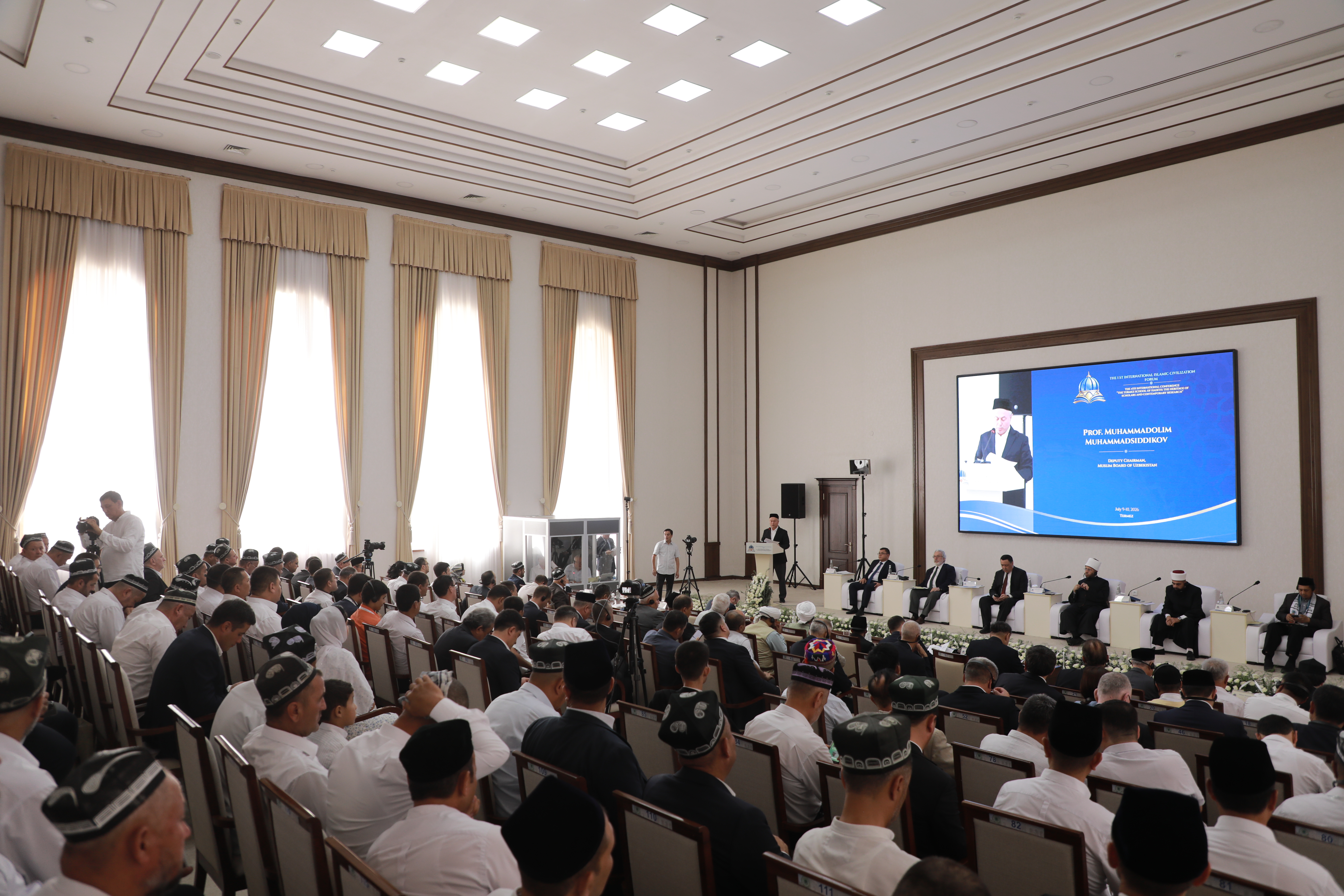 As part of the First International Islamic Civilization Forum, themed “Islamic Civilization: The Path of Peace, Tolerance and Enlightenment,” the Fourth International Conference on “The Termez School of Hadith: The Heritage of Scholars and Contemporary Research” was held in the city of Termez.
Organized jointly by the Islamic Civilization Center in Uzbekistan, the Imam Tirmidhi International Scientific Research Center, and the Islamic World Educational, Scientific and Cultural Organization (ICESCO), the conference was dedicated to the in-depth study of the rich scholarly heritage of Imam Tirmidhi and the Termez School of Hadith, highlighting their contributions to the advancement of world scholarship and strengthening international academic cooperation.
The conference was moderated by Muzaffarkhon Joniyev, Director of the Imam Tirmidhi International Scientific Research Center. The event commenced with a recitation from the Holy Qur’an.
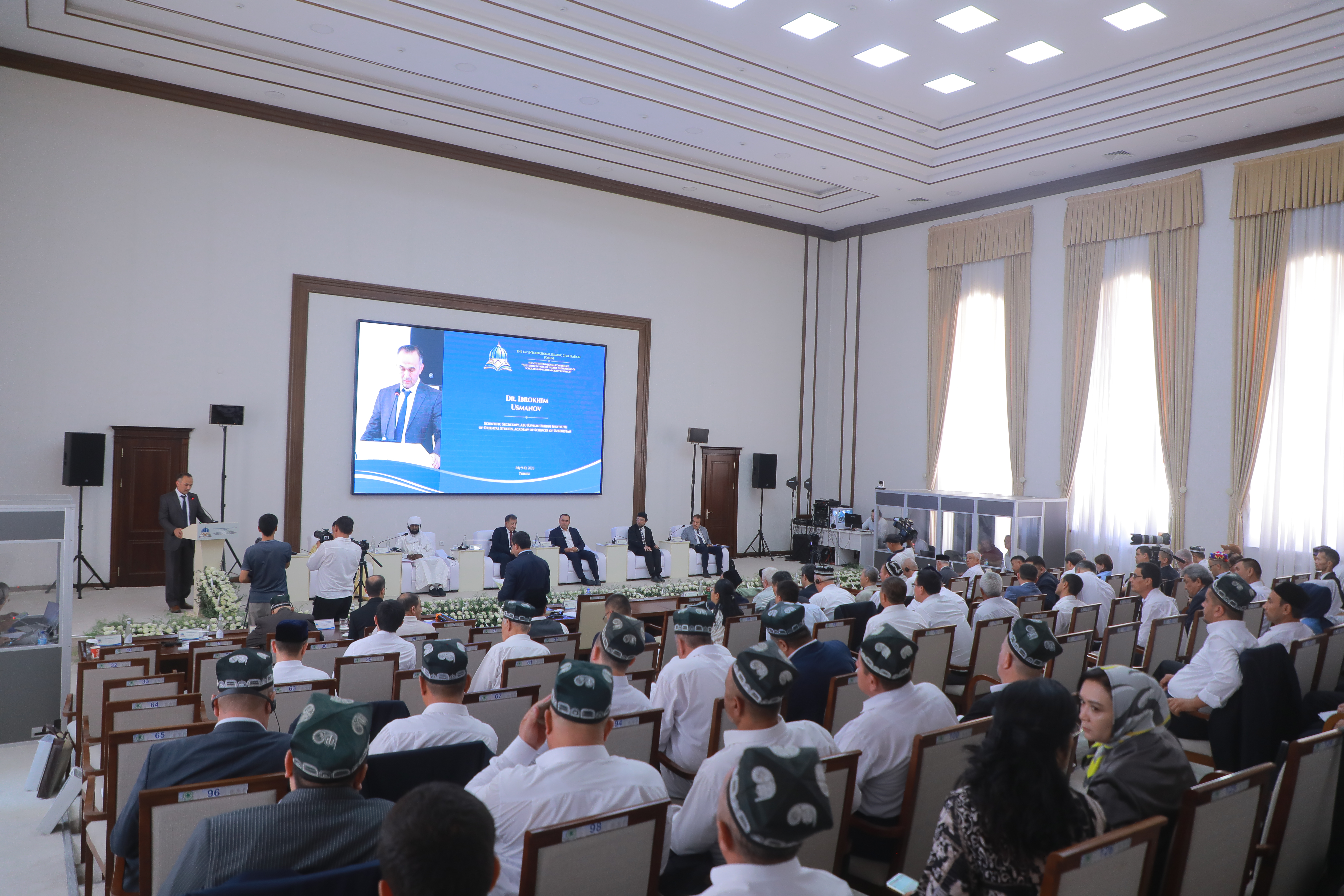
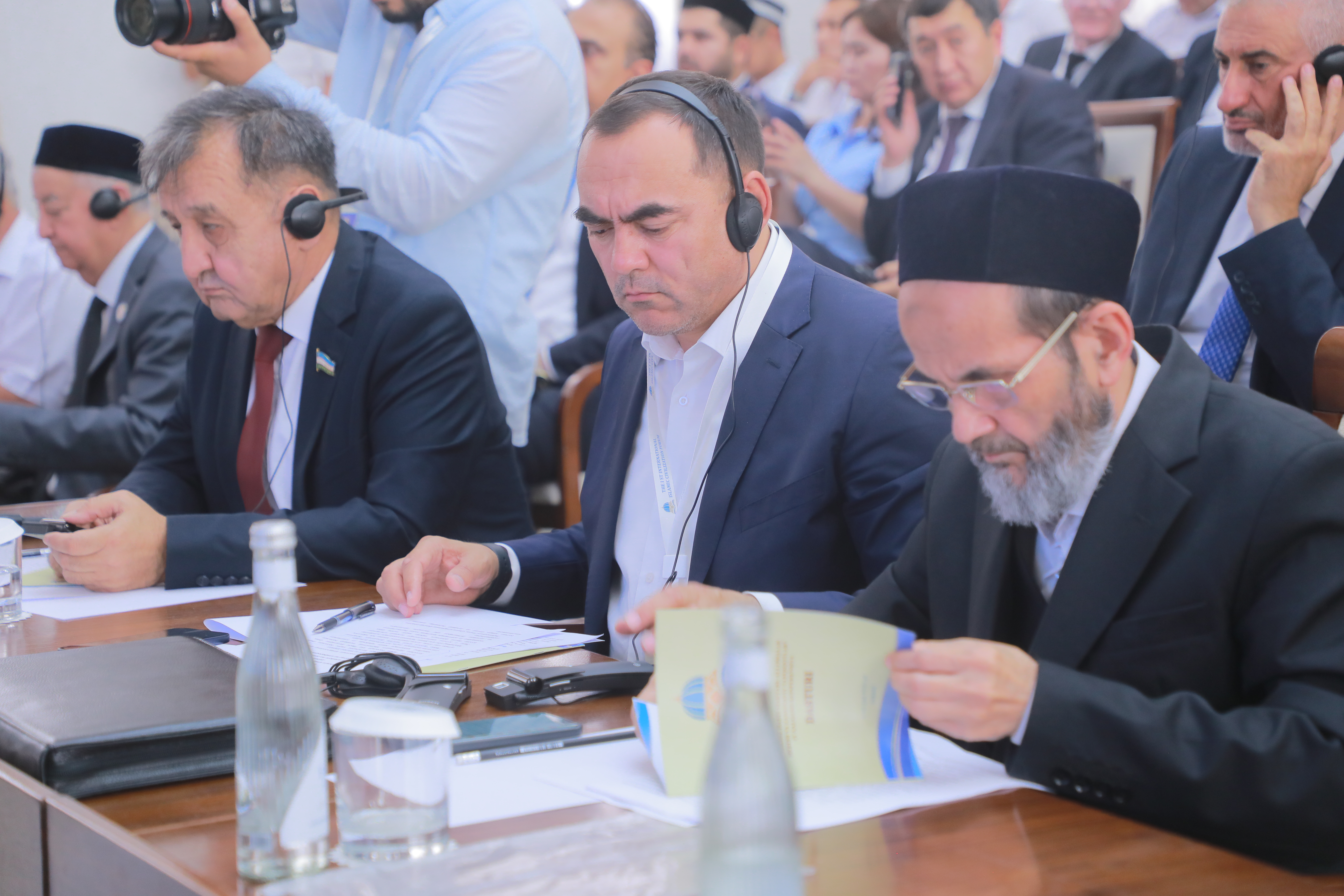 The opening ceremony featured congratulatory remarks by Irgash Daminov, Chief Inspector of the Administration of the President of the Republic of Uzbekistan; Osama Sayyid Al-Azhari, Minister of Awqaf of the Arab Republic of Egypt; Ibrahim Al-Hasanat, Grand Mufti of Jordan; Dilshod Mamadkulov, Deputy Chairman of the Committee on Religious Affairs of the Republic of Uzbekistan; Muhammadolim Muhammadsiddiqov, Deputy Chairman of the Muslim Board of Uzbekistan; Mahmud Erol Kılıç, Director General of the Research Centre for Islamic History, Art and Culture (IRCICA); and Muhammad Zaitun Rasmin, Executive Chairman of the Indonesian Ulema Council.
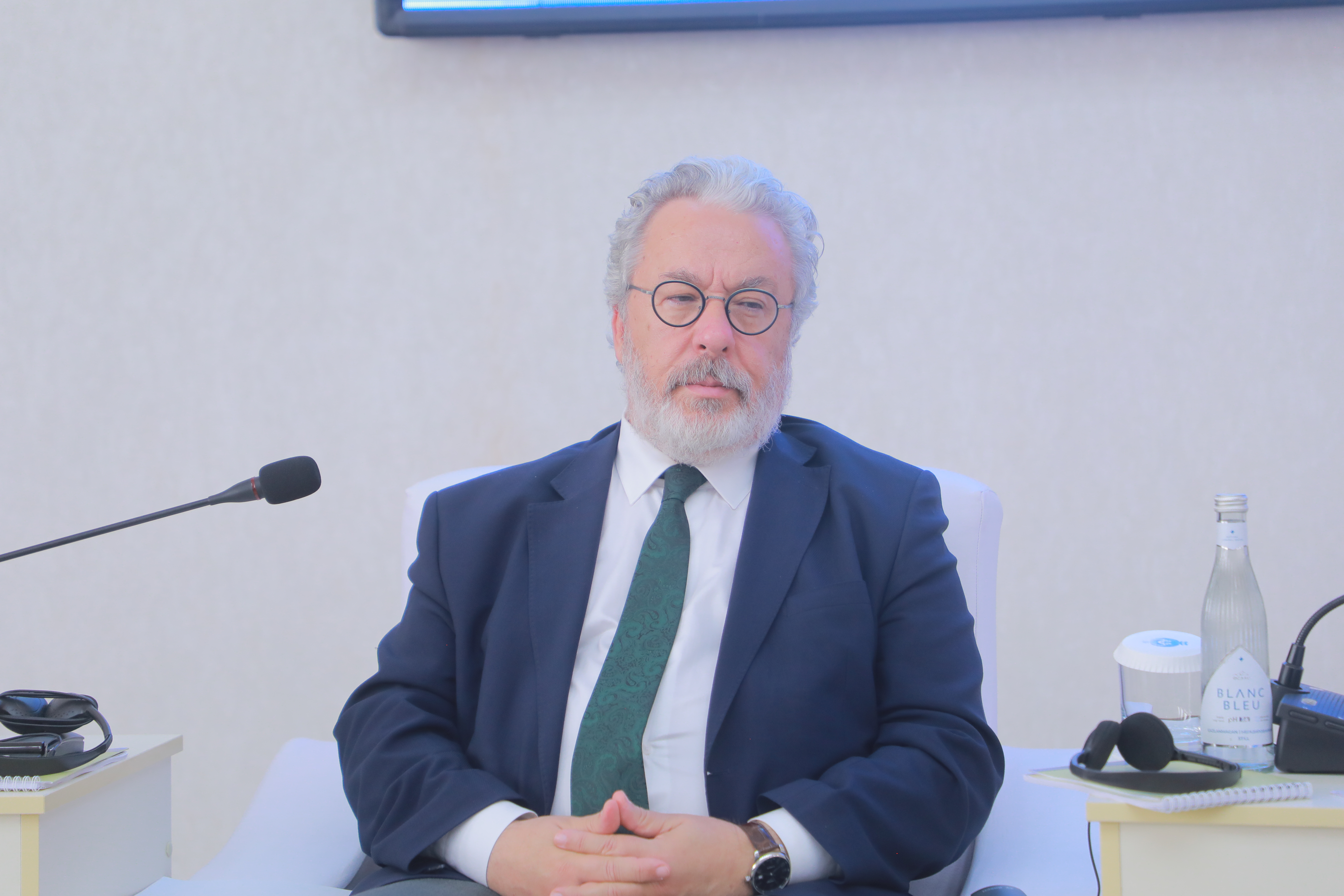 In their speeches, the participants emphasized that, under the initiative of President Shavkat Mirziyoyev, Uzbekistan is implementing comprehensive reforms aimed at studying, preserving, and promoting the heritage of Islamic civilization. They noted that researching the scholarly legacy of great hadith scholars such as Imam Tirmidhi and demonstrating its significance for the development of human civilization is of particular importance within this process.
The opening ceremony was followed by the conference’s plenary session. During the session, Professor Dr. Ahmed Bensaghir, Director of the Center for the Study of Islamic Sciences and Civilization in Laghouat, People’s Democratic Republic of Algeria, delivered a presentation entitled “Imam Tirmidhi’s School of Hadith and Its Enduring Reputation Among Later Generations.”
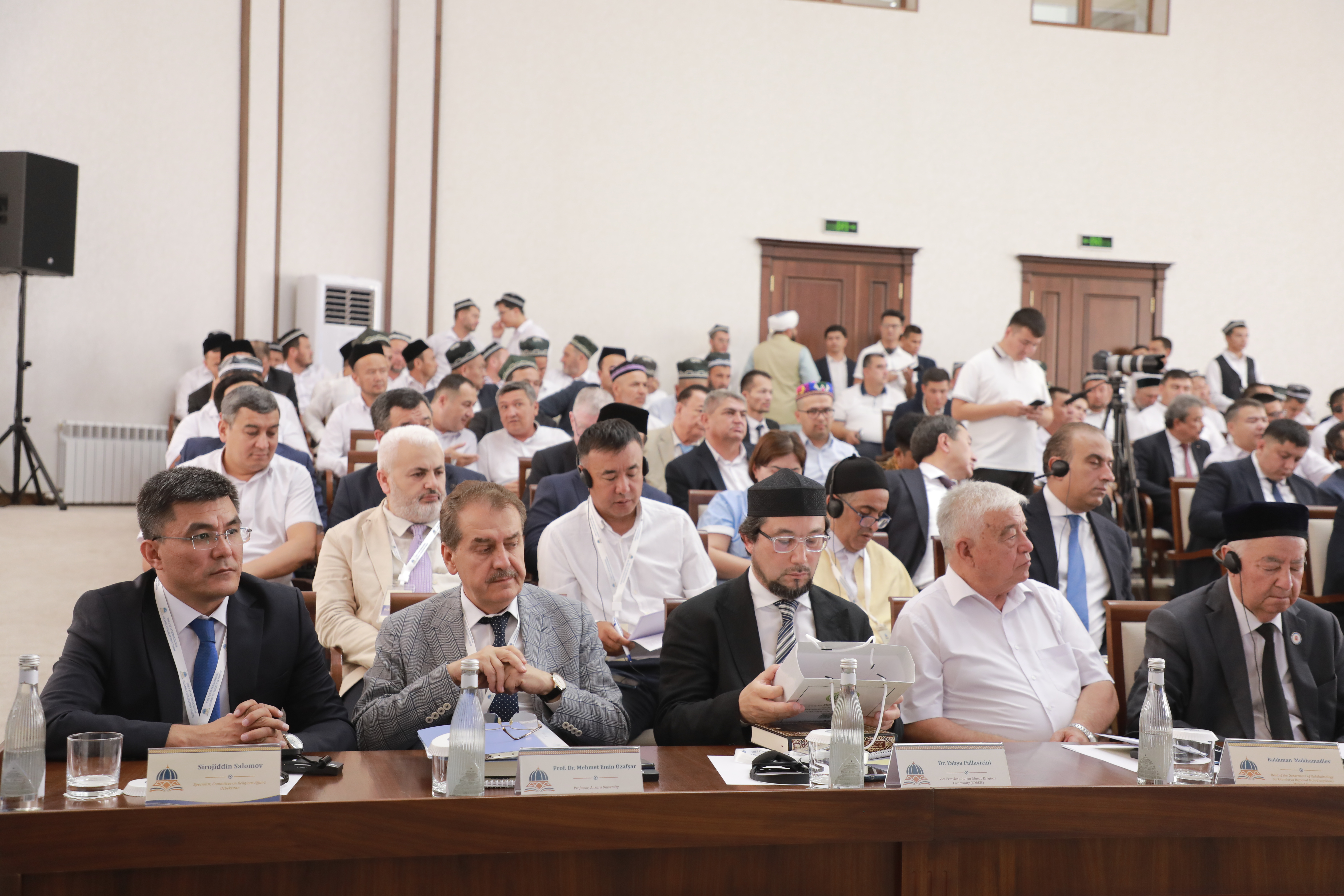 Dr. Yahya Pallavicini, Chairman of the European Muslim Leaders’ Council, delivered a presentation entitled “The Contribution of the Termez School of Hadith to the Development of Islamic Scholarship in Europe.” He noted that the hadith scholarship traditions established by Imam Tirmidhi continue to attract significant academic interest within European scholarly circles today.
Professor Dr. Mehmet Emin Özafşar of the Faculty of Theology at Ankara University presented a paper entitled “Bringing Hakim Tirmidhi into the Modern Age: Three Innovative Research Proposals.” In his presentation, he addressed the contemporary relevance of studying Hakim Tirmidhi’s works through modern academic approaches and highlighted key issues related to their scholarly interpretation.
The presentations explored in detail the scholarly standards established by Imam Tirmidhi in the science of Hadith, the significance of Jami’ Tirmidhi in the history of Hadith scholarship, the influence of the Termez School of Hadith on later generations of hadith scholars, and the importance of the legacy of these great scholars in contemporary academic research.
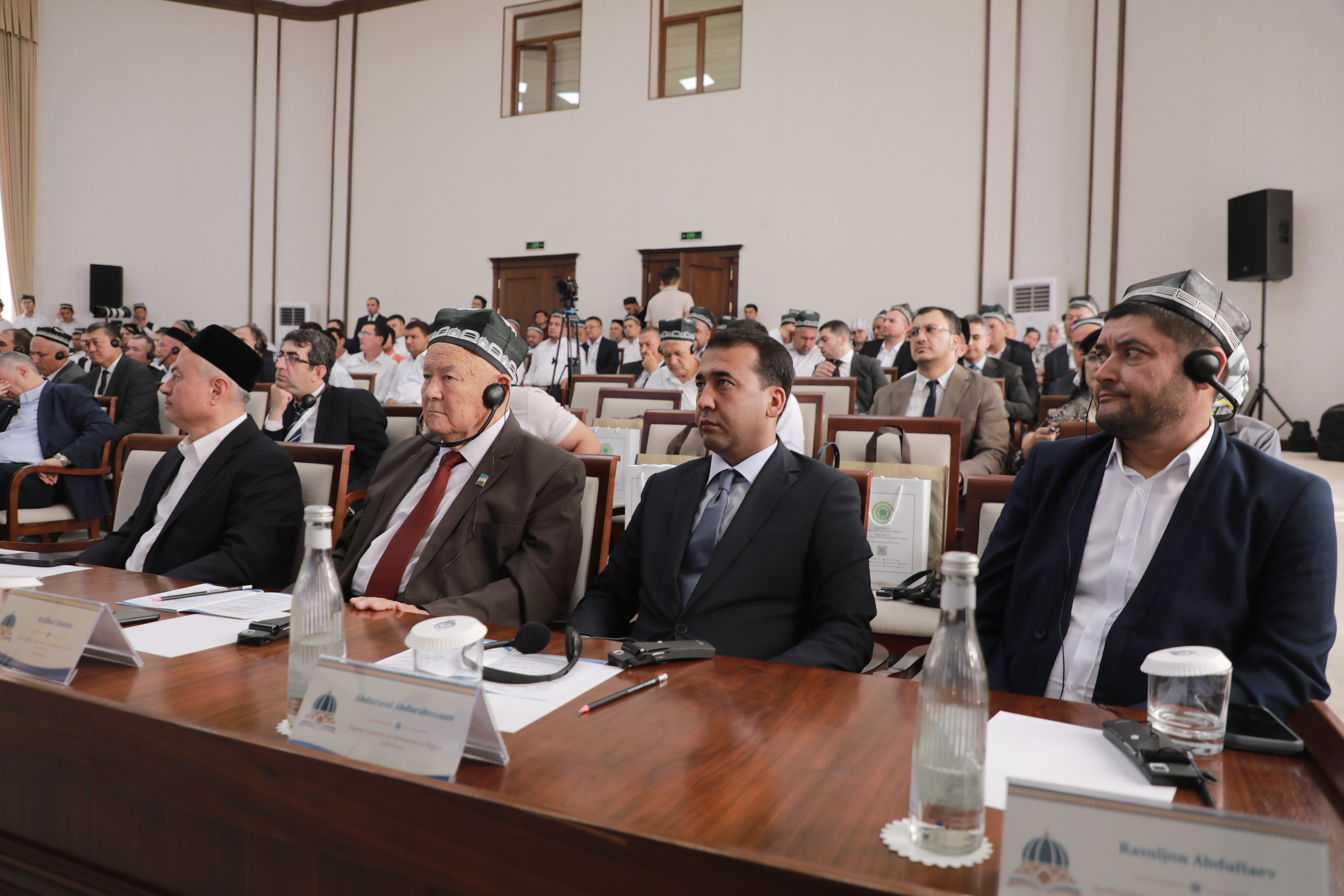 The conference participants emphasized that one of today's key priorities is to further advance the study of the heritage of the Termez School of Hadith, conduct research on its rare manuscript collections, expand international academic cooperation, and preserve and transmit the rich scholarly and spiritual legacy of Imam Tirmidhi and other eminent scholars from Termez to future generations.
The international conference was recognized as one of the leading scholarly platforms within the framework of the First International Islamic Civilization Forum, serving to promote international dialogue in the field of Islamic studies, encourage rigorous academic research on the legacy of great Muslim scholars, and contribute to the advancement of global scholarship.