
The First International Islamic Civilization Forum concludes: Participants address an appeal to the President
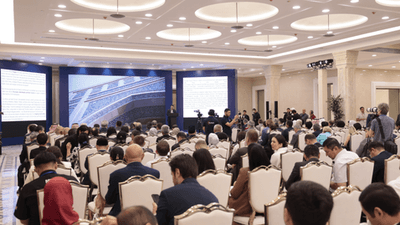
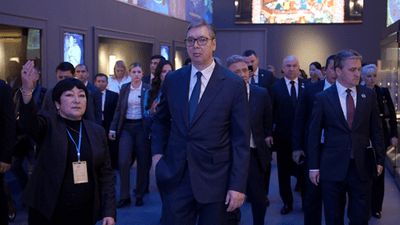
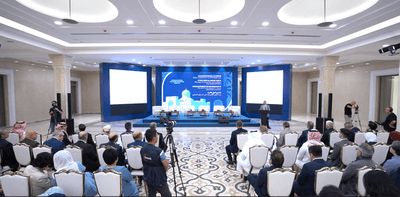
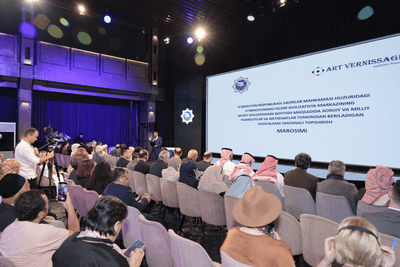
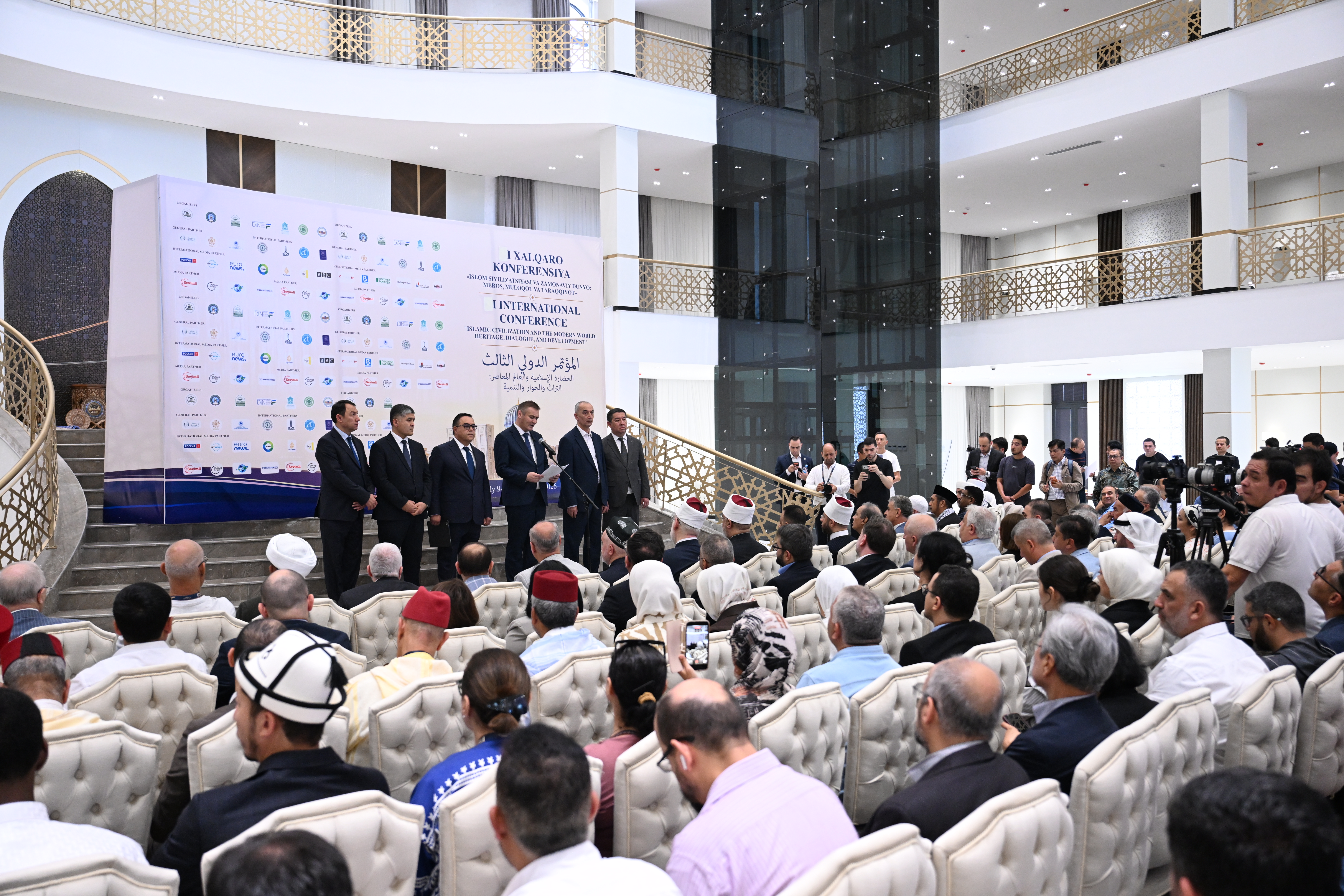 A ceremonial closing session of the First International Islamic Civilization Forum was held in Tashkent. The event reviewed the outcomes of the prestigious forum, which had taken place over several days in Tashkent, Samarkand, and Termez, and featured the reading of an appeal from the forum participants to the President of the Republic of Uzbekistan, Shavkat Mirziyoyev. The appeal put forward a number of important initiatives aimed at advancing international cooperation in the preservation, study, and promotion of the rich scholarly and spiritual heritage of Islamic civilization.
The closing plenary session was opened by Firdavs Abdukhalikov, Director of the Islamic Civilization Center in Uzbekistan.
Addressing the participants, he emphasized that the forum had, within a short period, become one of the largest international platforms for dialogue on the history, scholarly heritage, and contemporary development of Islamic civilization.
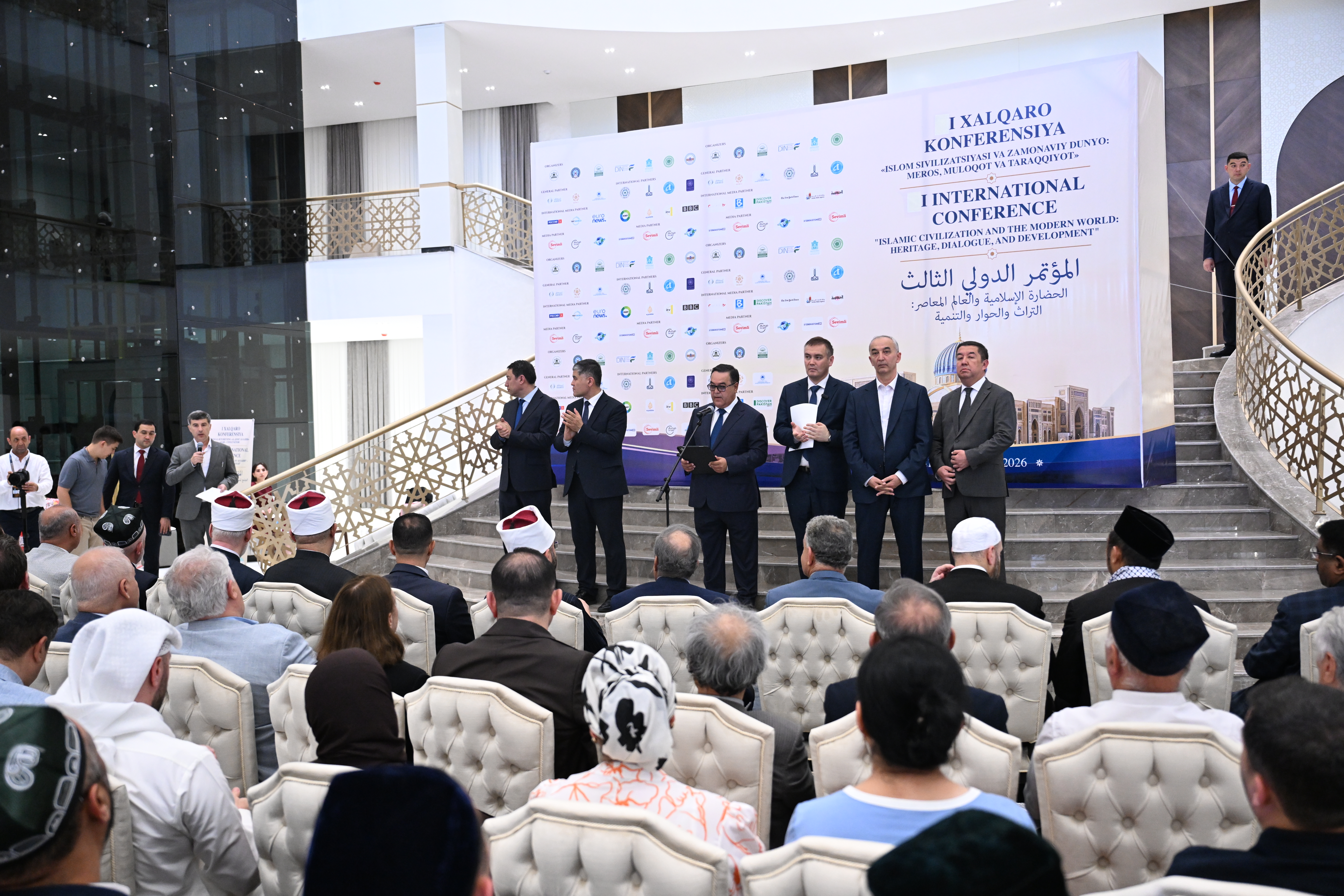
“Our forum is successfully concluding its work. First and foremost, I would like to express my sincere gratitude to all of you for your active participation in this prestigious gathering, your outstanding scholarly contributions, your insightful presentations, and your practical proposals,” said Firdavs Abdukhalikov.
It was noted that the forum brought together more than 500 scholars, researchers, government and public officials, and representatives of international organizations and research institutions from 46 countries.
As part of the forum program, 14 plenary sessions and 6 panel sessions were held in Tashkent. In Samarkand, three international academic conferences and 11 plenary sessions took place, while Termez hosted one international conference and two panel sessions. Altogether, 129 presentations were delivered during the academic events held across the three cities.
The forum also featured the presentation of several scholarly and publishing projects dedicated to Islamic civilization. Participants adopted the Forum Declaration and approved the International Cooperation Roadmap for 2027–2031. In addition, five books were launched, and six memoranda of understanding and cooperation agreements were signed.
In his address, Firdavs Abdukhalikov emphasized that the forum had not only served as a prestigious platform for studying the rich scholarly and cultural heritage of Islamic civilization, but had also presented to the international community the wide-ranging spiritual, educational, scientific, and cultural reforms being carried out in Uzbekistan under the leadership of President Shavkat Mirziyoyev.
He also expressed gratitude to the organizations and institutions that contributed to the successful organization of the forum, including ICESCO, IRCICA, UNESCO, the Al-Furqan Islamic Heritage Foundation, ICOM, the International Turkic Academy, the Muslim World League, as well as other international organizations and academic institutions.
Following this, Rustam Jabborov, Scientific Secretary of the Islamic Civilization Center in Uzbekistan, read aloud the appeal addressed by the forum participants to the President of the Republic of Uzbekistan, Shavkat Mirziyoyev.
The appeal described the First International Islamic Civilization Forum, organized at the initiative and with the direct support of President Shavkat Mirziyoyev, as not only a prestigious academic gathering but also a historic event that marked the beginning of a new phase of global cooperation aimed at preserving humanity’s shared spiritual and intellectual heritage.
The document noted that holding the forum in Tashkent, Samarkand, and Termez—historic centers of civilization carried profound symbolic significance, emphasizing that these lands produced many of the great scholars who made outstanding contributions to the advancement of world science.
The forum participants also recognized President Shavkat Mirziyoyev’s initiative, announced during the 72nd Session of the United Nations General Assembly, to establish the Islamic Civilization Center in Uzbekistan as one of the most significant international humanitarian initiatives of the past decade. They expressed confidence that the Center would evolve into a major international academic and educational platform, bringing together the world’s leading scholars, universities, museums, archives, and research institutions.
The appeal also highly commended the comprehensive reforms being implemented in Uzbekistan to preserve historical heritage, advance fundamental research, and strengthen dialogue among civilizations. In particular, it highlighted the activities of the Islamic Civilization Center in Uzbekistan, the Imam Bukhari Memorial Complex, the Imam Bukhari International Scientific Research Center, the Imam Maturidi International Scientific Research Center, the Imam Termizi International Scientific Research Center, and the International Islamic Academy of Uzbekistan as outstanding examples of this policy.
The forum participants expressed their full support for the adopted Declaration and the International Roadmap for the Preservation, Study, and Development of Islamic Civilization, and proposed the establishment of the World Alliance for the Study, Preservation, and Promotion of Islamic Civilization to facilitate the implementation of these decisions.
In the concluding part of the appeal, the participants expressed their sincere gratitude to President Shavkat Mirziyoyev, the Government of the Republic of Uzbekistan, the forum organizers, and the multinational people of Uzbekistan for their warm hospitality and for organizing the forum at the highest level.
Thus, the First International Islamic Civilization Forum, held from 7 to 11 July in Tashkent, Samarkand, and Termez, successfully concluded its work. It was emphasized that the documents adopted during the forum, the initiatives put forward, and the appeal addressed to the President would serve as an important roadmap for the study, preservation, and broad promotion of the rich scholarly and spiritual heritage of Islamic civilization, while also advancing international humanitarian cooperation.