


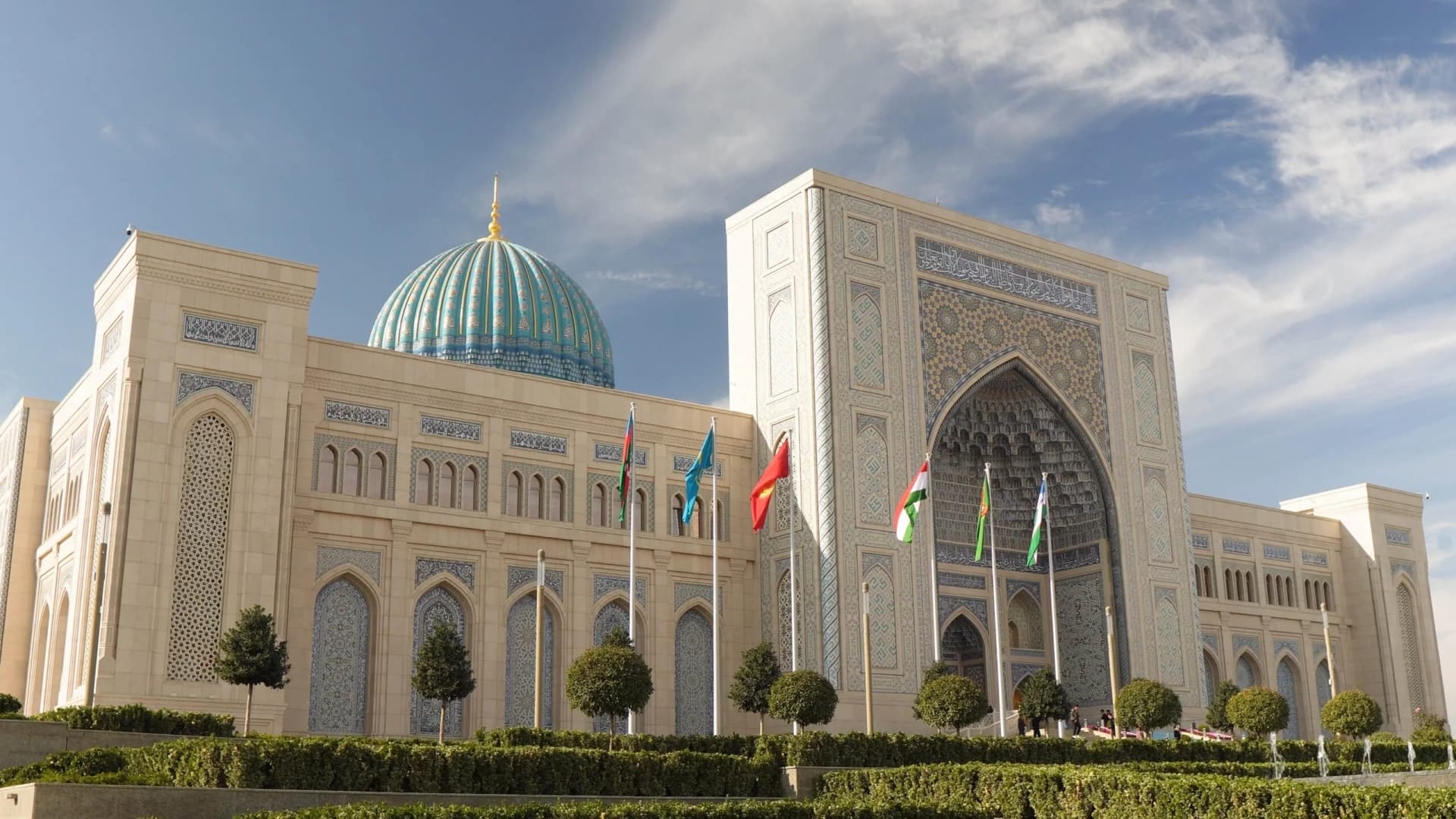


The First International Islamic Civilization Forum led to two major scholarly discoveries
Initiated by President Shavkat Mirziyoyev, the First International Islamic Civilization Forum, held under the theme “Islamic Civilization: The Path of Peace, Tolerance and Enlightenment” in Tashkent, Samarkand, and Termez, brought together nearly 300 government and public figures, ministers, muftis, prominent scholars, academics, researchers, museum and library directors, and representatives of international organizations from more than 40 countries. During the forum, two major scholarly discoveries that could reshape the understanding of Central Asia’s intellectual heritage were presented to the international community.
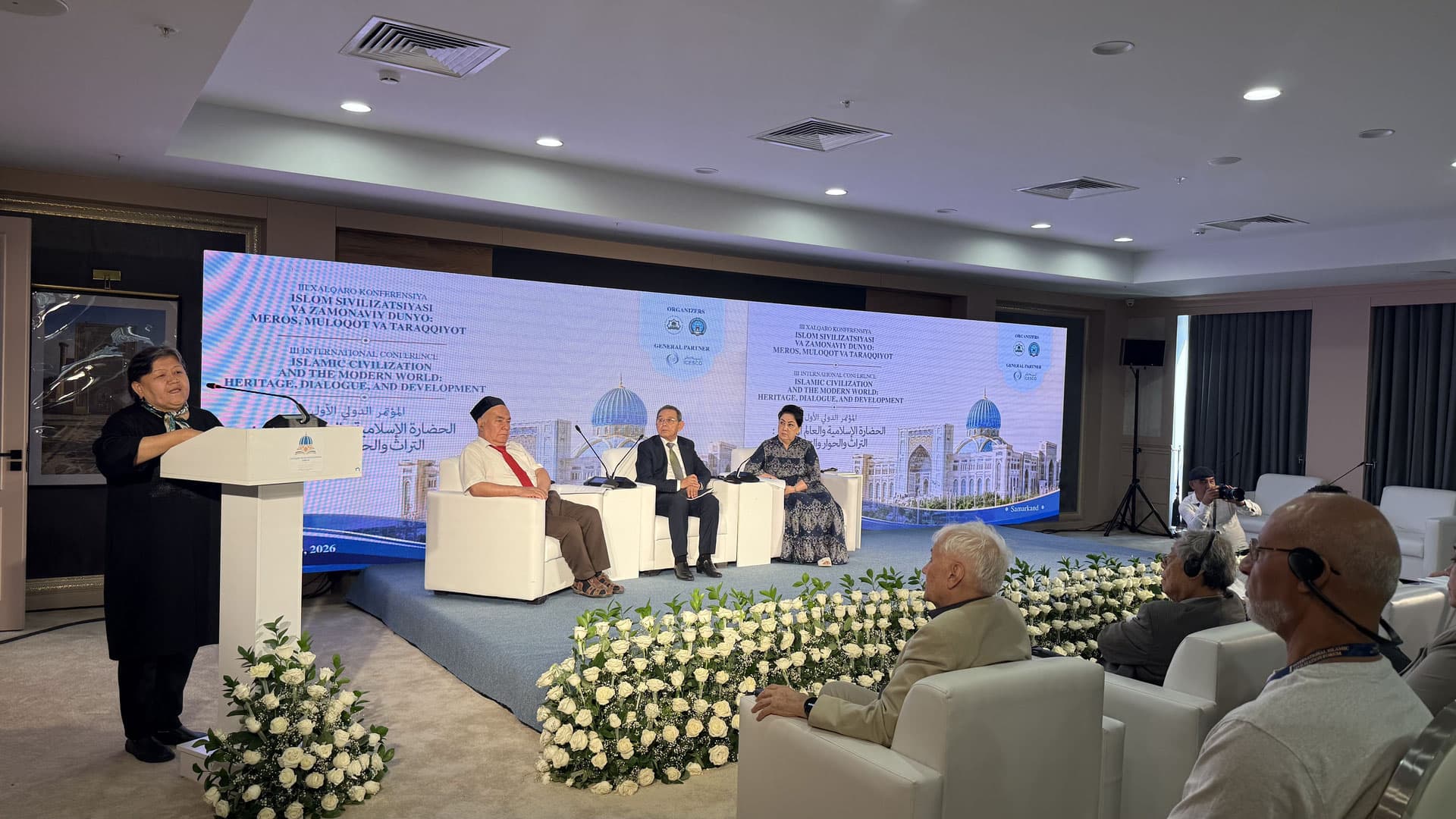
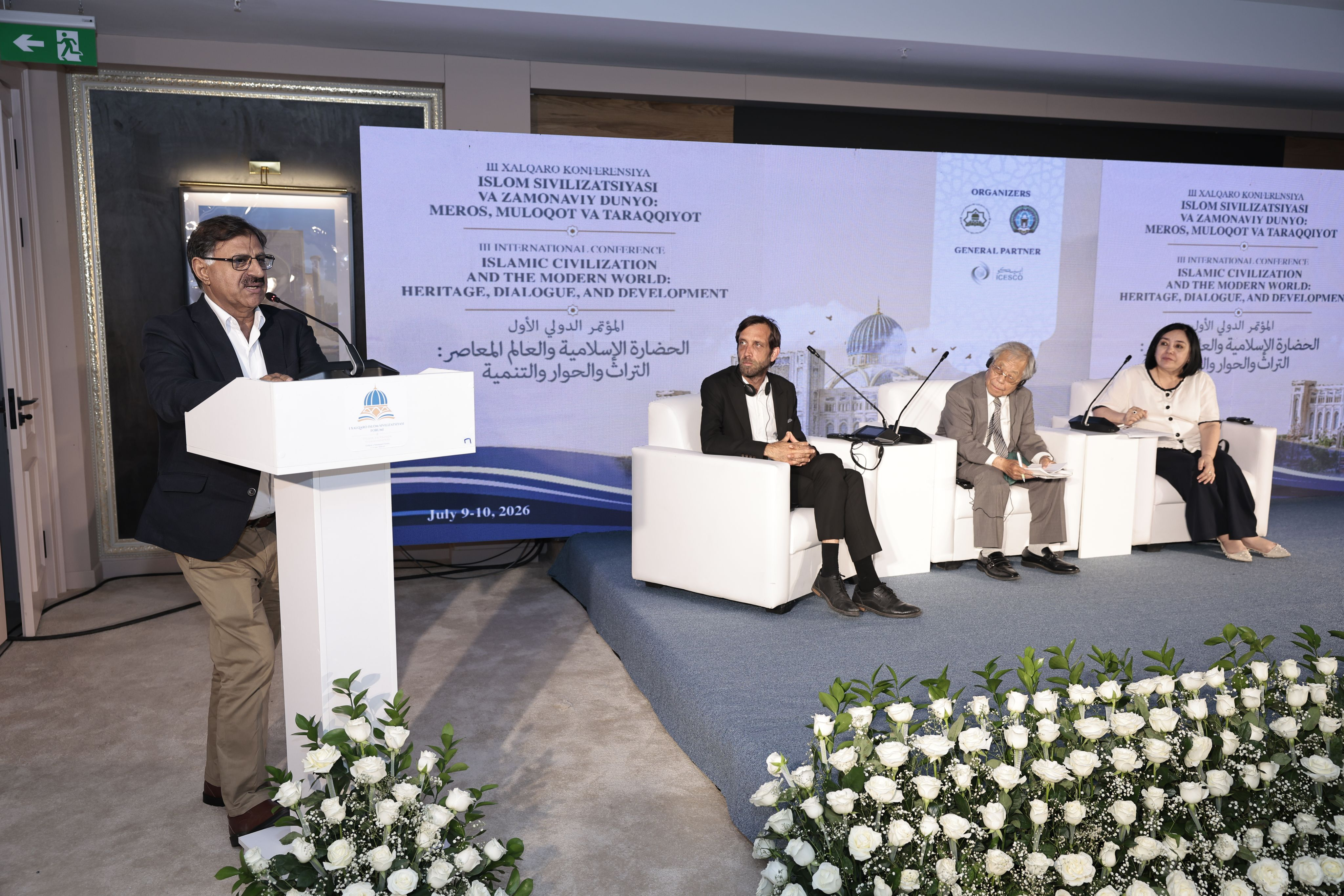
At the Third International Conference, titled “Islamic Civilization and the Modern World: Heritage, Dialogue, and Development,” held as part of the forum, scholars unveiled two significant research findings related to Central Asia’s literary and intellectual legacy. The first revealed, based on newly examined sources, the influence of the fourteenth-century thinker Kamol Khujandi on the works of Babur. The second confirmed the identification of a previously unknown manuscript copy of Alisher Navoi’s Badoye’ ul-bidoya divan.
Researchers announced that a manuscript preserved in the British Library, long catalogued as a different work, has now been identified as the ninth known manuscript copy of Alisher Navoi’s Badoye’ ul-bidoya divan. They also emphasized that more than fifty quotations from Kamol Khujandi’s poetry cited in Babur’s treatise Aruz (Mukhtasar) should be regarded as a unique source for studying the literary environment of the fourteenth and fifteenth centuries.
These findings come at a time of growing international interest in reexamining Central Asia’s manuscript heritage, literary traditions, and intellectual history through collaborative scholarly research.
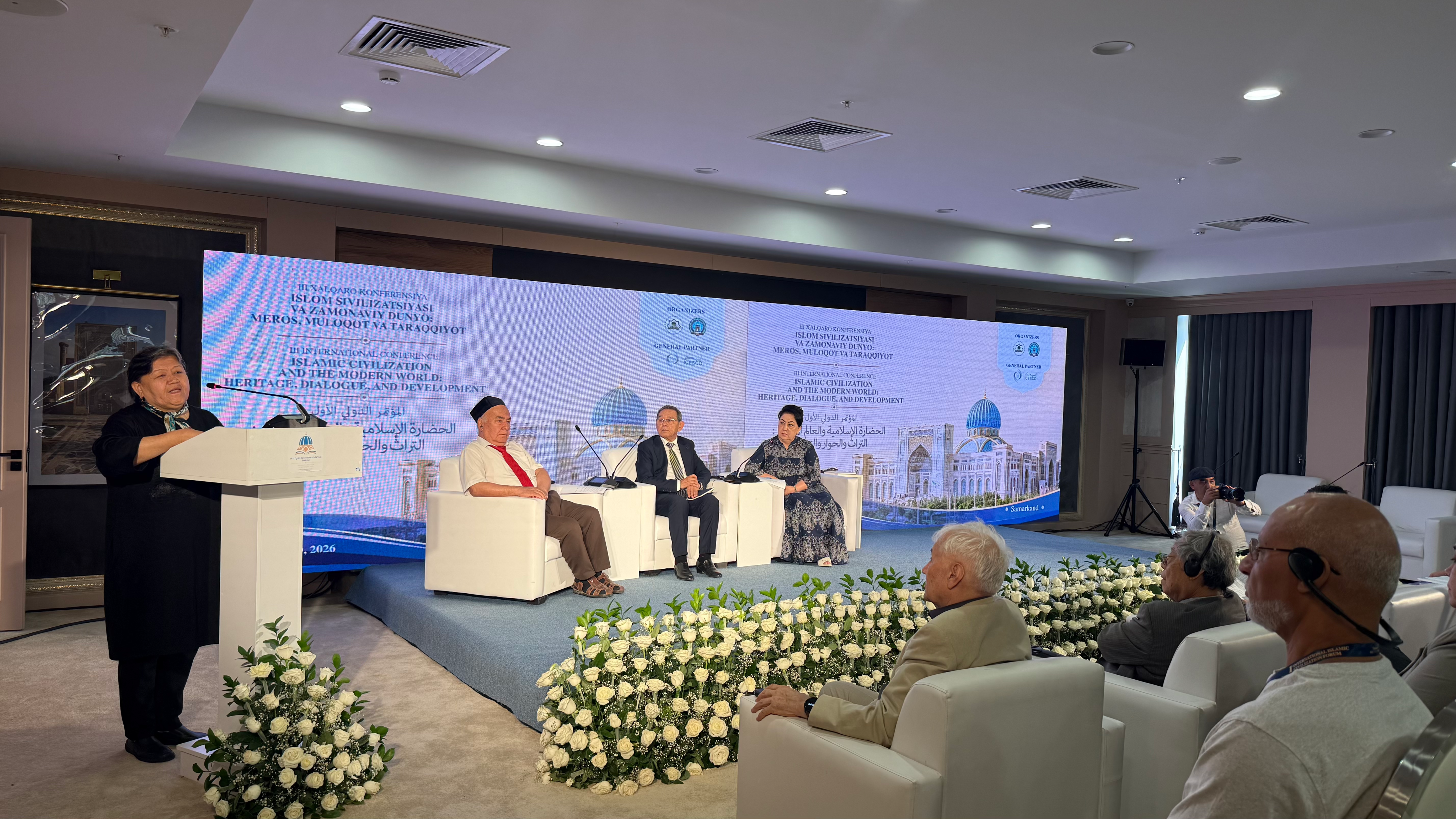 According to Professor Burobiya Rajabova, Candidate of Philological Sciences and Leading Research Fellow at the Institute of Uzbek Language, Literature and Folklore of the Academy of Sciences of the Republic of Uzbekistan, Babur’s treatise Aruz (Mukhtasar) contains poetic examples from seventy-three authors who lived during the fourteenth and fifteenth centuries, including more than fifty quotations from the poetry of Kamol Khujandi. According to scholars, these examples demonstrate not only Babur’s profound familiarity with Kamol Khujandi’s works but also his recognition of the poet as one of his greatest literary mentors.
As noted in the presentation, these poetic excerpts also preserve valuable historical information about Kamol Khujandi’s life, including events associated with Amir Temur and Miranshah Mirza. This further highlights the importance of literary sources as historical documents.
The researcher also pointed out that Babur’s residence in Khujand for a period of time, together with the respectful references to both the city and Kamol Khujandi in the Baburnama, reflects a deep intellectual and spiritual connection between the two thinkers.
Professor Rajabova further compared Kamol Khujandi’s literary legacy with the works of Abdurahman Jami, Alisher Navoi, and Davlatshah Samarqandi, noting that manuscript copies of his divans are currently preserved in Tashkent, Baku, Dushanbe, and St. Petersburg. According to scholars, this demonstrates that the poet’s legacy extends far beyond regional significance and forms part of the broader cultural heritage of the Islamic world.
The second major scholarly announcement made during the conference concerned the field of Navoi studies.
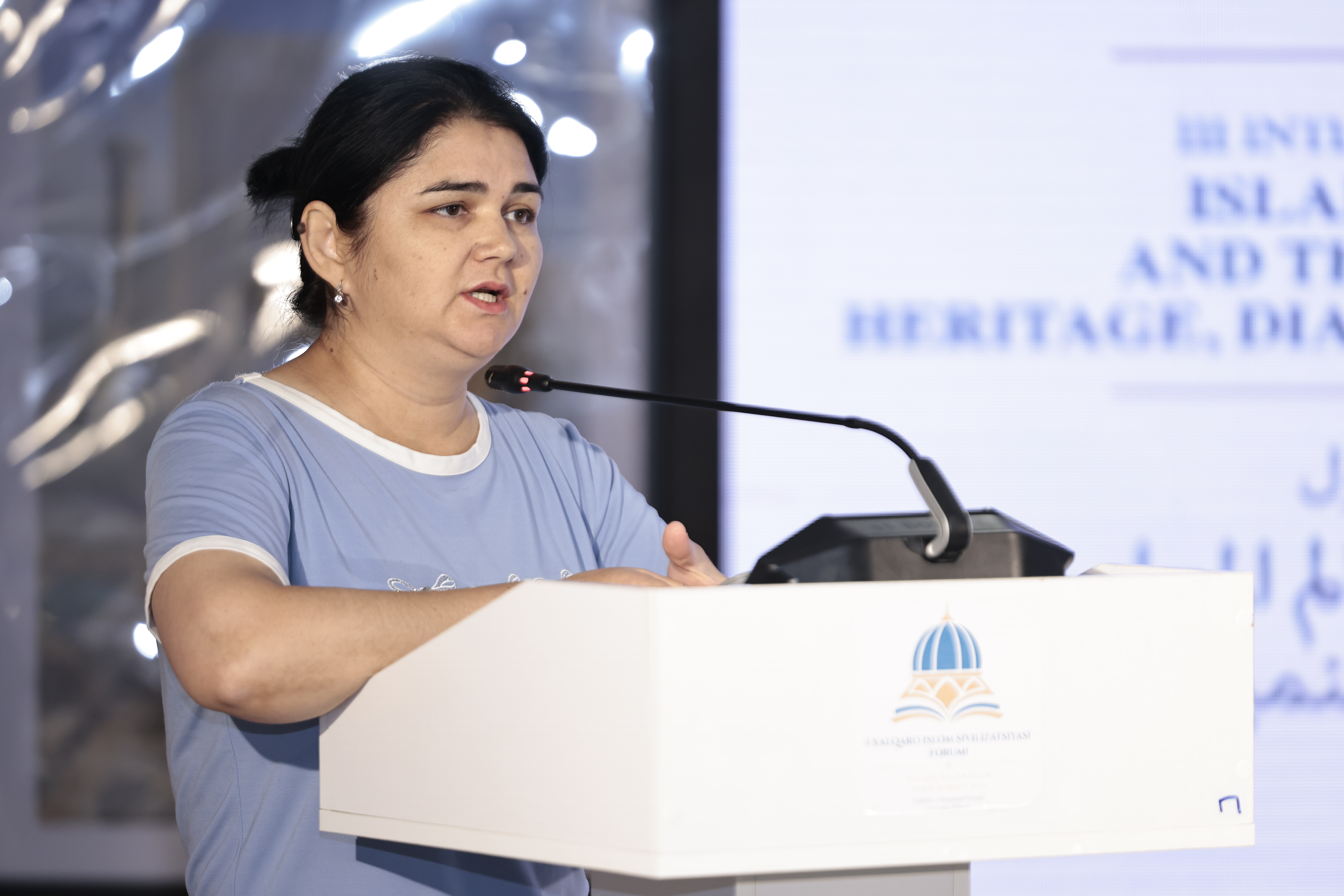 Oysara Madaliyeva, Candidate of Historical Sciences and Senior Research Fellow at the Abu Rayhan Beruni Institute of Oriental Studies, announced that a manuscript preserved in the British Library, previously catalogued as G‘aroyib us-sig‘ar, has now been identified as a newly recognized ninth manuscript copy of Alisher Navoi’s Badoye’ ul-bidoya divan.
According to her, this discovery was made during an international research project conducted in April 2026 in collaboration with the Bodleian Libraries of the University of Oxford, New College, and the Berlin State Library.
Researchers reported that the manuscript was copied in 1520 at the Safavid court, indicating that nearly two decades after Navoi’s death, his works continued to enjoy great esteem not only in Khorasan and Movarounnahr but also in other regions.
Scholars emphasized that another distinctive feature of this manuscript is its decoration with six miniatures, six colophons, and a shamsa illustrating the structure of the divan. These characteristics distinguish it from all previously known copies.
Preliminary comparative analysis has shown that the manuscript discovered in London bears a close resemblance to the Badoye’ ul-bidoya manuscript preserved in Baku. According to researchers, this finding opens new opportunities for studying the transmission of Navoi’s works in the sixteenth century and the relationships among surviving manuscript copies.
 Scholars noted that the findings of these two studies not only provide a deeper understanding of the intellectual legacy of Kamol Khujandi, Babur, and Alisher Navoi, but also offer valuable new sources for international research in the fields of Central Asian intellectual history, manuscript studies, textual criticism, and literary scholarship. They emphasized that these discoveries could further promote the integration of the region’s rich scholarly heritage into the broader landscape of global humanities research.