



The Third Renaissance: from historical experience to modern development
This intellectual harmony was not accidental. It was the product of a scholarly worldview reinforced by the high value placed on knowledge in the Holy Qur’an, its encouragement of reflection, and its call for human beings to understand the world around them. For this reason, it is difficult to place the scholars of that era within the rigid boundaries of “specializations” as understood today.
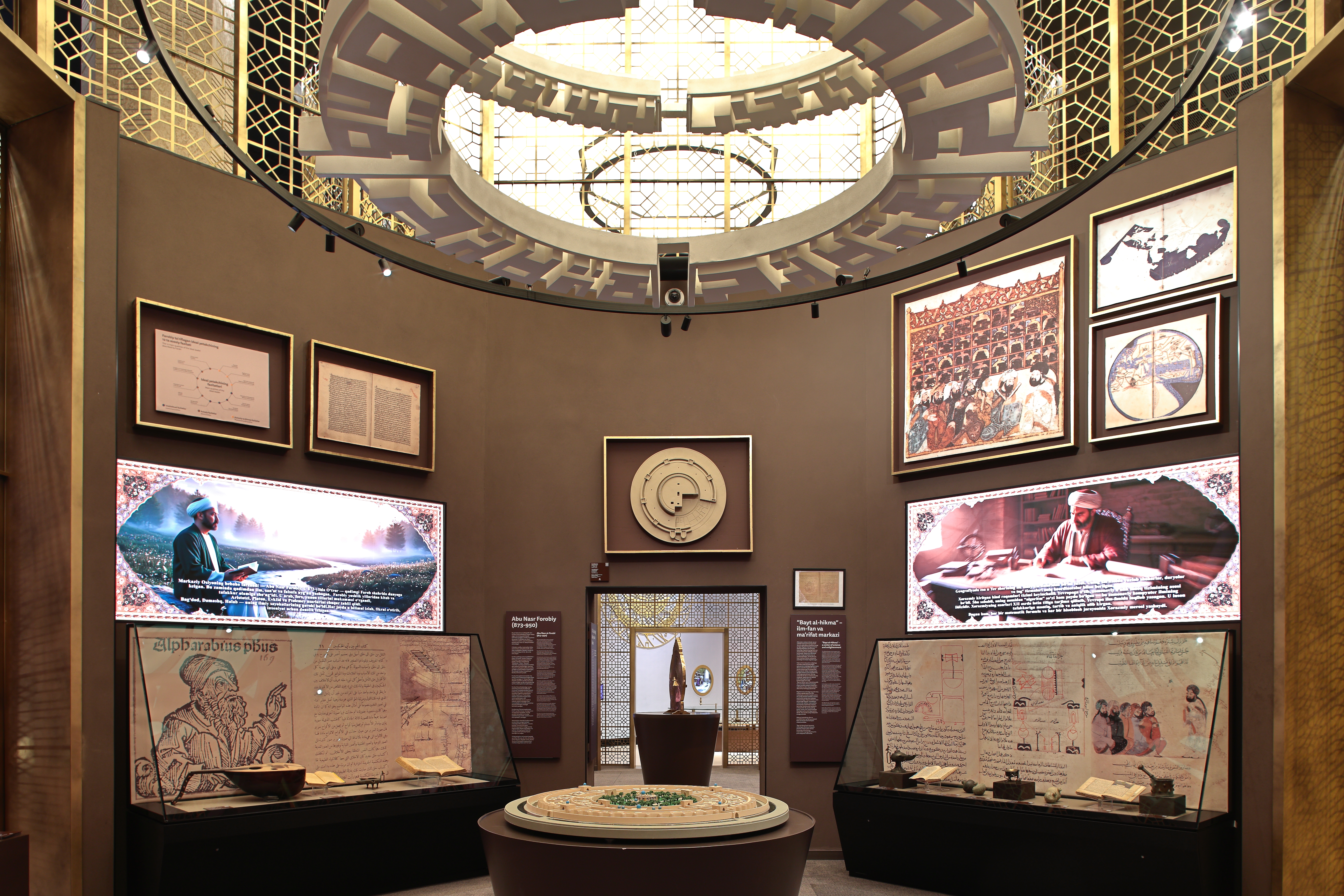
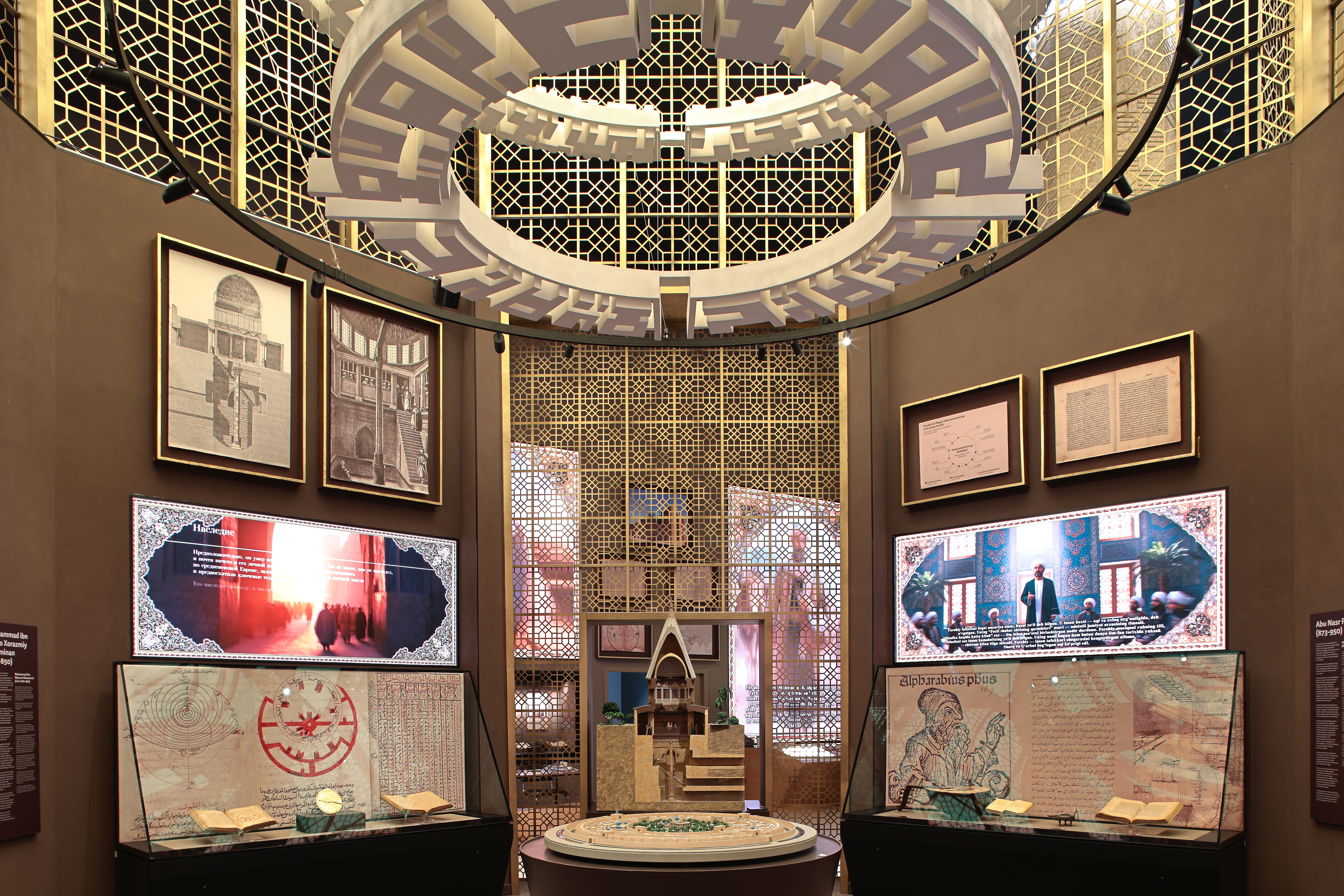
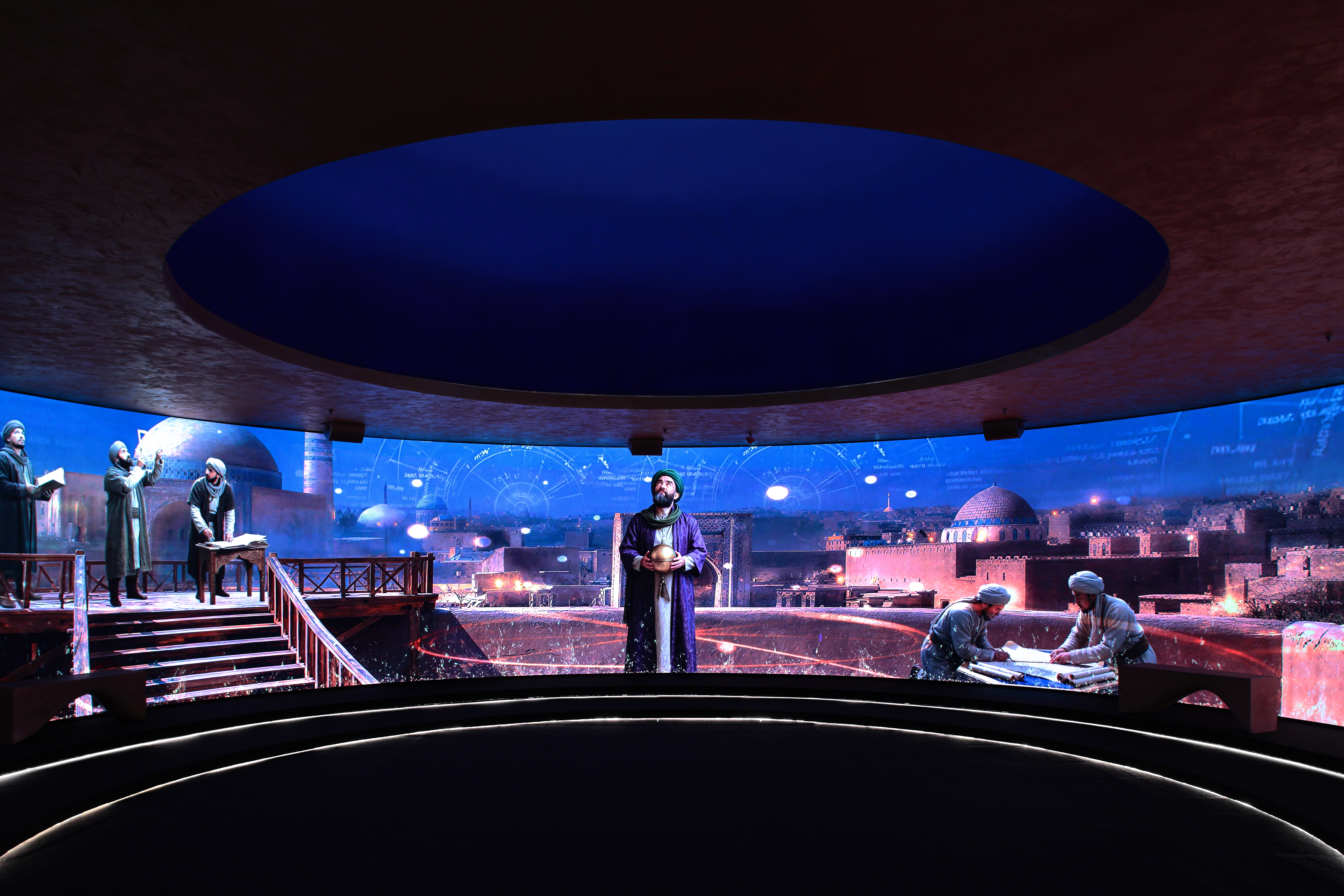 Farabi engaged in philosophy, logic, politics, ethics, and music theory. Khwarizmi worked in the fields of mathematics and astronomy. Biruni produced works on astronomy, geography, geodesy, mineralogy, history, and ethnography. Ibn Sina, in addition to medicine, conducted extensive research in philosophy, logic, and the natural sciences. Ulugbek, meanwhile, created a scholarly environment that brought together governance, education, and astronomical research. What these examples have in common is that the boundaries between different fields of knowledge were not rigid.
Certain principles of what is today known as “interdisciplinary research” closely resonate with these intellectual traditions.
At the same time, it would be incorrect to limit the intellectual legacy of Islamic civilization solely to the natural and exact sciences. In the field of religious sciences as well, sophisticated scholarly traditions emerged for collecting, verifying, classifying, and evaluating sources.
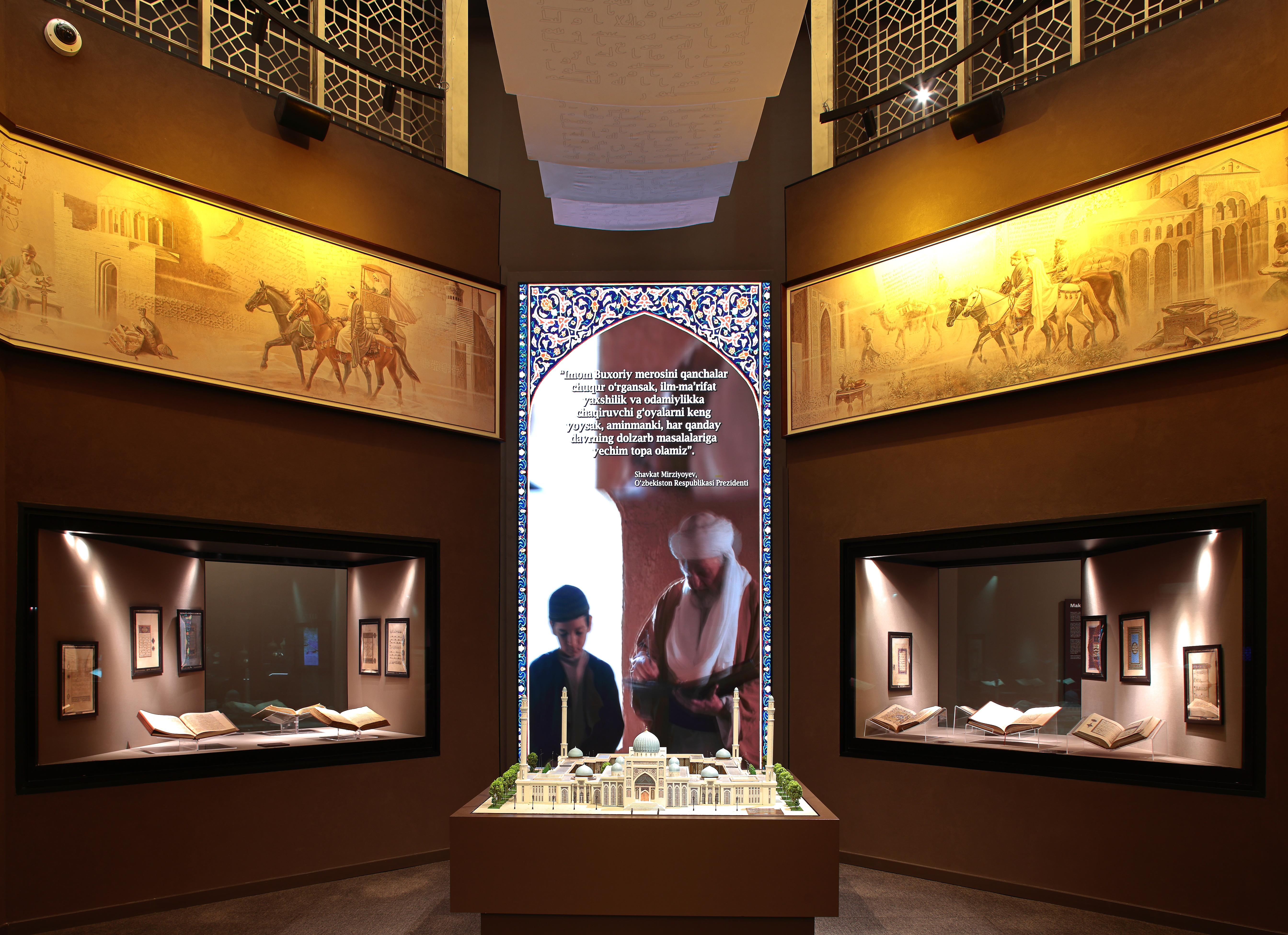 The scholarly legacy of Imam Bukhari in the field of hadith studies provides a clear example of this. In evaluating hadiths, information about narrators, chains of transmission, and other criteria were carefully examined. Imam Maturidi, meanwhile, analyzed theological issues through a balanced integration of reason and transmitted revelation. His legacy occupies an important place in the Islamic intellectual tradition, particularly in understanding the relationship between rational argumentation and religious knowledge.
From this perspective, the history of Islamic civilization can be viewed not merely as religious history or the history of science, but as a broad intellectual process.
The idea of the Third Renaissance being advanced in Uzbekistan seeks to connect the historical scholarly heritage with the needs of modern development.
At the heart of this approach is the idea of developing science, education, innovation, culture, and spirituality as an interconnected system.
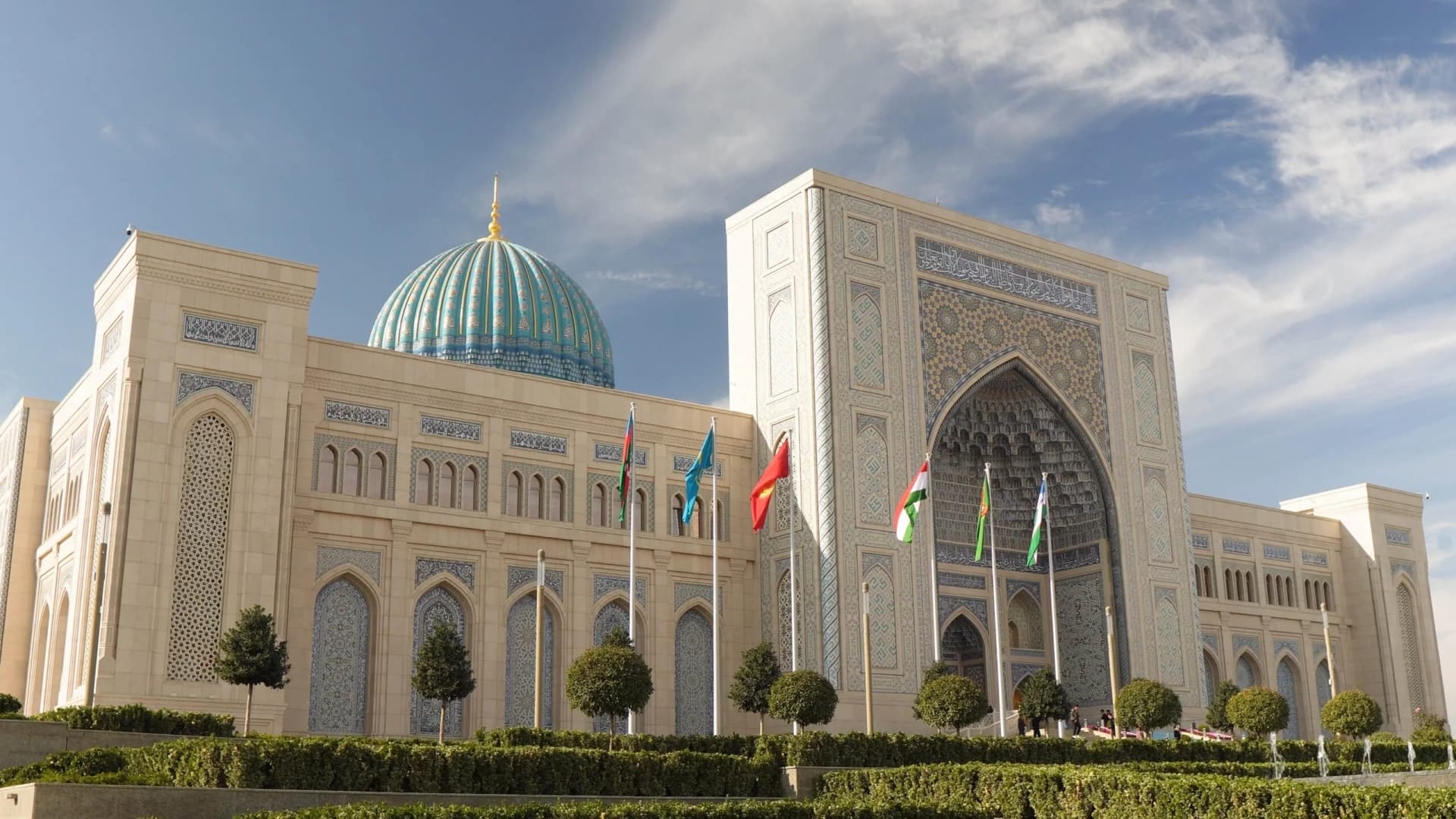
The Islamic Civilization Center in Uzbekistan, established at the initiative of President Shavkat Mirziyoyev, is one of the important practical manifestations of this concept.
The mission of the Center is not limited to displaying historical exhibits.
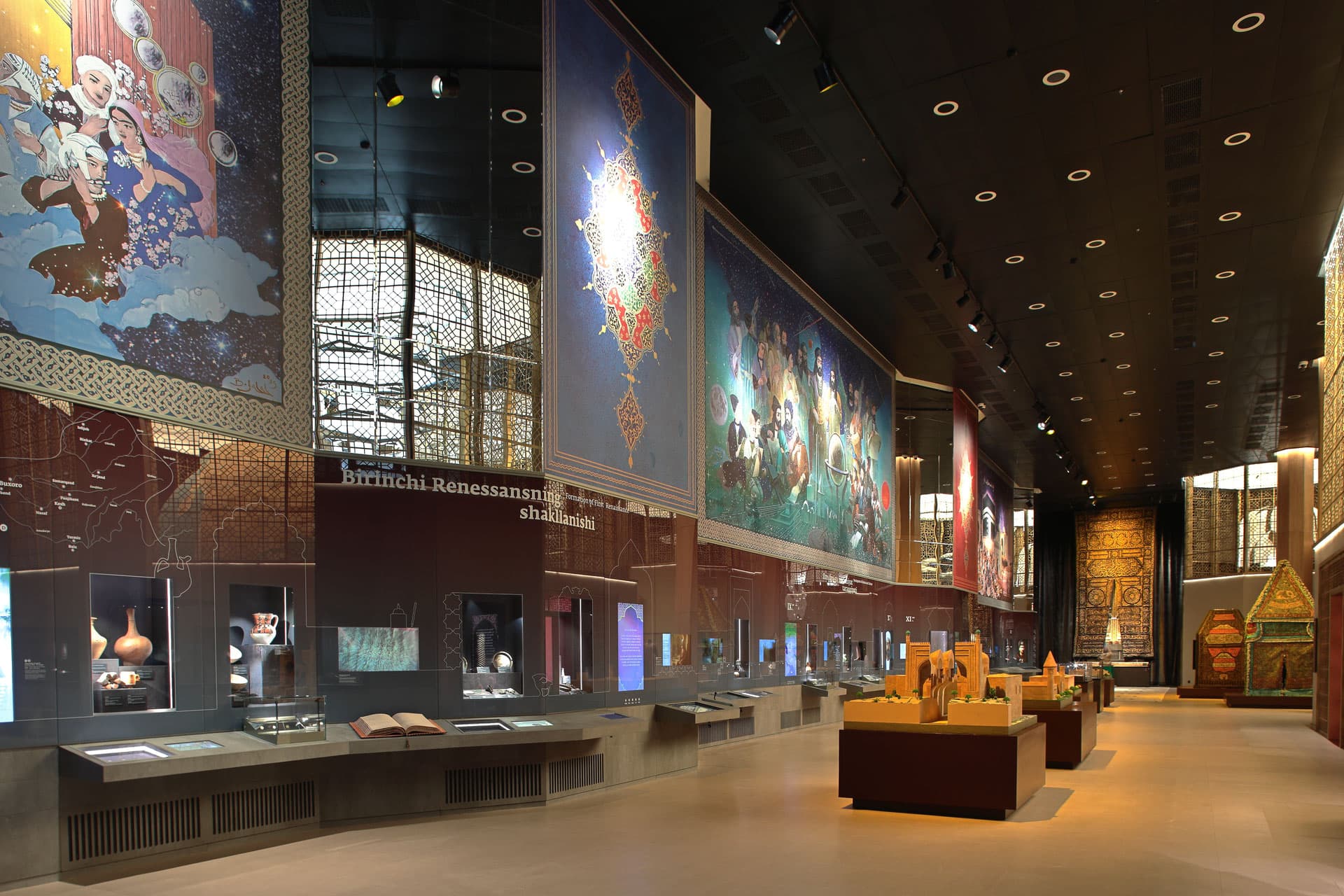
Its concept embodies a comprehensive approach to studying and presenting the legacy of Islamic civilization in the fields of science, education, philosophy, art, architecture, and humanism.
Not just a museum, but an intellectual platform
Assessing the Center solely within the traditional concept of a museum does not fully reflect its vision. A modern museum is not merely a place where exhibits are preserved. It can become a center for research, education, digitization, and international scholarly dialogue. This approach also occupies an important place in the concept of the Islamic Civilization Center in Uzbekistan.
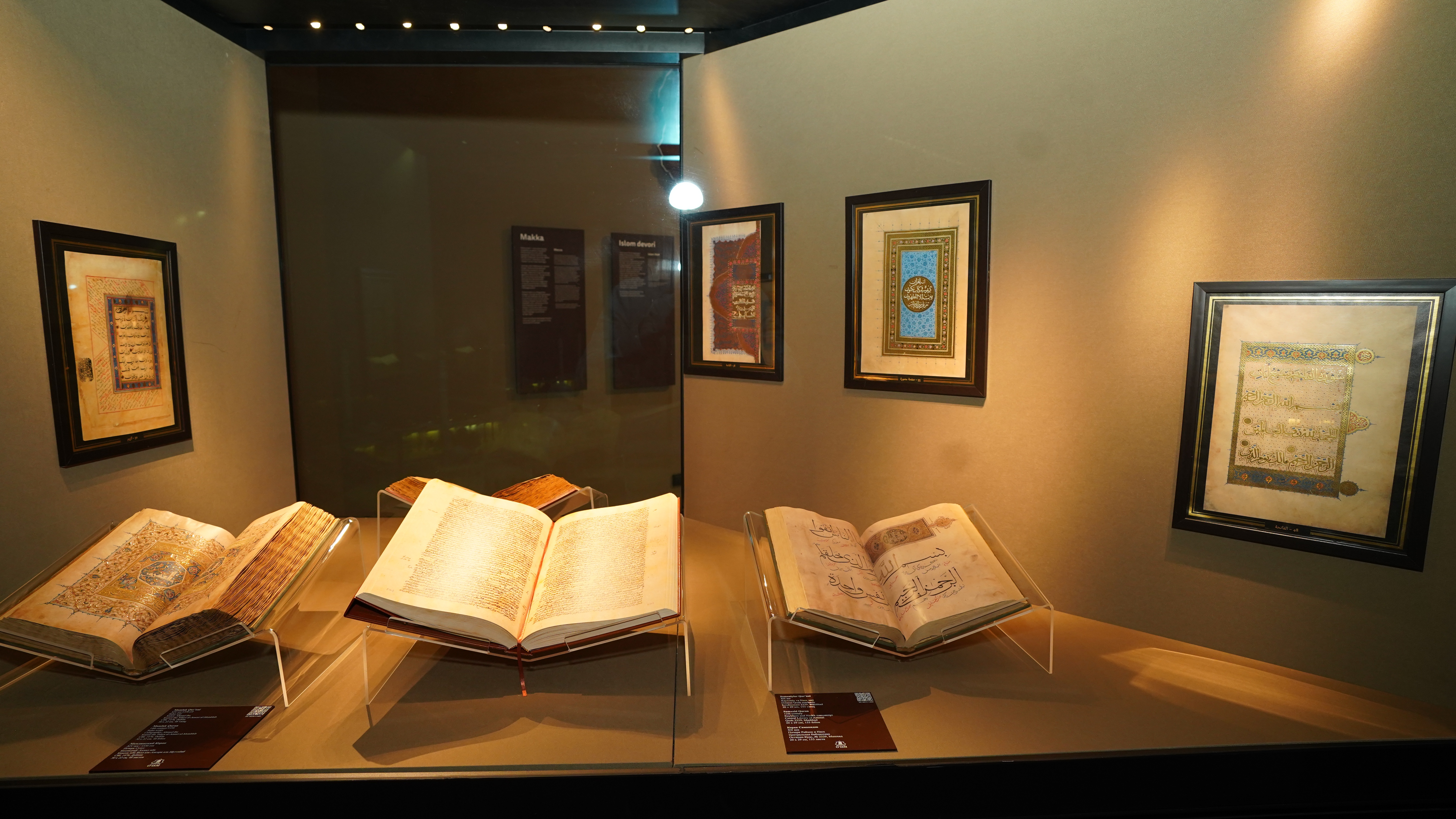 An ancient manuscript is not merely a historical object. It is a complex source that can be studied from the perspectives of linguistics, history, textual studies, codicology, art, materials science, and digital technologies. In the study of archaeological heritage, opportunities to use geographic information systems, digital modeling, 3D technologies, and other modern methods are also expanding. Thus, the study of cultural heritage itself is becoming an interdisciplinary process.
Connecting the past with artificial intelligence
Technology is also transforming the methods used to study cultural heritage.
High-quality digitization of manuscripts, the creation of electronic text databases, AI-assisted textual analysis, the development of 3D models, and the reconstruction of historical objects in virtual environments are opening up new avenues for scholarly research.
There is an important point here. Technology does not replace history — it makes history more accessible to a new generation and more open to research.
The concept of the Islamic Civilization Center in Uzbekistan is likewise aimed at connecting the scholarly heritage of the past with modern technologies.
This approach makes it possible to take historical knowledge beyond the confines of archives and books and transform it into an open intellectual resource for international researchers, students, and the wider public.
“Against ignorance through enlightenment”
There is another important dimension to studying the scholarly legacy of Islamic civilization.
In a global information environment where diverse and sometimes conflicting perceptions of religion, history, and culture emerge, explaining historical heritage on a scholarly basis is important not only culturally but also educationally.
Studying the history of Islamic civilization not only through religious practices or political events, but also alongside its achievements in mathematics, medicine, astronomy, philosophy, geography, architecture, and other fields allows for a deeper understanding of its complex and multifaceted nature.
In this sense, enlightenment can make historical knowledge an important tool for countering misinterpretations in the modern information environment.
Uzbekistan’s new international scholarly platform
Islamic civilization is not the heritage of a single country or nation. It represents a vast historical and intellectual space encompassing Central Asia, the Middle East, North Africa, South Asia, and other regions. For this reason, the study of this heritage also requires international cooperation.
One of the key tasks of the Islamic Civilization Center in Uzbekistan is to strengthen dialogue among scholars, universities, museums, and research institutions from different countries.
This can help Uzbekistan not only present its historical heritage to the world, but also establish the country as an active participant in global humanities research.
The driving force of the Third Renaissance
When discussing the Third Renaissance, the issue is not merely about constructing new buildings or establishing new institutions. The fundamental question is different: how can Uzbekistan transform its rich scholarly heritage into modern knowledge and innovation? Answering this question requires bringing together science, education, technology, culture, and human capital.
The significance of the Islamic Civilization Center in Uzbekistan is particularly evident in this regard. Alongside preserving historical heritage, the Center is envisioned as a platform for researching and digitizing this heritage, bringing it into international scholarly dialogue, and transmitting it to new generations.
In this sense, the Center can be regarded not as an institution devoted solely to the past, but as an intellectual investment in the future.
The true value of a civilization is measured not only by the legacy it created in the past, but also by how that legacy can be transformed into new knowledge and ideas for future generations.
From Khwarizmi’s methods of calculation to today’s algorithms, from Biruni’s comprehensive research to modern interdisciplinary projects, and from Ulugbek’s observatory to digital astronomy, one truth becomes clear: scientific progress accelerates not through boundaries, but through dialogue and cooperation.
Perhaps this is the most important task of the Third Renaissance — not merely to remember the knowledge created by our ancestors, but to use it to generate new knowledge. The Islamic Civilization Center in Uzbekistan is one of the key platforms of the emerging intellectual environment being shaped around this idea.
Abulfayz Sayidasqarov
P.S. The article may be republished with a link to the Center’s official websitea