

Who will build the third renaissance?
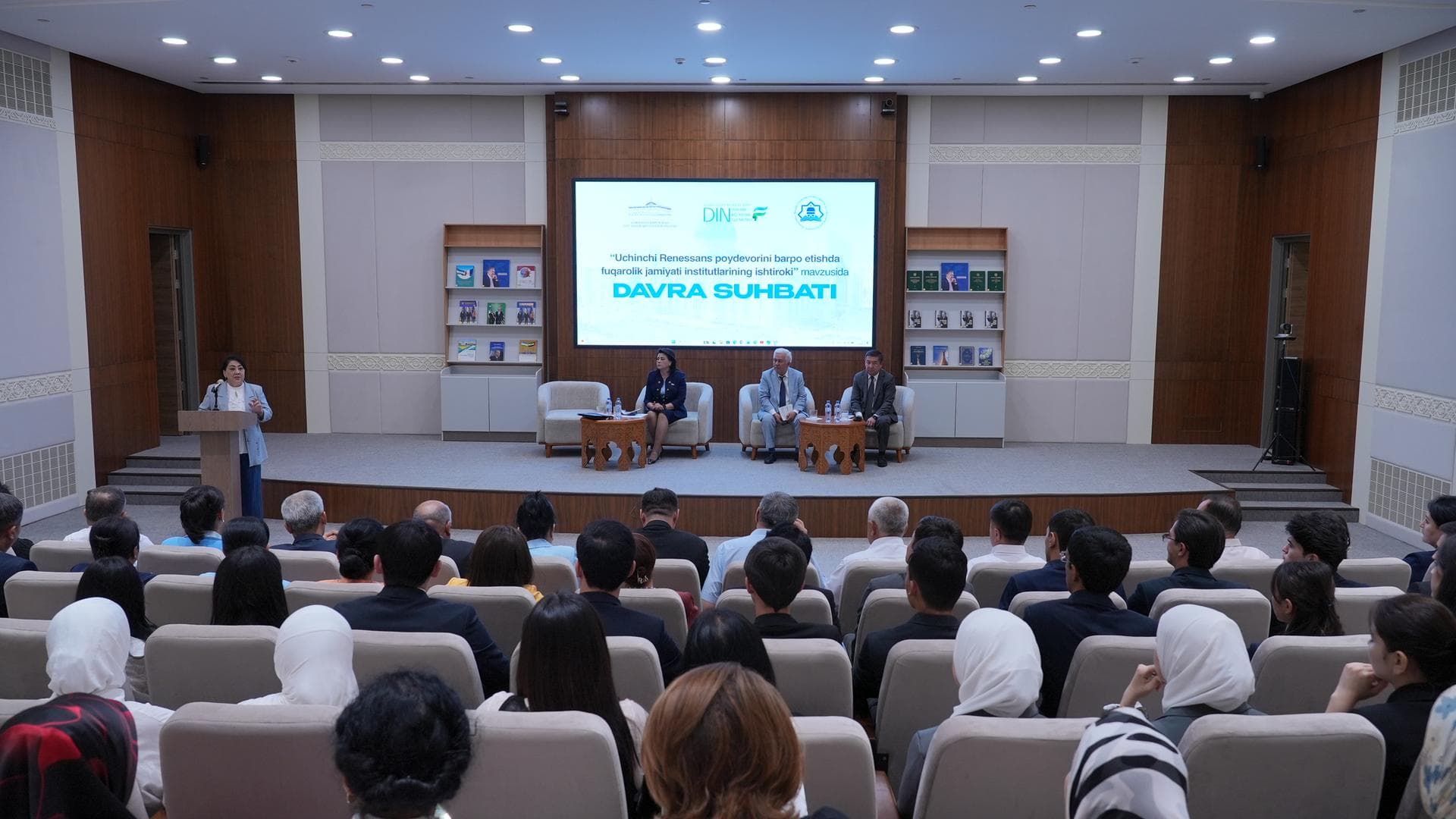
The discussion brought together deputies of the Legislative Chamber of the Oliy Majlis, representatives of state and public organizations, various religions and religious denominations, the media and civil society institutions, as well as members of the Youth Parliament.
During the event, participants exchanged views on the role and potential of society in building the Third Renaissance. They discussed the role of civil society institutions, cooperation between parliament and the public, the responsibility of NGOs, the media and self-governing bodies in the development of society, as well as the legal opportunities created in this area.
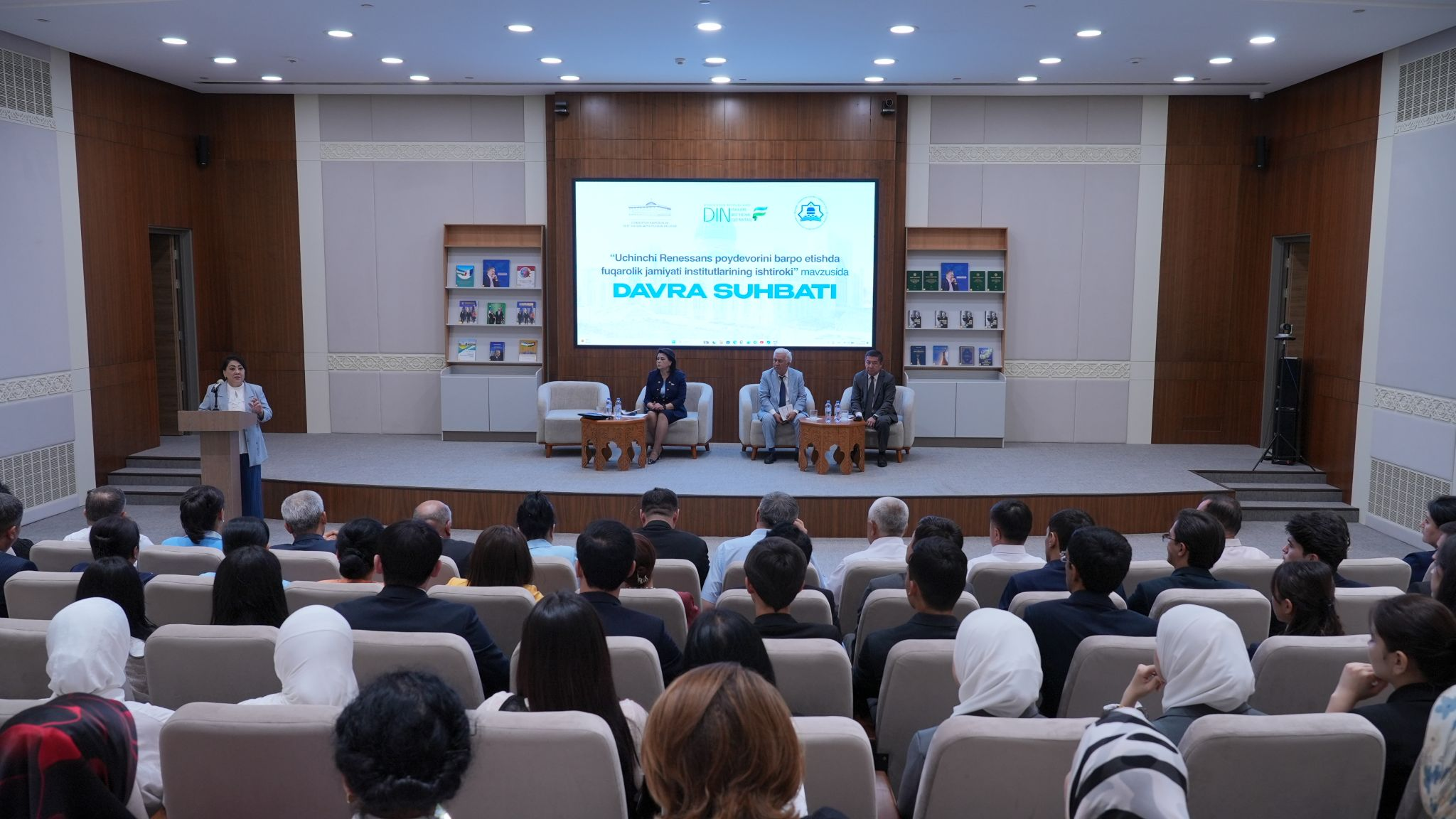
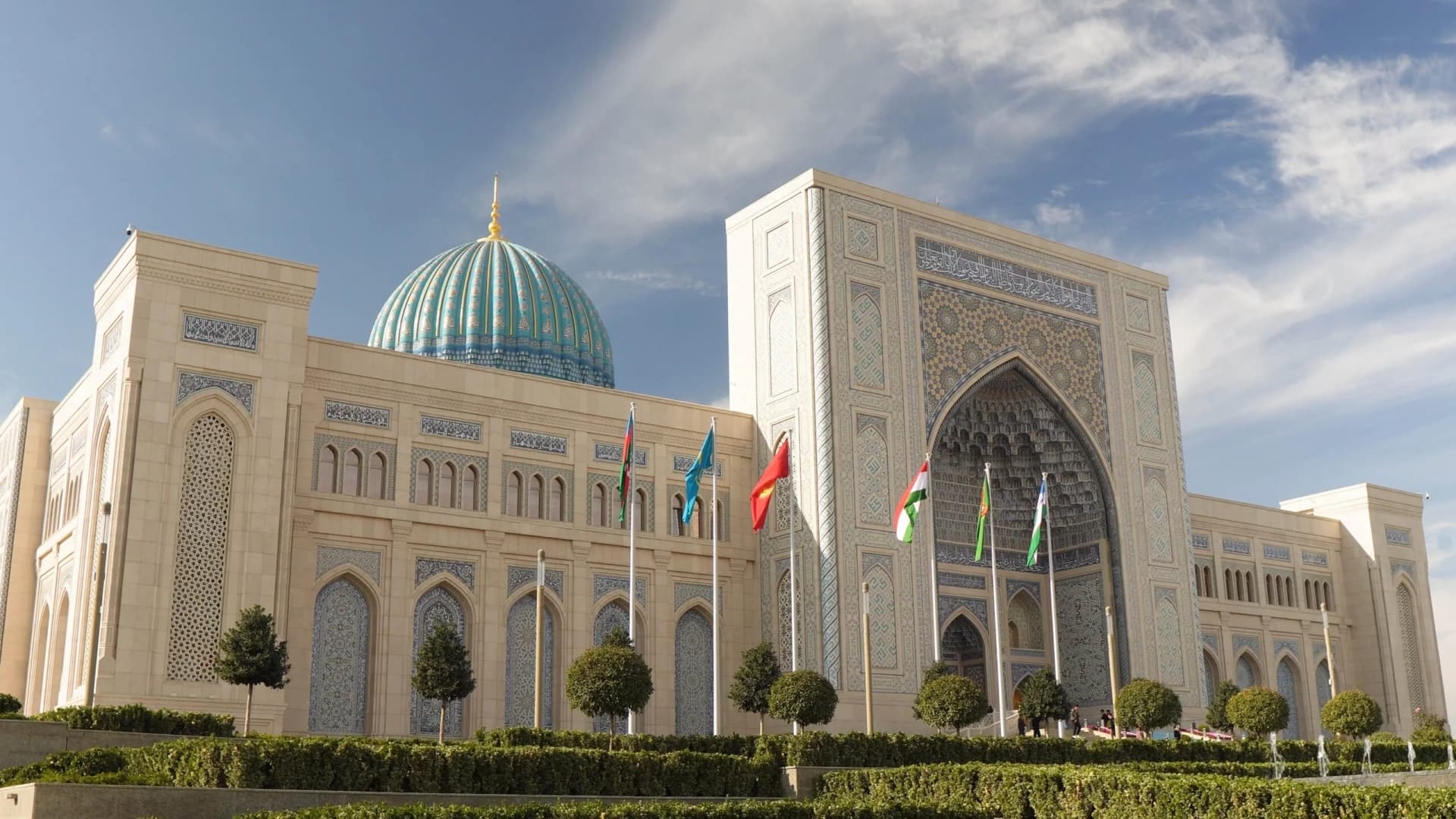
Zafar Xudayberdiyev, a deputy of the Legislative Chamber of the Oliy Majlis, emphasized that holding the roundtable specifically at the Islamic Civilization Center carries profound significance. In his view, this venue, which brings together the legacy of the First and Second Renaissances, is one of the most meaningful platforms for discussing the Third Renaissance.
“Strengthening the foundation of the Third Renaissance is not solely the responsibility of the state. Civil society institutions have an invaluable role to play in this process. The media, non-governmental non-profit organizations, public associations and self-governing bodies should not merely observe the changes taking place in society, but actively participate in them. Therefore, expanding their legal opportunities is one of the key conditions for strengthening the foundation of the Third Renaissance,” the deputy said.
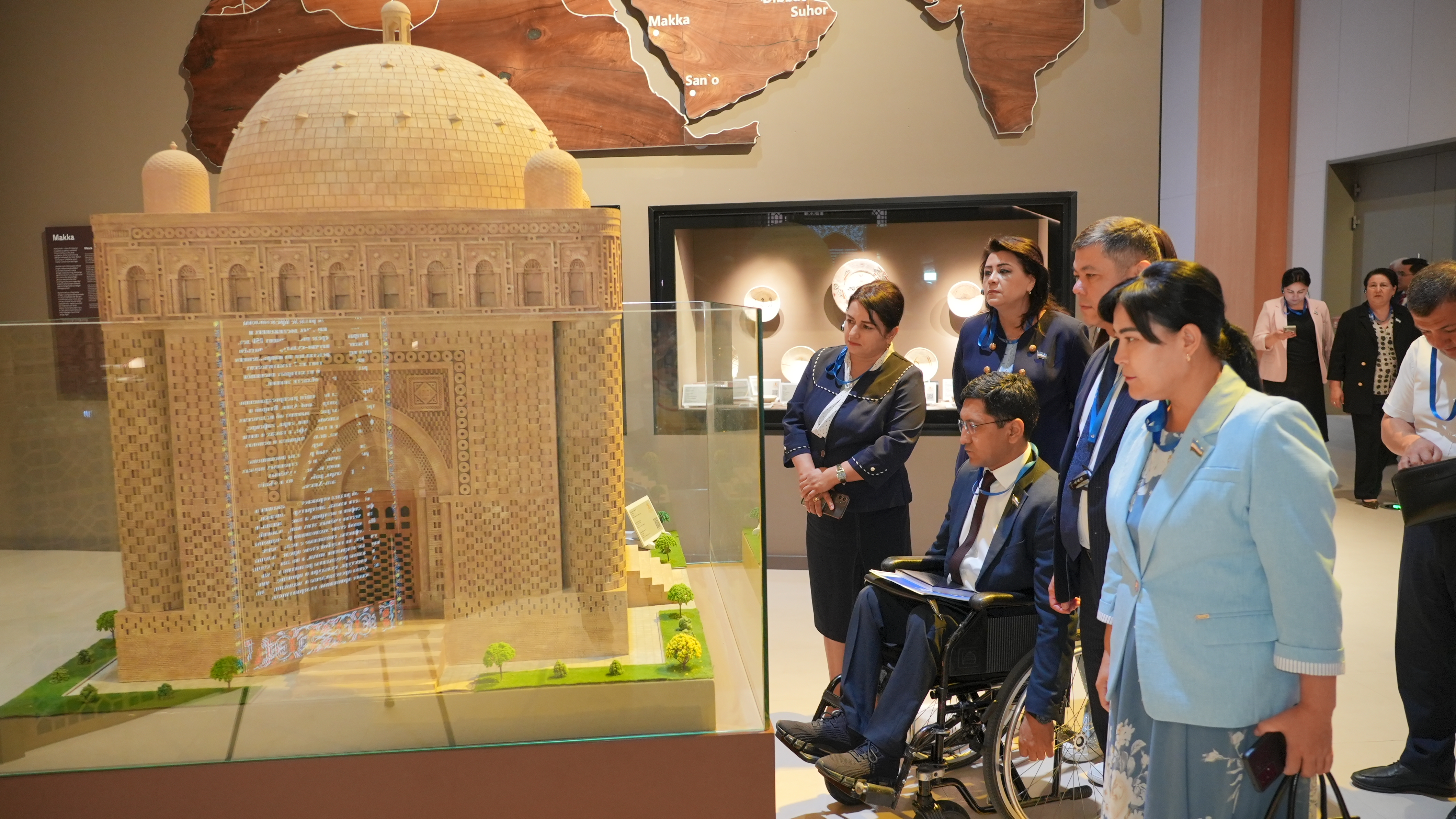
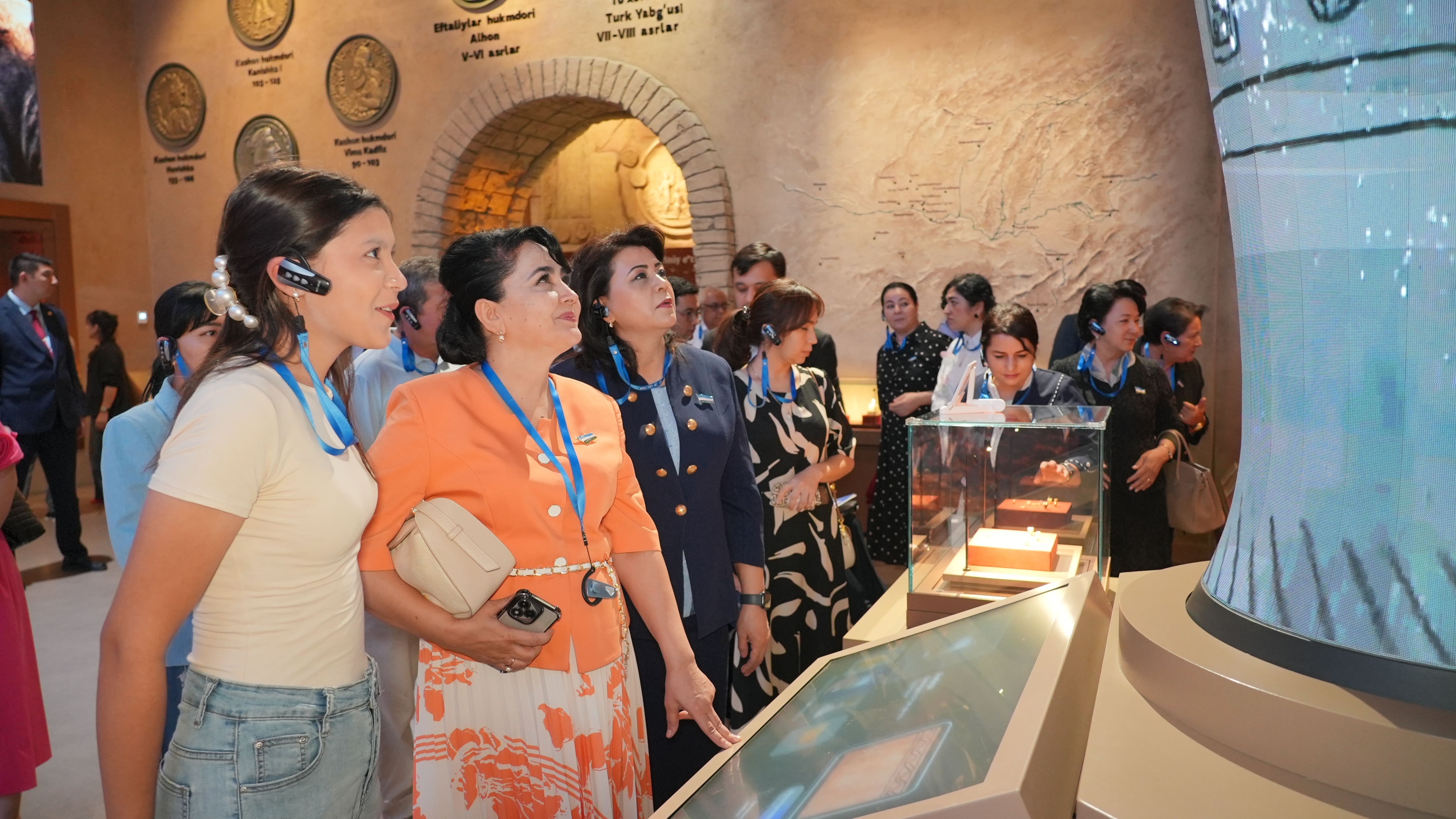
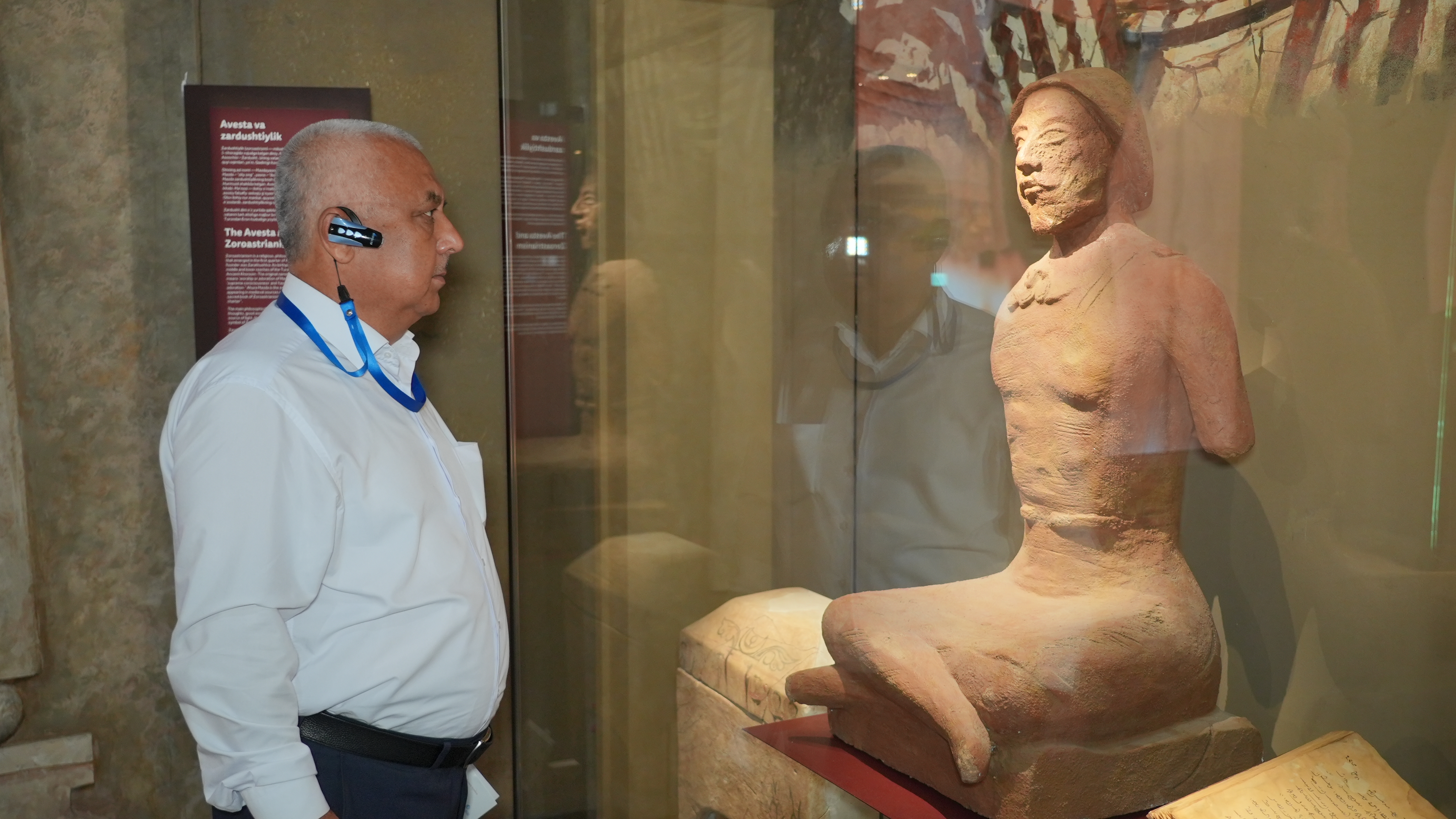
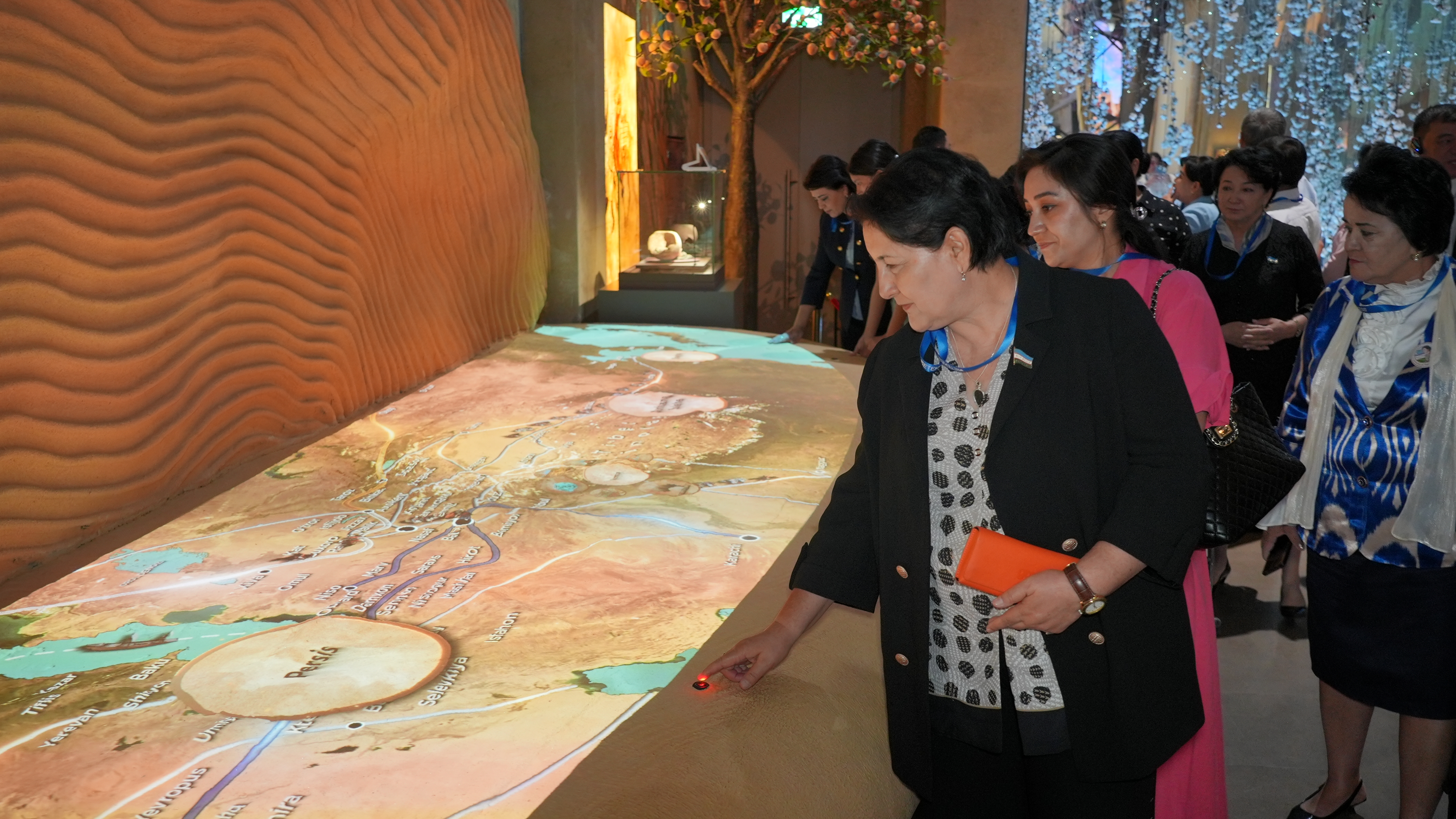
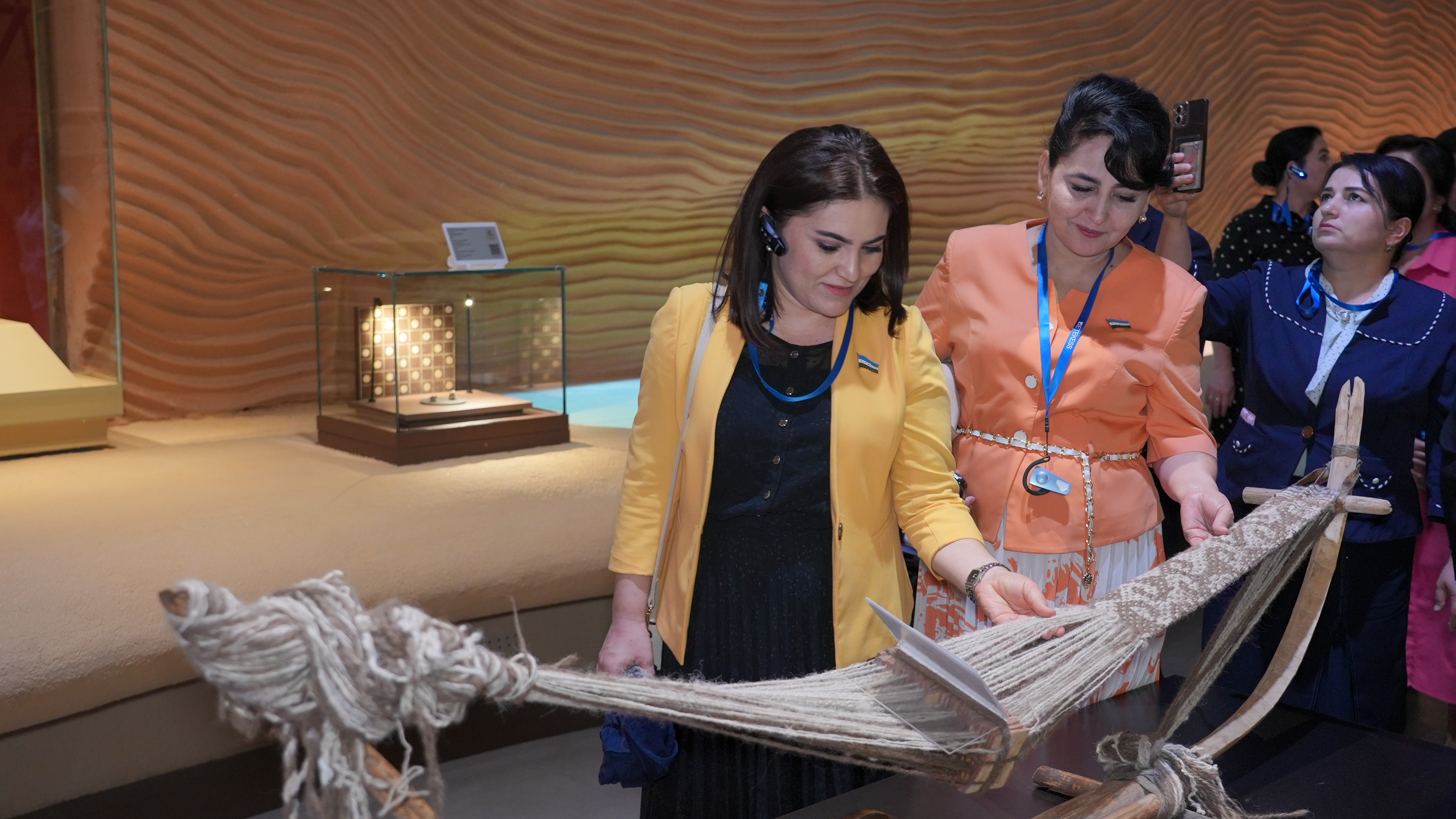
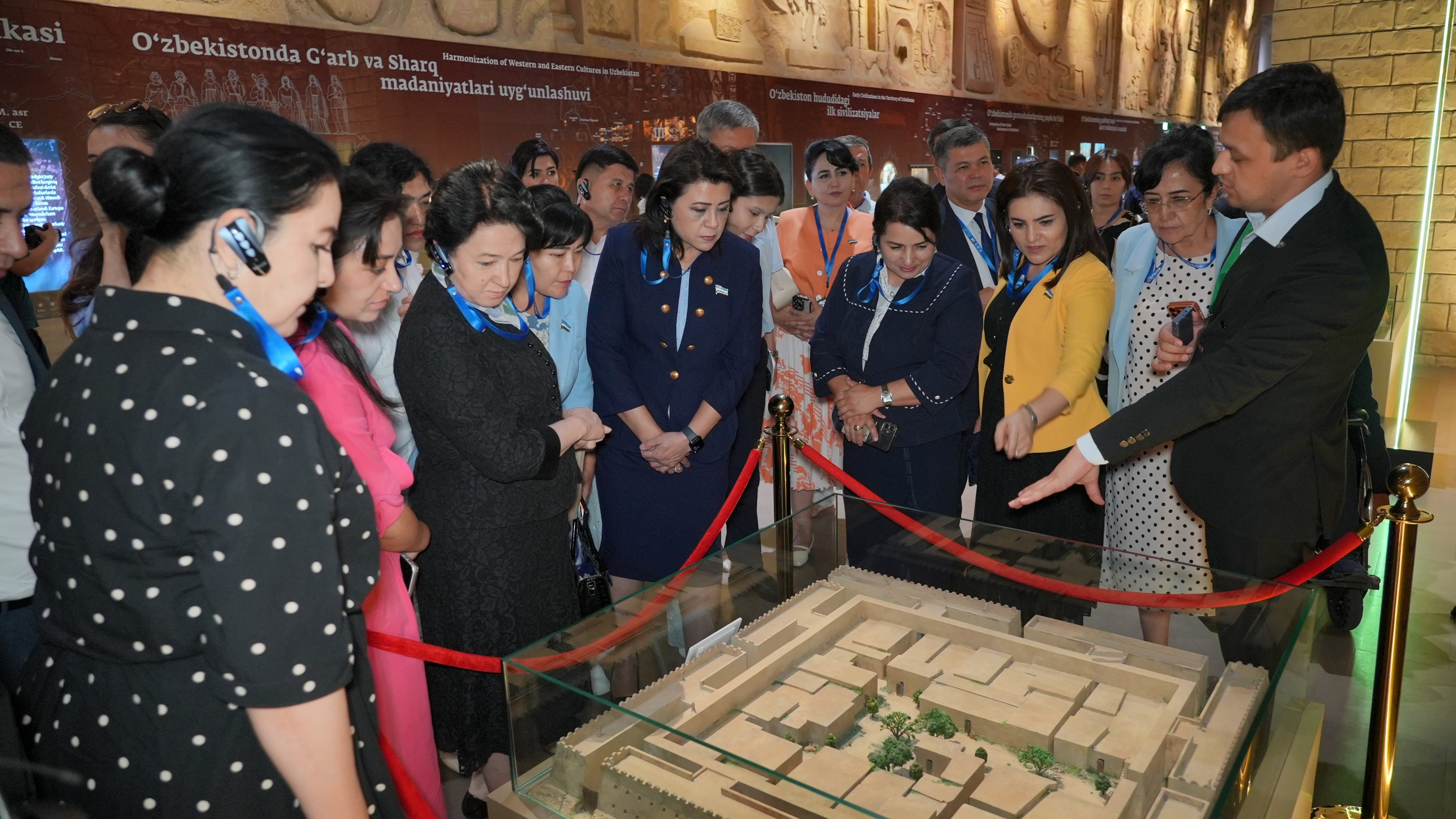 Following the roundtable, the participants toured the Center’s exhibitions. The visit provided an opportunity to reflect once again on the ideas raised during the discussion through the harmony of historical heritage and contemporary thought.
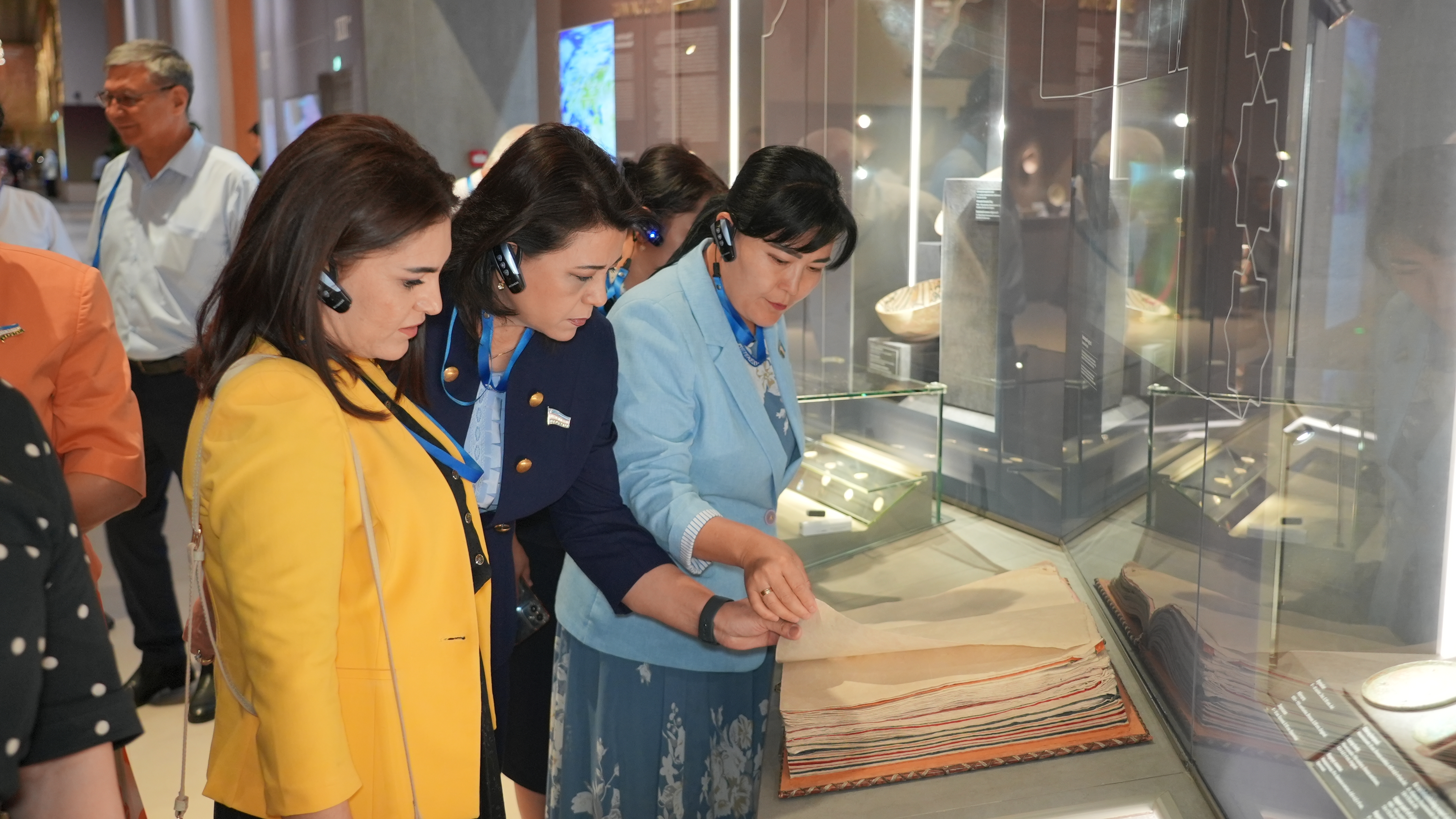 Gulrukh Agzamova, Chair of the Committee on Democratic Institutions and Civil Society Development of the Legislative Chamber of the Oliy Majlis, described the visit to the Center as a logical continuation of the dialogue between parliament and civil society.
“Today, we did not only discuss the role of civil society institutions in the Third Renaissance. We also reflected on the personal responsibility of every individual in this process. A Renaissance cannot be built solely through state programs or laws. It takes shape through individuals working on themselves, striving for knowledge, recognizing their responsibility to society, and feeling personally involved in the development of their homeland.
At the Islamic Civilization Center, we felt not only the greatness of Uzbekistan’s history, but also the responsibility that this history places upon us. Every exhibit and every piece of scholarly heritage here reminds us that we must strive to be worthy of the legacy and achievements left by our ancestors.
In this sense, the Center is more than a museum that provides information about the past. It encourages people to ask themselves questions, reassess their potential, and reflect on their role in shaping the future,” Gulrukh Agzamova said.
Islam Mamadiyev, a member of the Youth Parliament, noted that the exhibitions at the Center had led him to another important conclusion about the essence of the Third Renaissance.
“Today, we not only witnessed the scale of our history, but also felt our responsibility toward it. The impact of the scientific and cultural heritage that emerged on the land of Uzbekistan on world civilization is so immense that a young person who learns this history cannot remain unchanged in their perception of their homeland.
It is particularly important that the Center presents historical heritage through modern technologies, artificial intelligence, and interactive solutions. Here, young people are not merely spectators — they become direct participants in the process of understanding history.
I believe this is the Center’s greatest significance: visitors leave not only with new knowledge, but also with the question, ‘What is my role in building the Third Renaissance?’ The very emergence of this question is the greatest outcome,” I. Mamadiyev said.