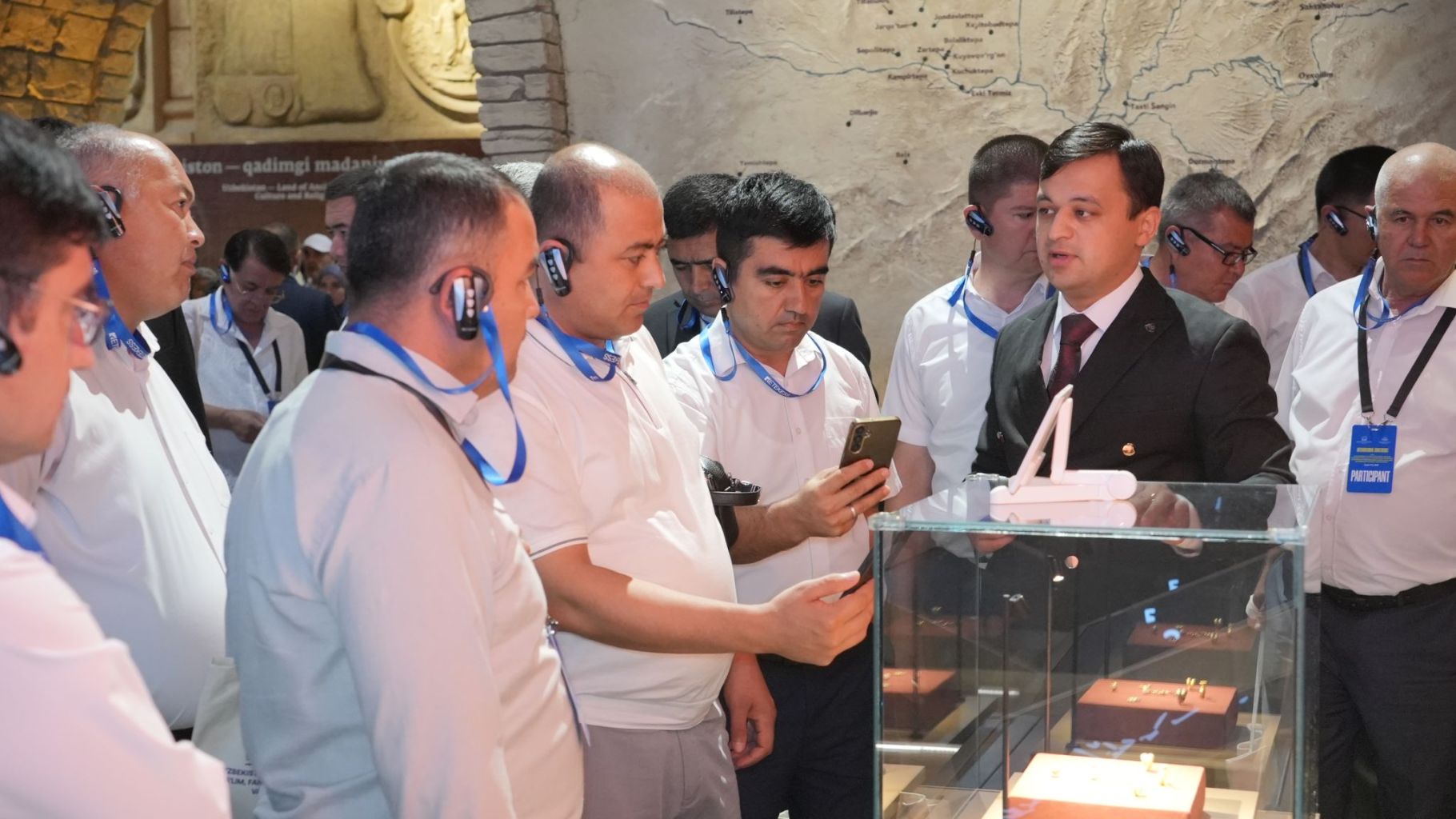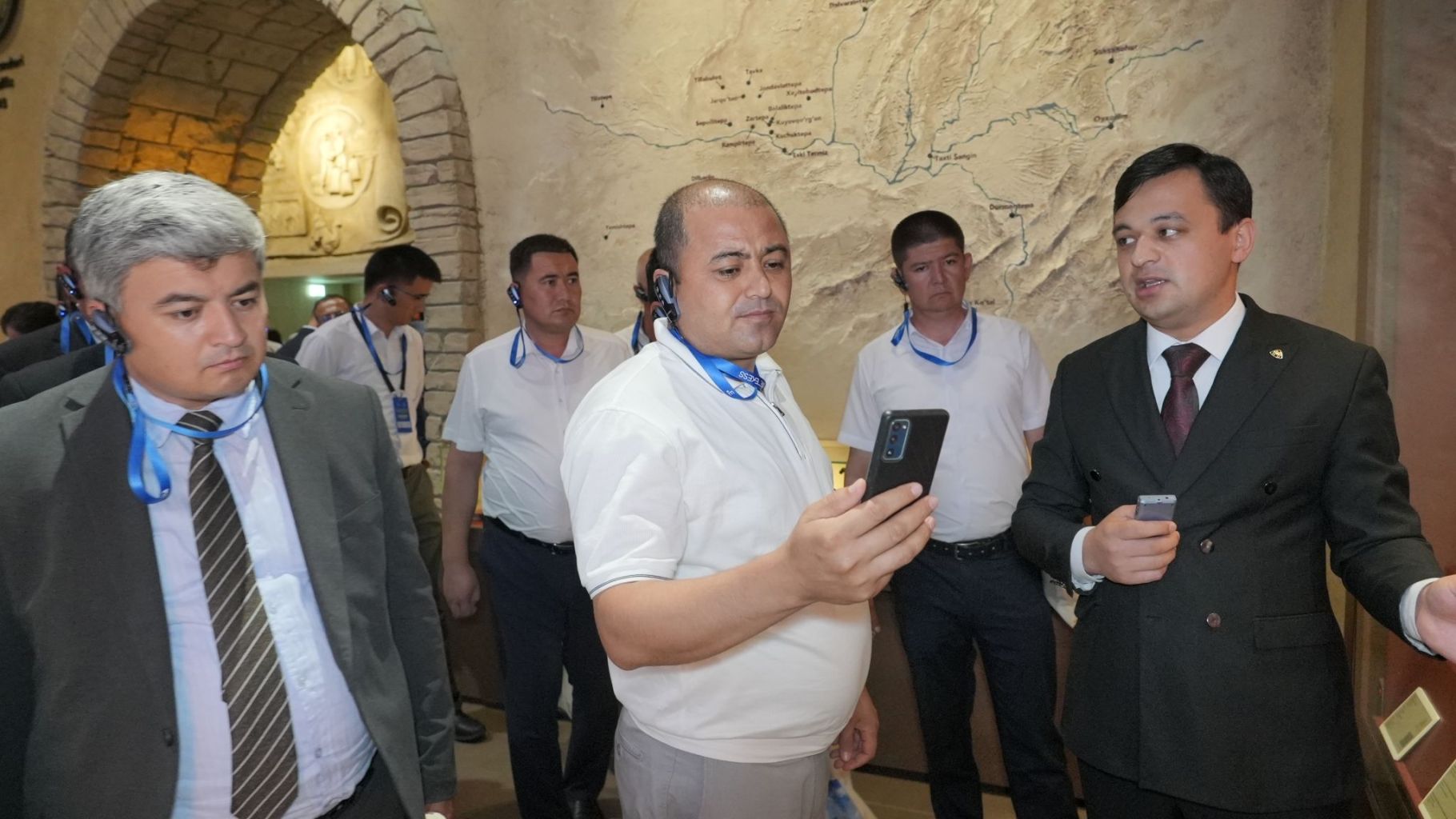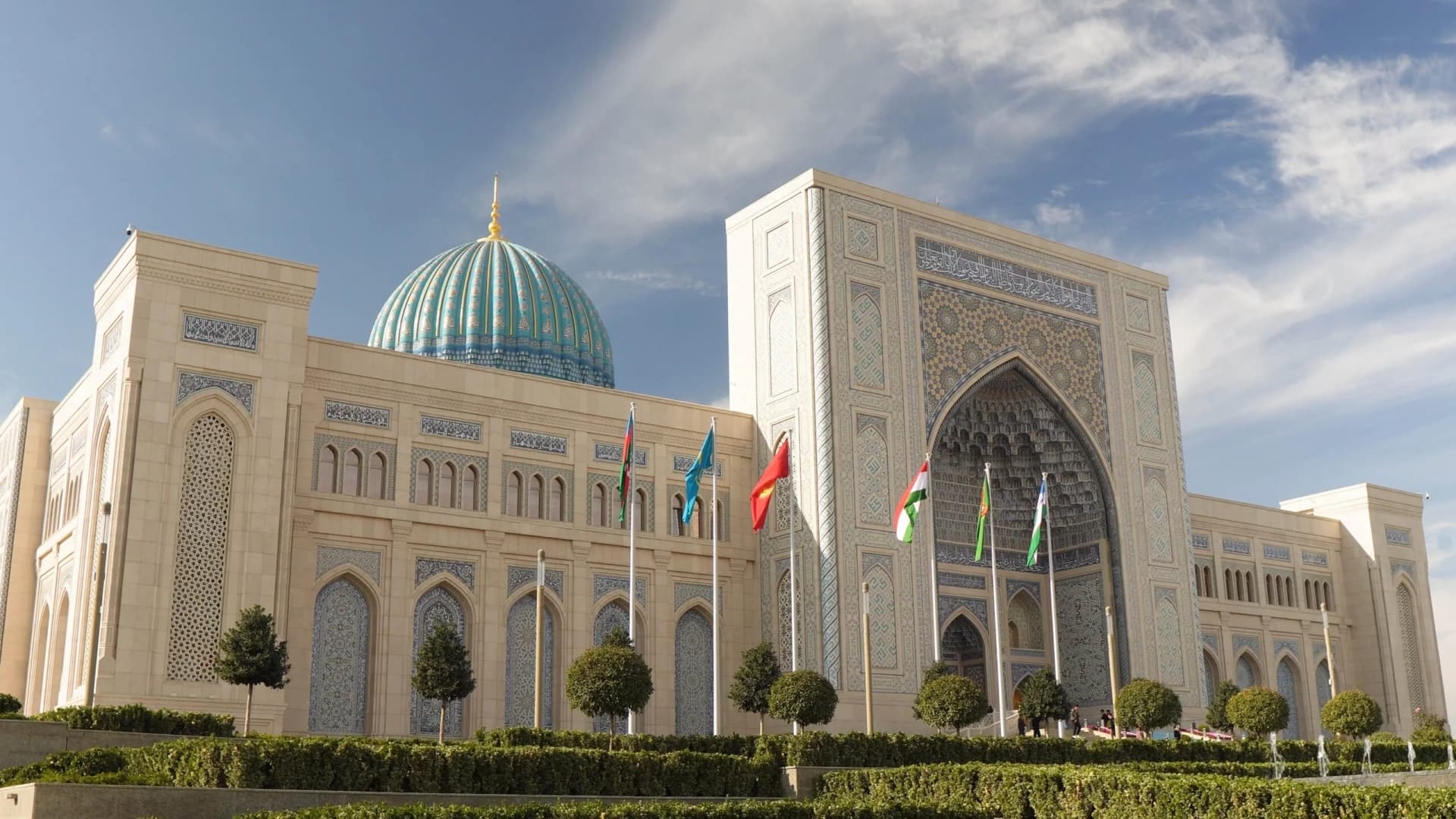

UNESCO representatives witnessed a new approach to studying history in Uzbekistan
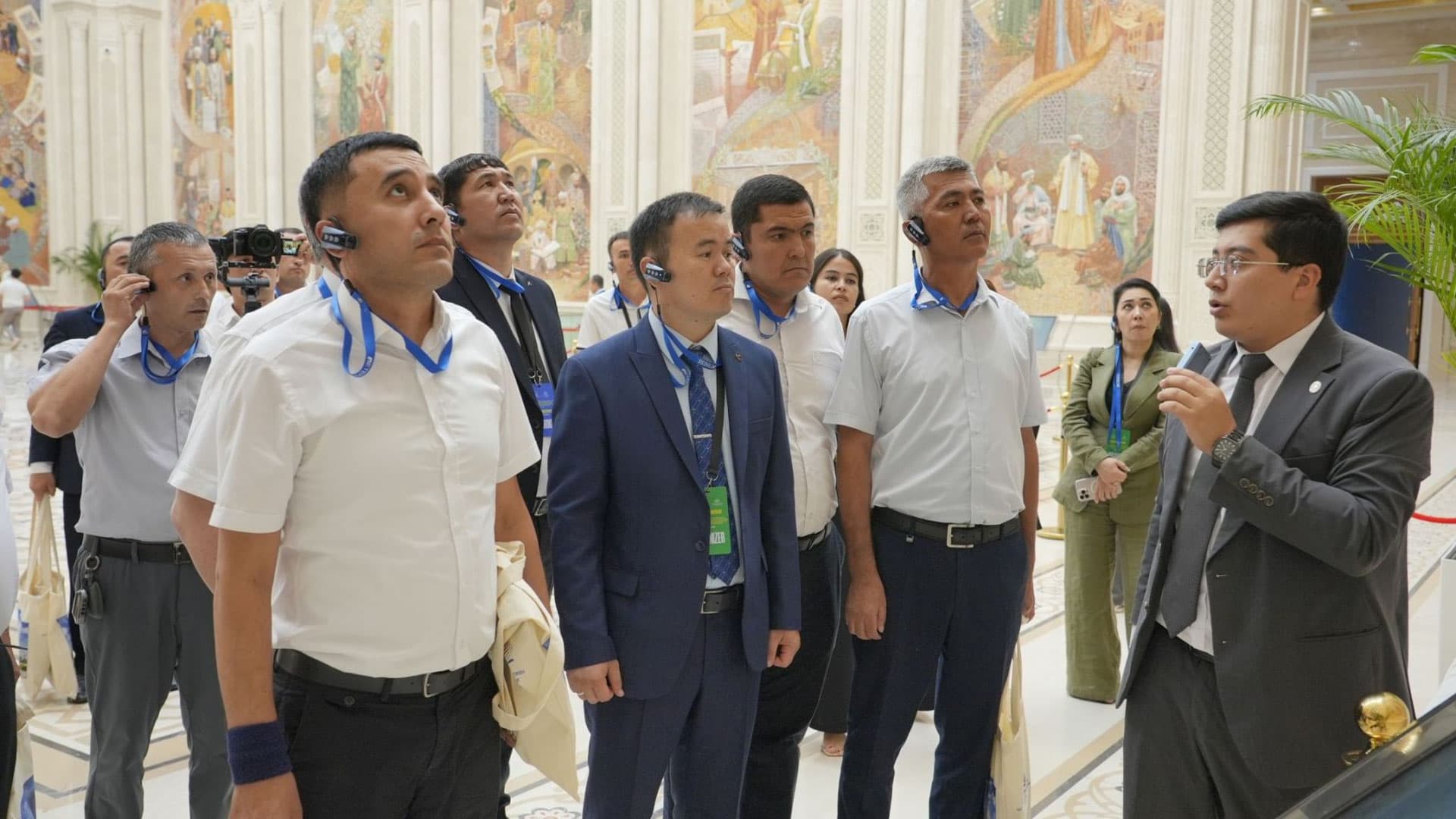
Kven Sheng Syuy, a representative of UNESCO’s International Centre for ICT, shared his impressions after touring the Center’s museum, emphasizing the importance of historical memory in the educational process.
Every child should know their history well. It is very important to know the history of one’s own people. Museums and historical and educational centers play an important role in helping younger generations understand their national and civilizational roots.
This perspective demonstrates that the mission of the Islamic Civilization Center goes beyond simply displaying historical exhibits. The Center is emerging as a space that connects history with education, enlightenment, and modern technologies.
Mohigul Arasheva, specialist at the Center for Higher Education Development and Global Cooperation:
In the museum exhibitions of the Center, the history of Uzbekistan is presented not merely as a sequence of dates and facts, but as a coherent narrative that helps visitors understand the country’s civilizational development.
The exhibition dedicated to New Uzbekistan reflects not only the country’s history but also the spirit of its present-day development.
Munira Hanafiy, lecturer at the Institute of Teacher Education in Malaysia, highlighted the broad scope of the Center’s exhibitions.
There is a little bit of everything here. The exhibitions cover culture, history, the development of different peoples, and astronomy. Such an approach enables young people to gain a broader understanding of the concept of civilization. By presenting history, science, culture, architecture, and spiritual heritage in an interconnected way, the Center makes it possible to view the history of civilizations that developed in the territory of Uzbekistan within a comprehensive context.
The remarks of UNESCO representative Yan Lin highlighted another important idea arising from the visit.
We need to reflect on one question: Where did we come from, and where are we going? This kind of museum-based education is very important for everyone.
Alibek Madibekov, a representative of the National Center for Higher Education Development of the Republic of Kazakhstan, also described the Center as an important resource for understanding not only the history of Islam but also the development of Central Asian civilizations.
The exhibitions provide an opportunity to gain a deeper understanding of the contributions made by our ancestors who lived and worked in the region to the development of science, education, and Islamic culture.
Although the guests from different countries expressed diverse views, one common idea clearly emerged from their reflections: Knowing history does not mean remaining in the past; rather, it is a means of understanding the present and envisioning the future with clarity. The Islamic Civilization Center brings this idea together in one space through historical exhibitions, the legacy of science and scholarship, modern technologies, and educational approaches.