



August 18 — The day the Uthman Mushaf returned to Tashkent
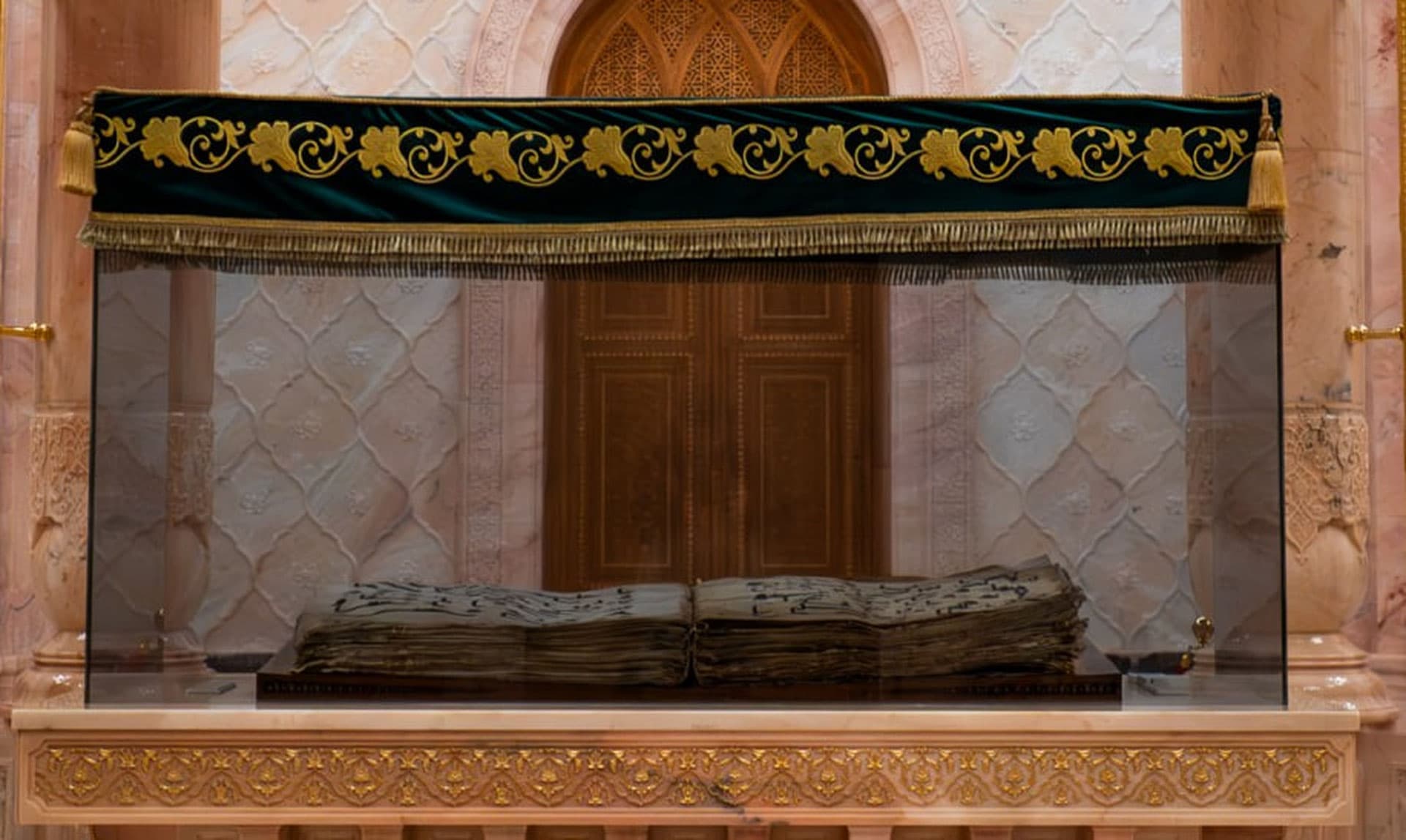
This rare manuscript was written on large parchment folios, with the text inscribed in an early Hijazi script. The Mushaf does not contain the dots or diacritical marks found in modern Arabic writing. Sources provide differing accounts of the surviving portion of the manuscript, stating that it consists of either 338 or 353 folios. Some missing parchment folios were later replaced with paper. Scholarly literature also offers varying views regarding the precise date of the manuscript.
According to historical records, the Mushaf was preserved in Samarkand for many years. In 1868–1869, it was taken to St. Petersburg and transferred to the Imperial Public Library. In 1905, 50 facsimile copies of the manuscript were produced. Following the political changes of 1917, and at the request of Muslim scholars, the process of returning the Mushaf began, first to Ufa and subsequently to Central Asia.
In 1924, the Uthman Mushaf was transported from Ufa to Tashkent by a special train, accompanied by a special delegation of Muslim scholars from Tatarstan, Bashkortostan, and Turkestan. After arriving in Tashkent, the Mushaf was kept for some time in one of the city’s mosques. It was later transferred to the State Museum of the History of Uzbekistan to ensure its proper preservation.
On March 14, 1989, at the Fourth Congress of Muslims held in Tashkent, it was announced that, by a decision of the Government of Uzbekistan, the Uthman Mushaf had been returned to the Muslim community. It was subsequently entrusted to the Muslim Board of Uzbekistan. For a period, the Mushaf was also preserved under special conditions in the museum-library of the “Muyi Muborak” Madrasa within the Hazrati Imam Complex.
The historical and cultural significance of the Uthman Mushaf has also received international recognition. In 1997, the manuscript was inscribed on UNESCO’s Memory of the World Register.
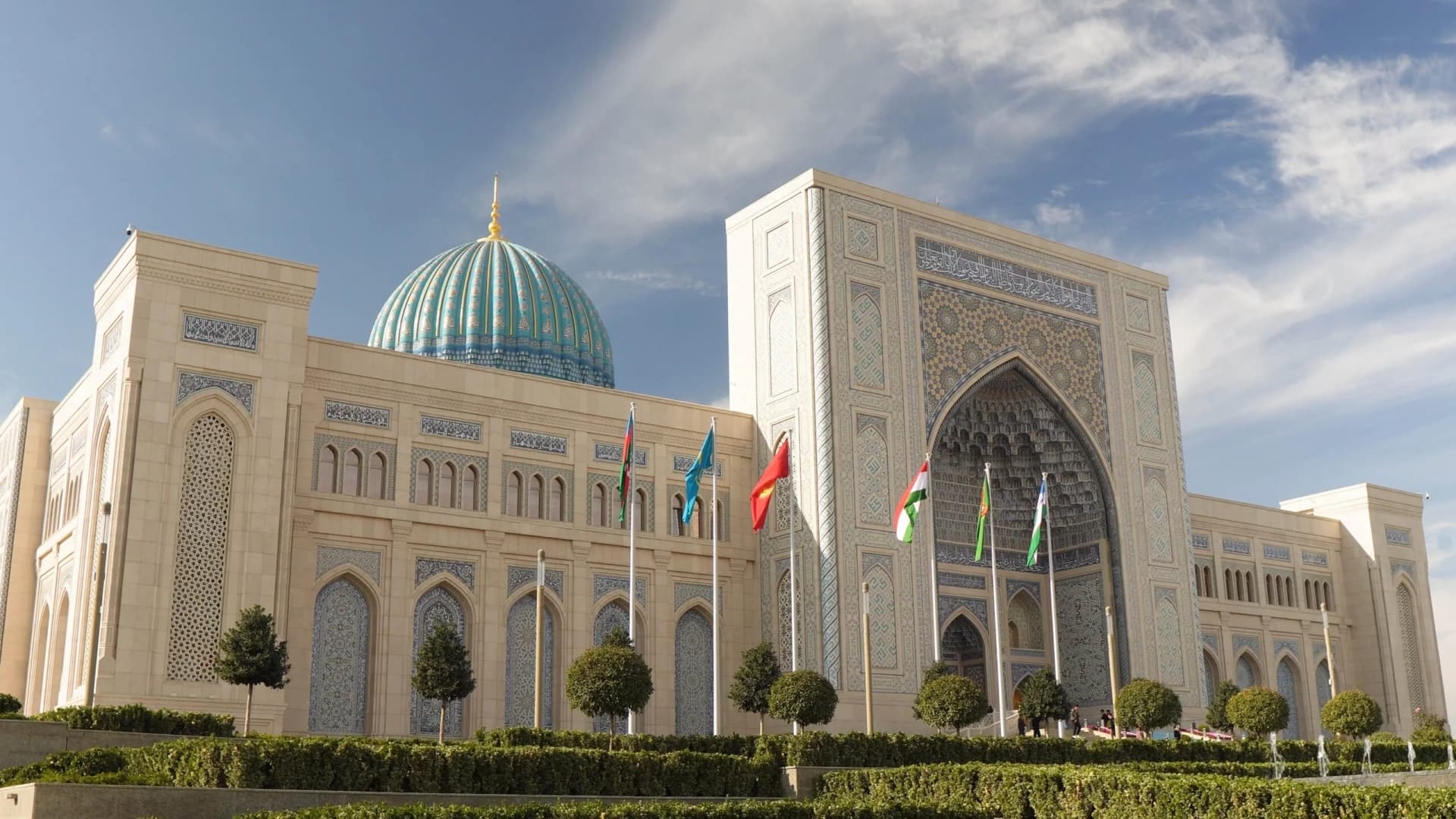
November 13, 2025, marked another important date in the history of the Uthman Mushaf. On that day, the rare manuscript was transferred to the Islamic Civilization Center in Uzbekistan. Today, it occupies a special place as one of the principal exhibits in the Qur’an Hall, where it is presented as an invaluable monument embodying the centuries-old religious, scholarly, and spiritual heritage of Uzbekistan. The Center also displays copies of the Qur’an produced during various historical periods, including those of the Samanids, Karakhanids, Khwarazmshahs, and Timurids.
The history of the Uthman Mushaf is not merely the history of a single manuscript. It is the story of a scholarly and spiritual heritage preserved through the centuries, the memory of generations who safeguarded it, and the enduring continuity of the great Islamic civilization that flourished on the land of Uzbekistan.