



“Here, history speaks to you” — The Center that impressed Hong Kong’s secretary for justice
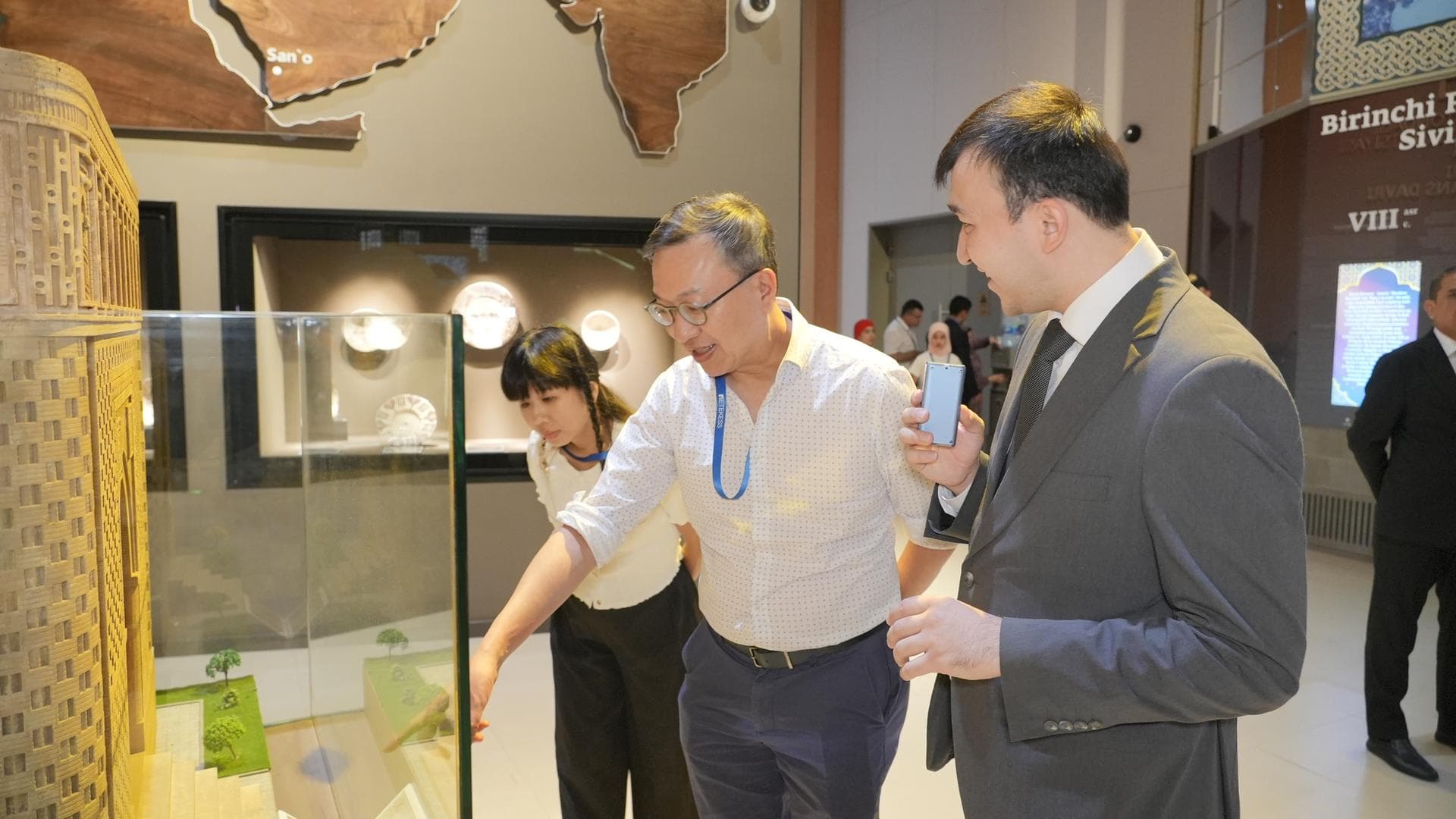
The guests explored the Center’s exhibitions, historical artifacts, and multimedia solutions created using modern technologies.
However, it was not only the exhibits themselves that captured their attention.
The way the Center presents a coherent narrative of a thousand years of history made a particularly strong impression on the visitors.
From ancient civilizations to the development of science and culture, historical processes are presented in chronological order. Modern technologies, meanwhile, transform history from something merely observed into an experience that feels almost like a dialogue.
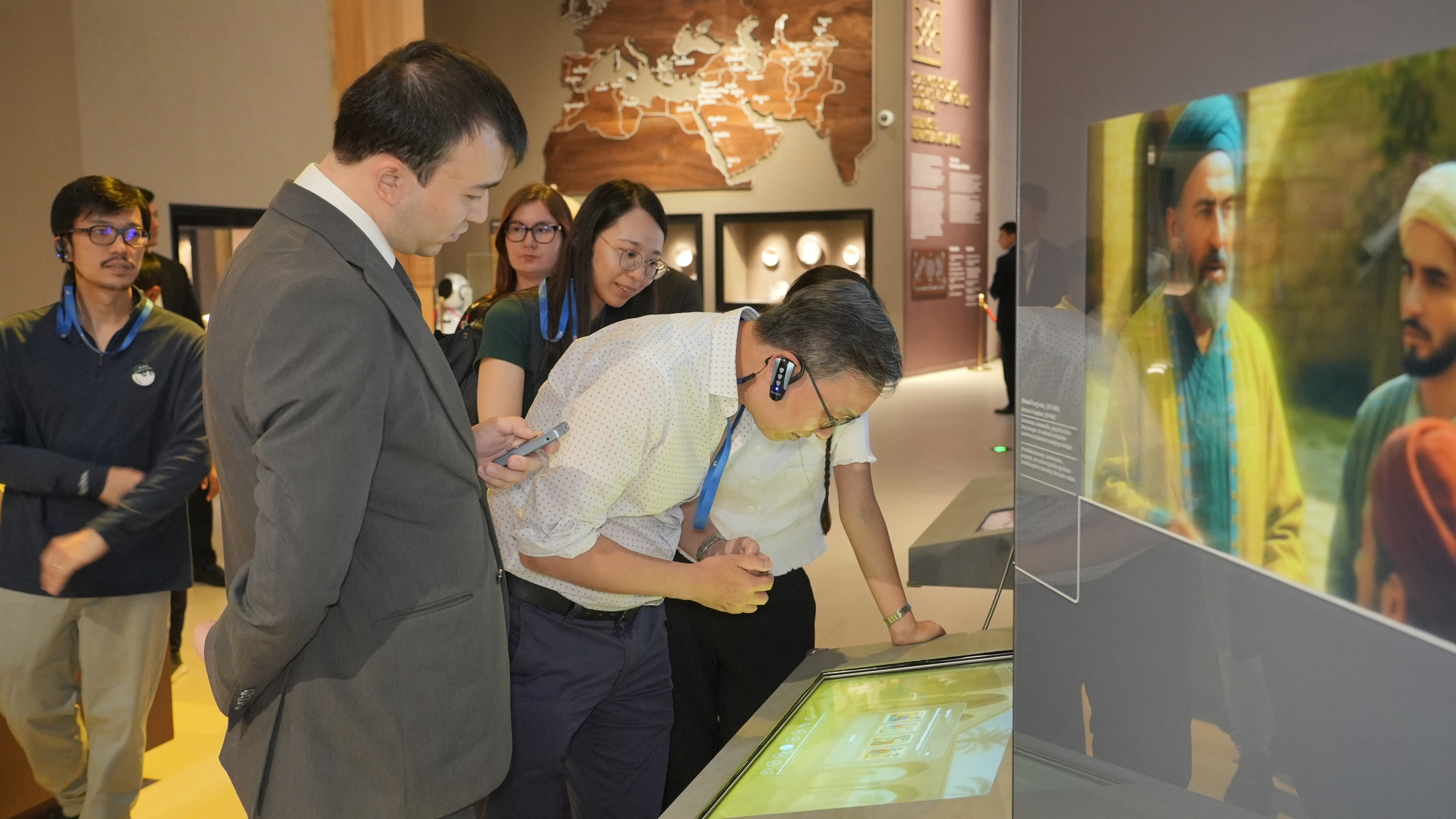
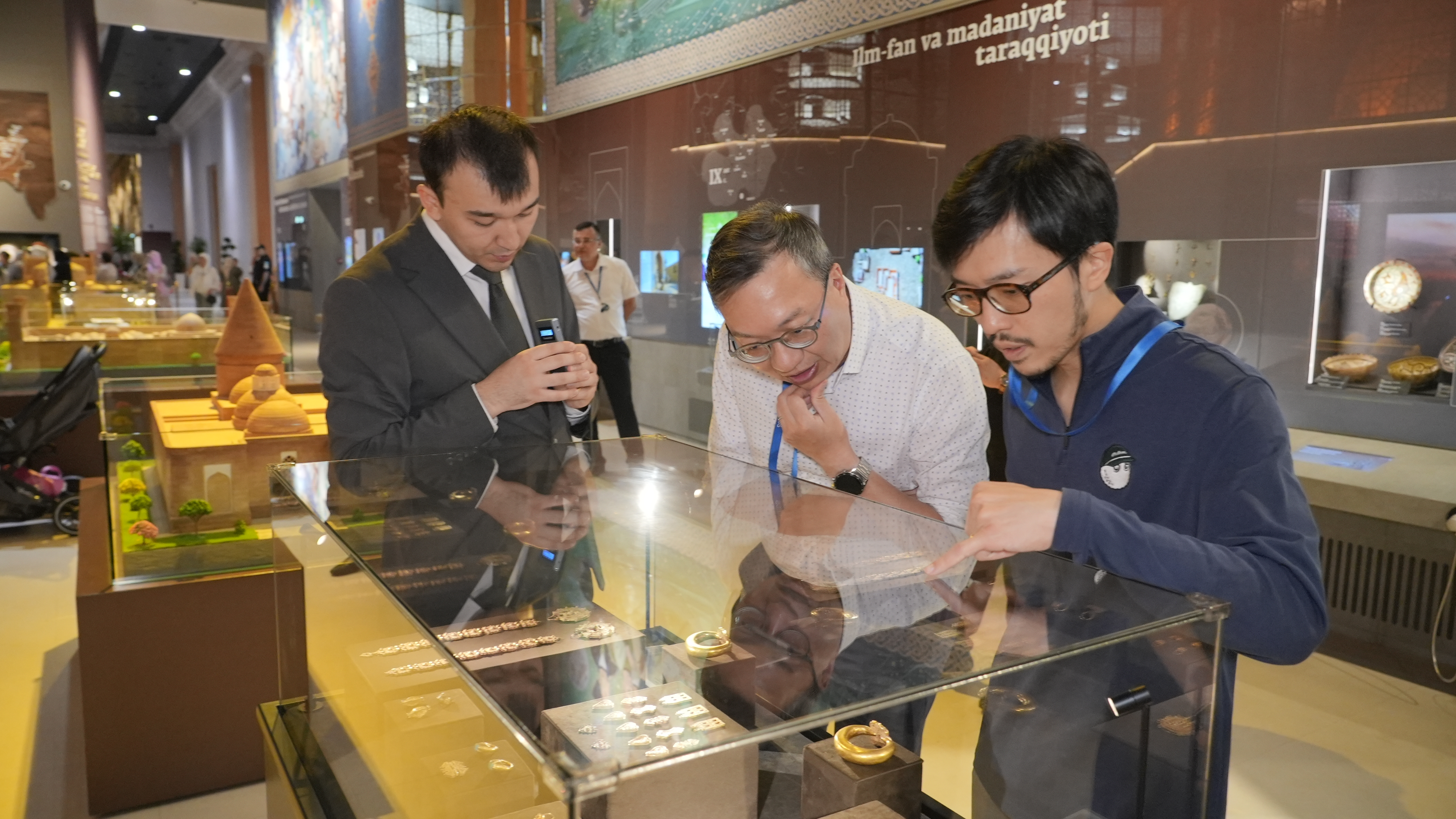 While sharing his impressions of the Center’s architectural design and exhibitions, Paul Lam noted that he had not yet had the opportunity to explore all parts of the Center.
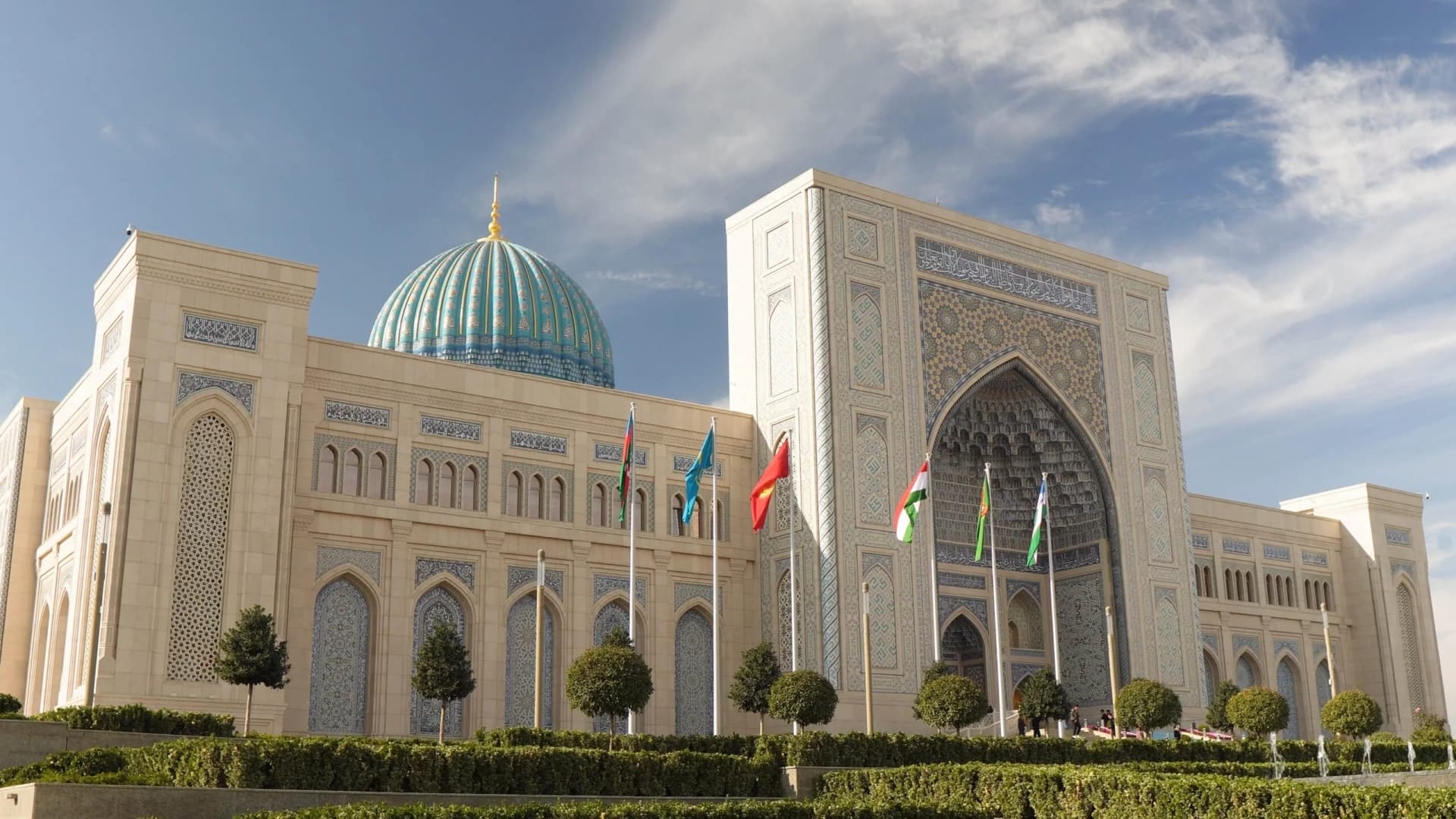
“This museum has made a very strong impression on me. Even before we entered the museum, its exterior appearance and architectural design amazed us and sparked great interest.
After viewing the exhibitions, I became convinced that everything here has been organized in a highly thoughtful and systematic way. In particular, the use of modern technologies has made the visit more engaging, meaningful, and educational.
What I especially liked was the distinctive way in which the history of Uzbekistan is presented in chronological order. It creates the impression that people who lived in ancient times are speaking to us through modern technologies. They tell us about poetry, traditions, and even how ancient irrigation systems were built.
I believe this is a very comprehensive and well-developed approach. History can often seem complex and difficult to understand when viewed from the outside. Here, however, it is presented in a simple, compelling, and engaging way,” Paul Lam said.
According to the guest from Hong Kong, the Center’s greatest achievement lies not merely in preserving or displaying history, but in retelling it in a way that is understandable and impactful for modern audiences.
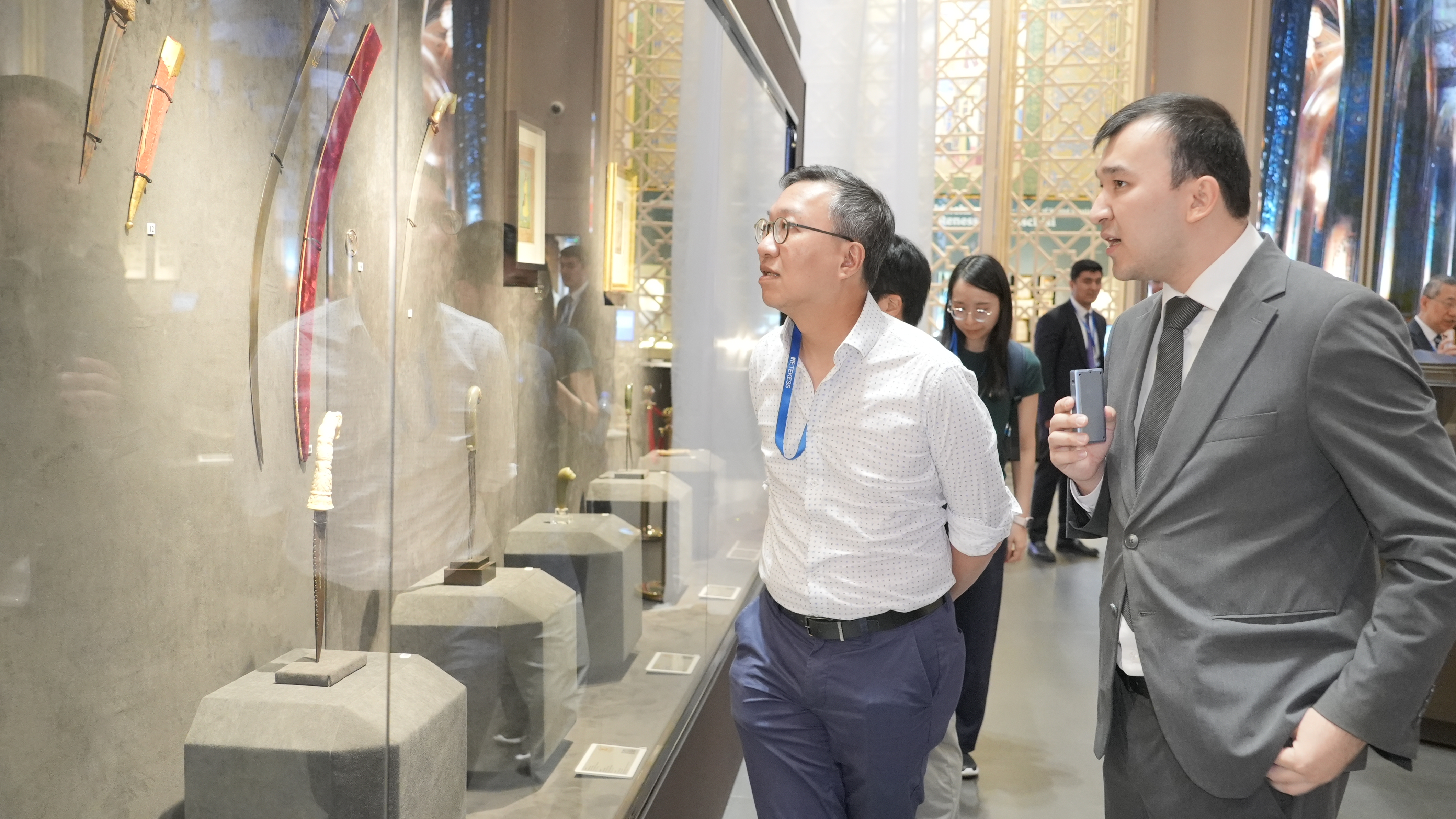 Comparing a visit to the Center with reading history from a book, he emphasized that the experience here leaves a very different impression:
“In this regard, I sincerely congratulate you. I believe this museum is definitely worth visiting. I would also recommend it to my friends in Hong Kong and elsewhere: if they have the opportunity to come to Uzbekistan, they should certainly visit this place.
Because coming here and experiencing the museum is far more impactful and effective than simply reading about the thousand-year history of Islamic civilization in a book. Here, you do not merely read history — you see it, hear it, and feel it. I think this is truly a remarkable experience. Once again, I congratulate you on this great achievement,” Paul Lam said.
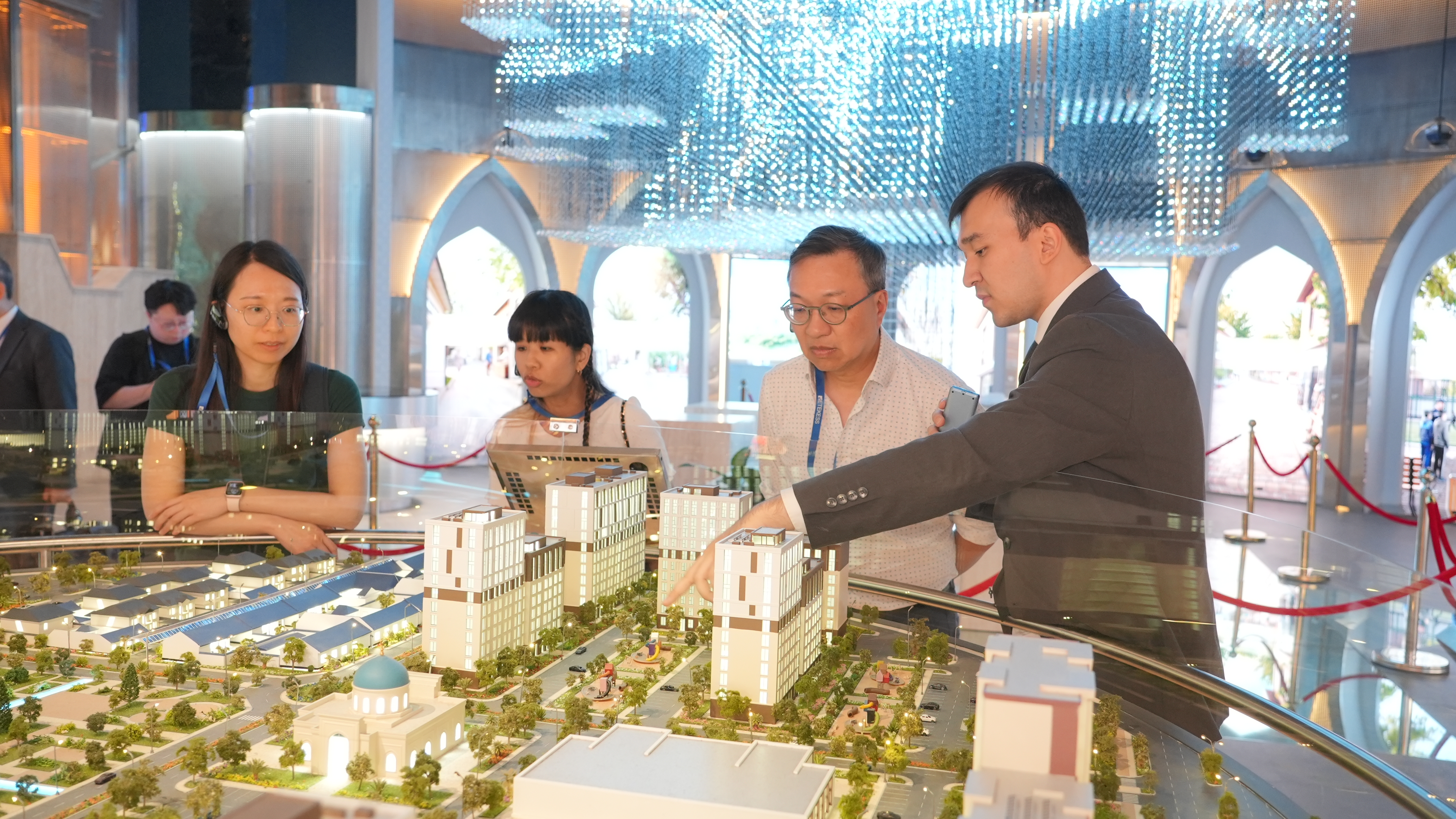 Paul Lam’s remarks once again highlight the Center’s core idea: history is not merely a collection of events confined to the past. When presented effectively, it can also speak to people today.
The Islamic Civilization Center in Uzbekistan is emerging as a new space for such dialogue — a place where history and modernity, knowledge and technology, heritage and the future come together.