


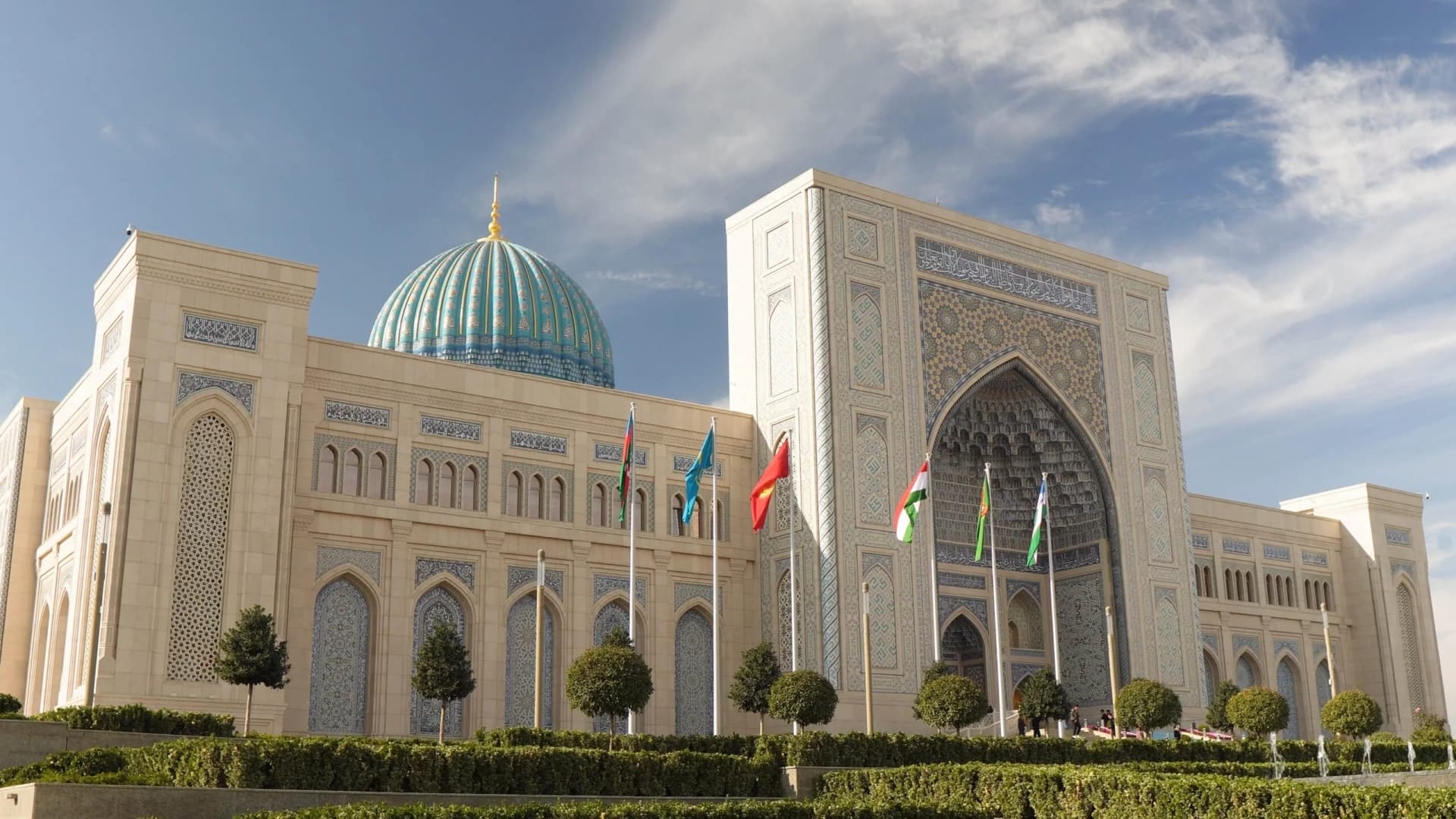

Qatari diplomats at the Islamic Civilization Center
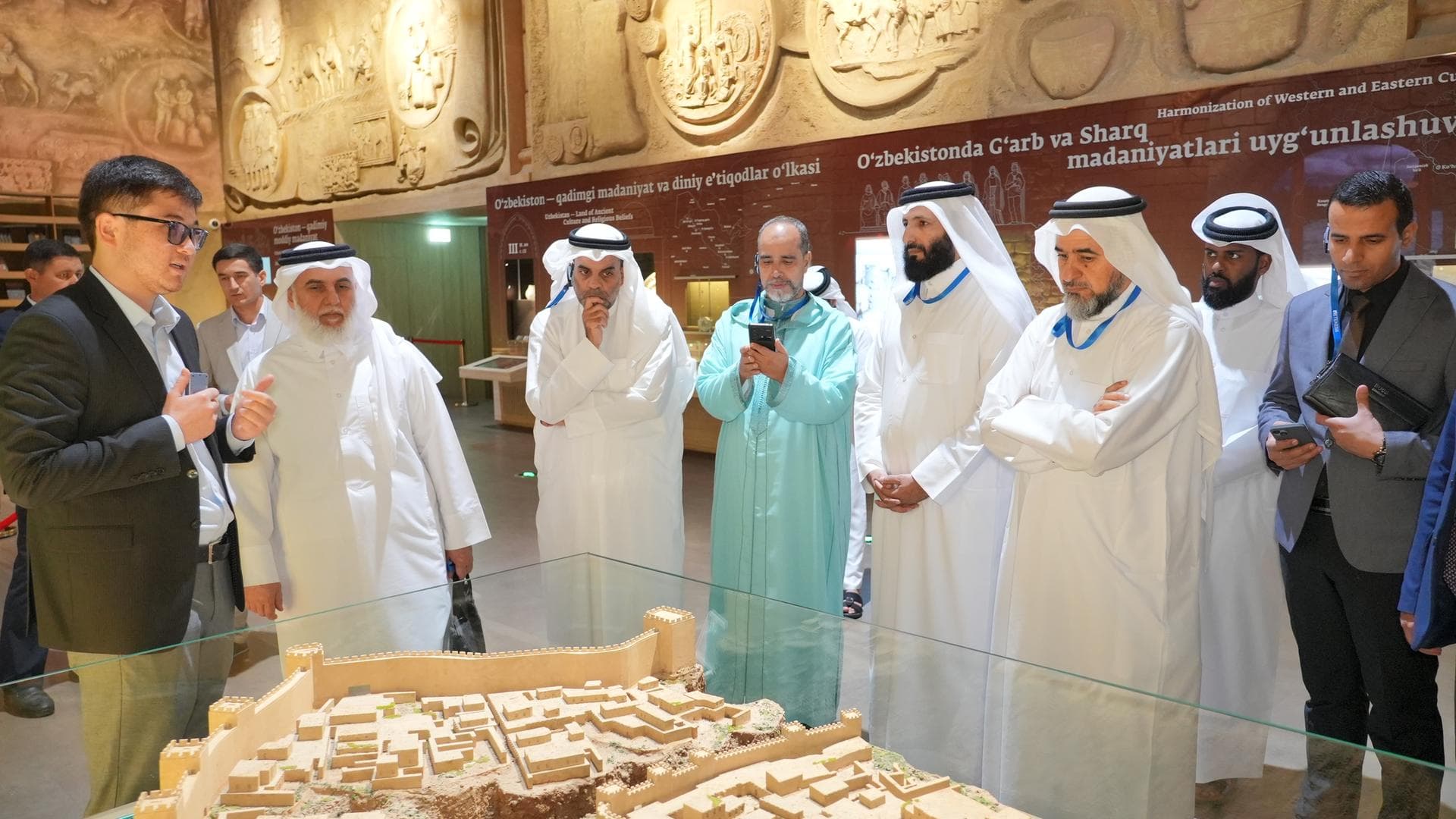
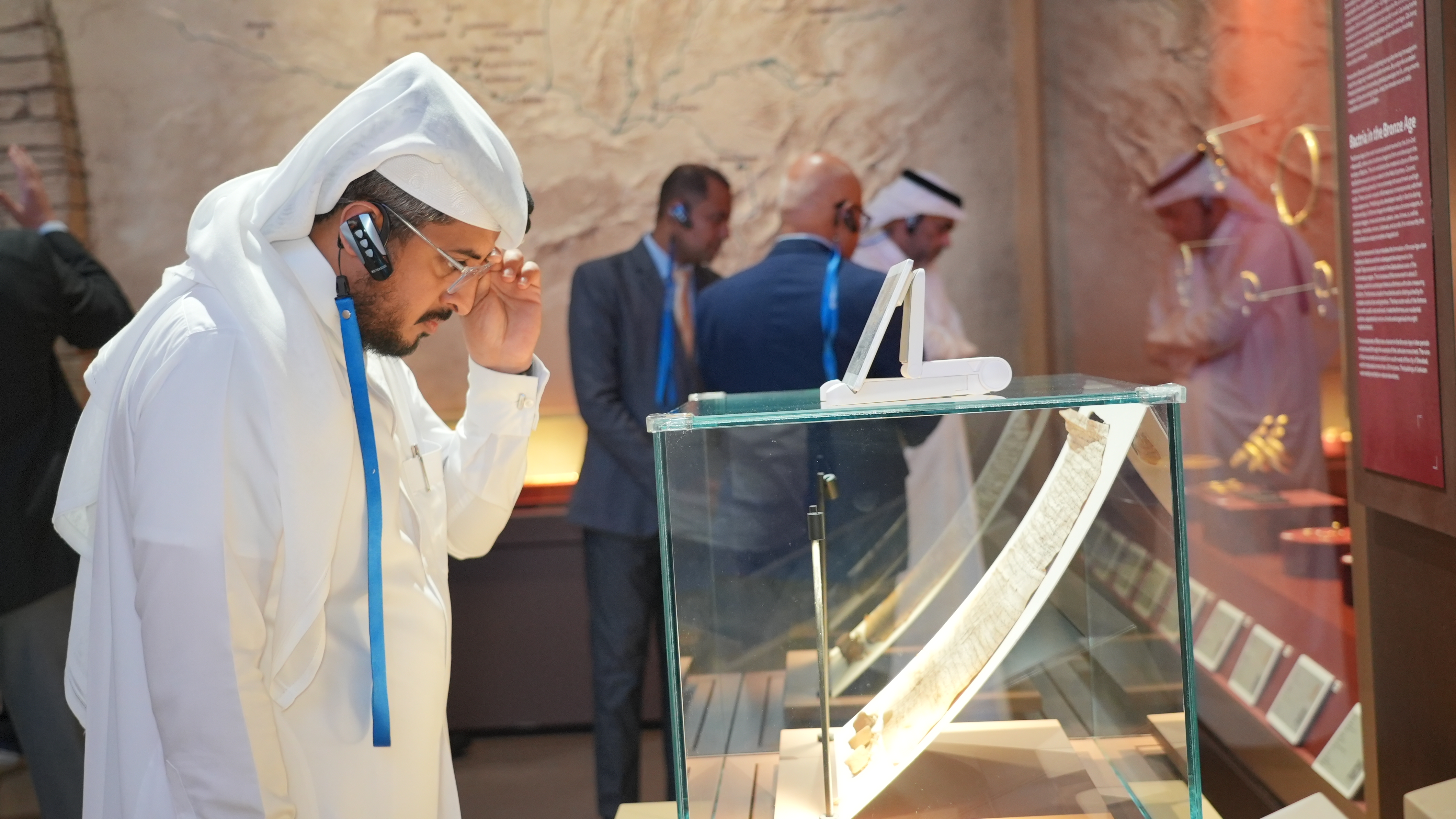
At the beginning of the visit, the guests closely familiarized themselves with the Center’s architectural design, scholarly and educational concept, and exhibitions. They showed particular interest in the consistent presentation of the various periods in the history of civilization in the territory of Uzbekistan, including both the pre-Islamic and Islamic eras.
The Qatari representatives were especially impressed by the way the exhibitions provide insights into the ancient way of life, culture, economic activities, and the development of science and education among the Uzbek people.
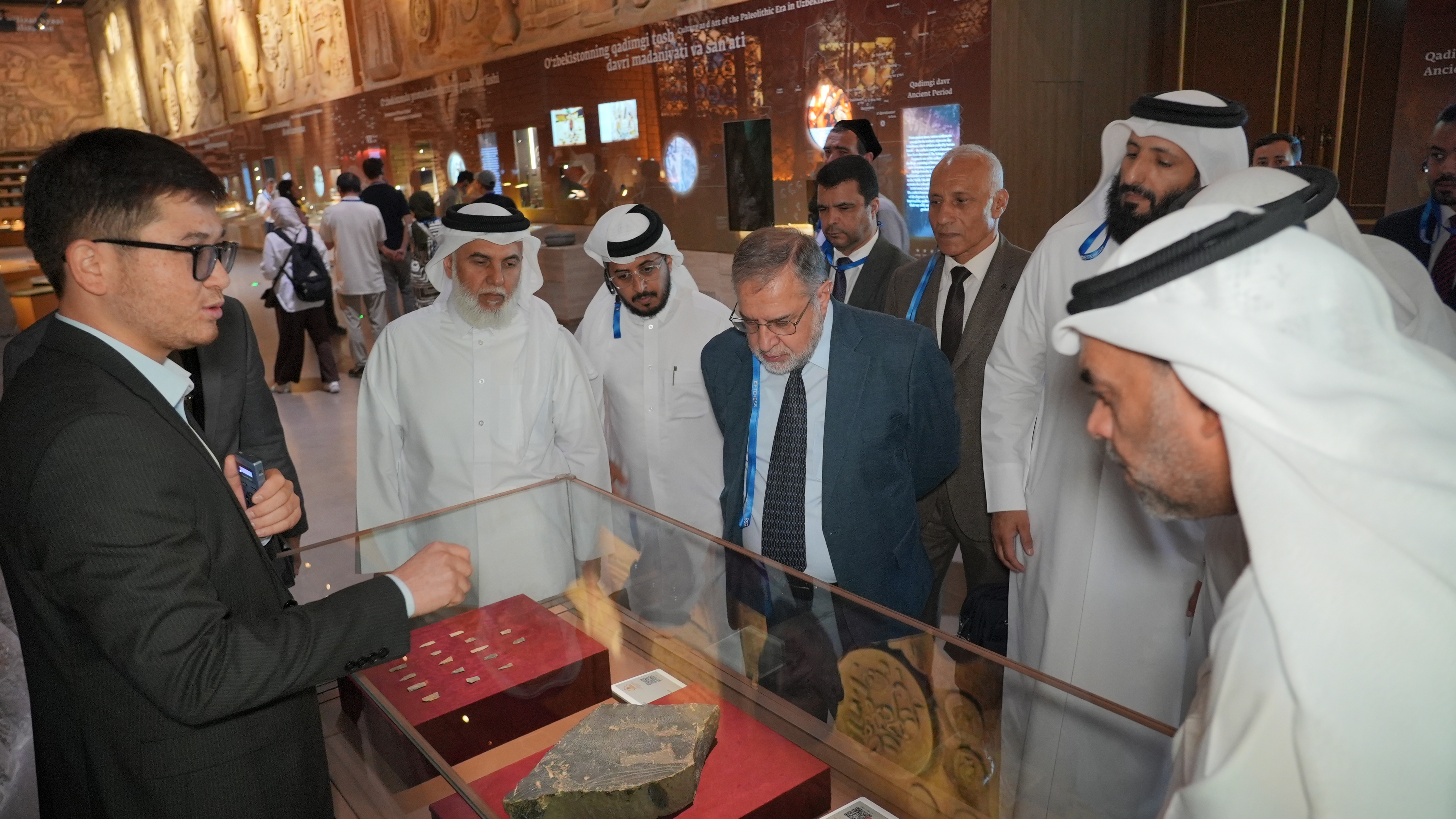 During the visit, Dr. Nawzad Abdulrahman Al-Hiti, Senior Adviser at the Ministry of Foreign Affairs of the State of Qatar and Professor of Political Economy at the Diplomatic Institute, shared his impressions of the Center.
“This is a remarkable initiative by the President of Uzbekistan aimed at preserving Islamic civilization and the great Islamic heritage. The Center brings together a collection of exhibits from different historical periods and presents the way of life and culture of the Uzbek people before and after the advent of Islam. It illustrates how Uzbek society lived, what its way of life was like, and how economic activities developed within that society.
In my view, the Islamic Civilization Center in Uzbekistan will become an important platform for visitors from around the world to learn about the contributions of Uzbek scholars not only to Islamic sciences, but also to medicine, law, geology, and other natural sciences and humanities.”
 He noted that the scholarly legacy created by our ancestors was not confined to a single region or civilization. This knowledge influenced scientific development across various parts of the world.
“The West, other Islamic civilizations, as well as the civilizations of Mesopotamia, the Nile Valley, Rome, and Greece all benefited from this knowledge. This Center will remain a beacon of civilization, and history will forever preserve Uzbekistan’s role in safeguarding Islamic civilization.”
In this regard, the heritage presented in the Center’s exhibitions does not belong solely to the history of one people or one region. It is closely connected with the shared scientific and cultural development of humanity.
As the Qatari representative noted, various civilizations in both the West and the East, including those of Mesopotamia, the Nile Valley, Rome, and Greece, benefited from this scholarly heritage at different periods of history.
Today, the Islamic Civilization Center serves to present these historical connections on a scholarly basis, introduce the legacy of our great ancestors to a wider audience, and demonstrate to visitors from different countries Uzbekistan’s place in the history of world civilization.
According to Dr. Nawzad Abdulrahman Al-Hiti, by bringing this shared historical and scholarly heritage together in one place, the Center can also become an important platform for scientific and cultural dialogue among different peoples.
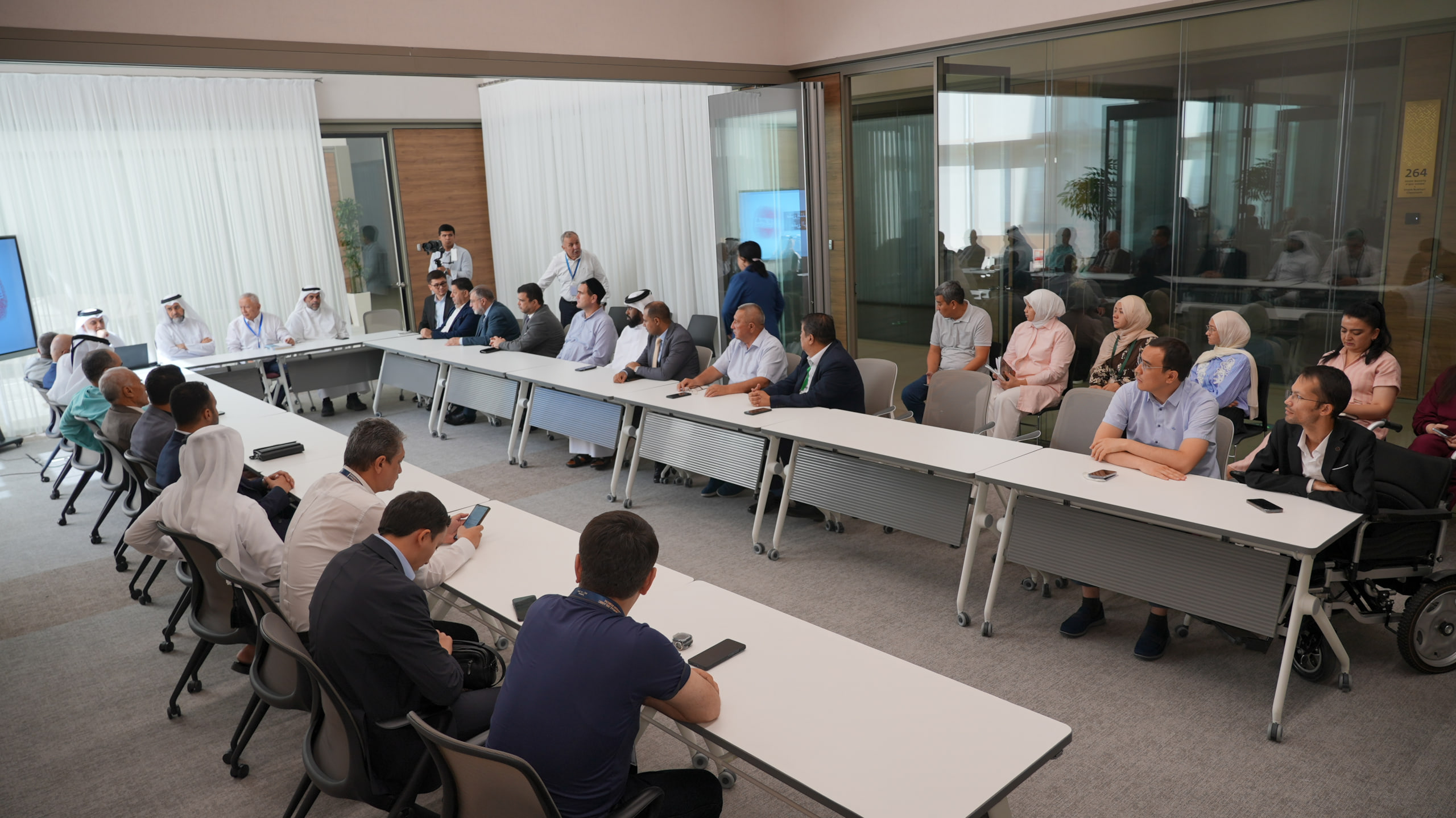 The visit of the Qatari delegation comes at a time when scholarly and cultural ties between the two countries are steadily developing. An international conference titled “Islamic Cultural Heritage in Uzbekistan and Its Role in the Development of World Science” is also currently being held in Tashkent, with the participation of an international delegation led by Qatar, as well as scholars and researchers. (Ministry of Foreign Affairs of Qatar)
At the conclusion of the visit, the guests highly praised the Center’s significance in studying the history of Uzbekistan and world civilization, preserving scholarly heritage, and presenting it to the international community.