


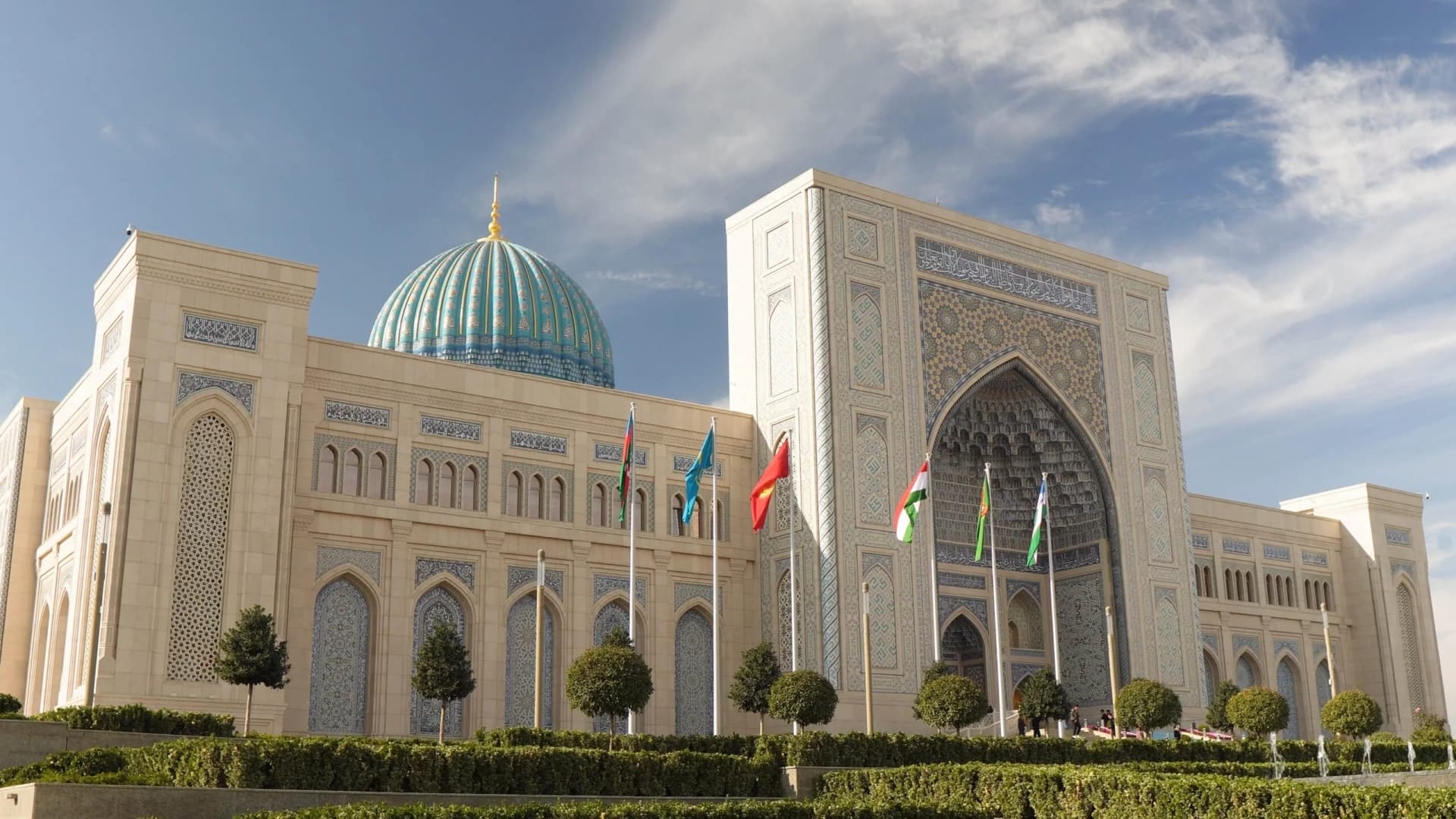

“The Center and its museum impressed us even more than we expected,” says former President of Hungary
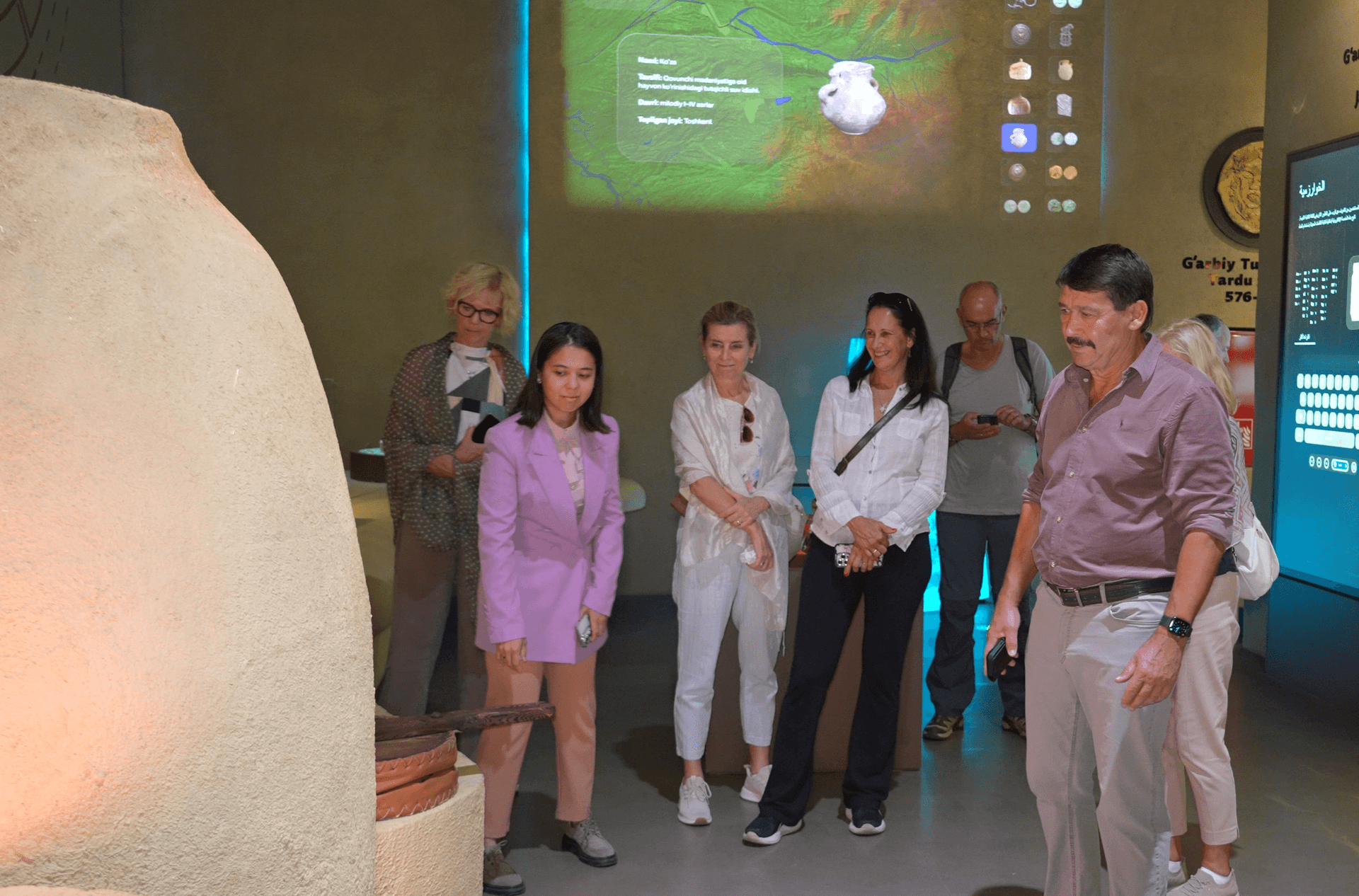
At the beginning of the visit, the guests were introduced to the overall activities of the Islamic Civilization Center and paid particular attention to its distinctive concept. It was noted that the Center’s mission is not limited to displaying historical artifacts, but is also aimed at studying the heritage of the past on a scholarly basis, systematizing and preserving it, and presenting it to the wider public through modern means.
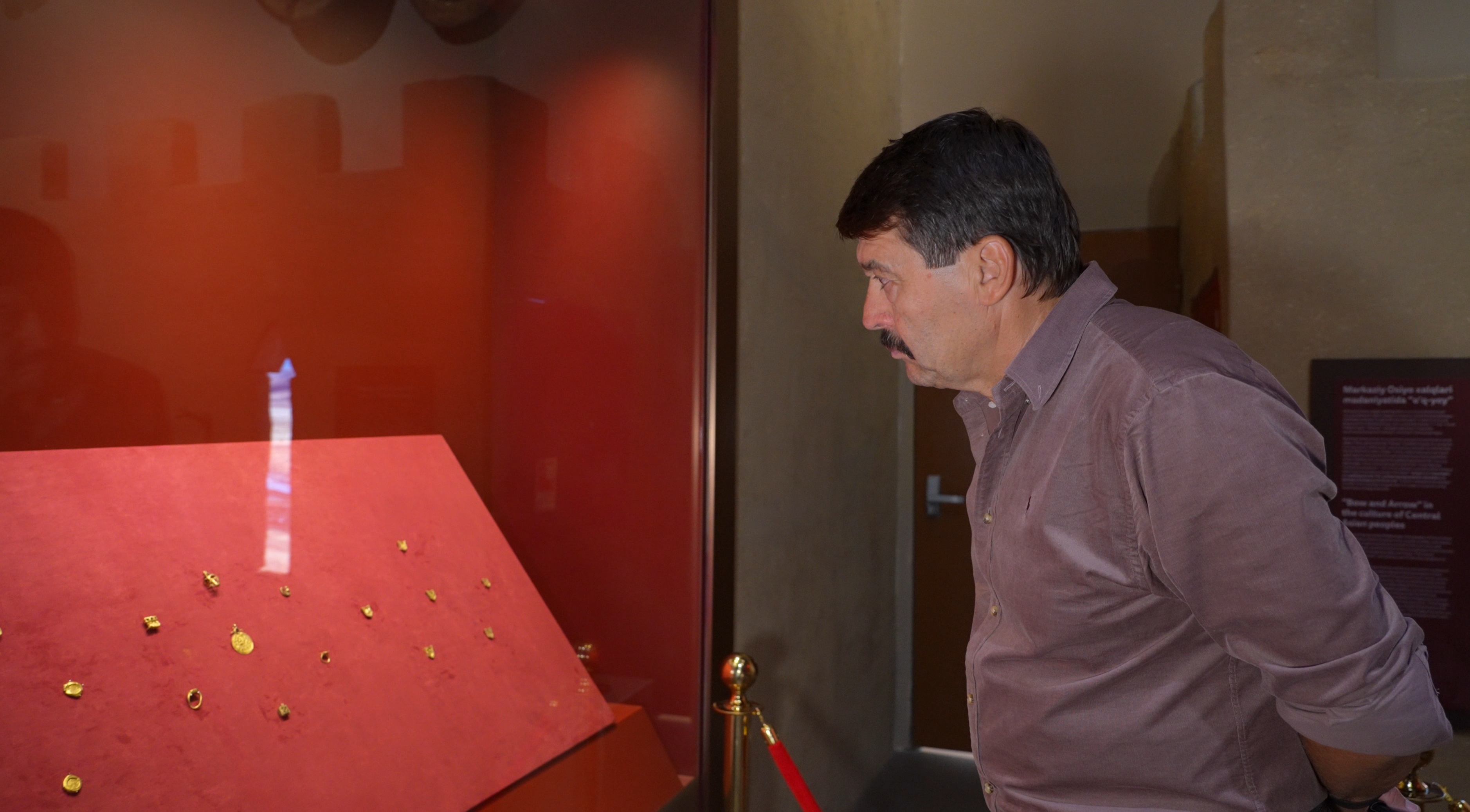
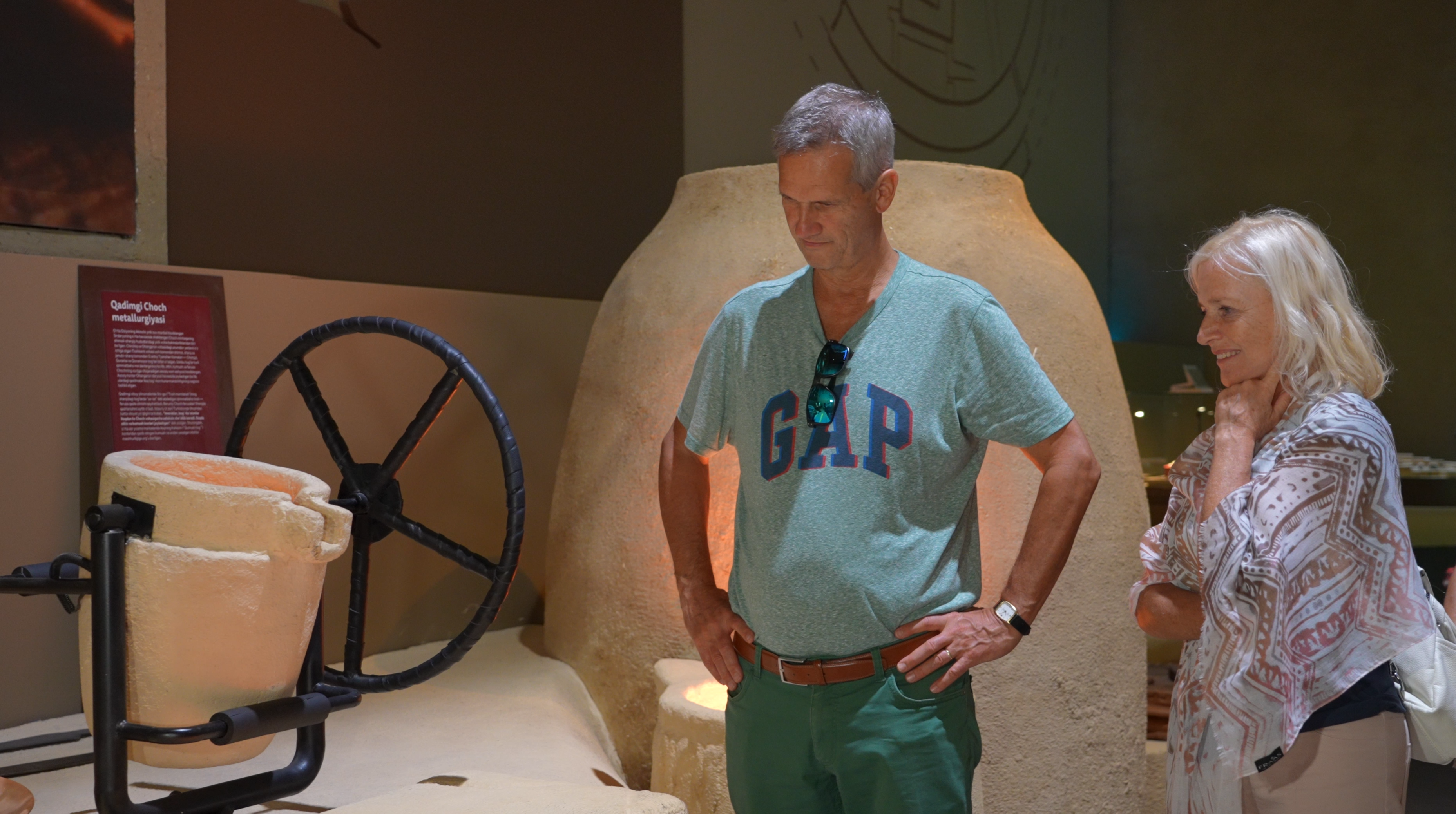
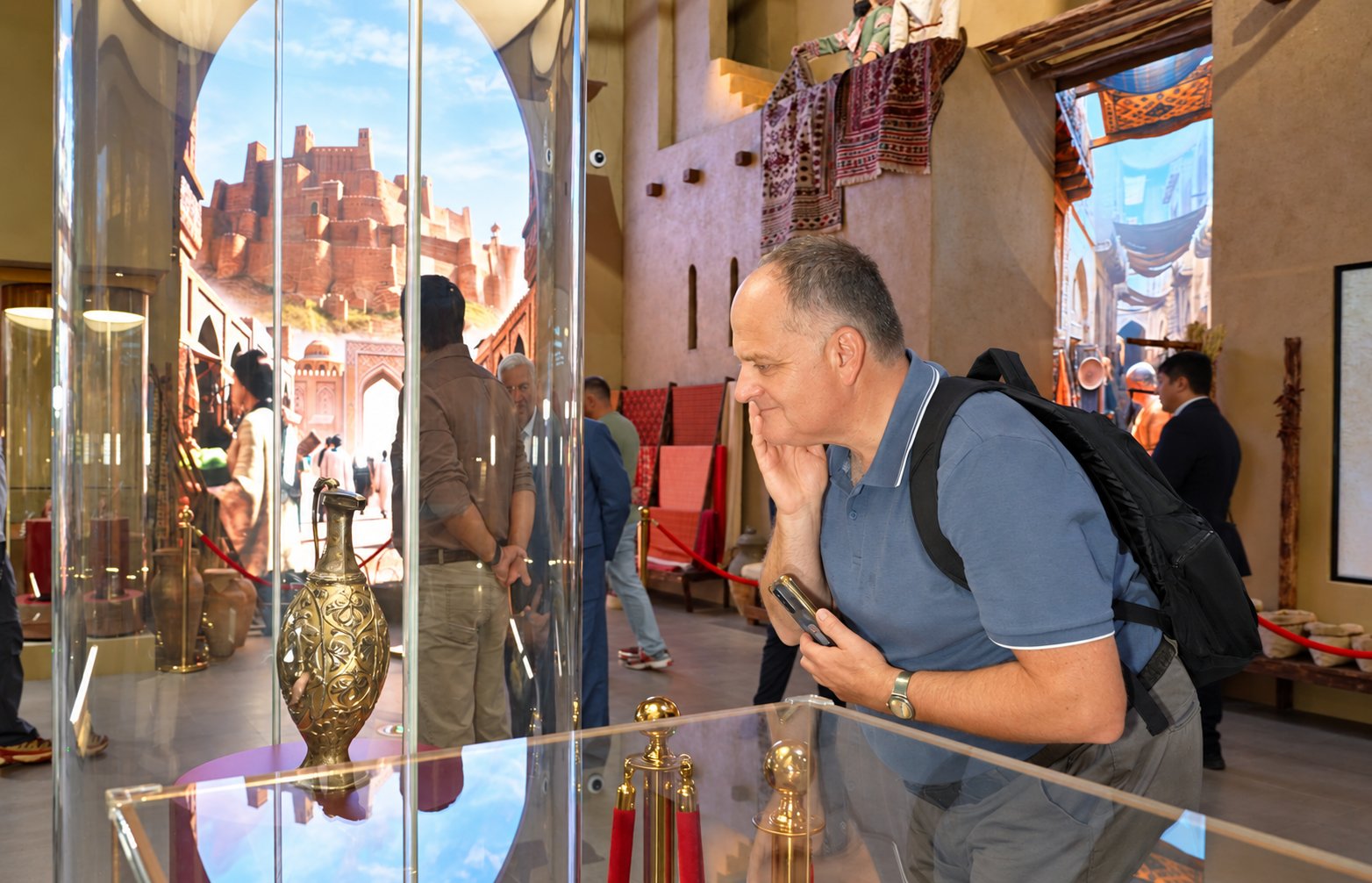 The members of the delegation toured the exhibition halls in sequence. They were provided with information about the formation of Islamic civilization, the development of Islam and Islamic culture in Central Asia, the rise of scientific thought, and the contributions of the great scholars who emerged from this region to world civilization.
Through the historical processes reflected in the exhibitions, the guests had the opportunity to learn about the scholarly schools, exchanges of knowledge, and cultural ties that evolved over the centuries. Particular attention was paid to the scientific achievements of scholars from Central Asia in mathematics, astronomy, medicine, geography, philosophy, hadith studies, and other fields.
During the visit, special emphasis was also placed on the scholarly legacy of great thinkers and scientists. Information was presented on how their works, scientific ideas, and research served as important sources not only in their own time but also for the advancement of science in subsequent centuries.
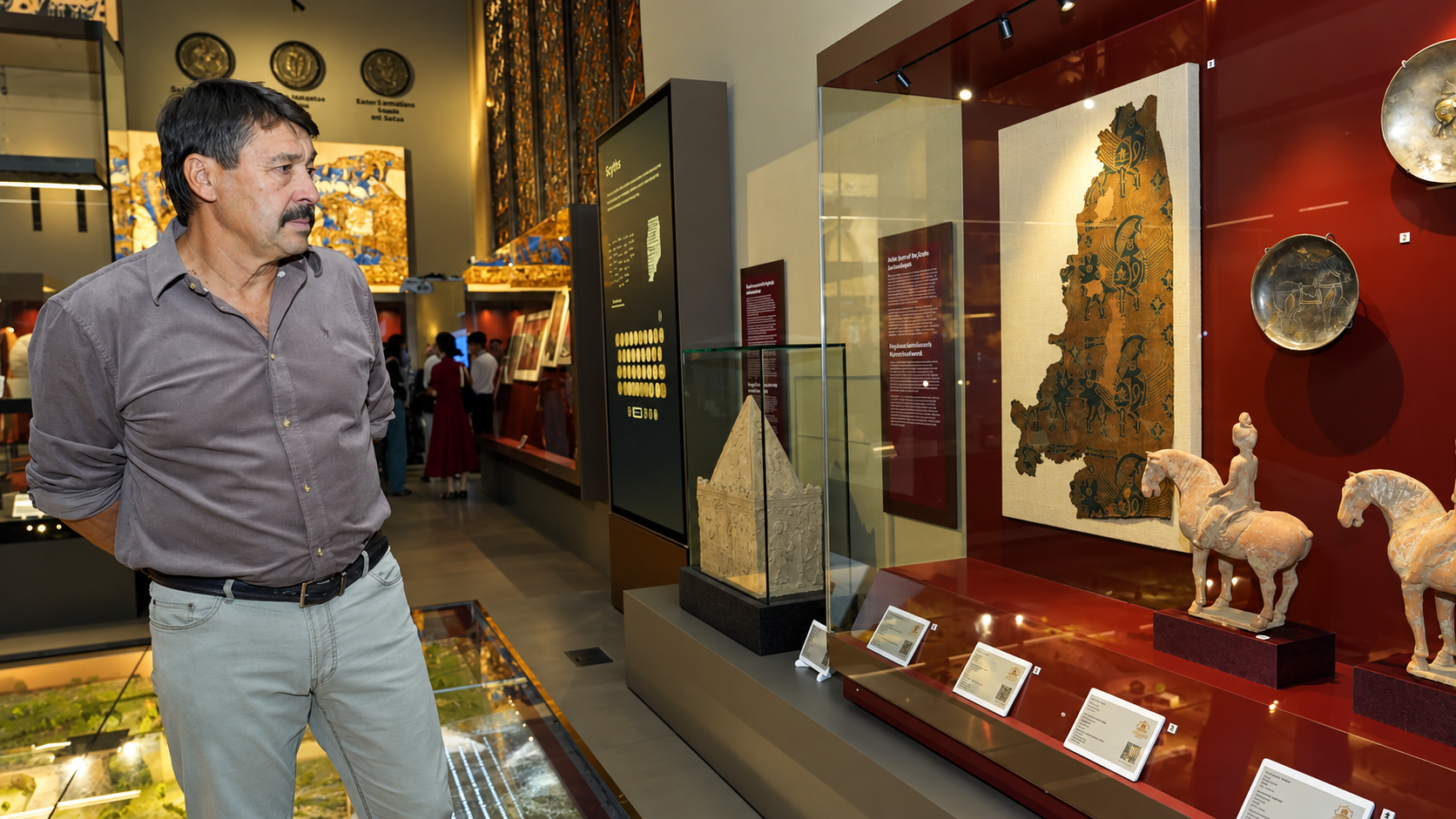 The guests also showed particular interest in the Center’s approach to presenting historical sources and examples of cultural heritage through modern exhibition methods. The use of interactive solutions, visual materials, and information technologies demonstrated how complex historical processes can be presented in a clear and accessible manner to a broad audience.
Another important part of the delegation’s visit was gaining a closer understanding of the Center’s scientific and educational activities. The guests were informed about the work being carried out to study historical heritage, conduct scholarly research, examine manuscripts and other sources, compile academic information, and create the necessary conditions for new research.
The Center’s scholarly activities encompass not only the preservation of historical heritage, but also its in-depth study and introduction into academic circulation. In this regard, the Center is helping to create an important scholarly and educational platform for researchers, academics, students, and the wider public interested in history and culture.
The guests also expressed interest in the Center’s capacity to present historical heritage to an international audience. Visits by statesmen, scholars, researchers, students, and tourists from different countries are creating new opportunities for academic and cultural dialogue. It was noted that such visits help provide the international community with broader information about Uzbekistan’s place in the history of Islamic civilization, the scholarly legacy of its great ancestors, and the country’s contemporary scientific and educational initiatives.
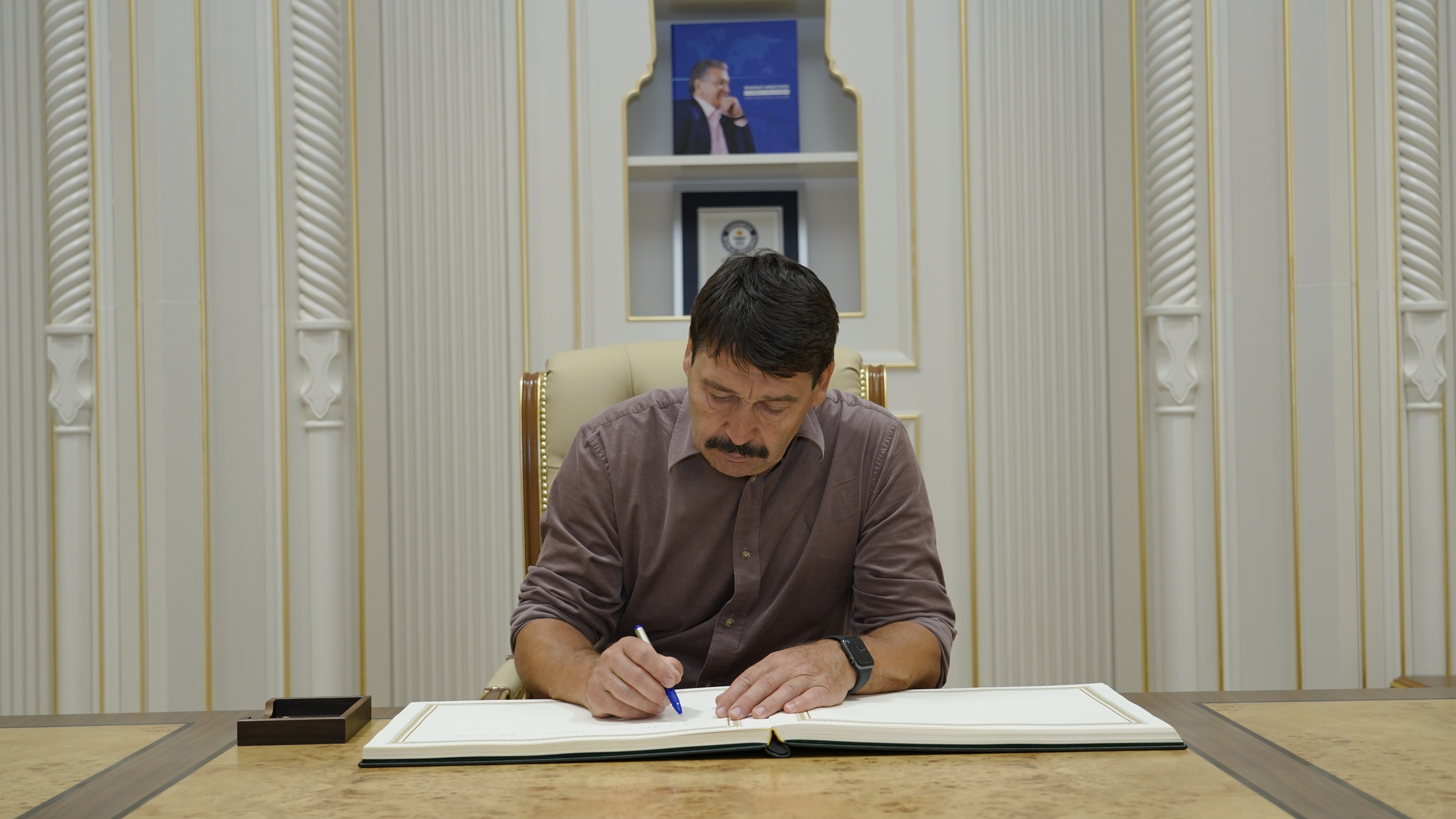
“During our visit, we were greatly impressed and pleasantly surprised. The exhibition truly made a remarkable impression. It provides an opportunity to gain a deeper understanding of historical periods and processes about which we know relatively little. Most importantly, traditional historical and museological approaches have been very successfully combined here with modern technologies and innovative solutions.
Overall, the Center and its museum impressed us even more than we had expected. It is clear that extensive work has been carried out here to preserve historical heritage, study it, and pass it on to future generations. In particular, the integration of historical information with modern technologies has made the exhibition more engaging and easier to understand. I believe this is important not only for specialists interested in history, but also for young people and the wider public,” said former President of Hungary János Áder.