



Children in the world of knowledge: from historical heritage to modern discoveries
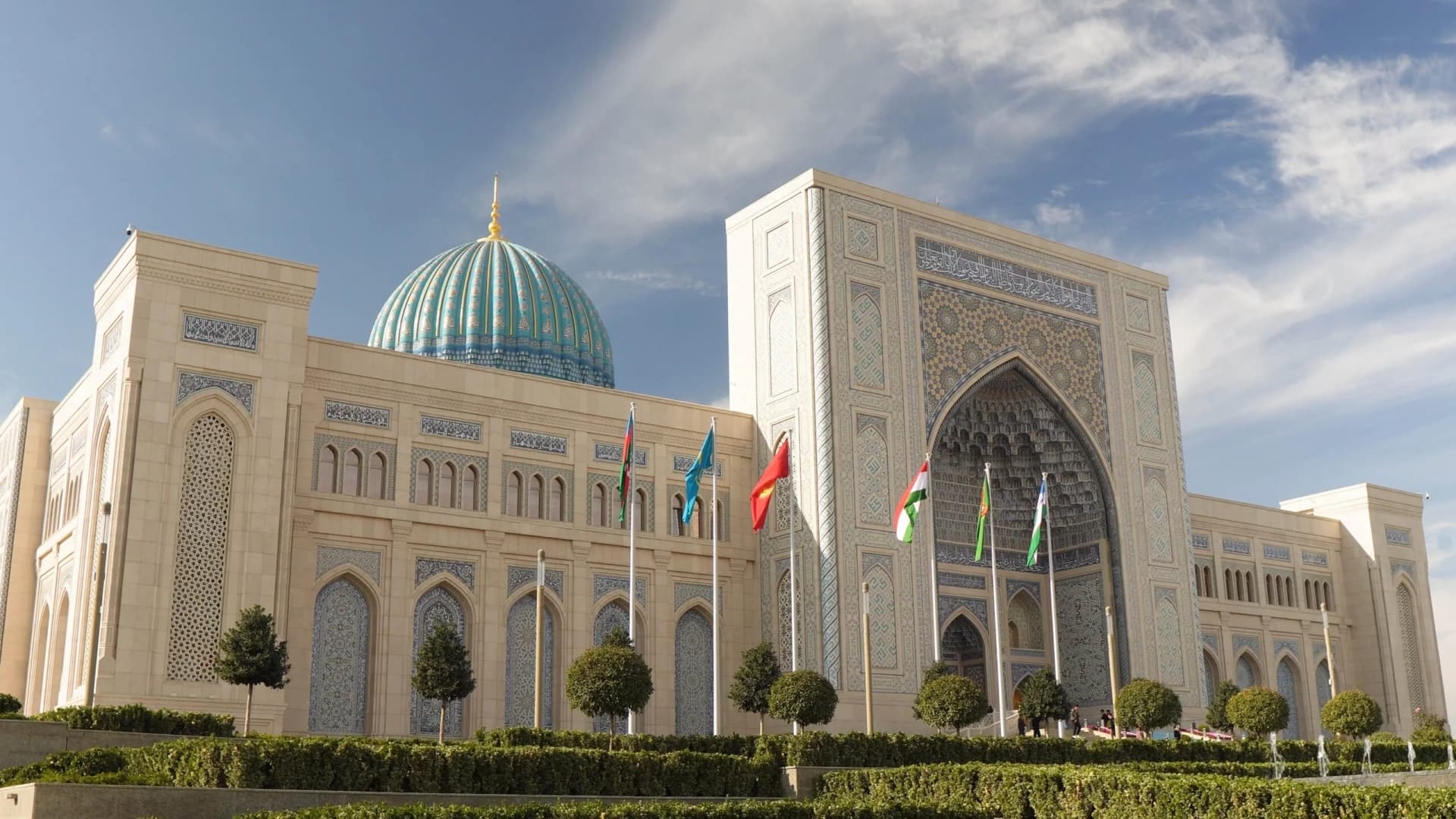
The Children’s Exhibition at the Islamic Civilization Center introduces the younger generation to the scientific legacy of great scholars through interactive experiences, modern technologies, and creative exploration.
Established at the initiative of President of the Republic of Uzbekistan Shavkat Mirziyoyev, the Children’s Exhibition at the Islamic Civilization Center is an educational and scientific space that interprets historical heritage through modern teaching methods. Here, young visitors are not merely observers receiving ready-made information, but active participants who ask questions, conduct experiments, and draw independent conclusions.
The main purpose of the exhibition is to present, in a clear and engaging way for children, the contributions of the great scholars who emerged from Uzbekistan and Central Asia to the development of world science and culture. In this way, the exhibition demonstrates the close connection between historical knowledge and modern science and technology.
A new way of understanding history
The exhibition is structured around a logical progression that leads children from acquiring historical knowledge to independent exploration. First, they learn about the lives of great scholars, the intellectual environment in which they worked, and their discoveries. They then use digital technologies to explore the scholars’ scientific ideas. At the next stage, they test what they have learned through interactive devices and hands-on experiments.
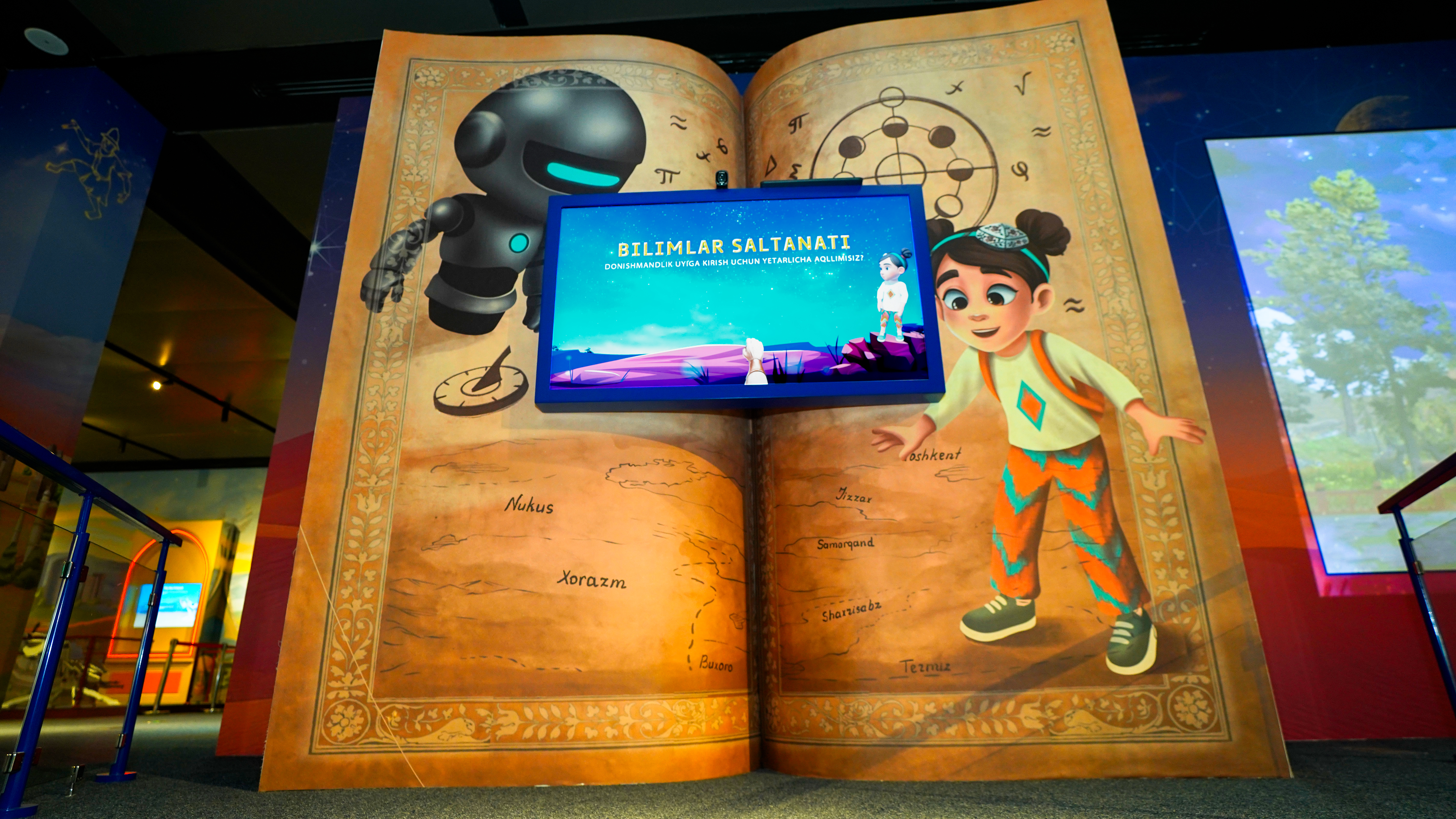
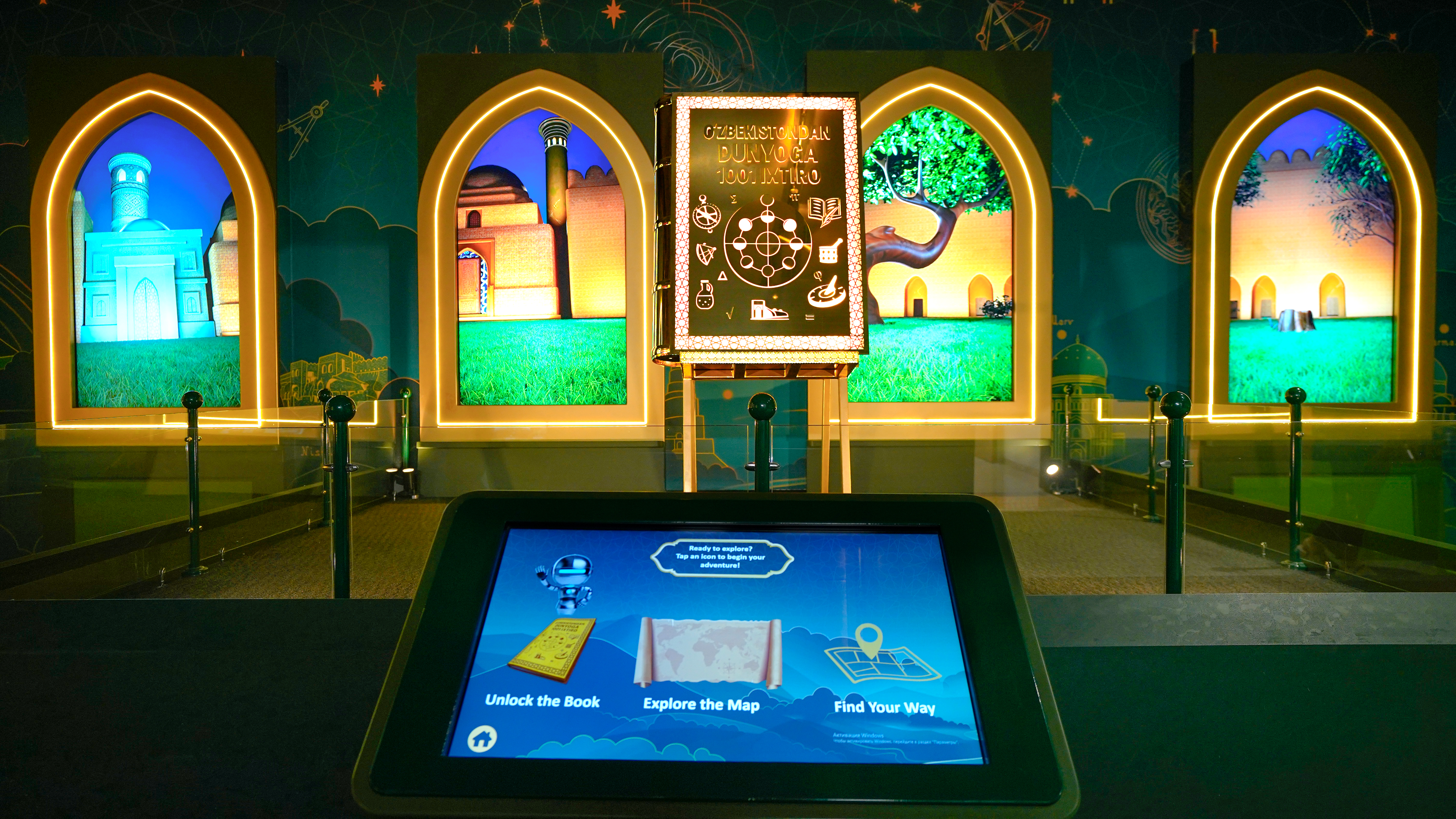 The illuminated book titled “1001 Inventions from Uzbekistan to the World,” together with the animations, historical patterns, and symbols surrounding it, conveys the central idea of the exhibition. The questions and tasks displayed on touchscreens not only increase children’s interest in the subject but also prepare them for the next stage of the scientific and creative process.
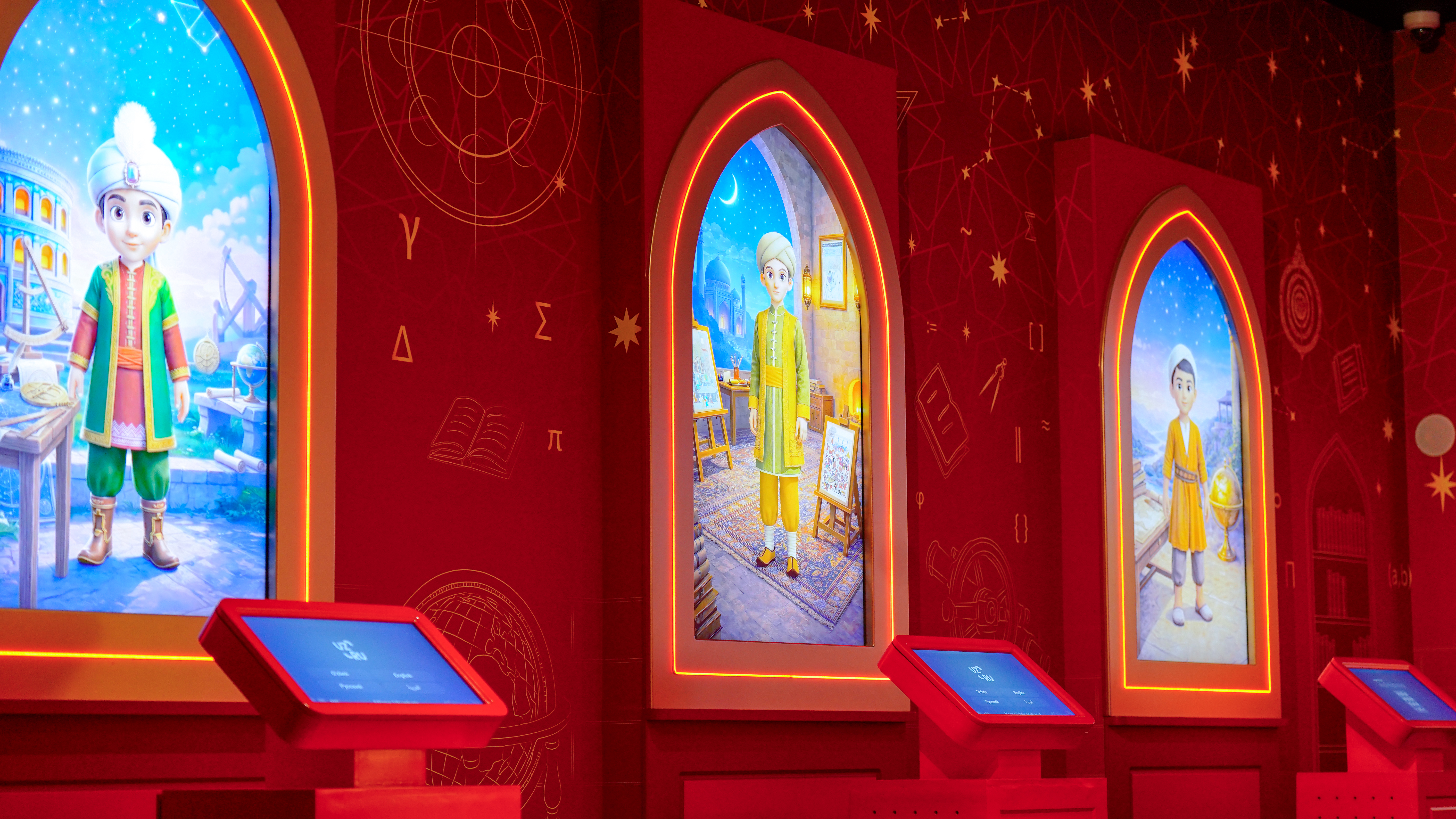
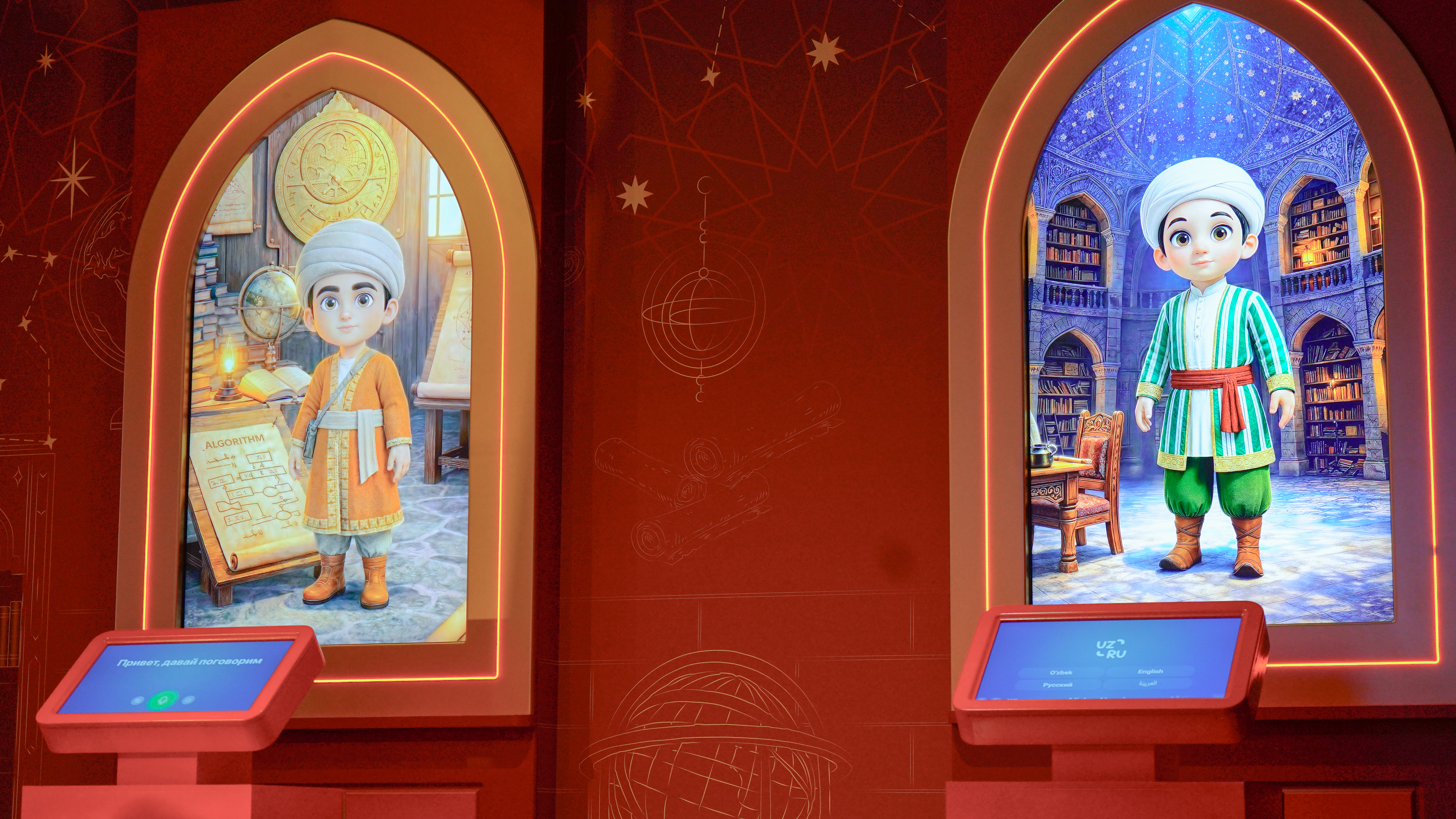 Through interactive avatars, young visitors learn about the lives, interests, and scientific research of great scholars such as Khwarizmi, Abu Rayhan Biruni, and Abu Ali ibn Sina. This approach presents historical figures in a child’s imagination not as vague personalities from a distant past, but as individuals who rose to greatness through a pursuit of knowledge, exploration, and perseverance.
An animated film featuring the curious Nozima and her artificial intelligence companion Hakim further develops this idea. The characters’ journey through the pages of the book “1001 Inventions from Uzbekistan to the World” shows that great discoveries often begin with a simple question, careful observation, and a sense of wonder.
 From scientific ideas to hands-on experimentation
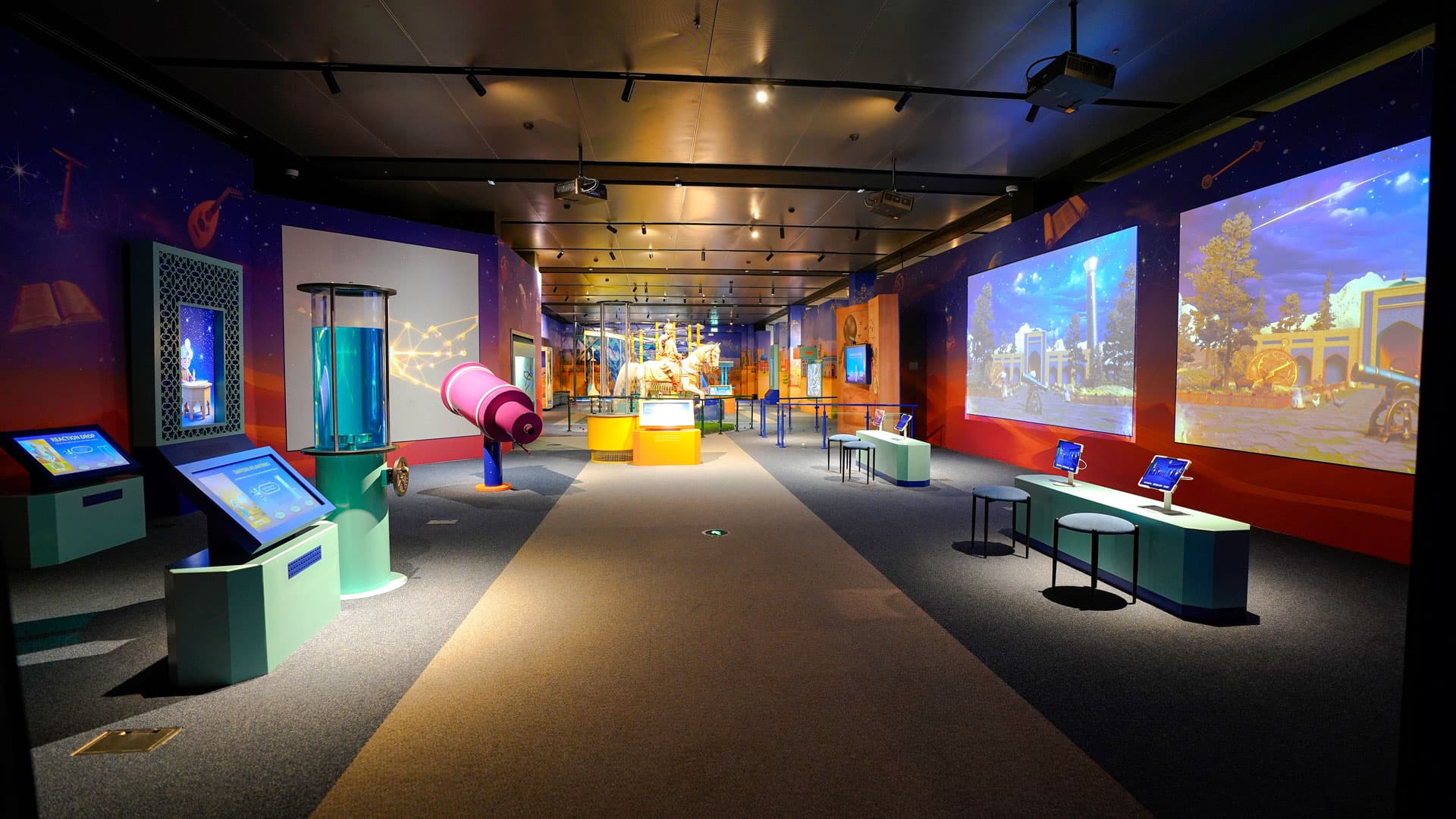
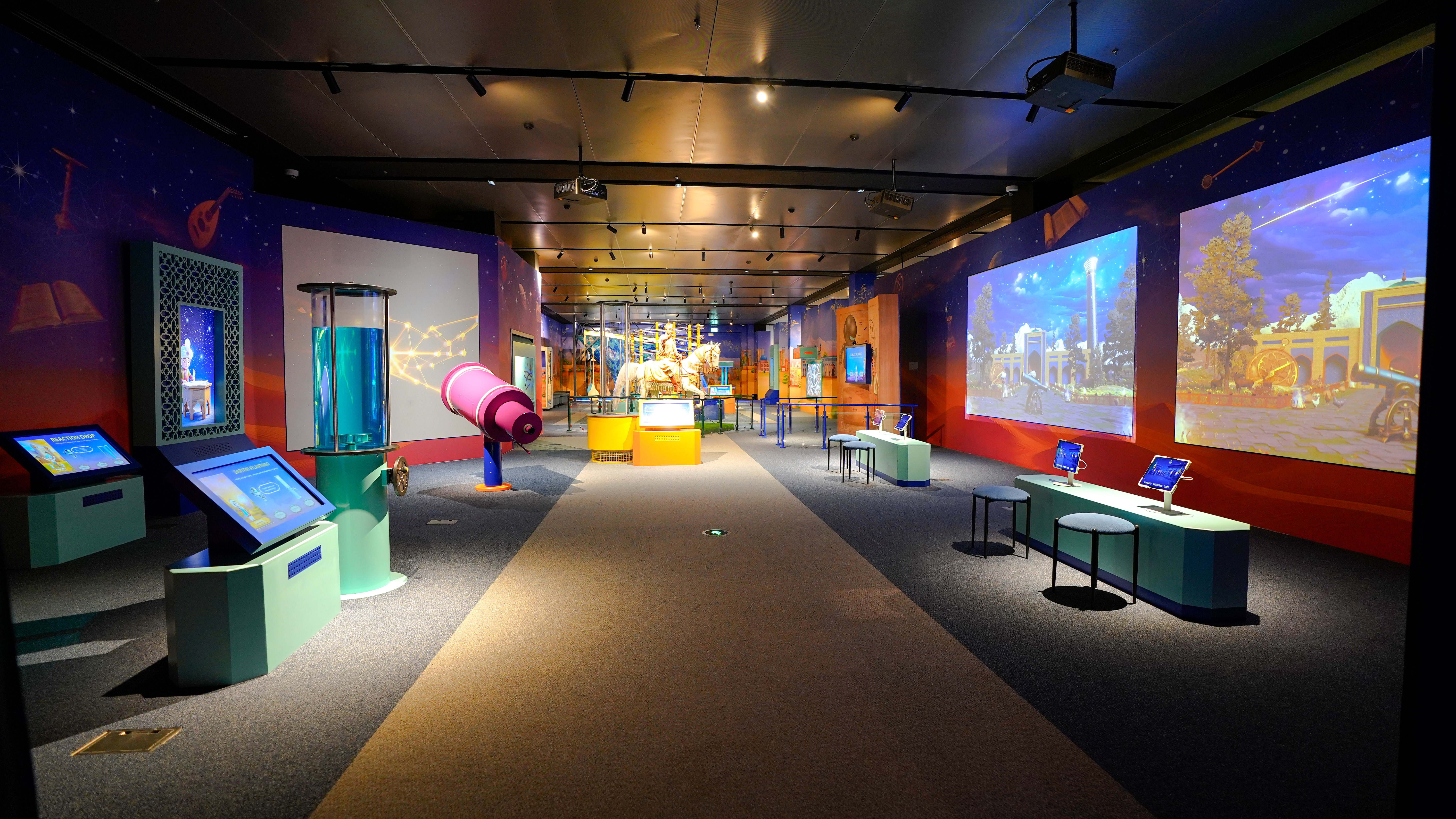
“The world of ideas” is the main hands-on section of the exhibition, featuring more than 15 interactive devices and experimental stations that combine science, technology, engineering, and art. Each of them allows children to directly observe a particular scientific phenomenon, test it for themselves, and analyze the results.
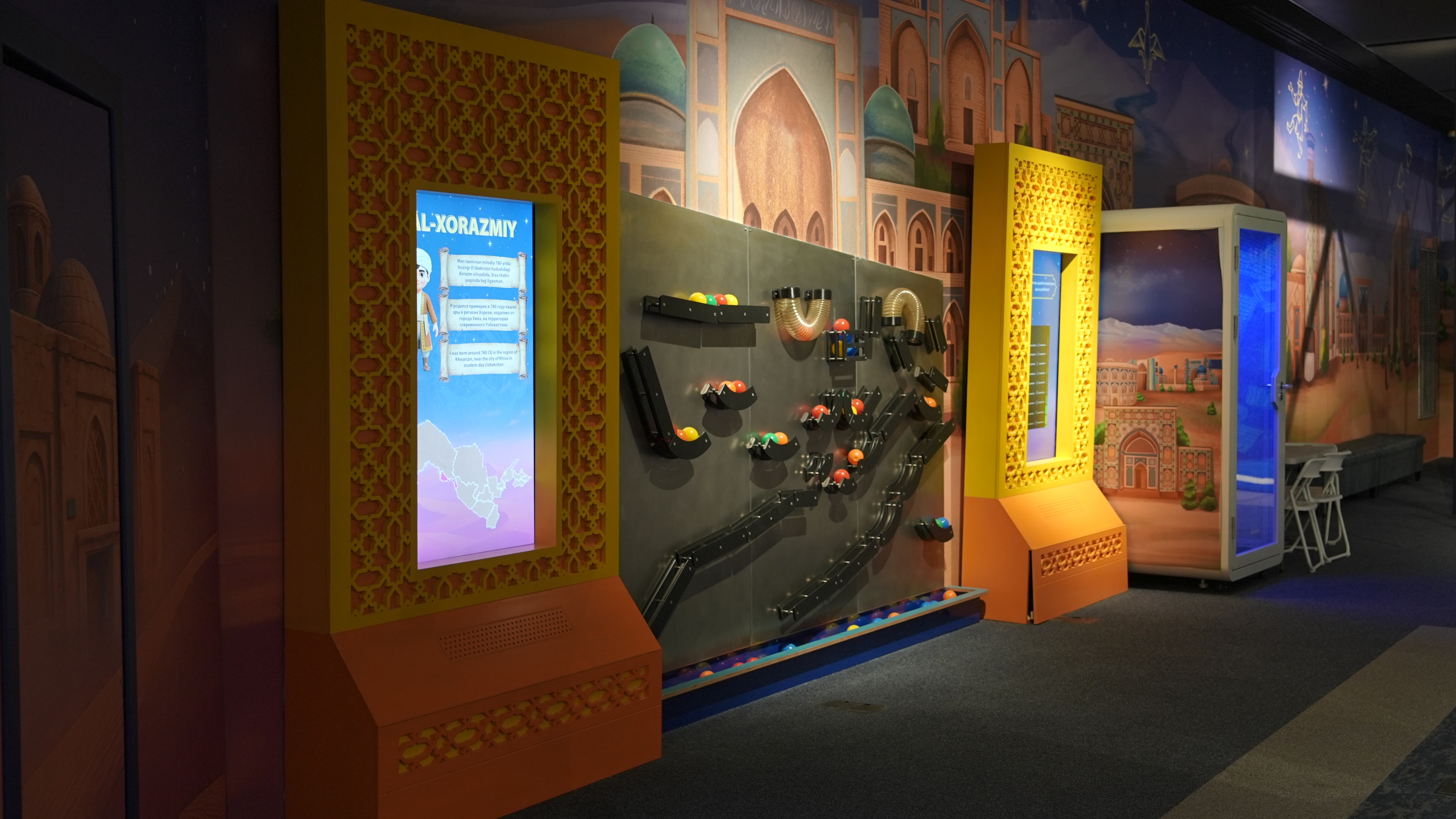 At the magnetic ball wall, children independently design a route of movement, test it, and modify their solution if necessary. The water vortex and wind tunnel help them observe flow, air pressure, and the effect of shape on movement. The lever apparatus, meanwhile, enables them to understand the relationship between force, the fulcrum, and balance through hands-on experimentation.
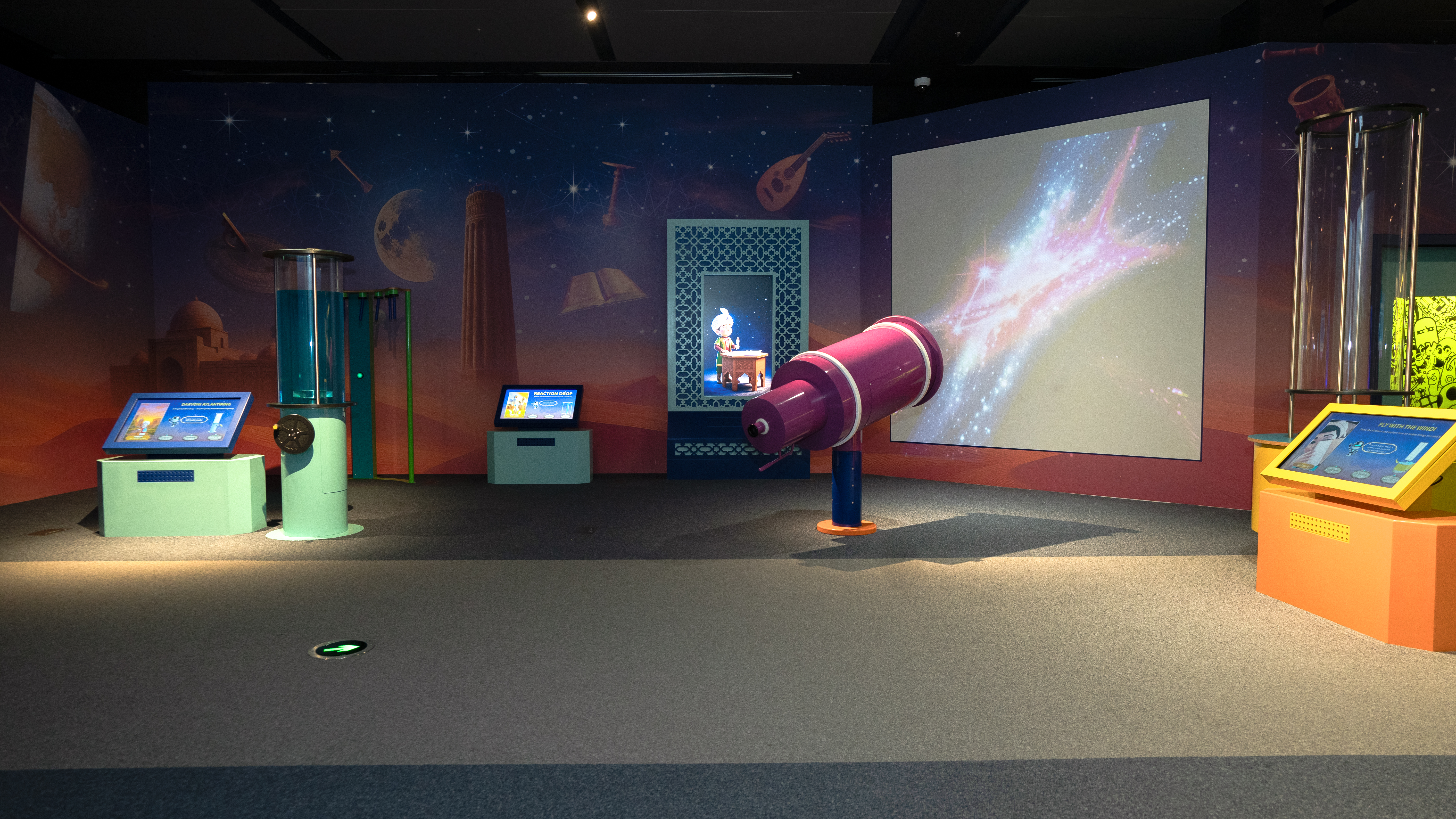 The digital telescope expands children’s knowledge of the Solar System and the planets. This section continues the rich astronomical traditions associated with Ahmad Farghani, Mirzo Ulughbek, and Ali Qushchi through modern educational tools. In this way, children become acquainted with the scientific activities of our ancestors, which were based on observing celestial bodies and making precise measurements.
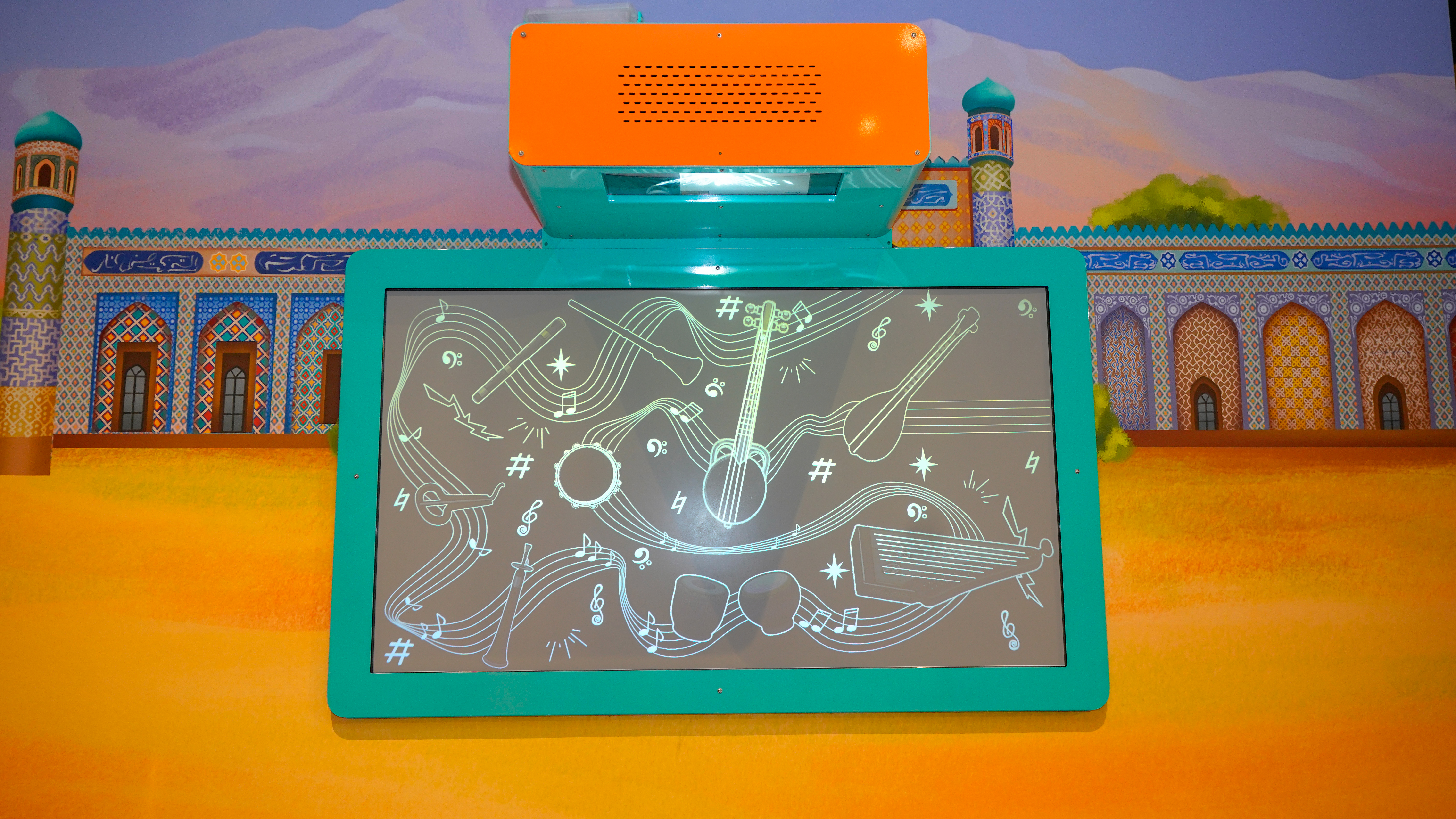 Tools such as digital graffiti, the music wall, the sound meter, colored shadows, and collective projection reveal the connection between science and art. Children explore the properties of sound, combine colors, create patterns and images, and take part in a process of collaborative creativity.
In this process, the scientific legacy of great scholars is connected with specific themes: Khwarizmi with logical and mathematical thinking; Ahmad Farghani and Mirzo Ulugbek with astronomical observation and measurement; Abu Ali ibn Sina with the human body and medical thought; Abu Nasr Farabi with the theory of music and sound; and the works of Kamal al-Din Behzad with color, ornament, and visual art.
The integration of museum learning, interactive education, and creative exploration
The educational significance of the Children’s Exhibition is reflected in its multifaceted learning model. Visitors read texts, observe images and animations, listen to sounds, operate interactive devices, test their own assumptions, and analyze the results. This approach is based not on simply memorizing information, but on asking questions, observing evidence, conducting experiments, and drawing independent conclusions.
Presenting the exhibition content in Uzbek, Russian, and English creates an accessible learning environment for local school groups, families, and international visitors. By bringing together history, modern technology, and hands-on experience in a single space, this section combines the features of a museum exhibition, an interactive learning environment, and a creative workshop.
The Children’s Exhibition continues the scientific and educational mission of the Islamic Civilization Center, which is aimed at studying, preserving, and presenting historical heritage to the wider public through modern methods, from the perspective of the younger generation. Here, the scientific ideas of great scholars do not remain confined to museum display cases — they are brought to life through digital imagery, moving models, sound, color, and hands-on experiments.
As a result, children come to understand the legacy of their ancestors not merely as established knowledge belonging to the past, but as a system of scientific thought that can be studied, developed, and carried forward. This is the central idea of the exhibition: the process of curiosity, observation, questioning, and exploration that leads to great discoveries is open to every child. In this sense, great heritage is not a completed chapter of history, but a strong foundation for the discoveries of the future.
Shahina Alijonova
P.S. The article may be republished with a link to the Center’s official website